 Seeking LED
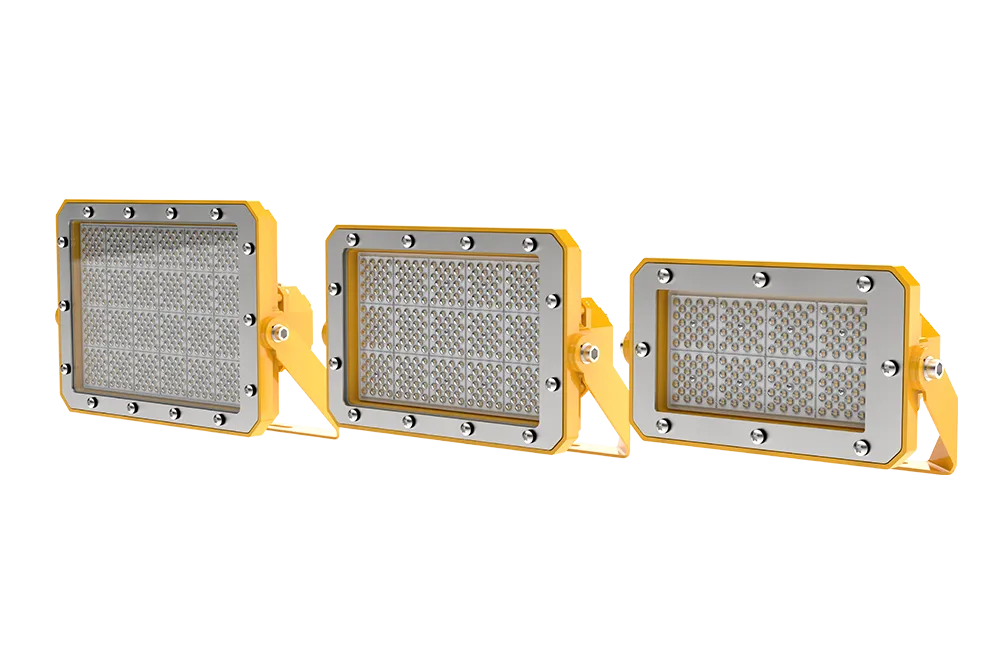
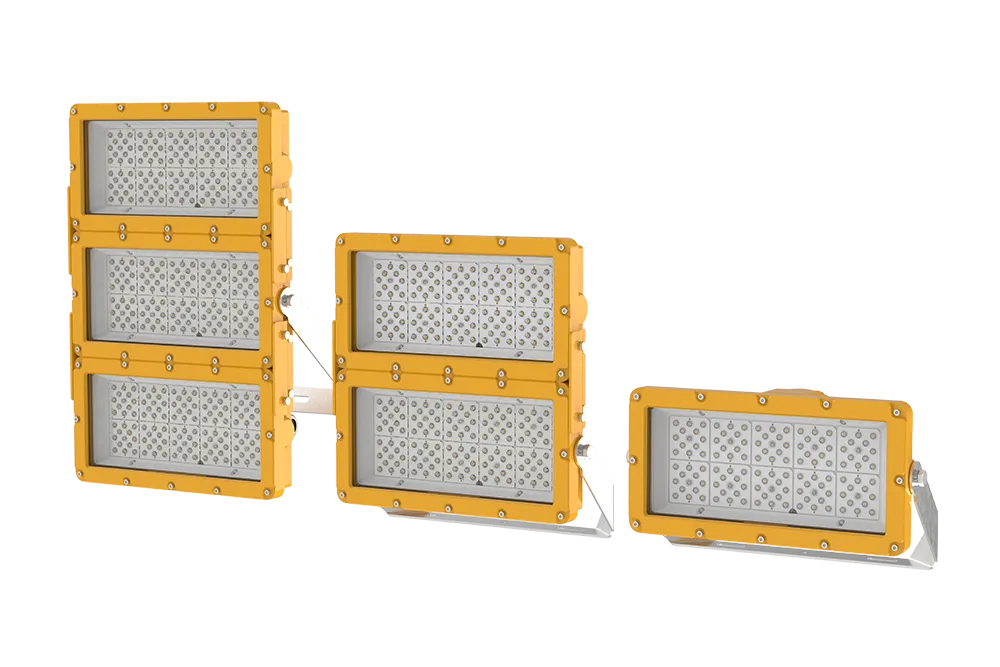
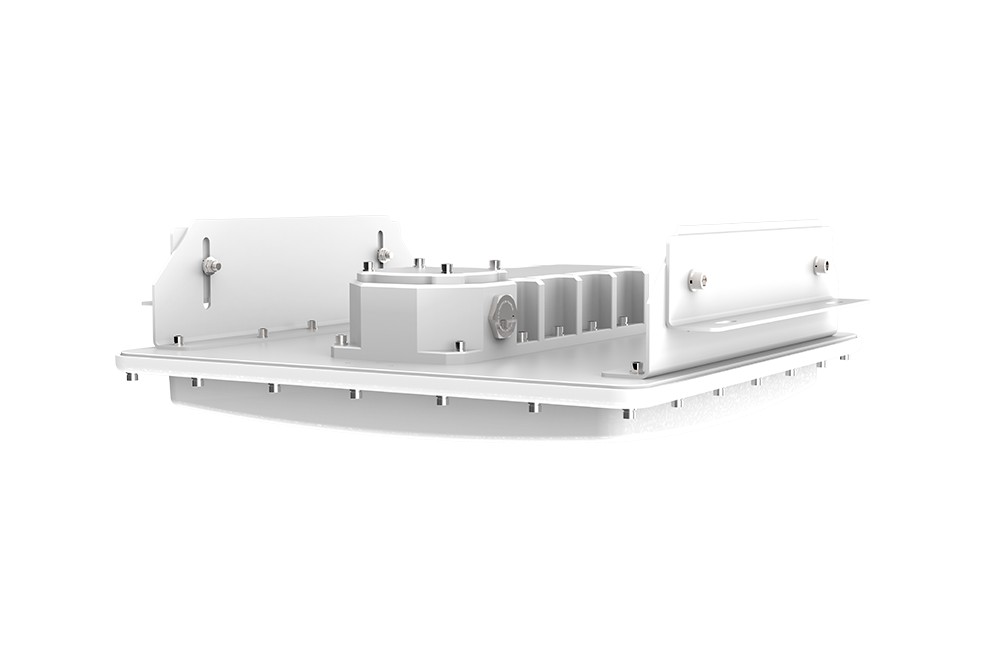
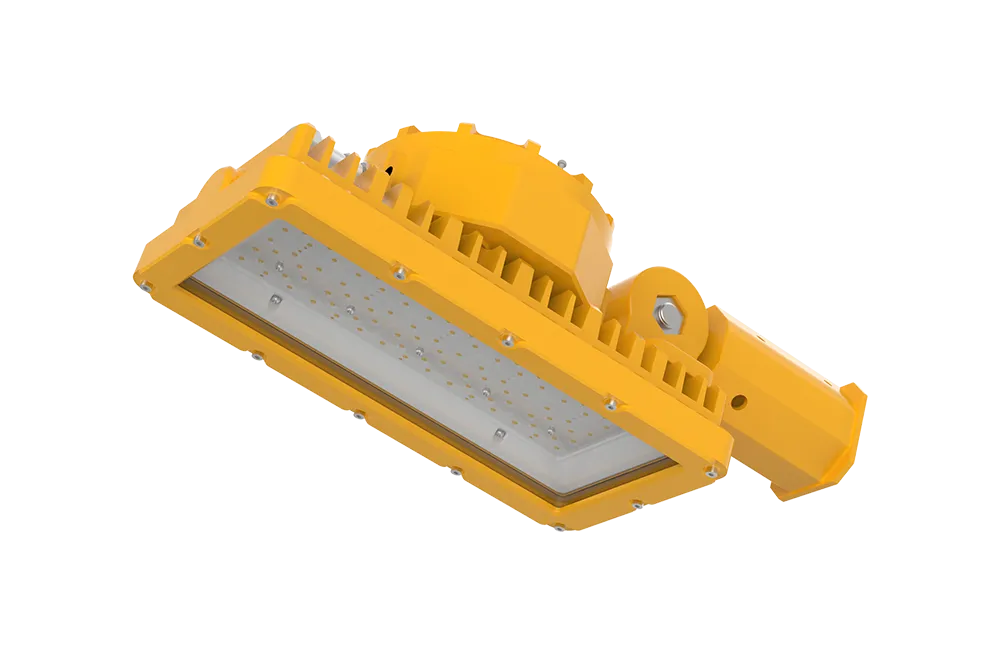
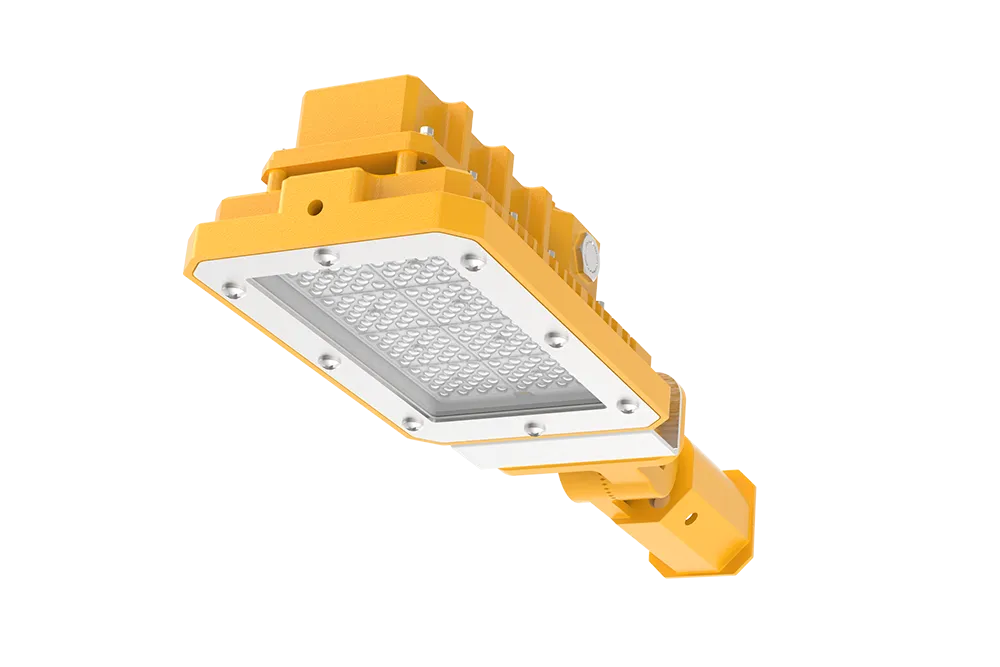
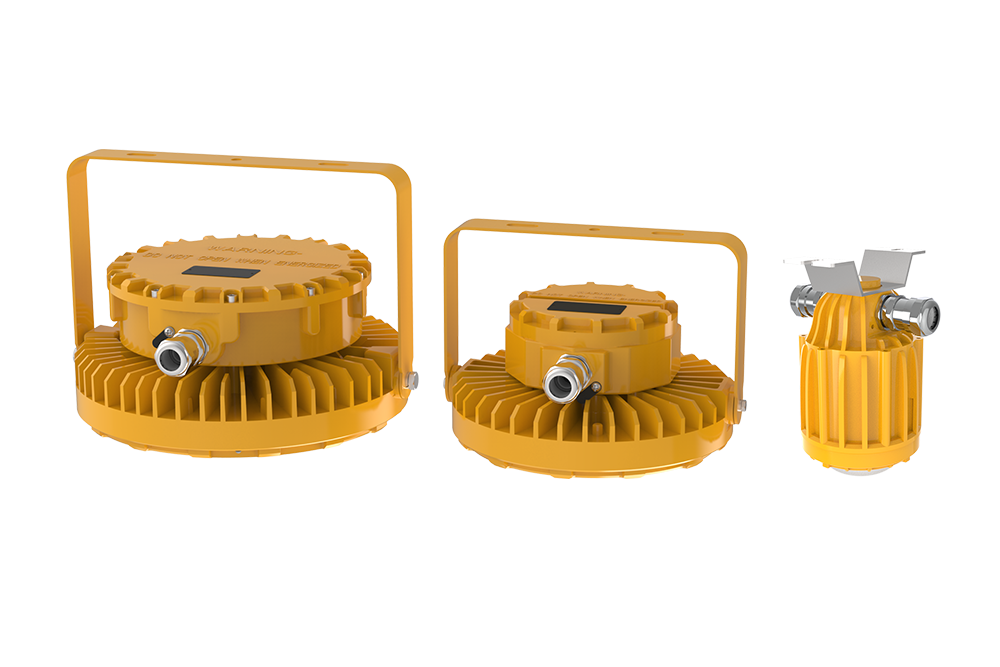
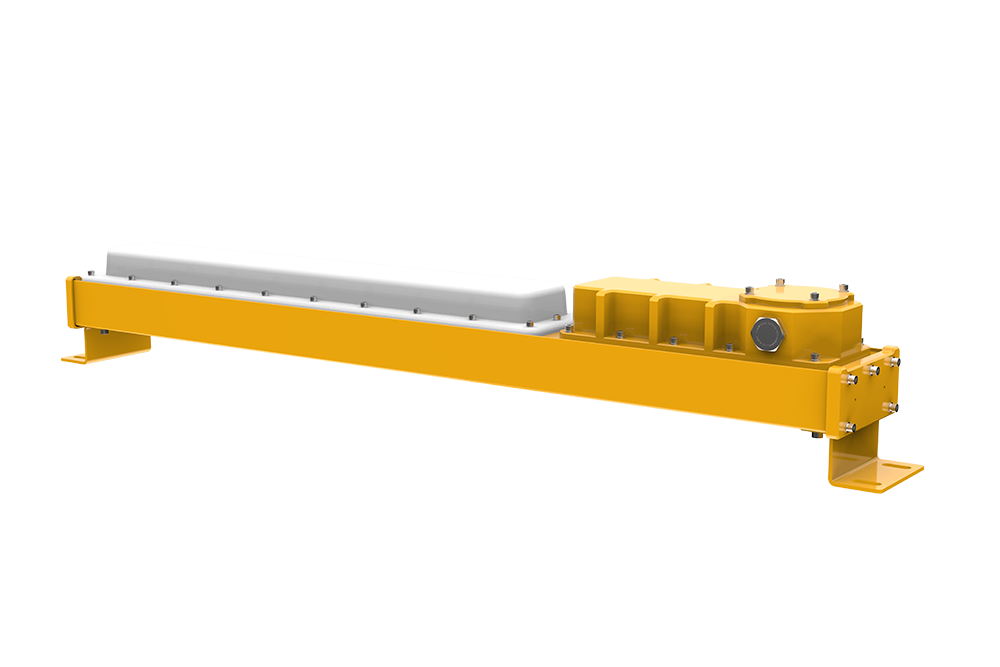
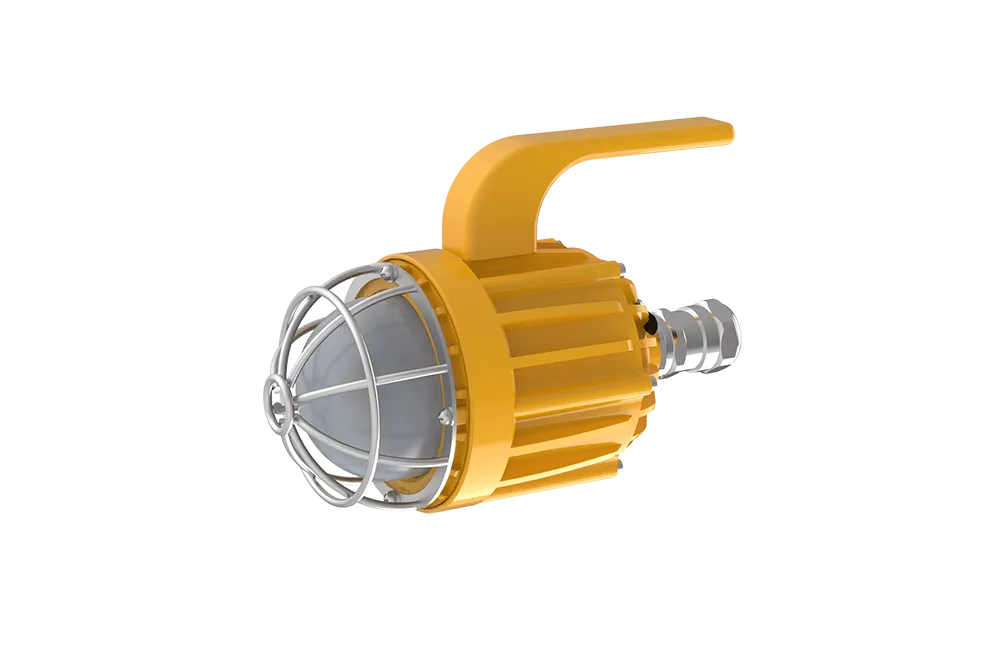
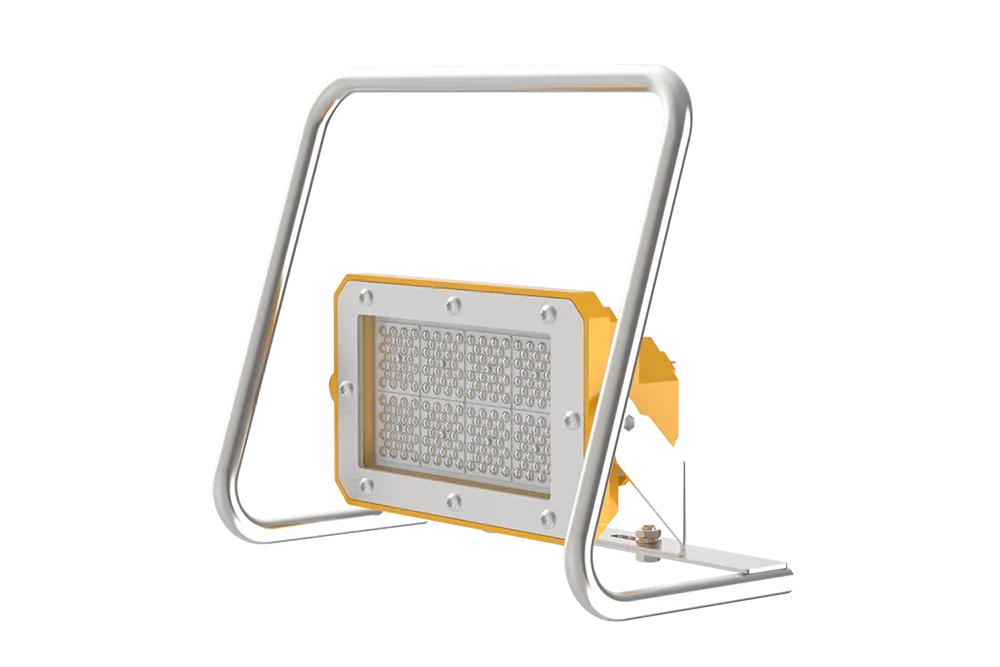
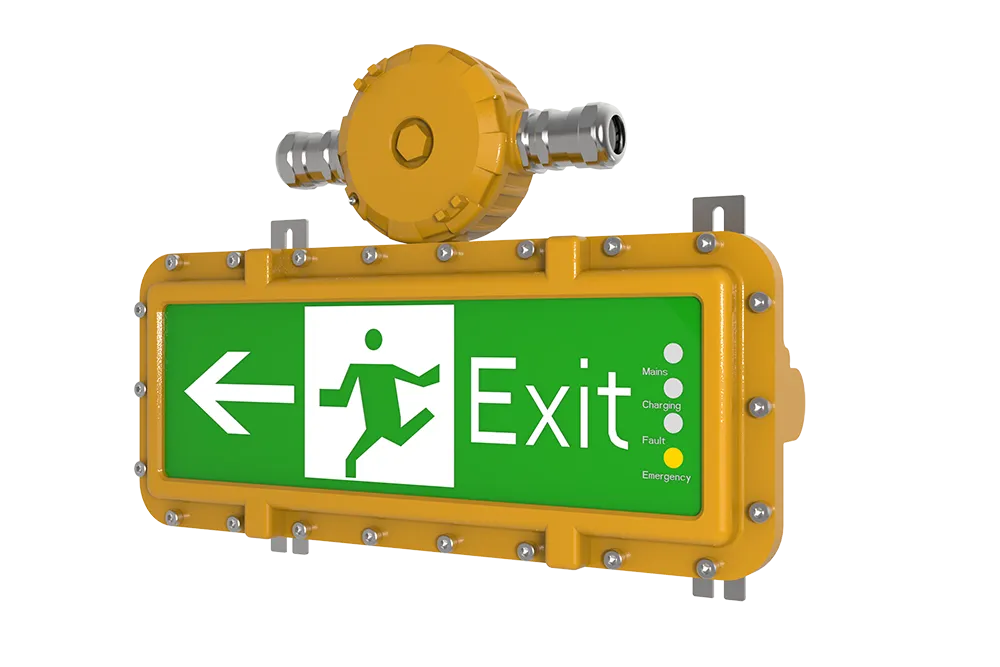
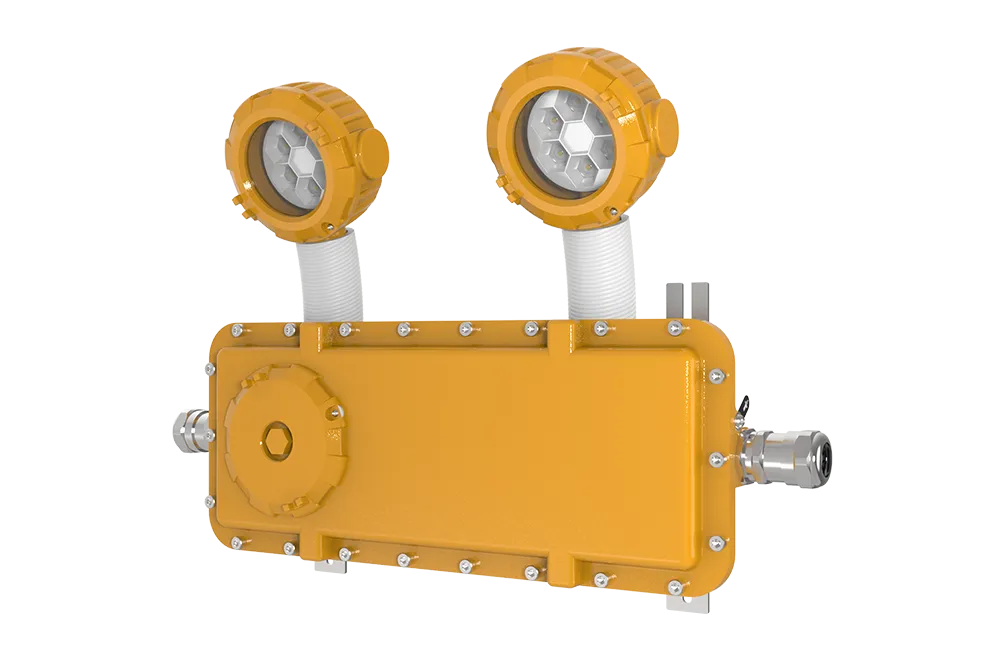
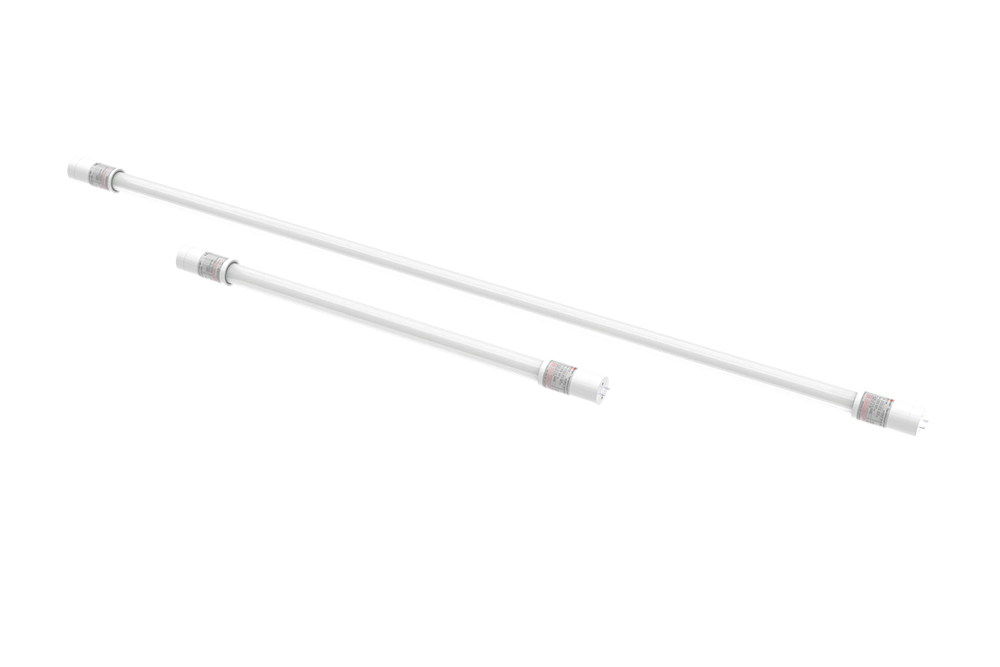
Industrial Explosion Proof Lighting: Real Safety and Performance Guide
0Industrial explosion proof lighting explained with real certifications, lumens, and field insights. Learn how SEEKINGLED ensures safety in hazardous environments.
View detailsSearch the whole station
In port terminals, lighting is rarely discussed unless something goes wrong. From an engineering point of view, that alone explains how important it is. When lighting works properly, operations move on quietly. When it does not, the problems are immediate and visible.
Port terminals run long hours. Loading, unloading, internal transport, and inspections often continue well into the night. Under these conditions, port terminal LED lighting solutions are not chosen for appearance, but for reliability and consistency.
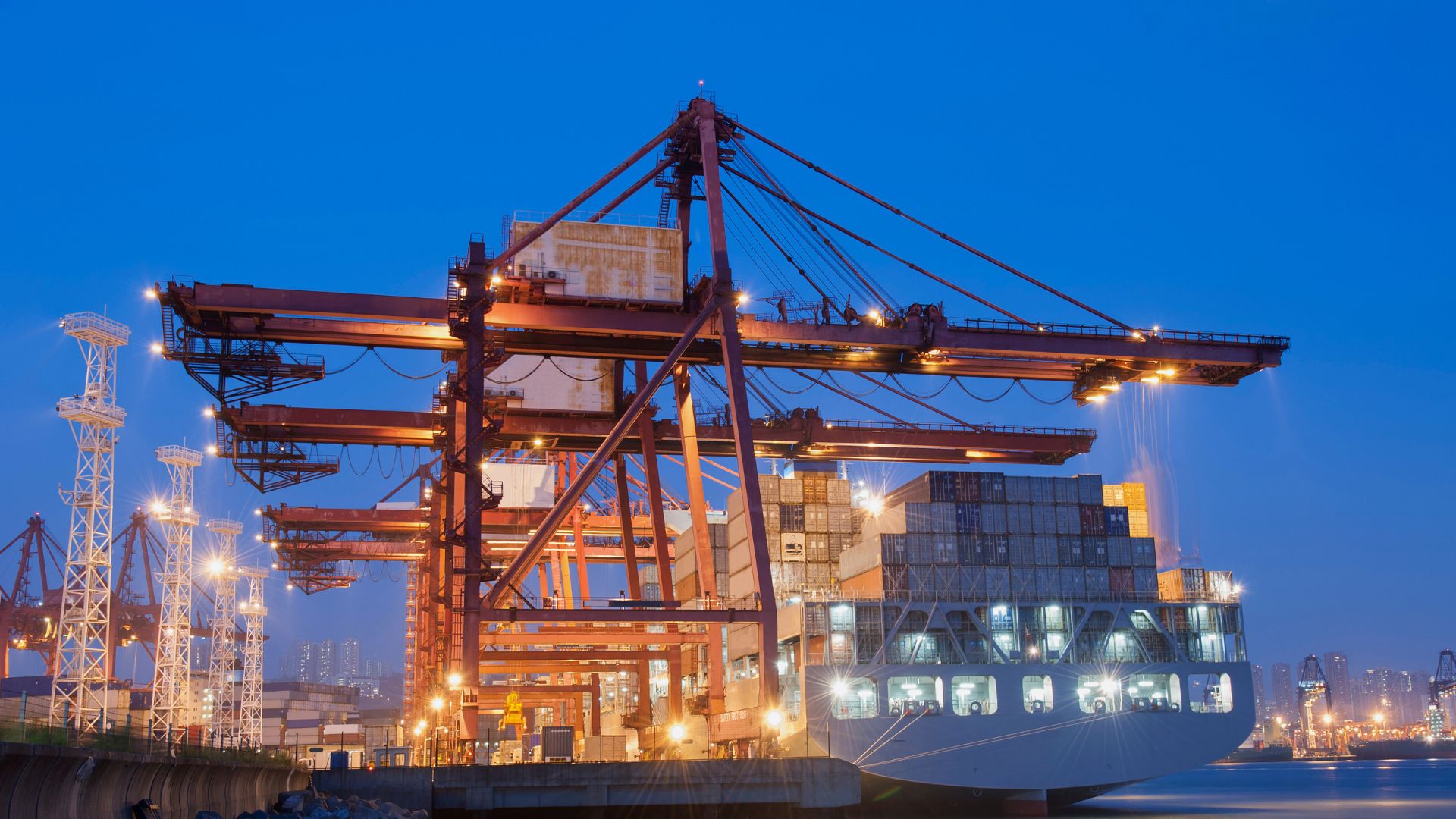
Ports are not clean environments. Salt in the air, constant wind, vibration from heavy equipment, and sudden weather changes are part of daily operation. Lighting systems installed here must tolerate these conditions without frequent attention.
From past projects and inspections, the biggest issues usually come from corrosion, water ingress, and uneven light distribution. A lamp that looks bright on paper but fails after a short period creates more problems than it solves.
LED lighting has gradually replaced traditional sources in port terminals because it handles these realities better. Properly designed housings, stable drivers, and controlled optics matter more than headline lumen numbers.
One common misunderstanding is that brighter lighting automatically improves safety. In port areas, excessive brightness can cause glare on metal containers, wet ground, or vehicle windscreens.
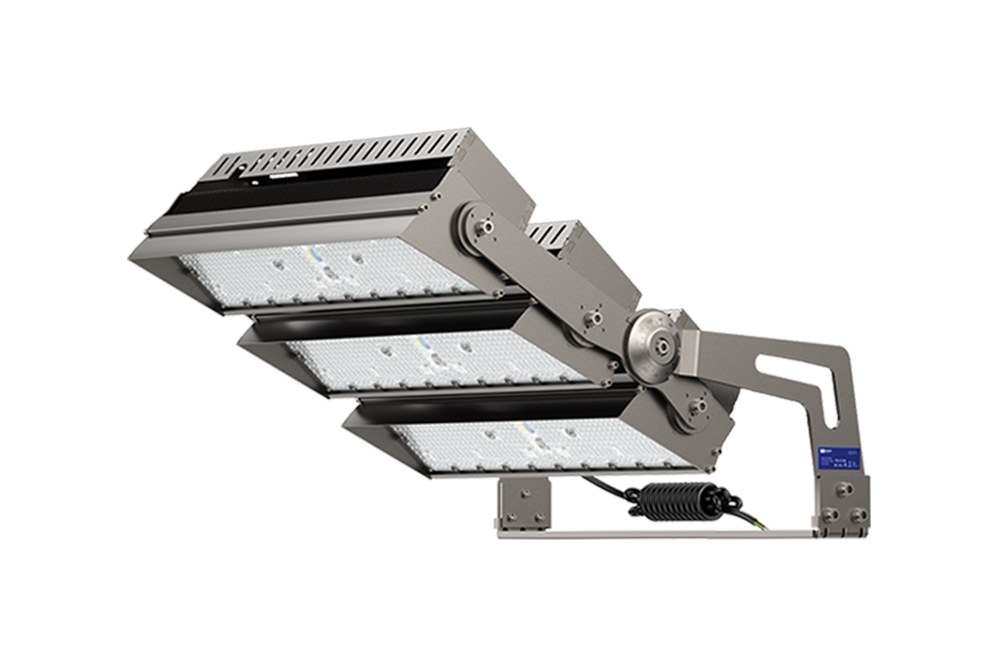
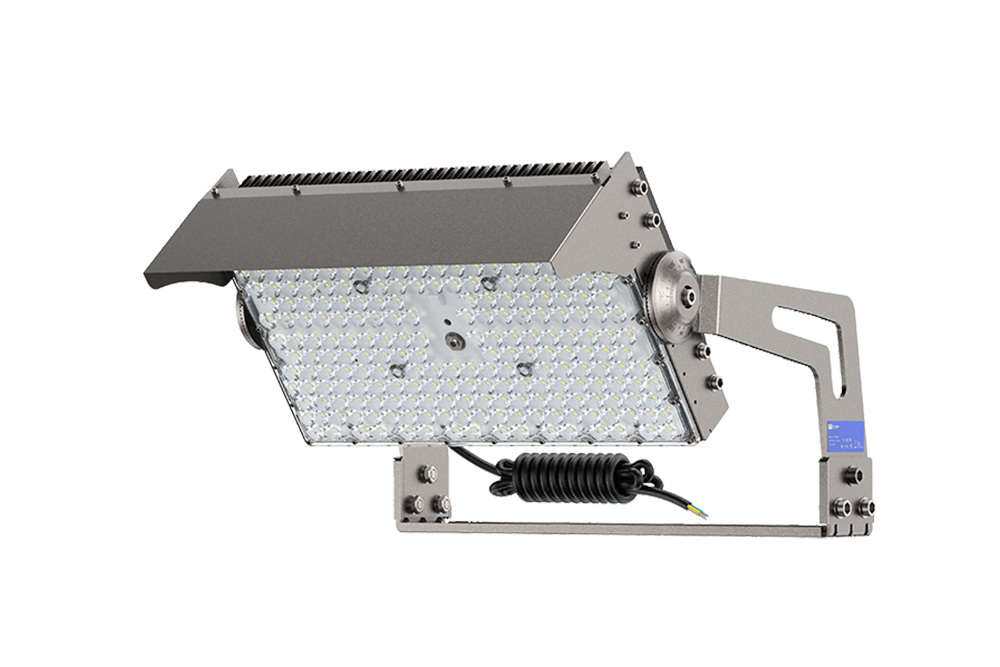
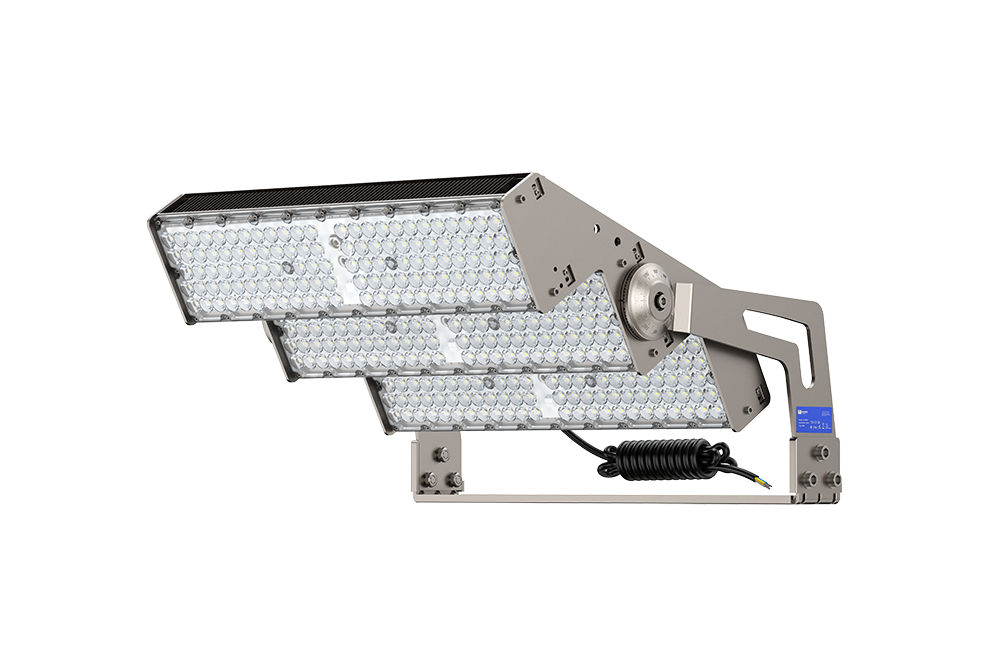
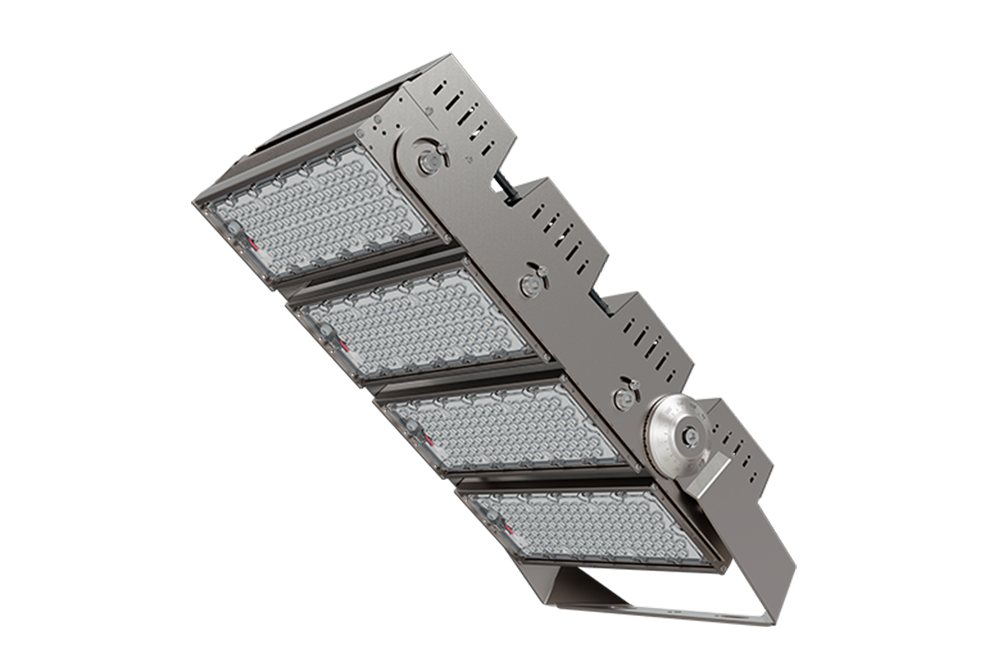
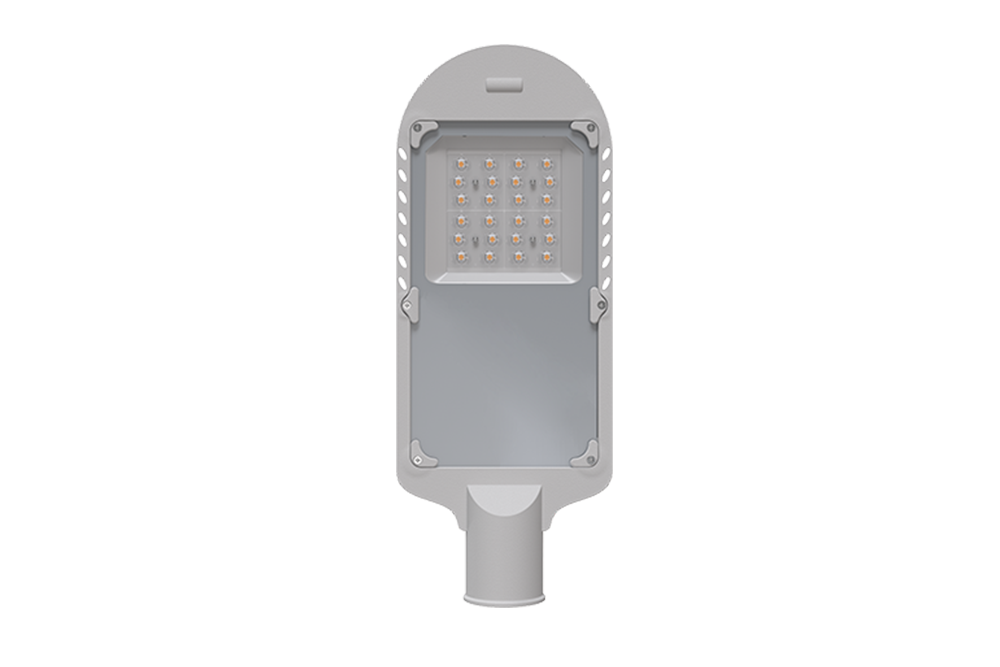
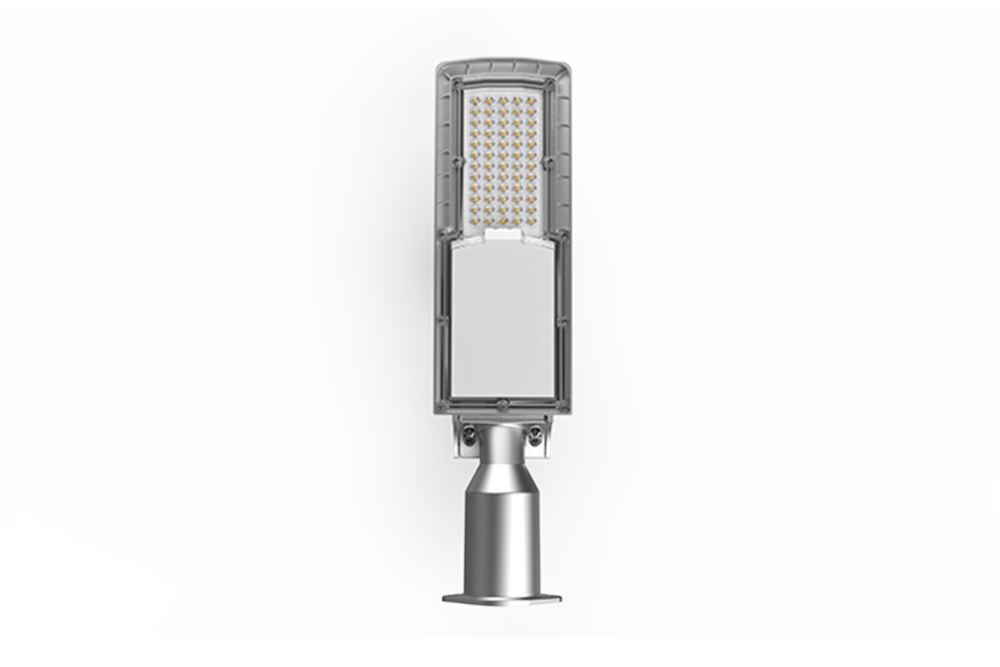
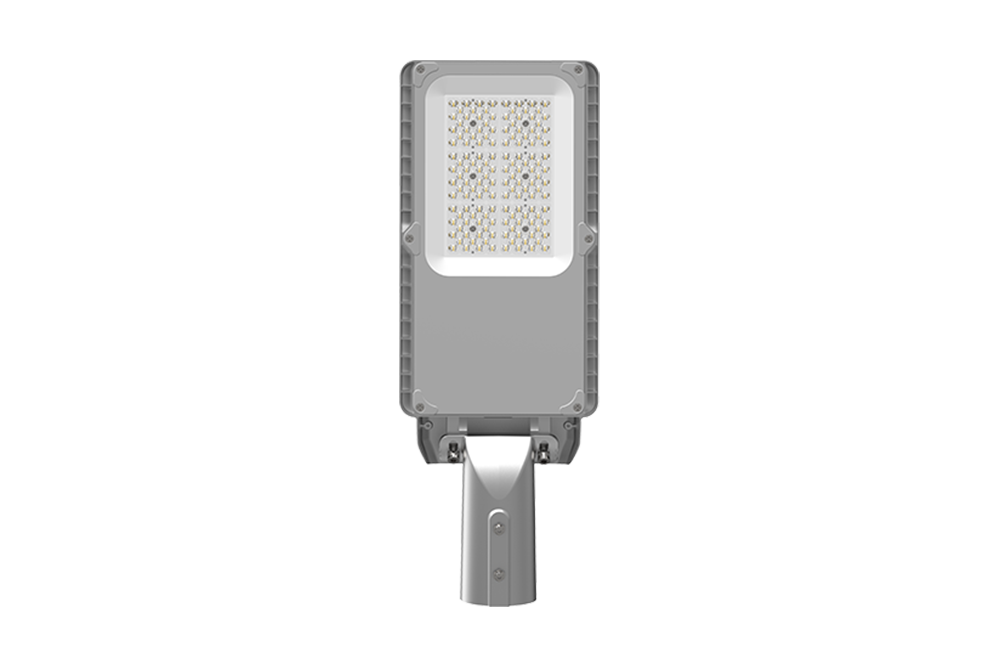
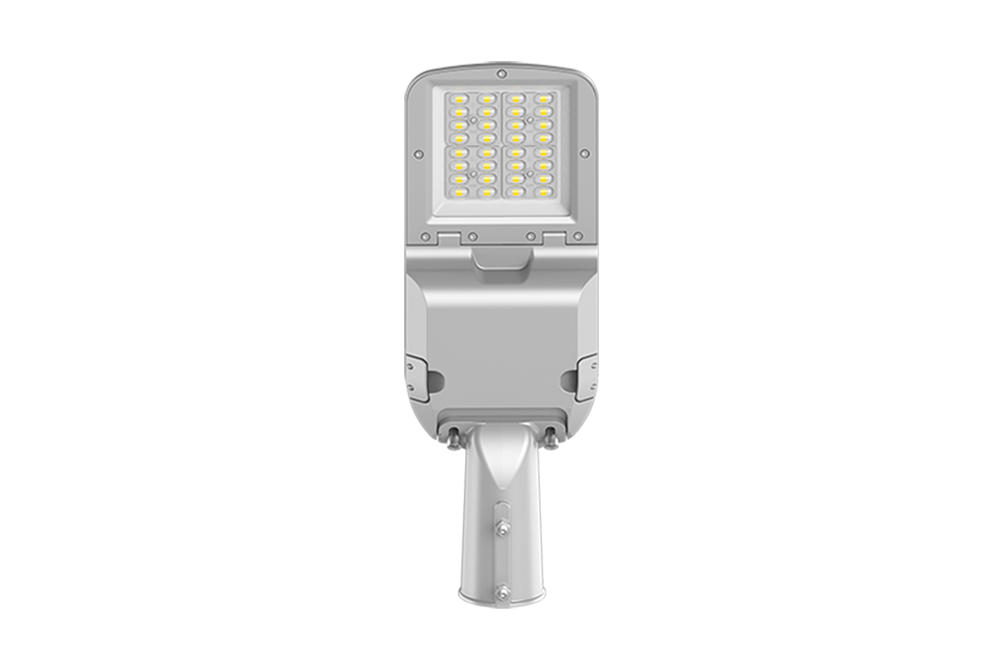
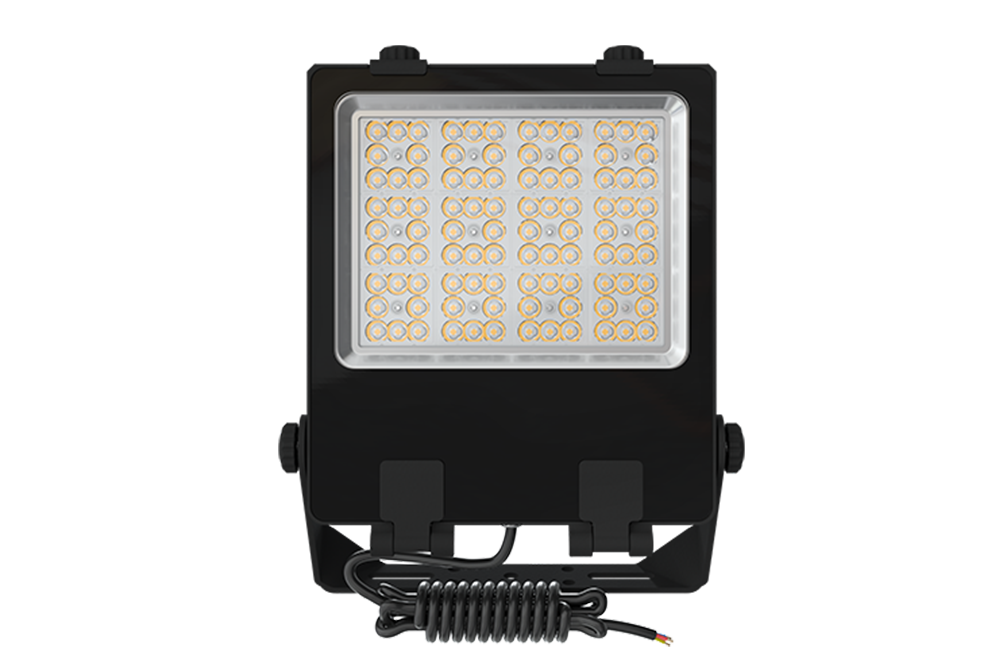
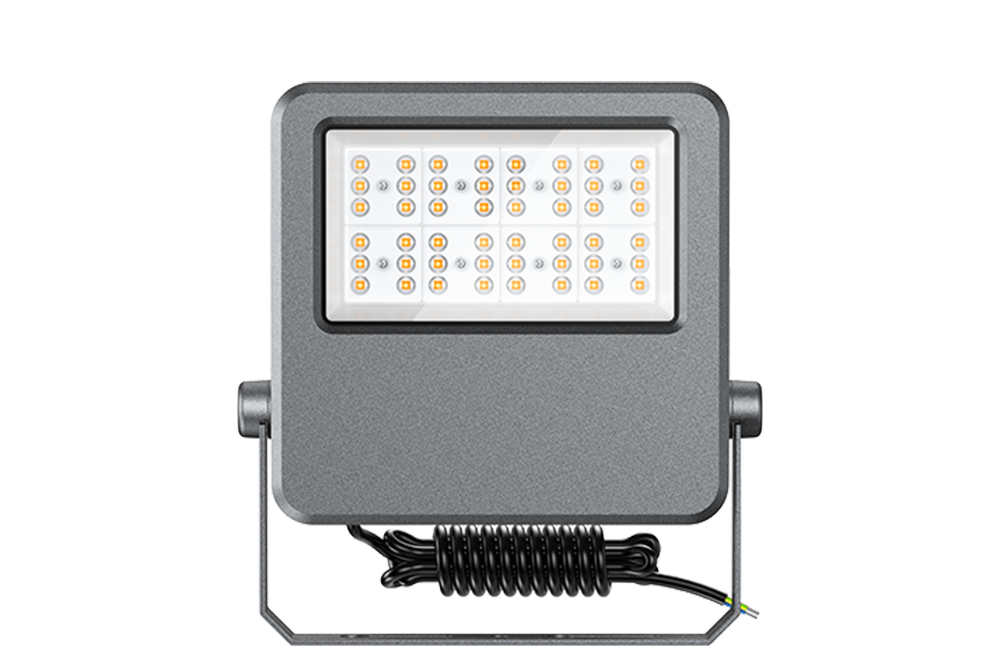
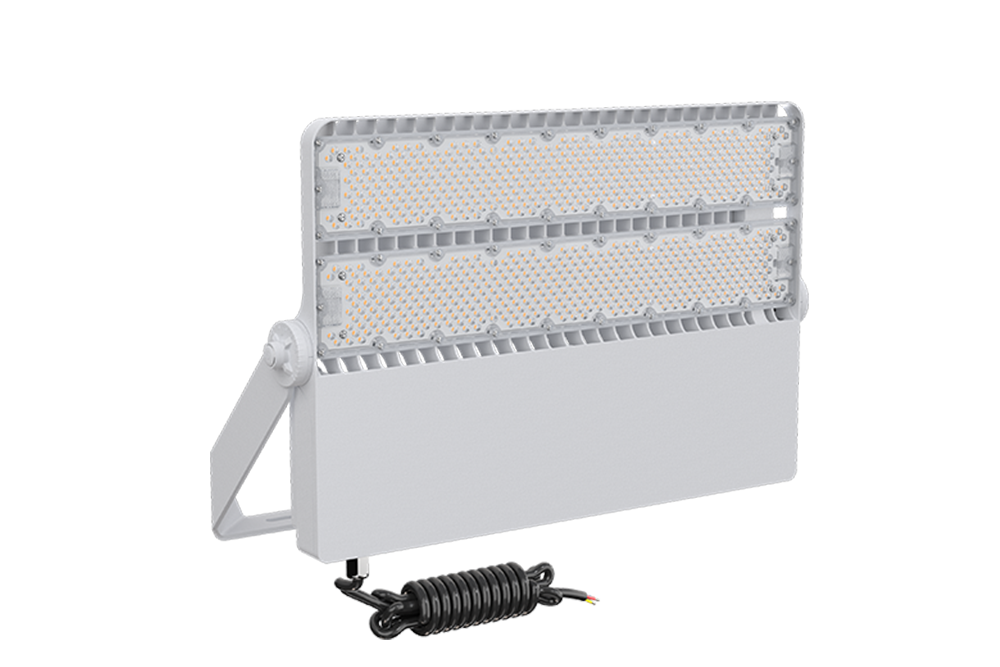
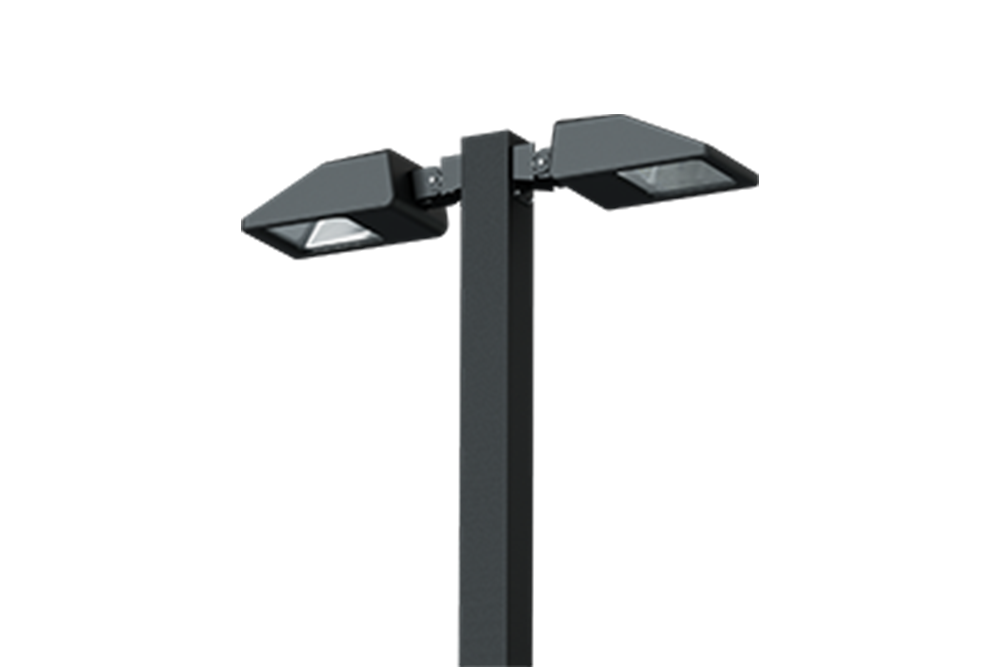
Engineers usually aim for balanced illumination. Clear visibility of ground markings, container edges, and moving vehicles is more important than extreme lux levels. LED Flood Lights and LED Street Lights are often used together to avoid dark zones between functional areas.
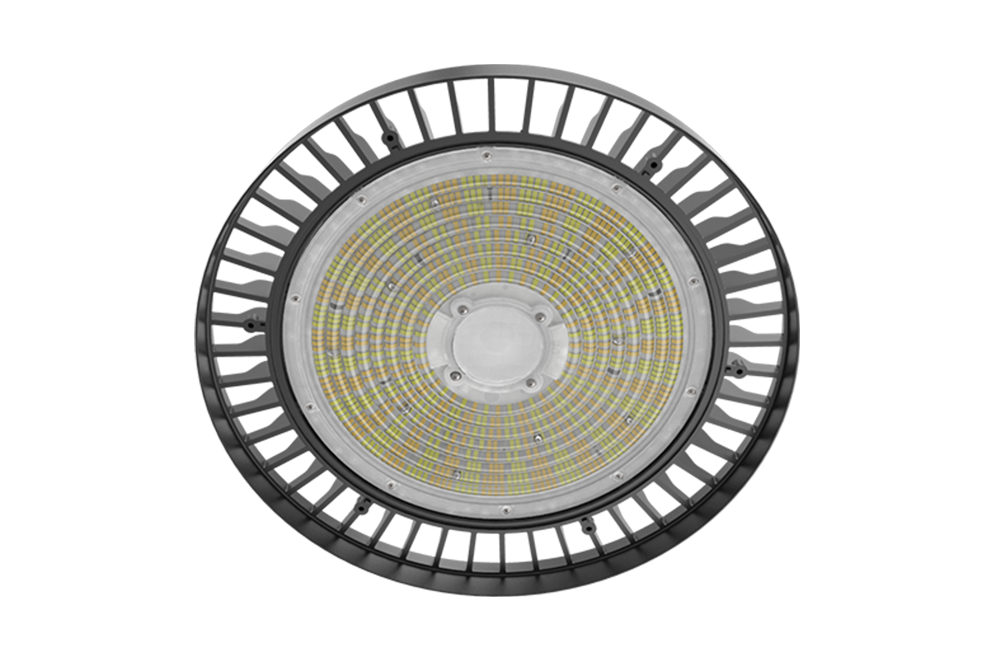
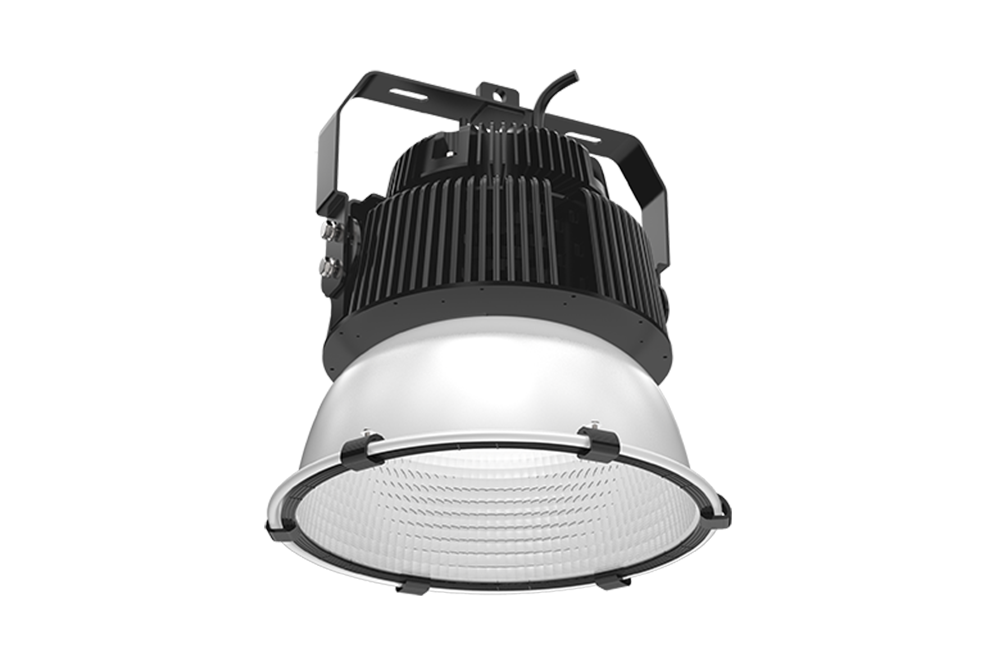
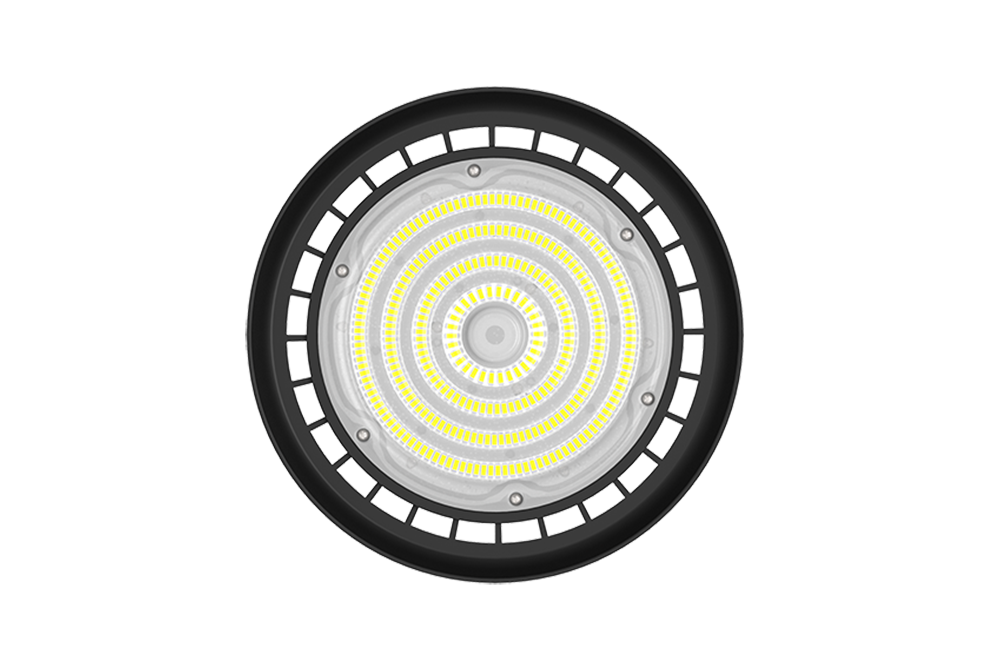
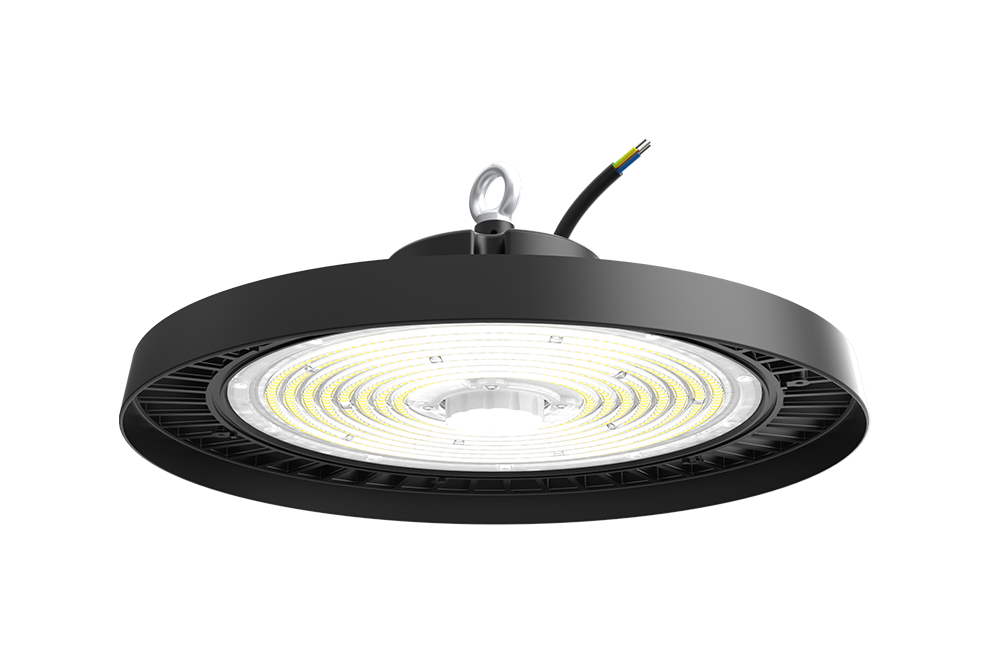
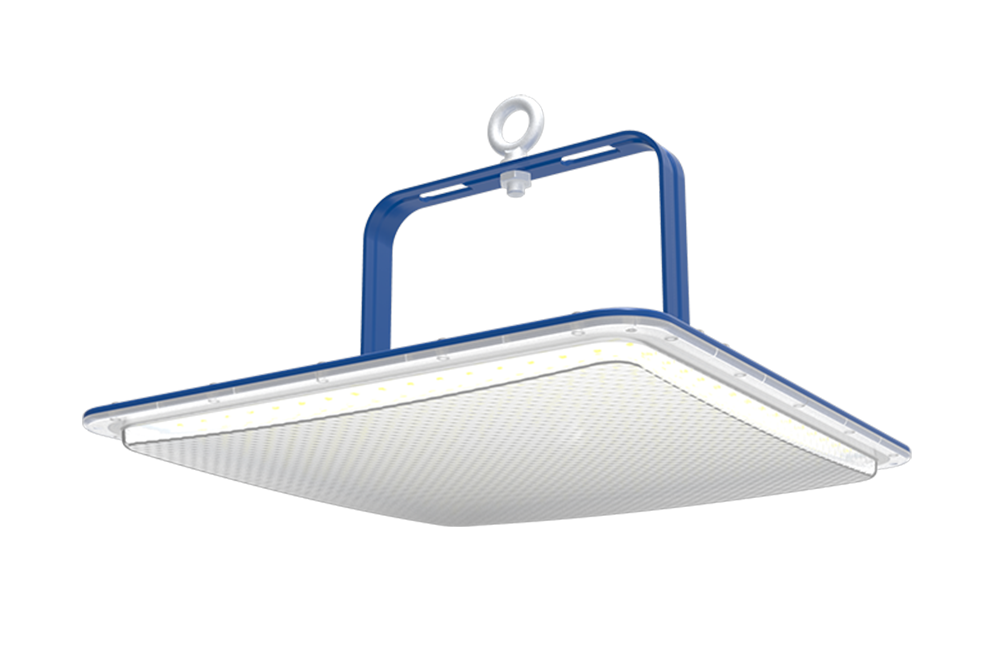
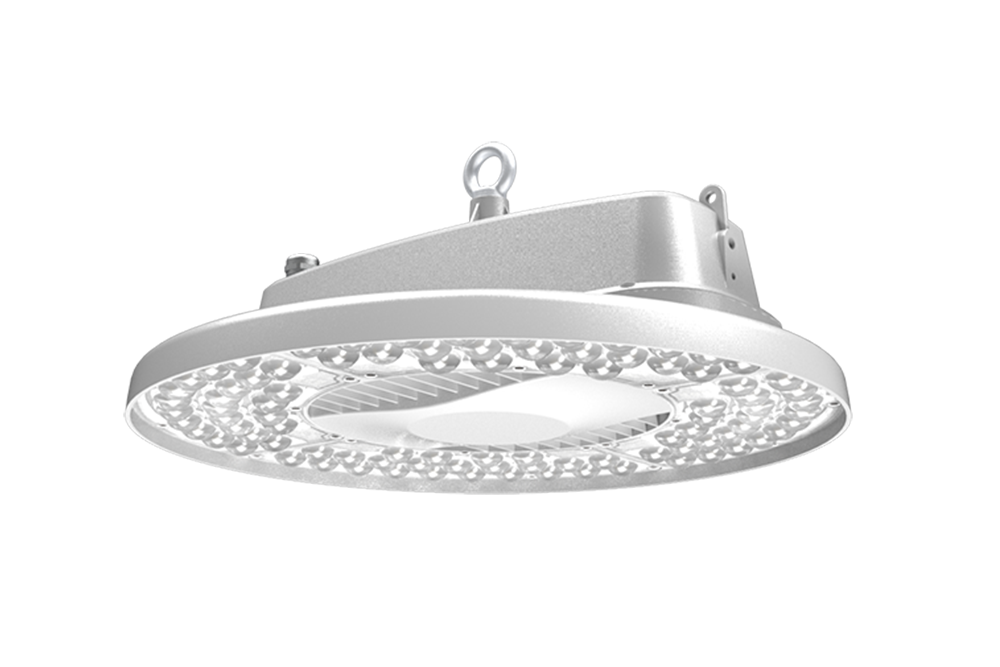
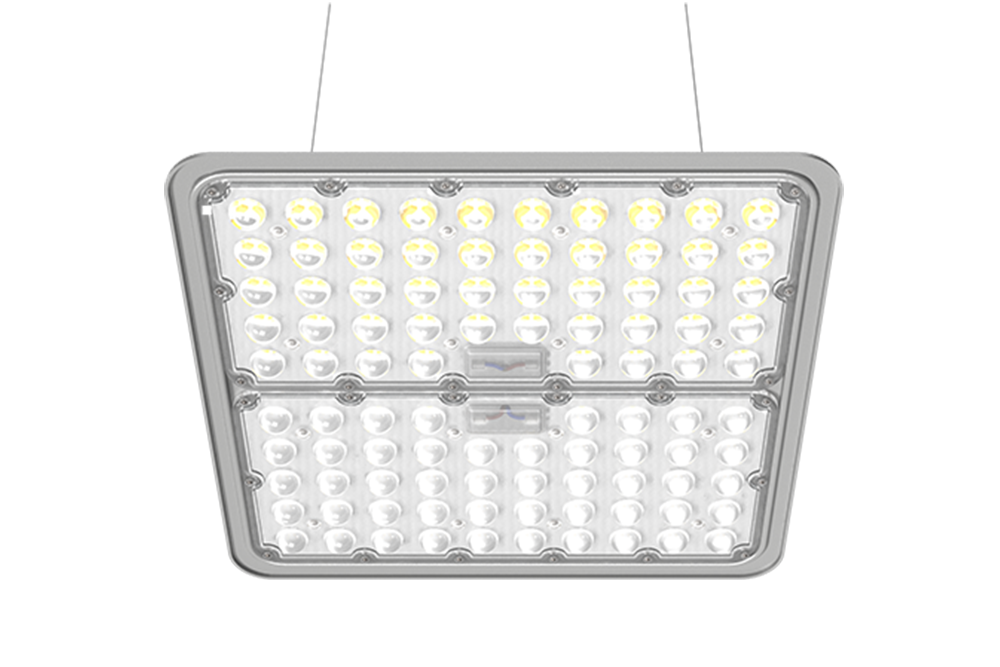
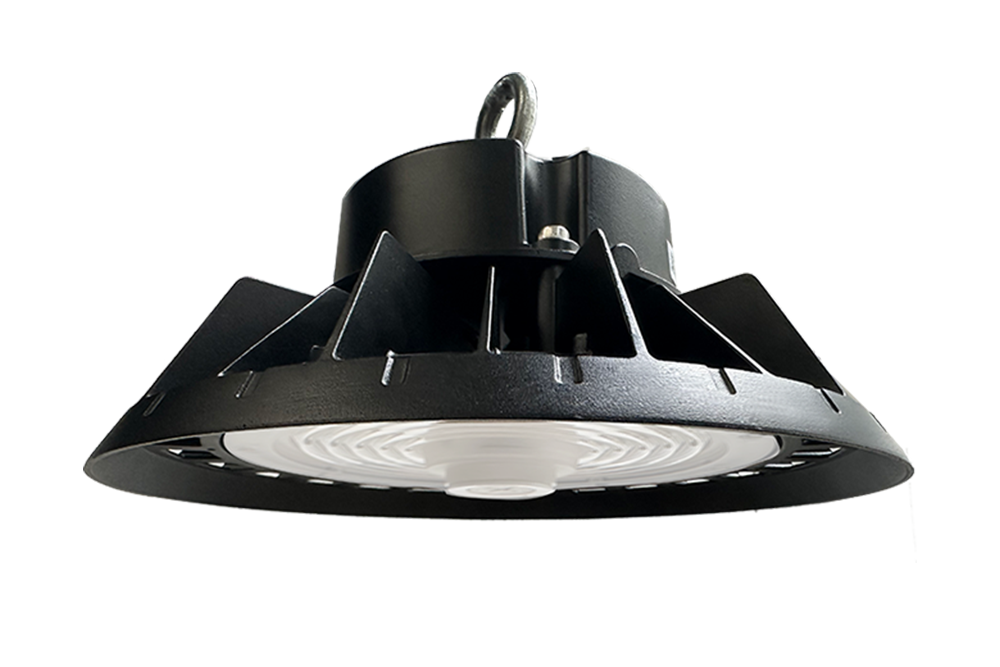
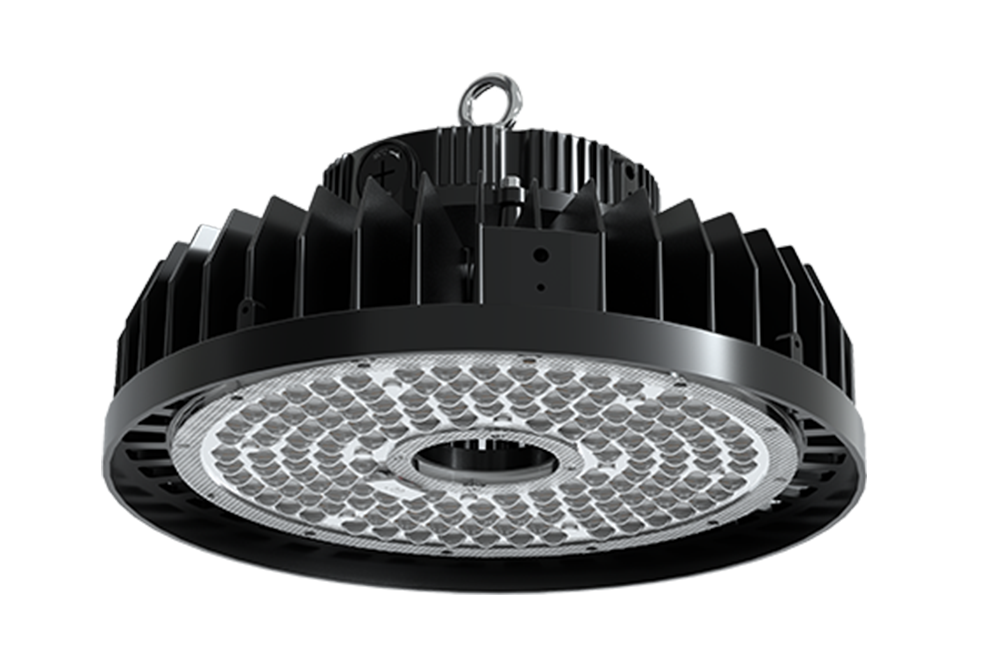
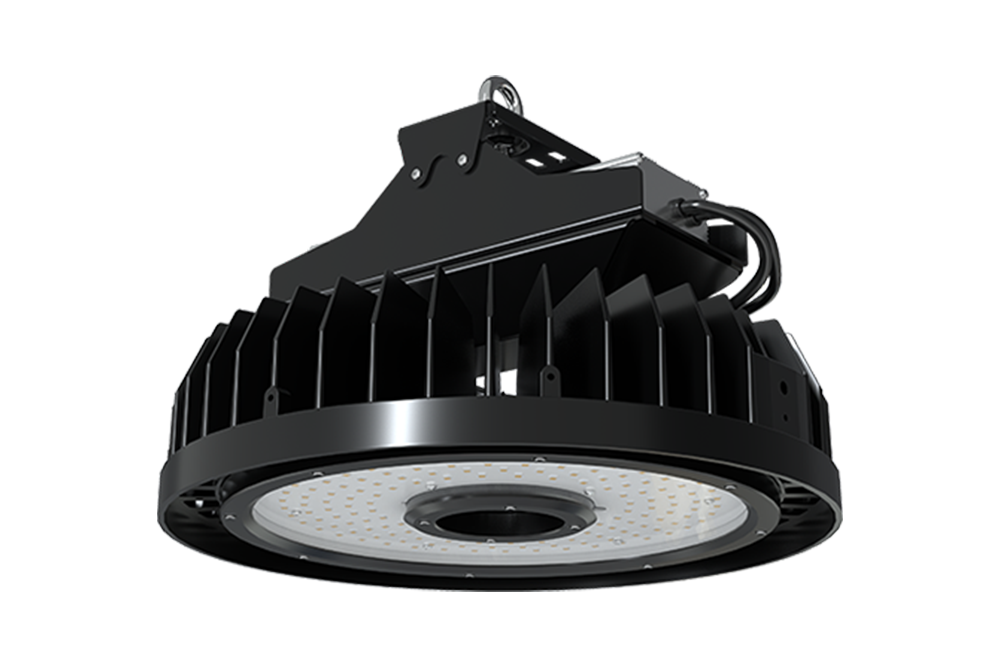
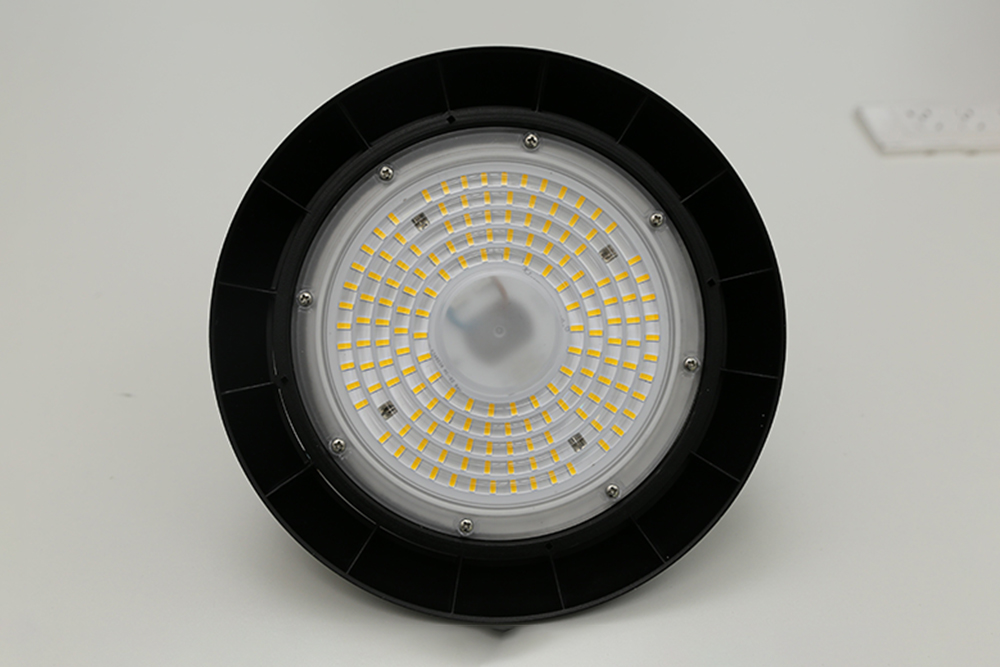
In enclosed or semi-enclosed spaces, LED High Bay Light systems help maintain uniform lighting without harsh contrast.
Lighting also affects work speed. When operators can clearly judge distances and movements, loading cycles become smoother. Small delays caused by poor visibility add up quickly in busy terminals.
During night operations, stable color output and flicker-free performance reduce eye fatigue. This is especially noticeable for crane operators and drivers working long shifts.
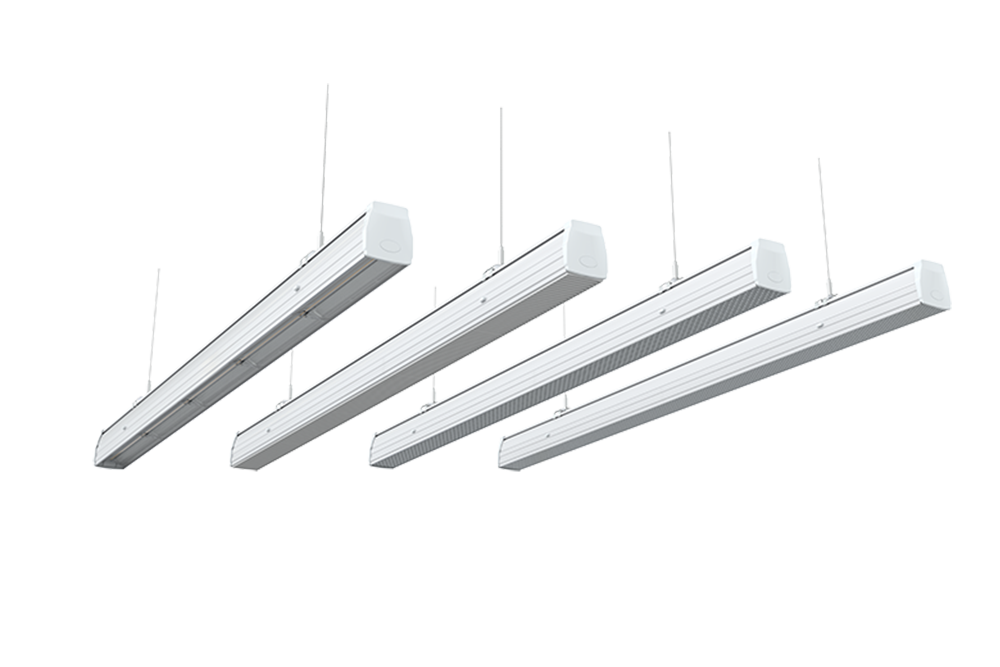
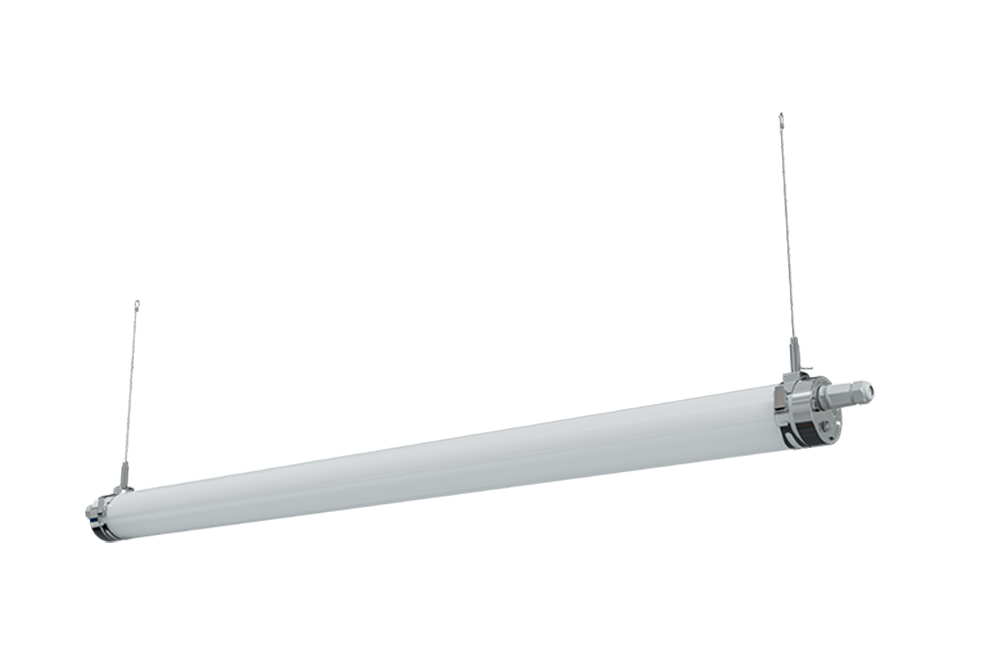
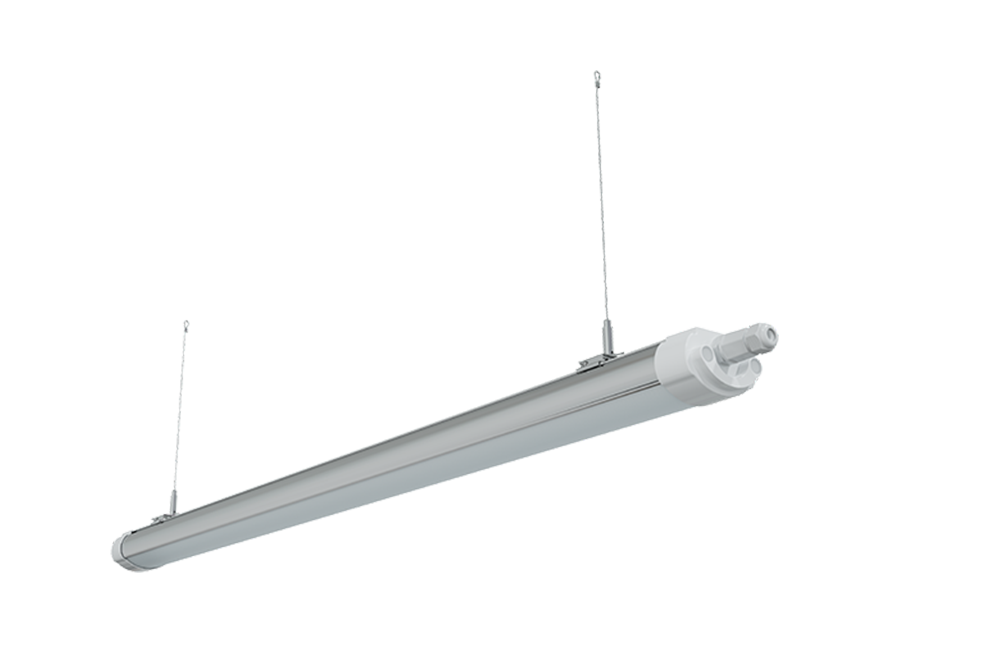
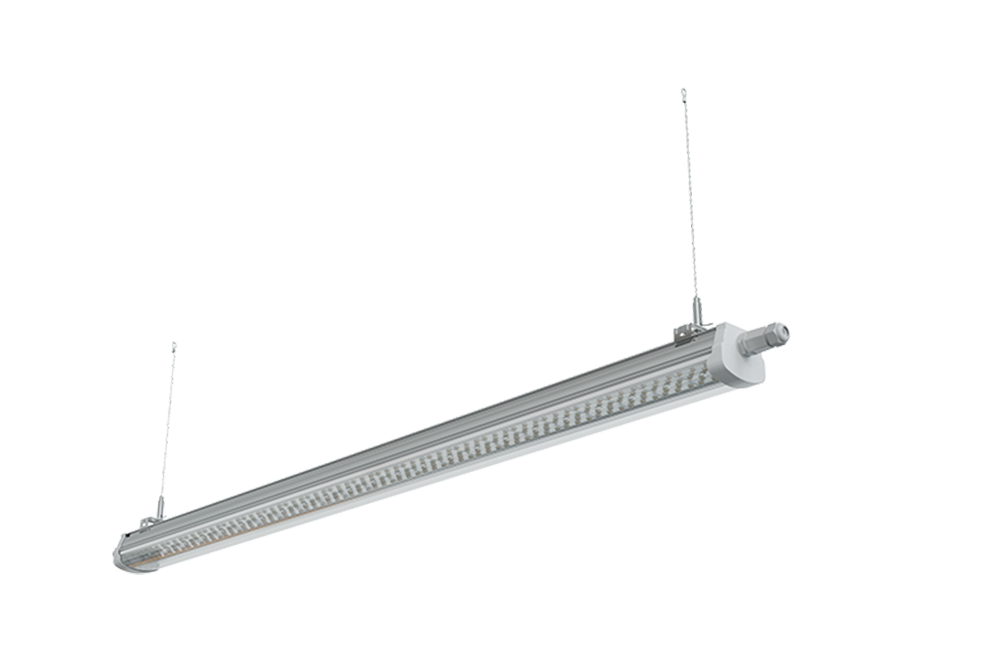
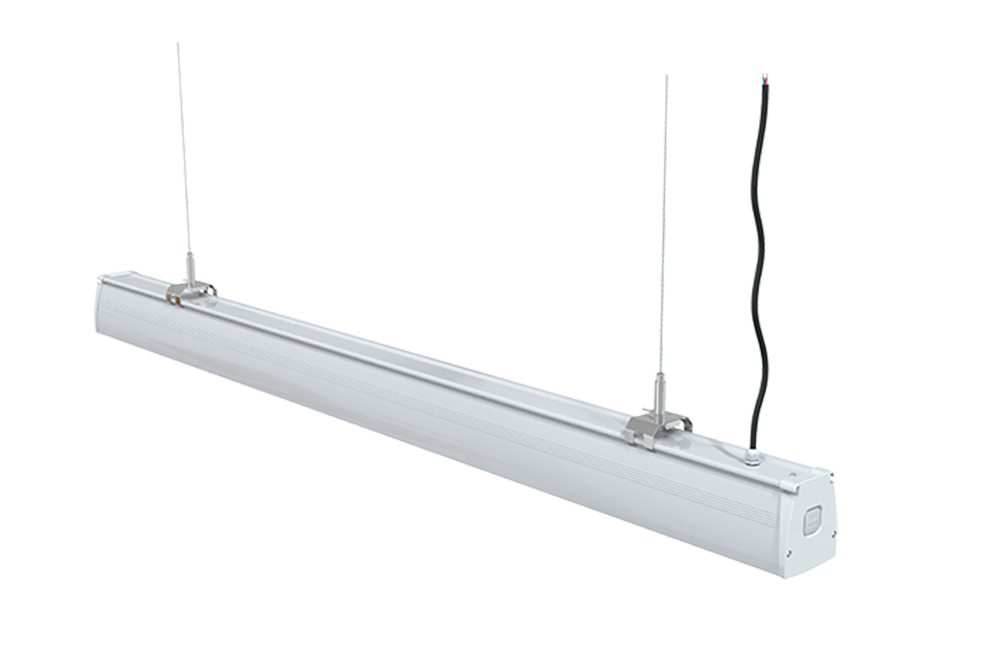
In technical rooms and service corridors, LED Tri-proof lamps and Linear LED Lights are typically selected because they perform consistently in humid or dusty spaces with minimal maintenance.
Ports consume energy continuously, and lighting is a significant part of that load. Switching to LED systems usually brings immediate reductions in power consumption. However, energy savings alone are not the only reason ports upgrade.
Long service life reduces the need for maintenance at height, which is both costly and disruptive. In some specialized zones, Explosion proof light solutions are required to meet safety regulations, adding another layer of technical consideration.
Some terminals are now introducing basic smart control systems. Instead of keeping all areas fully lit all night, lighting levels can follow actual activity patterns. This approach improves efficiency without compromising safety.
The key is simplicity. Complex systems that are difficult to maintain often create more problems than benefits in port environments.
Port terminal lighting is not about trends or design language. It is about making sure people, vehicles, and cargo can move safely at any hour.
Well-planned port terminal LED lighting solutions support daily operations quietly and reliably. When done right, they fade into the background—which, for engineers, is usually a sign of success.
SEEKINGLED continues to focus on practical industrial LED lighting designed for real working conditions in ports and terminals.
Industrial explosion proof lighting explained with real certifications, lumens, and field insights. Learn how SEEKINGLED ensures safety in hazardous environments.
View details
Can you use indoor LED flood lights outdoor safely? Learn the real risks, weather limits, and when it works. Practical advice from SEEKINGLED lighting experts.
View details
Explore atex zone 2 lighting designed for hazardous gas environments. Learn protection standards, industrial applications, and selection tips from SEEKINGLED.
View details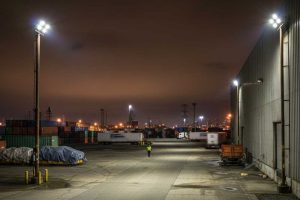
What is the most powerful LED flood light? Learn what power really means in outdoor flood lighting, beyond wattage numbers.
View details