 Seeking LED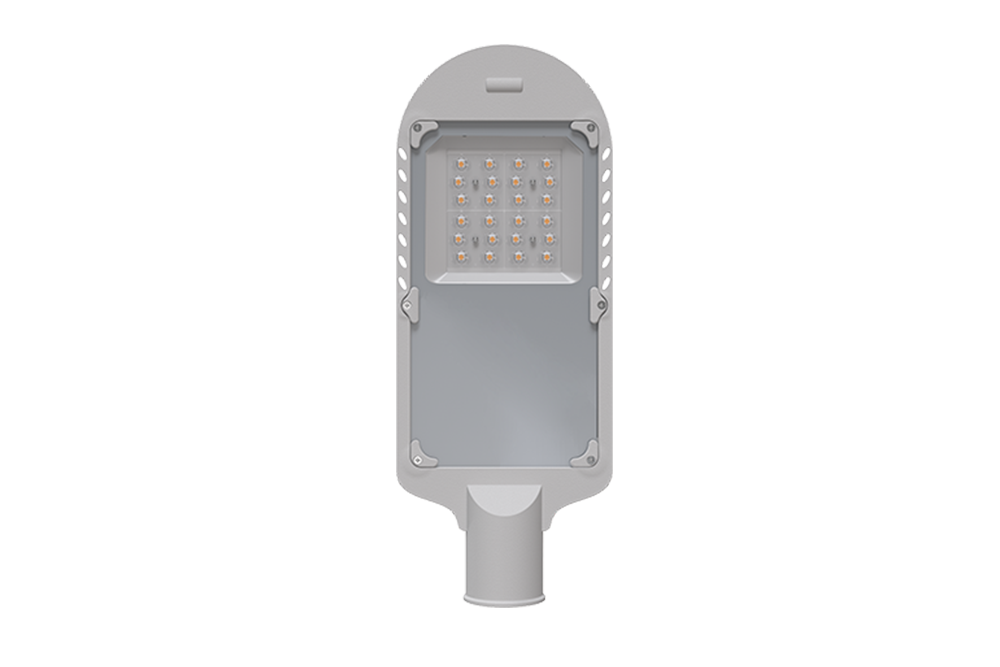
Are LED Street Lights 5G?
251Are LED street lights 5G or transmitting wireless signals? This article explains what LED street lights really do—and what they do not.
View detailsSearch the whole station
People ask this question after something changes.
A city switches lights.
A road suddenly looks different at night.
Energy bills drop. Or don’t.
So the real question is not philosophical.
It’s practical.
Are LED street lights better?
Yes—but not in every situation, and not automatically.
Better doesn’t mean brighter.
And it doesn’t mean newer.
On real roads, better usually means:
LED street lights check those boxes more often than older systems. That’s why cities keep switching.
This is where the difference shows up fast.
Compared to HPS or metal halide:
You see the road.
Not the sky.
Old street lights don’t fail cleanly.
They fade, flicker, or shift color before dying.
LED street lights are more predictable.
That alone changes how cities plan budgets.
Mostly, yes. But with conditions.
Good LED street lights:
Poorly designed ones can feel harsh or uneven.
That’s not an LED issue. That’s a design issue.
At SEEKINGLED, optical layout is treated as seriously as wattage. Because drivers don’t walk—people do.
Upfront cost?
LED street lights are usually higher.
Total cost over time?
That’s where LED wins.
When you count:
The math settles itself.
This is why municipalities don’t “test” LEDs anymore. They specify them.
Let’s be honest.
LED street lights do not:
If the planning is wrong, LED just exposes it faster.
Yes. And this is where the shift becomes permanent.
LED systems allow:
Traditional lights can’t keep up with that logic.
They were never built for it.
So—are LED street lights better?
In most real applications, yes.
They are more efficient, more stable, and easier to manage over time.
But only when they are designed and installed correctly.
That’s the difference between “LED lighting” and professional LED street lighting, like the systems built by SEEKINGLED.
People rarely complain when LED street lights work well.
They complain when corners were cut.
The technology isn’t the risk.
The shortcuts are.
— SEEKINGLED
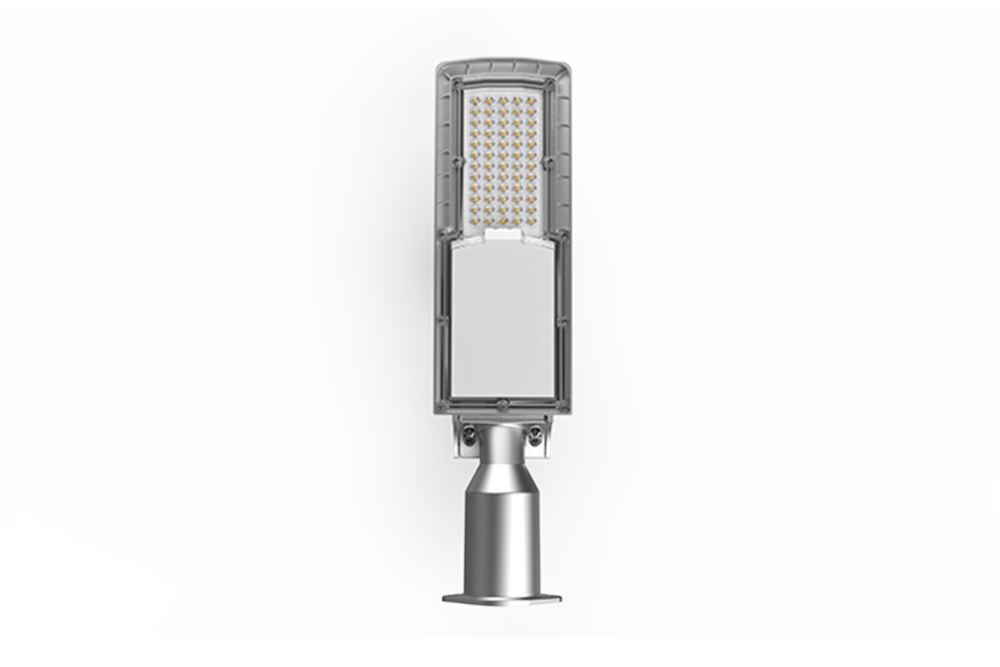
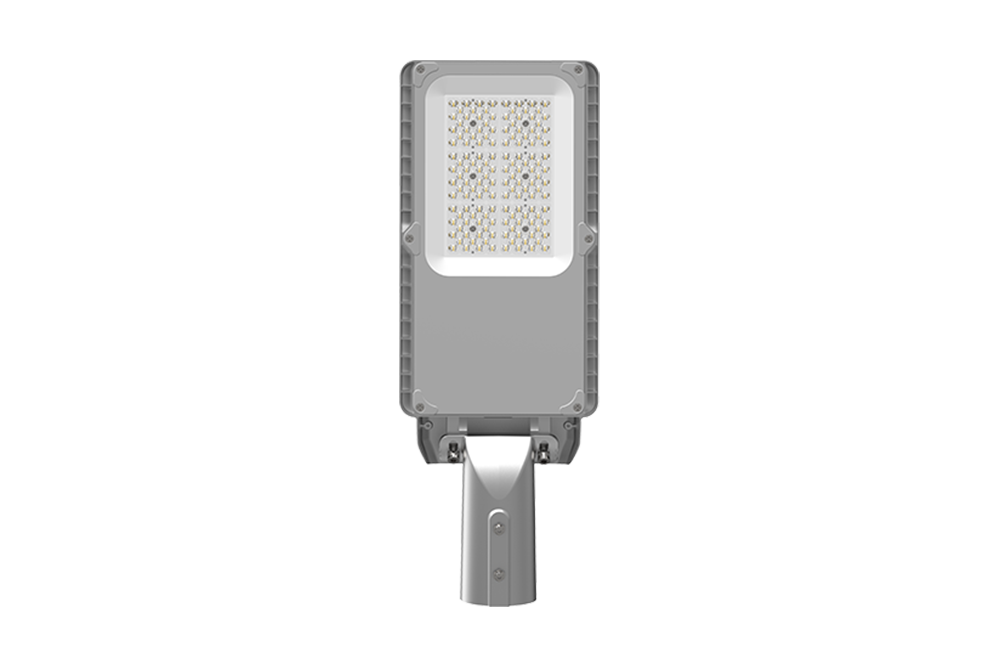
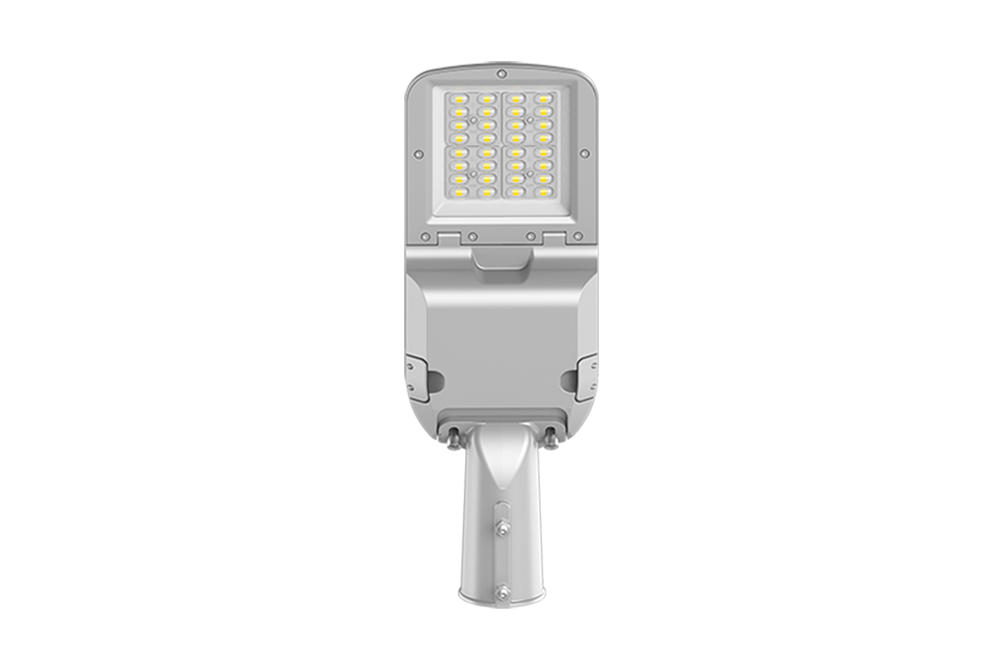
SEEKING STL-Series LED street lights deliver stable performance, 170 lm/W efficiency and 10KV surge protection. Ideal for city streets, parking lots, public roads and outdoor area lighting projects. Durable IP66 & IK08 design for long-term reliabi…
The SEEKING STC Series LED light street light delivers up to 170lm/W efficiency with MOSO drivers, IP66 protection, and a ±15° adjustable arm—ideal for roads, residential areas, and public lighting upgrades.
SEEKING STB Series LED street lighting delivers up to 160 lm/W, 10kV surge protection, IP66 waterproofing, and durable IK08 impact resistance. Ideal for streets, parking lots, and large outdoor areas needing long-lasting, energy-saving LED roadway…
The SEEKING STA Series LED street light delivers strong efficiency, IP66 protection, 10kV surge resistance and multiple beam patterns for roads, parking lots and urban areas. High lumen output, easy installation and reliable performance for long-t…
loading…
This is the last post!

Are LED street lights 5G or transmitting wireless signals? This article explains what LED street lights really do—and what they do not.
View details
What are hazardous light fixtures? Learn how hazardous area lighting works, where it is used, and why certified fixtures protect oil, gas, and chemical facilities.
View details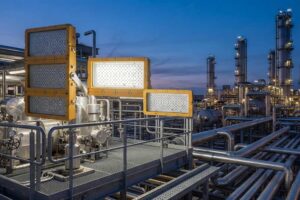
Discover atex lights zone 1 solutions for explosive environments. Learn selection, installation, certification, and safety considerations from SEEKINGLED experts.
View details
explosion proof hand lamp engineered for Zone 1 & 2 hazardous areas. ATEX & IECEx certified portable lighting built for refinery, offshore and confined space safety.
View details