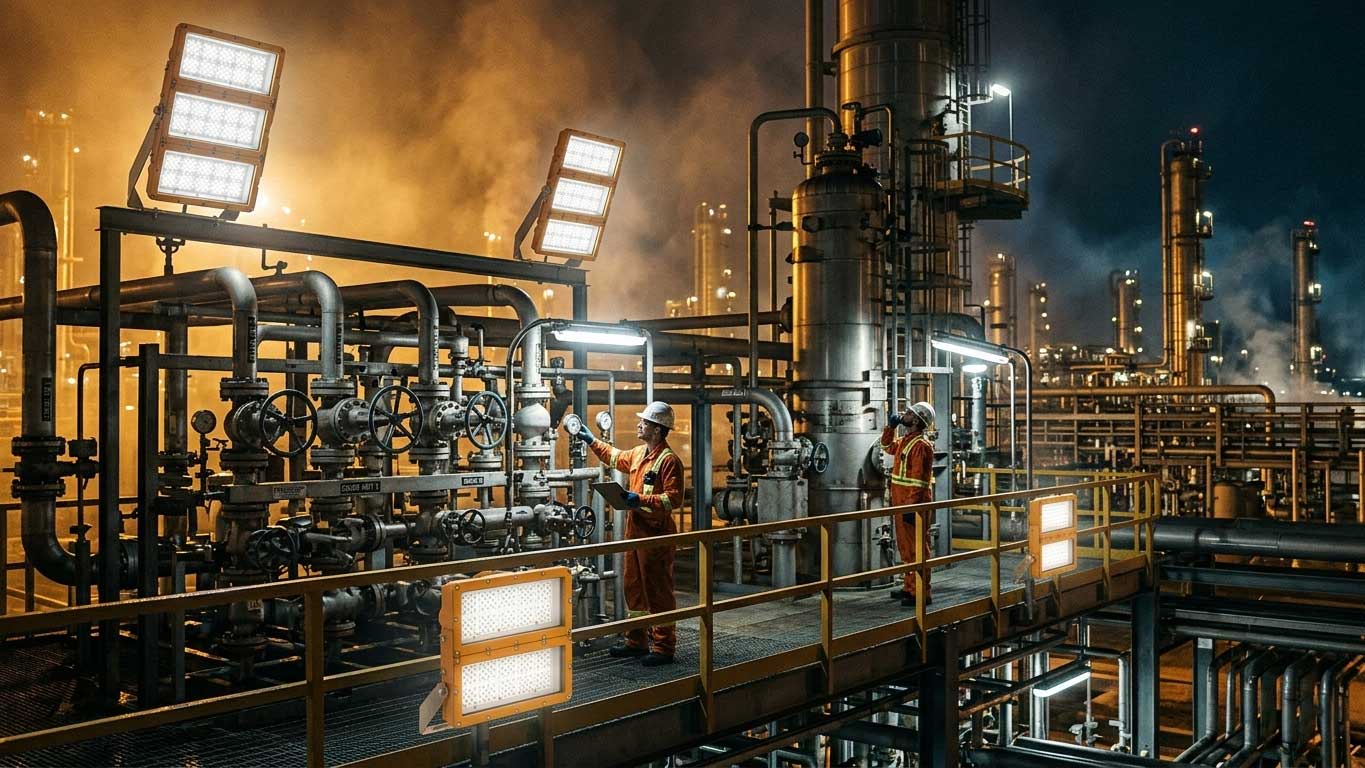
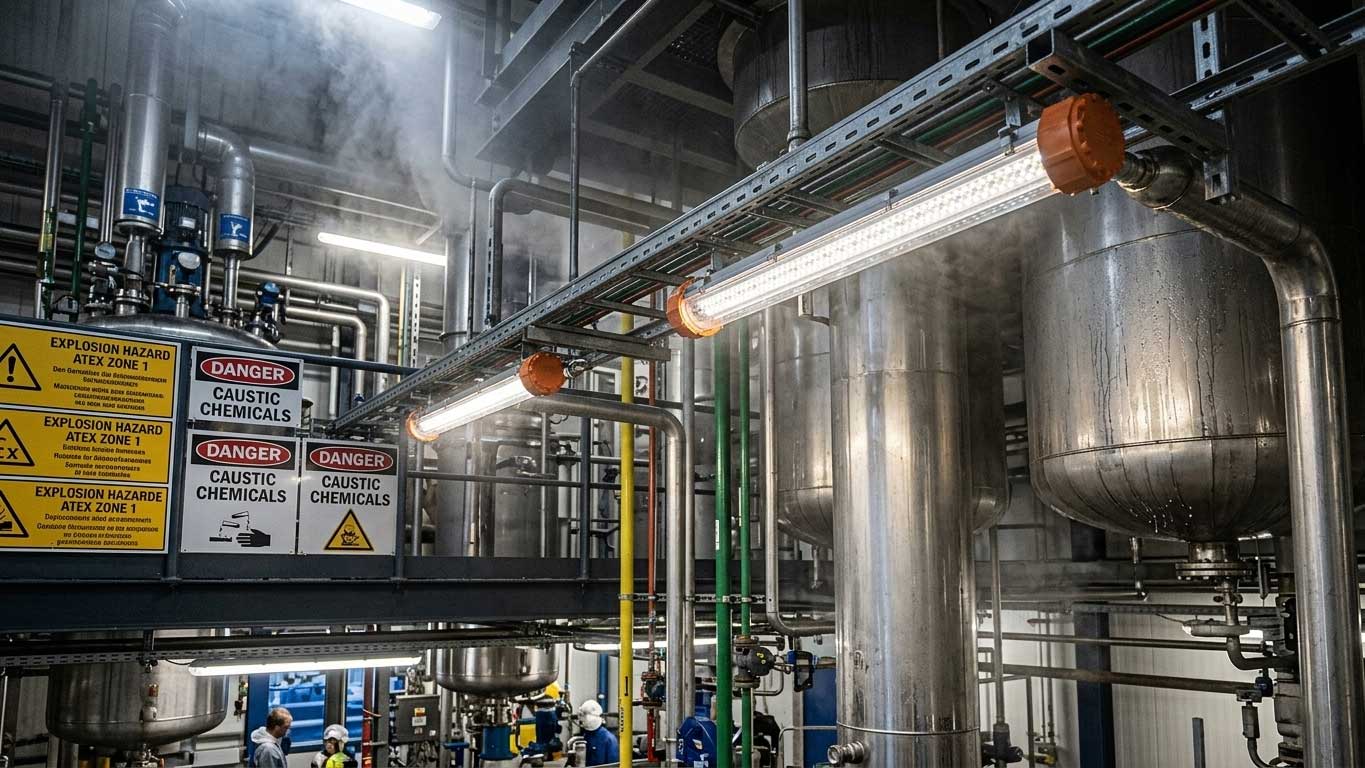
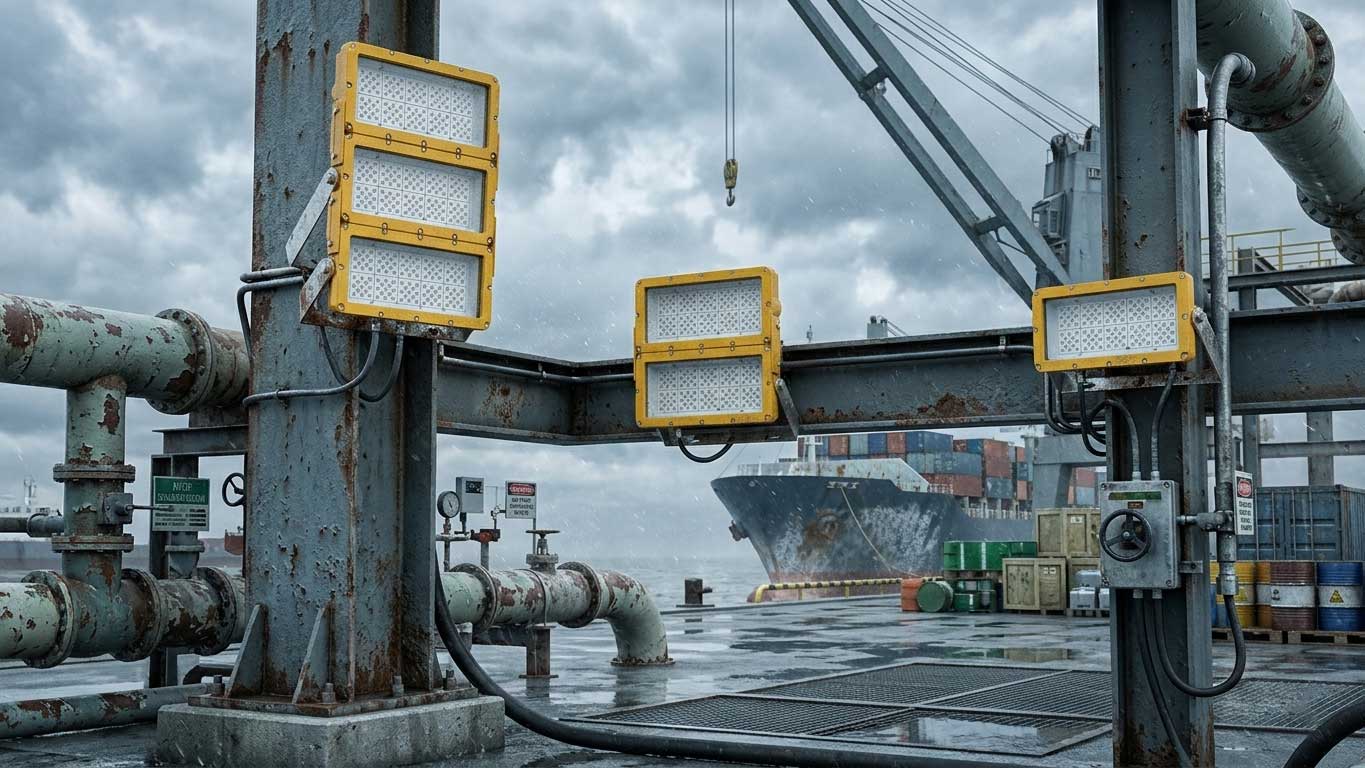
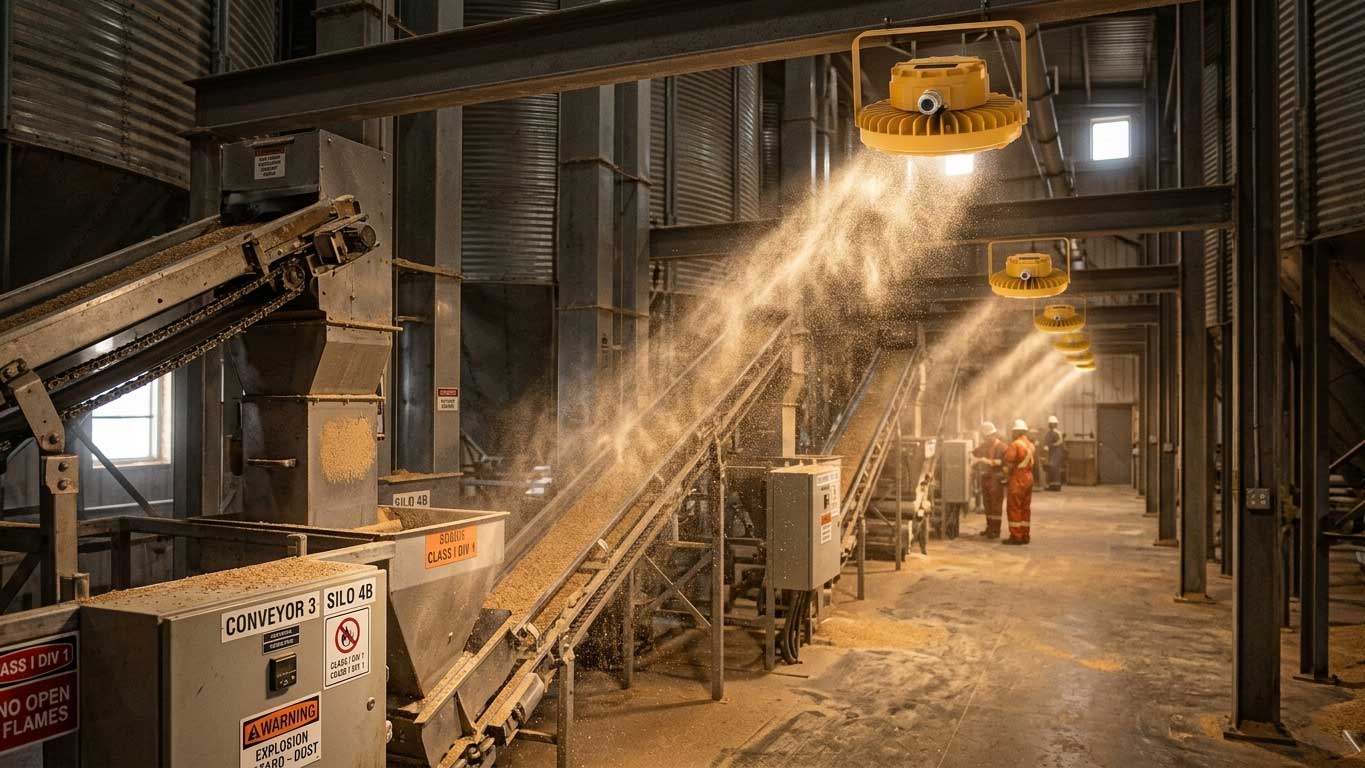
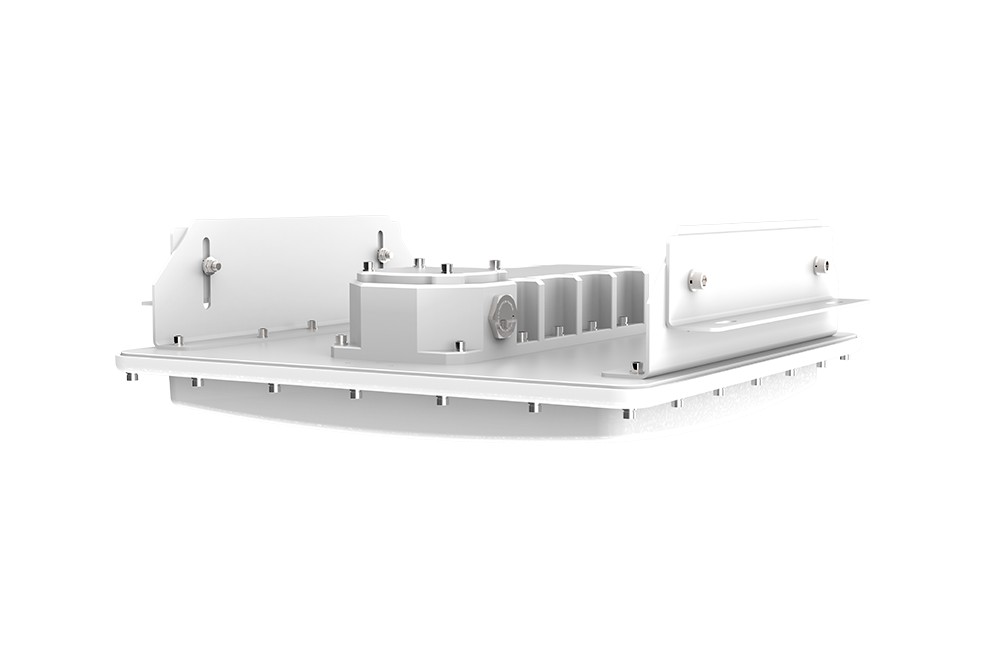
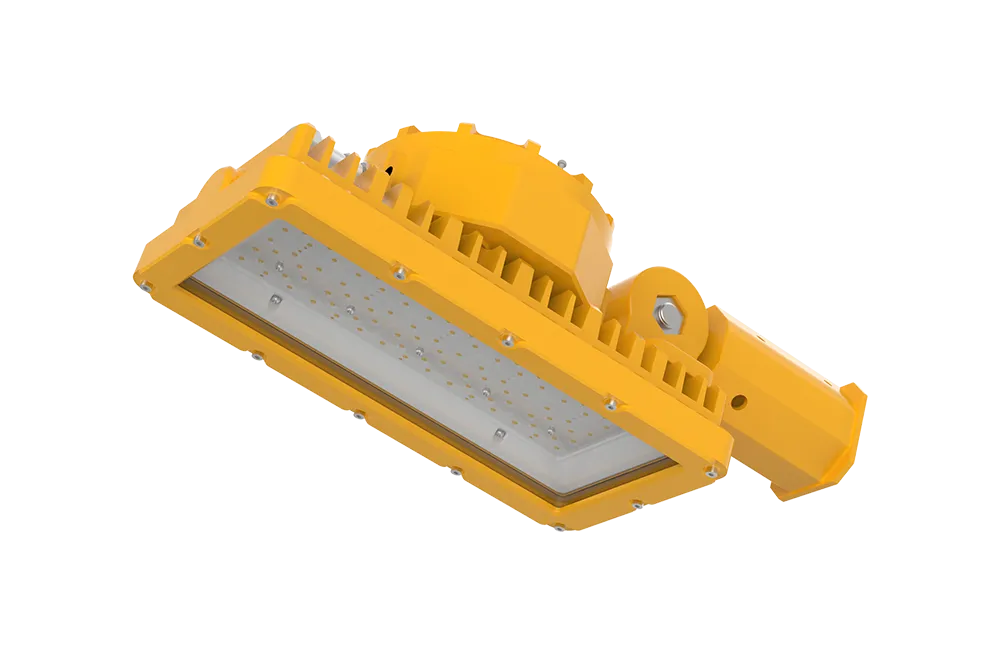
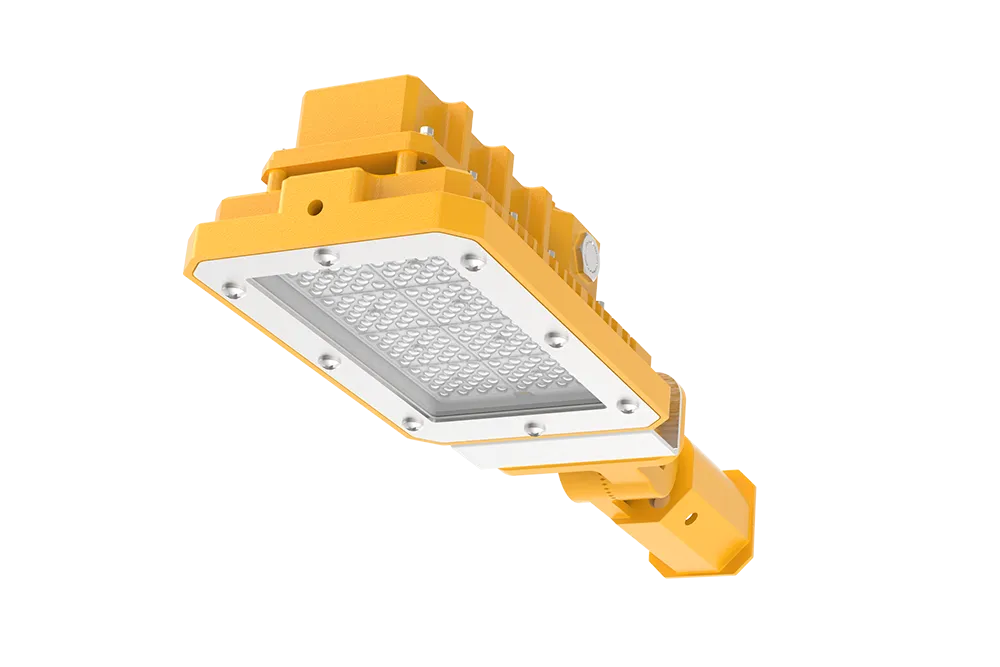
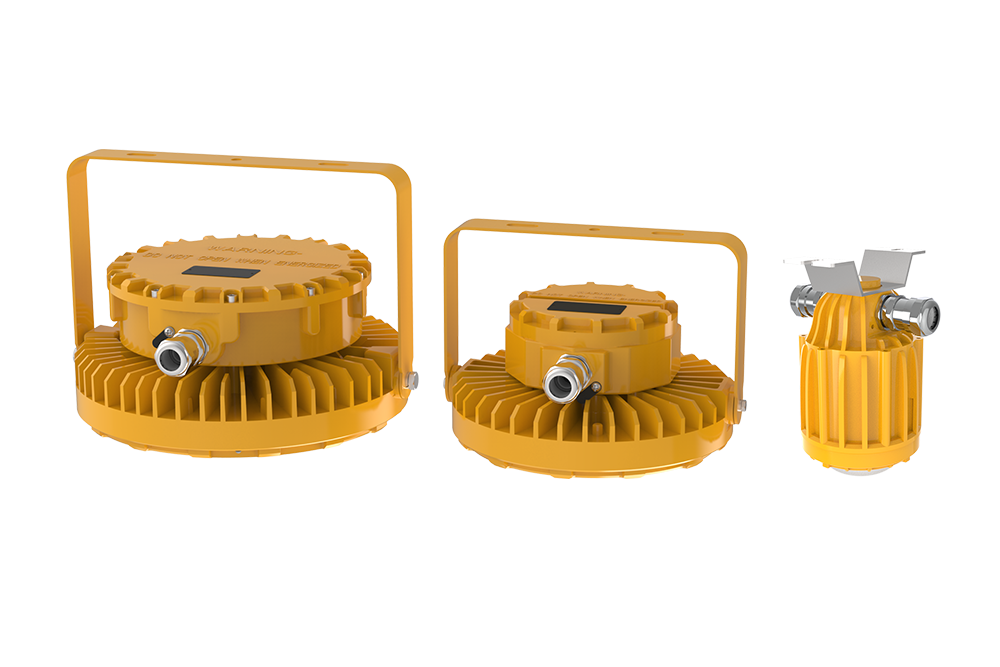
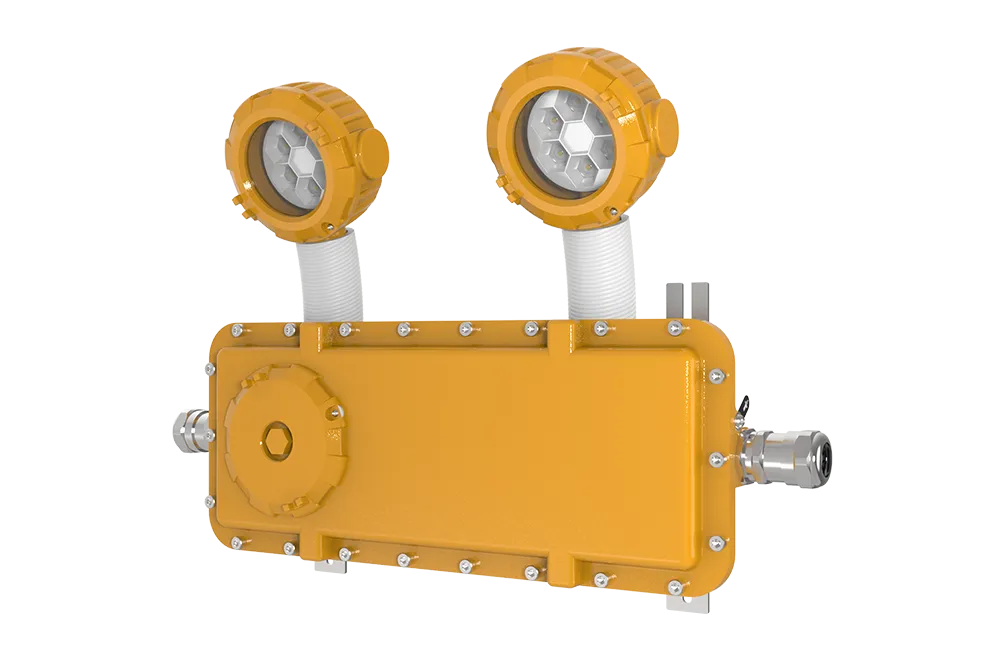
LED explosion proof lights are sealed industrial lighting fixtures engineered to prevent sparks, arcs, or excessive heat from igniting flammable gases, vapors, or dust. In hazardous areas such as oil refineries, chemical plants, and offshore platforms, certified explosion proof LED fixtures are not optional — they are a safety requirement tied directly to operational continuity and worker protection.
In the last decade, I’ve inspected hazardous-area lighting installations in fuel terminals, paint manufacturing workshops, and marine loading stations where conventional fixtures failed within months because of vibration, corrosive atmosphere, or thermal stress. The shift toward LED explosion proof lights did not happen because LEDs became fashionable. It happened because maintenance crews were tired of replacing failed HID fixtures hanging 18 meters above volatile process lines.
That distinction matters.
Why LED Explosion Proof Lights Matter in Real Industrial Sites
Inside hazardous environments, lighting is tied to safety audits, production uptime, and insurance compliance. One failed fixture in a classified zone can trigger shutdown procedures, hot-work permits, and unnecessary operational delays.
According to the U.S. Occupational Safety and Health Administration (OSHA), hazardous locations are environments where fire or explosion hazards may exist due to flammable gases, vapors, combustible dust, or ignitable fibers. Source: OSHA Hazardous Locations Classification — https://www.osha.gov
The National Fire Protection Association (NFPA) also notes that improper electrical equipment remains a major ignition source in combustible environments. Source: NFPA 70 National Electrical Code — https://www.nfpa.org
What many buyers overlook is this:
A fixture can be bright and still unsafe.
True LED explosion proof lights are designed around containment engineering, thermal management, and certification compliance — not lumen output alone.
What Makes LED Explosion Proof Lights Different?
1. Sealed Explosion-Containing Housing
A certified explosion proof fixture is designed to contain an internal ignition event without allowing flames or hot gases to escape into the surrounding atmosphere.
That’s why the housing is usually built from:
Marine-grade aluminum
Copper-free die-cast alloy
Tempered impact-resistant glass
Stainless steel hardware
Cheap fixtures often copy the appearance but not the engineering tolerances.
I once opened a failed non-certified fixture from a coastal fuel depot in Southeast Asia. Corrosion had already reached the driver compartment after only 14 months. The silicone gasket had hardened from thermal cycling. Moisture entered. Driver failure followed. Then condensation cracked the lens during operation.
From outside, it still looked “industrial.”
Inside, it was already compromised.
2. Lower Surface Temperature
Traditional metal halide explosion proof fixtures can operate at extremely high temperatures.
LED systems reduce that risk dramatically.
According to the U.S. Department of Energy, LEDs generate significantly less heat than HID systems while achieving higher energy efficiency. Source: U.S. Department of Energy — https://www.energy.gov
This matters because hazardous gases have ignition temperature limits. Lower operating temperatures reduce ignition risk in classified areas.
Especially in:
Petrochemical plants
LNG stations
Solvent storage facilities
Grain processing plants
3. Reduced Maintenance in Elevated Installations
Maintenance is one of the hidden costs in hazardous-area lighting.
A refinery maintenance manager once told me:
“The fixture cost is never the real problem. The shutdown permit is.”
That statement stayed with me.
In hazardous zones, replacing one failed lamp may involve:
Scaffolding
Safety isolation procedures
Gas testing
Work permits
Production interruption
LED explosion proof lights commonly reach:
50,000 to 100,000 operational hours
IP66 or IP67 protection
IK08–IK10 impact resistance
Compared with legacy HID systems, this drastically reduces maintenance frequency.
Common Hazardous Area Certifications Explained
Certification
Region
Purpose
ATEX
Europe
Equipment safety in explosive atmospheres
IECEx
International
Global hazardous-area compliance system
Class I Division 2
North America
Protection against flammable gases/vapors
Class II
North America
Combustible dust protection
One of the biggest mistakes buyers make is assuming “waterproof” equals “explosion proof.”
It does not.
IP ratings measure dust and water ingress. Explosion proof certification evaluates ignition containment under hazardous conditions.
Entirely different testing systems.
Where LED Explosion Proof Lights Are Commonly Used
Oil & Gas Facilities
Refineries and drilling sites contain volatile gases continuously.
Typical installation zones include:
Pipe racks
Pump stations
Offshore platforms
Tank farms
Chemical Processing Plants
Chemical vapors can accumulate unexpectedly during transfer or mixing operations.
Lighting here must resist:
Corrosive atmosphere
Solvent vapor
High humidity
Continuous vibration
Marine & Offshore Environments
Salt corrosion destroys low-grade fixtures quickly.
This is where thermal design quality becomes obvious after two or three years of operation.
Poor heat dissipation accelerates:
LED lumen decay
Driver instability
Seal degradation
Food & Grain Processing Facilities
Dust explosions remain underestimated.
According to the Chemical Safety Board (CSB), combustible dust incidents have caused hundreds of injuries and fatalities in industrial facilities across North America. Source: U.S. Chemical Safety Board — https://www.csb.gov
Grain dust, sugar dust, and fine organic particles can all become explosive under suspension conditions.
How Energy Savings Actually Impact Industrial Operations
Marketing brochures love percentages. Real facilities care about annual operational cost.
Let’s use a realistic example.
A medium-sized petrochemical facility operating:
320 hazardous-area fixtures
24 hours/day
365 days/year
Switching from 400W metal halide fixtures to 150W LED explosion proof lights can reduce energy consumption dramatically.
Estimated Annual Consumption Comparison
Lighting Type
Annual Energy Use
400W Metal Halide
1,121,280 kWh
150W LED Explosion Proof
420,480 kWh
That difference exceeds 700,000 kWh annually.
At industrial electricity rates, the payback period can become surprisingly short — especially when maintenance savings are added.
What Experienced Buyers Look for Beyond Lumens
Thermal Structure
A heavy housing usually indicates better heat dissipation capacity.
Thin lightweight housings often overheat faster in enclosed hazardous environments.
Are LED explosion proof lights mandatory in hazardous areas?
Yes. In classified hazardous locations containing flammable gases, vapors, or combustible dust, certified explosion proof fixtures are generally required by electrical safety regulations.
How long do LED explosion proof lights last?
High-quality industrial LED explosion proof lights commonly achieve 50,000–100,000 operational hours depending on ambient temperature, driver quality, and operating conditions.
What is the difference between ATEX and IECEx?
ATEX is a European regulatory certification system, while IECEx is an international certification framework recognized globally for hazardous-area equipment.
Yes. Most industrial fixtures are designed with IP66 or IP67 protection for outdoor environments including offshore, chemical, and marine applications.
Do LED explosion proof lights reduce maintenance costs?
Absolutely. Longer lifespan, lower heat generation, and improved durability significantly reduce replacement frequency and maintenance labor in hazardous environments.
Conclusion
LED explosion proof lights are no longer niche industrial products. They have become essential infrastructure for facilities operating in hazardous conditions where safety, compliance, and uptime intersect.
The difference between an average fixture and a reliable one rarely appears on a specification sheet. It appears years later — after vibration, corrosion, humidity, thermal stress, and nonstop operation have tested every internal component.
That’s where engineered industrial lighting earns trust.
And in hazardous environments, trust is not marketing language. It is operational survival.
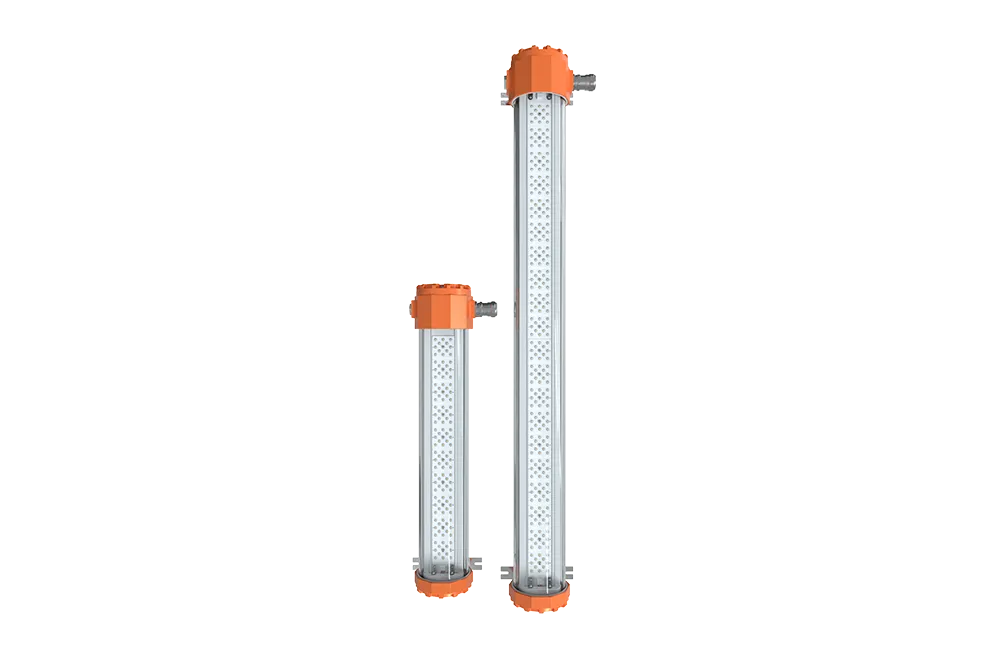
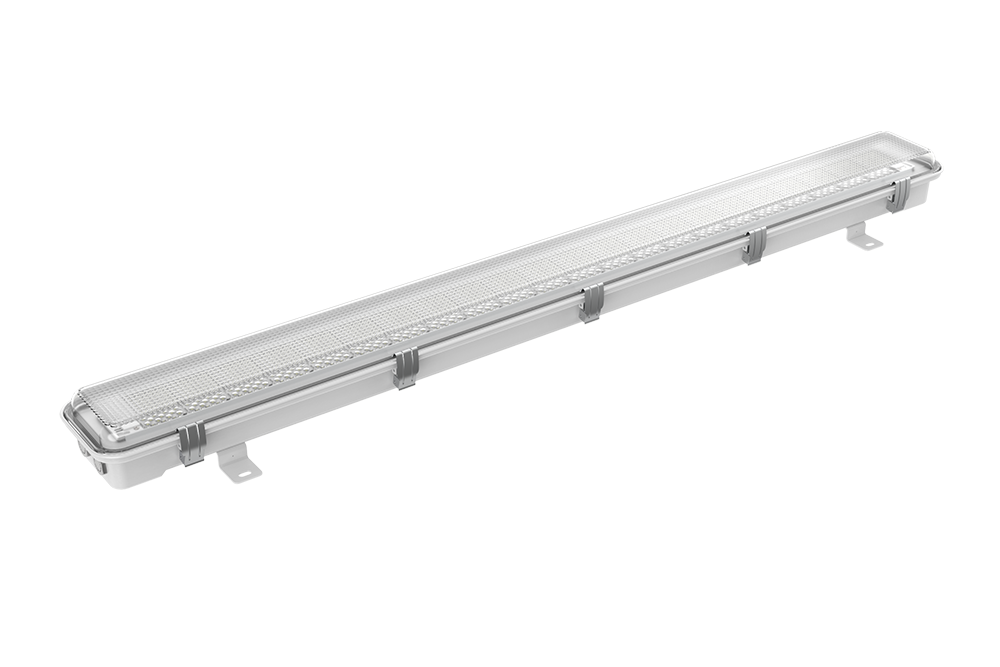
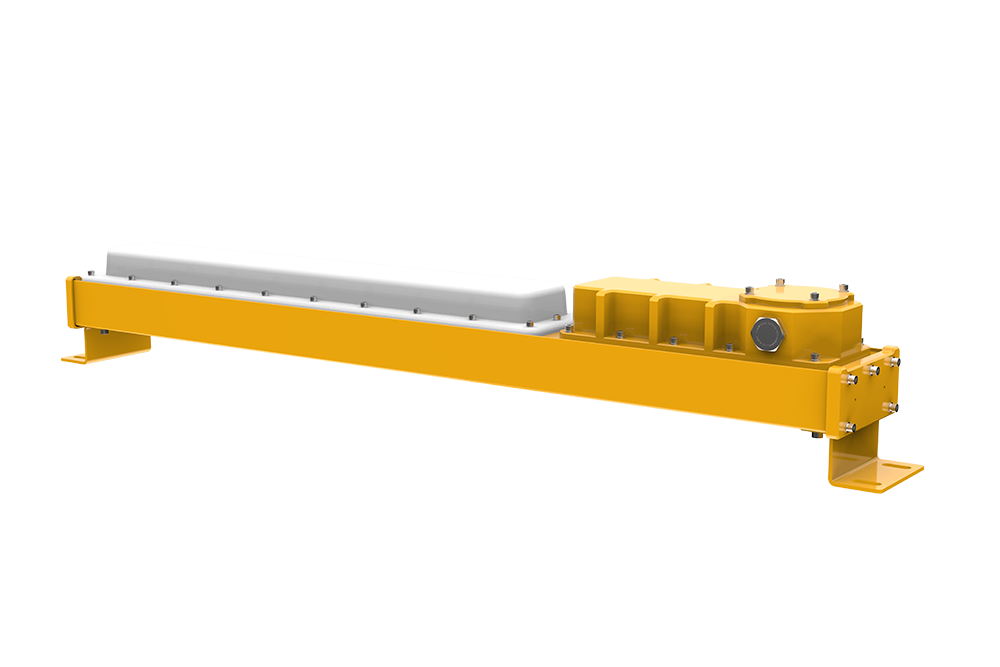
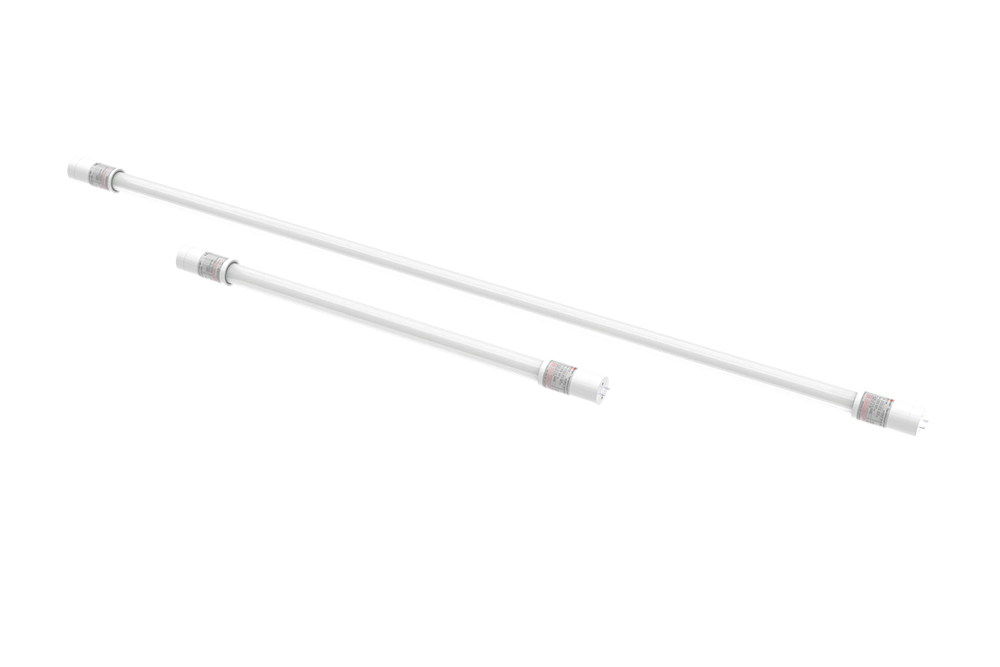
SEEKINGLED LED Linear Explosion Proof Light and Explosion Proof lighting is ATEX and IECEx certified for Zone 1, Zone 2, Zone 21 and Zone 22 hazardous locations, built for long-term industrial use.
LED Linear Explosion Proof Lights and EX Proof lights for Zone 1, Zone 2, Zone 21 and Zone 22 hazardous areas. ATEX & IECEx certified explosion proof LED linear lighting with emergency function, adjustable power and IP67 protection by SEEKINGLED.
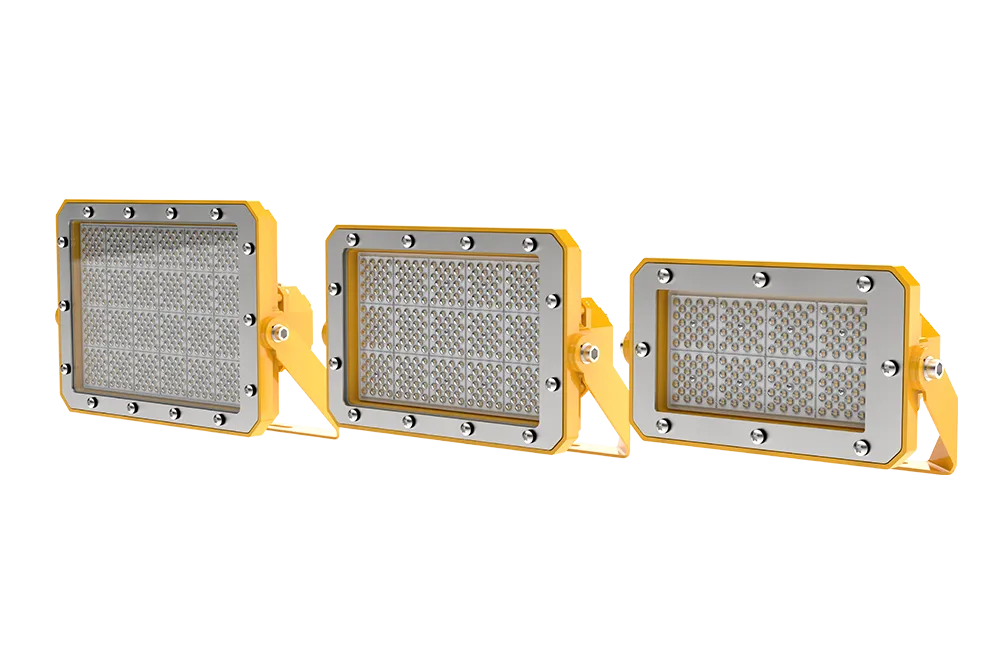
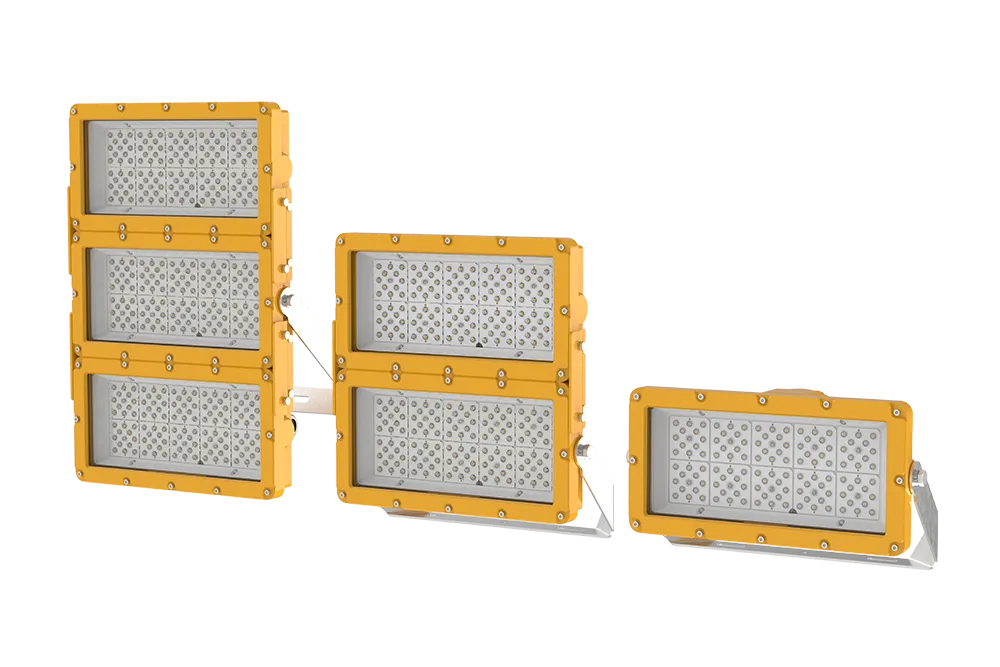
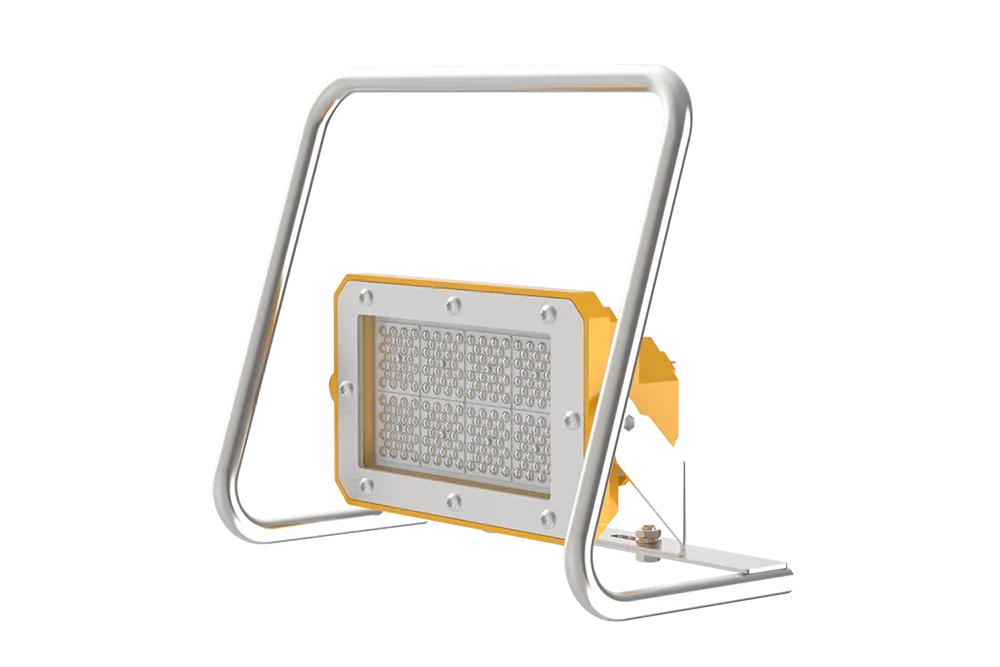
SEEKINGLED LED Explosion Proof Flood Lights are ATEX certified for Zone 2 and Zone 22 hazardous areas, offering high efficiency, adjustable power and integrated junction box.
SEEKINGLED LED Explosion Proof Flood Lights are flameproof ATEX and IECEx certified for Zone 1 and Zone 2 hazardous areas, offering high power, adjustable output and long service life.
SEEKINGLED LED Gas Station Canopy Lights are ATEX certified for Zone 2 and Zone 22 hazardous areas, featuring adjustable power and built-in explosion-proof junction box.
ATEX: Ex II 2G Ex db IIB T6/T5 GbEx II 2D Ex tb IIIC T80°C/ T95°C Db IECEx Ex db IIB T6 Gb;Ex tb IIIC T80°C Db Feature: ● For Zone 1,2 and Zone 21,22● Flameproof type, the strongest● 100W can replace 250W HID,energy saving● Power:60W,80W,100W Application: Oil and gas, marine, Chemical, pharmaceutical, semiconductor,mining,military industr…
ATEX: II 3G Ex nR ⅡC T5/T6 GcII 3D Ex tc ⅢC T80℃/T95℃Dc ATEX Certificate NO: TÜV CY 26 ATEX 0207611 X Feature: ● For Zone 2 and Zone 22● 150W can replace 250W HID lamps,Energy saving● Power:50W,75W,100W,150W,200W Application: Oil and gas, marine, Chemical, pharmaceutical, semiconductor,mining,military industry, paint booth,power plant ETC…
LED explosion proof high bay lights are designed for Zone 1, Zone 2, Zone 21 and Zone 22 hazardous areas. This page introduces the HB21 Series from SEEKING, including certifications, power options and real application considerations.
LED Linear Explosion Proof Lights from SEEKINGLED. LU Series Flame Proof lights ATEX-certified explosion proof LED linear lighting for Zone 2 gas and Zone 22 dust areas, IP69K, IK10, long lifetime and flexible power options.
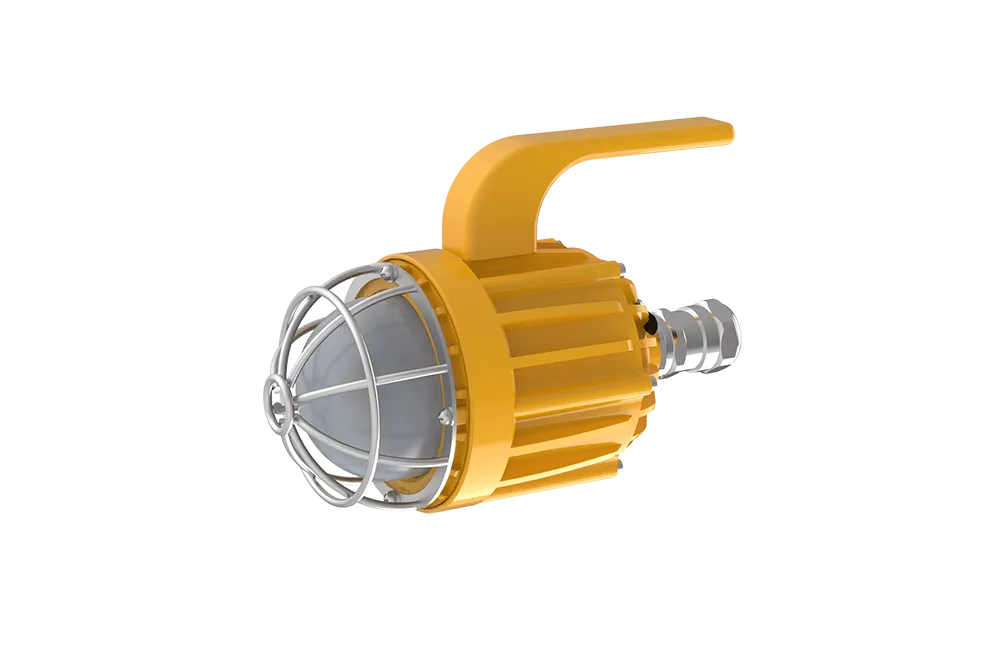
Certified explosion proof work lights for Zone 1 & 21 hazardous areas. Portable, ATEX & IECEx approved, built for oil, gas and chemical plants by SEEKINGLED.
ATEX: II 3G Ex nR ⅡC T6 GcII 3D Ex tc ⅢC T80℃ Dc ATEX Certificate NO: TÜV CY 26 ATEX 0207611 X Feature: ● For Zone 2 and Zone 22● Accepts battery-powered supply● indestructible● Power:AC input:50W,75W,100WDC input:15W,25W,35W Application: Oil and gas, marine, Chemical, pharmaceutical, semiconductor,mining,military industry, paint booth,po…
ATEX: Ex II 2G Ex db IIB T6 GbEx II 2D Ex tb IIIC T80°C Db IECEx Ex db IIB T6 Gb;Ex tb IIIC T80°C Db Feature: ● For Zone 1,2 and Zone 21,22● Flameproof type, the strongest Application: Oil and gas, marine, Chemical, pharmaceutical, semiconductor,mining,military industry, paint booth,power plant ETC hazardous area. Technical Specifications:…
ATEX: Ex II 2G Ex db IIB T6 GbEx II 2D Ex tb IIIC T80°C Db IECEx Ex db IIB T6 Gb;Ex tb IIIC T80°C Db Feature: ● For Zone 1,2 and Zone 21,22● Flameproof type, the strongest Application: Oil and gas, marine, Chemical, pharmaceutical, semiconductor,mining,military industry, paint booth,power plant ETC hazardous area. Technical Specifications:…
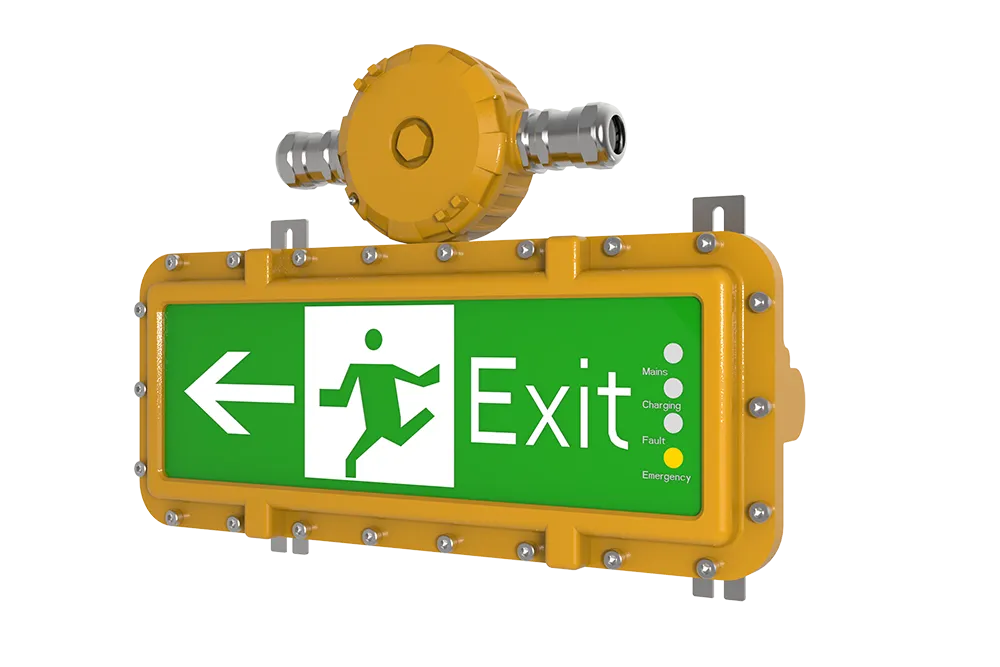
ATEX: Ex II 2G Ex d e IIB T6 Gb ATEX: Ex d e IIB T6 Gb; Feature: ● For Zone 1,2● 9W can replace 18W fluorescent lamps,50% Energy saving Application: Oil and gas, marine, Chemical, pharmaceutical, semiconductor,mining,military industry, paint booth,power plant ETC hazardous area. Technical Specifications: Standards:60079-0, 60079-1, 60079…
In 2024, an Australian container terminal upgraded to SEEKING FLE 200W LED Flood Light solutions, improving night safety, cutting energy costs and increasing loading efficiency across the yard.
Explosion proof lighting suppliers in UAE must meet strict ATEX and IECEx requirements. This article shares real engineering experience using SEEKINGLED HB21 Series LED explosion proof high bay lights in hazardous area projects across oil, gas, an...
SEEKINGLED delivers a high-efficiency linear high bay lighting solution for South Africa’s first Walmart-branded store, achieving low glare, high lux levels, and 65% energy savings.
 Seeking LED