 Seeking LED
Explosion-Proof Lighting for Hazardous Industrial Environments
0Explosion-proof lighting engineered for hazardous industrial zones. Learn certifications, safety principles, ATEX standards, and LED performance insights.
View detailsSearch the whole station
How do i choose high bay lights? Choose high bay lights by evaluating ceiling height, required lumens, beam angle, efficiency, installation environment, and working conditions. The right fixture should match your space instead of simply selecting the highest wattage option.
Choosing a high bay light looks simple until you actually stand inside a warehouse, factory, or workshop and compare the lighting conditions.
A product catalog may show dozens of models: 100W, 150W, 200W, different beam angles, different mounting options.
But the number printed on the label is only part of the decision.
During industrial lighting projects at SEEKINGLED, I have seen customers replace old fixtures because the original selection focused only on wattage. A 200W fixture installed in the wrong environment can create glare, uneven brightness, and unnecessary energy consumption.
The better approach is to start with the space.
How high is the ceiling?
What tasks happen below the lights?
How much light actually reaches the working area?
Those questions determine the correct fixture.
The first factor in selecting high bay lighting is mounting height.
High bay lights are generally designed for spaces with higher ceilings, especially warehouses, factories, and large commercial buildings.
The Illuminating Engineering Society (IES) traditionally categorizes high-bay lighting applications as spaces where fixtures are mounted approximately 20 feet or higher above the floor, while low-bay applications are commonly below this range.
Source:
https://www.ies.org
However, modern LED technology has expanded the possibilities.
Today, some compact high bay fixtures can perform effectively at lower mounting heights when the optics and lumen output are correctly selected.
Typical guidelines:
| Ceiling Height | Recommended Lighting Type |
|---|---|
| 10–15 feet | Low bay / compact LED high bay |
| 15–20 feet | Low bay or carefully selected high bay |
| 20–30 feet | Standard LED high bay |
| 30–45+ feet | High-output industrial high bay |
A common mistake is choosing a fixture first and checking the ceiling later.
The ceiling height should come first.
One of the biggest changes in modern LED lighting is moving away from watt-based thinking.
Wattage measures electrical consumption.
Lumens measure light output.
A 150W LED high bay from one manufacturer may produce 22,000 lumens, while another may produce over 30,000 lumens.
The difference directly affects the lighting result.
The U.S. Department of Energy recommends evaluating LED lighting performance through metrics such as efficacy, measured in lumens per watt (lm/W), rather than power consumption alone.
Source:
https://www.energy.gov
When selecting high bay lights, consider:
For example:
A storage warehouse may require general visibility.
A manufacturing line performing detailed assembly may require significantly higher illumination.
The fixture should support the work, not just brighten the room.
Beam angle controls how light spreads across the floor.
This is often overlooked.
A high bay fixture with the wrong beam angle can create lighting problems even if the lumen output is correct.
Common beam options include:
| Beam Angle | Best Application |
|---|---|
| Narrow beam | Very high ceilings, tall racks, focused lighting |
| Medium beam | Warehouses, factories, general industrial spaces |
| Wide beam | Lower ceilings, open workshops, large coverage areas |
For example:
A distribution center with 40-foot ceilings may benefit from a narrow beam because the light needs to travel farther.
A 15-foot workshop usually requires wider distribution to avoid bright spots.
At SEEKINGLED, beam angle is one of the first specifications we review because it directly affects uniformity.
A brighter fixture does not always create better lighting.
Sometimes better optical control creates a much better result.
Modern industrial spaces usually choose between two main LED high bay designs.
UFO high bays are compact circular fixtures.
Advantages:
Common applications:
Linear high bays have a rectangular design.
Advantages:
Common applications:
The choice depends on the layout.
A wide-open factory floor and a narrow storage aisle need different lighting approaches.
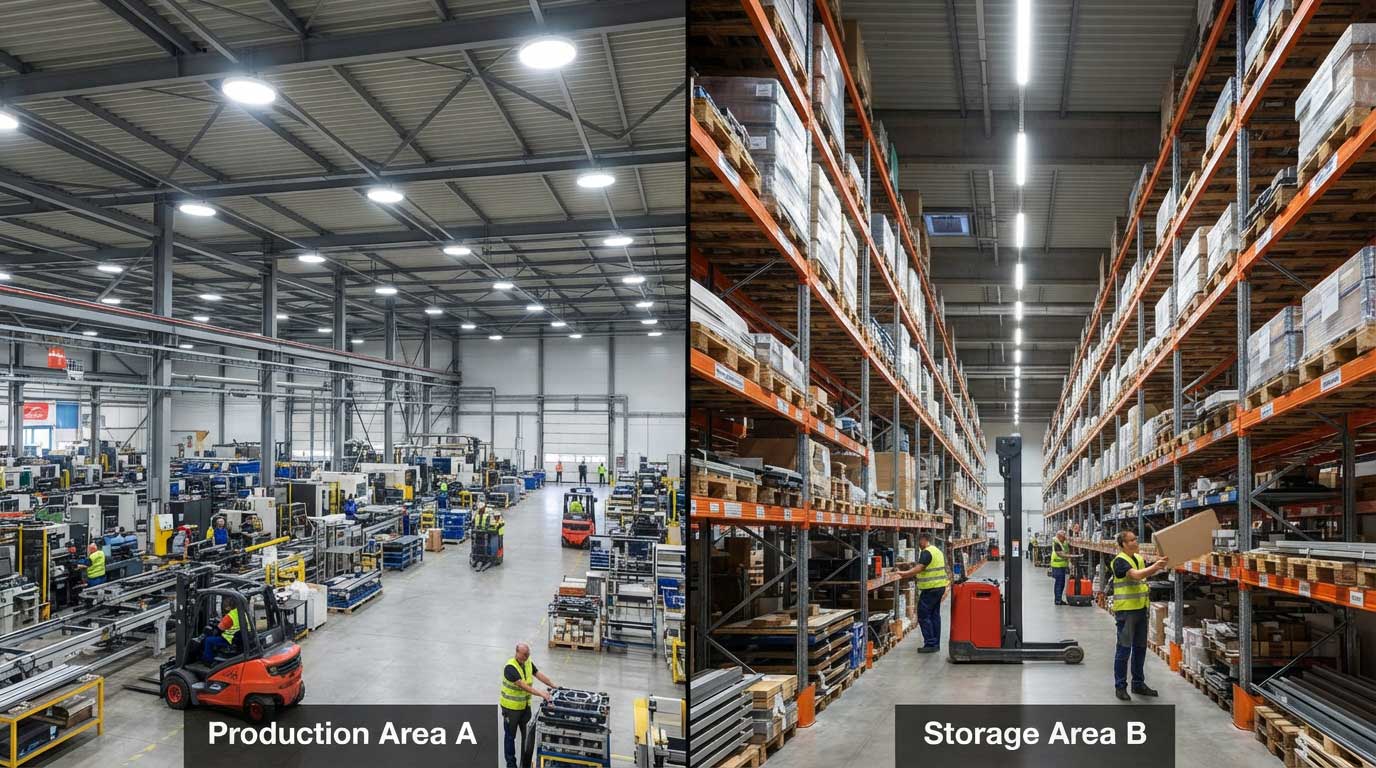
Energy efficiency is one of the main reasons companies upgrade to LED high bay lighting.
Older metal halide and fluorescent systems often lose efficiency because of:
LED high bay lights improve efficiency through:
ENERGY STAR states that LED products use significantly less energy than traditional incandescent lighting and can last much longer when properly designed and installed.
Source:
https://www.energystar.gov
For industrial facilities operating lighting 10–16 hours per day, efficiency improvements can create measurable operational savings.
However, the most efficient fixture is not always the highest-performance fixture.
The goal is matching efficiency with actual lighting requirements.
Industrial environments are rarely identical.
A clean warehouse and a metal fabrication workshop may need completely different fixtures.
Before selecting high bay lights, evaluate:
| Environment Factor | Why It Matters |
|---|---|
| Dust level | Determines protection requirements |
| Temperature | Affects driver and LED lifetime |
| Moisture | Influences IP rating selection |
| Vibration | Affects mechanical durability |
| Chemical exposure | Requires suitable housing materials |
For harsh environments, protection ratings such as IP65 or higher may be required.
A lighting fixture installed in the wrong environment may fail earlier than expected, even if the LED technology itself is excellent.
Choosing high bay lights is not only about selecting the correct fixture model.
The quantity of fixtures matters just as much.
Too few lights create:
Too many lights create:
A basic lighting calculation considers:
Number of Fixtures = Required Total Lumens ÷ Lumens per Fixture
However, professional projects also include:
For example, a clean warehouse with white walls reflects more light than a metal workshop with dark equipment.
The same fixture count may produce completely different results.
This is why lighting professionals normally use photometric software with IES files instead of relying only on simple calculations. Photometric files show the actual distribution of light from the fixture.
Wattage selection should come after understanding the application.
Common LED high bay wattages include:
| Wattage Range | Typical Application |
|---|---|
| 80W–120W | Small workshops, lower ceilings |
| 150W | Medium warehouses and factories |
| 200W | Larger industrial spaces |
| 240W–300W | High ceilings and large facilities |
But wattage alone does not determine performance.
A modern 150W LED high bay may outperform an older 250W metal halide fixture because LED efficiency has improved significantly.
When comparing products, check:
The U.S. Department of Energy recommends evaluating LED luminaires by efficacy (lumens per watt) because it reflects how efficiently electrical energy is converted into useful light.
Source: https://www.energy.gov
A common purchasing mistake is:
“Higher wattage means better lighting.”
In reality:
“The correct lumen package for the space creates better lighting.”
Color temperature affects how the workspace feels and how clearly workers see objects.
Common LED high bay color temperatures:
| Color Temperature | Appearance | Application |
|---|---|---|
| 3000K–4000K | Warm to neutral white | Garages, workshops, commercial spaces |
| 4000K–5000K | Clean white light | Warehouses, factories, production areas |
| 5000K–6500K | Cool daylight | Inspection areas, detailed tasks |
For most industrial environments, 4000K–5000K is commonly selected because it provides clear visibility without creating an overly harsh appearance.
However, color temperature should match the working environment.
A vehicle repair facility may prefer a different atmosphere than a precision manufacturing area.
Color Rendering Index (CRI) describes how accurately a light source shows colors compared with natural light.
For general warehouses:
For applications where color accuracy matters:
may be preferred.
Examples include:
A warehouse storing cardboard boxes may not need high CRI.
A factory inspecting painted surfaces may.
This small specification can make a noticeable difference in real working conditions.
Industrial spaces are not all clean and dry.
Before choosing high bay lights, evaluate the environment.
Important protection factors include:
Facilities such as woodworking shops, factories, and warehouses may require dust-resistant fixtures.
Areas exposed to humidity or occasional water cleaning may need higher IP ratings.
Some facilities operate in:
SEEKINGLED industrial high bay solutions are designed with application conditions in mind, including protection requirements and thermal management.
A fixture that performs well in an office ceiling may not survive the conditions of a heavy industrial plant.
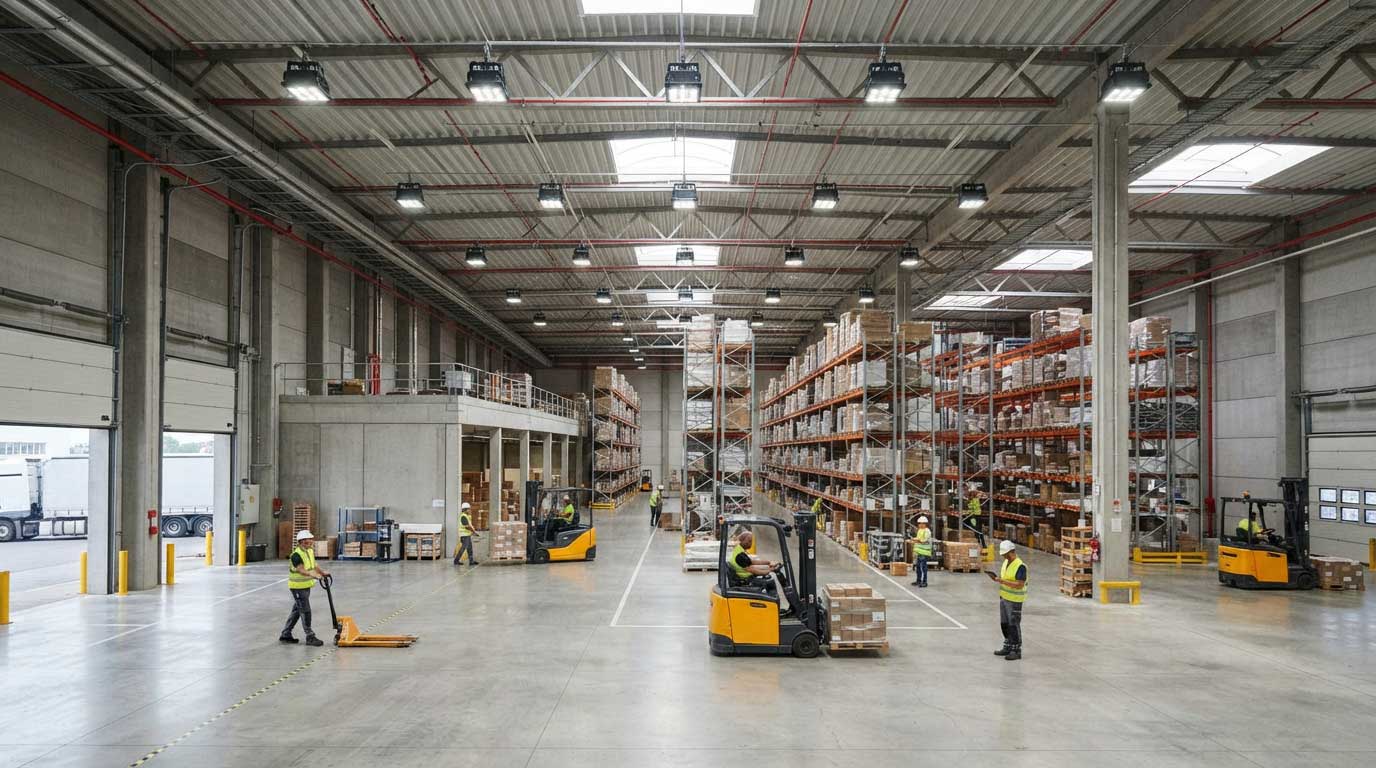
After reviewing many industrial lighting projects, several mistakes appear repeatedly.
The cheapest fixture is rarely the cheapest solution.
A low-quality driver or poor thermal design can create early failures and replacement costs.
A fixture designed for a 40-foot warehouse may perform poorly in a 15-foot workshop.
More light does not always mean better visibility.
Excessive brightness can increase glare and reduce comfort.
A product specification sheet cannot show the complete lighting result.
An IES file and simulation provide a clearer picture.
Dust, heat, and operating hours affect long-term performance.
A good lighting choice considers the entire lifecycle.
Before placing an order, confirm these points:
| Question | Why It Matters |
|---|---|
| What is the ceiling height? | Determines fixture type |
| How large is the space? | Determines quantity |
| What work happens below? | Determines brightness needs |
| Is the environment dusty or humid? | Determines protection rating |
| Are aisles or open areas involved? | Determines beam angle |
| How many operating hours per day? | Determines efficiency value |
| Is smart control required? | Determines control compatibility |
This checklist prevents many common installation problems.
How do i choose high bay lights? Select high bay lights based on ceiling height, lumen output, beam angle, energy efficiency, environment, and working requirements. The best fixture is not the brightest model, but the one that delivers comfortable and uniform illumination where it is needed.
At SEEKINGLED, we approach high bay lighting selection from an application-first perspective.
The building comes before the product.
A warehouse, factory, garage, and production line all have different lighting requirements.
The right high bay light should provide:
A successful lighting project is not measured by how powerful the fixture looks on paper.
It is measured by how well people can work under it every day.
Choose based on ceiling height, warehouse layout, rack height, required illumination, beam angle, and operating conditions.
The required wattage depends on lumen output, ceiling height, and application. Always compare lumens rather than wattage alone.
Neither is universally better. UFO high bays work well for open spaces, while linear high bays are often better for aisles and long layouts.
Higher ceilings usually require narrower beams, while lower ceilings often benefit from wider distribution. Final selection should consider spacing and photometric data.
Many high bay applications involve ceilings above 20 feet, but modern LED designs can work at different heights when properly selected.
The required lumens depend on room size, ceiling height, task type, and desired illumination level.
Yes. LED high bay lights typically provide higher efficiency and longer service life compared with many traditional industrial lighting systems.
Choosing high bay lights requires more than selecting a wattage number from a catalog.
The correct solution combines:
A warehouse manager may need powerful long-distance illumination.
A workshop owner may need comfortable wide coverage.
A manufacturing facility may need precise visibility for detailed operations.
At SEEKINGLED, we believe industrial lighting should be designed around the people and processes inside the building.
The right high bay light is not simply the fixture with the most lumens.Visit the product page:Industrial LED High Bay Lights
It is the fixture that delivers the right amount of light, in the right place, for the right application.
The SEEKING HBC-T Series high bay lights LED offer long-lasting performance for warehouses, production plants and logistics centers. Durable IP65 & IK08 housing, 60°/90° beam angles, up to 150 lm/W, and a lifespan beyond 100,000 hours. Ideal for airport halls, commercial storage, construction sites and large indoor spaces.
View details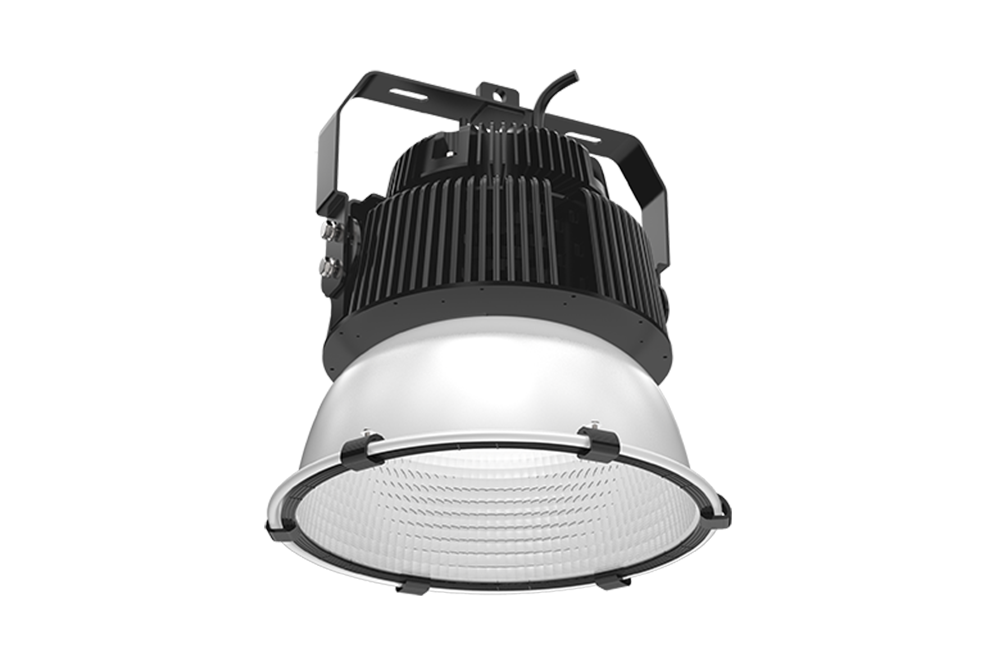
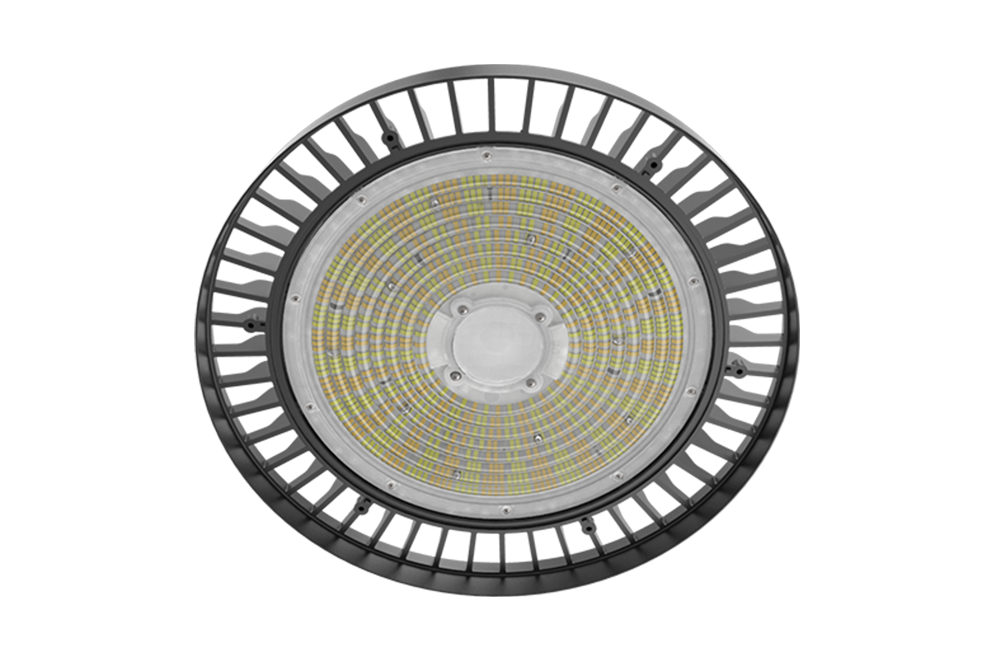
The SEEKING HBS Series LED UFO high bay light delivers 140 lm/W efficiency, IP65 protection and MEAN WELL drivers. A durable high-rise lighting solution for factories, warehouses and commercial halls.
View details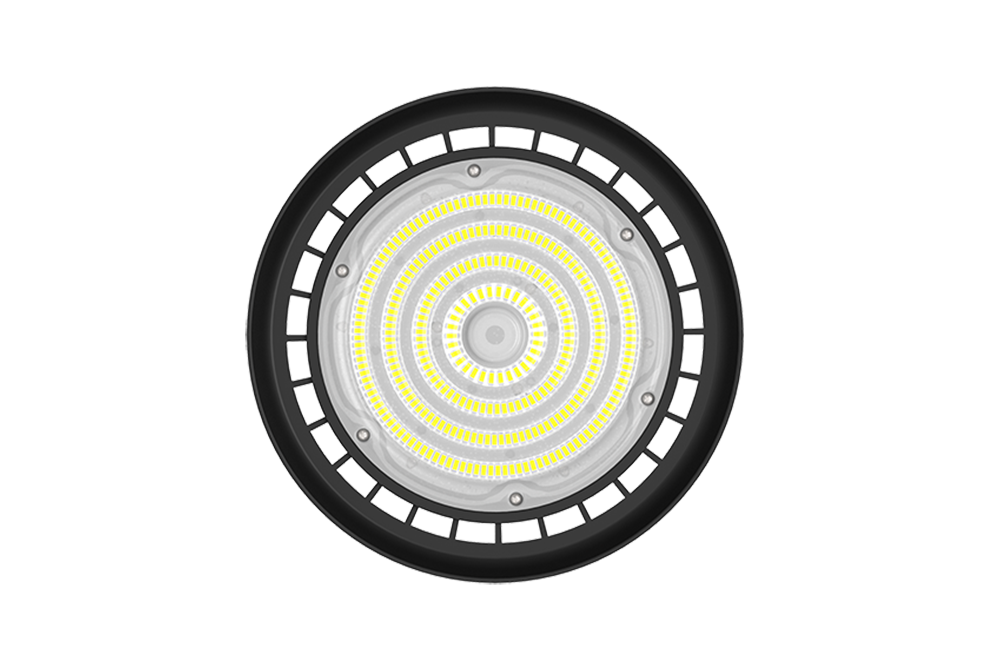
SEEKING HBD Series LED high bay lighting delivers 160 lm/W efficiency, IP66 protection, and long 100,000-hour lifespan. A durable UFO high bay solution for warehouses, workshops, logistics centers and commercial facilities.
View details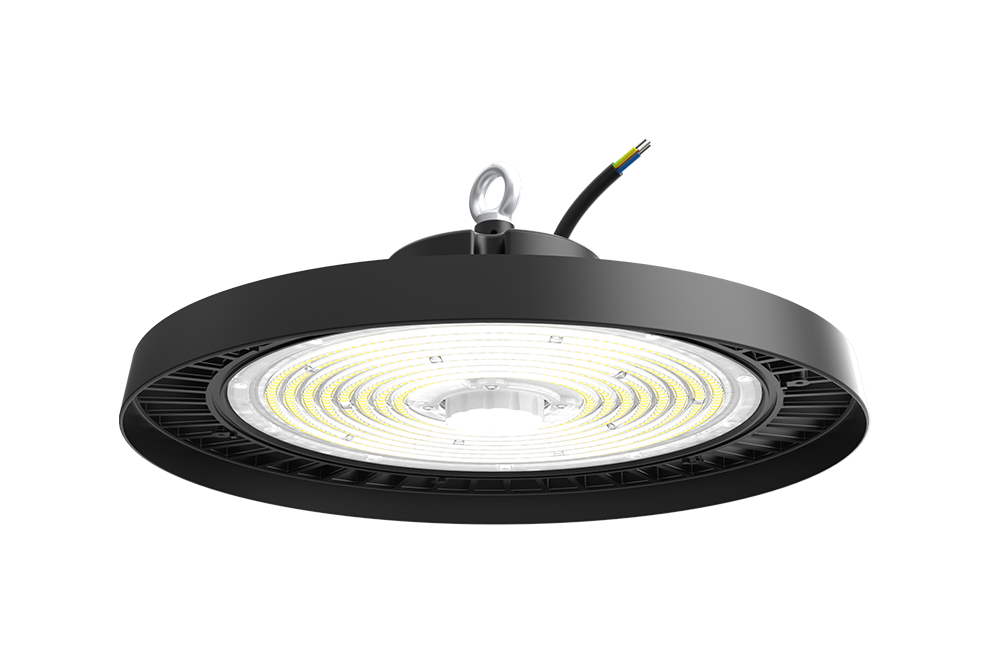
The SEEKING HBC Series high bay LED light fixtures combine strong efficiency, practical design and reliable SOSEN drivers. A durable UFO high bay lighting option for warehouses, workshops and wholesale projects.
View details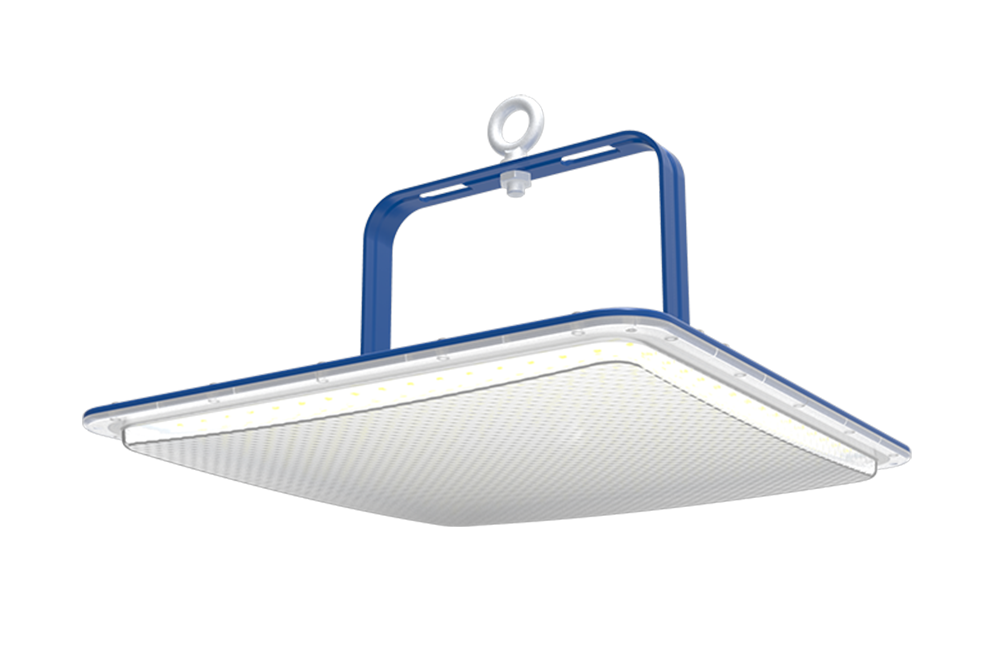
The SEEKING GSL Series high bay LED light delivers powerful, efficient lighting for industrial and commercial spaces. With IP65 protection, flexible mounting, and up to 140 lm/W performance, it’s ideal for warehouses, workshops, and retail areas.
View details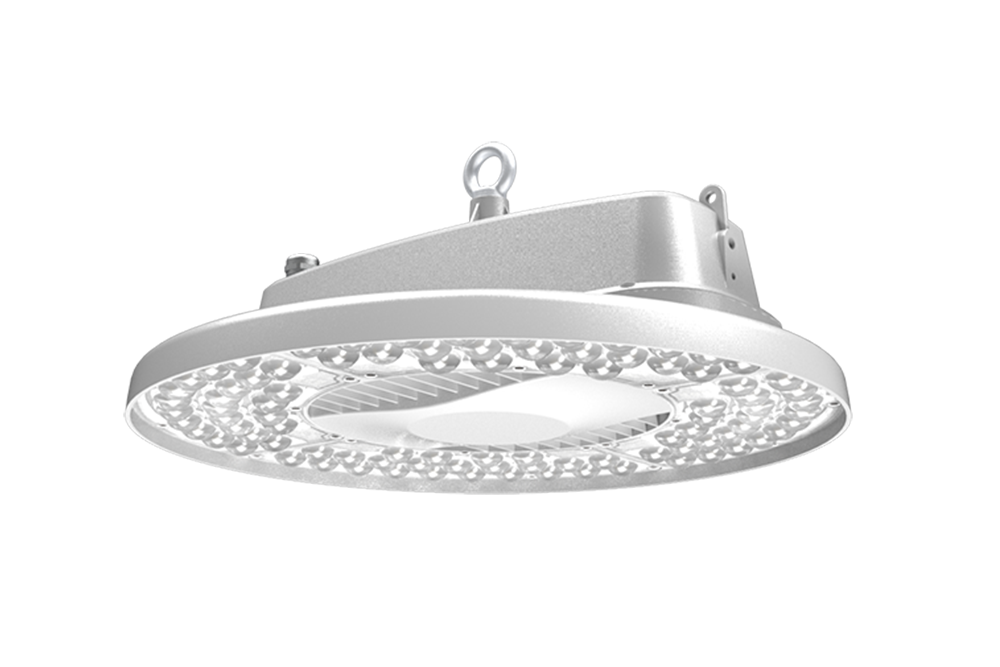
The SEEKING HB15(GLE) Series delivers advanced high bay led lighting with UGR 100,000 h) and reliable illumination for demanding commercial environments.
View details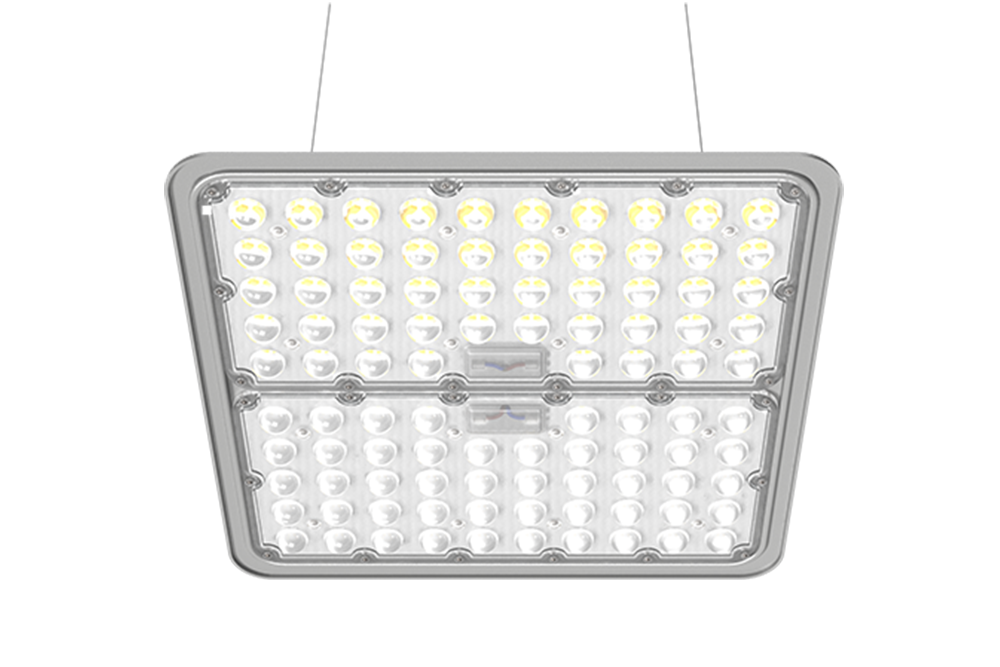
Discover the SEEKING HB13(GLK) Series ufo led high bay light, engineered for sports halls, airport lounges, showrooms, and large commercial spaces. UGR 100,000 h). Ideal for industrial ufo high bay lighting fixtures and commercial retrofits.
View details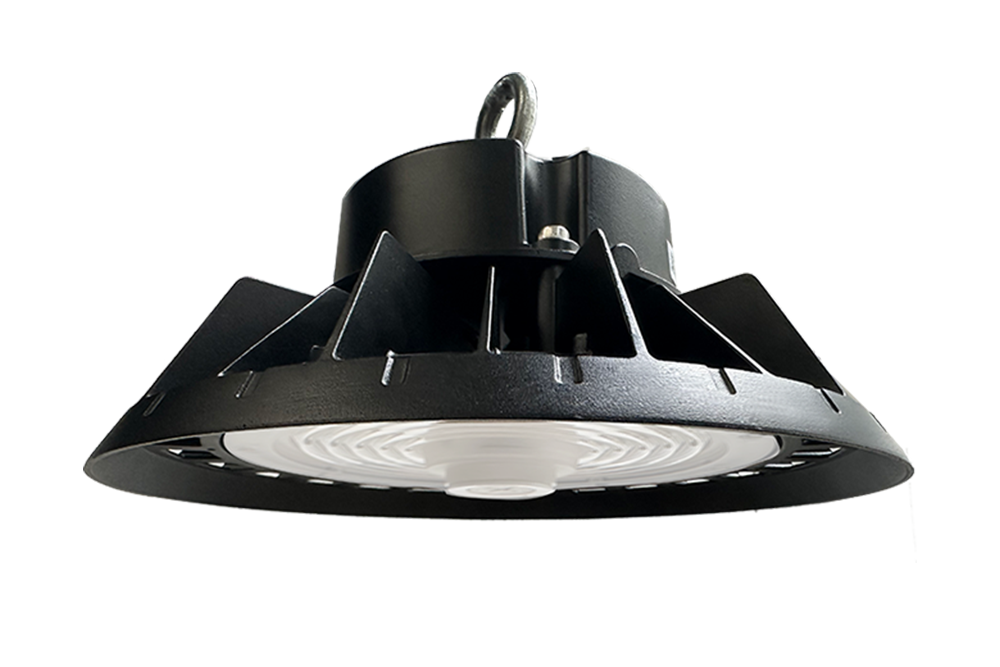
SEEKING HBF Series offers industrial LED high bay lighting with up to 200lm/W efficiency, SOSEN flicker-free driver, IP65 protection and optional microwave motion sensor. Ideal for warehouses, factories and commercial distribution projects.
View details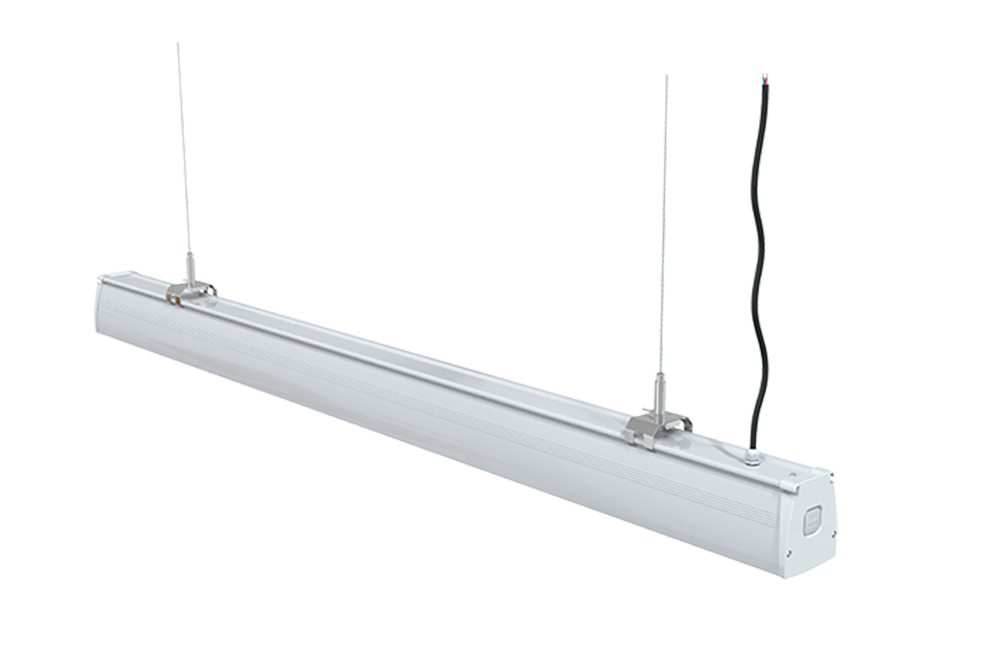
The HLD Series linear high bay LED lights from SEEKING deliver up to 200 lm/W with multiple beam angles and adjustable CCT options for warehouse, workshop, corridor and general industrial lighting.
View details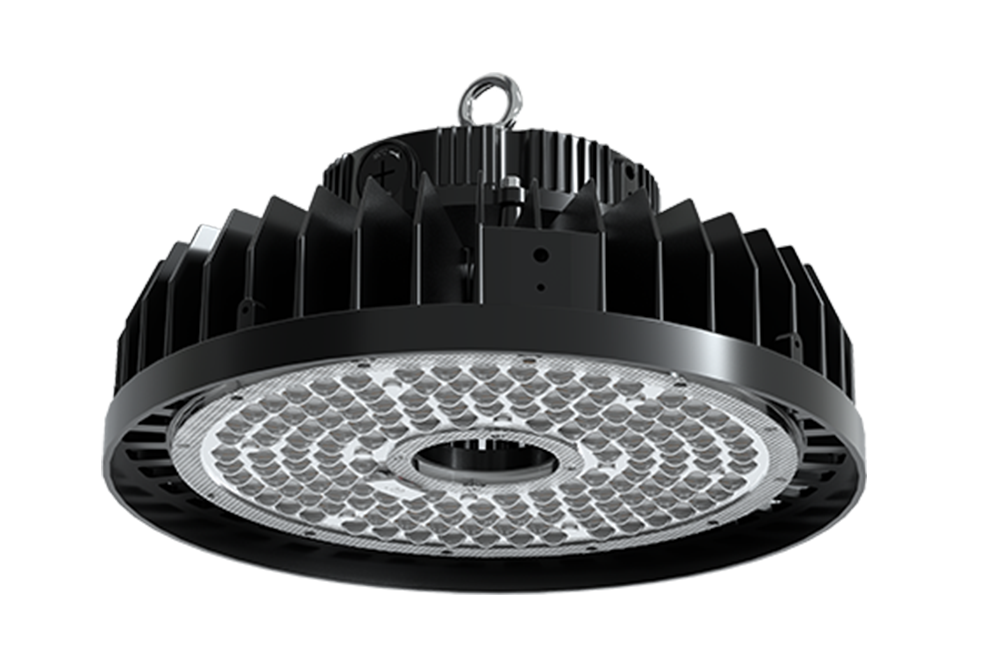
The HBK Series LED high bay light by SEEKING combines 500W power, 160–175 lm/W efficiency and IP65 durability for heavy-duty industrial lighting. Designed for warehouse, factory and production facilities with demanding ceiling heights.
View details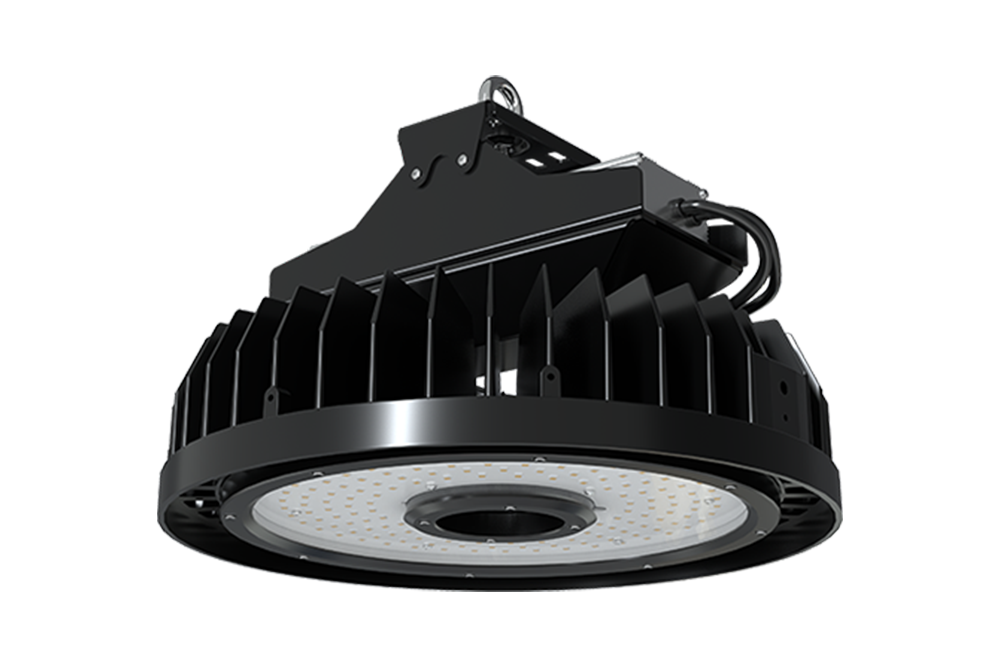
LED high bay lights engineered for extreme heat and low-temperature industrial sites. SEEKING HBK Ultua Series operates from -40°C to +70°C with Nichia LEDs and Inventronics driver.
View details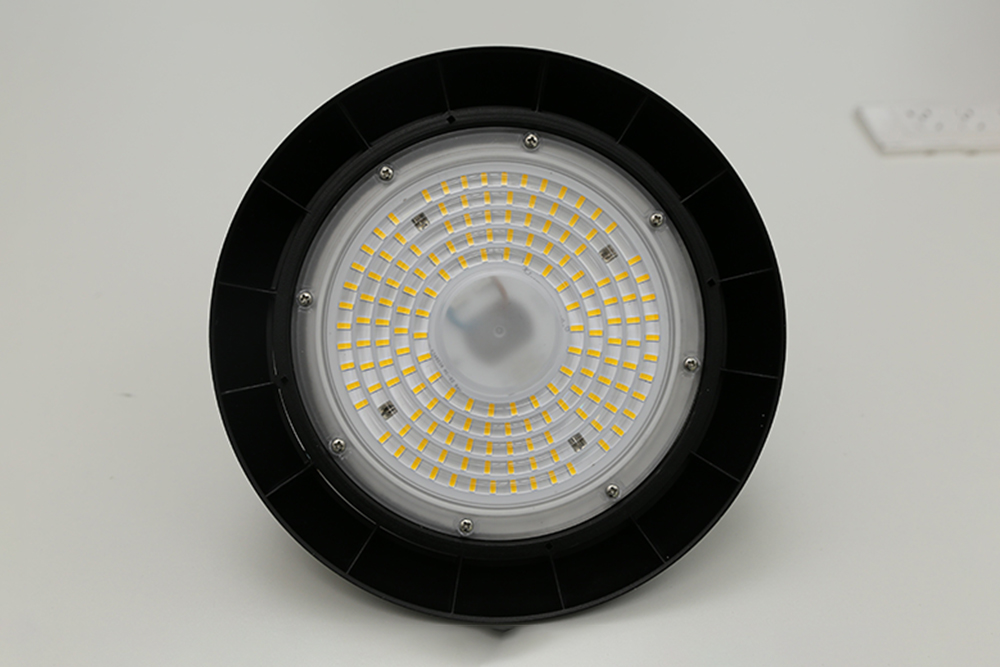
High bay LED lights built for warehouses, production plants and wholesale distribution. SEEKING HBI Series offers up to 200lm/W, IP65, IK08 and optional microwave motion sensor for energy saving operation.
View details
Explosion-proof lighting engineered for hazardous industrial zones. Learn certifications, safety principles, ATEX standards, and LED performance insights.
View details
100 watt LED street light delivers balanced brightness, energy savings, and long service life. Learn where it fits, where it doesn’t, and why.
View details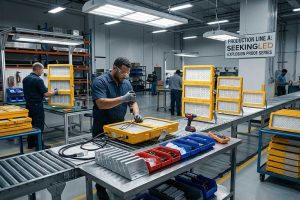
Explosion proof lights factory explained: certifications, production process, and real quality control insights. Learn how SEEKINGLED ensures safety and reliability.
View details
LED high bay optics explained for warehouses with real-world insight. Learn how lenses, reflectors, and light control affect safety and efficiency.
View details