 Seeking LED
Are LED Light Bars Street Legal in Texas?
283Are LED light bars street legal in Texas? This Q&A explains when LED light bars are legal, when they are not, and how Texas law is applied in real driving situations.
View detailsSearch the whole station
How high is high bay lighting? High bay lighting generally refers to indoor lighting used where the ceiling or roof structure is more than 20 feet above the floor. In practice, LED high bay fixtures are commonly installed from about 20 to 50 feet, with larger industrial spaces sometimes requiring greater mounting heights.
That 20-foot figure is not an arbitrary marketing number. The Illuminating Engineering Society defines high-bay lighting as interior lighting where the roof trusses or ceiling height is greater than approximately 6.1 meters (20 feet) above the floor.
The distinction matters because light distribution changes dramatically as the distance between the fixture and working surface increases.
At SEEKINGLED, we have seen this during industrial lighting projects: a fixture can have plenty of rated lumens and still produce disappointing illumination when the optics, mounting height, and spacing do not match the building.
That is why I would not specify a high bay simply from the ceiling measurement.
The better questions are:
The ceiling height is where the conversation starts, not where it ends.
The simplest industry distinction is:
| Lighting Type | Approximate Ceiling Height |
|---|---|
| Low bay lighting | 20 ft or less |
| High bay lighting | More than 20 ft |
| Very high industrial spaces | 40–60+ ft |
IES uses 20 feet as the dividing point between low-bay and high-bay lighting. Its definition is based on the height of the roof trusses or ceiling above the floor.
The U.S. Department of Energy has used the same general distinction in its LED adoption research: low-bay fixtures are typically used at ceiling heights of 20 feet or less, while high-bay applications are above 20 feet. DOE also notes that high-bay fixtures can require substantially higher light output for large, open spaces.
So, if someone asks whether a 24-foot warehouse needs high bay lighting, the answer is generally yes.
A 16-foot workshop is a different case.
There is no universal maximum height for a high bay fixture.
A practical planning range looks like this:
| Application | Typical Ceiling / Mounting Range | Common Considerations |
|---|---|---|
| Small industrial workshop | 20–25 ft | Wide or medium optics |
| Standard warehouse | 25–35 ft | Uniformity and spacing |
| Manufacturing plant | 25–40 ft | Task visibility and glare |
| Distribution center | 30–45 ft | Rack height and aisle coverage |
| Large industrial facility | 40–60+ ft | High output and controlled optics |
These are planning ranges, not lighting specifications.
A 30-foot ceiling does not automatically mean the fixture should hang at exactly 30 feet.
For example, if the fixture is suspended 3 feet below the roof structure, the actual mounting height is closer to 27 feet.
That difference becomes important when calculating illumination and spacing.
This is one of the easiest details to overlook.
Consider a warehouse with:
The fixture mounting height is approximately 32 feet, not 35 feet.
If the facility has 35-foot ceilings but the lights are mounted directly against the structure, the fixture-to-floor distance is different again.
For lighting design, what matters is the distance between the light source and the illuminated working surface.
OSHA also emphasizes that illumination should be evaluated at the area where work is performed. In its marine-terminal requirements, for example, OSHA specifies that lighting intensity is measured at the task or working surface.
Source cited:https://www.osha.gov/laws-regs/regulations/standardnumber/1917/1917.123
That is a useful practical distinction.
The light does not illuminate the ceiling.
It illuminates the work below.
For many industrial projects, 20–40 feet is a useful working range.
The actual height should be matched with the fixture’s optical performance.
Often suitable for:
Typical considerations include moderate lumen output and wider beam distribution.
This is where many warehouse and manufacturing applications fall.
The lighting design becomes more sensitive to:
At these heights, optical control becomes increasingly important.
A high-output fixture with an appropriate narrow or medium beam can project light effectively toward the working plane.
Simply increasing wattage is not always the answer.
Not necessarily.
This is one of the most persistent misunderstandings in high bay lighting.
A higher ceiling usually means the fixture must deliver sufficient illumination over a greater distance, but wattage alone does not determine performance.
DOE’s commercial and industrial LED guidance uses luminous efficacy, measured in lumens per watt, to evaluate how effectively a luminaire converts electrical power into light. Its current FEMP guidance lists 175 lm/W as the minimum efficacy requirement for the referenced industrial high-bay category with at least 10,000 lumens.
That number is useful because it shows why looking only at watts is outdated.
For example:
200W × 175 lm/W = 35,000 lumens
But two 35,000-lumen fixtures can still produce different results if their optical distributions are different.
The light pattern matters.
Beam angle controls how widely light spreads from the fixture.
Useful for:
Often suitable for:
Useful for:
A fixture installed at 45 feet with an overly wide distribution may spread light too aggressively before it reaches the working surface.
Conversely, a narrow beam installed too low can create bright spots and poor uniformity.
This is why mounting height and beam angle should be selected together.
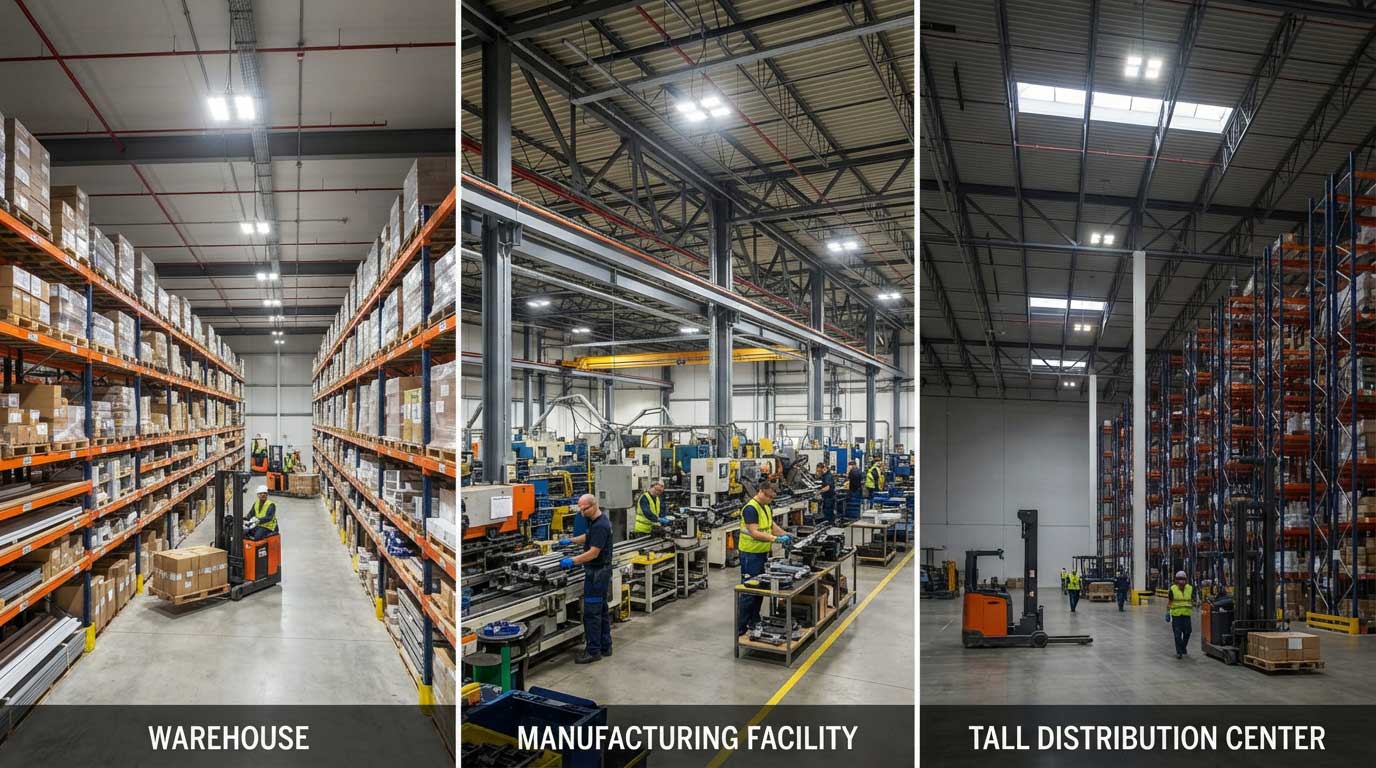
The phrase high bay lighting covers a surprisingly broad range of buildings.
A 22-foot workshop and a 55-foot distribution center both fall into the high-bay category, but they should not be lit with the same fixture simply because both have high ceilings.
Here is a practical comparison:
| Application | Typical Ceiling Height | Main Lighting Concern |
|---|---|---|
| Small workshop | 20–25 ft | Glare and broad coverage |
| Commercial warehouse | 25–35 ft | Uniform floor illumination |
| Manufacturing plant | 25–40 ft | Task visibility and shadows |
| Distribution center | 30–45 ft | Rack and aisle illumination |
| Aircraft hangar | 40–60+ ft | Long-distance light delivery |
| Large industrial hall | 45–70+ ft | Optics, output, and uniformity |
These are application ranges rather than mandatory standards.
The IES definition is much simpler: high-bay lighting applies when the ceiling or roof trusses are more than approximately 20 feet above the floor.
That distinction is important for SEO content, but it is only the first step for an actual lighting project.
Yes, it can, but the exact answer depends on the fixture and application.
At approximately 20 feet, the space sits right around the boundary between low-bay and high-bay terminology.
The IES defines low-bay lighting as approximately 20 feet or less, while high-bay lighting is above approximately 20 feet.
For a 20-foot workshop, I would not automatically choose a high-output industrial fixture.
Instead, look at:
A 20-foot ceiling with a clean white interior is a very different lighting environment from a 20-foot automotive workshop covered with dark equipment.
This sounds obvious until you get onto a real project.
Mounting height is not necessarily the same as ceiling height.
IES defines interior mounting height as the distance from a reference plane, normally the work plane, to the luminaire.
For example:
Building ceiling: 35 ft
Suspension below ceiling: 3 ft
Approximate fixture height above floor: 32 ft
If the work plane is 3 feet above the floor, the fixture-to-work-plane distance is approximately 29 feet.
That number is more useful for lighting calculations than simply saying, “This is a 35-foot building.”
This is one of the details we check when discussing industrial projects at SEEKINGLED.
Moving a fixture upward changes the geometry of the light pattern.
At a higher mounting position:
IES defines the spacing-to-mounting-height ratio (S/MH) as the actual distance between luminaire centers divided by mounting height.
That ratio is useful because it connects two things that are often selected separately:
fixture height and fixture spacing.
They should not be treated as independent numbers.
For example, placing fixtures 30 feet apart may work at one mounting height and produce poor uniformity at another.
There is no reliable rule saying:
“30 feet = exactly 200W.”
That shortcut is too crude for a professional lighting specification.
Instead, start with the required light level and then select the fixture.
A simplified planning table might look like this:
| Mounting Height | Typical LED High Bay Range* |
|---|---|
| 20–25 ft | 100–150W |
| 25–35 ft | 150–240W |
| 35–45 ft | 200–300W |
| 45–60+ ft | 240–400W+ |
*These are general product-selection ranges, not guaranteed illumination levels.
The actual requirement can vary substantially.
DOE’s FEMP guidance currently specifies a minimum efficacy of 175 lumens per watt for the industrial high-bay category covered by its purchasing requirements, with a minimum light output of 10,000 lumens.
This illustrates why wattage alone is a poor way to compare fixtures.
A better comparison is:
Lumens ÷ watts = lumens per watt
For example:
30,000 lumens ÷ 200W = 150 lm/W
35,000 lumens ÷ 200W = 175 lm/W
Both fixtures consume 200W, but their light output is different.
The taller the installation, the more carefully the optical distribution needs to be considered.
Usually useful when:
Often suitable for:
Can work well where:
One thing I have learned from industrial lighting work: a higher lumen rating cannot compensate indefinitely for poor optics.
A 300W fixture with an unsuitable beam pattern can still leave dark areas.
If fixtures are mounted significantly higher than intended, several problems can appear:
There is also a practical issue that rarely appears on product specification sheets.
Maintenance.
A fixture mounted 60 feet above a production floor is considerably more difficult to access than one installed at 25 feet.
That can affect:
For a facility operating around the clock, these details matter.
The goal should not be to install the brightest fixture available.
DOE specifically warns against over-lighting because it can waste both energy and money, and recommends designing around the lighting levels appropriate for the application.
A better approach is to balance:
Modern LED high bays can also be paired with controls such as occupancy sensors, dimming, and task tuning where appropriate. DOE identifies these strategies as potential ways to achieve additional energy savings.
A 40-foot ceiling does not tell you everything.
You still need to know where the fixture will actually be installed.
200W does not mean the same performance across every luminaire.
Check:
Warehouse floors, production benches, and machinery surfaces may be at different heights.
Replacing metal halide fixtures with LED high bays while keeping the exact same layout can produce unexpected results.
A narrow rack aisle and a wide-open manufacturing floor rarely need identical optics.
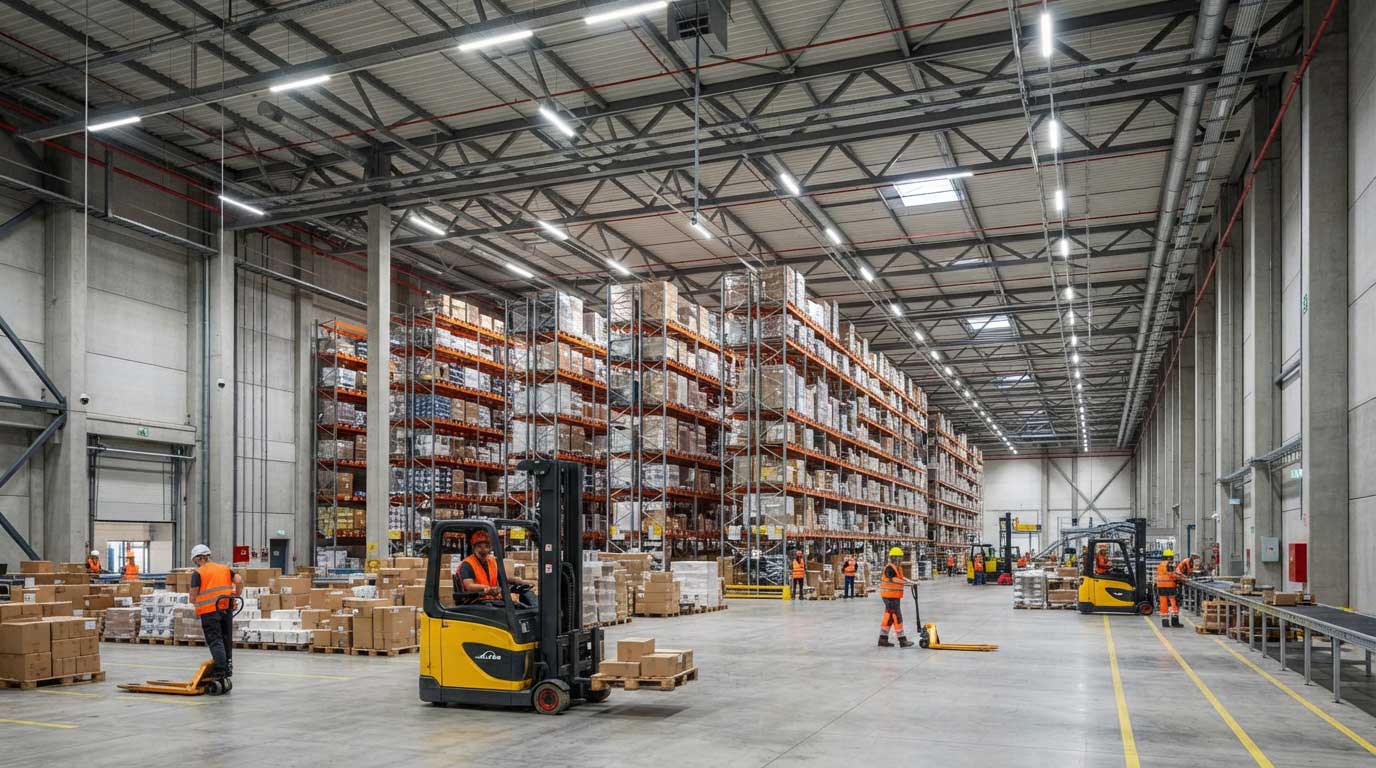
High bay lighting is generally defined as lighting used where the ceiling or roof trusses are more than approximately 20 feet above the floor.
It is right around the boundary. IES defines low-bay lighting as approximately 20 feet or less and high-bay lighting as above approximately 20 feet.
Yes. LED high bays can be designed for 50-foot and higher installations, but the fixture’s lumen output, optics, spacing, and photometric performance must be appropriate.
There is no single best height. For many warehouses and industrial facilities, 20–40 feet is common, while larger facilities may require 40–60 feet or more.
Not necessarily. Higher mounting heights may require greater light output, but fixture efficacy and optical distribution are equally important.
Spacing depends on mounting height, beam distribution, fixture output, and required uniformity. The IES specifically uses the spacing-to-mounting-height ratio as a lighting-design parameter.
How high is high bay lighting? In industry practice, high bay lighting generally starts above 20 feet, with many LED installations operating between 20 and 50 feet and larger industrial spaces extending beyond that range.
The important point is not the number on the ceiling plan.
It is the relationship between:
At SEEKINGLED, we treat mounting height as part of the complete lighting design rather than an isolated specification.
For a 25-foot warehouse, a medium-output LED high bay may be perfectly adequate.
For a 50-foot distribution center, the same fixture could be completely unsuitable.
The right high bay is not simply the fixture with the highest wattage. It is the fixture whose optical performance matches the height, layout, and work being performed below it.
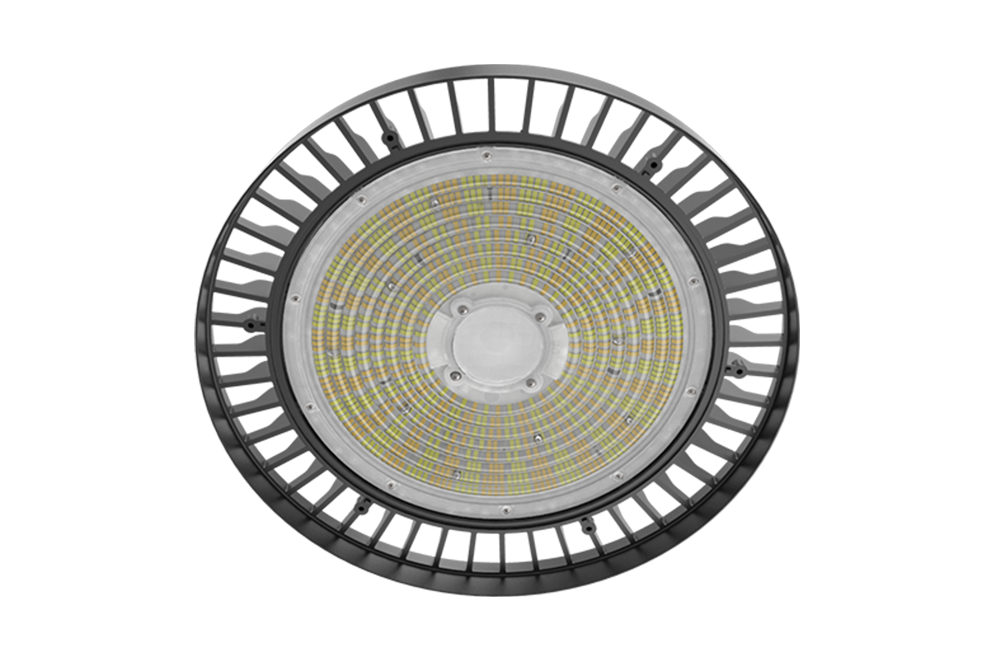
The SEEKING HBC-T Series high bay lights LED offer long-lasting performance for warehouses, production plants and logistics centers. Durable IP65 & IK08 housing, 60°/90° beam angles, up to 150 lm/W, and a lifespan beyond 100,000 hours. Ideal for airport halls, commercial storage, construction sites and large indoor spaces.
View details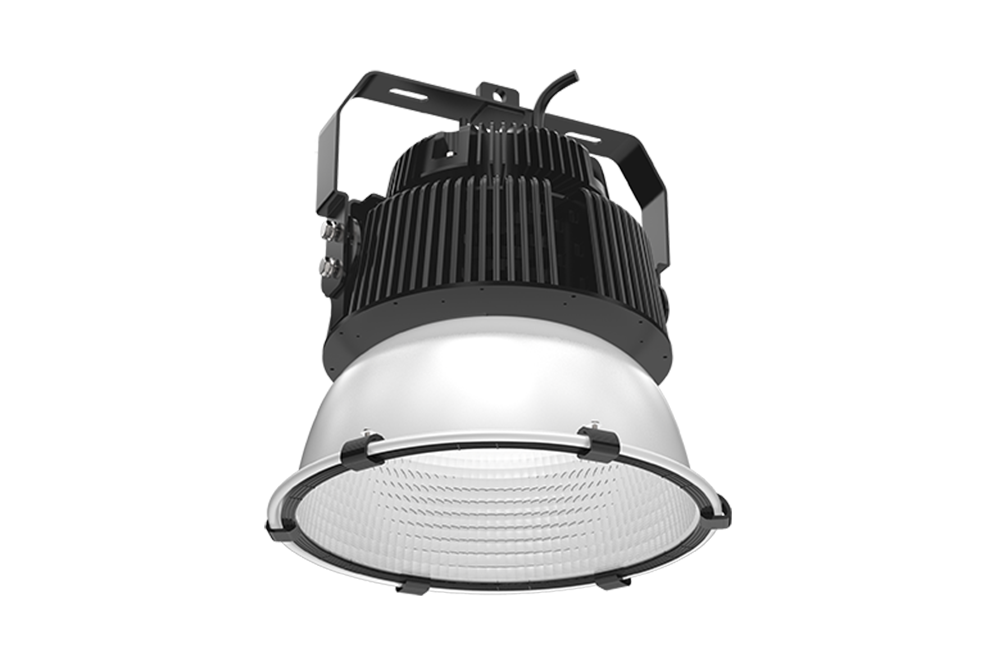
The SEEKING HBS Series LED UFO high bay light delivers 140 lm/W efficiency, IP65 protection and MEAN WELL drivers. A durable high-rise lighting solution for factories, warehouses and commercial halls.
View details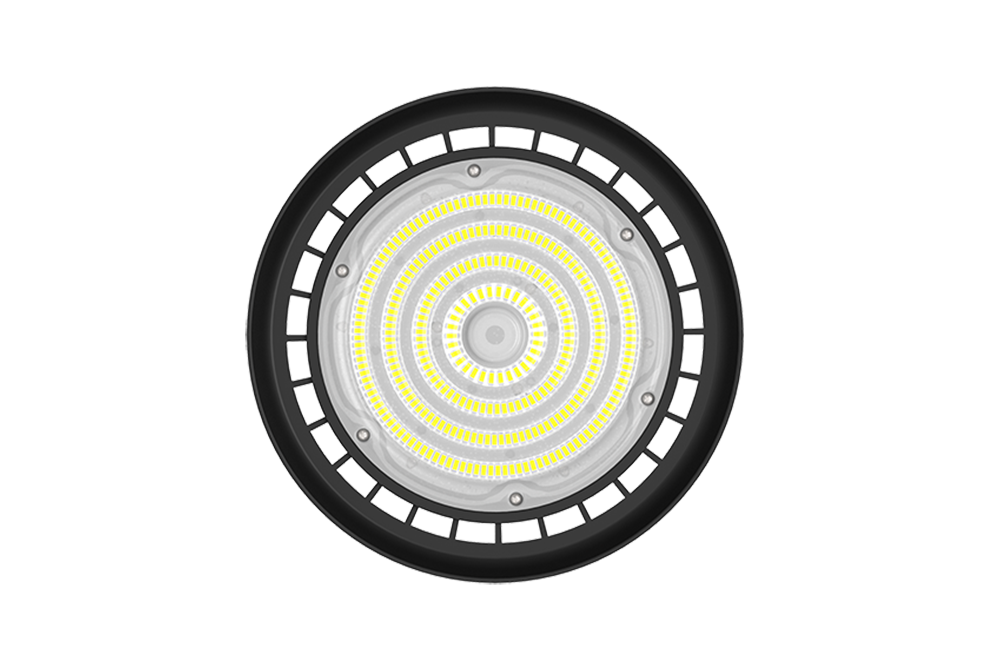
SEEKING HBD Series LED high bay lighting delivers 160 lm/W efficiency, IP66 protection, and long 100,000-hour lifespan. A durable UFO high bay solution for warehouses, workshops, logistics centers and commercial facilities.
View details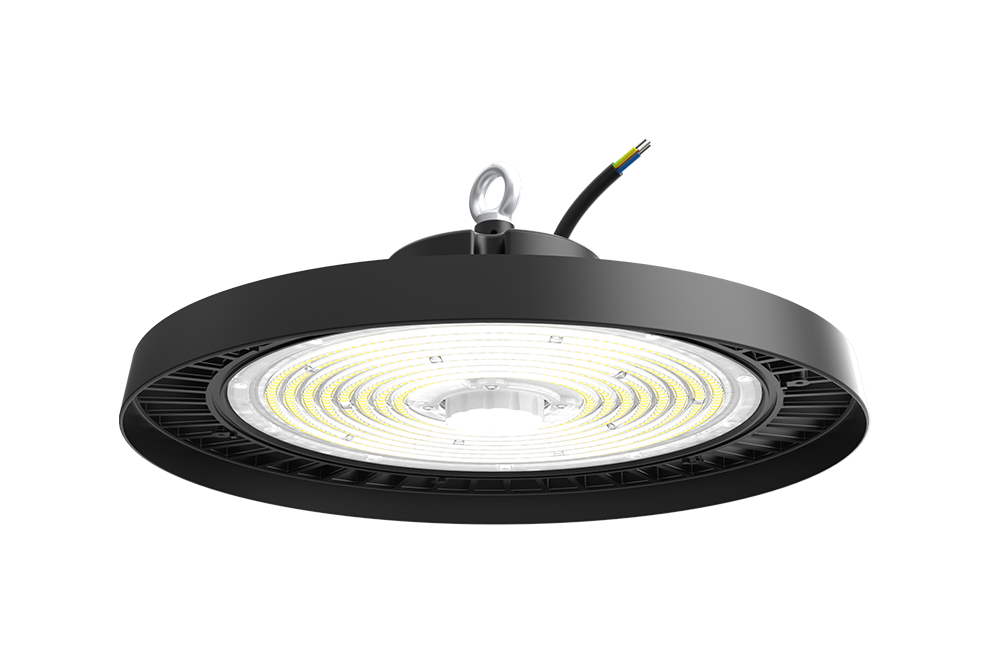
The SEEKING HBC Series high bay LED light fixtures combine strong efficiency, practical design and reliable SOSEN drivers. A durable UFO high bay lighting option for warehouses, workshops and wholesale projects.
View details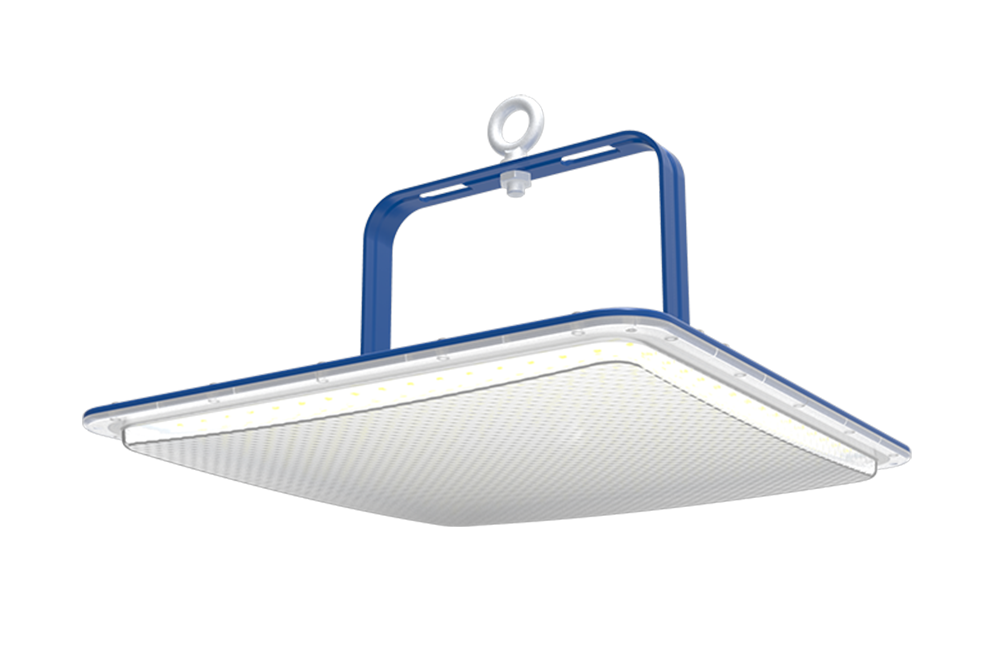
The SEEKING GSL Series high bay LED light delivers powerful, efficient lighting for industrial and commercial spaces. With IP65 protection, flexible mounting, and up to 140 lm/W performance, it’s ideal for warehouses, workshops, and retail areas.
View details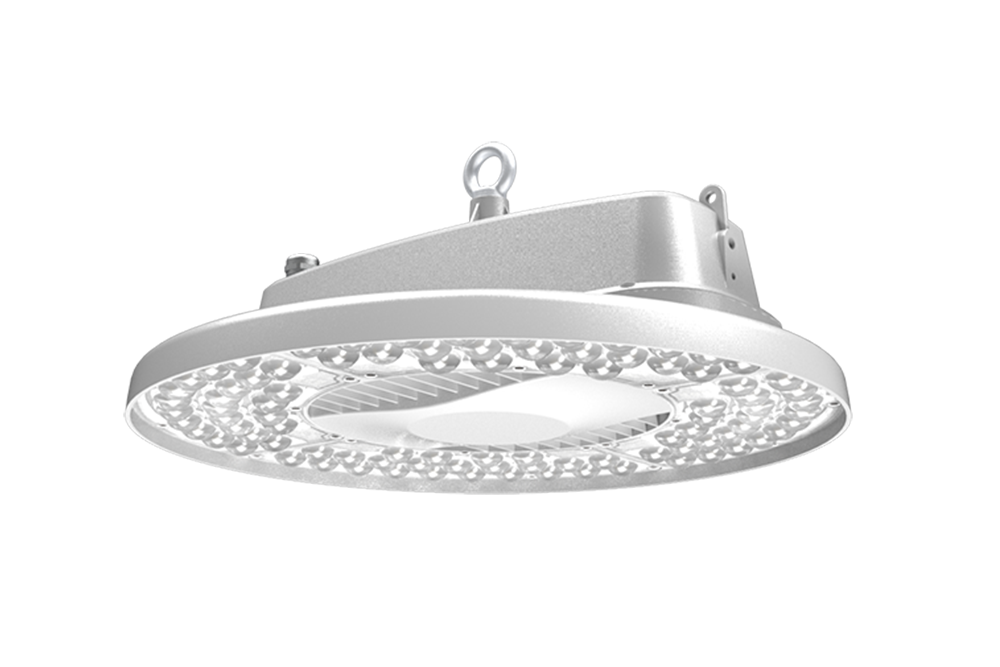
The SEEKING HB15(GLE) Series delivers advanced high bay led lighting with UGR 100,000 h) and reliable illumination for demanding commercial environments.
View details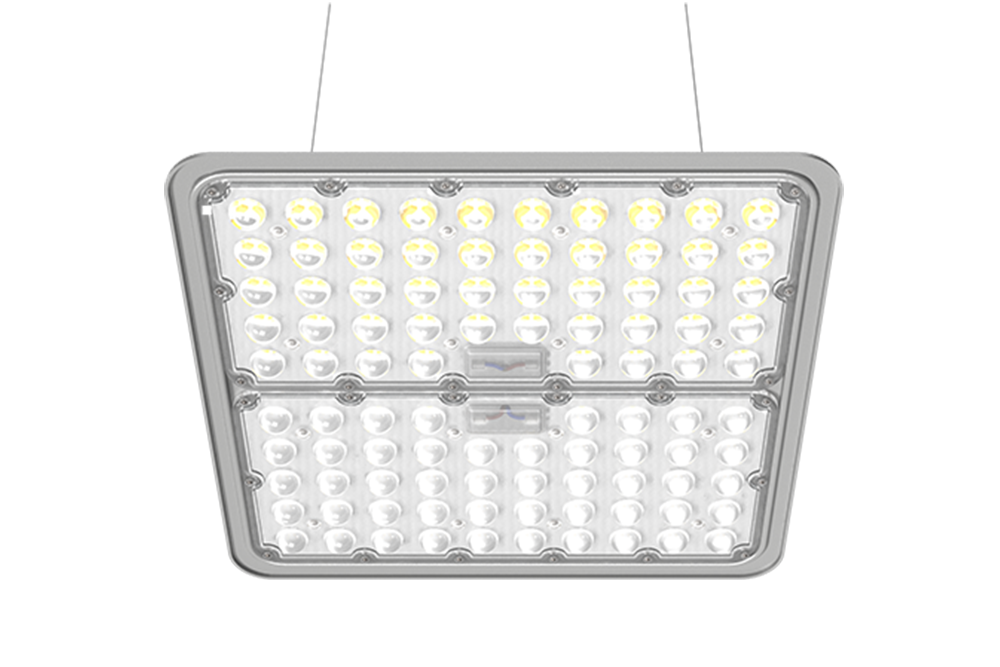
Discover the SEEKING HB13(GLK) Series ufo led high bay light, engineered for sports halls, airport lounges, showrooms, and large commercial spaces. UGR 100,000 h). Ideal for industrial ufo high bay lighting fixtures and commercial retrofits.
View details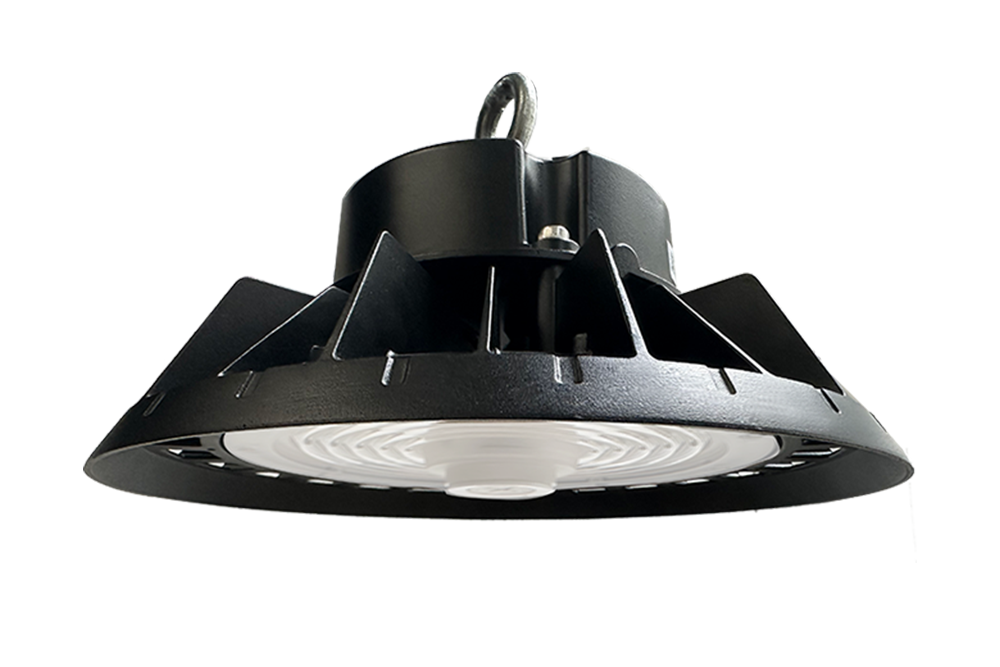
SEEKING HBF Series offers industrial LED high bay lighting with up to 200lm/W efficiency, SOSEN flicker-free driver, IP65 protection and optional microwave motion sensor. Ideal for warehouses, factories and commercial distribution projects.
View details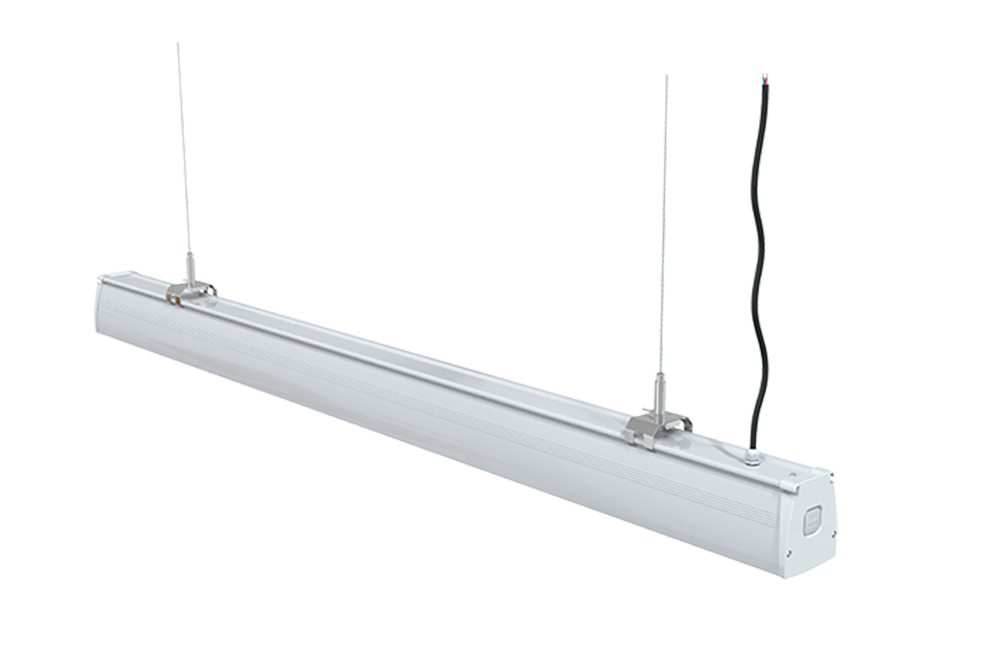
The HLD Series linear high bay LED lights from SEEKING deliver up to 200 lm/W with multiple beam angles and adjustable CCT options for warehouse, workshop, corridor and general industrial lighting.
View details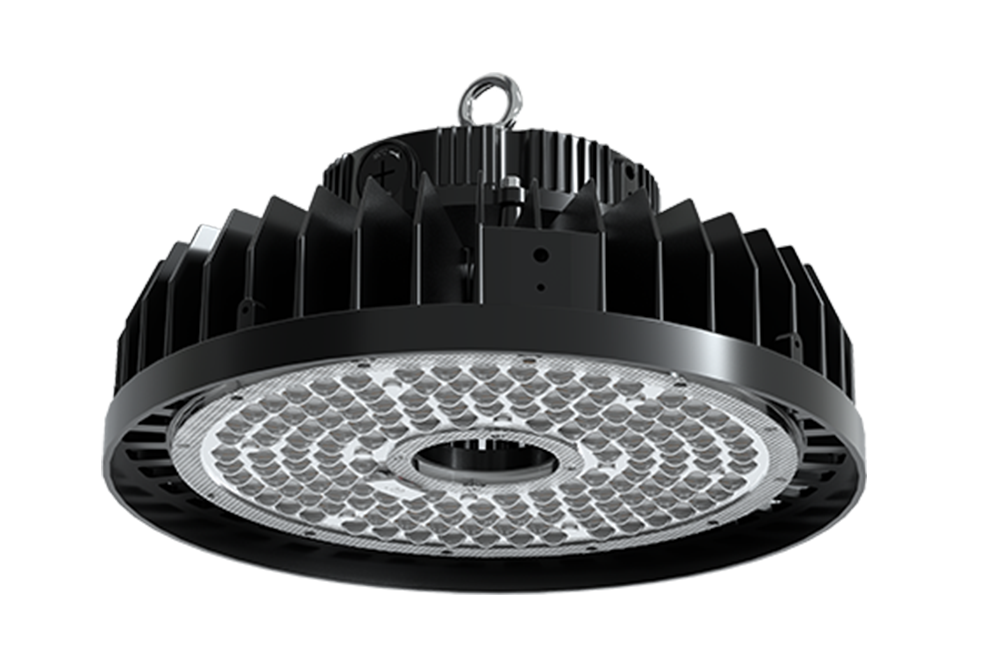
The HBK Series LED high bay light by SEEKING combines 500W power, 160–175 lm/W efficiency and IP65 durability for heavy-duty industrial lighting. Designed for warehouse, factory and production facilities with demanding ceiling heights.
View details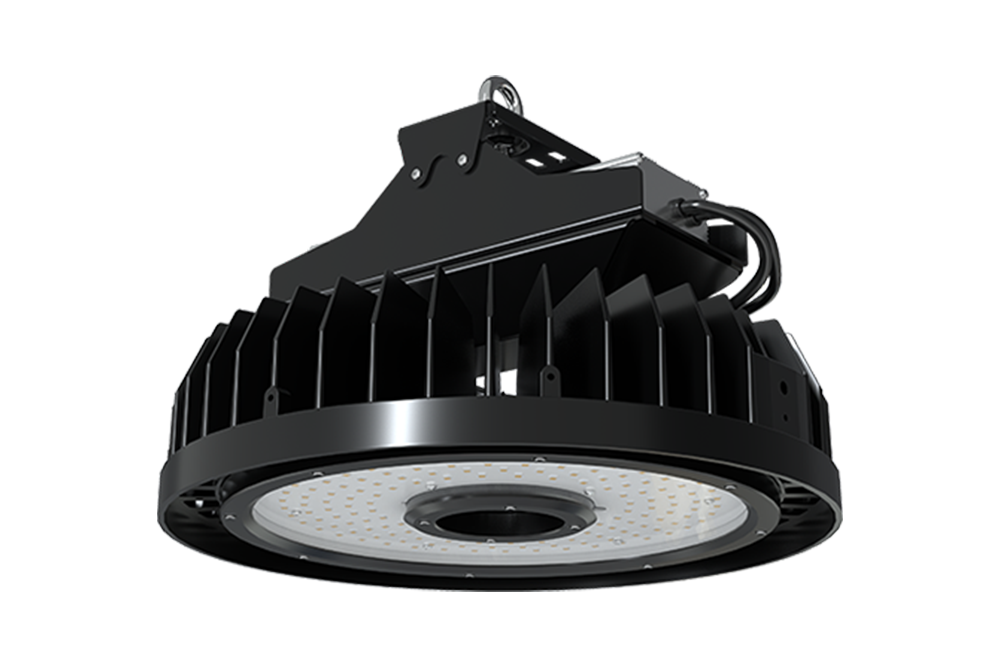
LED high bay lights engineered for extreme heat and low-temperature industrial sites. SEEKING HBK Ultua Series operates from -40°C to +70°C with Nichia LEDs and Inventronics driver.
View details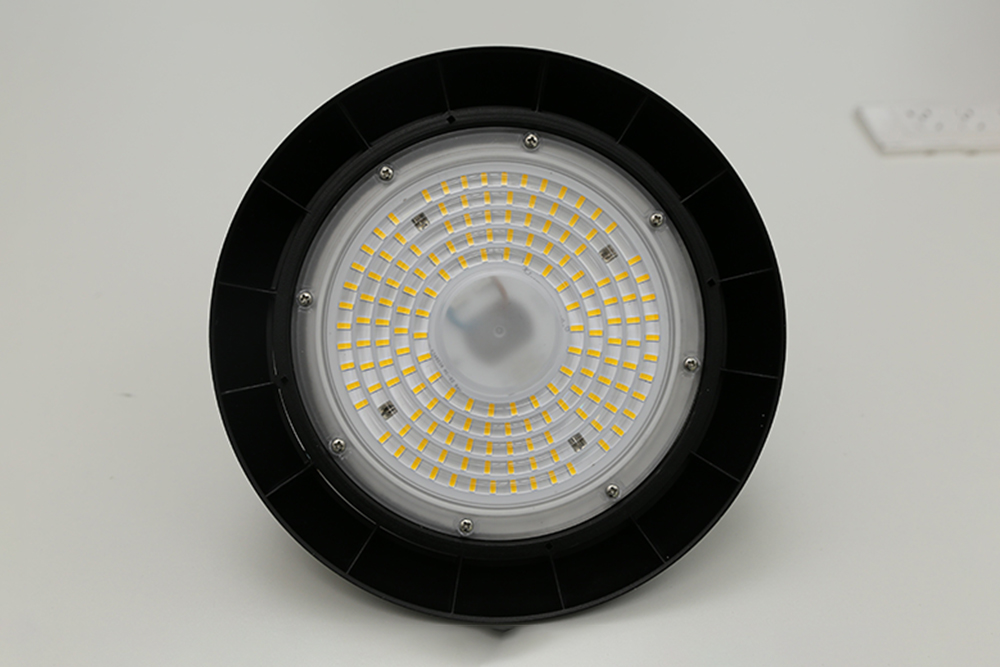
High bay LED lights built for warehouses, production plants and wholesale distribution. SEEKING HBI Series offers up to 200lm/W, IP65, IK08 and optional microwave motion sensor for energy saving operation.
View details
Are LED light bars street legal in Texas? This Q&A explains when LED light bars are legal, when they are not, and how Texas law is applied in real driving situations.
View details
ATEX certified lighting ensures safe, reliable illumination in explosive atmospheres. Learn certifications, applications, and selection tips for hazardous industrial locations.
View details
what is an atex area? Learn how hazardous zones are classified, ATEX requirements, and how certified lighting protects explosive environments.
View details
LED high bay spacing chart by ceiling height explained with real warehouse logic. Learn spacing ranges, common errors, and how to adjust for layout.
View details