 Seeking LED
How to Dim LED Lights?
78Learn how to dim LED safely and effectively. Discover real-world dimming methods, wiring tips, and common mistakes to avoid for stable, flicker-free lighting.
View detailsSearch the whole station
How long do ATEX LED flood lights last?
ATEX LED flood lights typically last between 50,000 and 100,000 operating hours when properly engineered and installed. In real industrial environments such as oil refineries, offshore platforms, and chemical plants, high-quality ATEX fixtures often operate for 8–15 years before significant lumen depreciation or driver replacement becomes necessary.
That number sounds impressive on paper. In practice, though, lifespan depends less on the LED chip itself and more on heat management, driver quality, corrosion resistance, and how brutal the environment becomes after year three.
I realized this during a hazardous-area retrofit project near a coastal LNG terminal. Two explosion-proof flood lights from different manufacturers were installed within the same month. One fixture developed corrosion around the cable entry after only 18 months. The other still looked almost untouched after five years of salt spray, vibration, and constant humidity. Same wattage. Same certification class. Completely different engineering underneath the housing.
Before LEDs became common, hazardous-area facilities mostly used:
Those systems generated enormous heat and required frequent maintenance shutdowns.
LED technology changed that.
According to the U.S. Department of Energy, LED lighting can achieve operational lifetimes exceeding 50,000 hours under proper thermal conditions.
Source:
https://www.energy.gov/energysaver/led-lighting
For hazardous environments, the advantage goes beyond energy savings.
Lower heat output means:
That last point matters more than most buyers realize. In a refinery, replacing one failed light can require:
A single maintenance visit may cost more than the fixture itself.
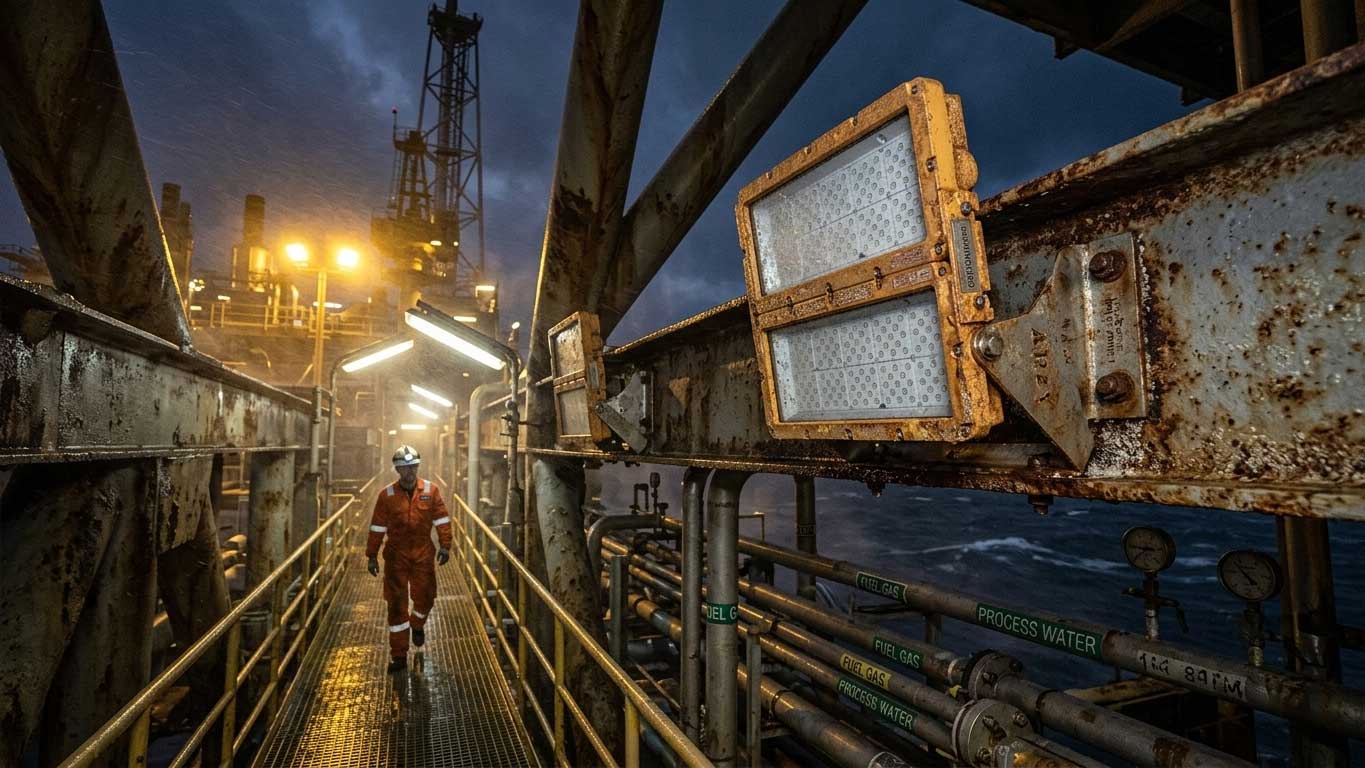
Most manufacturers advertise impressive lifespan numbers. But laboratory ratings are not the same as refinery reality.
In hazardous-area fixtures, the LED driver usually fails before the LED chips themselves.
Cheap drivers struggle with:
One maintenance supervisor in a petrochemical plant told me something memorable:
“The LEDs rarely die first. The electronics around them do.”
That matches what I have seen repeatedly onsite.
Heat is the silent killer of industrial LEDs.
A properly engineered ATEX fixture uses:
Without good thermal design, internal temperatures rise fast inside sealed explosion-proof enclosures.
This is especially critical in:
where ambient temperatures may exceed 50°C.
| Lighting Type | Average Lifespan |
|---|---|
| Metal Halide Hazardous Light | 10,000–20,000 hours |
| Fluorescent Explosion-Proof Fixture | 15,000–30,000 hours |
| Standard Industrial LED Flood Light | 30,000–50,000 hours |
| High-Quality ATEX LED Flood Light | 50,000–100,000 hours |
The difference becomes even more important offshore, where maintenance access is extremely expensive.
An ATEX flood light may still operate after 60,000 hours while producing noticeably less light.
That decline is called lumen depreciation.
Many industrial-grade LEDs use:
An L70 rating means the fixture still produces 70% of its original brightness at the stated operating hours.
For example:
| Rating | Meaning |
|---|---|
| L70 at 100,000h | 70% brightness remains after 100,000 hours |
| L80 at 60,000h | 80% brightness remains after 60,000 hours |
This distinction matters in hazardous facilities where visibility directly impacts worker safety.
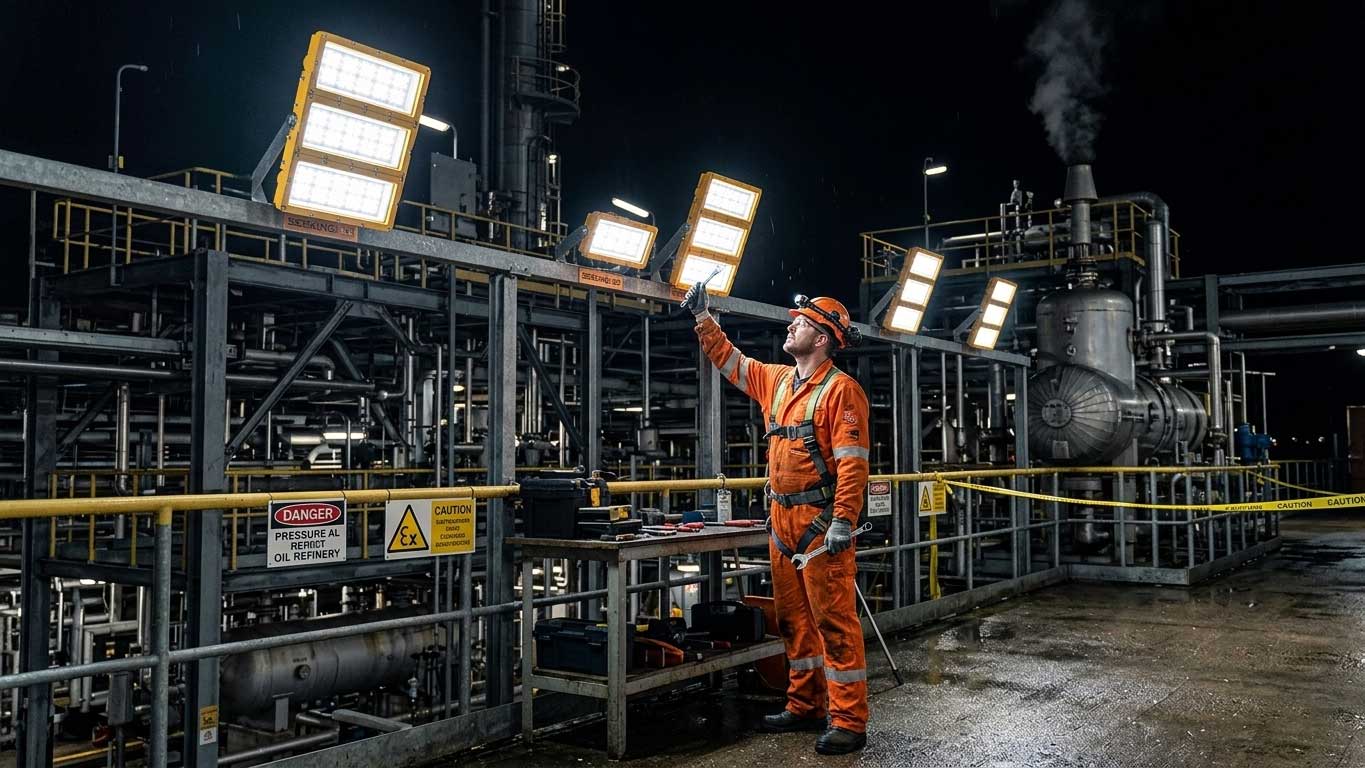
Laboratory tests rarely reproduce real industrial abuse.
Offshore platforms expose fixtures to:
Poor coatings deteriorate quickly.
In cement plants and grain facilities, dust buildup blocks cooling surfaces.
That increases internal temperature dramatically.
Chemical plants may expose fixtures to:
These environments attack seals and cable glands over time.
Some maintenance practices genuinely make a huge difference.
Improper orientation can trap heat inside the fixture.
Always follow manufacturer thermal guidelines.
Damaged seals allow:
That usually destroys drivers first.
Even sealed explosion-proof lights require cleaning.
Dust-covered cooling fins reduce heat dissipation efficiency.
From what I have seen across industrial projects:
| Environment | Realistic Lifespan |
|---|---|
| Mild industrial indoor area | 10–15 years |
| Refinery outdoor installation | 8–12 years |
| Offshore marine platform | 5–10 years |
| High-temperature steel facility | 4–8 years |
The environment matters as much as the fixture itself.
A cheap ATEX flood light installed offshore may deteriorate faster than a premium fixture operating inside a warehouse.
This part rarely appears in product brochures.
Some low-cost hazardous-area fixtures technically achieve certification — but only barely.
Common weaknesses include:
The fixture may pass certification tests while still aging badly in real industrial conditions.
I once opened a failed flood light removed from a coastal fuel terminal. The LEDs still functioned. The internal driver compartment, however, was heavily corroded because condensation had accumulated around a poorly sealed cable gland.
That failure happened after only two monsoon seasons.
Yes, premium industrial fixtures can achieve this under controlled operating conditions with proper thermal management and maintenance.
Usually the LED driver, seals, or power supply components fail before the LED chips themselves.
Yes. Regular inspections, cleaning, and seal checks help maintain certification safety and extend operational lifespan.
Absolutely. Excessive ambient heat significantly reduces LED driver longevity and overall fixture performance.
The lifespan of an ATEX LED flood light is not determined by the LED chip alone.
The real test begins after thousands of hours of:
In hazardous-area projects, longevity is really about engineering discipline. Good thermal design, reliable drivers, corrosion resistance, and proper installation matter more than marketing claims printed on a datasheet.
That is why some ATEX fixtures quietly operate for a decade without trouble — while others begin failing long before the warranty expires.
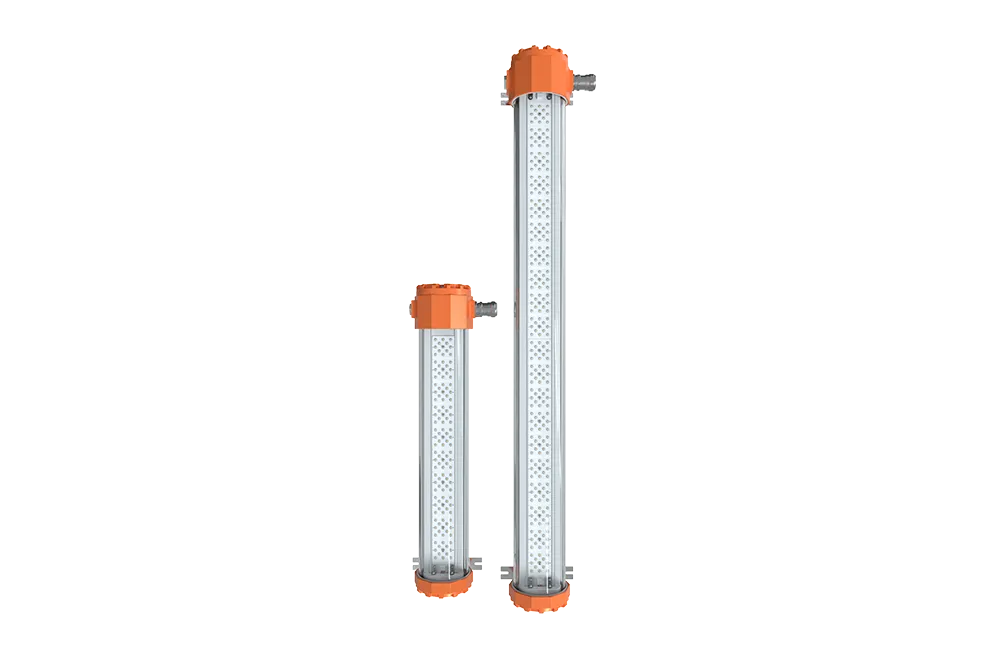
SEEKINGLED LED Linear Explosion Proof Light and Explosion Proof lighting is ATEX and IECEx certified for Zone 1, Zone 2, Zone 21 and Zone 22 hazardous locations, built for long-term industrial use.
View details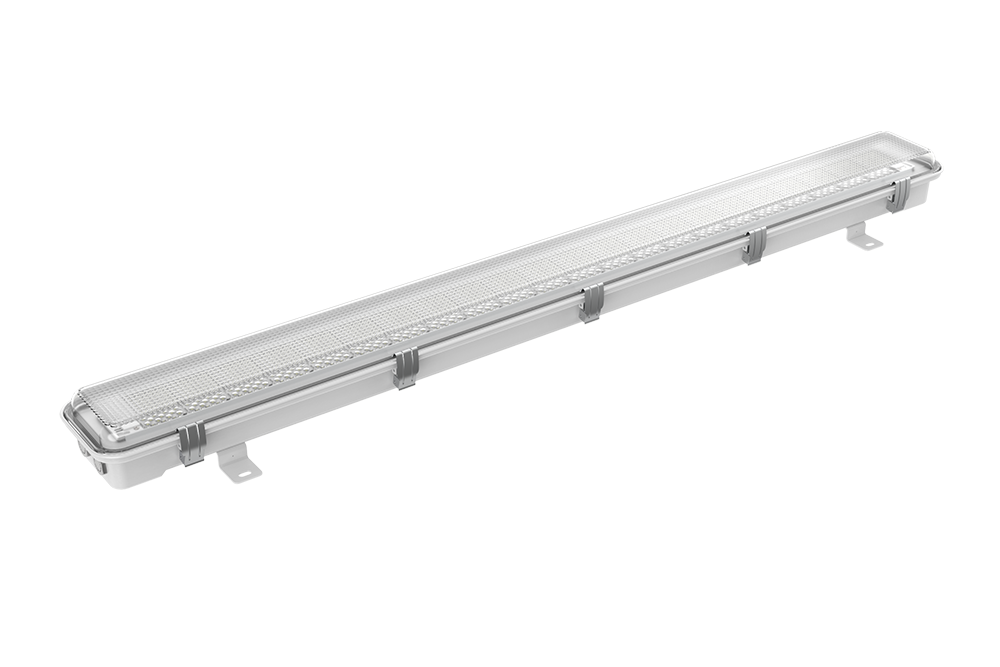
LED Linear Explosion Proof Lights and EX Proof lights for Zone 1, Zone 2, Zone 21 and Zone 22 hazardous areas. ATEX & IECEx certified explosion proof LED linear lighting with emergency function, adjustable power and IP67 protection by SEEKINGLED.
View details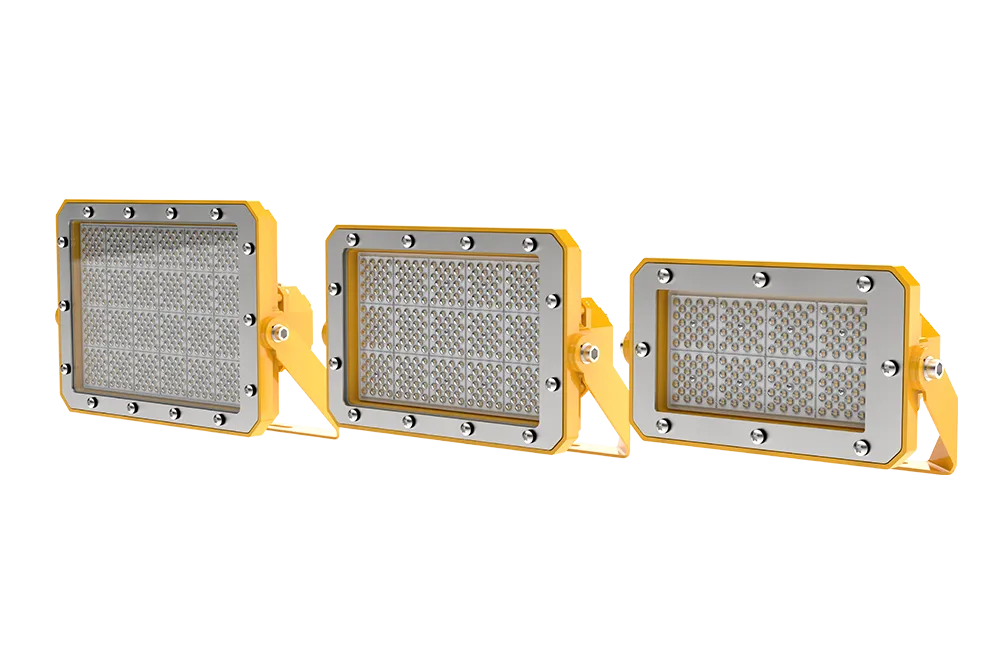
SEEKINGLED LED Explosion Proof Flood Lights are ATEX certified for Zone 2 and Zone 22 hazardous areas, offering high efficiency, adjustable power and integrated junction box.
View details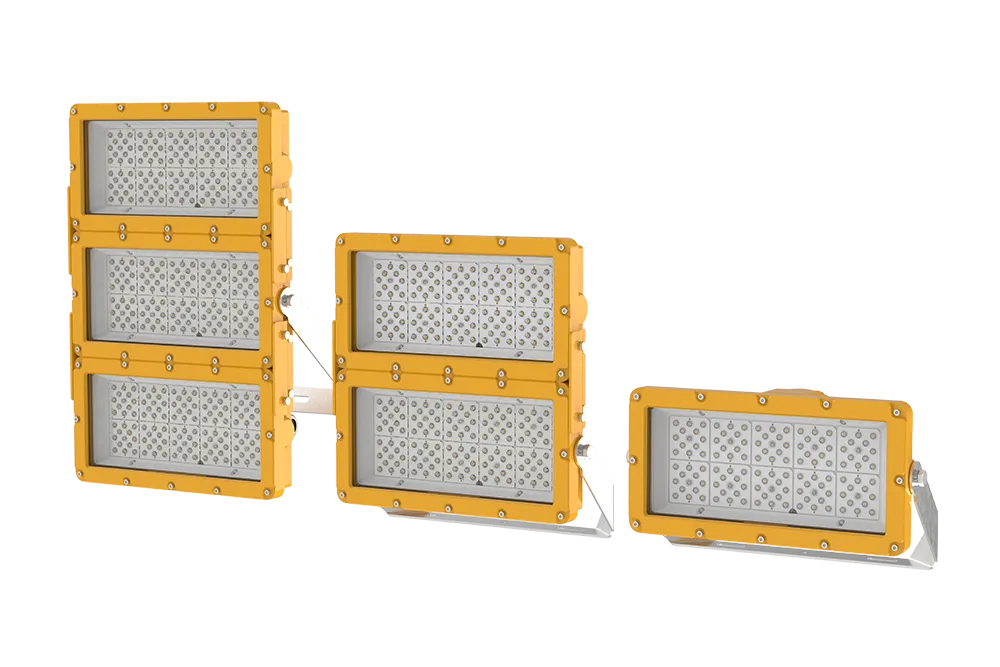
SEEKINGLED LED Explosion Proof Flood Lights are flameproof ATEX and IECEx certified for Zone 1 and Zone 2 hazardous areas, offering high power, adjustable output and long service life.
View details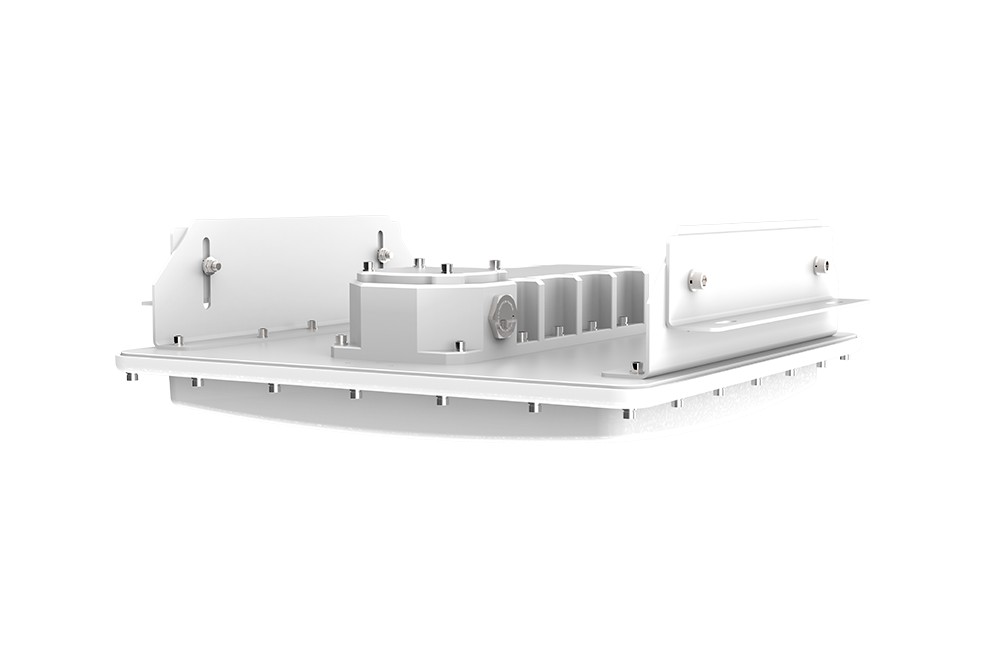
SEEKINGLED LED Gas Station Canopy Lights are ATEX certified for Zone 2 and Zone 22 hazardous areas, featuring adjustable power and built-in explosion-proof junction box.
View details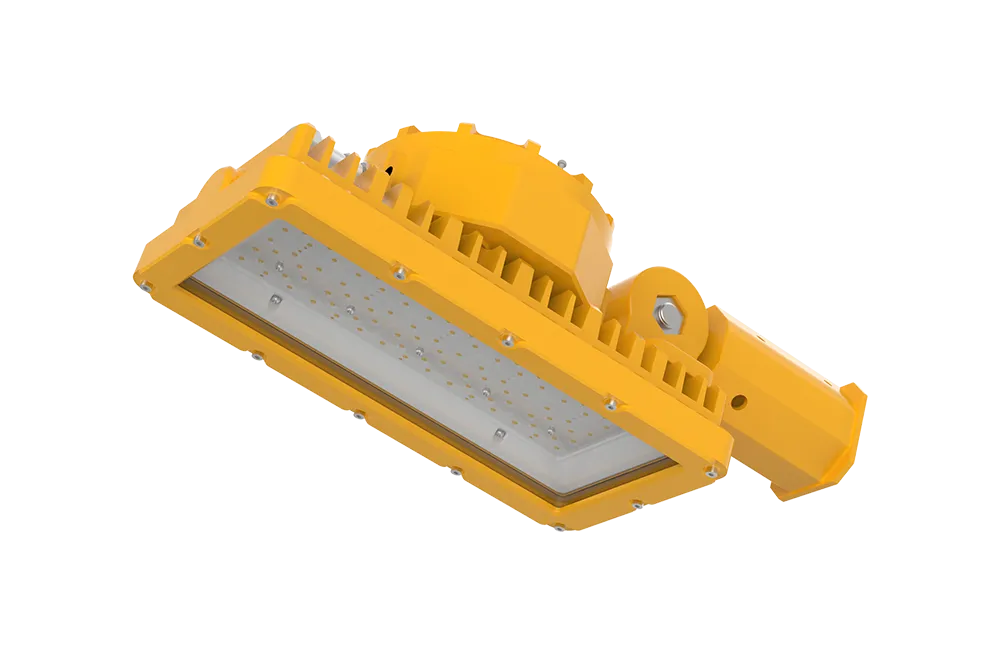
ATEX: Ex II 2G Ex db IIB T6/T5 GbEx II 2D Ex tb IIIC T80°C/ T95°C Db IECEx Ex db IIB T6 Gb;Ex tb IIIC T80°C Db Feature: ● For Zone 1,2 and Zone 21,22● Flameproof type, the strongest● 100W can replace 250W HID,energy saving● Power:60W,80W,100W Application: Oil and gas, marine, Chemical, pharmaceutical, semiconductor,mining,military industr…
View details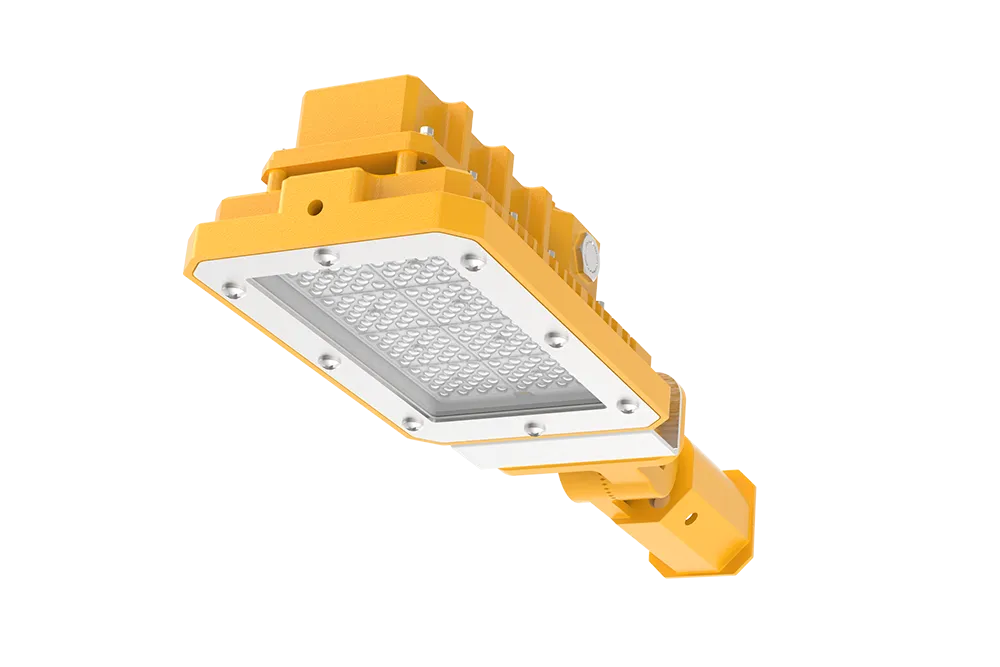
ATEX: II 3G Ex nR ⅡC T5/T6 GcII 3D Ex tc ⅢC T80℃/T95℃Dc ATEX Certificate NO: TÜV CY 26 ATEX 0207611 X Feature: ● For Zone 2 and Zone 22● 150W can replace 250W HID lamps,Energy saving● Power:50W,75W,100W,150W,200W Application: Oil and gas, marine, Chemical, pharmaceutical, semiconductor,mining,military industry, paint booth,power plant ETC…
View details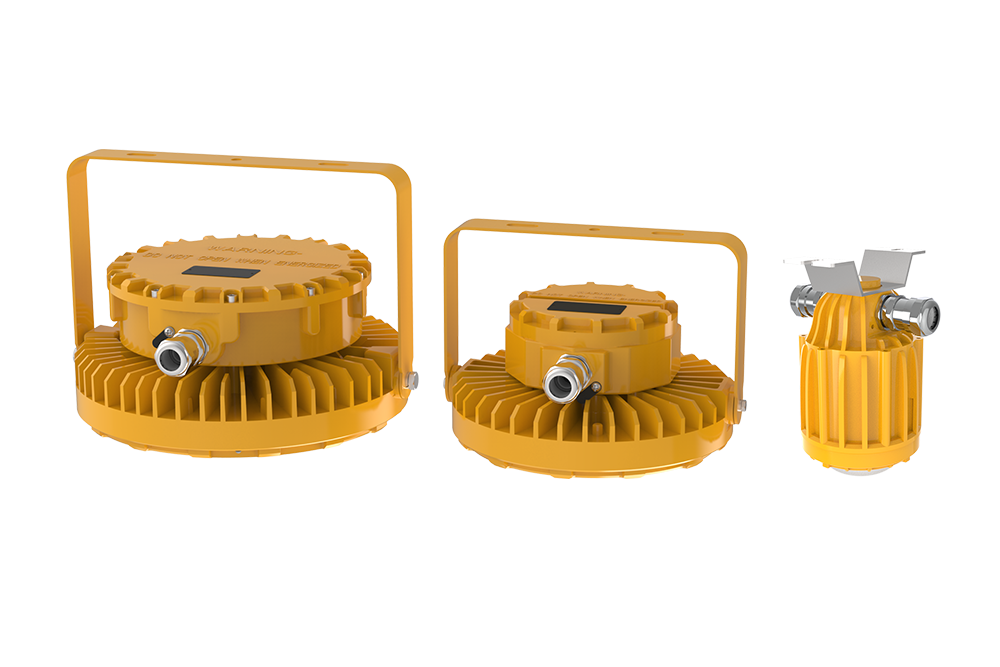
LED explosion proof high bay lights are designed for Zone 1, Zone 2, Zone 21 and Zone 22 hazardous areas. This page introduces the HB21 Series from SEEKING, including certifications, power options and real application considerations.
View details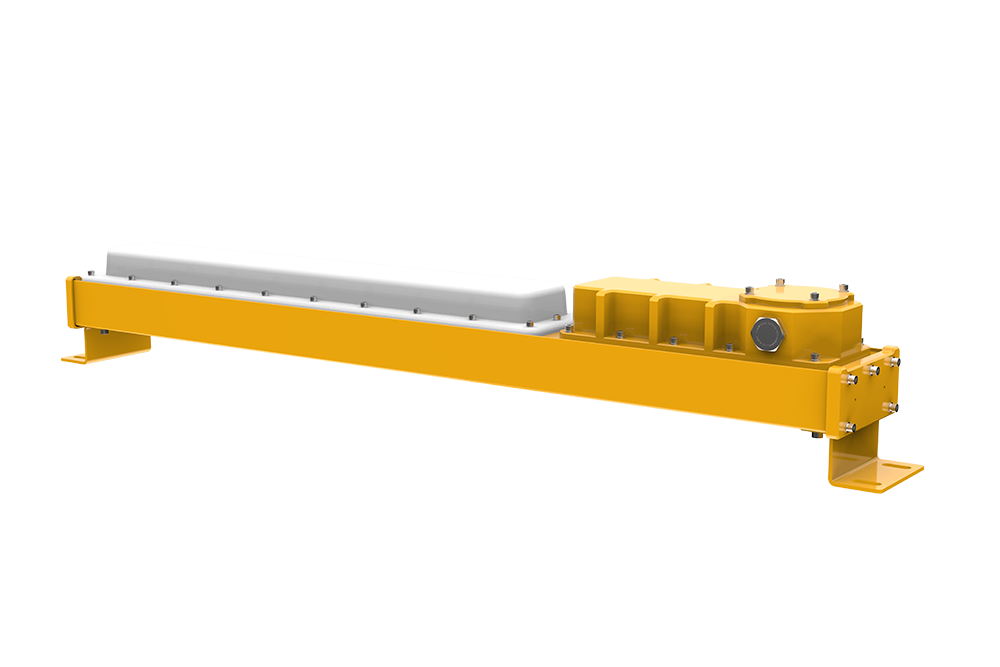
LED Linear Explosion Proof Lights from SEEKINGLED. LU Series Flame Proof lights ATEX-certified explosion proof LED linear lighting for Zone 2 gas and Zone 22 dust areas, IP69K, IK10, long lifetime and flexible power options.
View details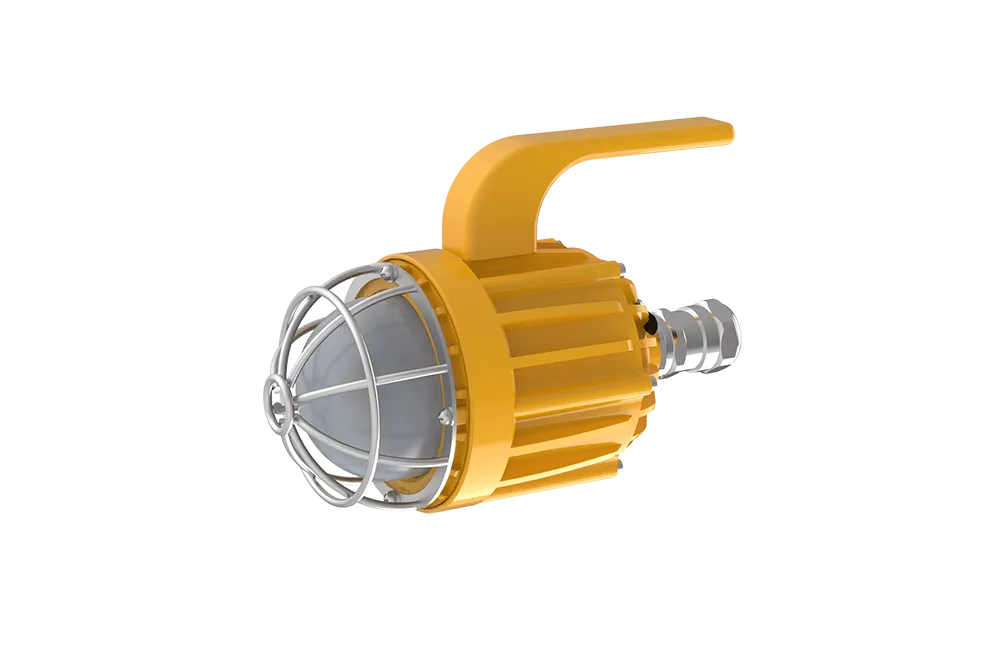
Certified explosion proof work lights for Zone 1 & 21 hazardous areas. Portable, ATEX & IECEx approved, built for oil, gas and chemical plants by SEEKINGLED.
View details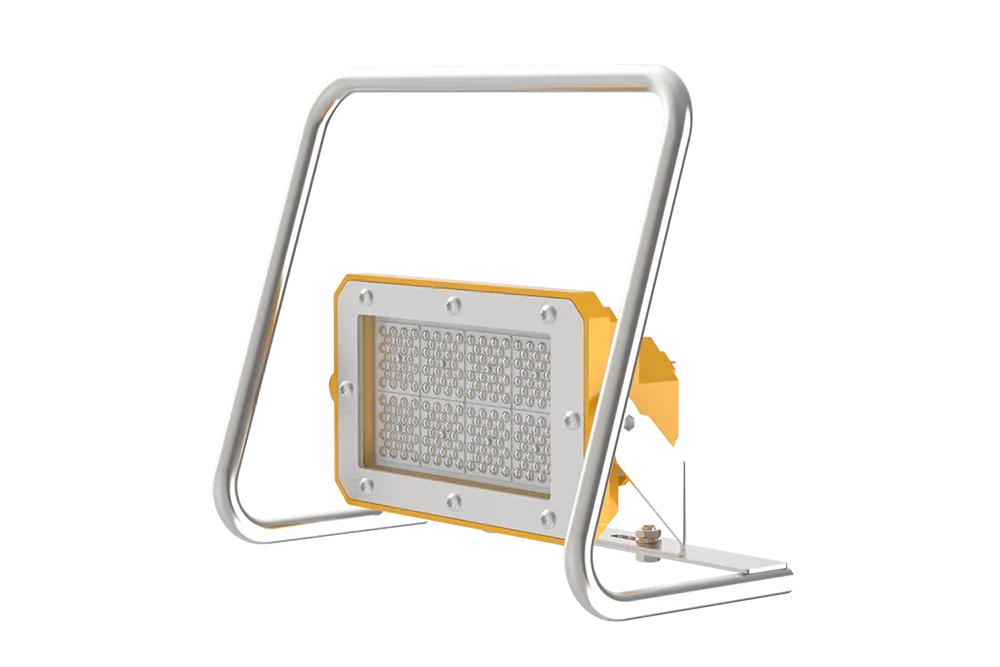
ATEX: II 3G Ex nR ⅡC T6 GcII 3D Ex tc ⅢC T80℃ Dc ATEX Certificate NO: TÜV CY 26 ATEX 0207611 X Feature: ● For Zone 2 and Zone 22● Accepts battery-powered supply● indestructible● Power:AC input:50W,75W,100WDC input:15W,25W,35W Application: Oil and gas, marine, Chemical, pharmaceutical, semiconductor,mining,military industry, paint booth,po…
View details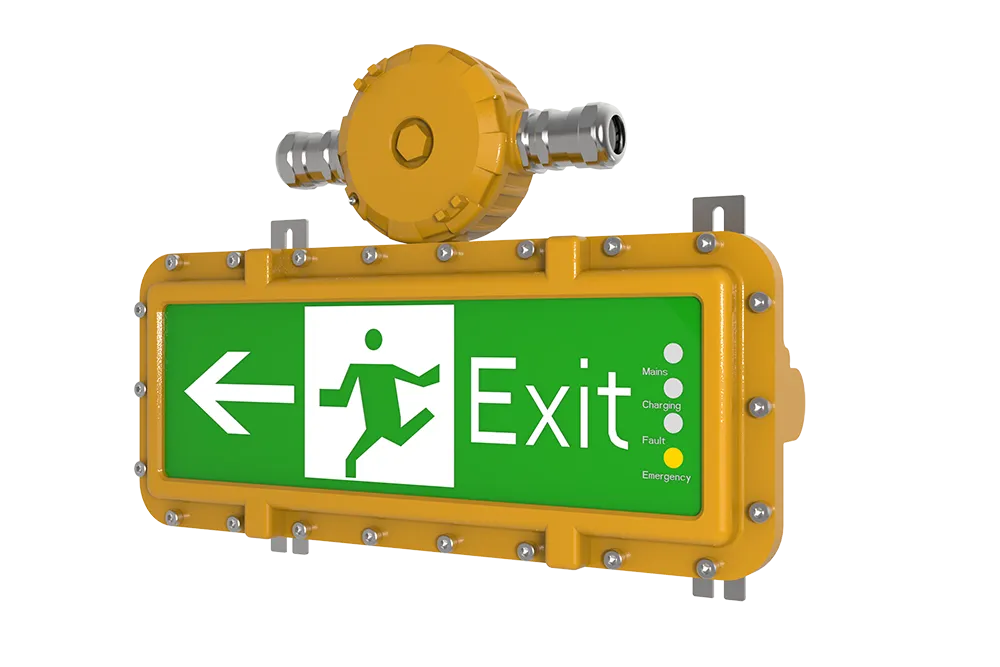
ATEX: Ex II 2G Ex db IIB T6 GbEx II 2D Ex tb IIIC T80°C Db IECEx Ex db IIB T6 Gb;Ex tb IIIC T80°C Db Feature: ● For Zone 1,2 and Zone 21,22● Flameproof type, the strongest Application: Oil and gas, marine, Chemical, pharmaceutical, semiconductor,mining,military industry, paint booth,power plant ETC hazardous area. Technical Specifications:…
View details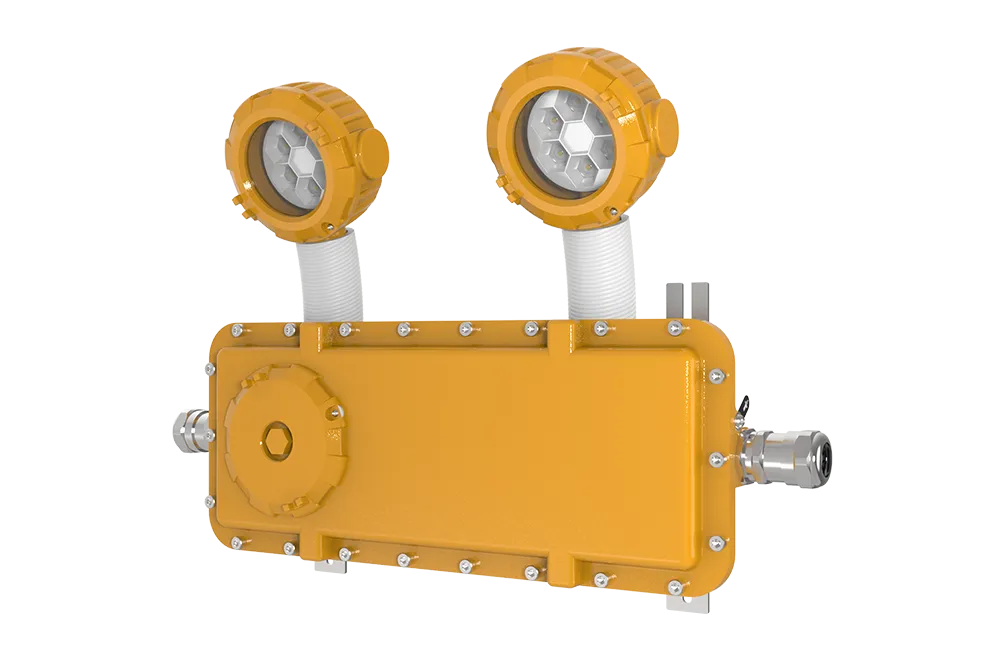
ATEX: Ex II 2G Ex db IIB T6 GbEx II 2D Ex tb IIIC T80°C Db IECEx Ex db IIB T6 Gb;Ex tb IIIC T80°C Db Feature: ● For Zone 1,2 and Zone 21,22● Flameproof type, the strongest Application: Oil and gas, marine, Chemical, pharmaceutical, semiconductor,mining,military industry, paint booth,power plant ETC hazardous area. Technical Specifications:…
View details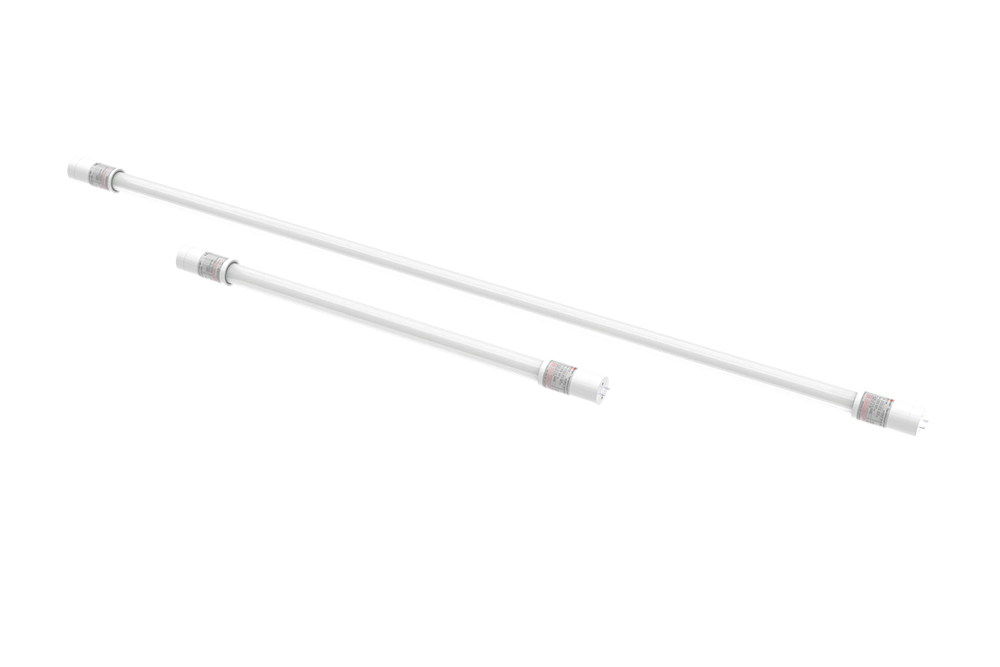
ATEX: Ex II 2G Ex d e IIB T6 Gb ATEX: Ex d e IIB T6 Gb; Feature: ● For Zone 1,2● 9W can replace 18W fluorescent lamps,50% Energy saving Application: Oil and gas, marine, Chemical, pharmaceutical, semiconductor,mining,military industry, paint booth,power plant ETC hazardous area. Technical Specifications: Standards:60079-0, 60079-1, 60079…
View details
Learn how to dim LED safely and effectively. Discover real-world dimming methods, wiring tips, and common mistakes to avoid for stable, flicker-free lighting.
View details
Where to find high quality high bay LED lights wholesale? This Q&A explains trusted sourcing channels, factory criteria, and how to evaluate wholesale suppliers.
View details
What does Ex mean in Ex lighting? Learn the meaning of Ex markings, hazardous area classifications, ATEX certifications, and why Ex lighting is essential for industrial safety.
View details
Do high bay LED lights get hot during long operating hours? This FAQ explains where the heat comes from, how it is managed, and why thermal design matters for industrial high bay LED lights.
View details