 Seeking LED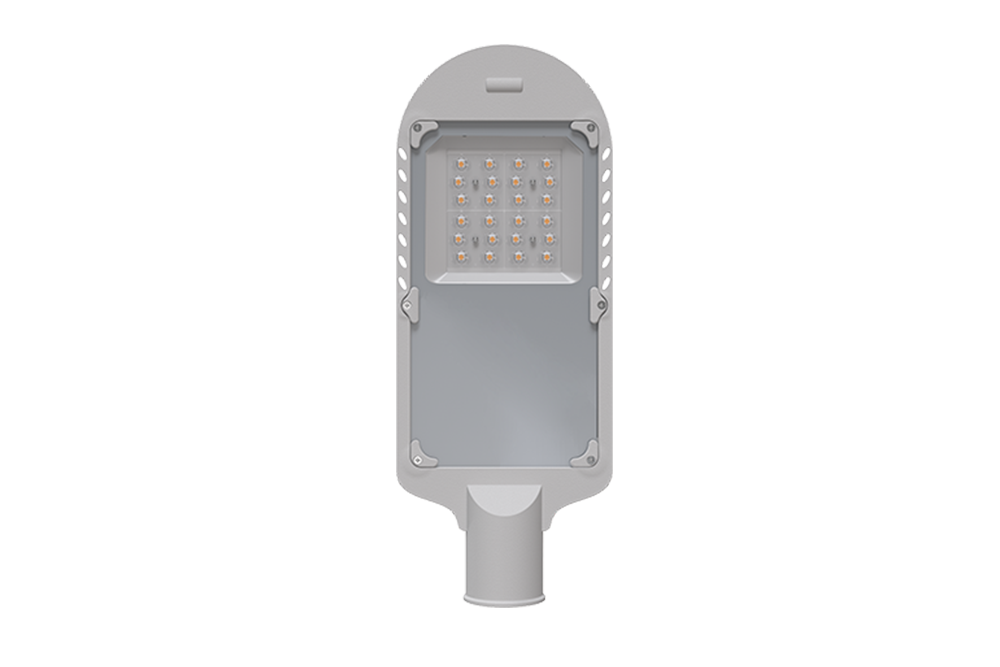
480 Volt LED High Bay Lights for Facilities That Never Sleep
216480 volt LED high bay lights designed for demanding facilities. SEEKINGLED HBD Series delivers stable operation, 160 lm/W efficiency, and long service life.
View detailsSearch the whole station
If you’ve noticed it, you’re not imagining things.
A street that used to look normal suddenly feels… off.
The light isn’t white anymore. Not yellow either.
It’s purple. Sometimes bluish-purple. Sometimes almost violet.
So the question shows up again and again:
why are LED street lights purple?
The short answer is not flattering.
The long answer matters if you care about safety, maintenance, or buying the right lights next time.
This is not a design choice.
It’s not a “new lighting technology.”
And no, cities are not experimenting with mood lighting.
In almost every case, purple LED street lights are the result of phosphor coating failure inside the LED package.
Here’s what happens.
Most white LED street lights are actually blue LEDs with a yellow phosphor layer. When the phosphor is healthy, blue + yellow = white. When that coating degrades, the balance breaks.
What’s left?
Too much blue. Not enough yellow.
To the human eye, that imbalance shows up as purple.
I’ve seen this firsthand on replacement projects. Entire roads slowly shift color over months. Not all at once. One pole, then another. Same batch. Same story.
Yes. Plain and simple.
When people ask “why are led street lights purple”, they’re often hoping it’s harmless. It isn’t.
Purple light usually means:
At SEEKINGLED, we treat color shift as an early warning sign, not a cosmetic issue. Once phosphor breakdown starts, lumen loss and uneven lighting usually follow.
Ignoring it doesn’t make it better.
Because not all LEDs age the same way.
Based on field data and warranty returns, purple street lights often trace back to:
Heat is the silent killer here.
Poor heat dissipation accelerates phosphor degradation. The light still turns on, so it “works.” But visually, it’s already failing.
This is why price-only decisions come back later as maintenance problems.
It’s been reported widely in:
In many cases, cities had to replace thousands of fixtures earlier than planned. Not because they stopped working — but because the color shift caused public complaints and visibility concerns.
People notice purple light. Immediately.
Yes. And this part is often underestimated.
Purple or overly blue light:
This isn’t theoretical. Road safety teams have flagged it repeatedly. Lighting isn’t just about brightness. It’s about usable light.
We don’t rely on lab specs alone.
SEEKINGLED designs LED street lights with:
We’d rather lose a spec-sheet comparison than see our lights turn purple in five years. Once that happens, trust is gone — and no warranty clause fixes reputation.
So, why are LED street lights purple?
Because something inside them is breaking down — slowly, quietly, and visibly.
Purple light is not innovation.
It’s a symptom.
If you’re specifying, buying, or maintaining LED street lights, treat color stability as a performance requirement, not an afterthought. The street will tell you the truth sooner or later.
SEEKING STL-Series LED street lights deliver stable performance, 170 lm/W efficiency and 10KV surge protection. Ideal for city streets, parking lots, public roads and outdoor area lighting projects. Durable IP66 & IK08 design for long-term reliabi…
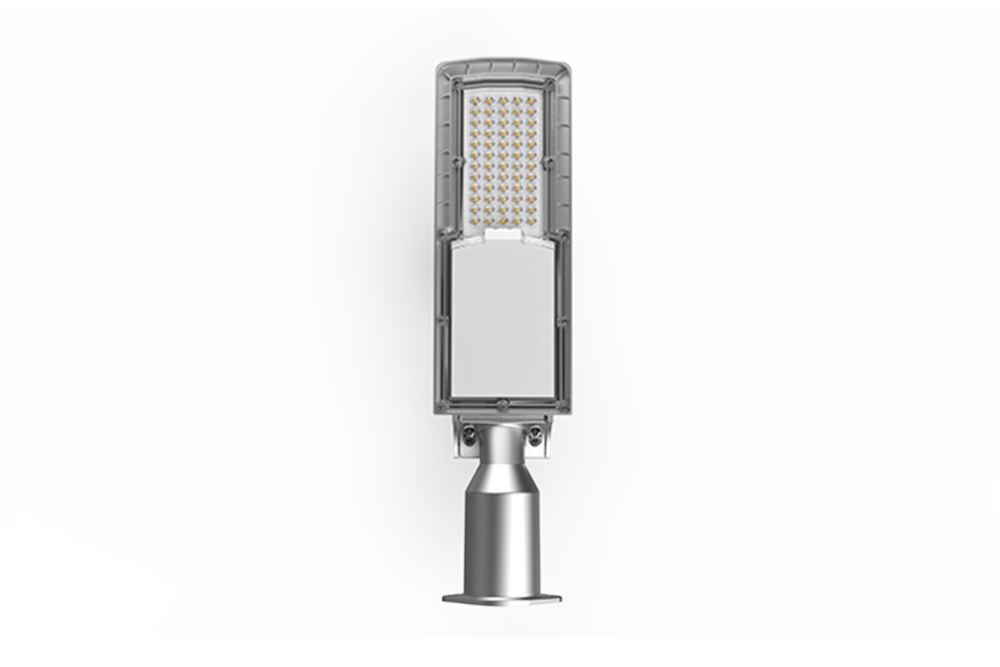
The SEEKING STC Series LED light street light delivers up to 170lm/W efficiency with MOSO drivers, IP66 protection, and a ±15° adjustable arm—ideal for roads, residential areas, and public lighting upgrades.
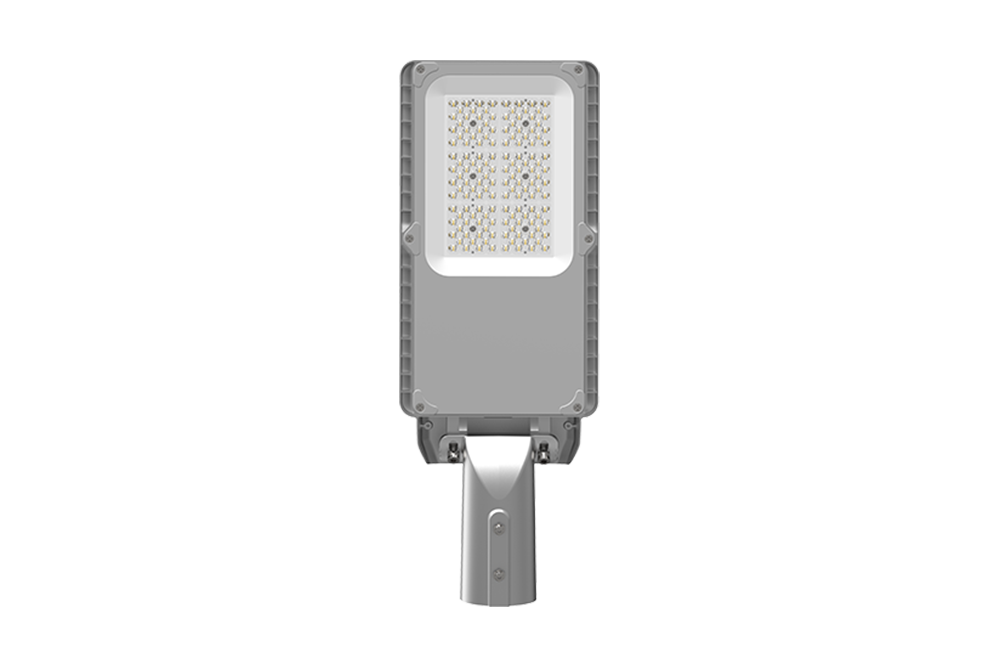
SEEKING STB Series LED street lighting delivers up to 160 lm/W, 10kV surge protection, IP66 waterproofing, and durable IK08 impact resistance. Ideal for streets, parking lots, and large outdoor areas needing long-lasting, energy-saving LED roadway…
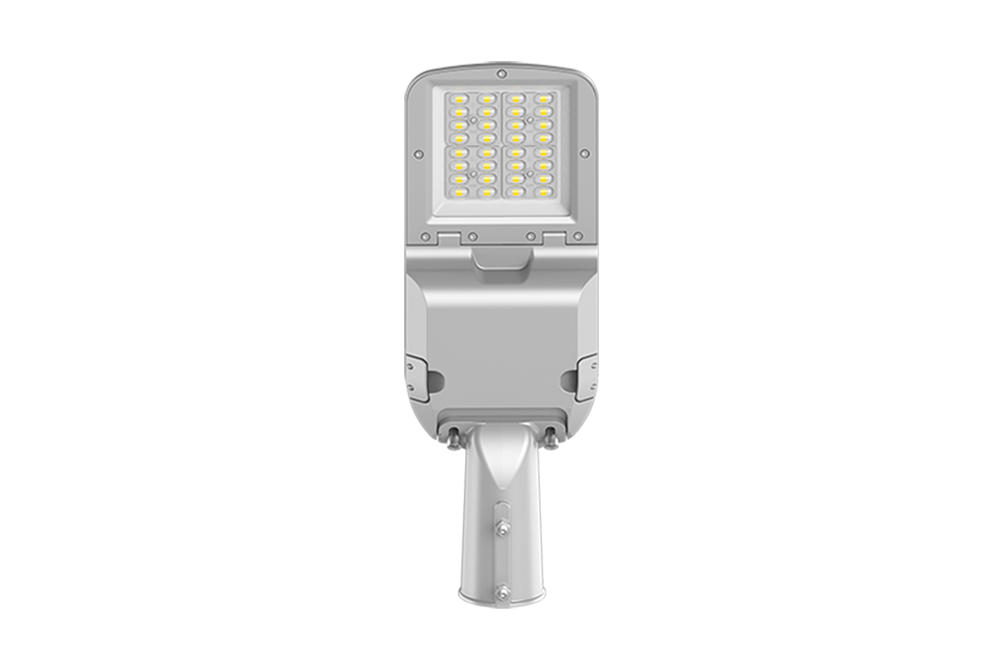
The SEEKING STA Series LED street light delivers strong efficiency, IP66 protection, 10kV surge resistance and multiple beam patterns for roads, parking lots and urban areas. High lumen output, easy installation and reliable performance for long-t…
loading…
This is the last post!
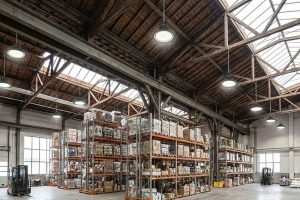
480 volt LED high bay lights designed for demanding facilities. SEEKINGLED HBD Series delivers stable operation, 160 lm/W efficiency, and long service life.
View details
Explosion proof class 1 div 1 lighting delivers certified protection for hazardous gas environments. Learn standards, applications, and industrial insights.
View details
What are ATEX rated lights? Learn how ATEX-certified LED lights protect hazardous oil, gas, chemical, and dust-prone industrial environments safely.
View details
We launch the HBG series high bay light, which include 80W, 100W, 120W, 150W, 200W, 240W, UFO appearance, IP65 protection grade. Use Meanwell HBG driver, SMD3030 LED chips, whole lamp 5 year warranty, light efficiency update to 140lm/w, smaller si...
View details