 Seeking LED
How Long to LED Lights Last?
57How long to LED lights last in real conditions? Not just specs—see true lifespan, failure causes, and what affects LED durability in daily use.
View detailsSearch the whole station
How long do hazardous area LED fixtures last? Most hazardous area LED fixtures last between 50,000 and 100,000 operating hours. In typical industrial applications, this equals approximately 10–20 years, depending on temperature, corrosion exposure, maintenance conditions, and operating cycles.
Several years ago, during a maintenance shutdown at a coastal petroleum terminal, I asked an engineer why certain luminaires had remained untouched for over a decade.
He pointed upward.
The fixtures had survived salt air, storms, and daily vibration.
“The LEDs aren’t usually the first thing that fails,” he said. “Everything around them fails first.”
That answer still explains hazardous lighting life expectancy better than many specification sheets.
Modern hazardous area LED fixtures generally offer:
| Fixture Quality | Rated Life |
|---|---|
| Entry-level products | 50,000 hours |
| Industrial-grade fixtures | 60,000–80,000 hours |
| Premium hazardous fixtures | 100,000 hours |
A fixture operating:
Many manufacturers rate service life at:
L70
This means the luminaire still produces 70% of its original light output at the end of its rated life.
According to the U.S. Department of Energy, quality LED products can provide significantly longer operating lives than traditional lighting technologies.
Source:
https://www.energy.gov/eere/ssl/led-basics
Several years ago, metal halide fixtures dominated hazardous locations.
They produced substantial heat.
Bulbs failed.
Ballasts required replacement.
Maintenance crews regularly entered dangerous areas.
LED technology changed that.
Modern hazardous LED fixtures offer:
The International Energy Agency states that LED technology has become the world’s most efficient mainstream lighting solution.
Source:
In hazardous environments, fewer maintenance visits often matter more than energy savings.
The advertised number on the datasheet tells only part of the story.
Real operating conditions determine actual service life.
Heat remains the largest enemy of LED electronics.
Higher temperatures accelerate:
A fixture operating at:
Many hazardous locations experience:
Thermal management becomes critical.
One refinery inspection taught me an important lesson.
The LED boards remained functional.
The mounting bolts did not.
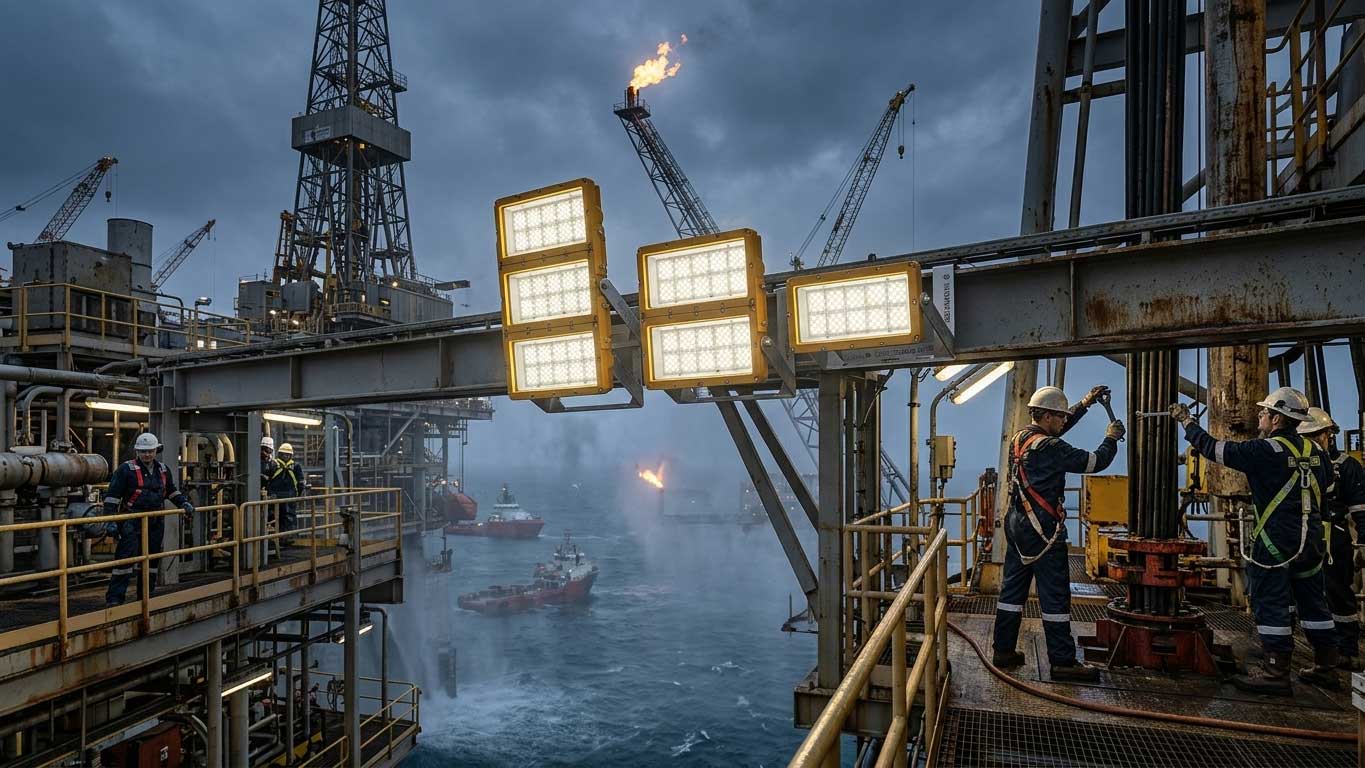
Marine environments expose fixtures to:
Corrosion frequently determines the replacement schedule.
This is why engineers evaluate:
The LED chips themselves may last longer than the driver.
Drivers contain:
In many industrial installations:
This is why premium hazardous fixtures emphasize:
Driver reliability significantly affects overall service life.
Offshore platforms.
Mining facilities.
Compressor stations.
Heavy manufacturing plants.
All generate vibration.
Traditional lamps often suffered:
LED technology performs considerably better in these environments.
Solid-state electronics tolerate vibration more effectively.
This advantage explains the rapid transition to LED lighting in hazardous industries.
Many failures result from neglected maintenance.
Routine inspections should include:
One maintenance supervisor at a fuel terminal told me:
“Most lighting failures begin outside the fixture.”
Dust buildup.
Water ingress.
Loose glands.
Corrosion.
Small problems eventually become larger ones.
| Industry | Typical Fixture Life |
|---|---|
| Refineries | 8–15 years |
| Offshore platforms | 7–12 years |
| Chemical plants | 10–15 years |
| LNG terminals | 10–20 years |
| Warehouses | 15–20 years |
Environmental conditions greatly influence these numbers.
A fixture installed offshore rarely experiences the same lifespan as one installed indoors.
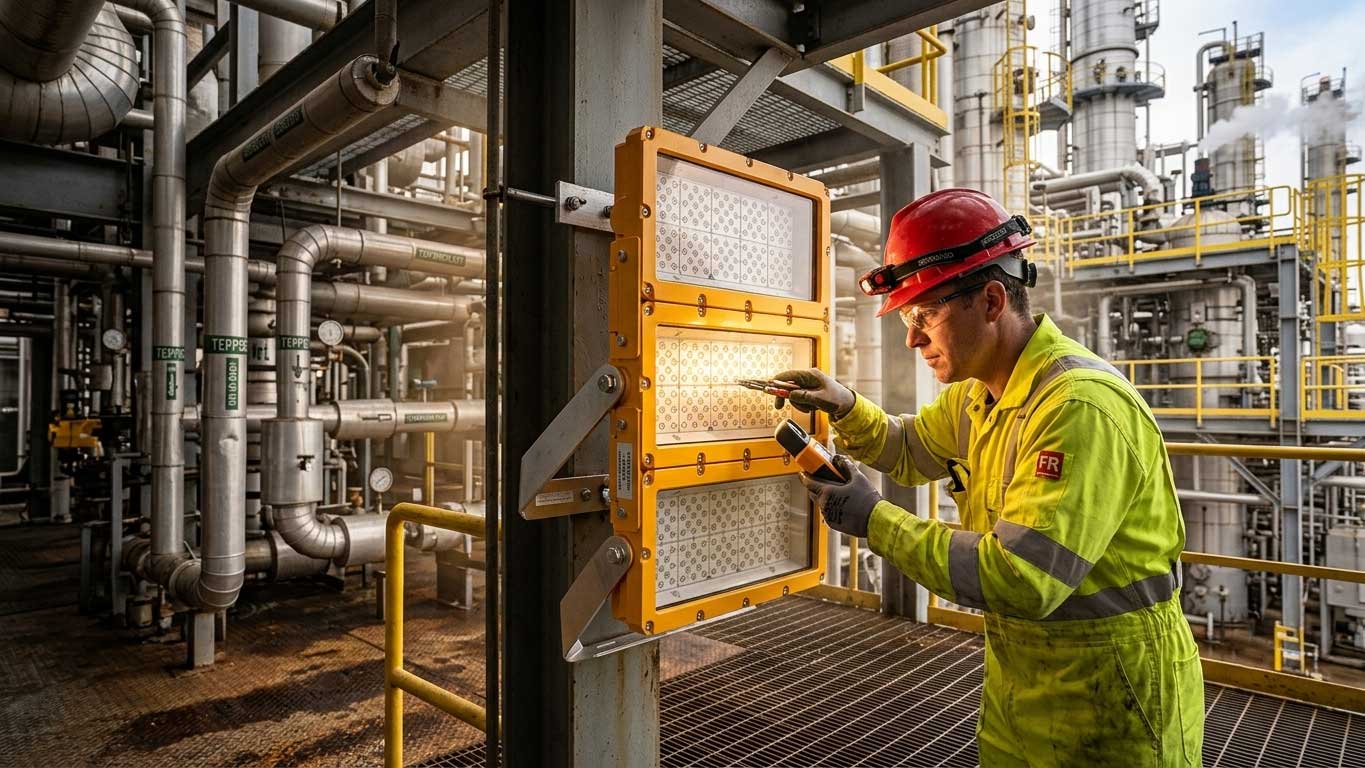
Common warning signs include:
Replacing fixtures before complete failure often reduces maintenance costs.
Emergency repairs inside hazardous areas are rarely convenient.
Several purchasing mistakes shorten service life.
Lower-cost components may fail sooner.
High temperatures accelerate driver aging.
Marine environments quickly expose weaknesses.
Poor cable sealing can allow moisture ingress.
At SEEKINGLED, service life discussions extend beyond LED chips.
Engineering teams evaluate:
Some of the longest-performing installations are not the brightest.
They are the most stable.
The fixtures remain sealed.
Temperatures stay controlled.
Maintenance visits remain infrequent.
Those factors often determine whether a fixture reaches 50,000 hours or 100,000 hours.
Most hazardous area LED fixtures last between 50,000 and 100,000 operating hours.
Drivers frequently fail before LED chips.
Yes. Higher temperatures accelerate electronic aging and reduce service life.
Under moderate operating conditions, some premium fixtures can achieve 15–20 years of service.
Absolutely. Corrosion often becomes the primary failure mechanism in marine and chemical environments.
So, How long do hazardous area LED fixtures last?
Most quality hazardous area LED fixtures operate between 50,000 and 100,000 hours, equivalent to roughly 10–20 years in many industrial applications.
However, the real answer depends on:
The longest-lasting fixtures are rarely the cheapest.
They are the products designed for the actual conditions they face every day.
For demanding industrial applications, SEEKINGLED continues focusing on reliability, thermal management, and corrosion resistance to maximize the service life of hazardous area LED fixtures.
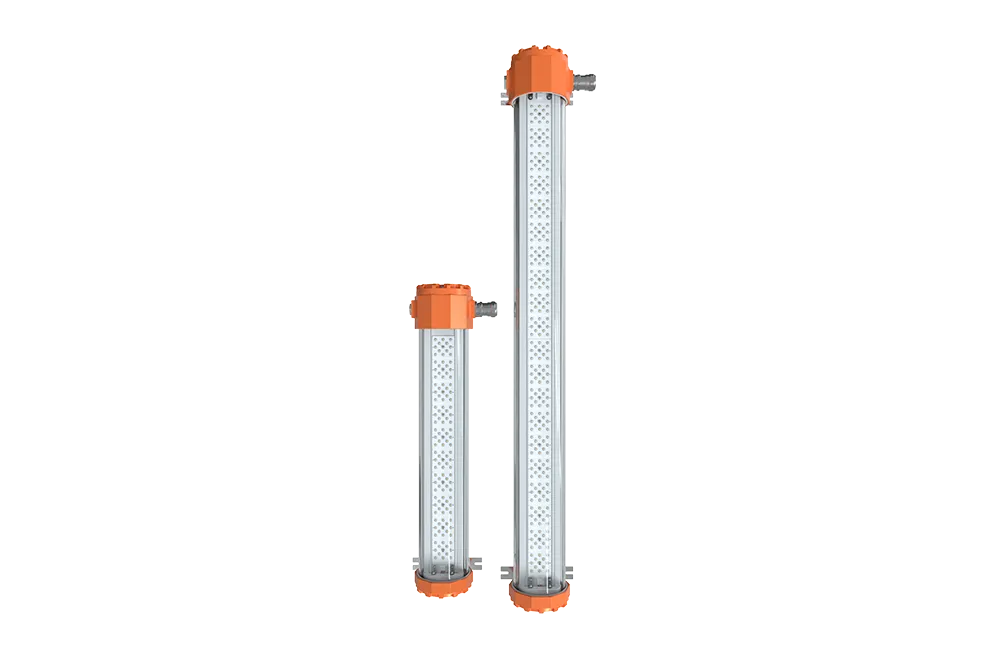
SEEKINGLED LED Linear Explosion Proof Light and Explosion Proof lighting is ATEX and IECEx certified for Zone 1, Zone 2, Zone 21 and Zone 22 hazardous locations, built for long-term industrial use.
View details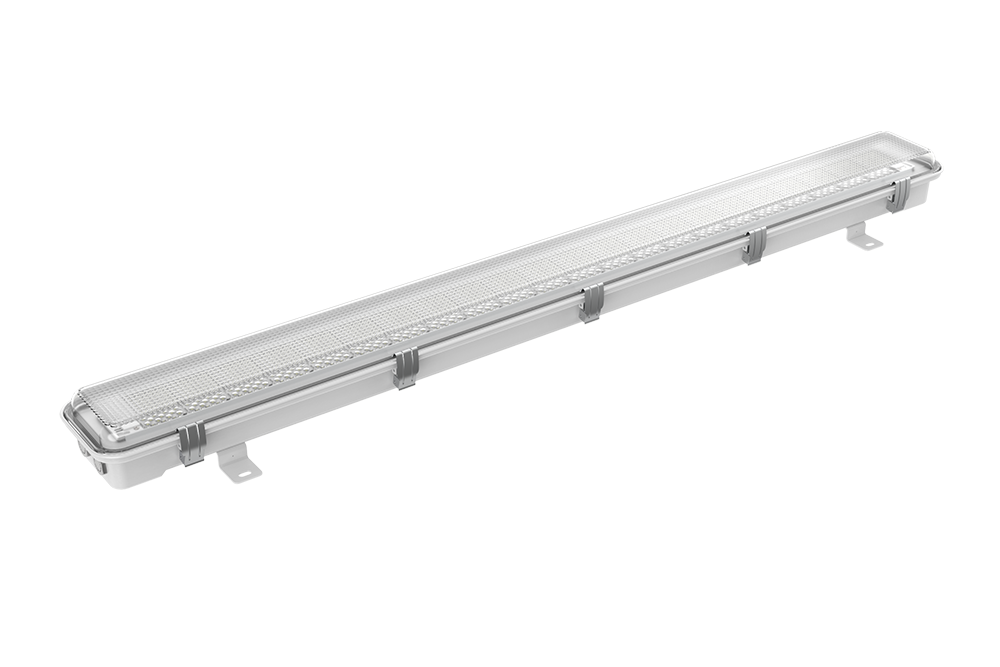
LED Linear Explosion Proof Lights and EX Proof lights for Zone 1, Zone 2, Zone 21 and Zone 22 hazardous areas. ATEX & IECEx certified explosion proof LED linear lighting with emergency function, adjustable power and IP67 protection by SEEKINGLED.
View details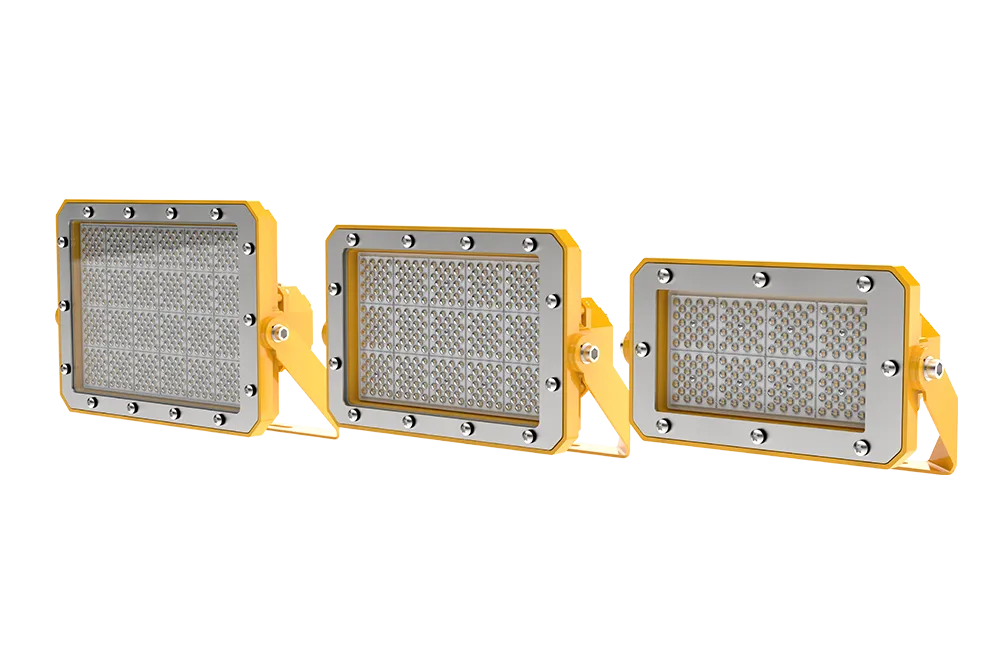
SEEKINGLED LED Explosion Proof Flood Lights are ATEX certified for Zone 2 and Zone 22 hazardous areas, offering high efficiency, adjustable power and integrated junction box.
View details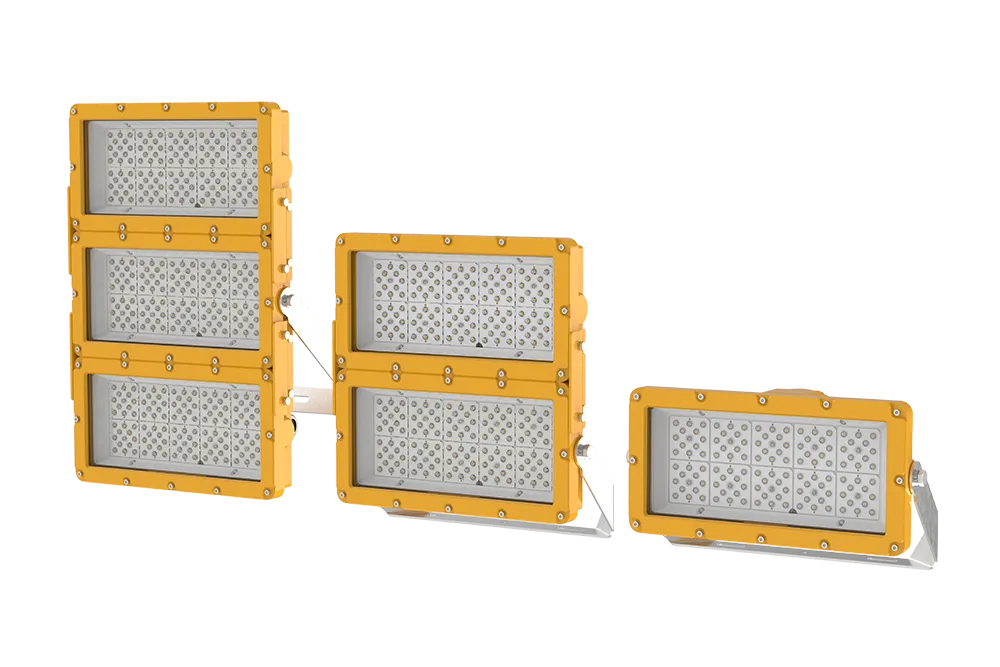
SEEKINGLED LED Explosion Proof Flood Lights are flameproof ATEX and IECEx certified for Zone 1 and Zone 2 hazardous areas, offering high power, adjustable output and long service life.
View details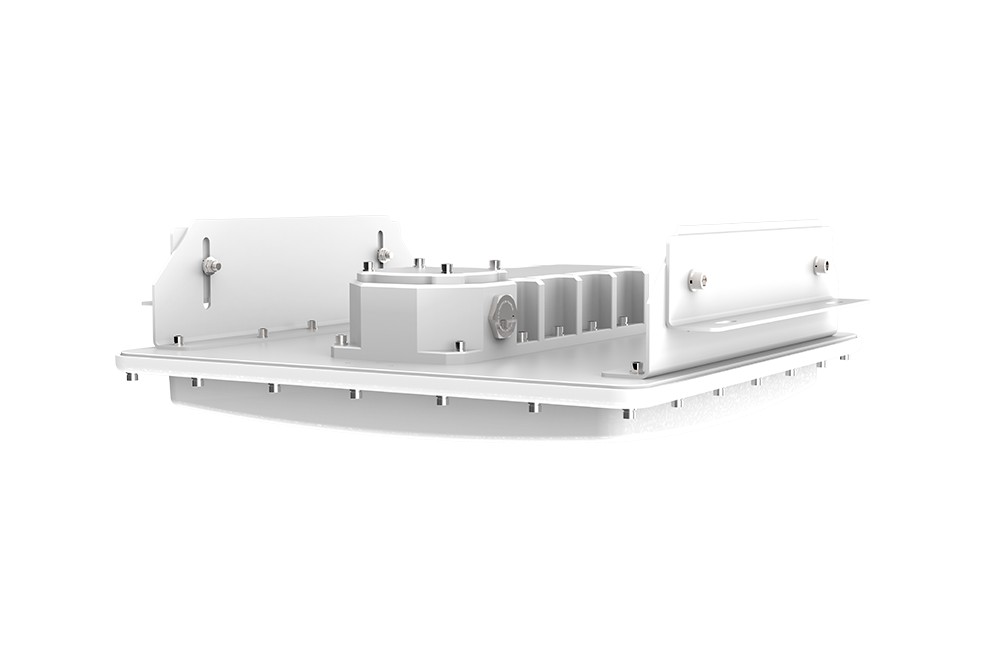
SEEKINGLED LED Gas Station Canopy Lights are ATEX certified for Zone 2 and Zone 22 hazardous areas, featuring adjustable power and built-in explosion-proof junction box.
View details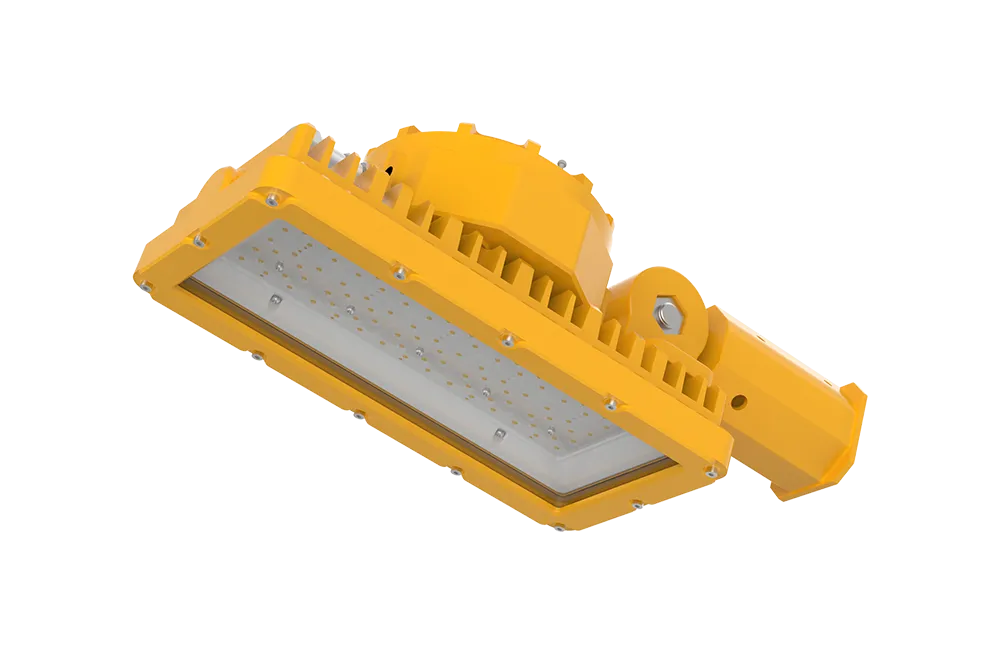
ATEX: Ex II 2G Ex db IIB T6/T5 GbEx II 2D Ex tb IIIC T80°C/ T95°C Db IECEx Ex db IIB T6 Gb;Ex tb IIIC T80°C Db Feature: ● For Zone 1,2 and Zone 21,22● Flameproof type, the strongest● 100W can replace 250W HID,energy saving● Power:60W,80W,100W Application: Oil and gas, marine, Chemical, pharmaceutical, semiconductor,mining,military industr…
View details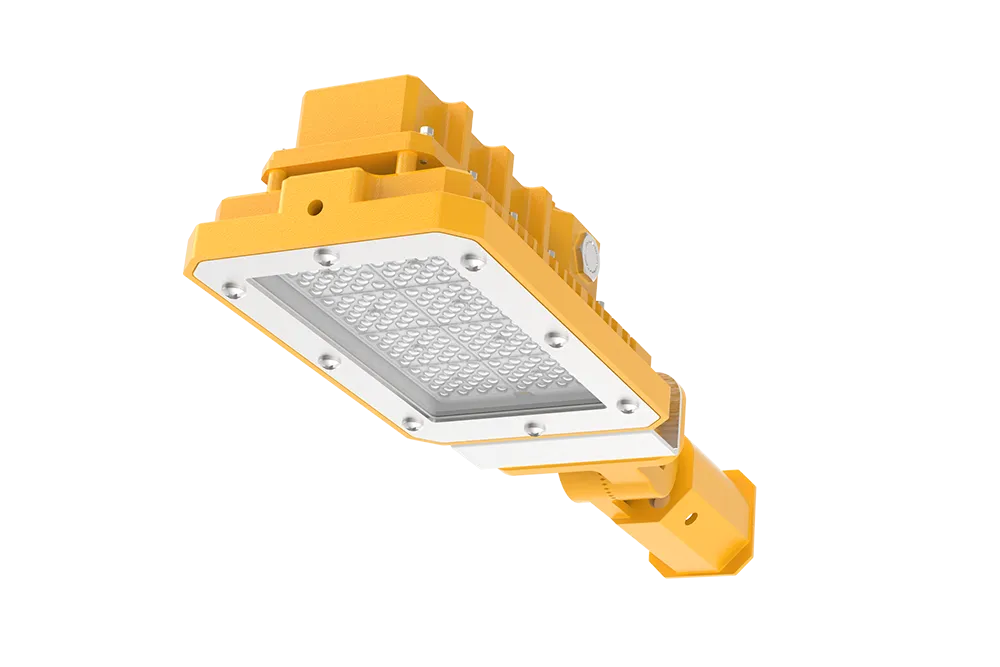
ATEX: II 3G Ex nR ⅡC T5/T6 GcII 3D Ex tc ⅢC T80℃/T95℃Dc ATEX Certificate NO: TÜV CY 26 ATEX 0207611 X Feature: ● For Zone 2 and Zone 22● 150W can replace 250W HID lamps,Energy saving● Power:50W,75W,100W,150W,200W Application: Oil and gas, marine, Chemical, pharmaceutical, semiconductor,mining,military industry, paint booth,power plant ETC…
View details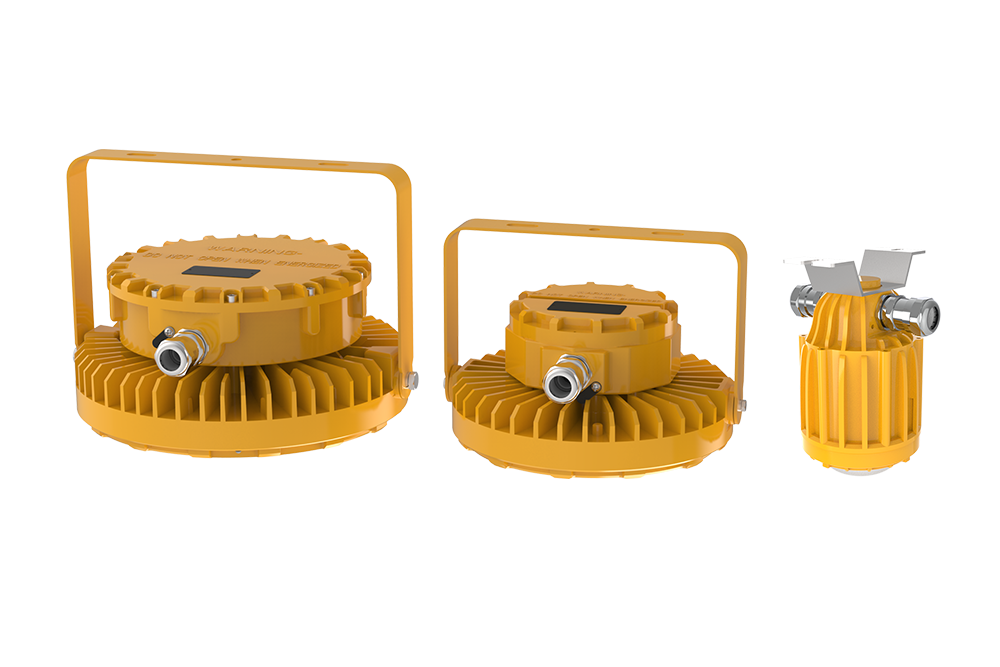
LED explosion proof high bay lights are designed for Zone 1, Zone 2, Zone 21 and Zone 22 hazardous areas. This page introduces the HB21 Series from SEEKING, including certifications, power options and real application considerations.
View details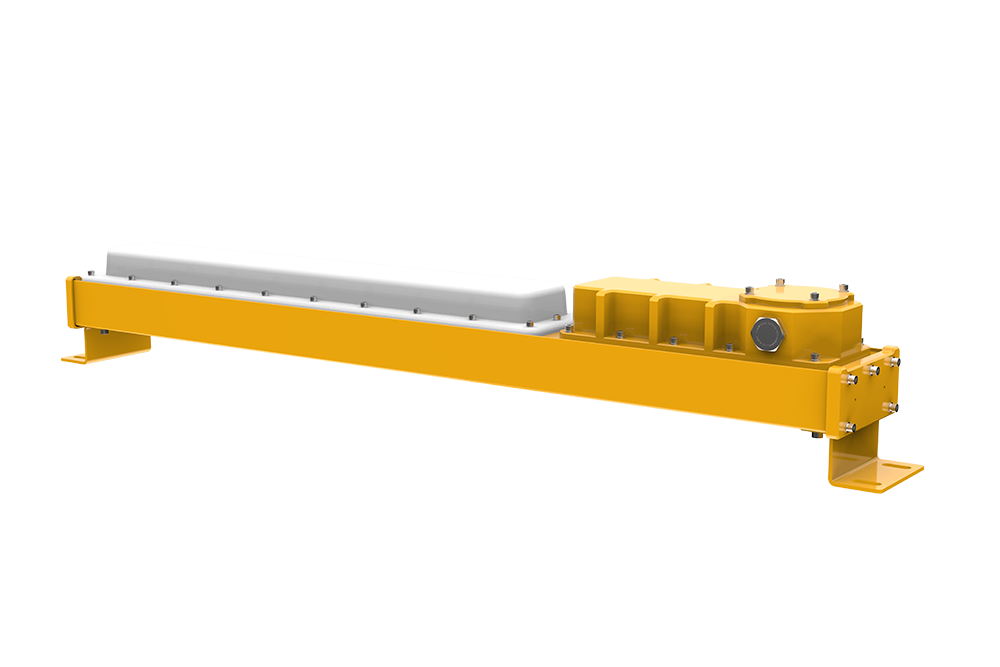
LED Linear Explosion Proof Lights from SEEKINGLED. LU Series Flame Proof lights ATEX-certified explosion proof LED linear lighting for Zone 2 gas and Zone 22 dust areas, IP69K, IK10, long lifetime and flexible power options.
View details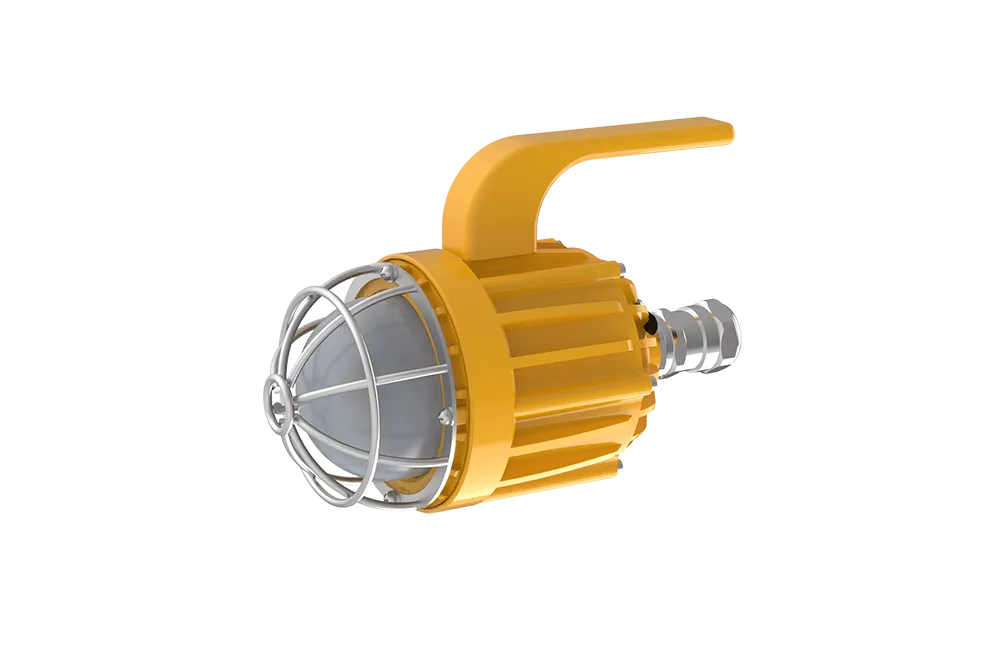
Certified explosion proof work lights for Zone 1 & 21 hazardous areas. Portable, ATEX & IECEx approved, built for oil, gas and chemical plants by SEEKINGLED.
View details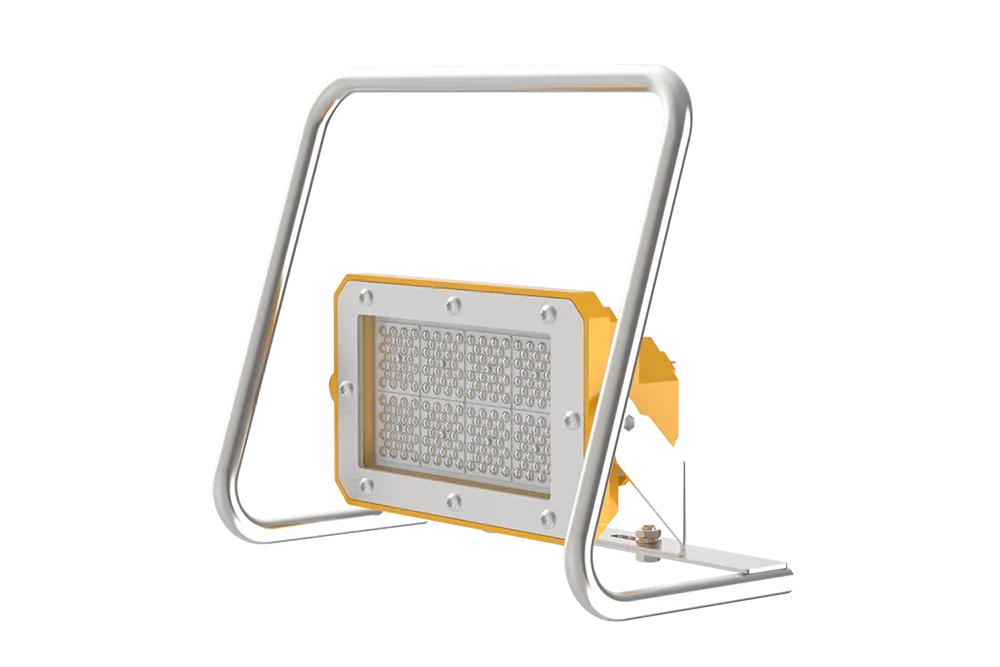
ATEX: II 3G Ex nR ⅡC T6 GcII 3D Ex tc ⅢC T80℃ Dc ATEX Certificate NO: TÜV CY 26 ATEX 0207611 X Feature: ● For Zone 2 and Zone 22● Accepts battery-powered supply● indestructible● Power:AC input:50W,75W,100WDC input:15W,25W,35W Application: Oil and gas, marine, Chemical, pharmaceutical, semiconductor,mining,military industry, paint booth,po…
View details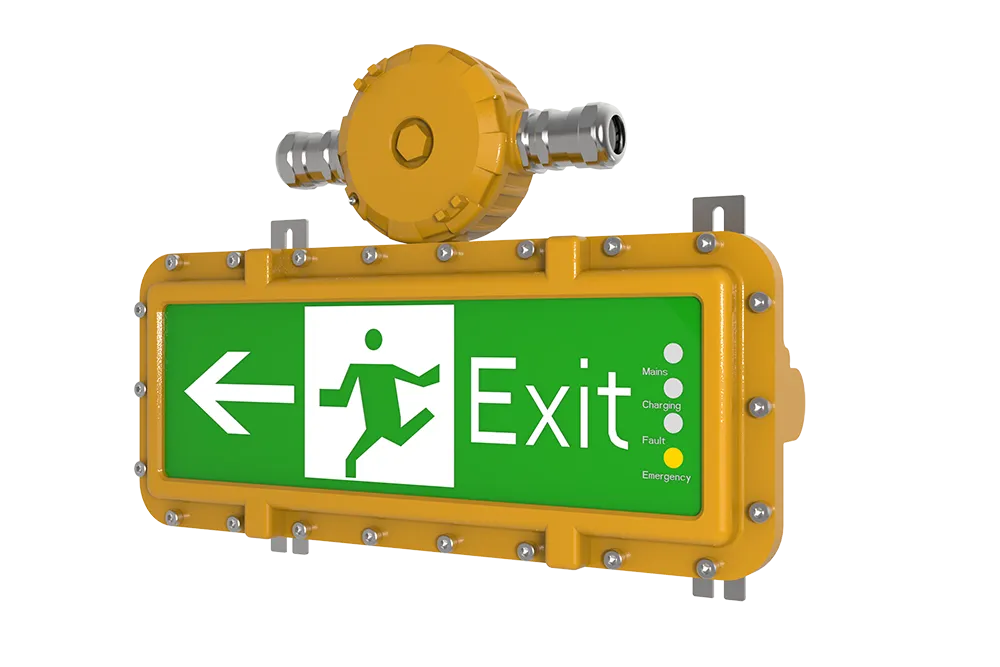
ATEX: Ex II 2G Ex db IIB T6 GbEx II 2D Ex tb IIIC T80°C Db IECEx Ex db IIB T6 Gb;Ex tb IIIC T80°C Db Feature: ● For Zone 1,2 and Zone 21,22● Flameproof type, the strongest Application: Oil and gas, marine, Chemical, pharmaceutical, semiconductor,mining,military industry, paint booth,power plant ETC hazardous area. Technical Specifications:…
View details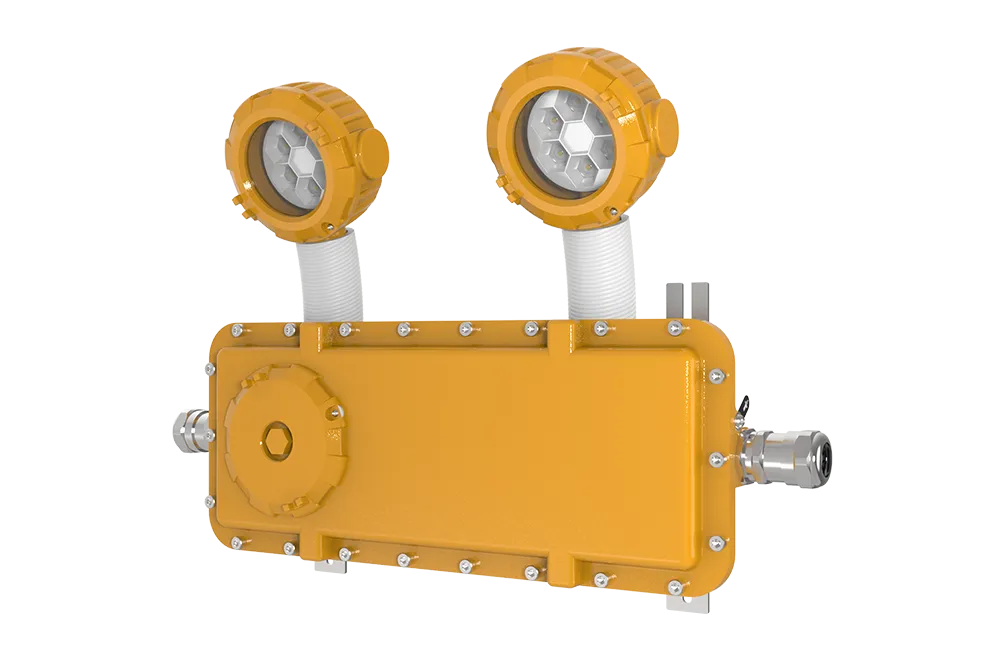
ATEX: Ex II 2G Ex db IIB T6 GbEx II 2D Ex tb IIIC T80°C Db IECEx Ex db IIB T6 Gb;Ex tb IIIC T80°C Db Feature: ● For Zone 1,2 and Zone 21,22● Flameproof type, the strongest Application: Oil and gas, marine, Chemical, pharmaceutical, semiconductor,mining,military industry, paint booth,power plant ETC hazardous area. Technical Specifications:…
View details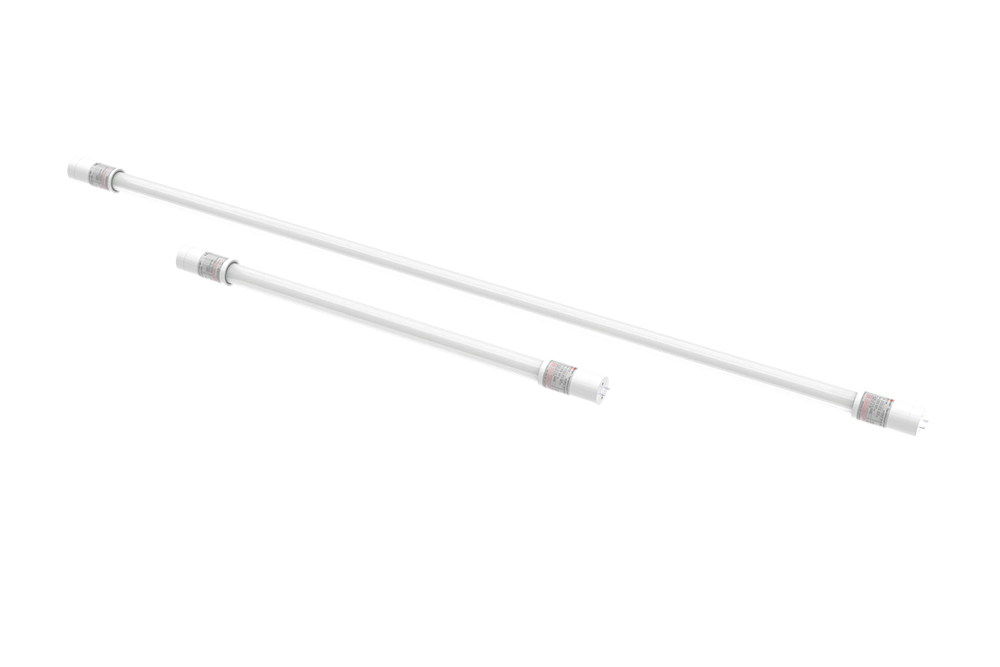
ATEX: Ex II 2G Ex d e IIB T6 Gb ATEX: Ex d e IIB T6 Gb; Feature: ● For Zone 1,2● 9W can replace 18W fluorescent lamps,50% Energy saving Application: Oil and gas, marine, Chemical, pharmaceutical, semiconductor,mining,military industry, paint booth,power plant ETC hazardous area. Technical Specifications: Standards:60079-0, 60079-1, 60079…
View details
How long to LED lights last in real conditions? Not just specs—see true lifespan, failure causes, and what affects LED durability in daily use.
View details
Why are LED street lights purple in some cities? This guide explains the real causes behind purple LED street lights, whether they are defective, and what municipalities should do.
View details
Class 1 Div 1 lighting is engineered for locations with continuous or frequent explosive gas hazards. Learn certifications, applications, and selection tips from hazardous-area lighting experts.
View details
Do LED street lights cause cancer? This question comes up often. Here’s what actually matters, what doesn’t, and why modern street lighting is considered safe.
View details