 Seeking LED
how to wire high bay led lights?
0Learn how to wire high bay led lights safely with professional steps, wiring methods, installation tips, and industrial LED lighting guidance.
View detailsSearch the whole station
Hazardous area LED lighting is specially certified illumination designed for environments containing flammable gases, vapors, or combustible dust. These luminaires prevent ignition sources while providing reliable, energy-efficient lighting in hazardous industrial locations.
The first offshore platform I visited was unexpectedly quiet.
The generators hummed.
Pumps vibrated.
Steel structures groaned in the wind.
Yet what I remember most is the lighting.
The fixtures looked nothing like the warehouse LEDs I had installed years earlier.
Heavy housings.
Deep fins.
Large cable glands.
One operations engineer tapped the fixture above us and said:
“That light isn’t here because we need illumination. It’s here because we cannot afford ignition.”
That sentence has stayed with me for years.
Because hazardous area LED lighting is fundamentally different from ordinary industrial lighting.
It is safety equipment that happens to produce light.
Hazardous area LED lighting refers to LED luminaires specifically designed for locations where explosive atmospheres may exist.
These atmospheres may contain:
The lighting equipment must operate without becoming an ignition source.
Unlike ordinary industrial fixtures, hazardous area LED lighting is engineered to control:
Modern hazardous lighting commonly carries:
These certifications verify that the luminaire can safely operate in hazardous locations.
Explosions require three elements:
Industrial facilities often cannot remove fuel.
Gas remains present.
Dust remains present.
Hydrocarbons remain present.
The practical solution is controlling ignition sources.
Electrical equipment may generate:
Hazardous area LED lighting minimizes these risks.
That objective drives every aspect of the design.
Many people associate hazardous lighting exclusively with oil refineries.
The reality is far broader.
Dust explosions alone continue to pose serious industrial risks.
According to the United States Chemical Safety Board, combustible dust incidents have caused numerous industrial accidents over recent decades.
Source:
U.S. Chemical Safety Board
https://www.csb.gov
The first question engineers ask is not:
“How many lumens?”
The first question is:
“Which zone?”
ATEX and IECEx classify hazardous areas according to the likelihood of explosive atmospheres.
| Zone | Description |
|---|---|
| Zone 0 | Continuous presence of explosive atmosphere |
| Zone 1 | Explosive atmosphere likely during operation |
| Zone 2 | Explosive atmosphere unlikely and temporary |
Most hazardous area LED lighting projects involve:
Classification determines:
A single classification error can invalidate an entire lighting specification.
Examples include:
Gas release may occur during normal operation.
Examples include:
Risk still exists.
Probability decreases.
Lighting requirements adjust accordingly.
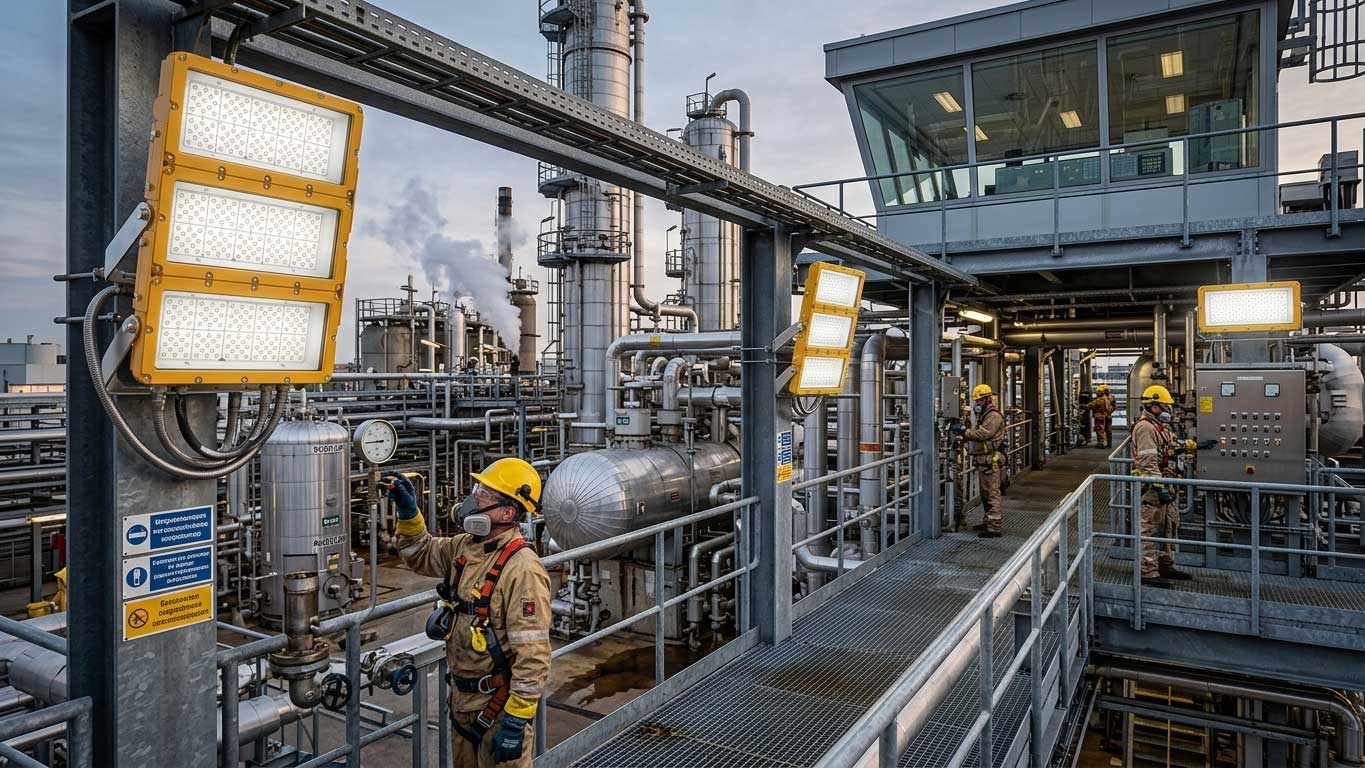
Hazardous area LED lighting must comply with specific standards.
| Certification | Region |
|---|---|
| ATEX | European Union |
| IECEx | International |
| UL844 | North America |
According to the IECEx system, certified equipment undergoes testing to verify compliance with international explosive atmosphere standards.
Source:
IECEx System
https://www.iecex.com
Certification involves:
The label on the fixture represents considerable engineering work.
Many hazardous luminaires include markings such as:
Ex db IIC T6 Gb
Although these markings appear technical, they provide essential information.
| Marking | Meaning |
|---|---|
| Ex | Explosion protected |
| db | Flameproof protection |
| IIC | Gas group |
| T6 | Temperature class |
| Gb | Equipment protection level |
One incorrect code can make a luminaire unsuitable.
Experienced engineers read these markings before reviewing lumen output.
Surface temperature can ignite certain gases.
This is why temperature classifications exist.
| Temperature Class | Maximum Surface Temperature |
|---|---|
| T1 | 450°C |
| T2 | 300°C |
| T3 | 200°C |
| T4 | 135°C |
| T5 | 100°C |
| T6 | 85°C |
Many oil and gas projects require:
Several years ago, I reviewed a lighting project for a fuel storage facility.
The fixtures carried legitimate certification.
The temperature class was incorrect.
The equipment could not be installed.
That project reinforced an important lesson.
Certification alone is not enough.
The entire marking matters.
Traditional hazardous lighting relied on:
Today, LED dominates the market.
According to the International Energy Agency, LEDs remain the world’s most efficient mainstream lighting technology.
Source:
International Energy Agency
https://www.iea.org
LED technology provides:
Maintenance savings can be substantial.
A maintenance visit in a hazardous area may require:
Reducing maintenance reduces both costs and risks.
During a fuel terminal inspection several years ago, I expected to find failed drivers.
Instead, I found severe corrosion.
The LEDs still worked.
The electronics still operated.
The mounting hardware had deteriorated.
Coastal environments combine:
Engineers therefore evaluate:
One maintenance supervisor told me:
“The sea destroys everything eventually.”
His point was difficult to argue with.
Interestingly, brightness rarely comes first.
Experienced engineers usually prioritize:
Lumen output appears later.
Reliability appears earlier.
A fixture that survives ten years offshore often provides greater value than a brighter fixture requiring replacement after three years.
One misconception appears repeatedly during project discussions.
Many buyers believe every hazardous area LED lighting fixture works in exactly the same way.
It does not.
Two luminaires may look nearly identical while relying on completely different protection principles internally.
The protection concept determines where the fixture may be installed.
| Protection Type | Description | Typical Applications |
|---|---|---|
| Ex d | Flameproof enclosure | Zone 1 and Zone 2 |
| Ex e | Increased safety | Industrial terminals and luminaires |
| Ex m | Encapsulation | Electronic modules and drivers |
| Ex n | Non-sparking protection | Zone 2 areas |
| Ex p | Pressurization | Cabinets and control rooms |
Understanding these protection methods helps engineers avoid costly specification mistakes.
Ex d remains one of the most common protection concepts in hazardous area LED lighting.
The enclosure is designed to contain an internal explosion.
If ignition occurs inside the luminaire:
Typical applications include:
Ex d luminaires often feature:
Their weight surprises many first-time buyers.
Ex e protection takes a different approach.
Rather than containing an explosion, it attempts to prevent one.
This protection method emphasizes:
Many modern hazardous luminaires combine multiple protection methods.
Explosion protection alone is not enough.
Industrial environments can be extremely harsh.
Most hazardous area LED lighting installations face:
Common protection ratings include:
| IP Rating | Protection Level |
|---|---|
| IP65 | Dust-tight and water jets |
| IP66 | Powerful water jets |
| IP67 | Temporary immersion |
| IP68 | Continuous immersion |
Most hazardous lighting projects specify:
Offshore operators frequently demand both.
Water and dust often destroy equipment long before electronics fail.
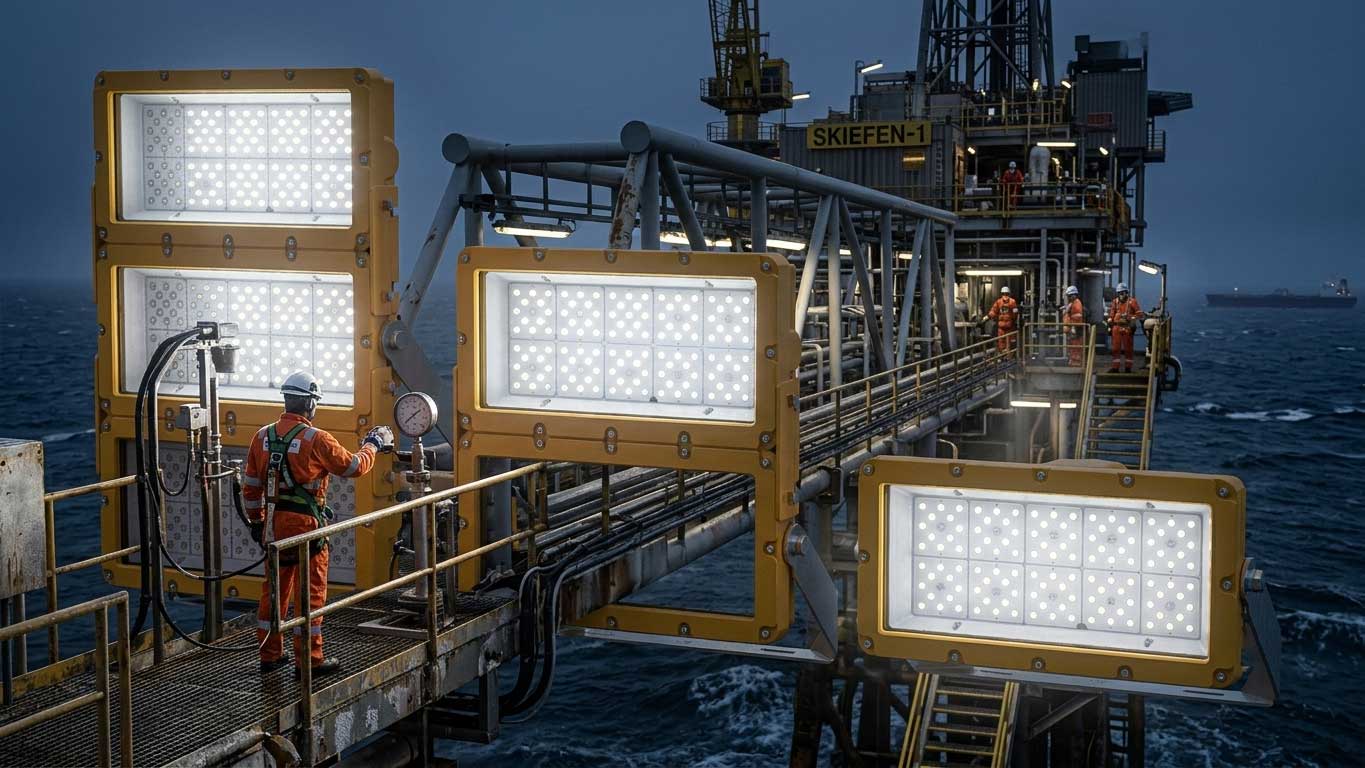
Several years ago, I joined a maintenance inspection at a coastal fuel storage terminal.
The LED modules still operated.
The drivers still functioned.
The mounting hardware had deteriorated significantly.
Corrosion had become the limiting factor.
Hazardous environments often combine:
As a result, experienced engineers pay close attention to:
One offshore maintenance manager told me:
“Electronics fail slowly. Corrosion works every day.”
That observation has proven remarkably accurate.
Modern hazardous area LED lighting typically provides:
Actual operating life depends on:
According to the International Energy Agency, LED technology remains the world’s most energy-efficient mainstream lighting source.
Source:
International Energy Agency
https://www.iea.org
However, energy savings are only part of the equation.
Maintenance reduction often creates greater economic value.
Replacing a luminaire inside a hazardous facility is rarely simple.
Maintenance activities may require:
The actual fixture cost may become a small portion of the total maintenance expense.
This is why many operators prioritize:
One additional maintenance visit offshore can easily exceed the cost difference between two luminaires.
Several specification mistakes appear repeatedly.
The lowest purchase price often results in higher lifecycle costs.
Certification alone is insufficient.
T4 and T6 requirements matter.
Coastal facilities expose weaknesses quickly.
Brightness matters.
Reliability often matters more.
Always request:
Inspectors frequently ask for documentation before inspecting equipment.
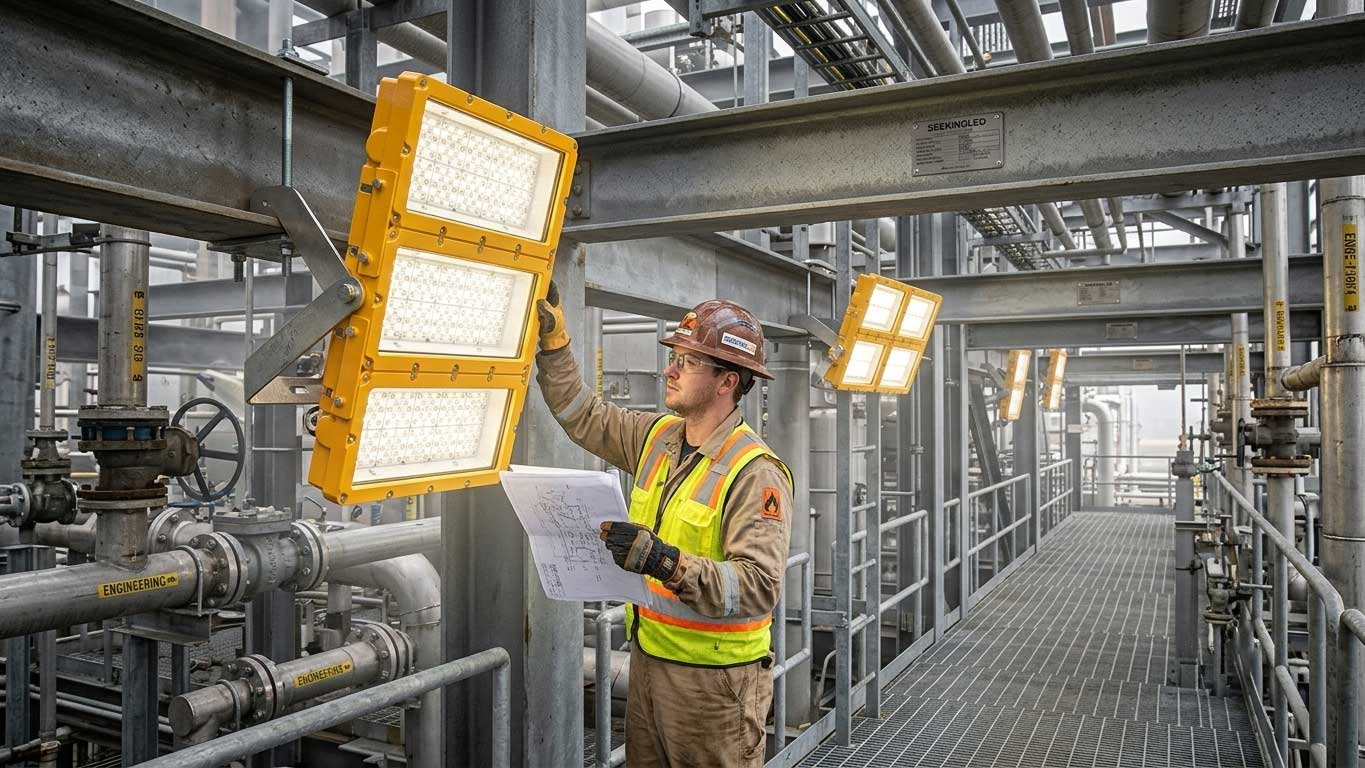
Hazardous area LED lighting refers to certified LED luminaires designed for explosive atmospheres containing flammable gases, vapors, or combustible dust.
Typical applications include:
Not exactly.
Explosion-proof protection is one method used within hazardous area lighting systems.
LED technology offers longer life, lower maintenance requirements, and improved energy efficiency.
No.
Standard industrial luminaires generally lack the required certifications and protection systems.
Premium hazardous area LED lighting products commonly achieve operating lives between 50,000 and 100,000 hours.
At SEEKINGLED, hazardous area lighting projects are approached as safety systems rather than conventional lighting installations.
Our engineering teams evaluate:
Over time, one lesson remains remarkably consistent.
The best hazardous area LED lighting installations rarely attract attention after commissioning.
The fixtures continue operating.
Inspections pass.
Maintenance intervals remain long.
Production continues.
That quiet reliability is often the true measure of successful hazardous lighting.
Hazardous area LED lighting exists because ordinary industrial lighting cannot safely operate in explosive atmospheres. Through certification, controlled temperatures, robust construction, and specialized protection methods, these luminaires provide safety, compliance, and reliable illumination.
Whether installed in offshore platforms, refineries, chemical plants, or fuel terminals, properly specified hazardous area LED lighting delivers much more than brightness.
It protects operations.
It reduces maintenance.
Most importantly, it helps prevent ignition in environments where safety is absolutely critical.
For demanding industrial applications, SEEKINGLED continues developing hazardous area LED lighting solutions designed around real operating conditions rather than laboratory assumptions.
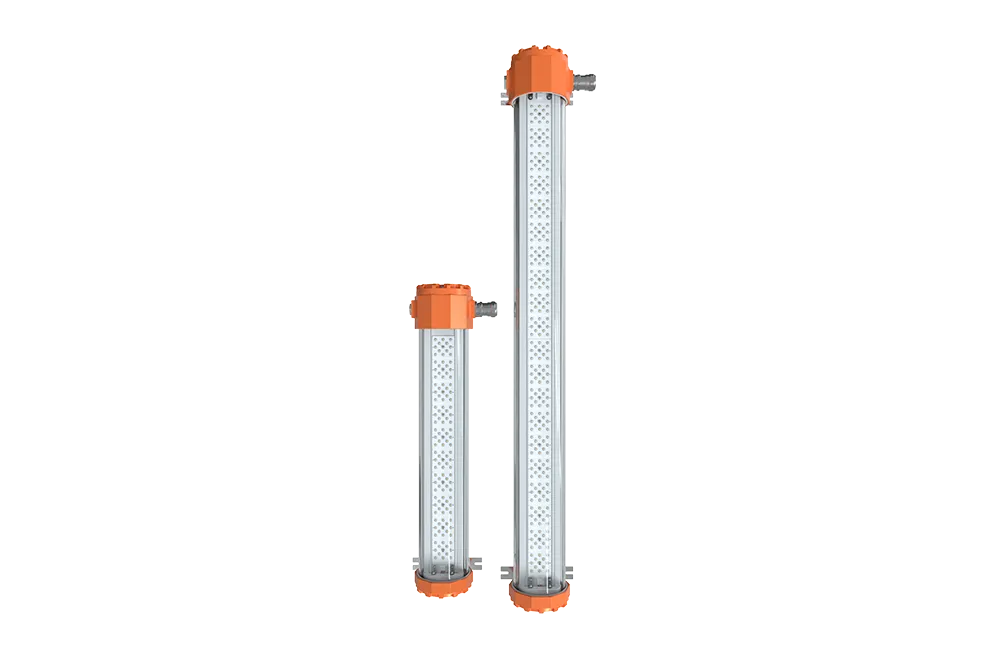
SEEKINGLED LED Linear Explosion Proof Light and Explosion Proof lighting is ATEX and IECEx certified for Zone 1, Zone 2, Zone 21 and Zone 22 hazardous locations, built for long-term industrial use.
View details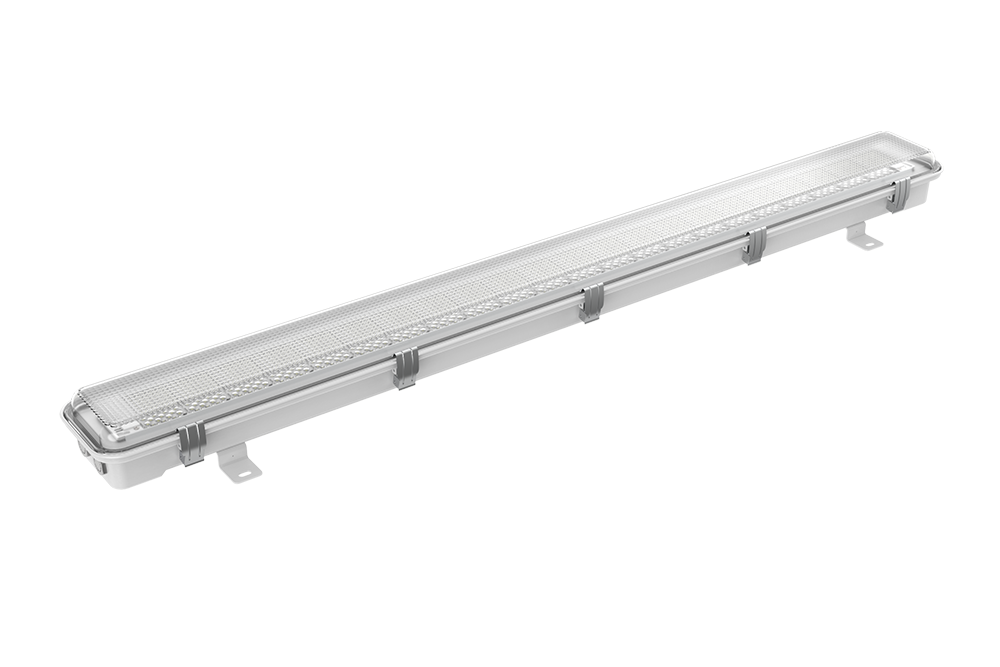
LED Linear Explosion Proof Lights and EX Proof lights for Zone 1, Zone 2, Zone 21 and Zone 22 hazardous areas. ATEX & IECEx certified explosion proof LED linear lighting with emergency function, adjustable power and IP67 protection by SEEKINGLED.
View details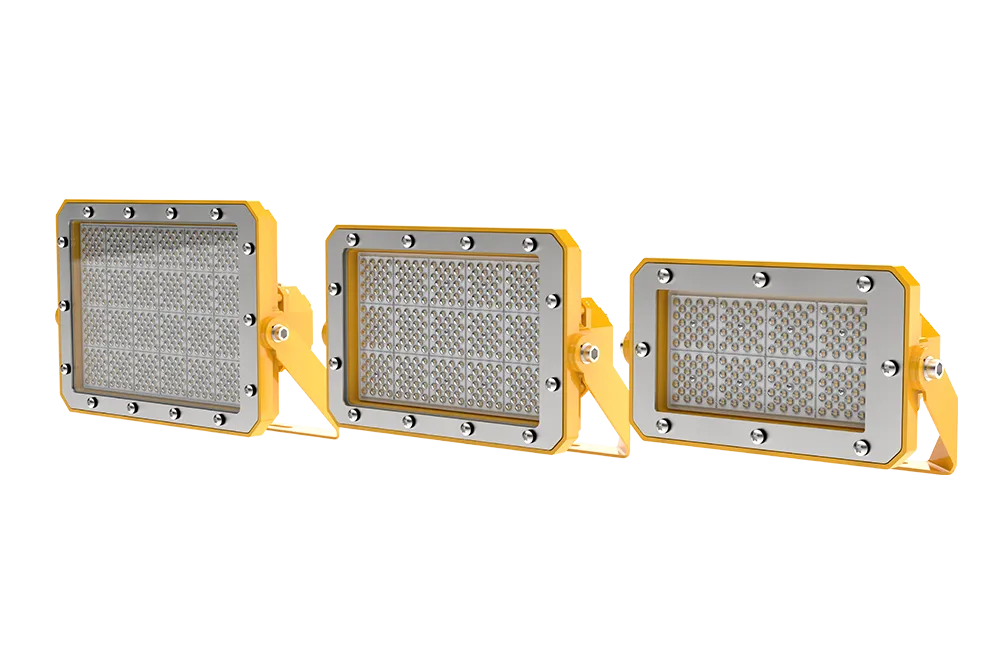
SEEKINGLED LED Explosion Proof Flood Lights are ATEX certified for Zone 2 and Zone 22 hazardous areas, offering high efficiency, adjustable power and integrated junction box.
View details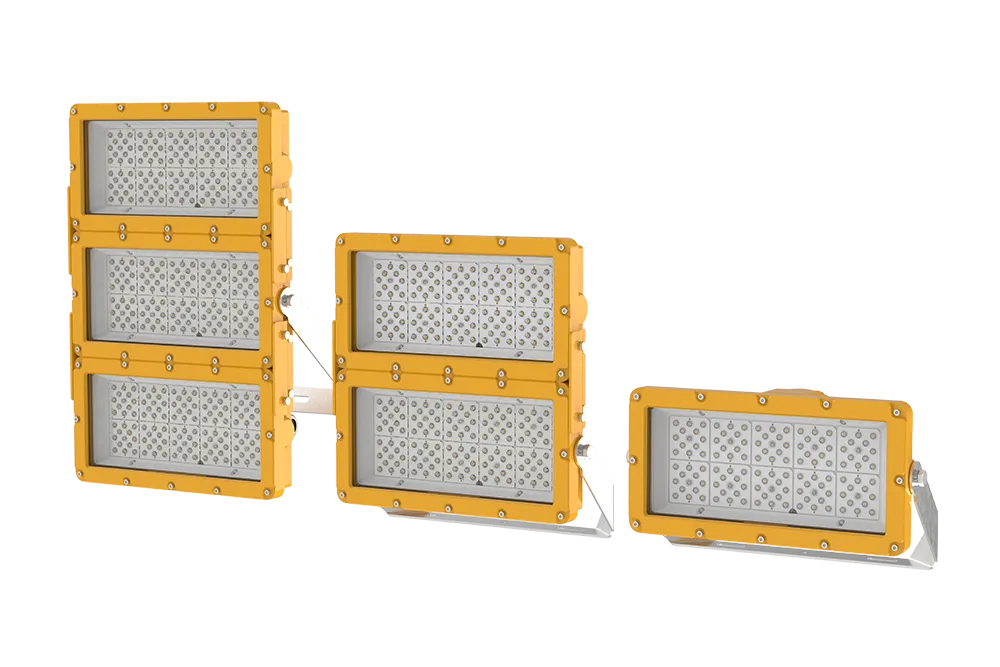
SEEKINGLED LED Explosion Proof Flood Lights are flameproof ATEX and IECEx certified for Zone 1 and Zone 2 hazardous areas, offering high power, adjustable output and long service life.
View details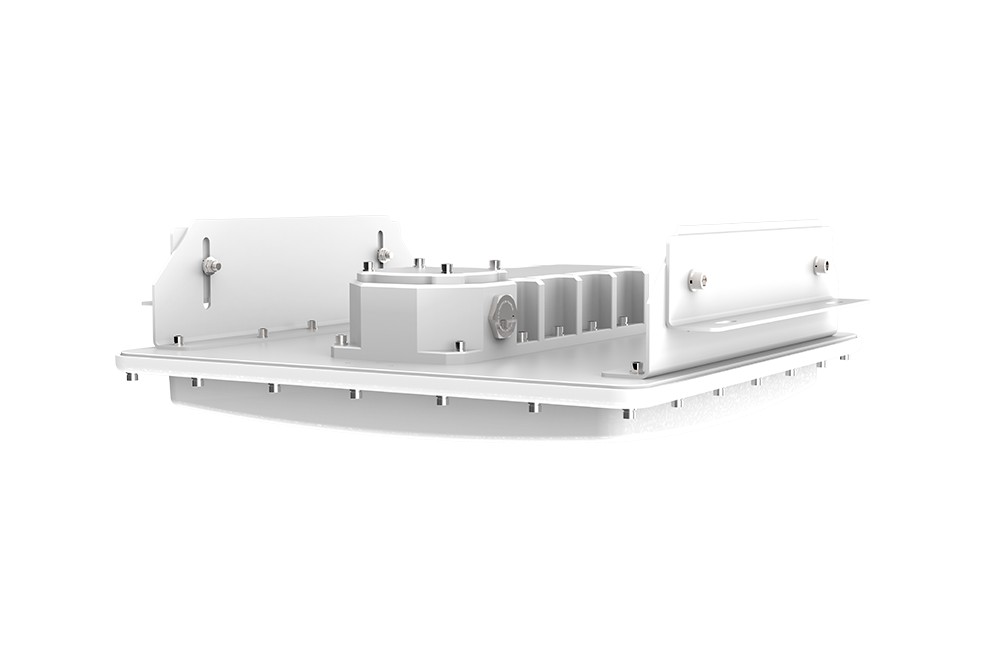
SEEKINGLED LED Gas Station Canopy Lights are ATEX certified for Zone 2 and Zone 22 hazardous areas, featuring adjustable power and built-in explosion-proof junction box.
View details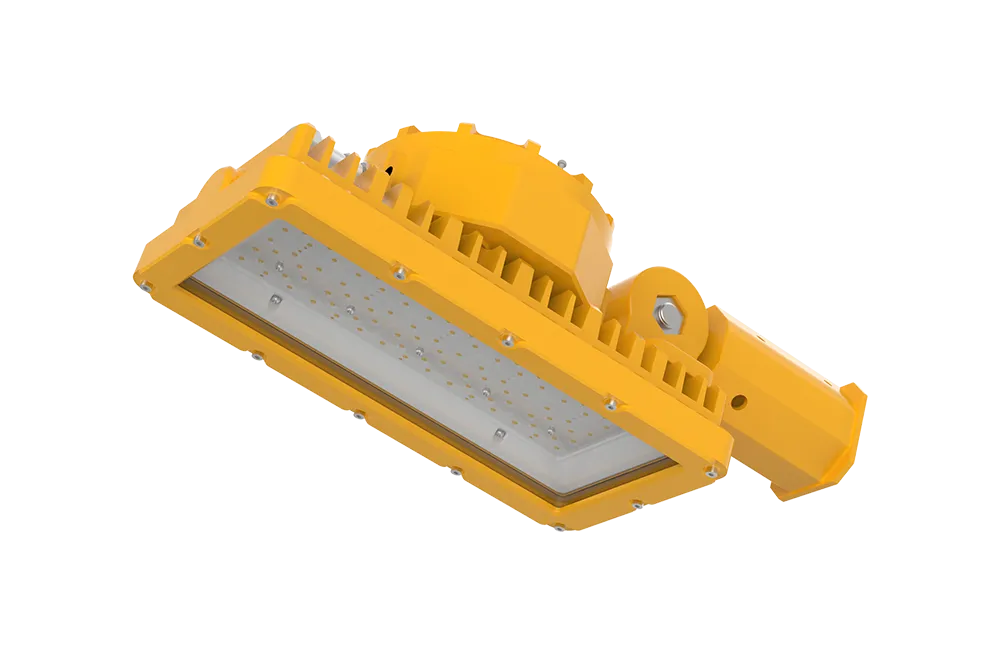
ATEX: Ex II 2G Ex db IIB T6/T5 GbEx II 2D Ex tb IIIC T80°C/ T95°C Db IECEx Ex db IIB T6 Gb;Ex tb IIIC T80°C Db Feature: ● For Zone 1,2 and Zone 21,22● Flameproof type, the strongest● 100W can replace 250W HID,energy saving● Power:60W,80W,100W Application: Oil and gas, marine, Chemical, pharmaceutical, semiconductor,mining,military industr…
View details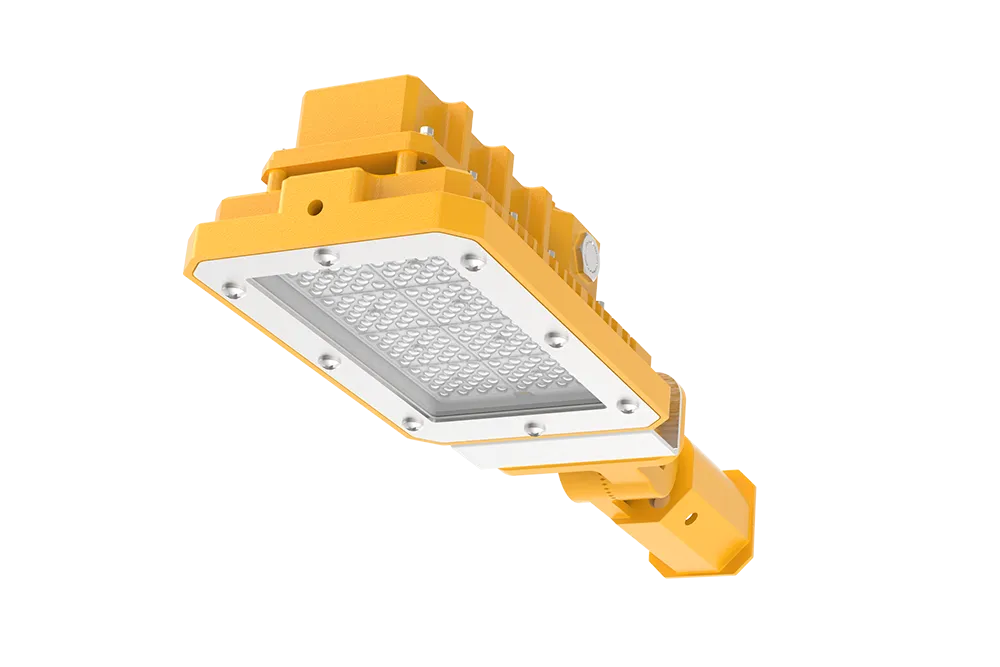
ATEX: II 3G Ex nR ⅡC T5/T6 GcII 3D Ex tc ⅢC T80℃/T95℃Dc ATEX Certificate NO: TÜV CY 26 ATEX 0207611 X Feature: ● For Zone 2 and Zone 22● 150W can replace 250W HID lamps,Energy saving● Power:50W,75W,100W,150W,200W Application: Oil and gas, marine, Chemical, pharmaceutical, semiconductor,mining,military industry, paint booth,power plant ETC…
View details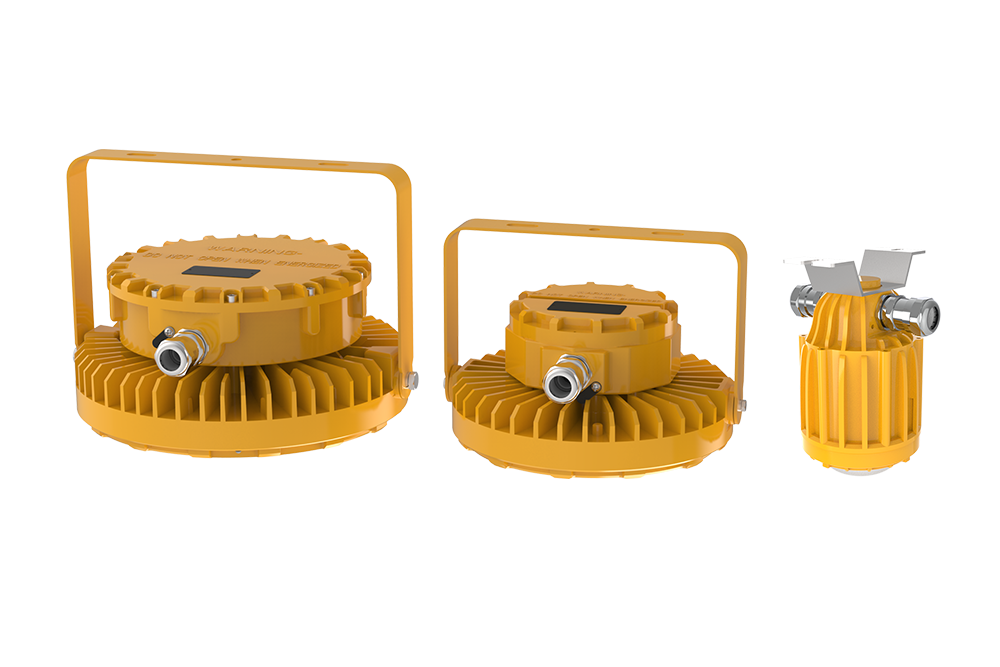
LED explosion proof high bay lights are designed for Zone 1, Zone 2, Zone 21 and Zone 22 hazardous areas. This page introduces the HB21 Series from SEEKING, including certifications, power options and real application considerations.
View details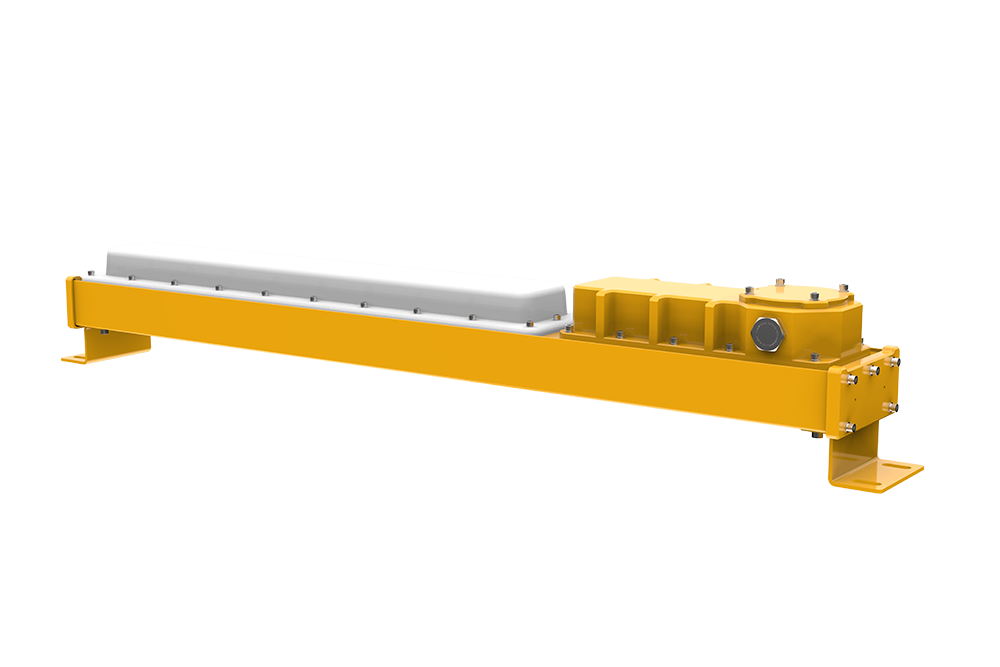
LED Linear Explosion Proof Lights from SEEKINGLED. LU Series Flame Proof lights ATEX-certified explosion proof LED linear lighting for Zone 2 gas and Zone 22 dust areas, IP69K, IK10, long lifetime and flexible power options.
View details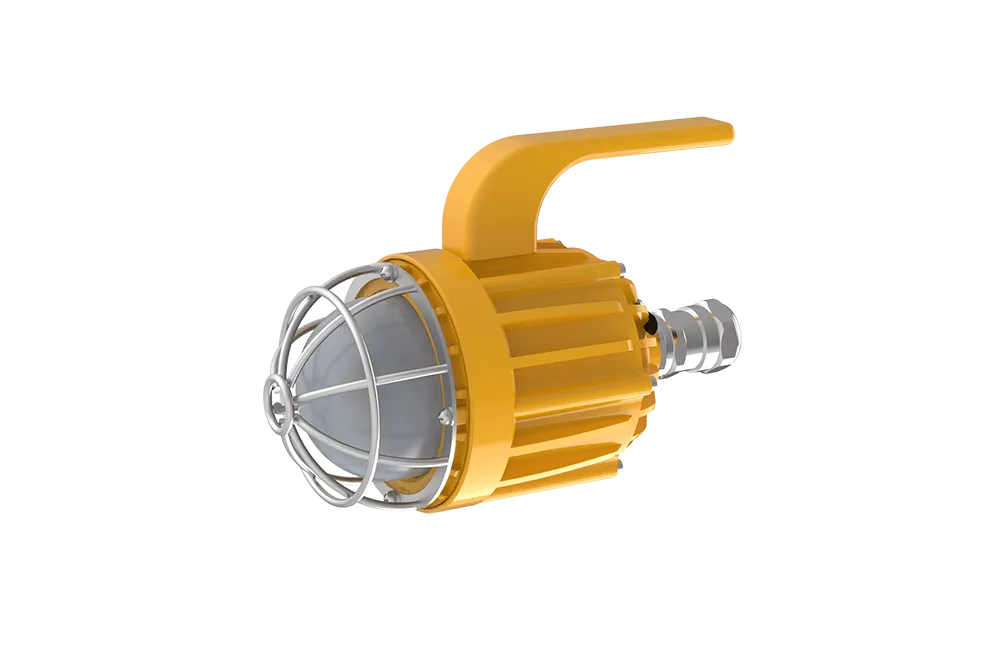
Certified explosion proof work lights for Zone 1 & 21 hazardous areas. Portable, ATEX & IECEx approved, built for oil, gas and chemical plants by SEEKINGLED.
View details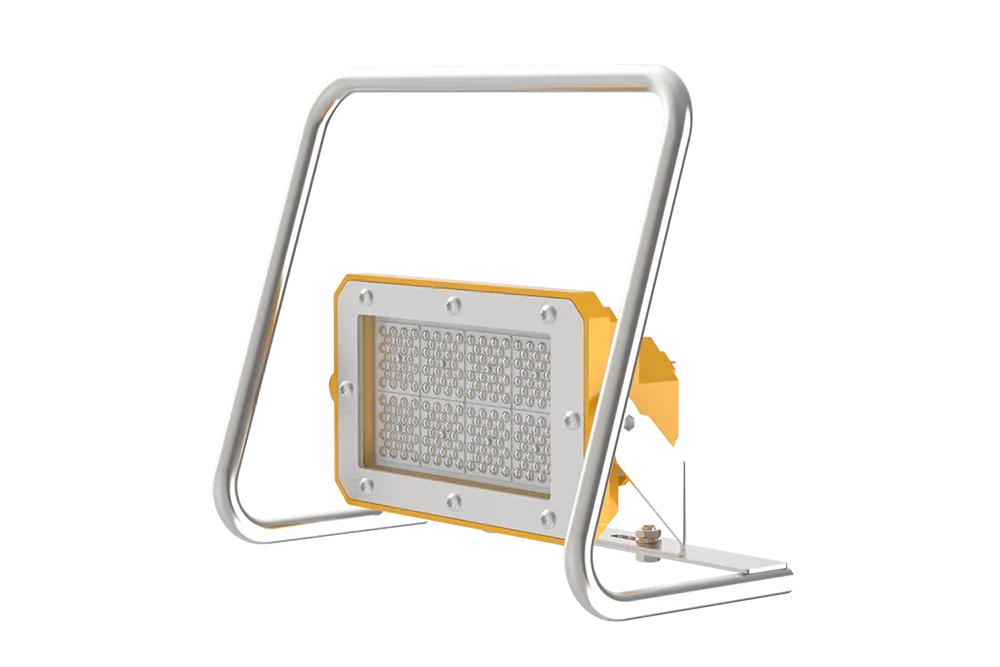
ATEX: II 3G Ex nR ⅡC T6 GcII 3D Ex tc ⅢC T80℃ Dc ATEX Certificate NO: TÜV CY 26 ATEX 0207611 X Feature: ● For Zone 2 and Zone 22● Accepts battery-powered supply● indestructible● Power:AC input:50W,75W,100WDC input:15W,25W,35W Application: Oil and gas, marine, Chemical, pharmaceutical, semiconductor,mining,military industry, paint booth,po…
View details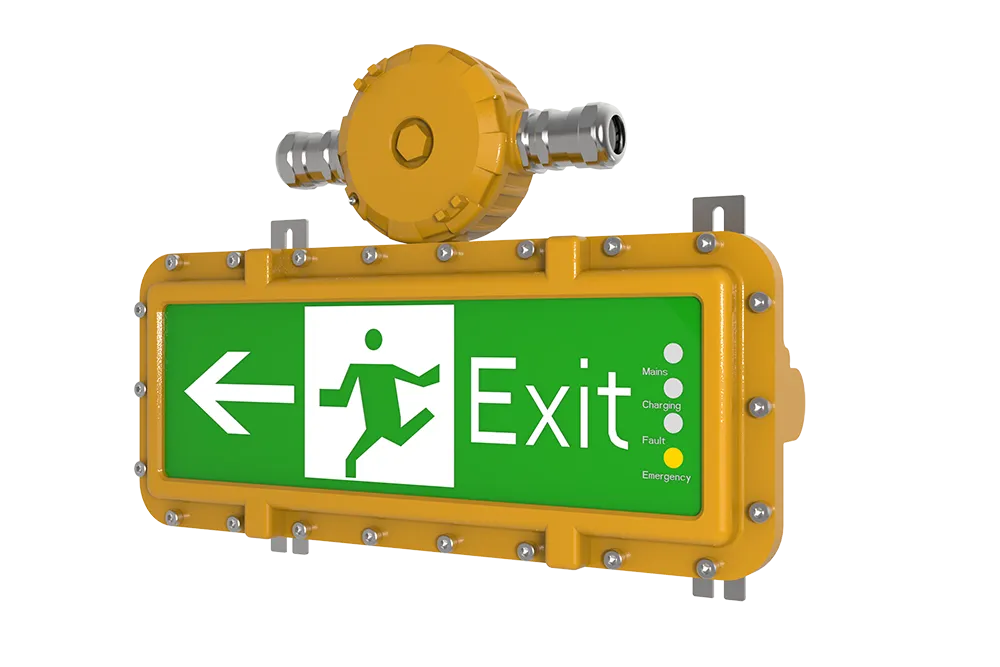
ATEX: Ex II 2G Ex db IIB T6 GbEx II 2D Ex tb IIIC T80°C Db IECEx Ex db IIB T6 Gb;Ex tb IIIC T80°C Db Feature: ● For Zone 1,2 and Zone 21,22● Flameproof type, the strongest Application: Oil and gas, marine, Chemical, pharmaceutical, semiconductor,mining,military industry, paint booth,power plant ETC hazardous area. Technical Specifications:…
View details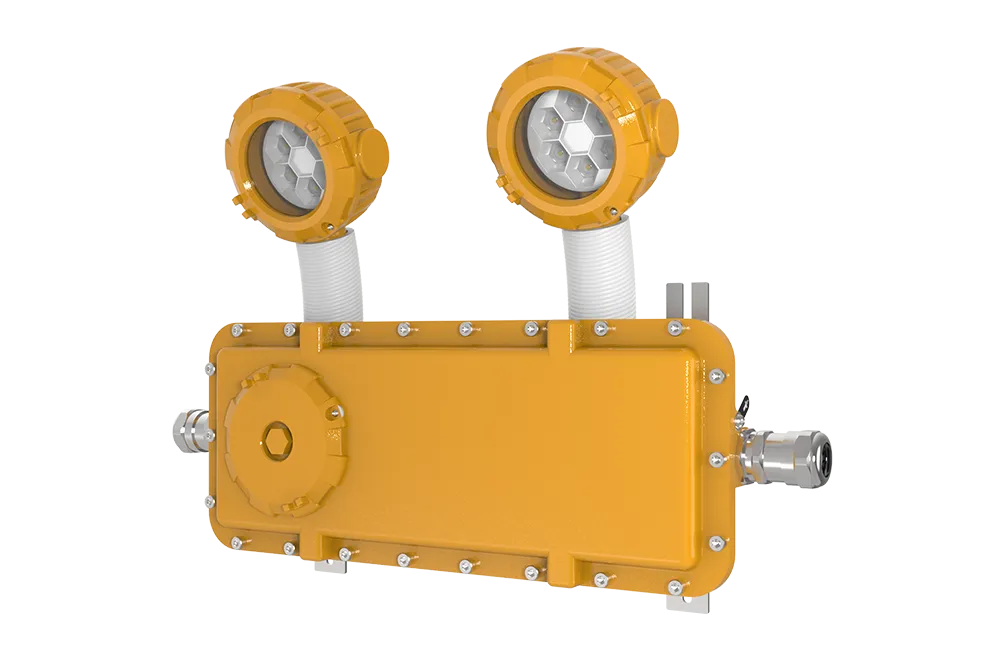
ATEX: Ex II 2G Ex db IIB T6 GbEx II 2D Ex tb IIIC T80°C Db IECEx Ex db IIB T6 Gb;Ex tb IIIC T80°C Db Feature: ● For Zone 1,2 and Zone 21,22● Flameproof type, the strongest Application: Oil and gas, marine, Chemical, pharmaceutical, semiconductor,mining,military industry, paint booth,power plant ETC hazardous area. Technical Specifications:…
View details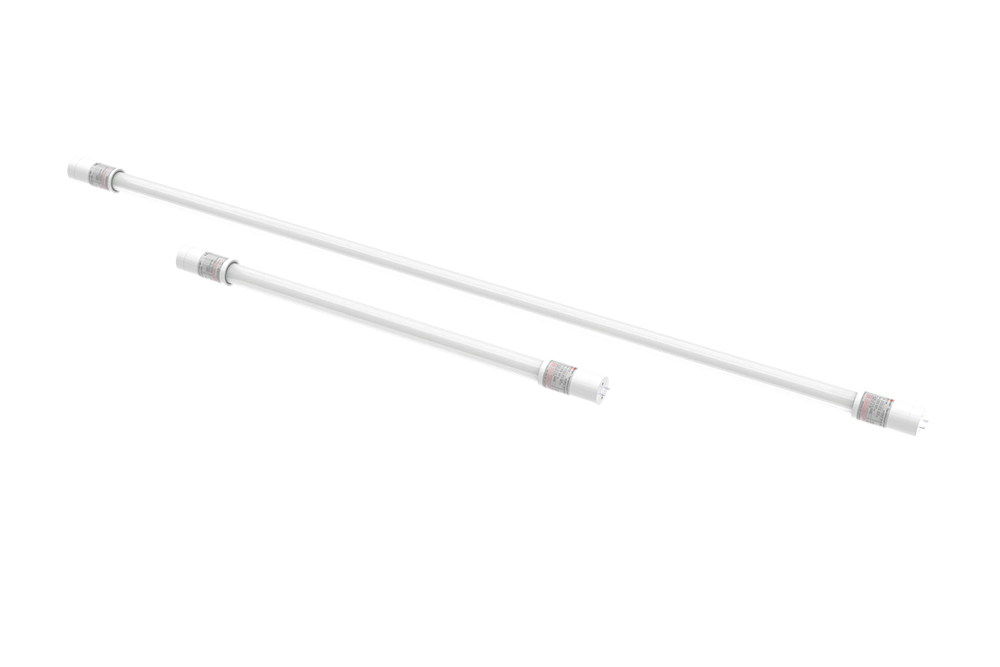
ATEX: Ex II 2G Ex d e IIB T6 Gb ATEX: Ex d e IIB T6 Gb; Feature: ● For Zone 1,2● 9W can replace 18W fluorescent lamps,50% Energy saving Application: Oil and gas, marine, Chemical, pharmaceutical, semiconductor,mining,military industry, paint booth,power plant ETC hazardous area. Technical Specifications: Standards:60079-0, 60079-1, 60079…
View details
Learn how to wire high bay led lights safely with professional steps, wiring methods, installation tips, and industrial LED lighting guidance.
View details
High Bay LED Lights 200W deliver stable output, energy savings, and long lifespan. Discover how to choose reliable industrial lighting that performs in real environments.
View details
Today, March 9th, our Explosion proof light products are once again the center of attention, drawing huge crowds of buyers who keep stopping by to inspect, take photos, and discuss!Especially the LO Series and BAY51 Series explosion proof linear l...
View details
A how many led high bay lights do I need calculator helps estimate fixture quantity based on area, height, and lux level. Learn how engineers calculate it.
View details