 Seeking LED
How Many Watts Is a LED Street Light?
391How many watts is a LED street light for roads, parking areas, and public spaces? This guide explains common wattage ranges, use cases, and real-world choices from SEEKINGLED projects.
View detailsSearch the whole station
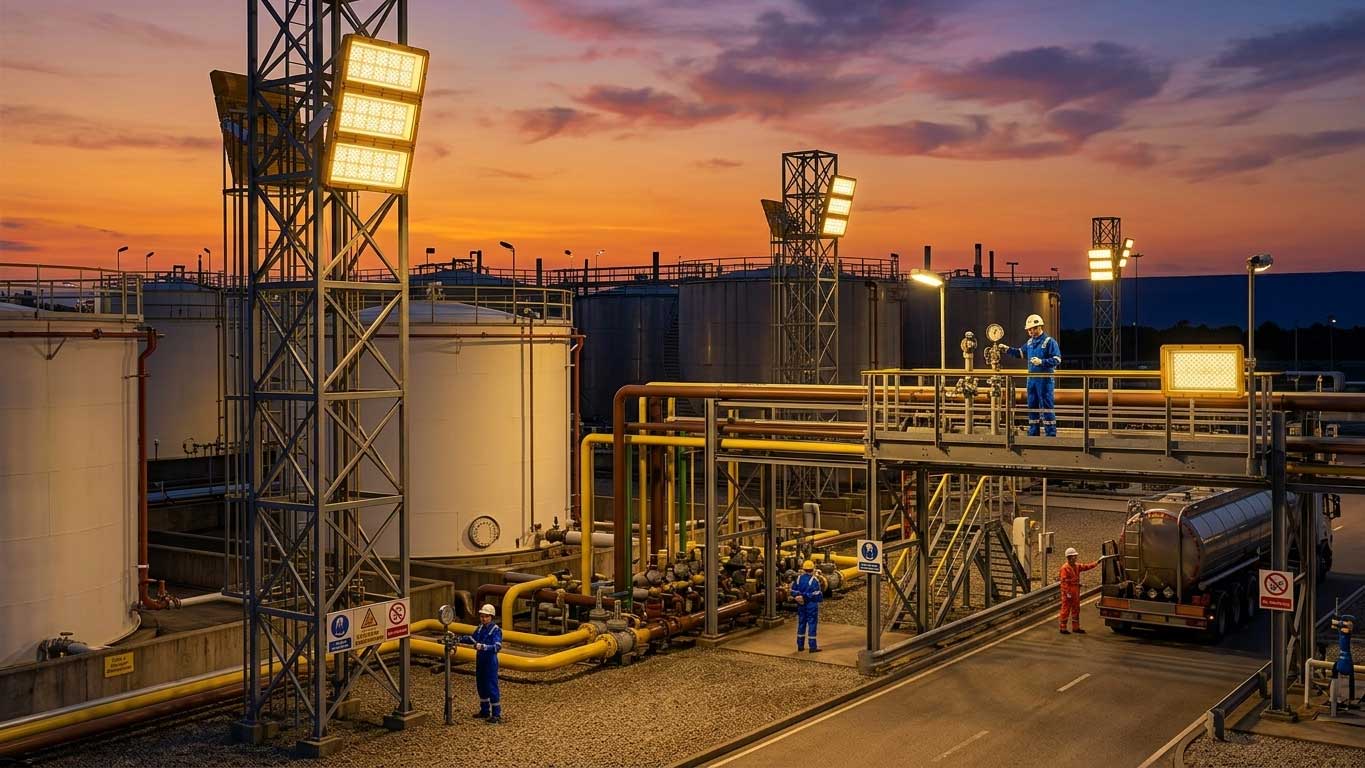
Zone 2 hazardous area lighting is designed for locations where explosive gas atmospheres are unlikely during normal operation and, if they occur, exist only for short periods. Certified LED fixtures provide safe illumination while reducing ignition risks in hazardous industrial environments.
A maintenance engineer at a European fuel terminal once described Zone 2 areas in a way that specification books never do.
He pointed toward a pipe corridor beside several storage tanks.
“Nothing usually happens here. But if something does happen, the lighting still has to survive it.”
That sentence explains Zone 2 better than most standards.
The danger is lower.
The consequences are not.
Zone 2 hazardous area lighting refers to luminaires certified for locations where explosive gas atmospheres are not expected during normal operation.
According to IEC and ATEX definitions, explosive gas mixtures:
These areas still require certified equipment.
Ordinary industrial lighting is usually unacceptable.
Zone 2 LED lighting commonly appears in:
The fixtures must continue operating safely even if a temporary gas release occurs.
Hazardous areas are classified according to the likelihood of explosive atmospheres.
| Zone | Frequency of Hazard |
|---|---|
| Zone 0 | Continuous presence |
| Zone 1 | Likely during operation |
| Zone 2 | Unlikely and temporary |
Zone 2 represents the lowest gas hazard classification.
That does not mean “safe.”
It means the probability is lower.
A temporary leak.
A vent release.
A maintenance event.
Those moments determine why certified lighting remains necessary.
Common examples include:
The atmosphere determines the classification.
Not the building itself.
Many buyers ask:
“If the risk is low, why can’t we use standard industrial LEDs?”
The answer is straightforward.
Ordinary luminaires may produce:
A temporary gas cloud combined with an ignition source may create an explosion.
Zone 2 hazardous area lighting is specifically designed to reduce those risks.
This includes:
Most Zone 2 projects rely on:
ATEX governs equipment used within the European Union.
IECEx provides internationally recognized certification.
According to the IECEx system, equipment undergoes testing to verify compliance with explosive atmosphere standards.
Source:
ATEX requirements are established by:
Directive 2014/34/EU.
Source:
https://single-market-economy.ec.europa.eu
These certifications verify:
Typical markings include:
Ex ec IIC T4 Gc
Each element has meaning.
| Marking | Meaning |
|---|---|
| Ex | Explosion protected |
| ec | Increased safety |
| IIC | Gas group |
| T4 | Temperature class |
| Gc | Equipment protection level |
Even experienced engineers often begin with the marking label before reviewing photometric data.
Because certification determines whether installation is permitted.
Surface temperature matters.
A luminaire that becomes excessively hot may ignite certain gases.
This is why temperature classes exist.
| Class | Maximum Surface Temperature |
|---|---|
| T1 | 450°C |
| T2 | 300°C |
| T3 | 200°C |
| T4 | 135°C |
| T5 | 100°C |
| T6 | 85°C |
Most Zone 2 projects require:
Several years ago, I reviewed a specification for a chemical terminal.
The fixture certification was correct.
The temperature class was not.
The project stalled.
That small marking became the most important line on the datasheet.
Metal halide fixtures once dominated hazardous facilities.
Maintenance teams replaced lamps regularly.
Heat generation remained high.
Energy consumption was significant.
LED technology changed the economics.
Benefits include:
According to the International Energy Agency, LED remains the world’s most efficient mainstream lighting technology.
Source:
But efficiency is only part of the story.
Maintenance reduction often produces greater savings.
Most modern Zone 2 LED fixtures provide:
Actual lifespan depends on:
One offshore engineer once told me:
“The LEDs rarely fail first.”
Corrosion.
Drivers.
Cable glands.
Environmental exposure.
Those factors often determine replacement schedules.
Zone 2 environments frequently expose lighting to:
This explains why many projects require:
A refinery located twenty kilometers inland experiences different conditions than an offshore gas platform.
The environment always wins.
The fixture simply determines how long it resists.
Interestingly, lumen output rarely appears at the top of the list.
Experienced engineers prioritize:
Brightness comes later.
Reliability comes first.
One maintenance supervisor summarized it perfectly:
“Nobody remembers the brightest fixture. Everybody remembers the one that failed during shutdown.”
Several mistakes appear repeatedly.
Lower cost often means reduced service life.
T-class matters.
Zone classification must match the area.
Marine environments quickly expose weaknesses.
Long-term reliability frequently delivers greater value.
At SEEKINGLED, Zone 2 lighting projects begin with the site rather than the product.
Engineering teams evaluate:
Many successful installations share one characteristic.
The fixtures receive little attention after installation.
They continue operating.
Inspections pass.
Maintenance visits remain infrequent.
That quiet reliability often defines successful Zone 2 hazardous area lighting.
Many buyers assume every Zone 2 luminaire uses identical protection technology.
The reality is far more complicated.
Two fixtures can look almost identical while relying on completely different protection concepts.
The protection method determines where the luminaire may be installed.
| Protection Type | Description | Typical Zone |
|---|---|---|
| Ex ec | Increased safety | Zone 2 |
| Ex nR | Restricted breathing | Zone 2 |
| Ex db | Flameproof enclosure | Zone 1 & Zone 2 |
| Ex eb | Increased safety enclosure | Zone 1 & Zone 2 |
| Ex tb | Dust protection | Dust hazardous areas |
Many modern Zone 2 LED luminaires combine multiple protection methods.
This allows engineers greater flexibility during project design.
Ex ec has become increasingly common in Zone 2 installations.
The concept focuses on:
The approach is preventive.
Rather than containing an explosion, the design minimizes the possibility of ignition occurring.
Many operators still select Ex db fixtures for Zone 2 locations.
Why?
Because facilities evolve.
A Zone 2 area today may become Zone 1 after future process changes.
Several refinery engineers have told me:
“We buy for the next twenty years, not the next inspection.”
That philosophy explains why some facilities intentionally exceed minimum requirements.
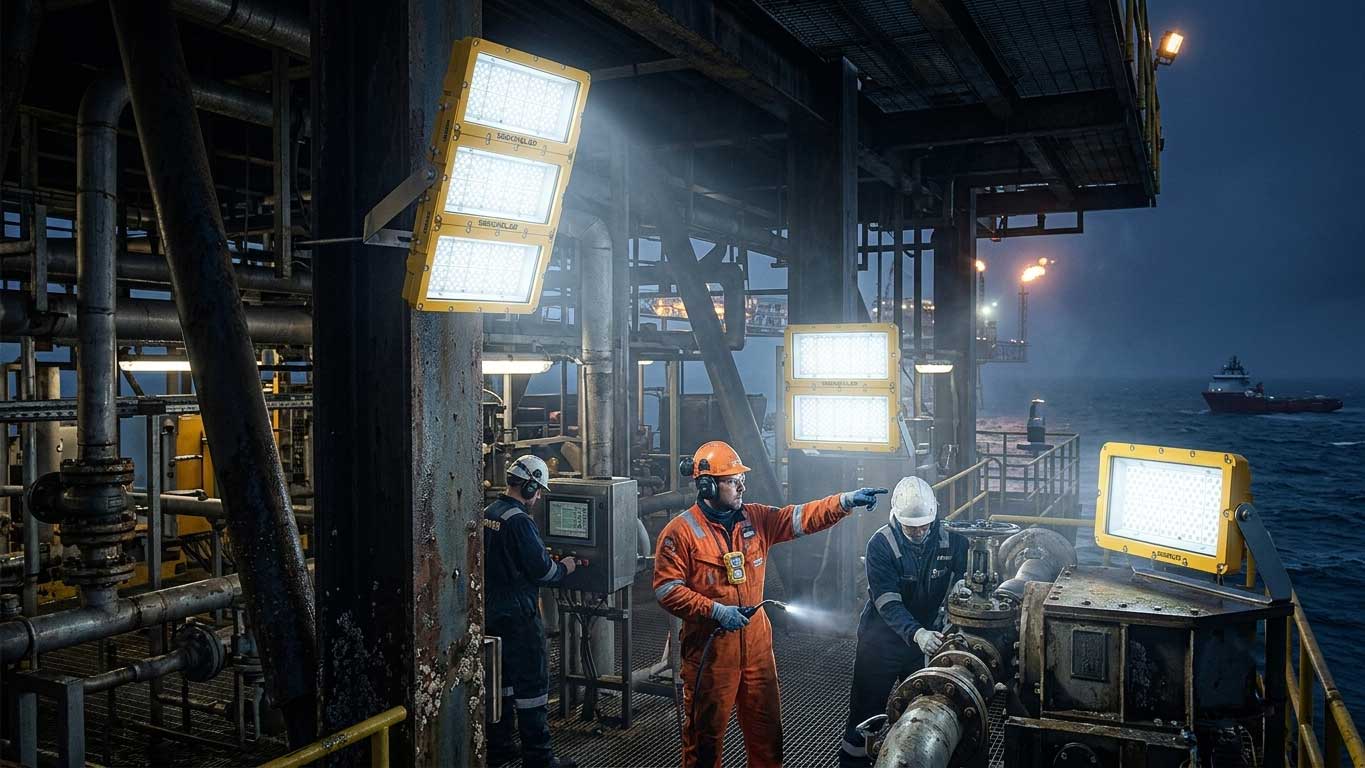
Offshore facilities contain numerous Zone 2 areas.
Typical examples include:
Marine environments introduce additional challenges:
Several years ago, while inspecting a coastal LNG facility, I noticed that the lighting itself still performed well.
The brackets did not.
The bolts showed corrosion long before the LEDs showed degradation.
This is why material selection becomes critical.
Zone classification addresses explosion risk.
IP ratings address environmental protection.
Most industrial projects require:
These ratings provide protection against:
| IP Rating | Protection Level |
|---|---|
| IP65 | Water jets |
| IP66 | Powerful water jets |
| IP67 | Temporary immersion |
| IP68 | Continuous immersion |
A refinery washdown operation can be just as destructive as weather exposure.
Water ingress frequently shortens fixture life.
Proper sealing matters.
The initial luminaire price rarely tells the whole story.
Maintenance inside hazardous facilities can require:
One offshore maintenance engineer explained it clearly.
“The helicopter flight costs more than the fixture.”
This is why many operators prioritize:
The cheapest luminaire frequently becomes the most expensive over time.
Modern Zone 2 hazardous area lighting typically offers:
| Operating Conditions | Expected Service Life |
|---|---|
| Indoor industrial | 12–20 years |
| Refineries | 10–15 years |
| Chemical plants | 8–15 years |
| Offshore facilities | 7–12 years |
| Coastal terminals | 8–12 years |
Actual operating life depends on:
According to the U.S. Department of Energy, high-quality LED systems can significantly outperform traditional lighting technologies in operating life.
Source:
https://www.energy.gov/eere/ssl/led-basics
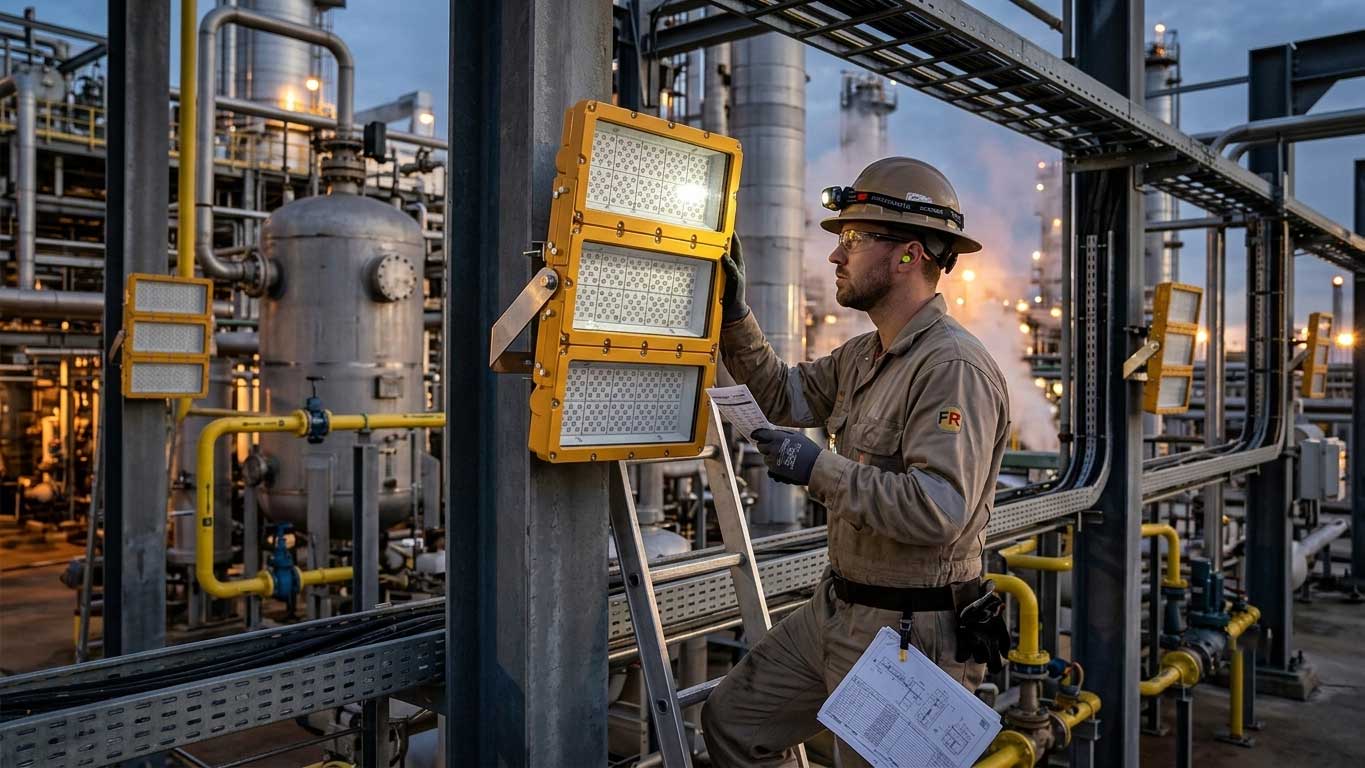
Routine inspection remains important.
Recommended checks include:
Many failures begin externally.
Dust.
Moisture.
Loose glands.
Corroded hardware.
One maintenance supervisor once told me:
“The fixture usually warns you before it fails.”
Ignoring those warnings creates larger problems later.
| Feature | Zone 1 | Zone 2 |
|---|---|---|
| Explosion likelihood | Likely | Unlikely |
| Protection level | Higher | Moderate |
| Certification | More stringent | Less stringent |
| Typical cost | Higher | Lower |
| Installation areas | Process zones | Perimeter zones |
Zone 2 equipment generally costs less than Zone 1 equipment.
However, some operators intentionally standardize on Zone 1 fixtures to simplify maintenance and spare inventory.
Zone 2 hazardous area lighting is certified lighting designed for areas where explosive gas atmospheres are unlikely during normal operation and only occur temporarily.
No. Ordinary industrial luminaires generally lack the required certifications and protection systems.
In European installations, ATEX certification is typically required.
Premium LED fixtures commonly achieve 50,000 to 100,000 operating hours.
Some are.
Others use increased safety or non-sparking protection methods.
The protection method depends on the certification.
Common industries include:
At SEEKINGLED, Zone 2 projects often involve more than simply selecting a fixture.
Engineering teams evaluate:
Many successful installations share the same characteristic.
The fixtures quietly continue operating.
Inspections pass.
Maintenance visits remain minimal.
Reliability becomes invisible.
That often indicates the lighting system is performing exactly as intended.
Zone 2 hazardous area lighting exists because low-risk does not mean no risk.
Temporary gas releases.
Unexpected leaks.
Ventilation failures.
These situations may occur infrequently, but the consequences can be serious.
Properly selected zone 2 hazardous area lighting provides:
For refineries, chemical plants, offshore facilities, and fuel terminals, investing in the correct zone 2 hazardous area lighting solution often delivers value long after installation.
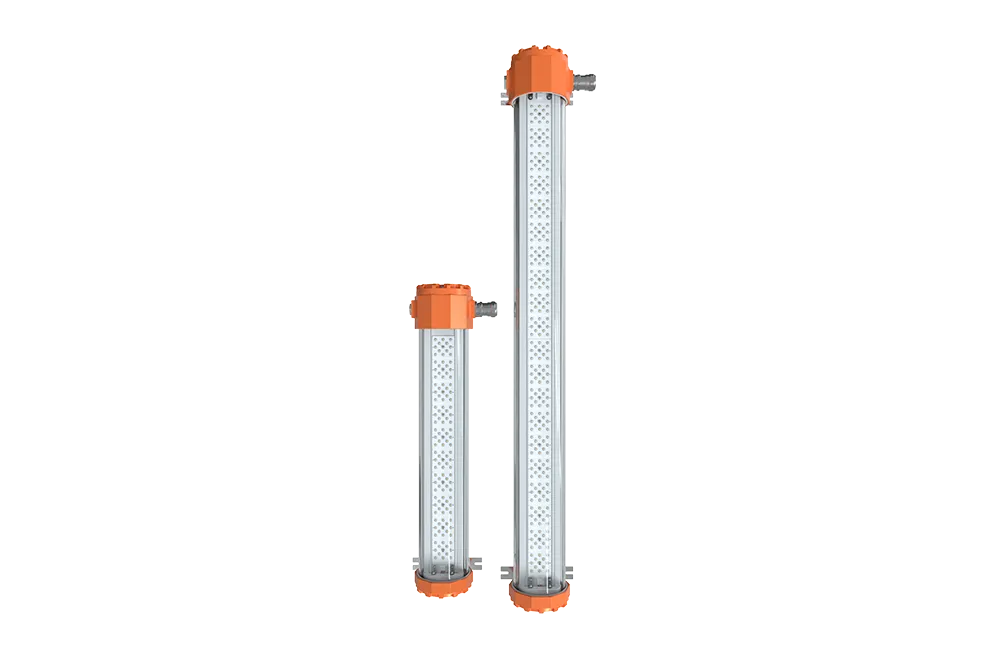
SEEKINGLED LED Linear Explosion Proof Light and Explosion Proof lighting is ATEX and IECEx certified for Zone 1, Zone 2, Zone 21 and Zone 22 hazardous locations, built for long-term industrial use.
View details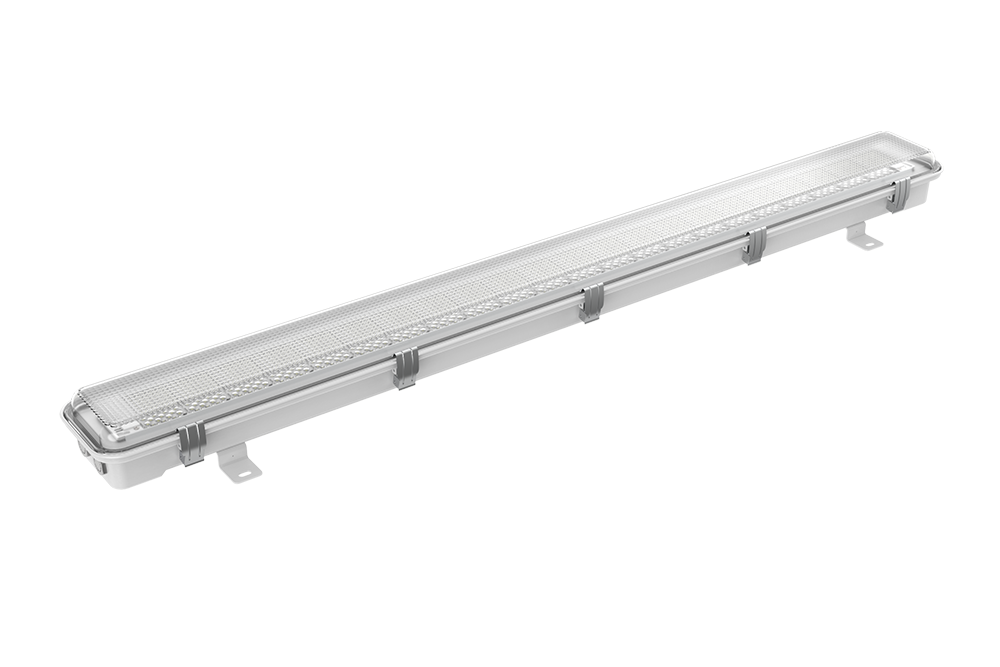
LED Linear Explosion Proof Lights and EX Proof lights for Zone 1, Zone 2, Zone 21 and Zone 22 hazardous areas. ATEX & IECEx certified explosion proof LED linear lighting with emergency function, adjustable power and IP67 protection by SEEKINGLED.
View details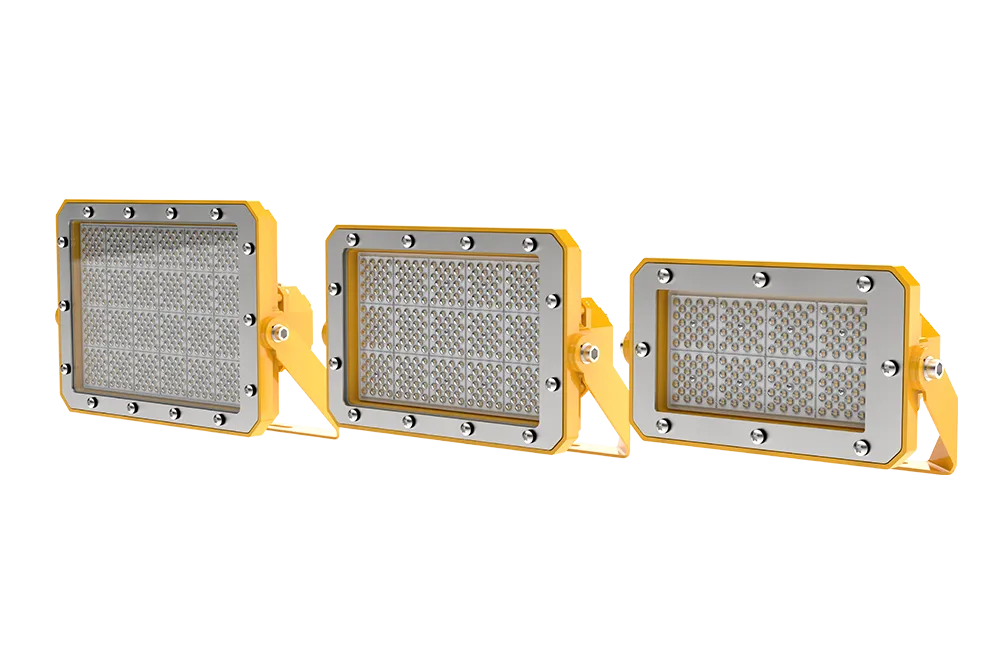
SEEKINGLED LED Explosion Proof Flood Lights are ATEX certified for Zone 2 and Zone 22 hazardous areas, offering high efficiency, adjustable power and integrated junction box.
View details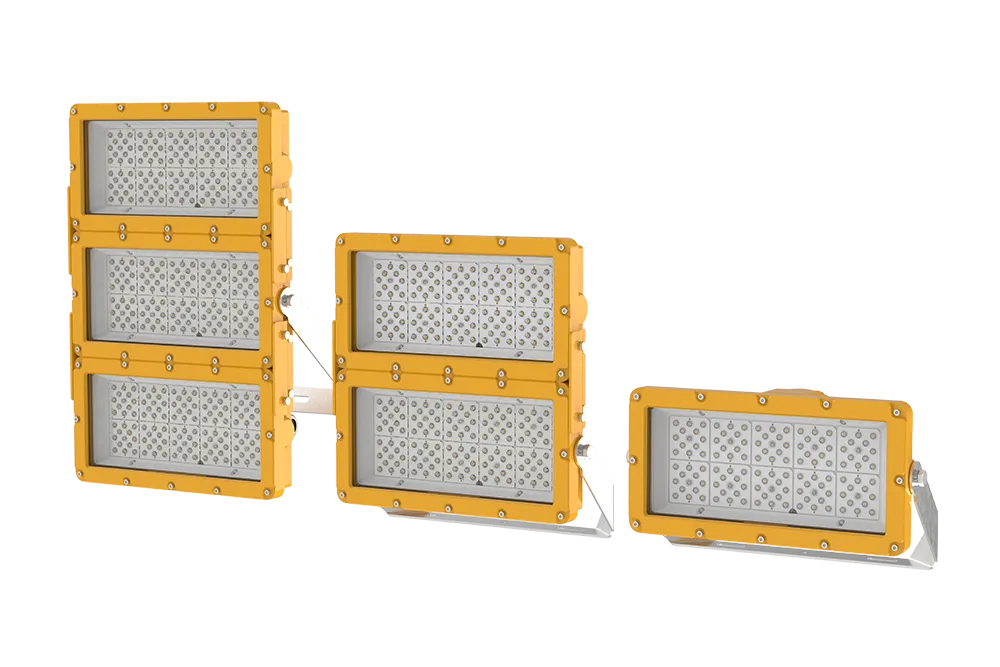
SEEKINGLED LED Explosion Proof Flood Lights are flameproof ATEX and IECEx certified for Zone 1 and Zone 2 hazardous areas, offering high power, adjustable output and long service life.
View details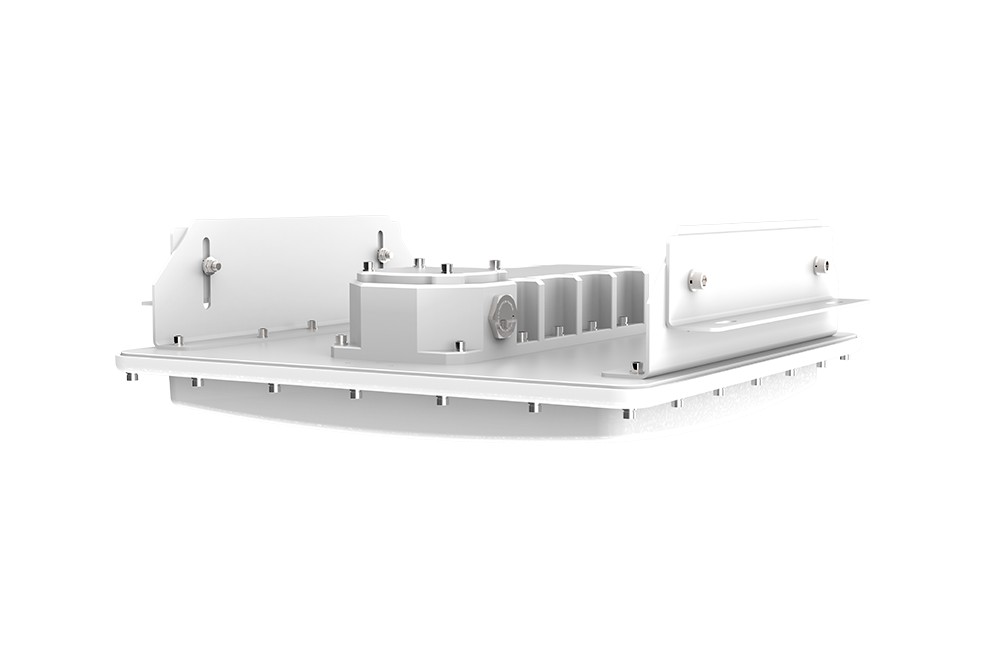
SEEKINGLED LED Gas Station Canopy Lights are ATEX certified for Zone 2 and Zone 22 hazardous areas, featuring adjustable power and built-in explosion-proof junction box.
View details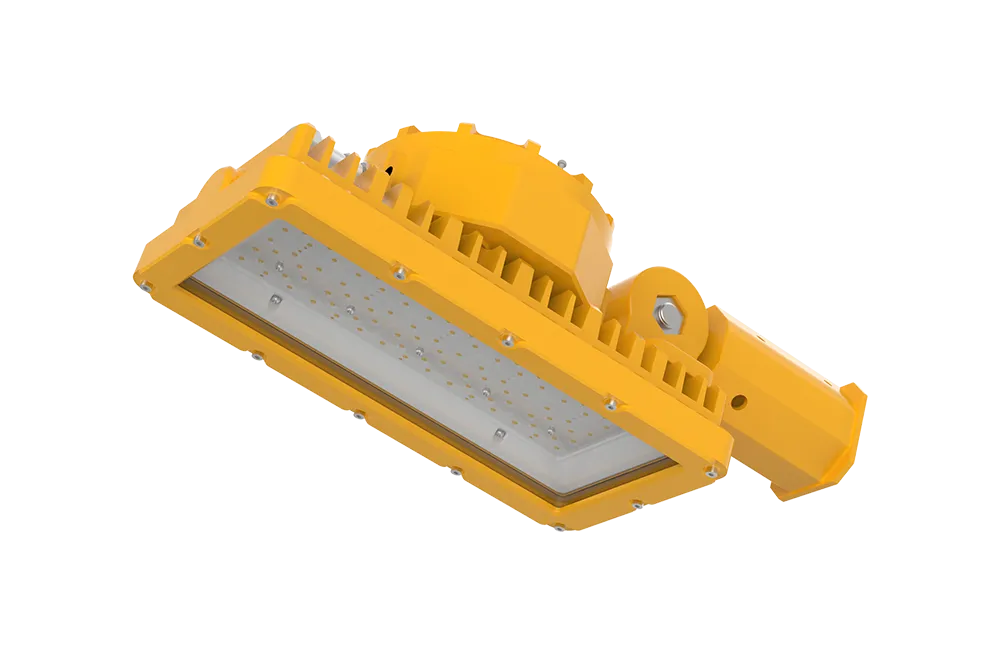
ATEX: Ex II 2G Ex db IIB T6/T5 GbEx II 2D Ex tb IIIC T80°C/ T95°C Db IECEx Ex db IIB T6 Gb;Ex tb IIIC T80°C Db Feature: ● For Zone 1,2 and Zone 21,22● Flameproof type, the strongest● 100W can replace 250W HID,energy saving● Power:60W,80W,100W Application: Oil and gas, marine, Chemical, pharmaceutical, semiconductor,mining,military industr…
View details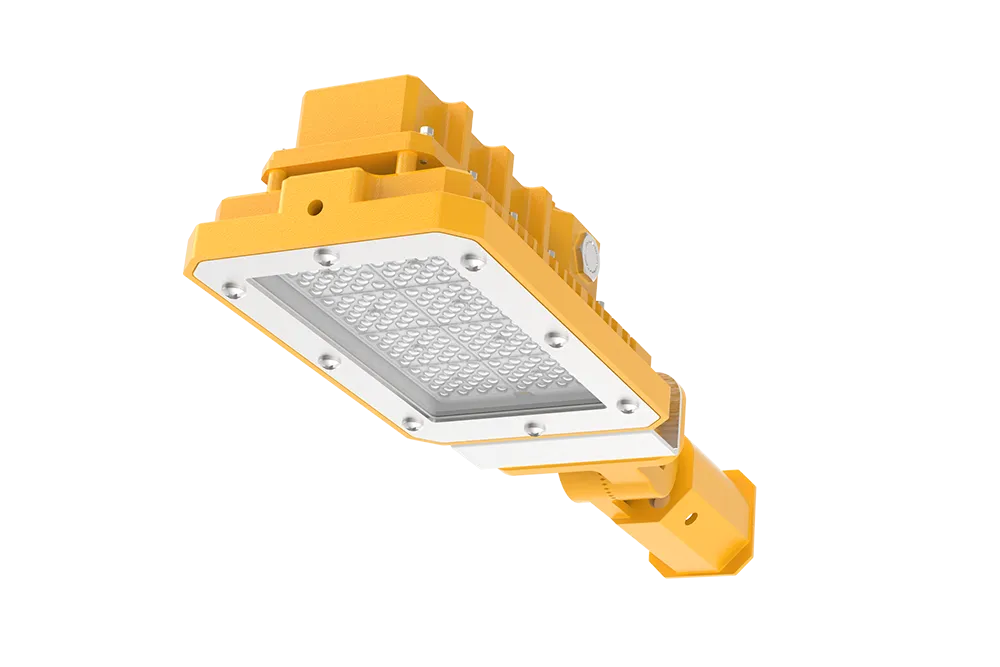
ATEX: II 3G Ex nR ⅡC T5/T6 GcII 3D Ex tc ⅢC T80℃/T95℃Dc ATEX Certificate NO: TÜV CY 26 ATEX 0207611 X Feature: ● For Zone 2 and Zone 22● 150W can replace 250W HID lamps,Energy saving● Power:50W,75W,100W,150W,200W Application: Oil and gas, marine, Chemical, pharmaceutical, semiconductor,mining,military industry, paint booth,power plant ETC…
View details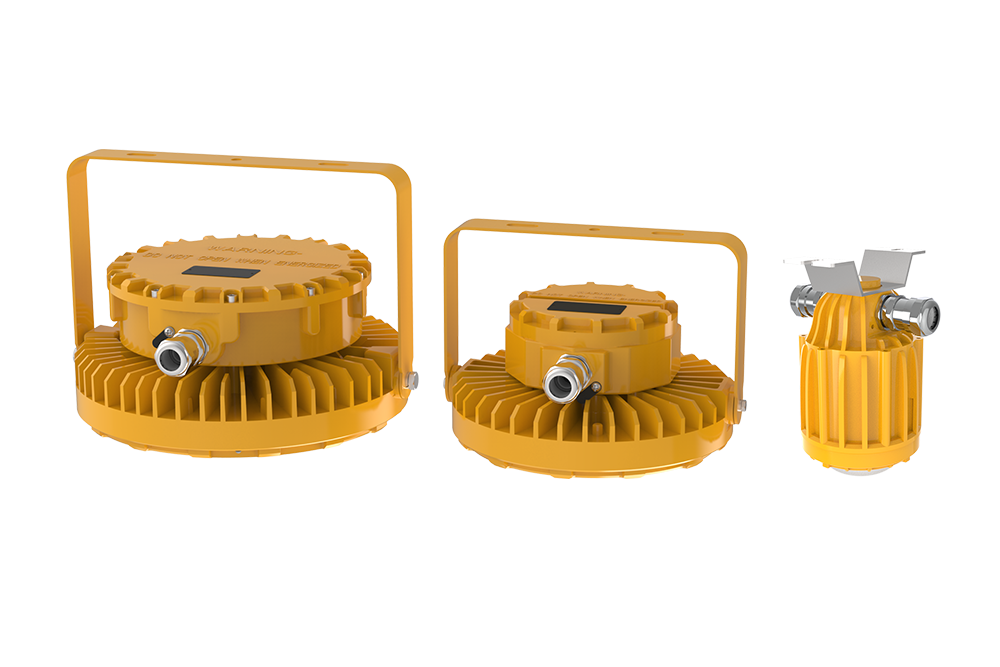
LED explosion proof high bay lights are designed for Zone 1, Zone 2, Zone 21 and Zone 22 hazardous areas. This page introduces the HB21 Series from SEEKING, including certifications, power options and real application considerations.
View details
LED Linear Explosion Proof Lights from SEEKINGLED. LU Series Flame Proof lights ATEX-certified explosion proof LED linear lighting for Zone 2 gas and Zone 22 dust areas, IP69K, IK10, long lifetime and flexible power options.
View details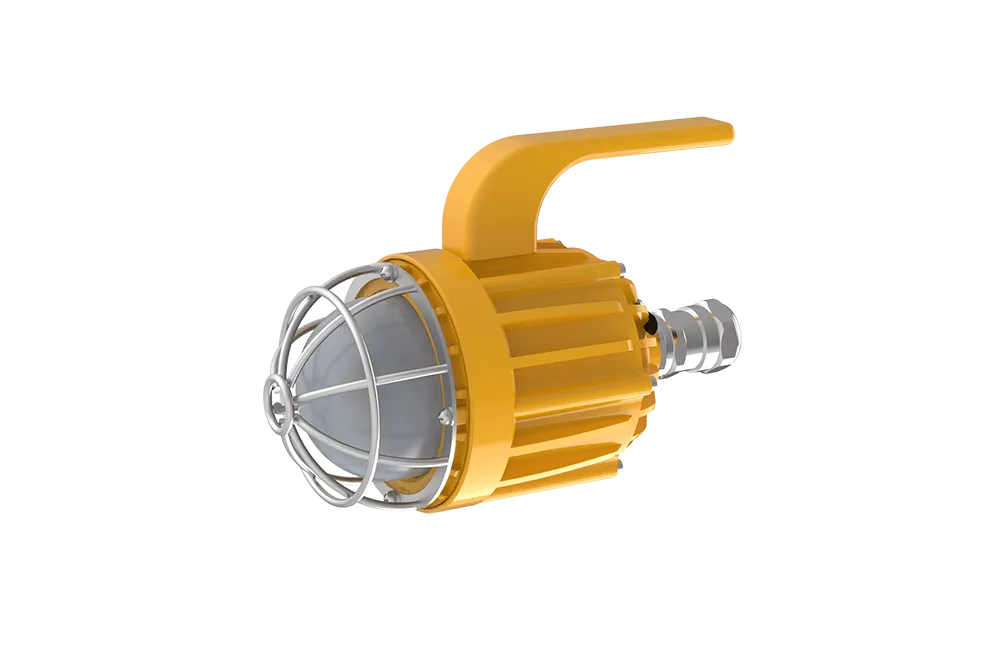
Certified explosion proof work lights for Zone 1 & 21 hazardous areas. Portable, ATEX & IECEx approved, built for oil, gas and chemical plants by SEEKINGLED.
View details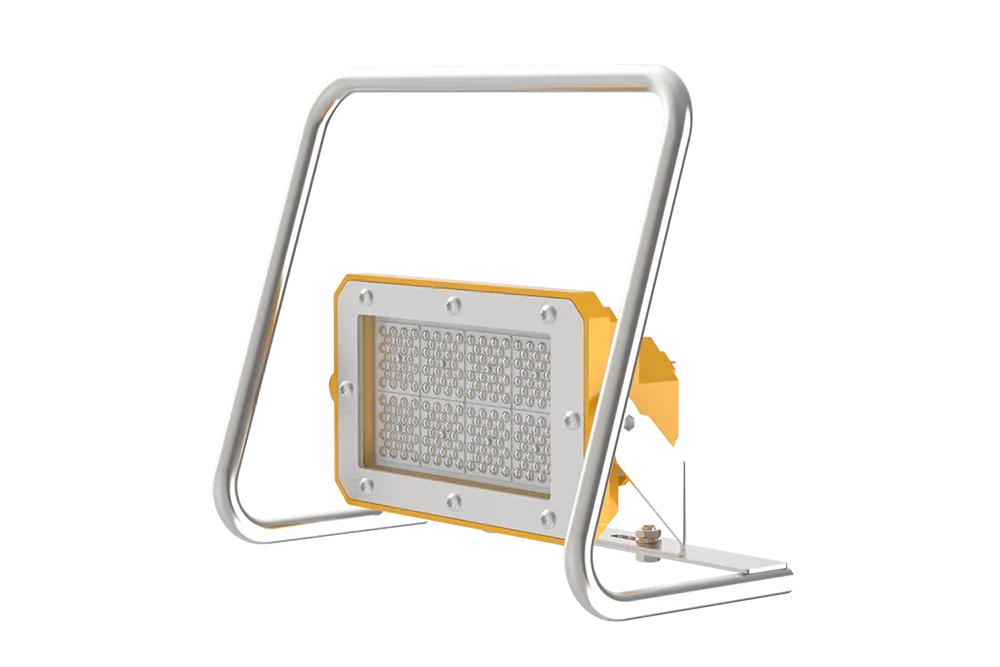
ATEX: II 3G Ex nR ⅡC T6 GcII 3D Ex tc ⅢC T80℃ Dc ATEX Certificate NO: TÜV CY 26 ATEX 0207611 X Feature: ● For Zone 2 and Zone 22● Accepts battery-powered supply● indestructible● Power:AC input:50W,75W,100WDC input:15W,25W,35W Application: Oil and gas, marine, Chemical, pharmaceutical, semiconductor,mining,military industry, paint booth,po…
View details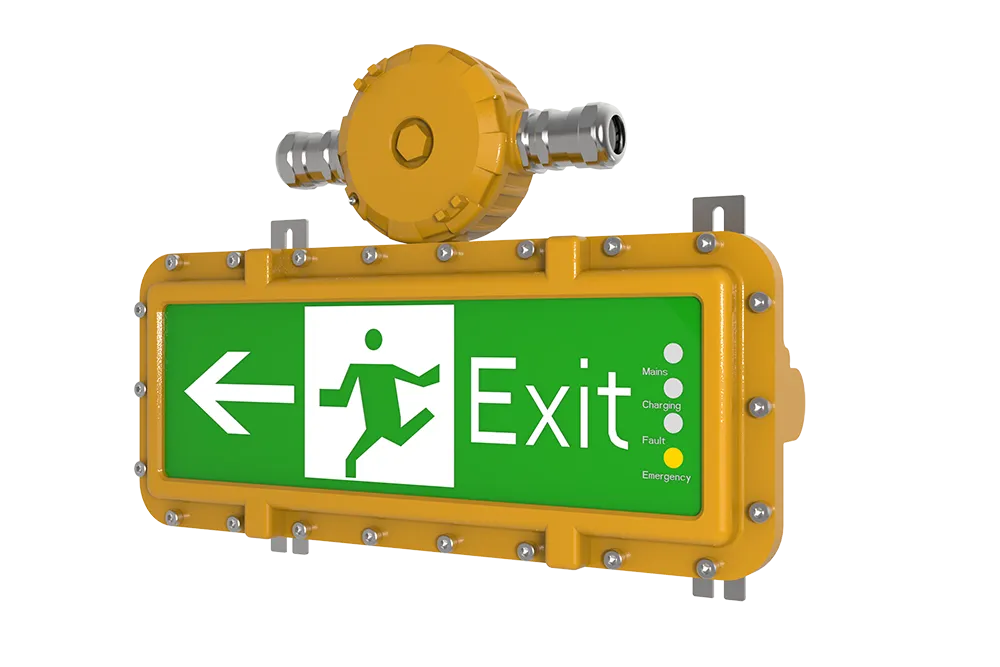
ATEX: Ex II 2G Ex db IIB T6 GbEx II 2D Ex tb IIIC T80°C Db IECEx Ex db IIB T6 Gb;Ex tb IIIC T80°C Db Feature: ● For Zone 1,2 and Zone 21,22● Flameproof type, the strongest Application: Oil and gas, marine, Chemical, pharmaceutical, semiconductor,mining,military industry, paint booth,power plant ETC hazardous area. Technical Specifications:…
View details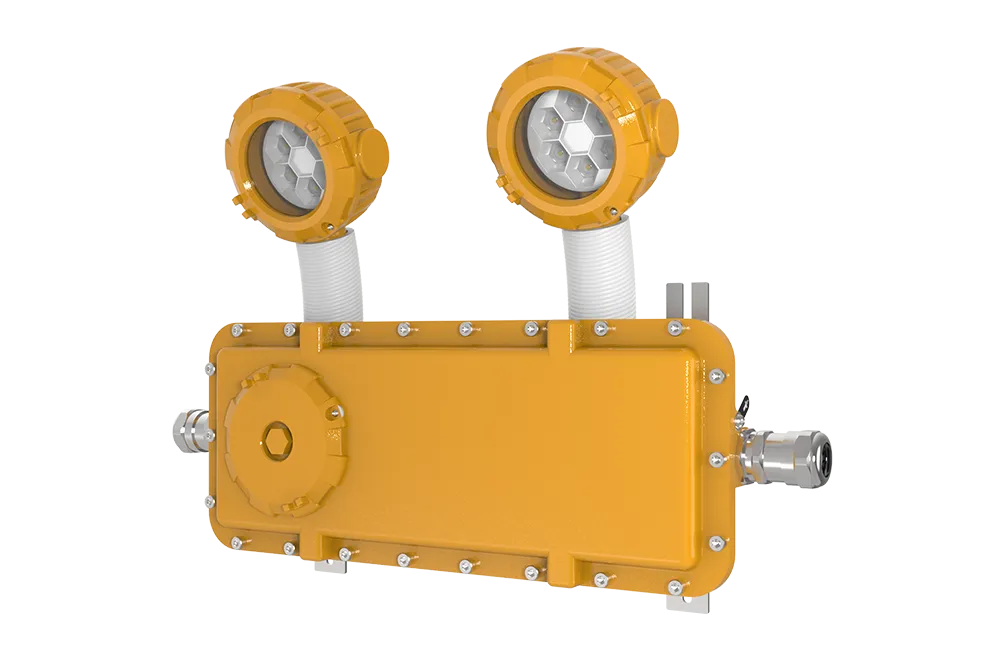
ATEX: Ex II 2G Ex db IIB T6 GbEx II 2D Ex tb IIIC T80°C Db IECEx Ex db IIB T6 Gb;Ex tb IIIC T80°C Db Feature: ● For Zone 1,2 and Zone 21,22● Flameproof type, the strongest Application: Oil and gas, marine, Chemical, pharmaceutical, semiconductor,mining,military industry, paint booth,power plant ETC hazardous area. Technical Specifications:…
View details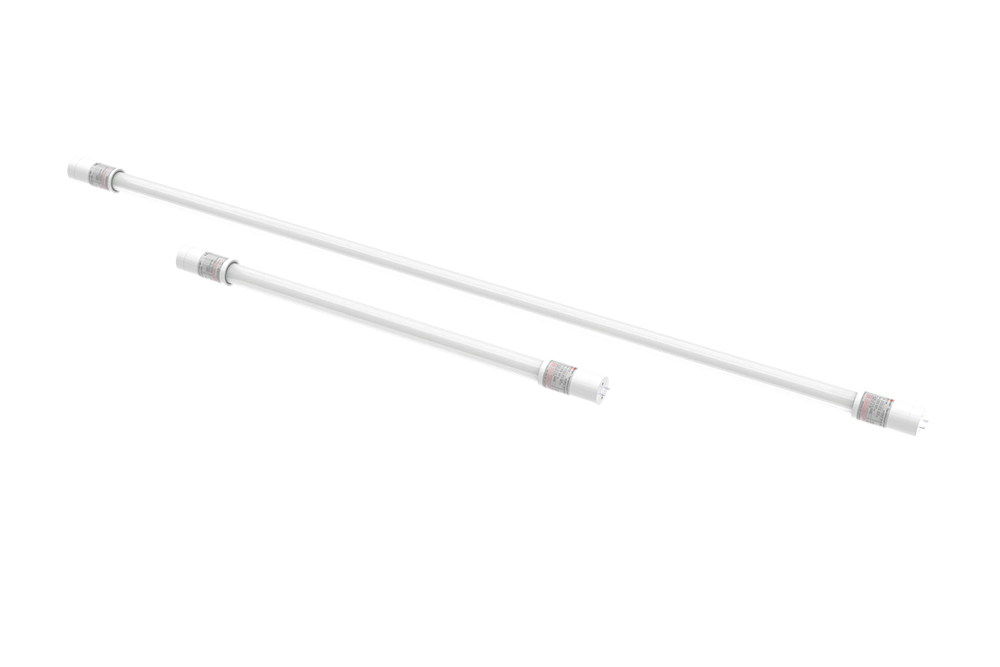
ATEX: Ex II 2G Ex d e IIB T6 Gb ATEX: Ex d e IIB T6 Gb; Feature: ● For Zone 1,2● 9W can replace 18W fluorescent lamps,50% Energy saving Application: Oil and gas, marine, Chemical, pharmaceutical, semiconductor,mining,military industry, paint booth,power plant ETC hazardous area. Technical Specifications: Standards:60079-0, 60079-1, 60079…
View details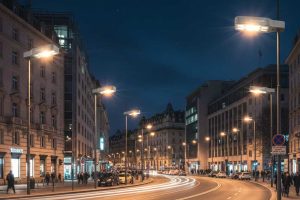
How many watts is a LED street light for roads, parking areas, and public spaces? This guide explains common wattage ranges, use cases, and real-world choices from SEEKINGLED projects.
View details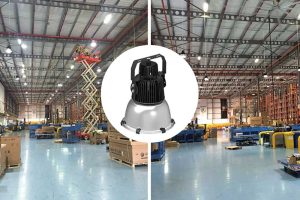
XJ-HBS150W high bay in Israel auto part warehouse replacing 600W traditional lamps. Narrow 45° beam for racking aisles, 90° beam for open areas. Project record by SEEKINGLED engineering team.
View details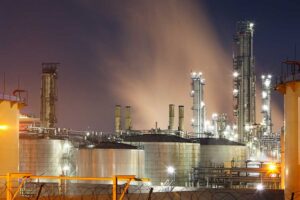
Learn how to match T-Code with hazardous gases in NEC Class/Division systems. Understand temperature classes, AIT limits, and choose safer explosion proof lighting.
View details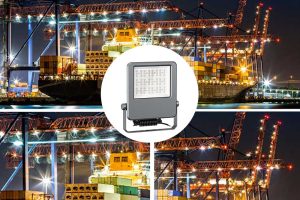
Nighttime Illumination at an Australian Container Terminal using XJ-FLE200W LED lights. This project record documents fixture choice, on-site conditions, and operational considerations.
View details