 Seeking LED
What Is the Brightest Outdoor LED Flood Light Bulb?
238What is the brightest outdoor LED flood light bulb? Learn what really defines brightness outdoors beyond lumen ratings.
View detailsSearch the whole station
An explosion-proof LED work light is a compact, high-intensity lighting fixture designed for temporary or task-focused illumination in hazardous environments where flammable gas, vapor, or combustible dust may exist.
Unlike standard portable work lights, this type of light is engineered so that any internal spark, heat, or electrical fault cannot ignite the surrounding atmosphere. The enclosure, seals, wiring, and temperature control all follow certified explosion-protection rules.
At SEEKINGLED, explosion-proof LED work lights are often used as supplemental lighting where fixed fixtures alone are not enough.
In practice, this type of equipment is also categorized under explosion proof portable lighting, transportable explosion proof lighting, or temporary explosion proof lighting, depending on how and where it is deployed on-site.
According to the IEC 60079 standard framework, explosion-proof lighting equipment must remain non-ignition capable even under fault conditions—a requirement that fundamentally separates it from general-purpose LED lighting.
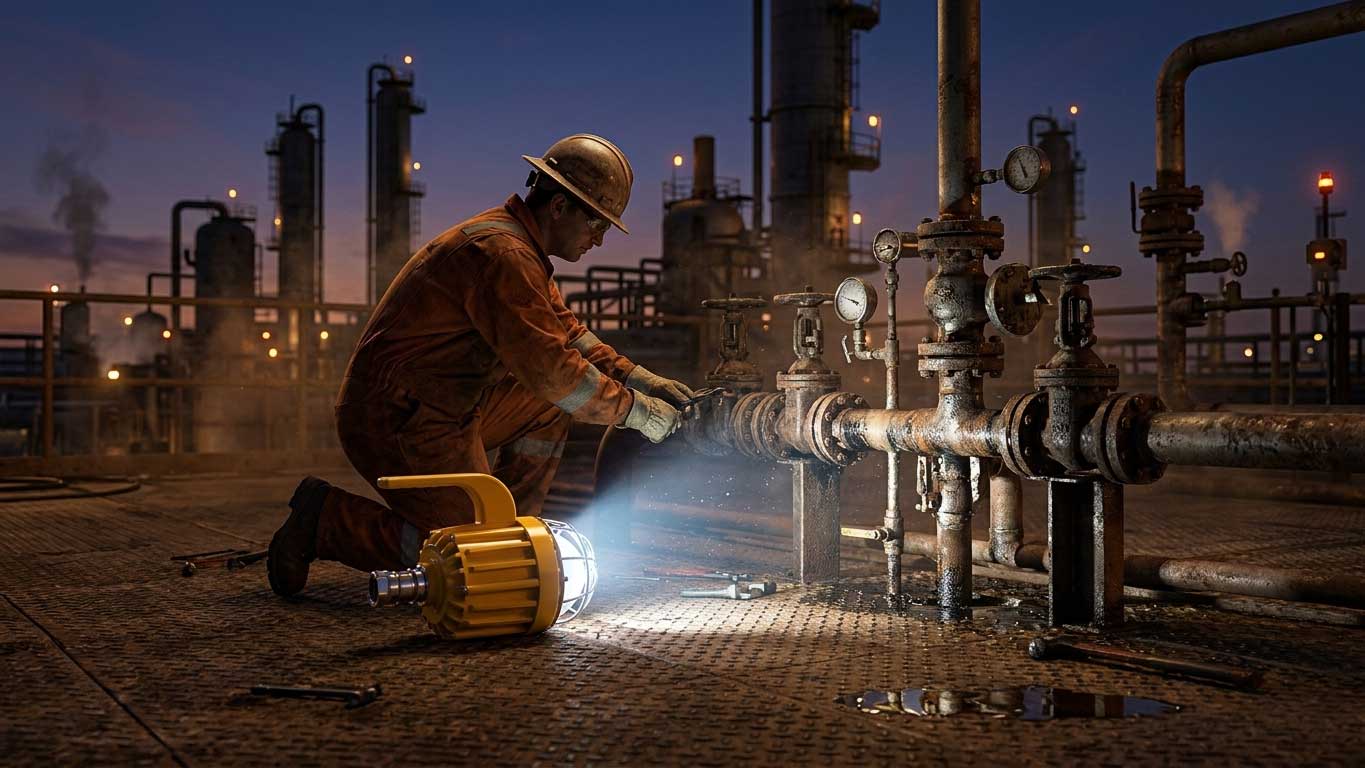
The difference is not brightness—it is containment and control.
A normal LED work light assumes a clean, non-hazardous environment. An explosion-proof LED work light is designed to:
Because of this, explosion-proof models are heavier, more robust, and strictly certified.
This distinction explains how does explosion proof lighting work in real engineering terms:
In contrast, standard explosion proof led lamp alternatives (non-certified) may look similar but lack certified containment structures.
These lights are commonly used in locations where temporary visibility is needed inside hazardous zones, such as:
In many cases, they are brought in during shutdowns, upgrades, or emergency tasks.
On active sites, these are often classified as explosion proof temporary lighting systems, especially during:
In these scenarios, portable explosion proof lighting becomes the only compliant lighting solution.
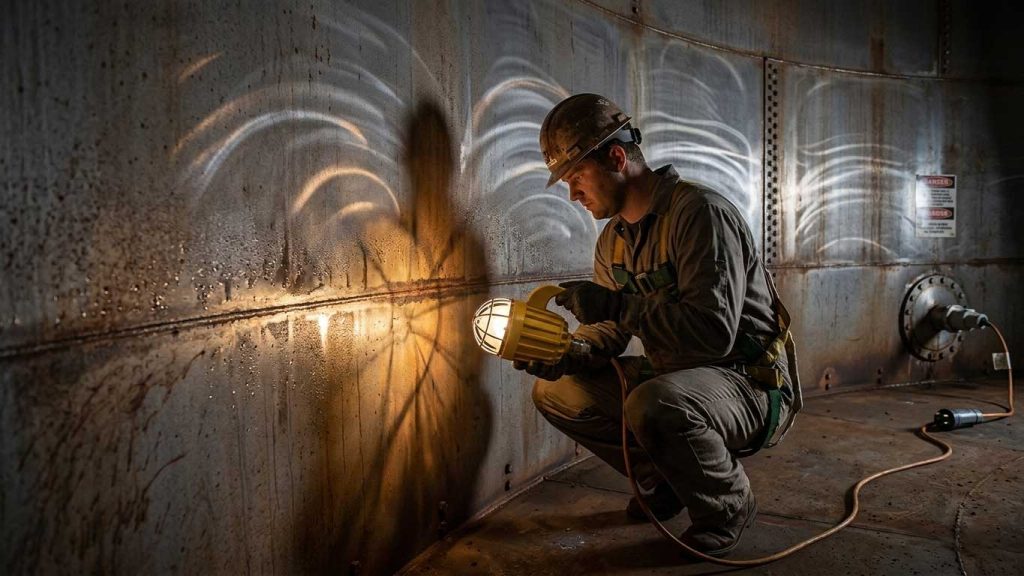
Yes, many explosion-proof LED work lights are designed to be portable or semi-portable, but “portable” does not mean uncertified.
A portable explosion-proof LED work light still requires:
SEEKINGLED focuses on designs that balance durability with manageable weight for real job-site use.
From field experience, poor portability design leads to real issues:
This is why explosion proof drop light formats and hook-mounted designs are increasingly used in tight spaces.
LEDs are especially suitable for hazardous task lighting because they:
Lower heat output also helps maintain safer surface temperatures, which is critical for explosion-proof certification.
Compared with HID systems, explosion proof led lights reduce maintenance frequency significantly.
According to the U.S. Department of Energy (energy.gov), LED lighting can reduce maintenance cycles by up to 70% in industrial environments—critical where access requires safety permits.
Depending on the region and application, certifications may include:
Certification markings define:
SEEKINGLED designs its explosion-proof LED work lights to align with these systems so they can be deployed internationally.
A missing or unclear marking is not a minor issue—it is a compliance failure.
NFPA 70 (NEC) clearly states that electrical equipment in hazardous locations must be approved for the specific classified area.
Not entirely. A work light is meant to support or supplement fixed lighting.
Fixed explosion-proof luminaires handle general illumination, while LED work lights provide:
In practice, both are usually needed on complex industrial sites.
From an engineering standpoint, selection usually depends on:
Working with a manufacturer like SEEKINGLED helps ensure the light is matched to the actual working conditions, not just the catalog description.
| Factor | Why It Matters |
|---|---|
| Zone Rating | Determines legal usability |
| T-Class | Controls ignition risk |
| IP Rating | Ensures sealing in harsh environments |
| Weight | Affects real usability |
| Certification | Determines compliance |
It is required only when work is performed inside a classified hazardous area. Using a standard work light in such zones may violate safety regulations and site rules.
For contractors and maintenance teams, having certified explosion-proof LED work lights available avoids delays and compliance issues.
In reality, most delays happen not because lighting is missing—but because it is incorrectly specified.
I’ve seen inspections fail over:
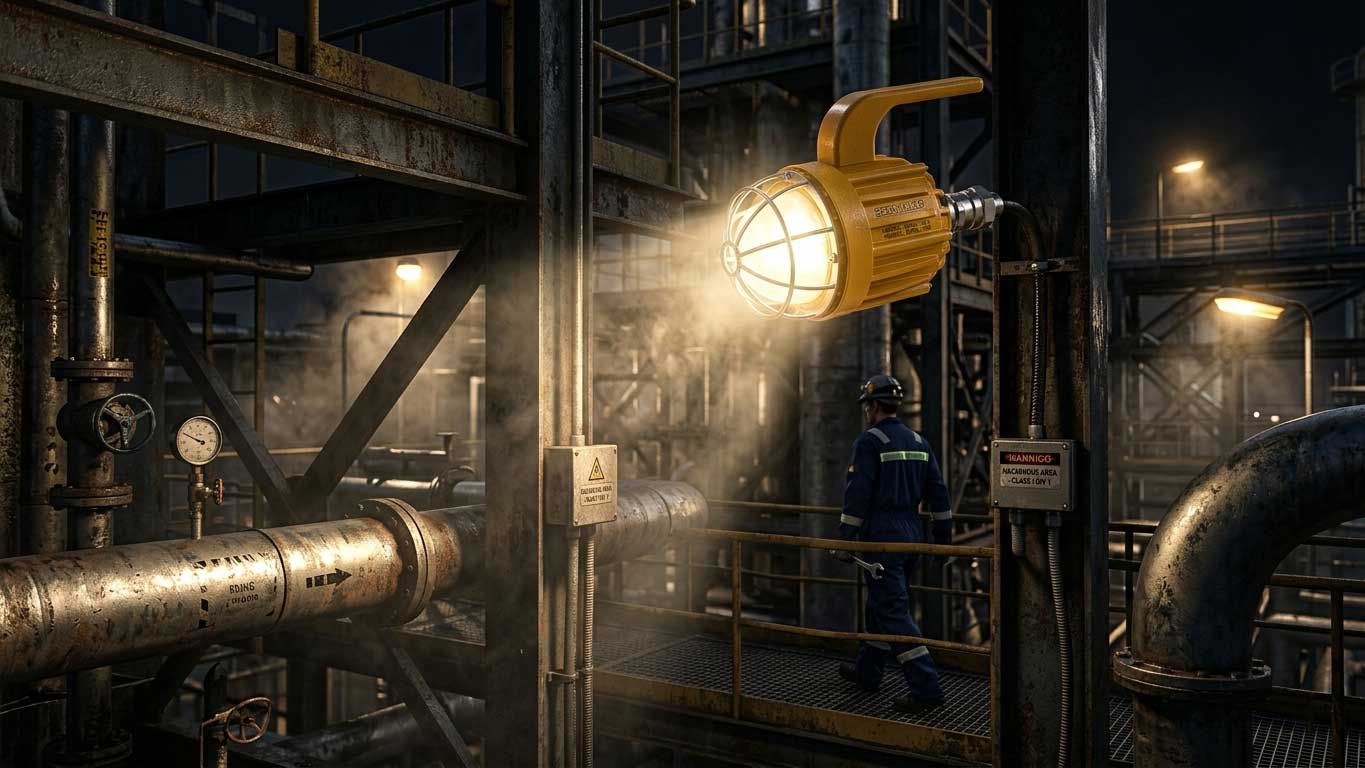
This content is based on direct field experience from a SEEKINGLED industrial lighting engineer:
Most failures are not electrical.
They are mechanical, thermal, or human.
In simple terms, what is explosion proof lighting is often misunderstood.
It doesn’t “stop explosions.”
It ensures the light itself will not trigger one.
From a design standpoint, how does explosion proof lighting work comes down to three controls:
In real projects, failure usually comes from heat buildup or improper sealing—not from the LED itself.
Yes—whenever work happens inside a classified zone.
For shutdowns, inspections, or emergency repairs, explosion proof temporary lighting or portable explosion proof lighting is typically mandatory.
I’ve seen jobs delayed simply because teams brought standard work lights into a Zone 1 area.
Inspection stopped immediately. No negotiation.
If it’s temporary—but inside a hazardous zone—it still must be certified.
The difference is functional, not technical.
On-site, both are used together:
Trying to replace one with the other usually creates blind spots—literally.
No. And this is where mistakes happen.
Not all explosion proof portable lighting or transportable explosion proof lighting fits every zone.
You still need to match:
I’ve seen certified explosion proof led lamp units rejected because the T-rating didn’t match the solvent on site.
Certification alone is not enough.
Correct certification is what matters.
Whether you call it:
The principle is unchanged:
If it enters a hazardous zone,
it must not become the ignition source.
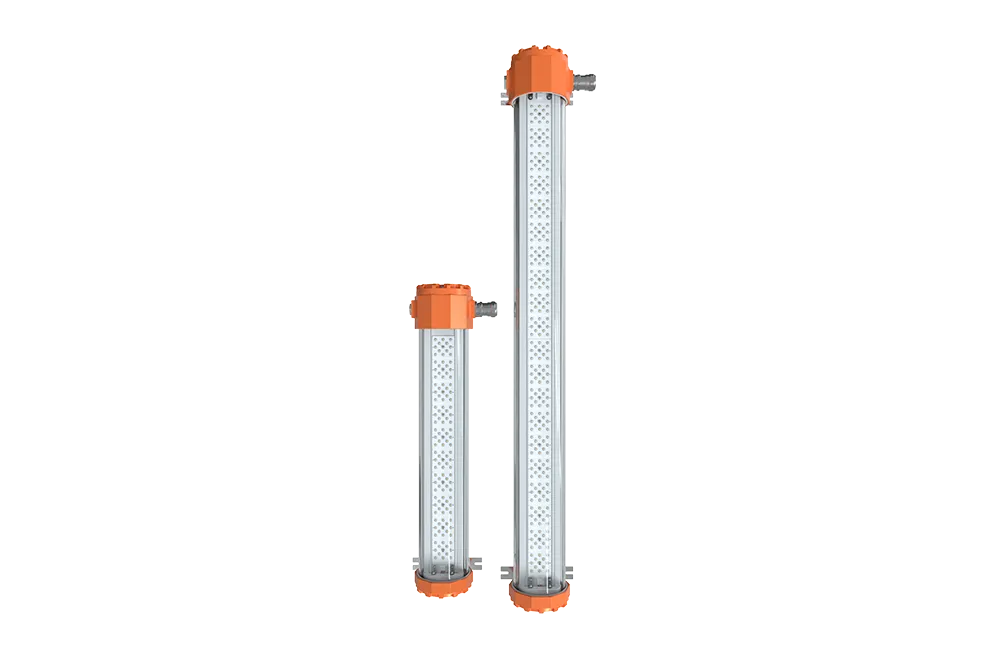
SEEKINGLED LED Linear Explosion Proof Light and Explosion Proof lighting is ATEX and IECEx certified for Zone 1, Zone 2, Zone 21 and Zone 22 hazardous locations, built for long-term industrial use.
View details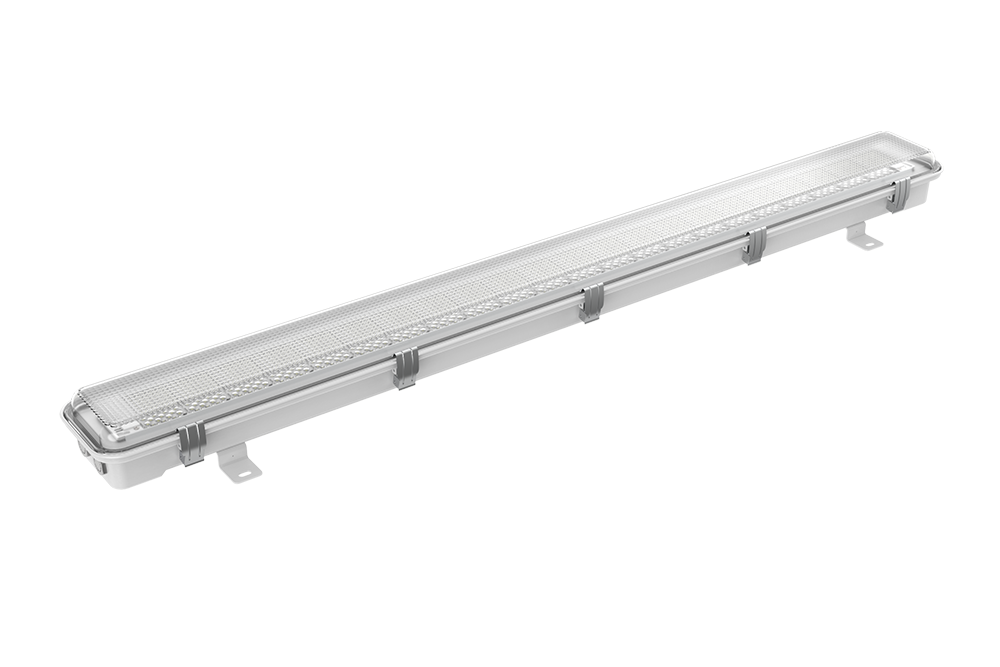
LED Linear Explosion Proof Lights and EX Proof lights for Zone 1, Zone 2, Zone 21 and Zone 22 hazardous areas. ATEX & IECEx certified explosion proof LED linear lighting with emergency function, adjustable power and IP67 protection by SEEKINGLED.
View details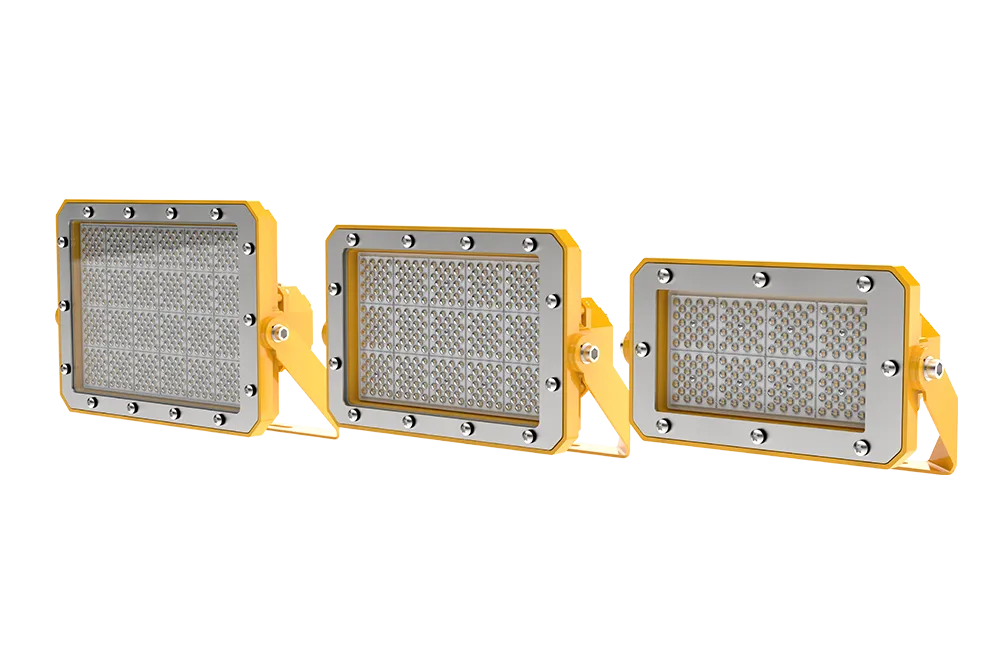
SEEKINGLED LED Explosion Proof Flood Lights are ATEX certified for Zone 2 and Zone 22 hazardous areas, offering high efficiency, adjustable power and integrated junction box.
View details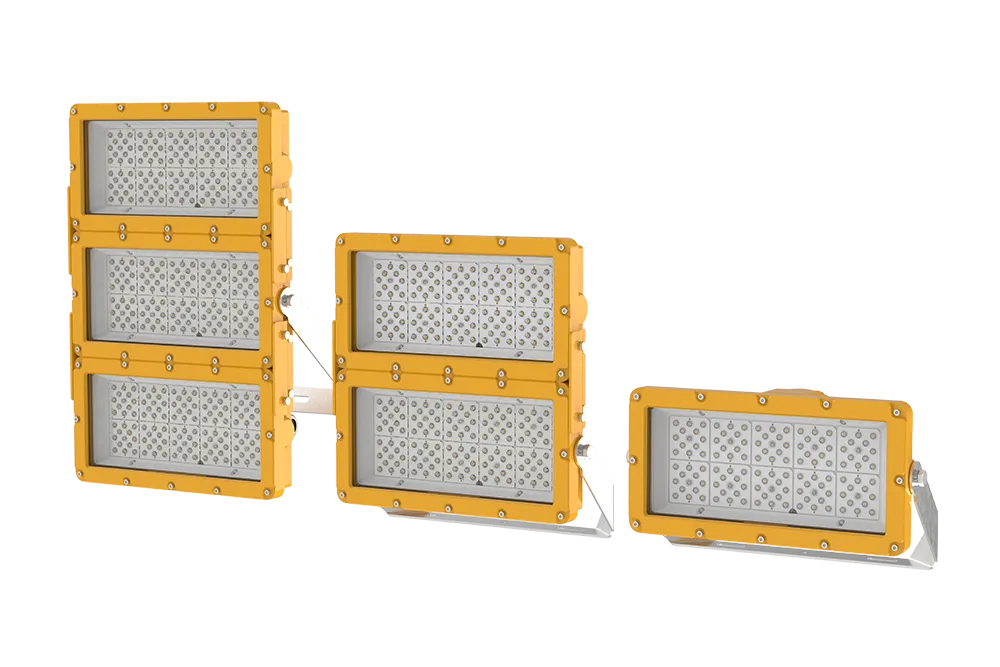
SEEKINGLED LED Explosion Proof Flood Lights are flameproof ATEX and IECEx certified for Zone 1 and Zone 2 hazardous areas, offering high power, adjustable output and long service life.
View details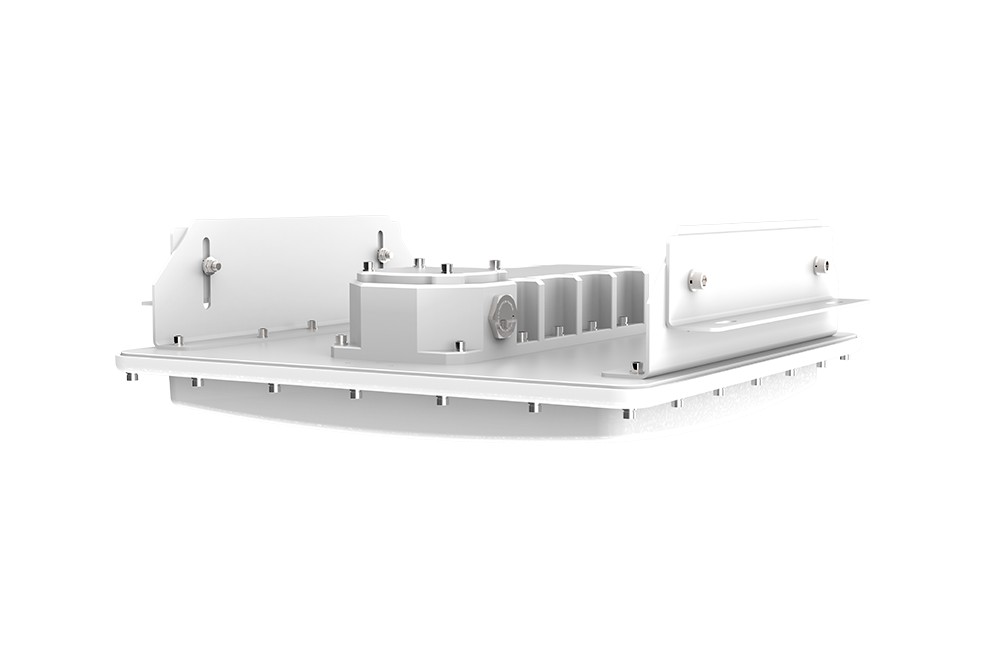
SEEKINGLED LED Gas Station Canopy Lights are ATEX certified for Zone 2 and Zone 22 hazardous areas, featuring adjustable power and built-in explosion-proof junction box.
View details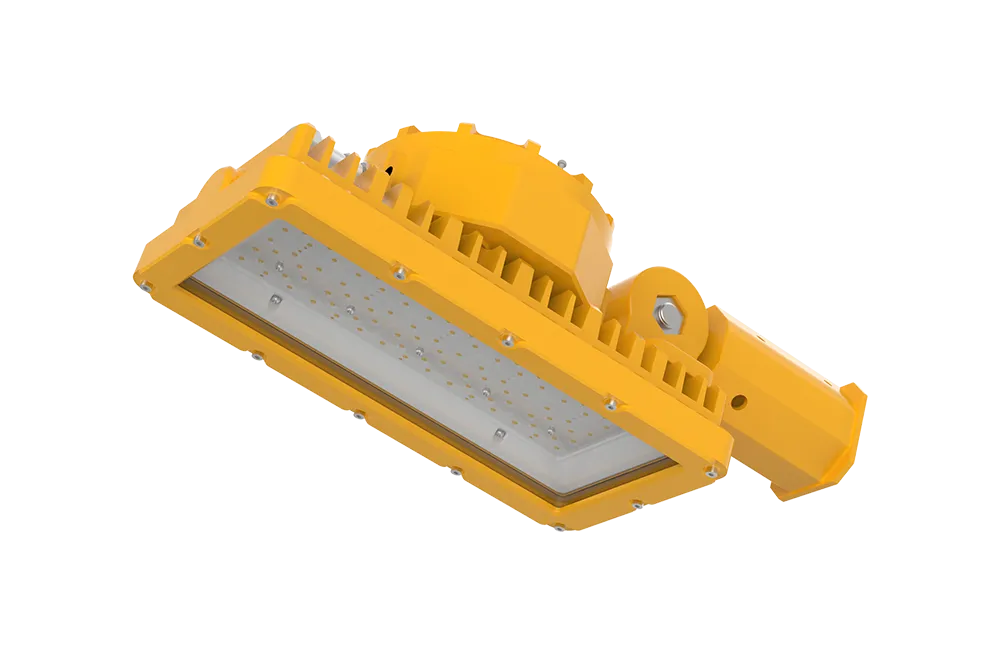
ATEX: Ex II 2G Ex db IIB T6/T5 GbEx II 2D Ex tb IIIC T80°C/ T95°C Db IECEx Ex db IIB T6 Gb;Ex tb IIIC T80°C Db Feature: ● For Zone 1,2 and Zone 21,22● Flameproof type, the strongest● 100W can replace 250W HID,energy saving● Power:60W,80W,100W Application: Oil and gas, marine, Chemical, pharmaceutical, semiconductor,mining,military industr…
View details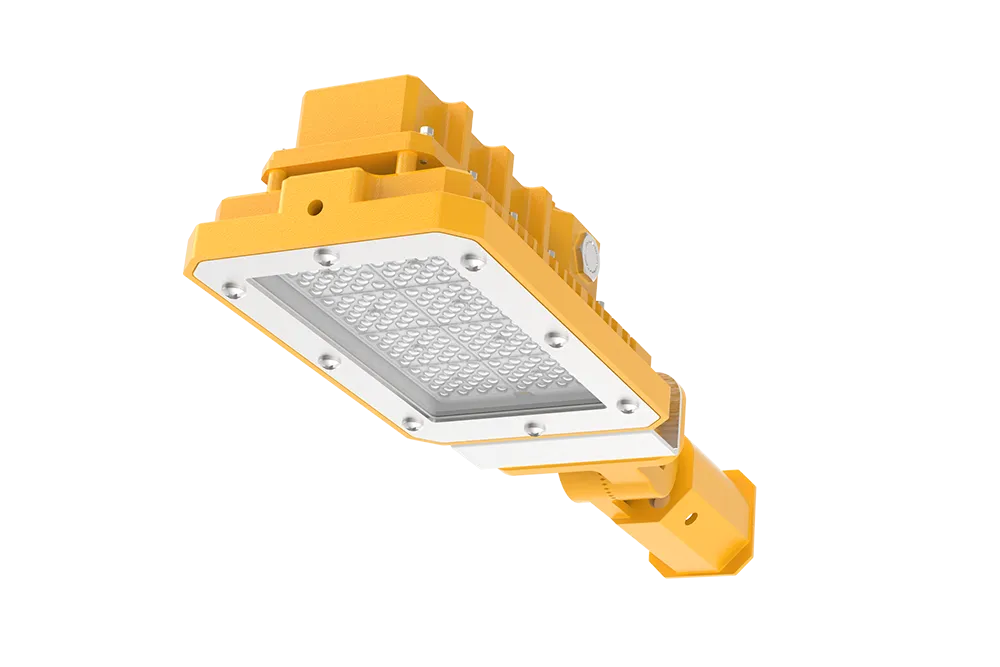
ATEX: II 3G Ex nR ⅡC T5/T6 GcII 3D Ex tc ⅢC T80℃/T95℃Dc ATEX Certificate NO: TÜV CY 26 ATEX 0207611 X Feature: ● For Zone 2 and Zone 22● 150W can replace 250W HID lamps,Energy saving● Power:50W,75W,100W,150W,200W Application: Oil and gas, marine, Chemical, pharmaceutical, semiconductor,mining,military industry, paint booth,power plant ETC…
View details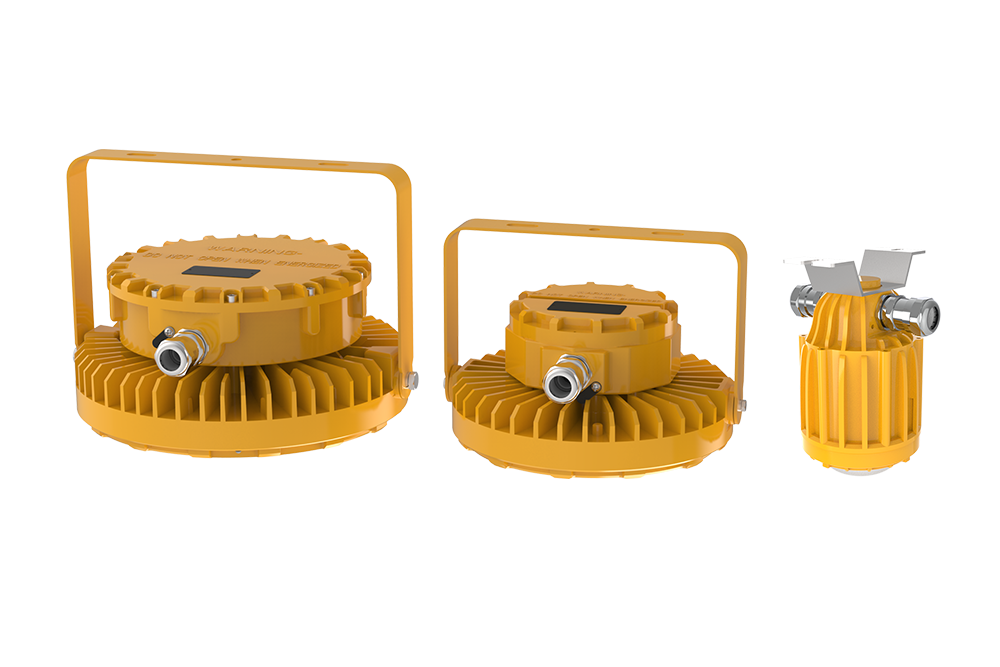
LED explosion proof high bay lights are designed for Zone 1, Zone 2, Zone 21 and Zone 22 hazardous areas. This page introduces the HB21 Series from SEEKING, including certifications, power options and real application considerations.
View details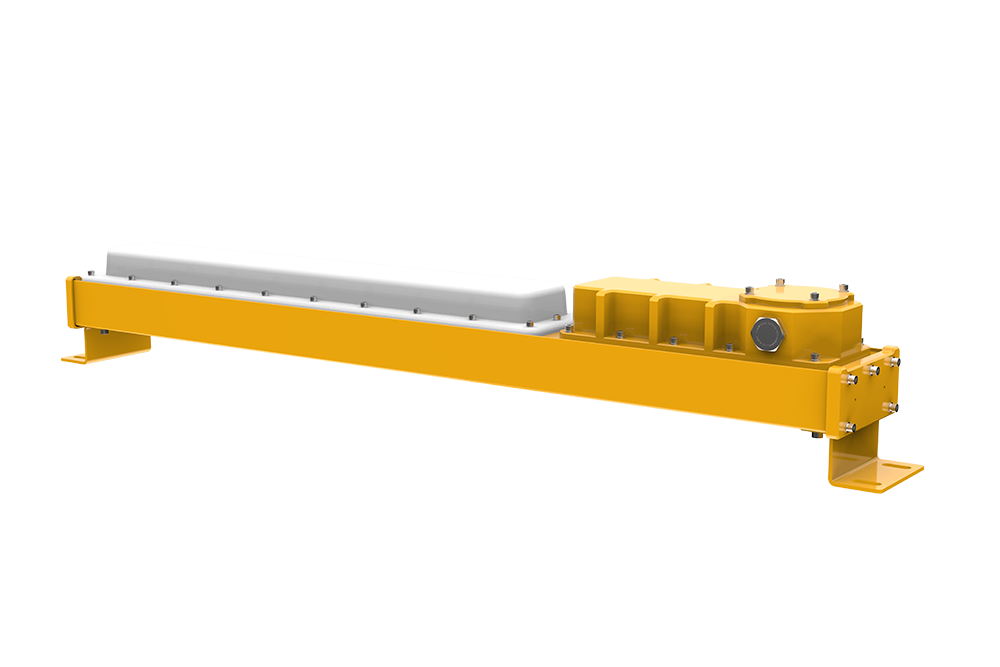
LED Linear Explosion Proof Lights from SEEKINGLED. LU Series Flame Proof lights ATEX-certified explosion proof LED linear lighting for Zone 2 gas and Zone 22 dust areas, IP69K, IK10, long lifetime and flexible power options.
View details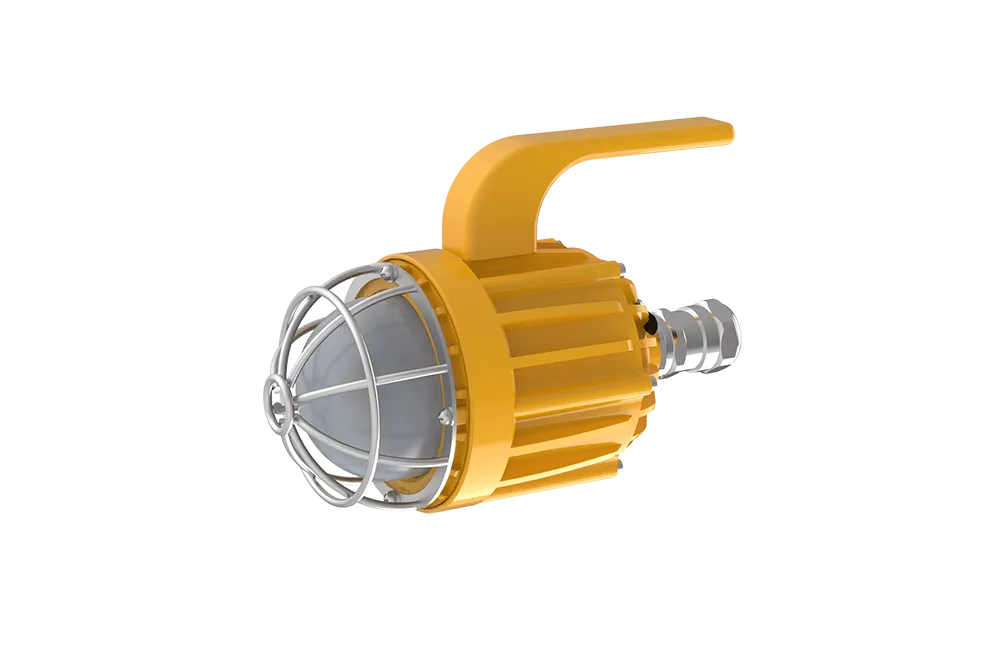
Certified explosion proof work lights for Zone 1 & 21 hazardous areas. Portable, ATEX & IECEx approved, built for oil, gas and chemical plants by SEEKINGLED.
View details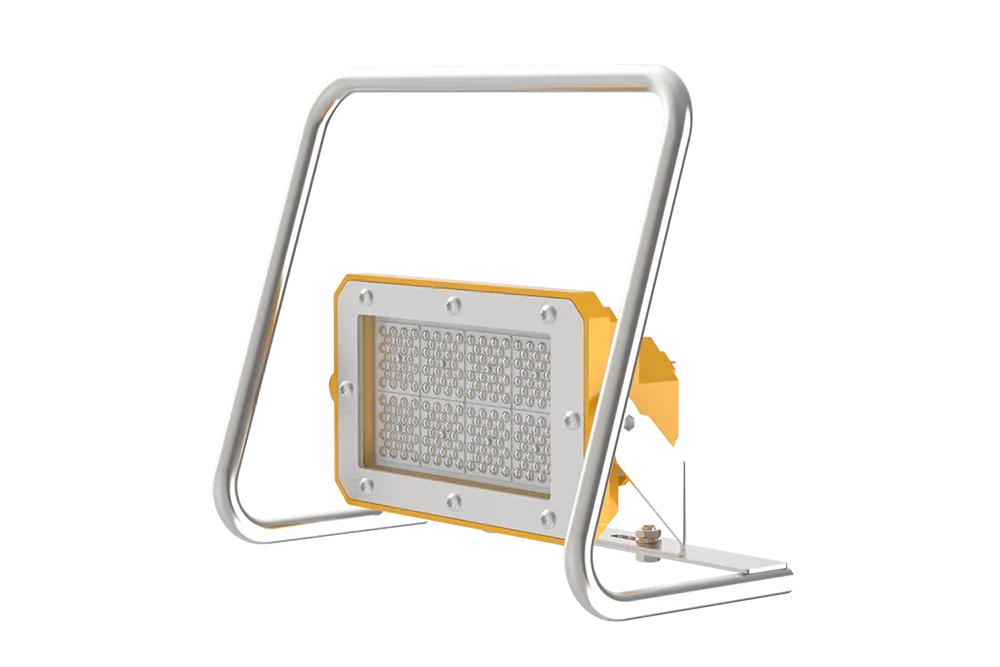
ATEX: II 3G Ex nR ⅡC T6 GcII 3D Ex tc ⅢC T80℃ Dc ATEX Certificate NO: TÜV CY 26 ATEX 0207611 X Feature: ● For Zone 2 and Zone 22● Accepts battery-powered supply● indestructible● Power:AC input:50W,75W,100WDC input:15W,25W,35W Application: Oil and gas, marine, Chemical, pharmaceutical, semiconductor,mining,military industry, paint booth,po…
View details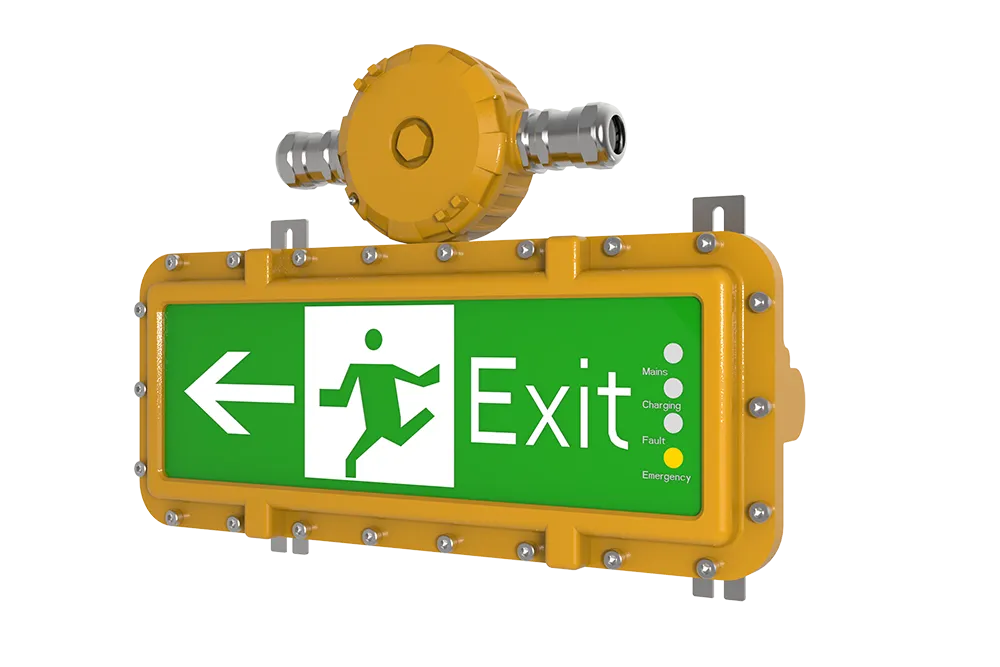
ATEX: Ex II 2G Ex db IIB T6 GbEx II 2D Ex tb IIIC T80°C Db IECEx Ex db IIB T6 Gb;Ex tb IIIC T80°C Db Feature: ● For Zone 1,2 and Zone 21,22● Flameproof type, the strongest Application: Oil and gas, marine, Chemical, pharmaceutical, semiconductor,mining,military industry, paint booth,power plant ETC hazardous area. Technical Specifications:…
View details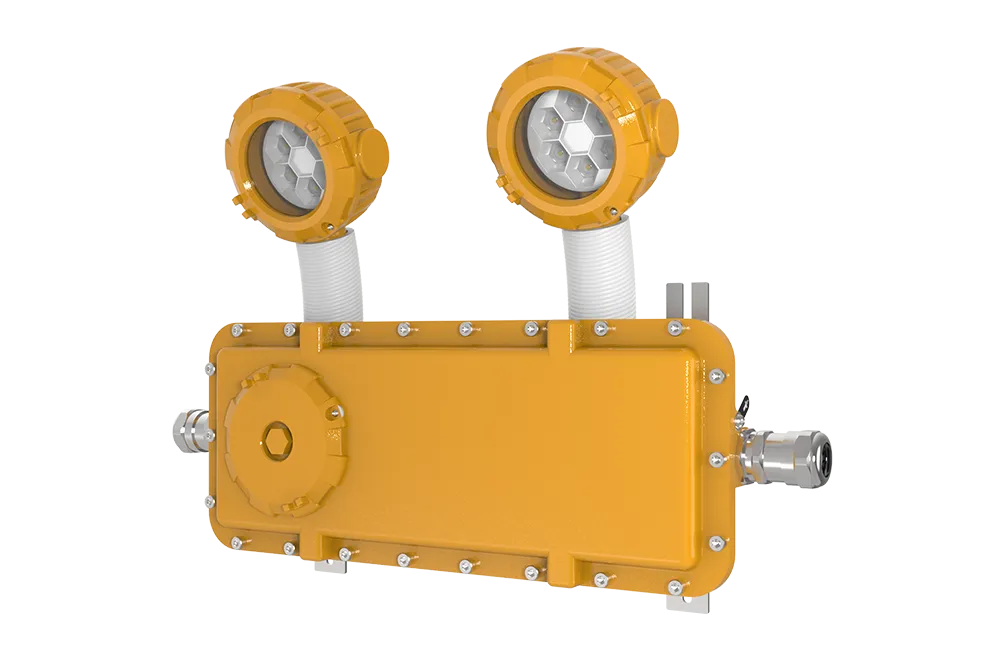
ATEX: Ex II 2G Ex db IIB T6 GbEx II 2D Ex tb IIIC T80°C Db IECEx Ex db IIB T6 Gb;Ex tb IIIC T80°C Db Feature: ● For Zone 1,2 and Zone 21,22● Flameproof type, the strongest Application: Oil and gas, marine, Chemical, pharmaceutical, semiconductor,mining,military industry, paint booth,power plant ETC hazardous area. Technical Specifications:…
View details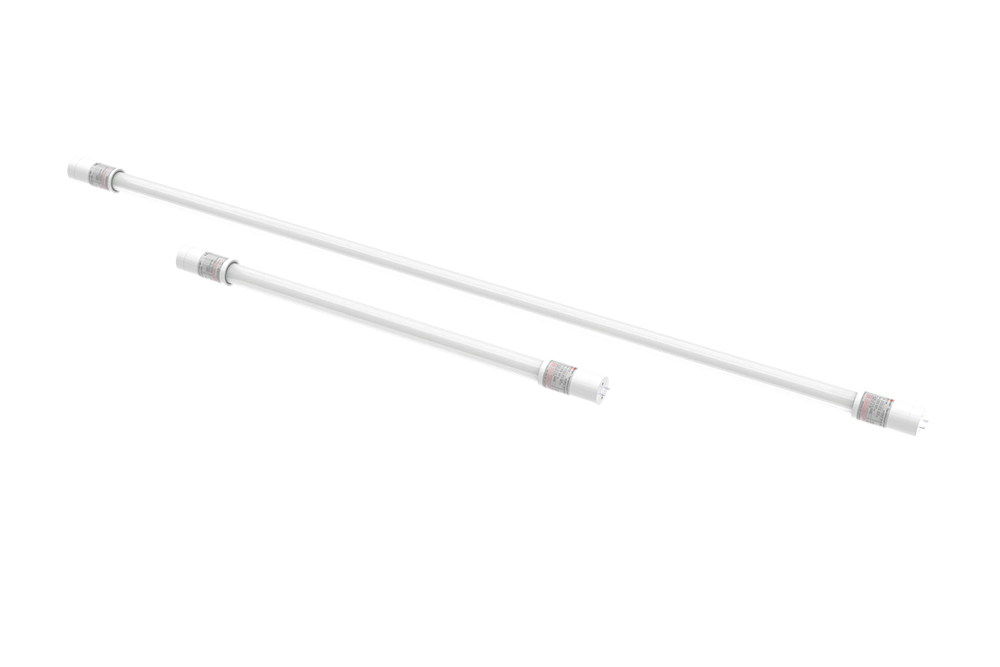
ATEX: Ex II 2G Ex d e IIB T6 Gb ATEX: Ex d e IIB T6 Gb; Feature: ● For Zone 1,2● 9W can replace 18W fluorescent lamps,50% Energy saving Application: Oil and gas, marine, Chemical, pharmaceutical, semiconductor,mining,military industry, paint booth,power plant ETC hazardous area. Technical Specifications: Standards:60079-0, 60079-1, 60079…
View details
What is the brightest outdoor LED flood light bulb? Learn what really defines brightness outdoors beyond lumen ratings.
View details
15-18th,September,2014HBL series high bay light include 100W, 120W, 150W, 200W, 240W, update to SMD3030 LED chip, IP65. use Meanwell HLG series driver, whole lamp 5 year warranty. Improve to 140lm/w, less heat. UL, TUV CE, SAA etc listed, can be w...
View details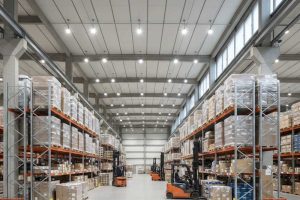
How far to space high bay LED lights depends on ceiling height, beam angle, and usage areas. Learn practical spacing guidelines used in real projects.
View details
Ex lighting fixtures ensure safe operation in hazardous zones. Learn certifications, materials, and real-world selection tips for industrial environments.
View details