 Seeking LED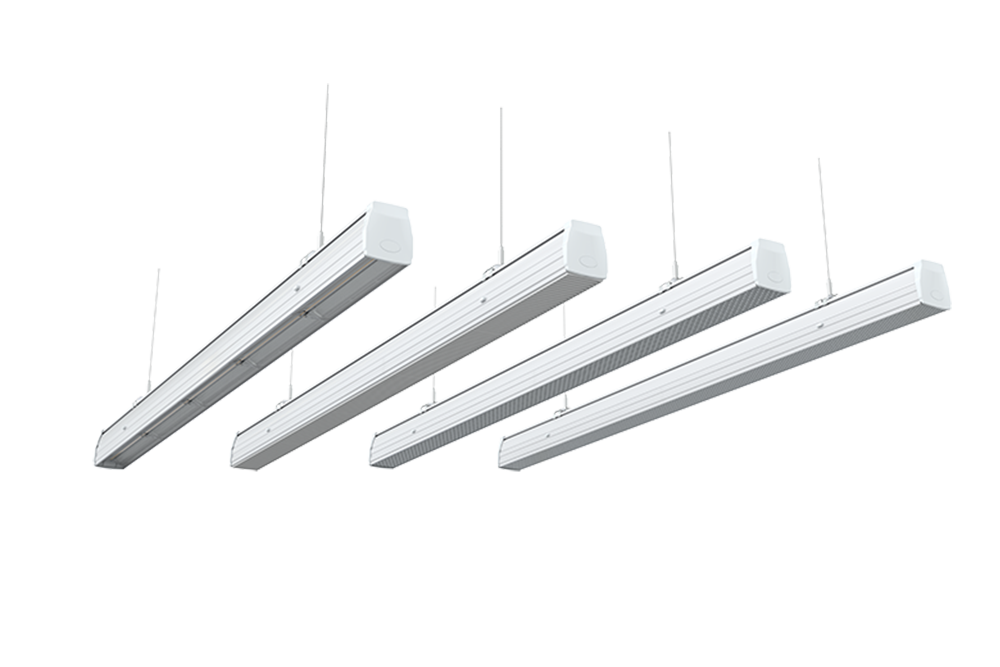
How to open an explosion proof light fixture?
54How to open an explosion proof light fixture safely? Learn certified procedures, tools, and field-proven tips to avoid hazards and maintain compliance.
View detailsSearch the whole station
If you have ever worked with linear lighting, you’ve probably asked where is the cut line on LED strip lights—and for good reason. Cutting in the wrong place can stop part of the strip from working or shorten its lifespan.
In simple terms, the cut line on an LED strip is the marked section where the electrical circuit is designed to be safely separated. These points are planned during manufacturing, not something you guess during installation.
Most LED strip lights clearly show their cut points. You will usually find:
These marks typically appear at fixed intervals, such as every 50 mm or 100 mm, depending on voltage and LED layout. Cutting anywhere else may break the circuit and cause uneven lighting or complete failure.
On paper, cutting an LED strip looks simple. On site, it’s where mistakes happen.
Incorrect cuts often lead to:
This is one reason why, in industrial and commercial environments, many projects move away from flexible strip lights and instead use sealed linear luminaires with fixed optics and factory-set power.
In environments like factories, parking garages, cold storage rooms, or food processing areas, lighting is rarely decorative. Reliability matters more than flexibility.
The SEEKINGLED TPA Series LED Tri Proof Lamp avoids the cut-line issue entirely. Instead of on-site cutting, each unit is produced with:
This approach reduces installation errors and ensures the light performs the same on day one and year three.
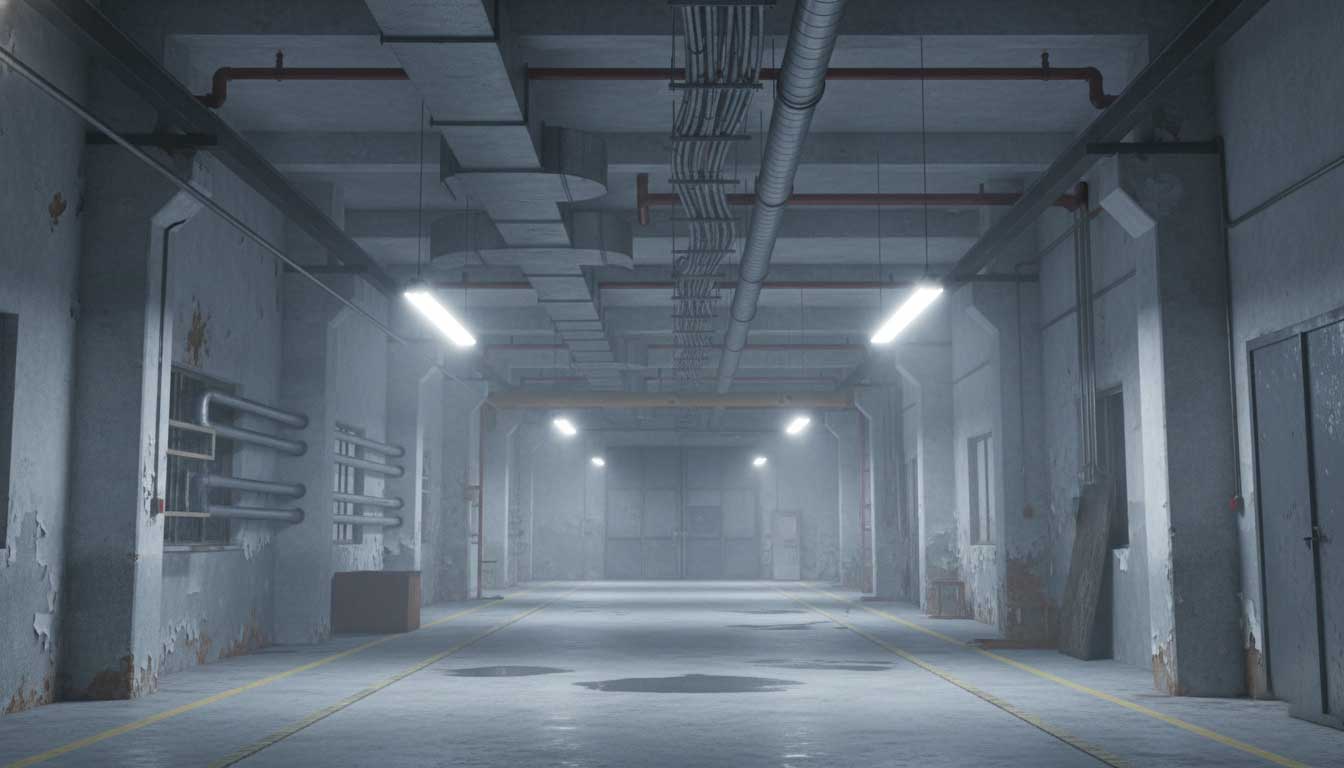
LED strip lights work well for:
However, in damp, dusty, or high-usage spaces, strip lights are more vulnerable. Moisture ingress, heat buildup, and inconsistent cuts can all shorten their life.
That’s where tri proof luminaires like the TPA Series come in. With IP66 waterproofing and IK08 impact resistance, they are designed to be installed once and left alone.
The cut line on LED strip lights is the clearly marked point where the strip can be safely cut without damaging the circuit. Always cut only on these markings.
For projects where durability, safety, and low maintenance are priorities, many professionals skip cutting altogether and choose factory-sealed linear solutions like the SEEKINGLED TPA Series. It’s a practical decision that saves time on site and reduces long-term risk.
How to open an explosion proof light fixture safely? Learn certified procedures, tools, and field-proven tips to avoid hazards and maintain compliance.
View details
Atex led flood light supply for hazardous zones. Real project insights, certified performance, and reliable solutions from SEEKINGLED for oil, gas, and industrial sites.
View details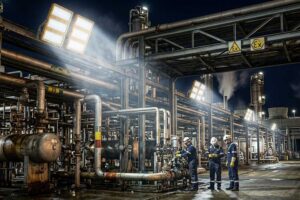
What is an ATEX LED flood light? Learn how ATEX-certified explosion-proof LED flood lights work in hazardous zones, oil plants, and chemical facilities with SEEKINGLED.
View details
12 volt dc led flood lights offer safe, efficient low-voltage lighting. Explore real-world use cases, performance data, and expert installation insights.
View details