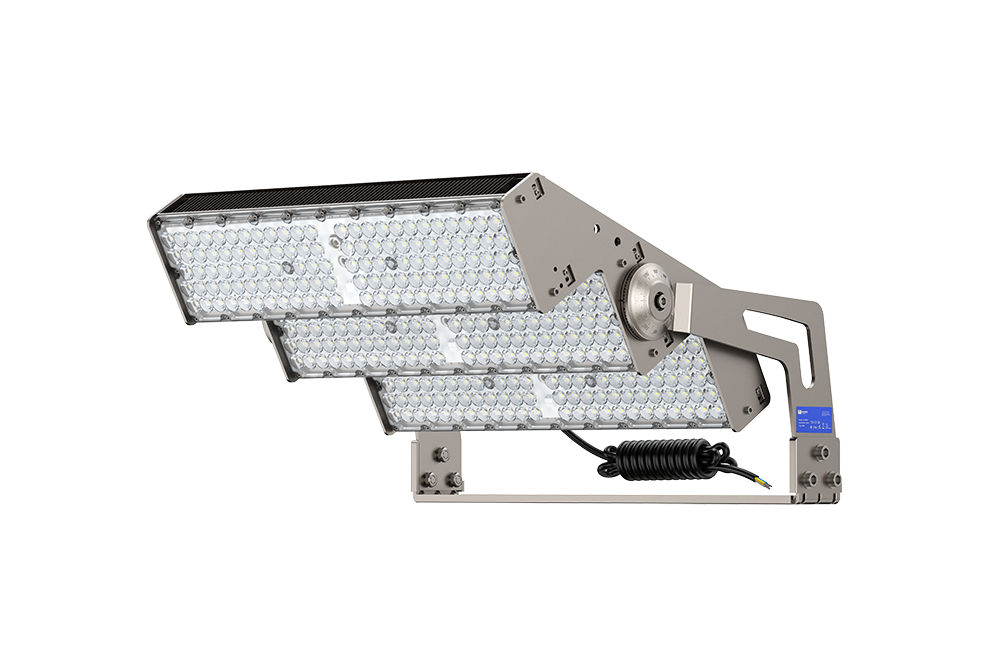
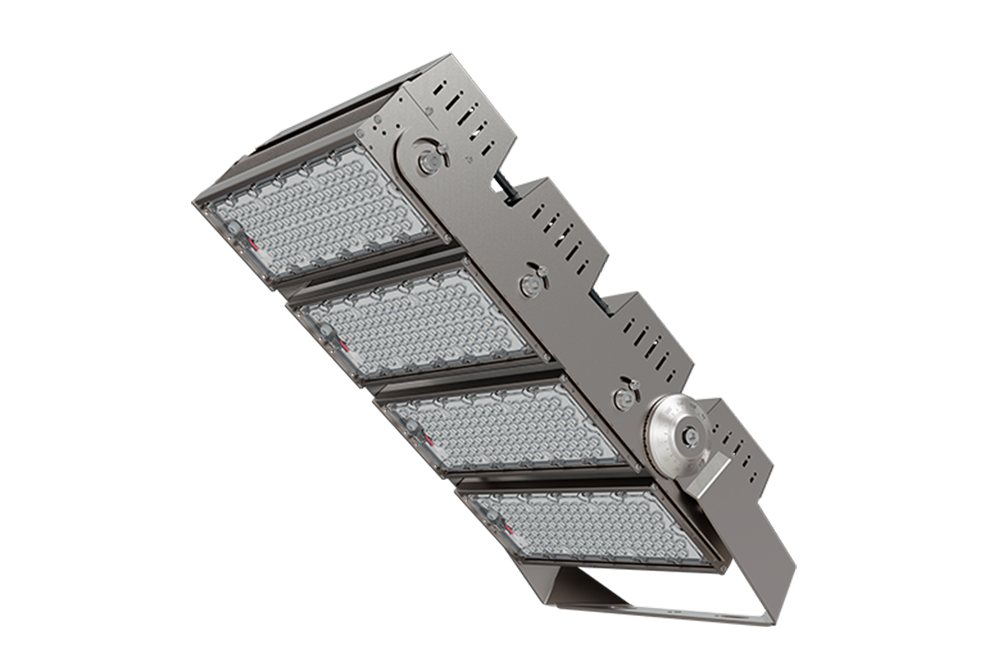
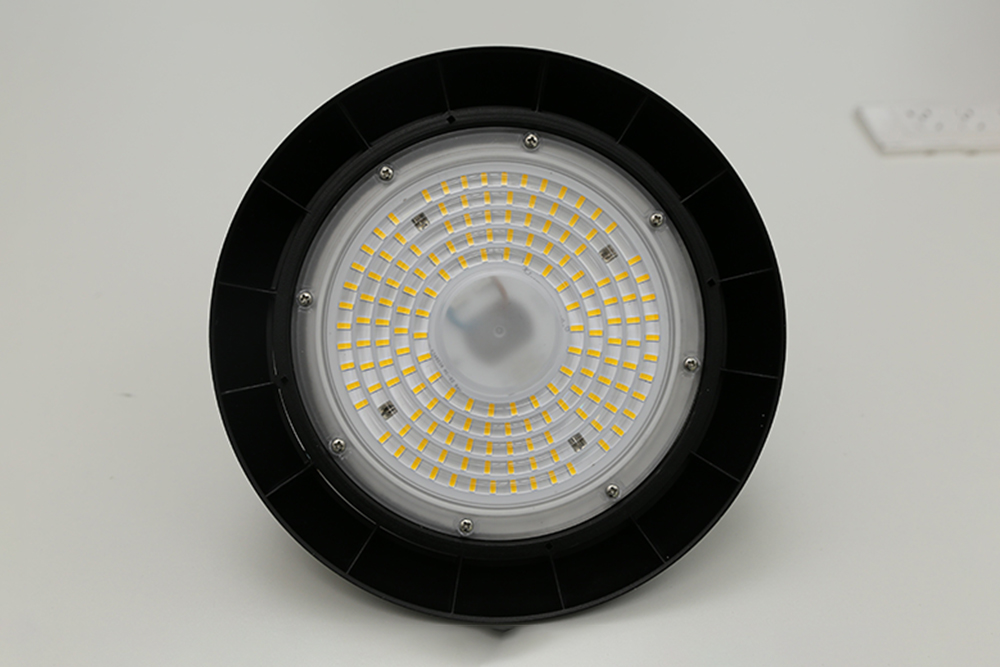
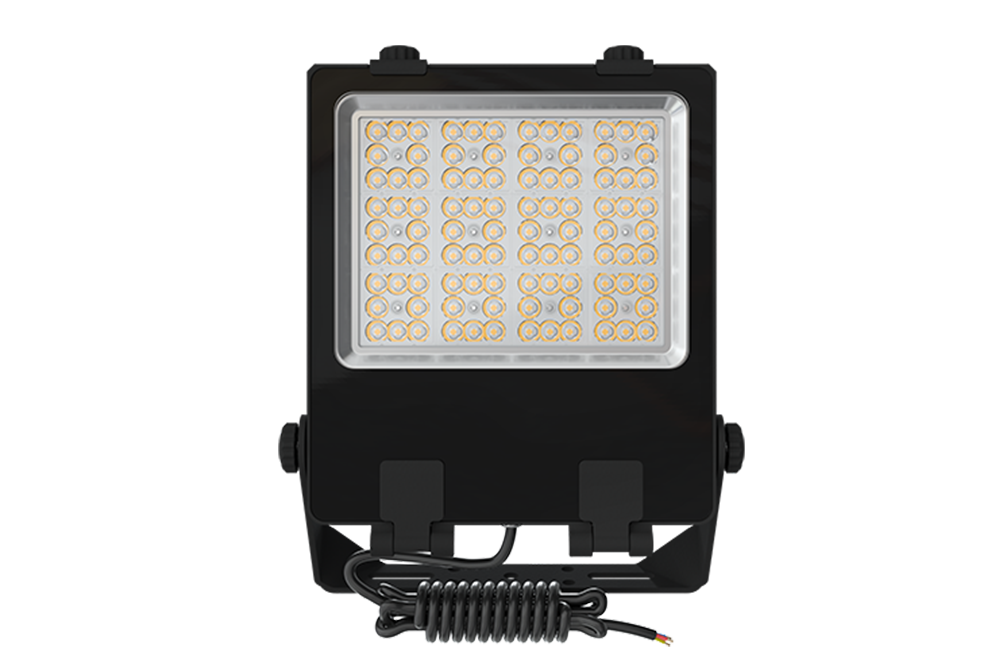
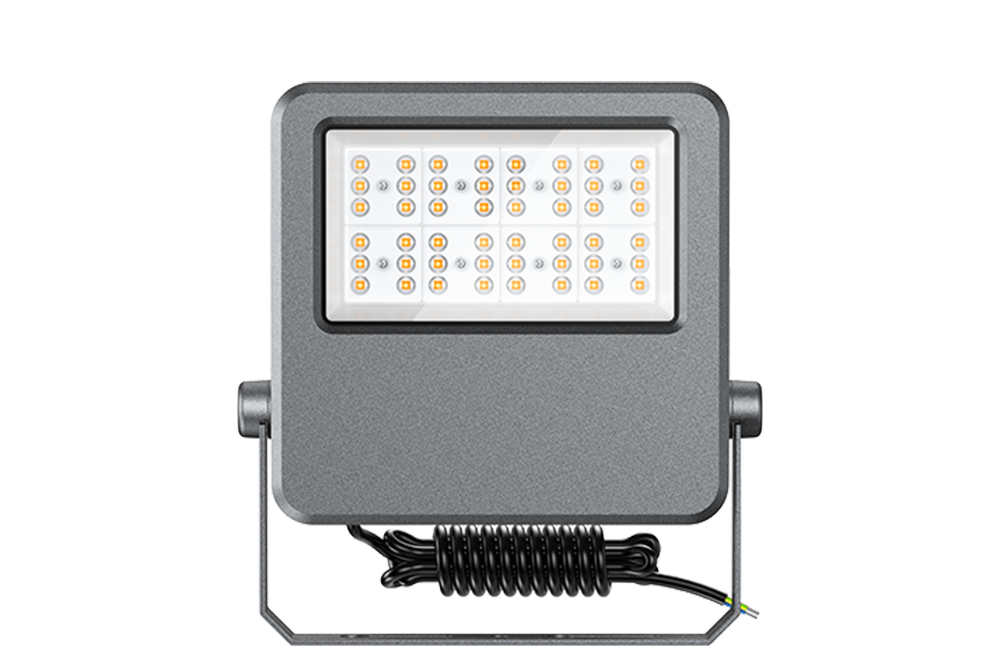
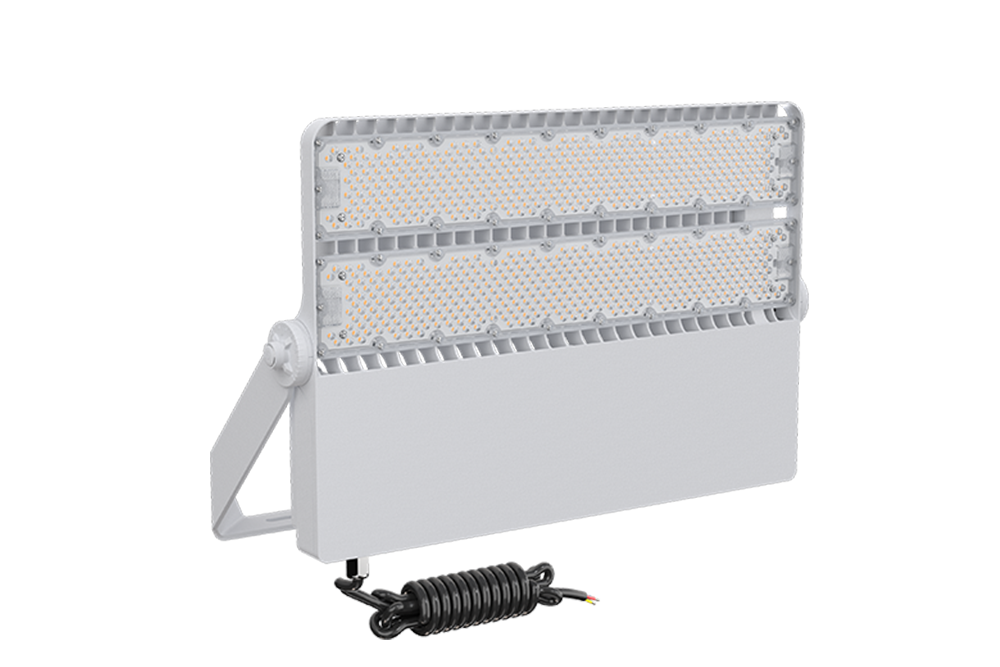
Stadium lighting is often discussed in terms of brightness and visual impact, but from an engineering standpoint, light efficiency is the real driver behind most modern upgrades. Over the past decade, many stadiums have moved away from traditional metal halide systems, not because they failed to produce light, but because they failed to use energy efficiently.
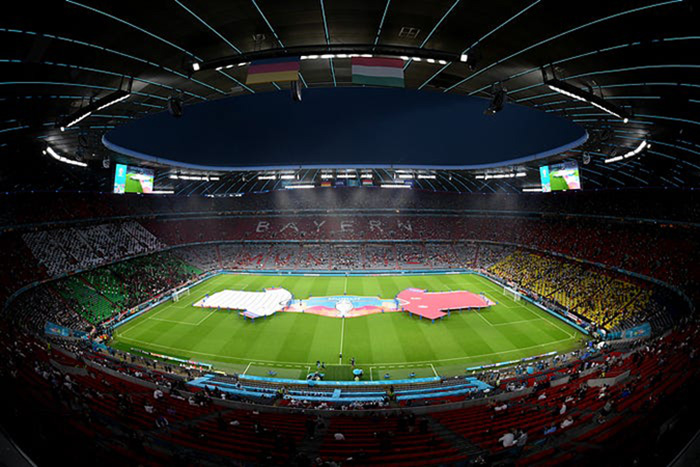
Uniform illumination achieved with LED stadium lighting
Light efficiency, in practical terms, is not just about lumen output. It includes how much usable light reaches the playing surface, how evenly it is distributed, and how much energy is lost as heat or glare. Traditional discharge lamps generate significant heat and require warm-up time, which limits control and wastes power during operation. These issues become especially visible in large venues where lighting systems operate for long hours.
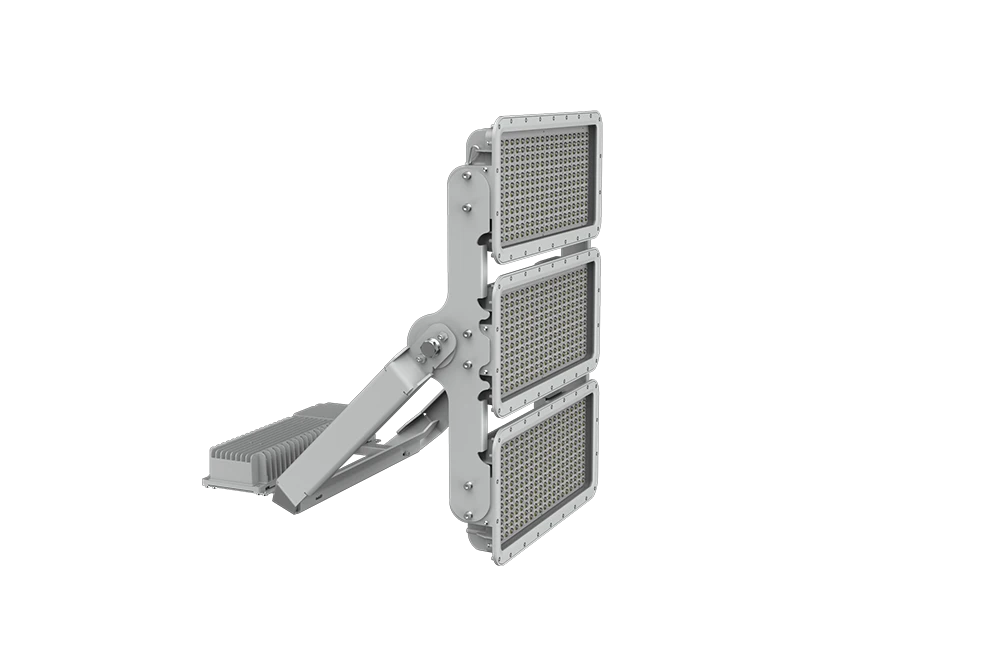
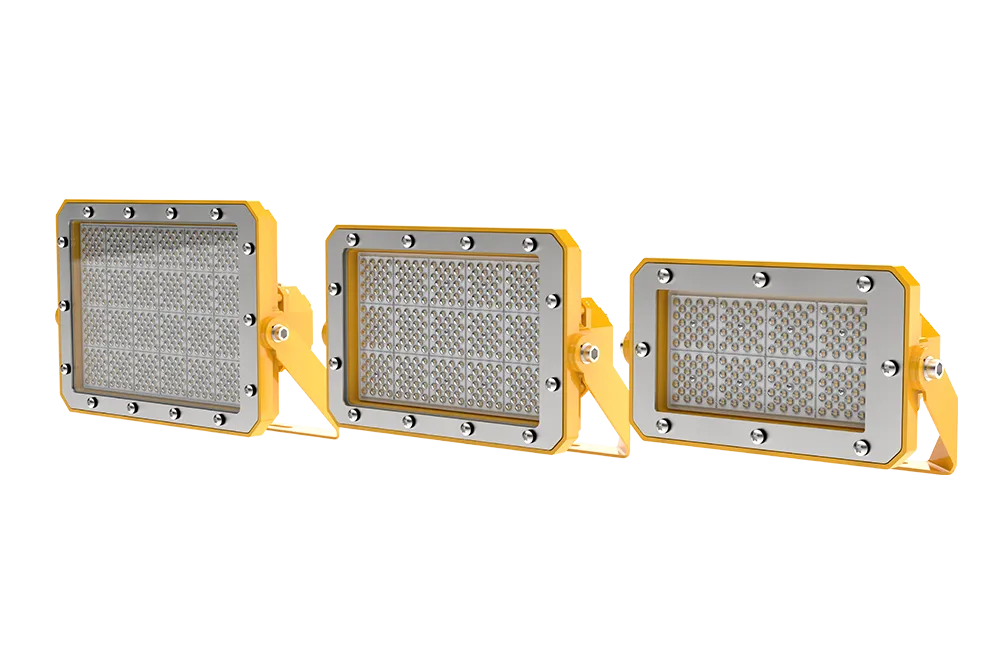
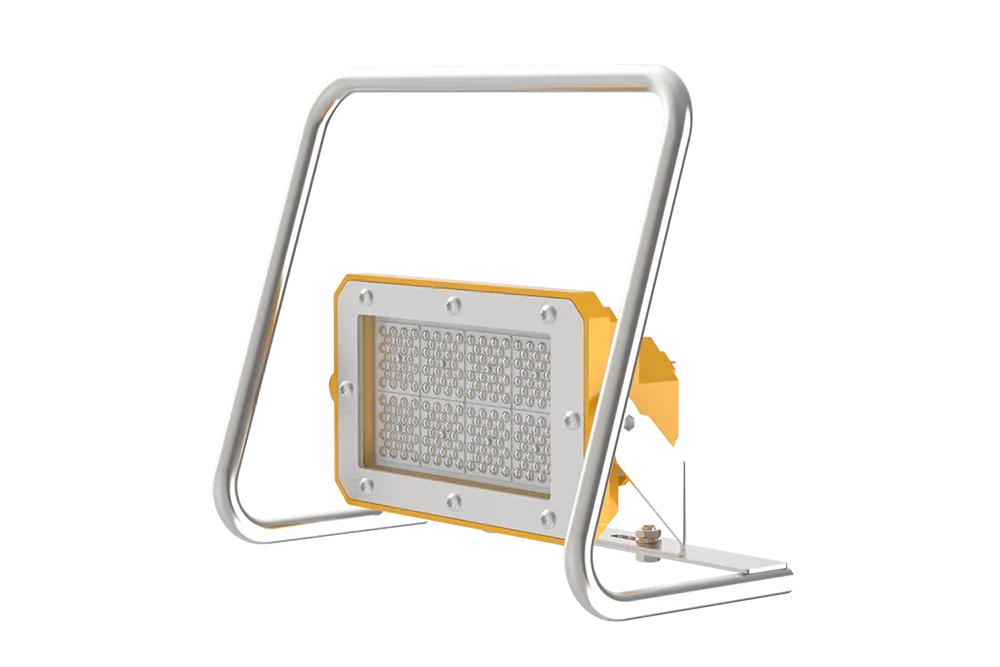
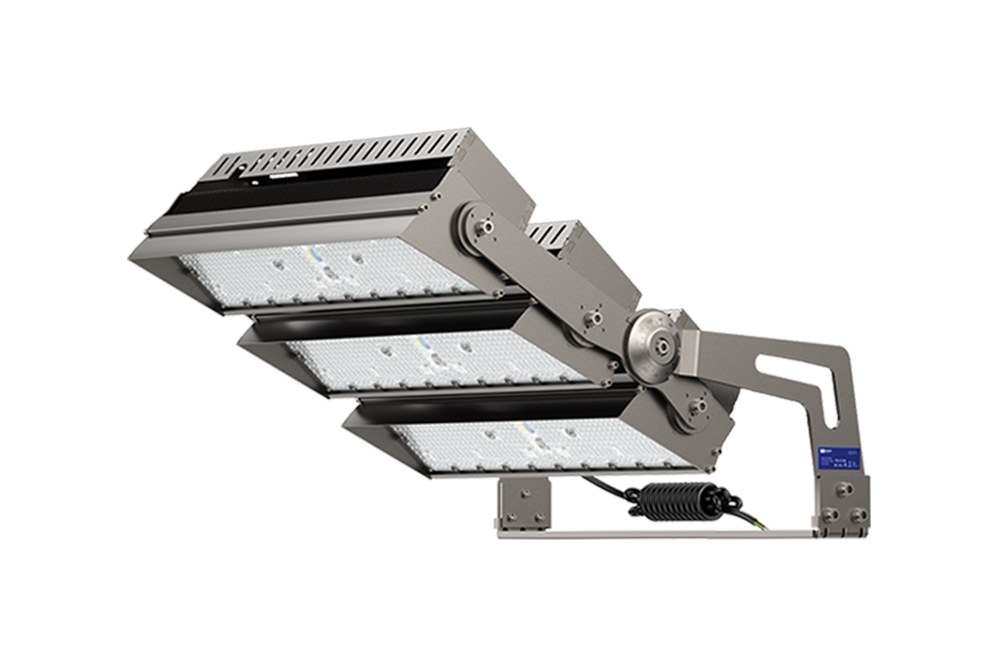
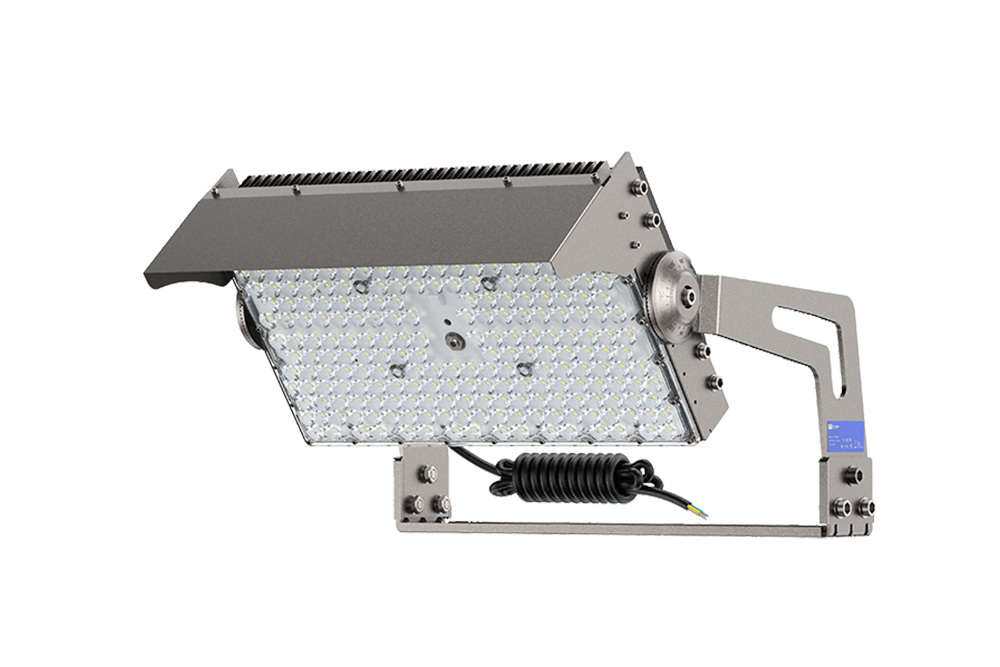
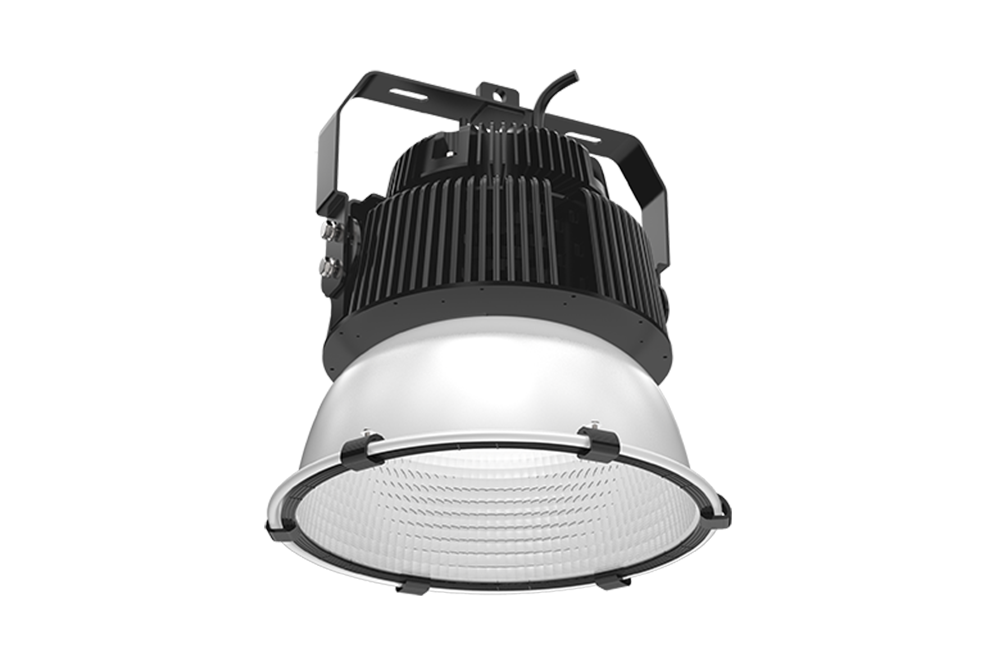
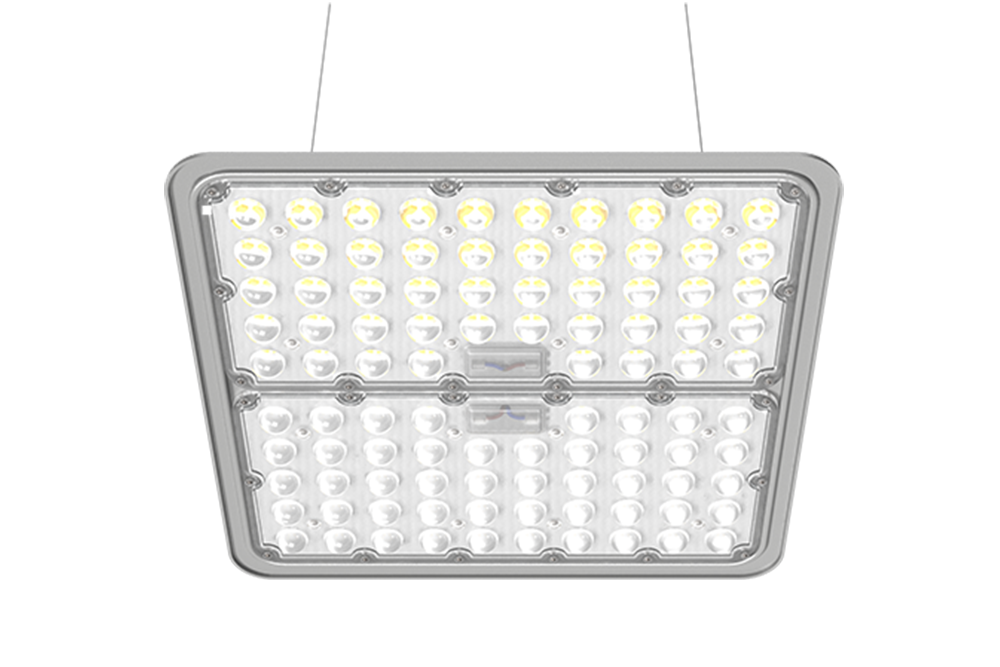
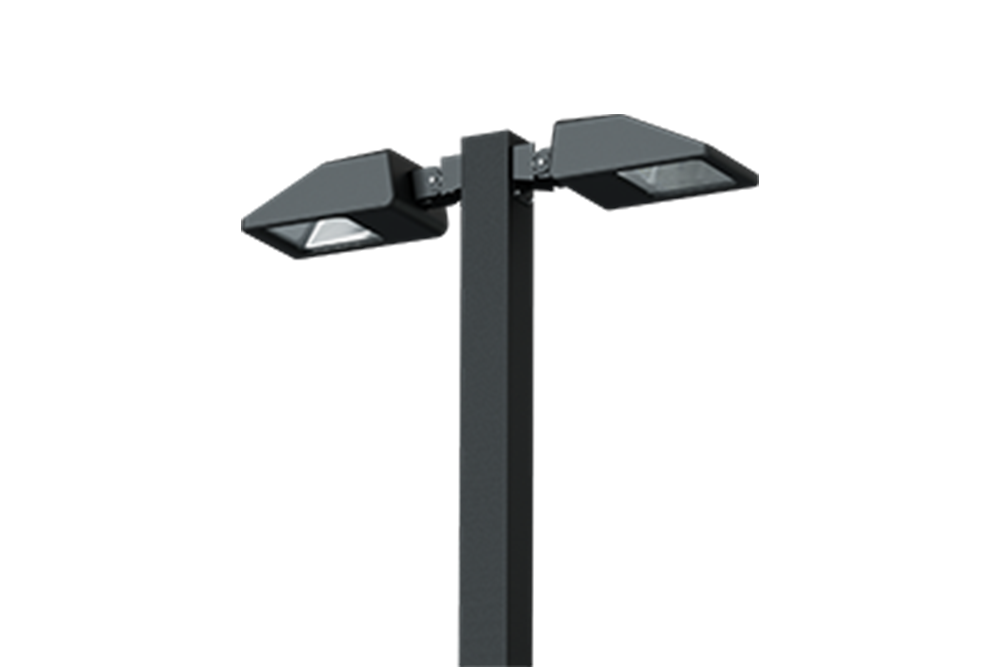
LED technology changed this equation. In Sports Stadium LED Lighting projects, LEDs convert electrical energy directly into light, with far less loss. For engineers, this means higher luminous efficacy and better control over beam direction. Instead of flooding a stadium with excess light to compensate for poor optics, LED Flood Light systems can be designed to deliver light exactly where it is needed.
One noticeable improvement engineers see after LED retrofits is uniformity. With older systems, it was common to see uneven brightness across the field, forcing designers to increase overall power just to meet minimum lighting levels. Modern LED luminaires use precise optical lenses that reduce overlap and shadow zones. This improves visibility while lowering total energy consumption.
Another factor often overlooked is response time. LED lighting reaches full output instantly. In stadiums, this allows better scheduling, segmented lighting control, and reduced energy waste during non-event hours. From a maintenance perspective, LEDs also reduce lamp replacement cycles. This matters in high-mast installations where access is complex and costly.
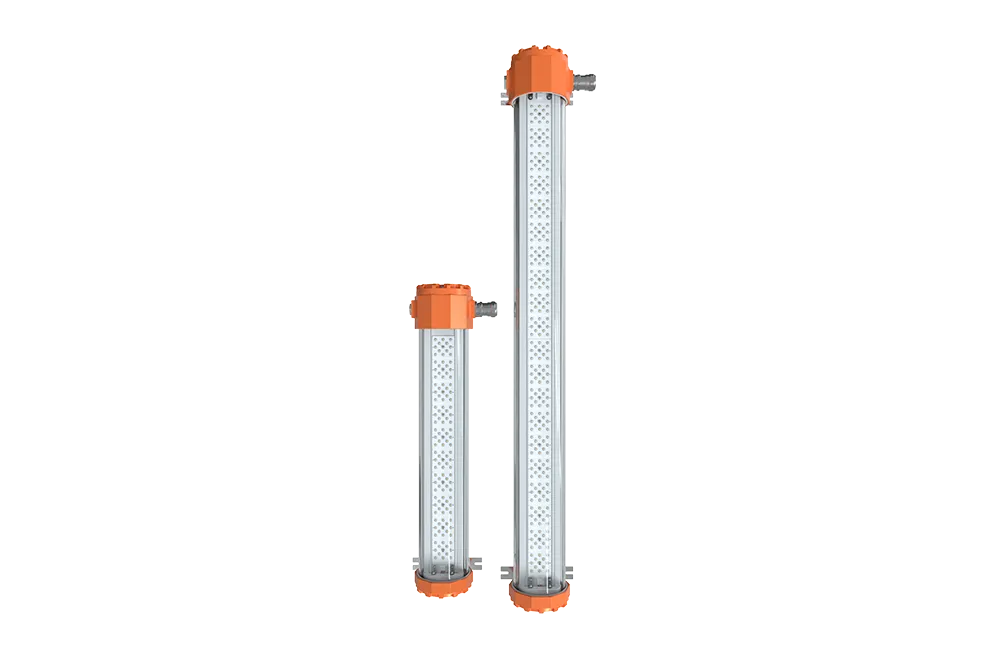
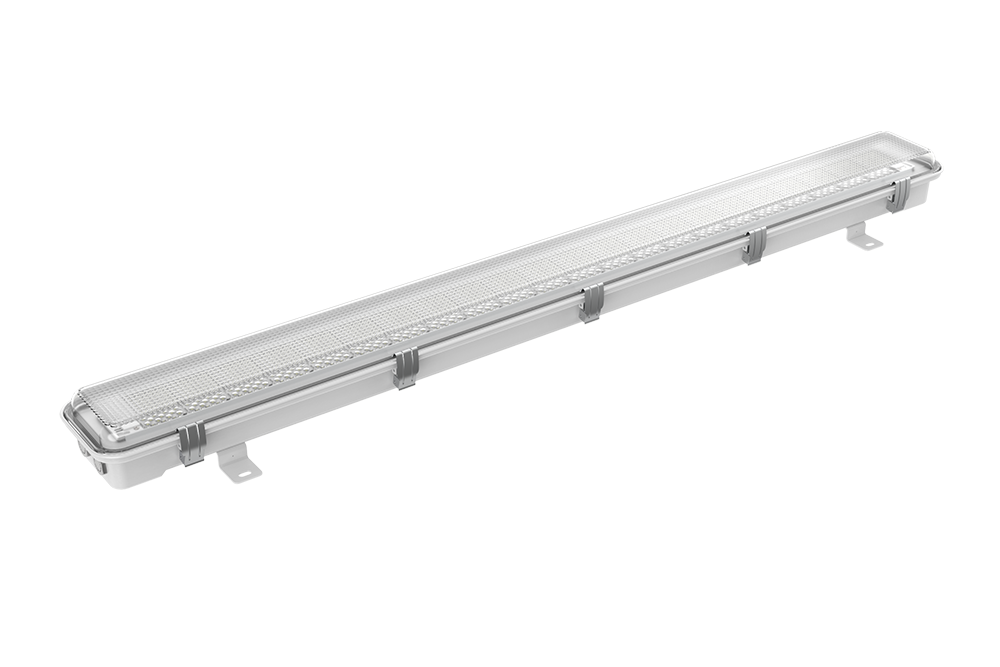
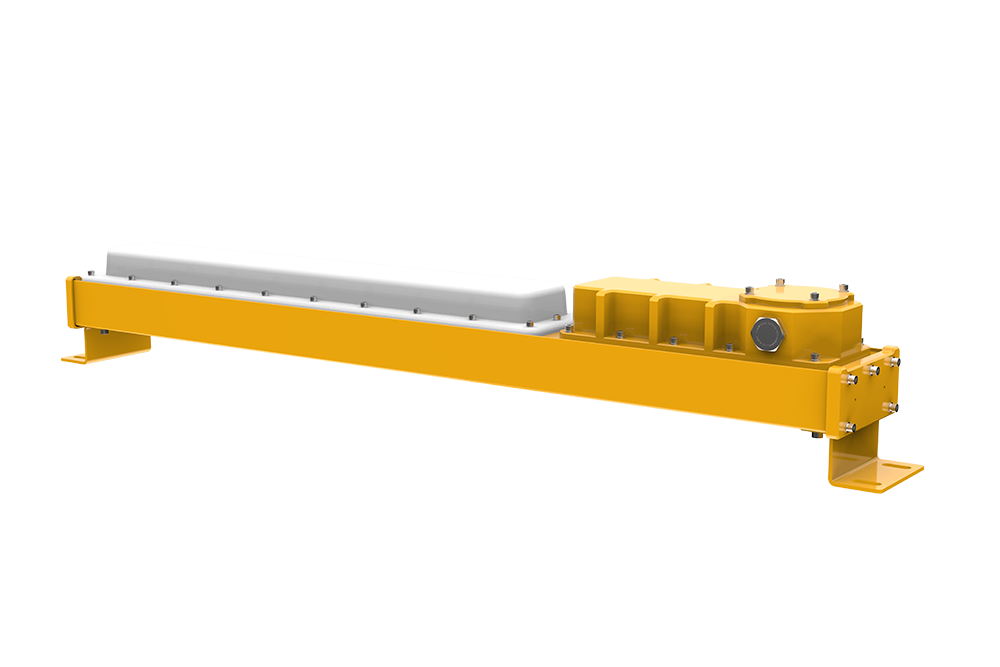
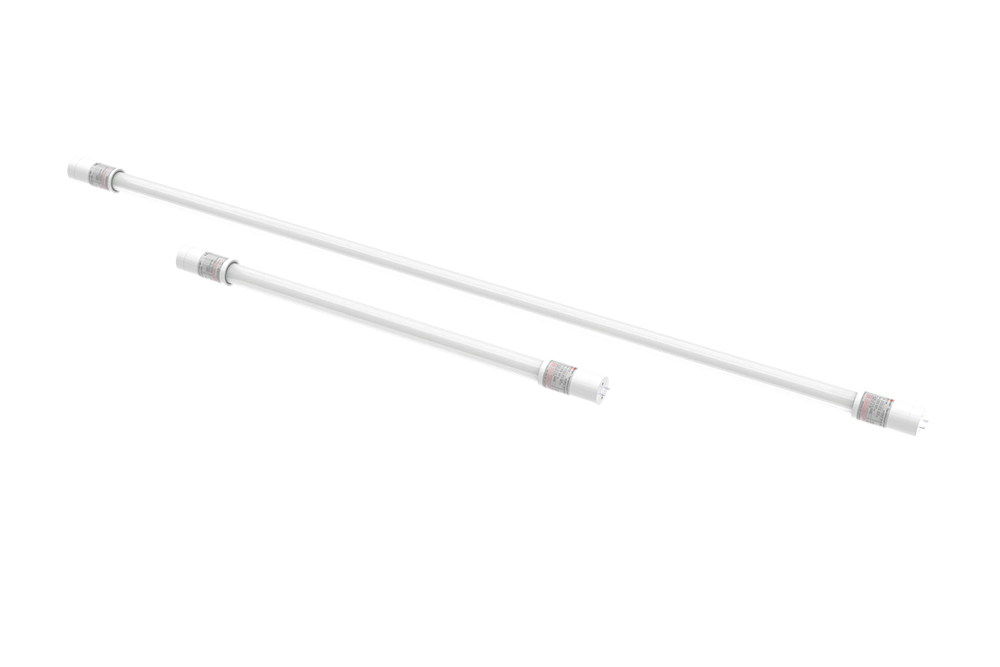
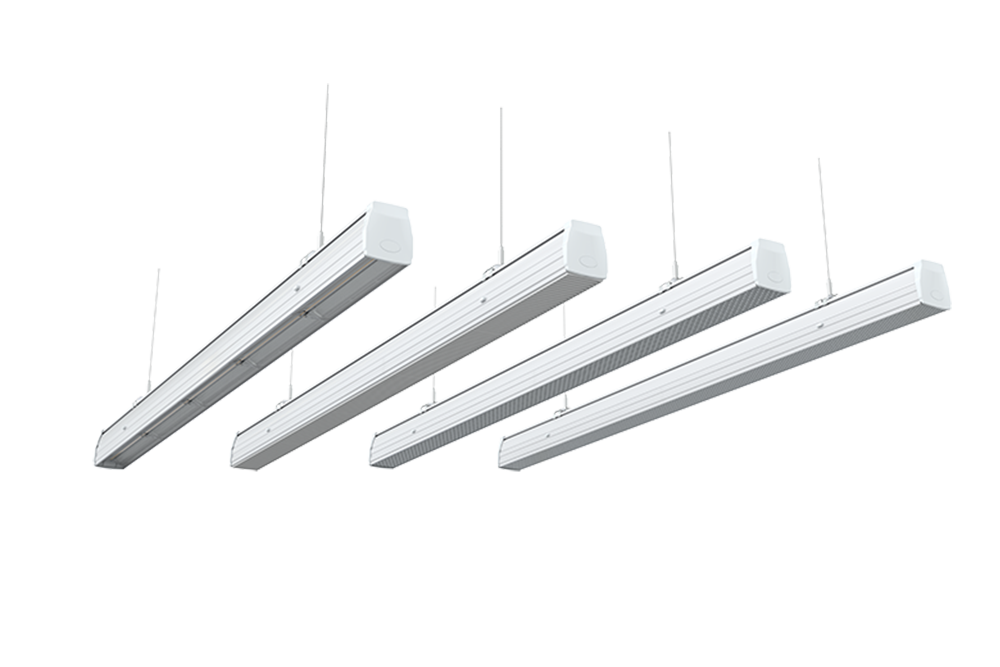
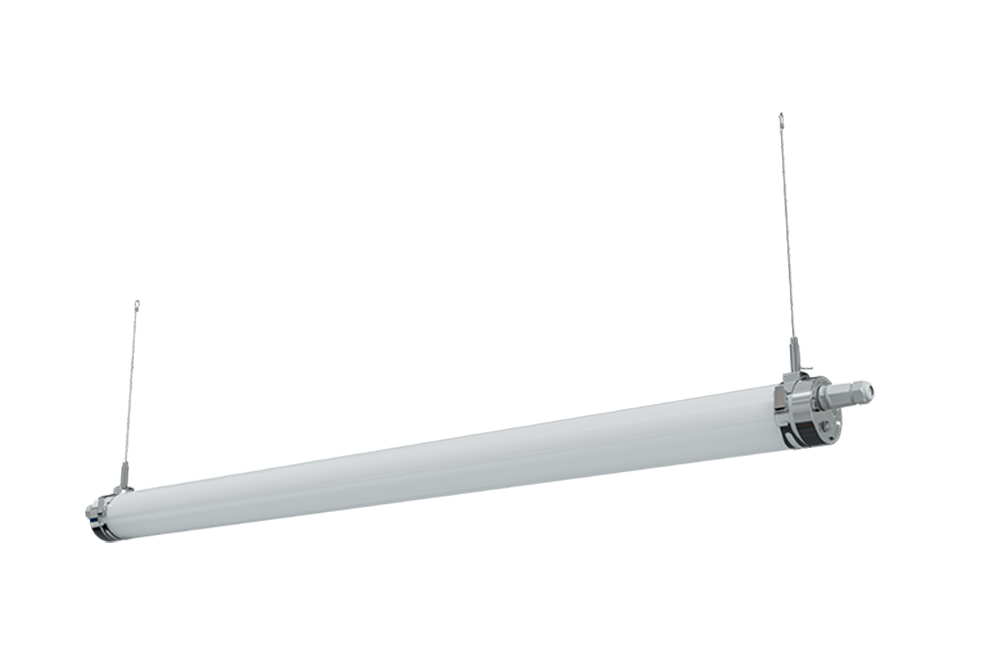
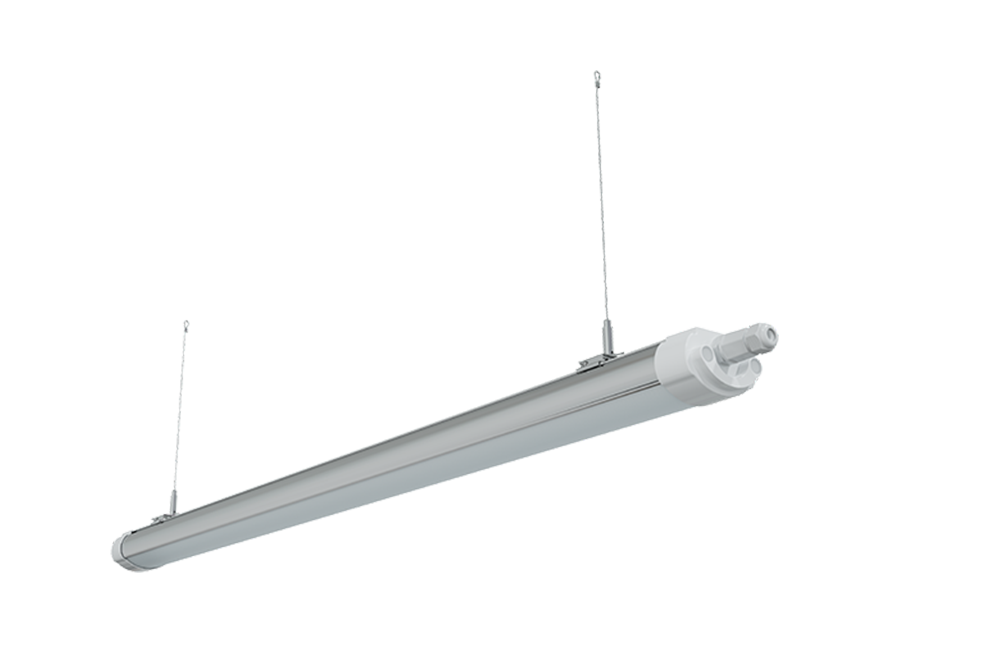
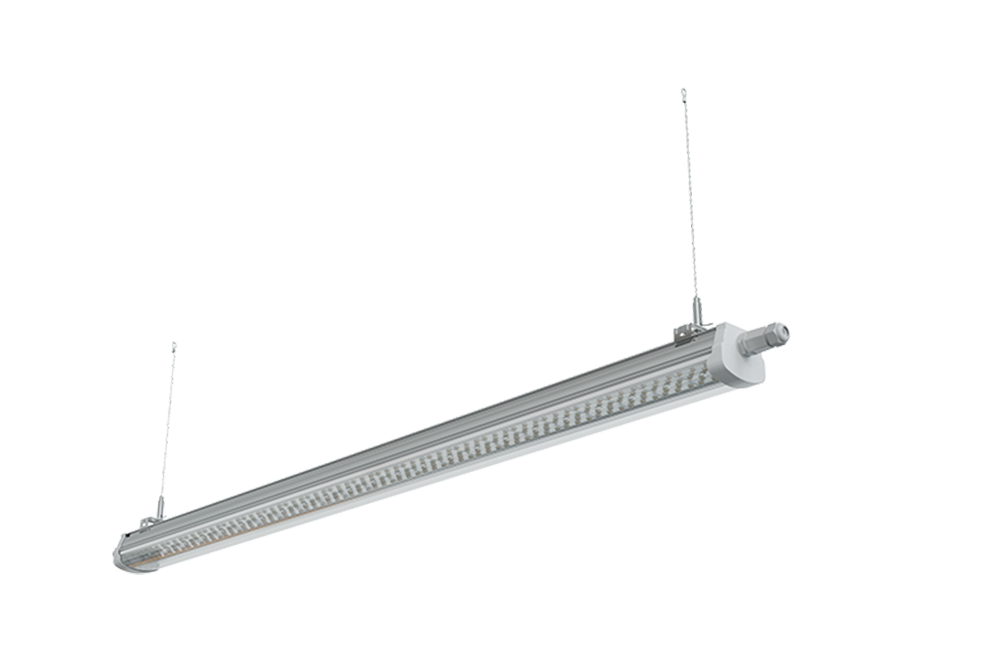
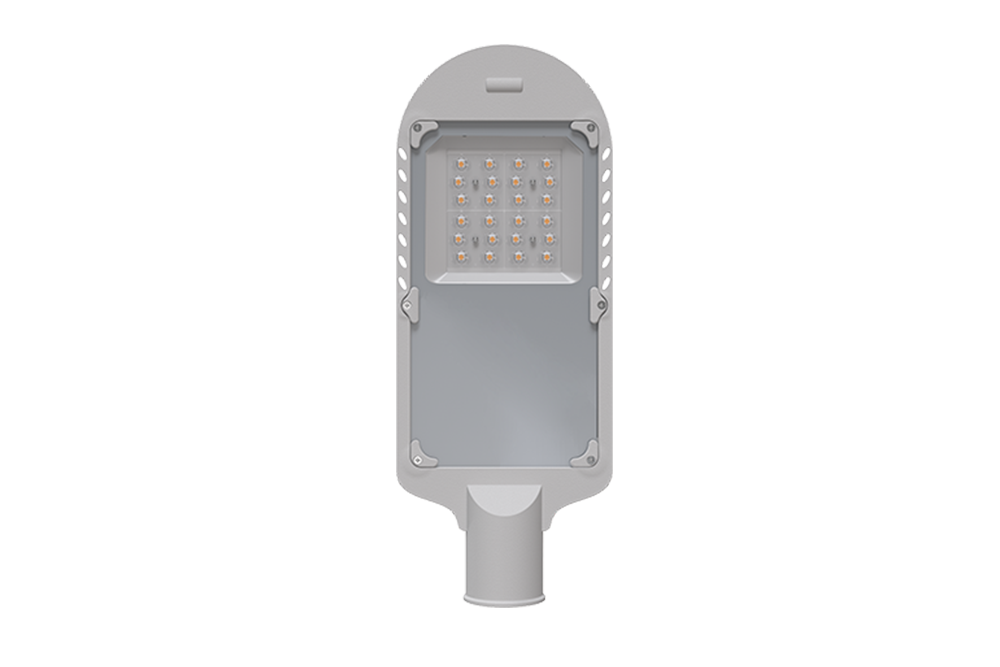
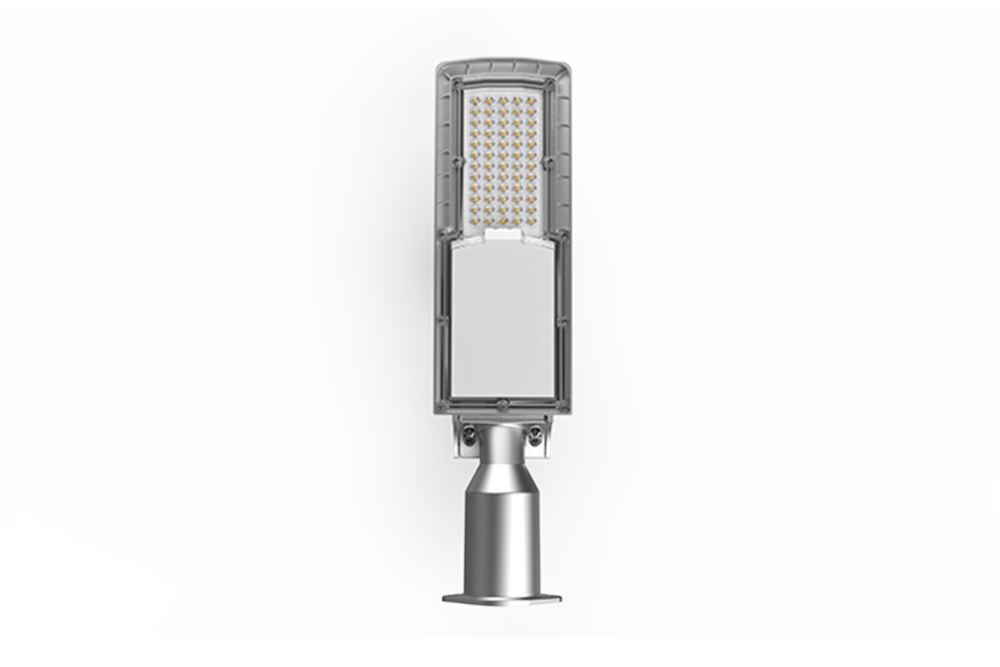
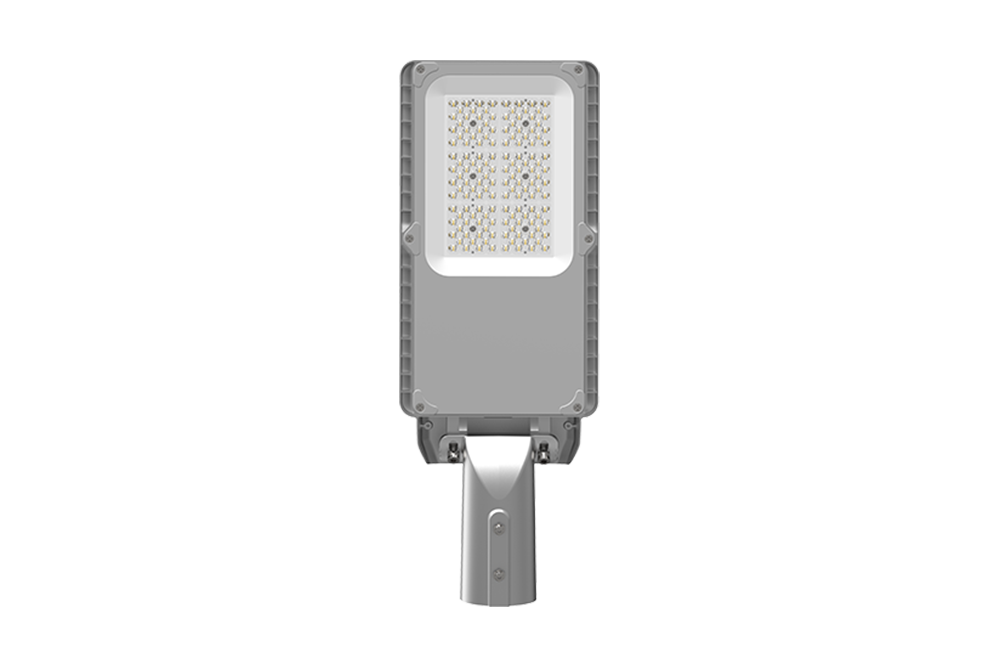
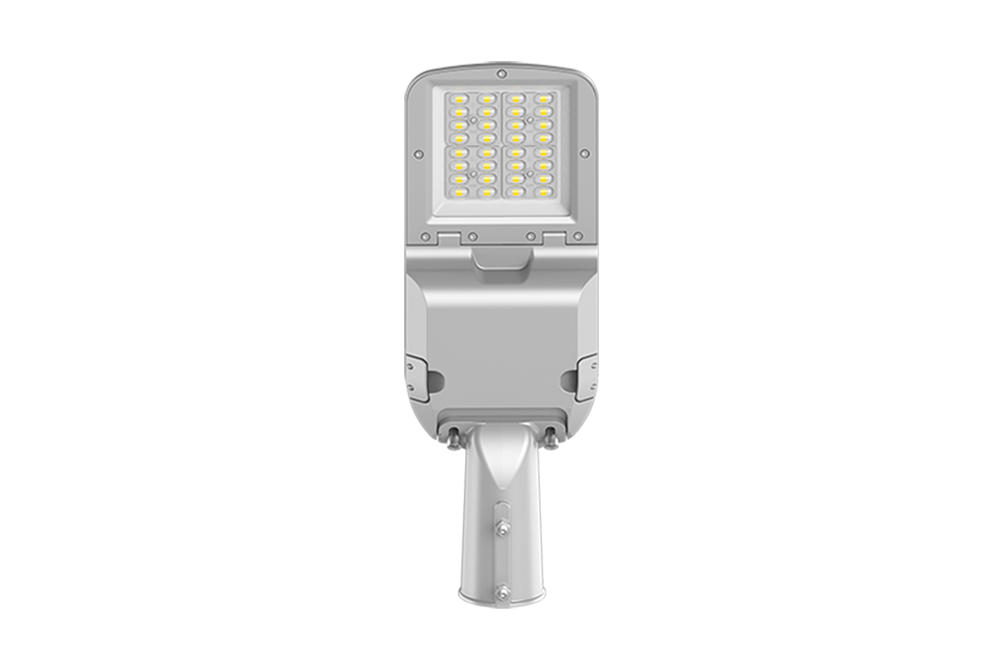
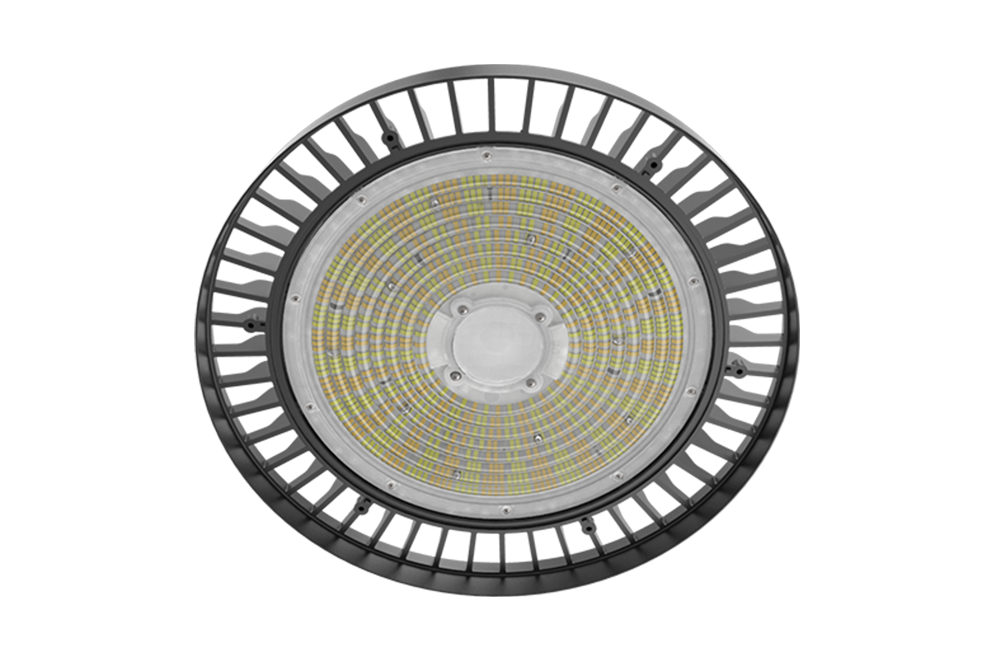
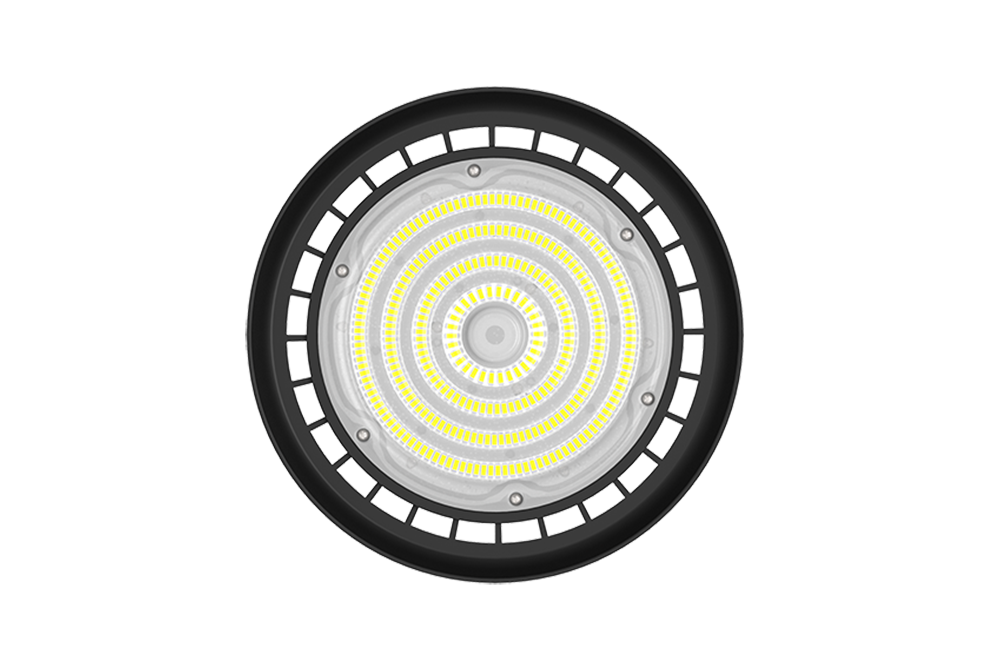
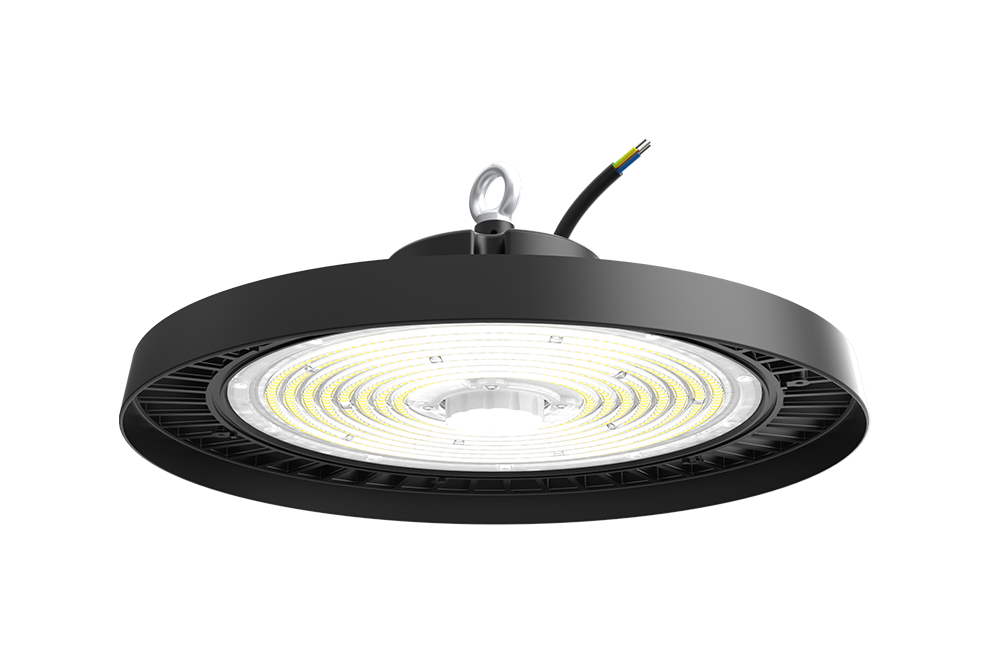
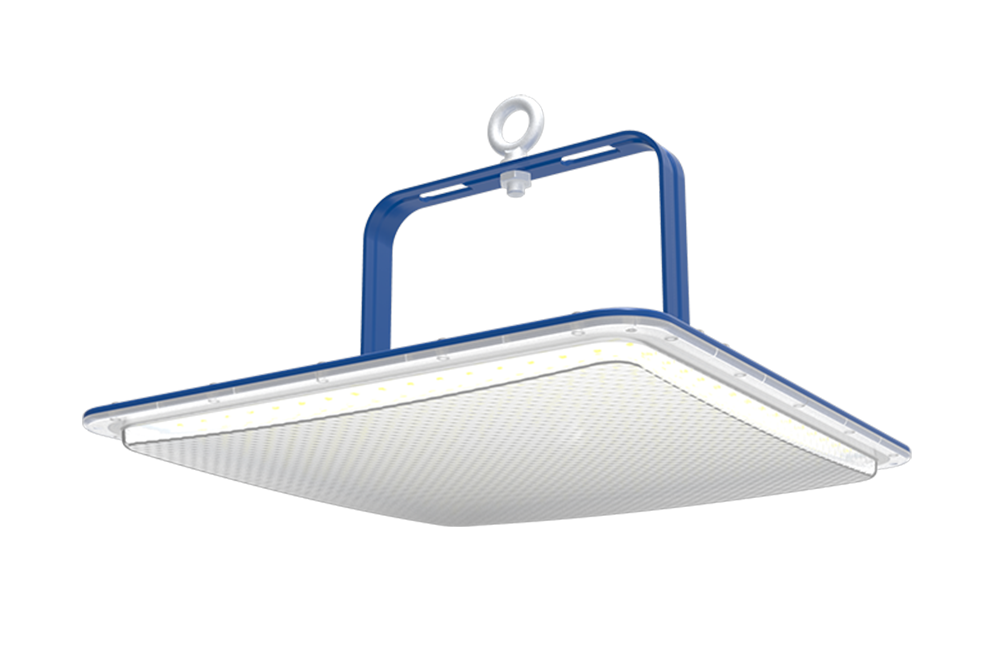
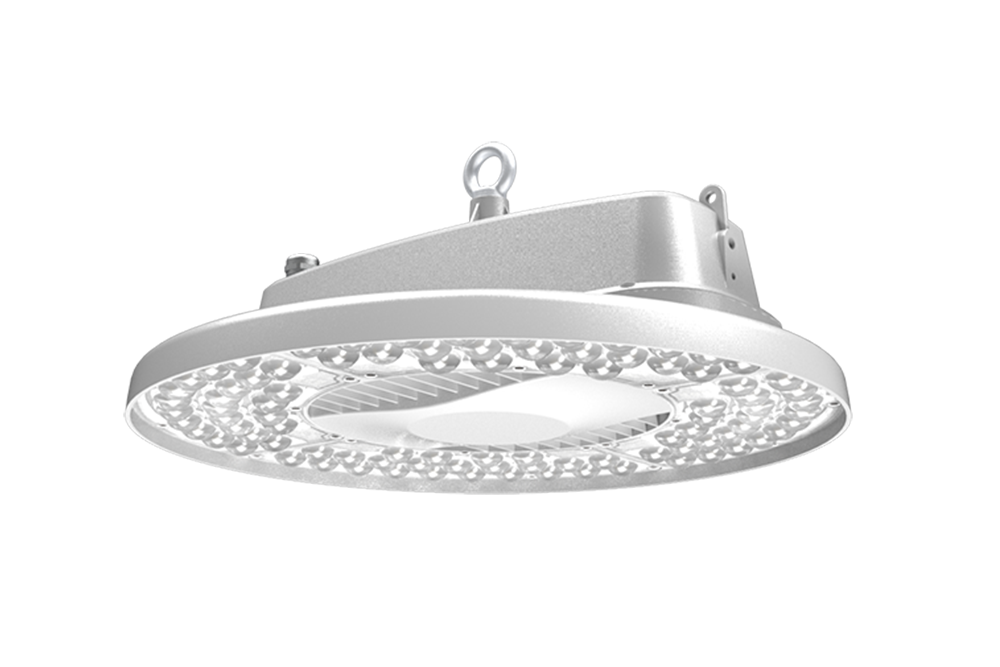
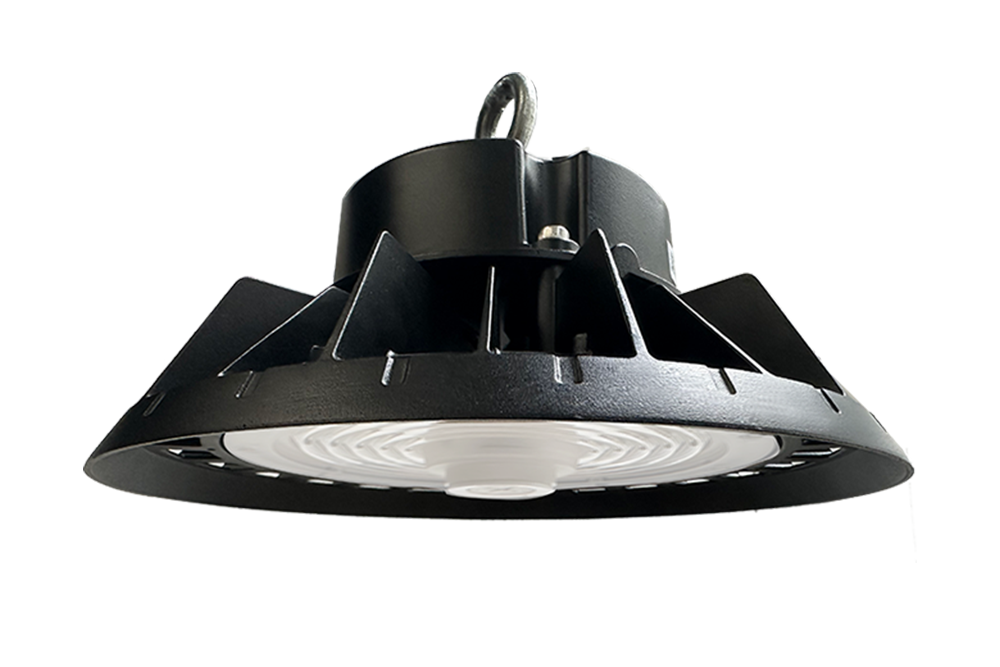
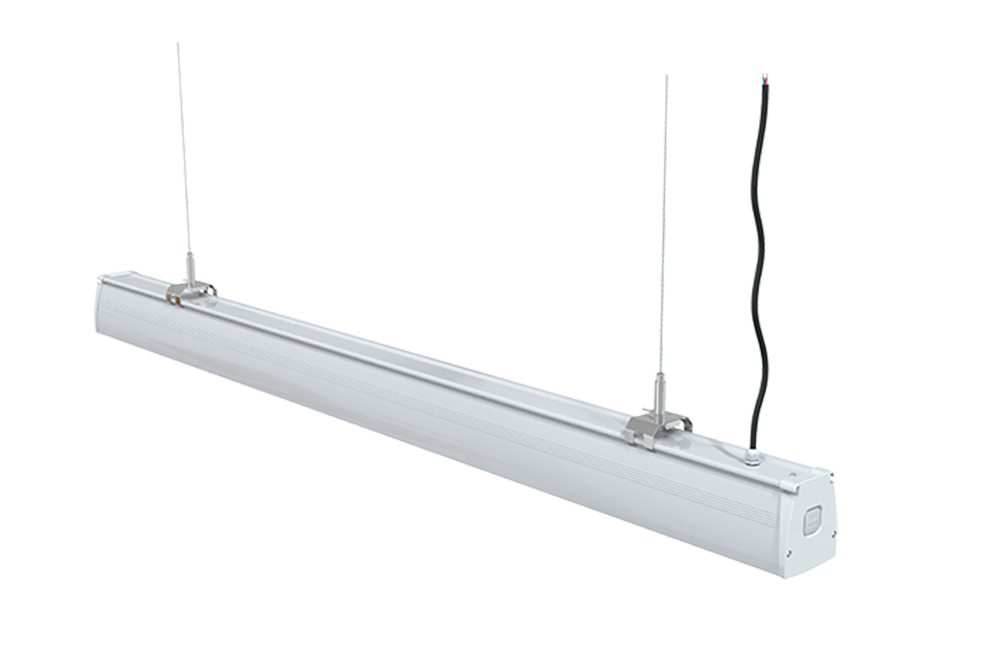
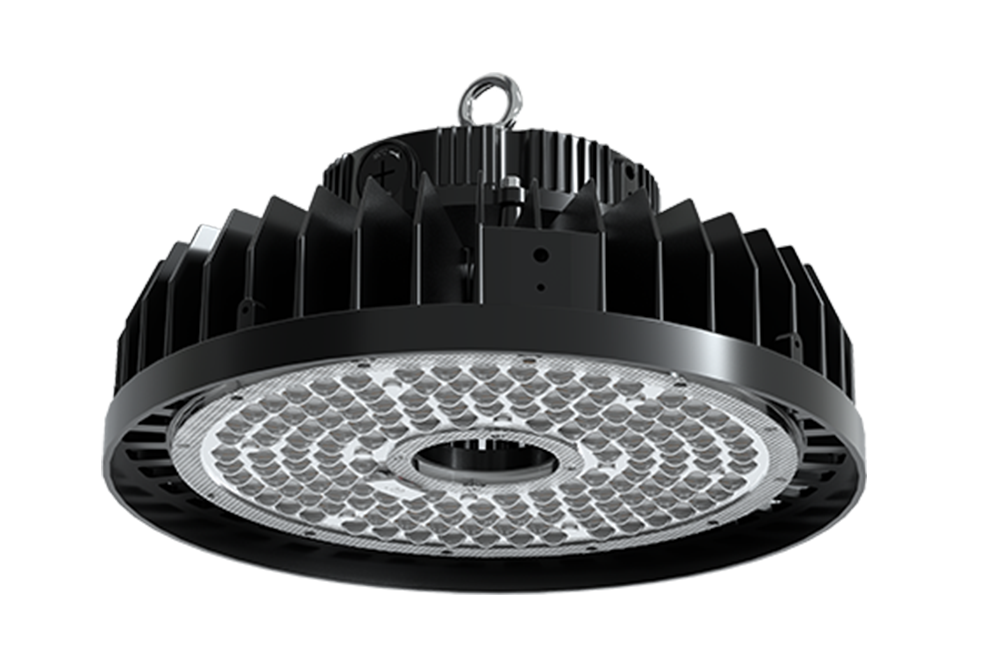
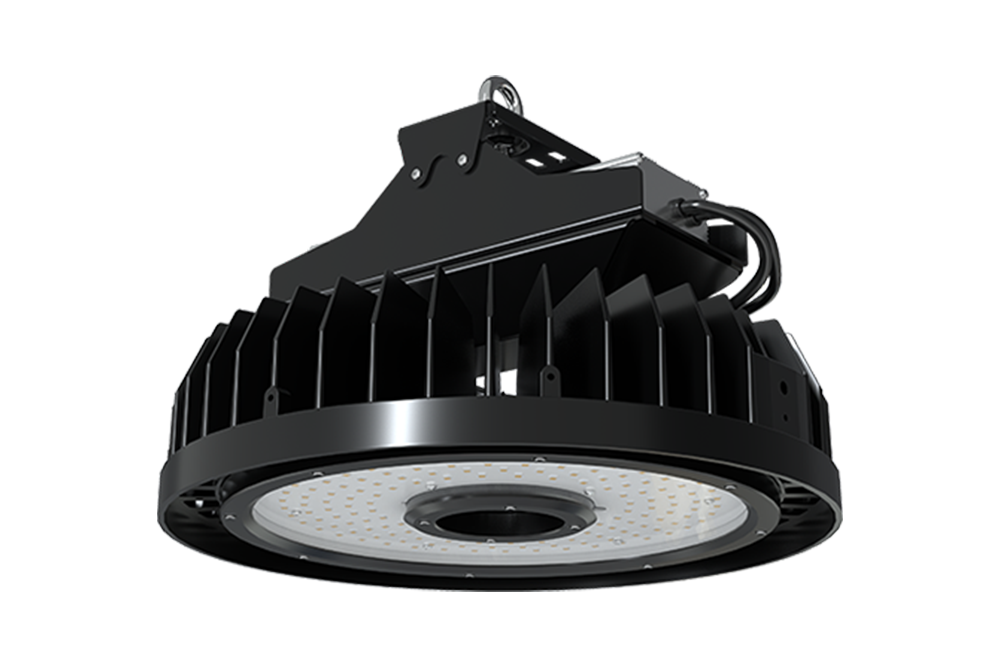
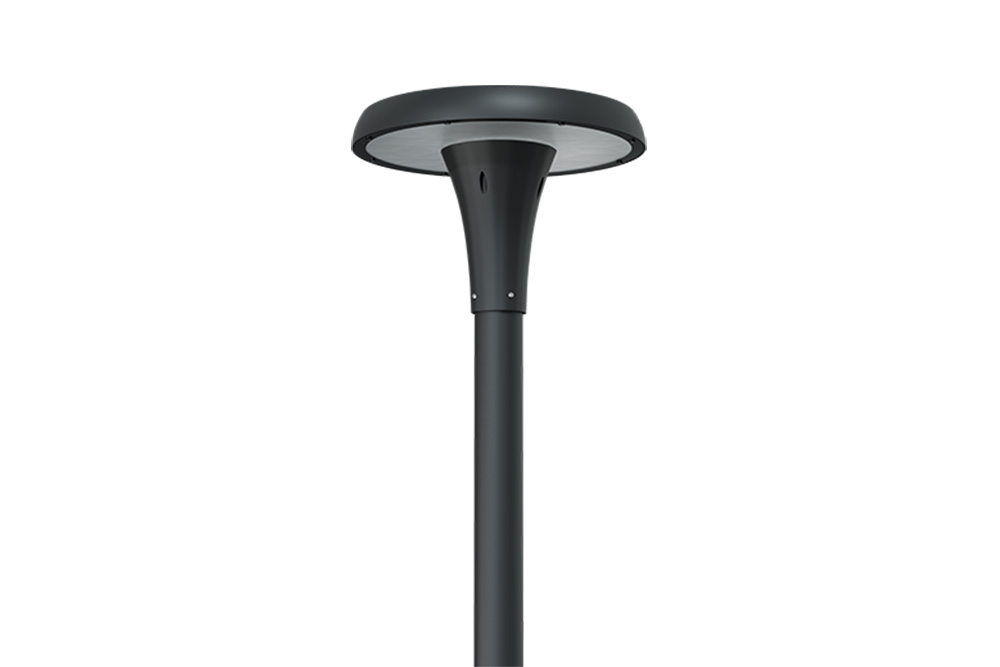
Beyond the main field, stadiums include many secondary areas that benefit from LED technology. Parking zones and access roads commonly use LED Street Light systems for consistent illumination and reduced glare. Interior service areas rely on LED Tri-proof Lamp and Linear LED Light solutions to handle dust, moisture, and vibration. In storage and technical rooms, LED High Bay Light fixtures provide stable output with minimal maintenance.
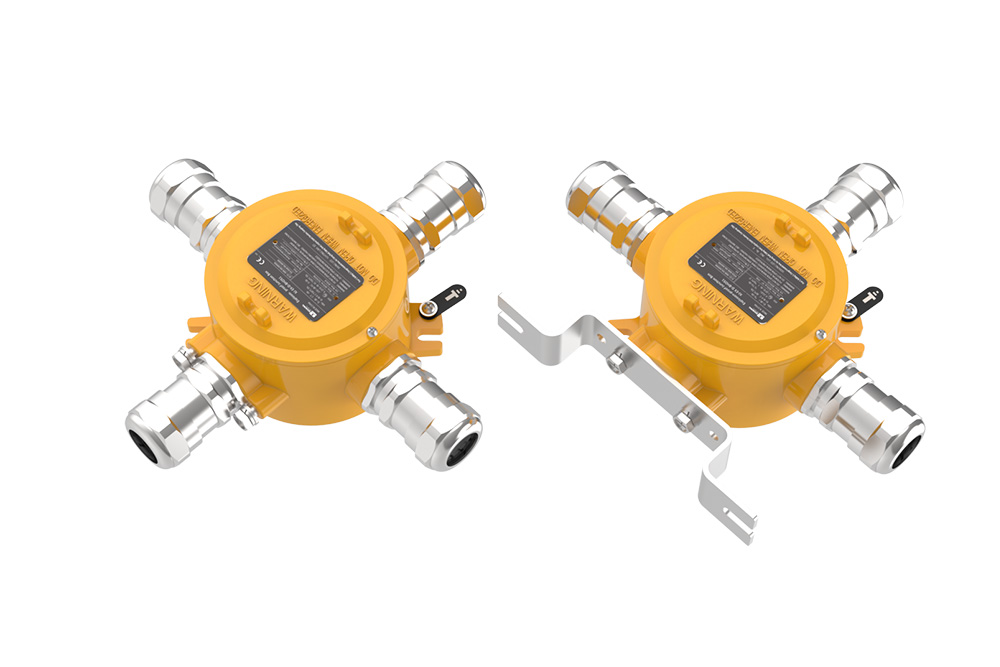
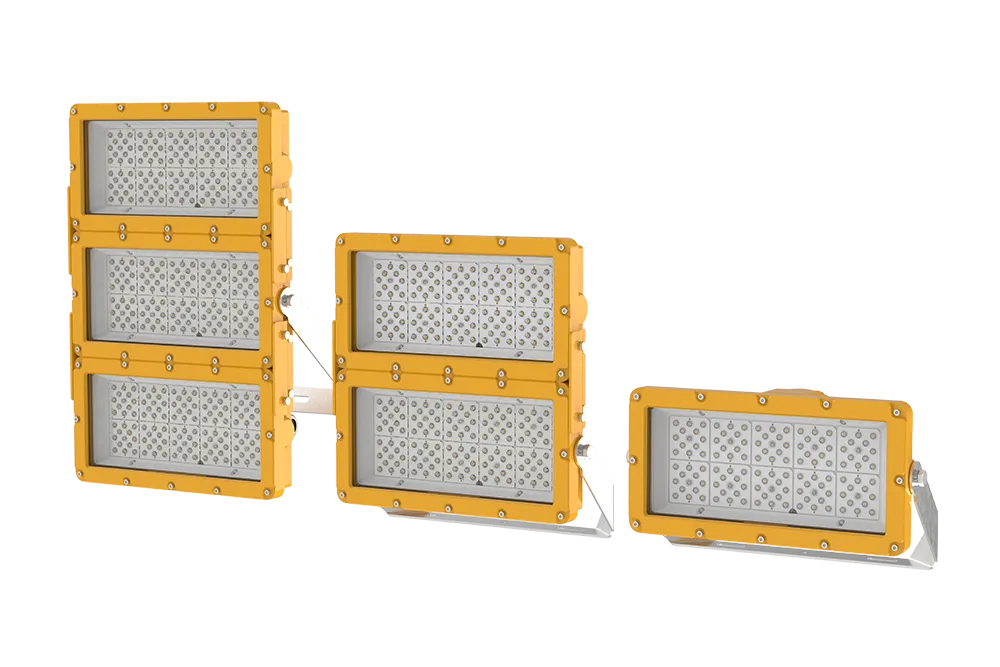
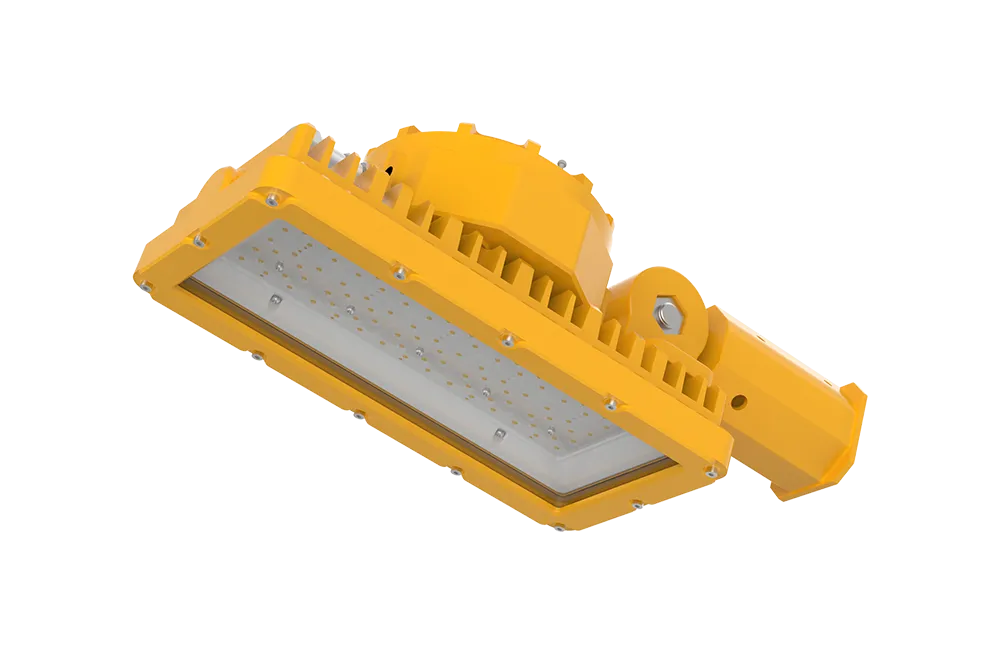
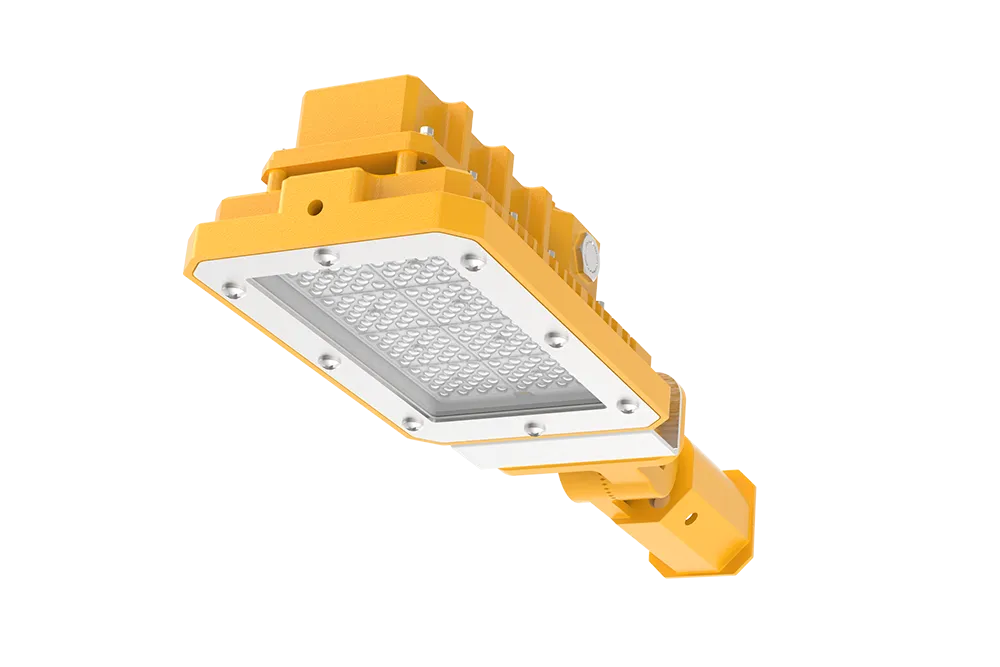
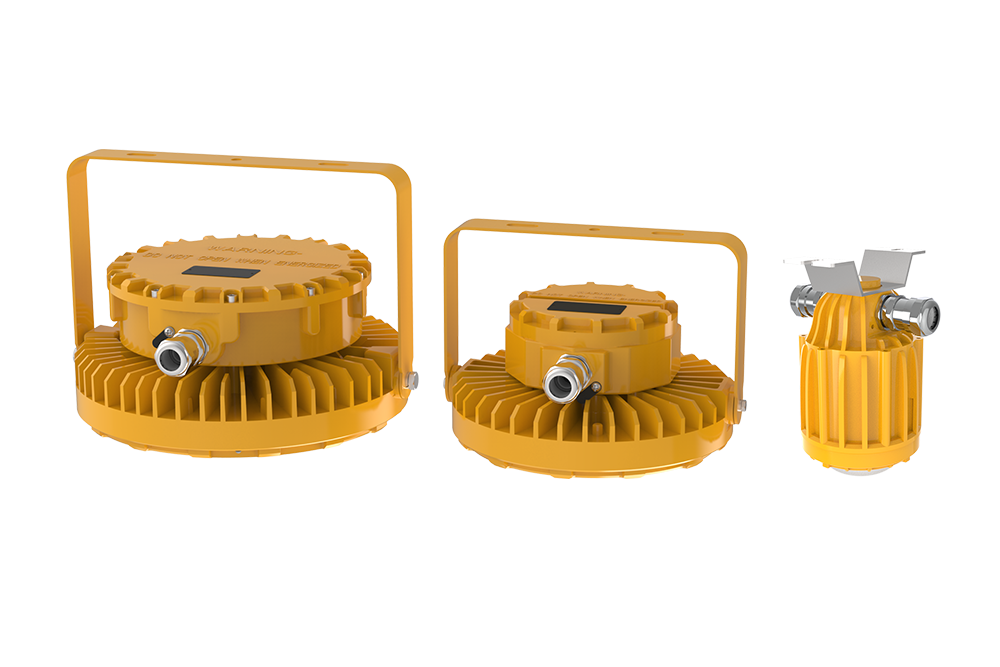
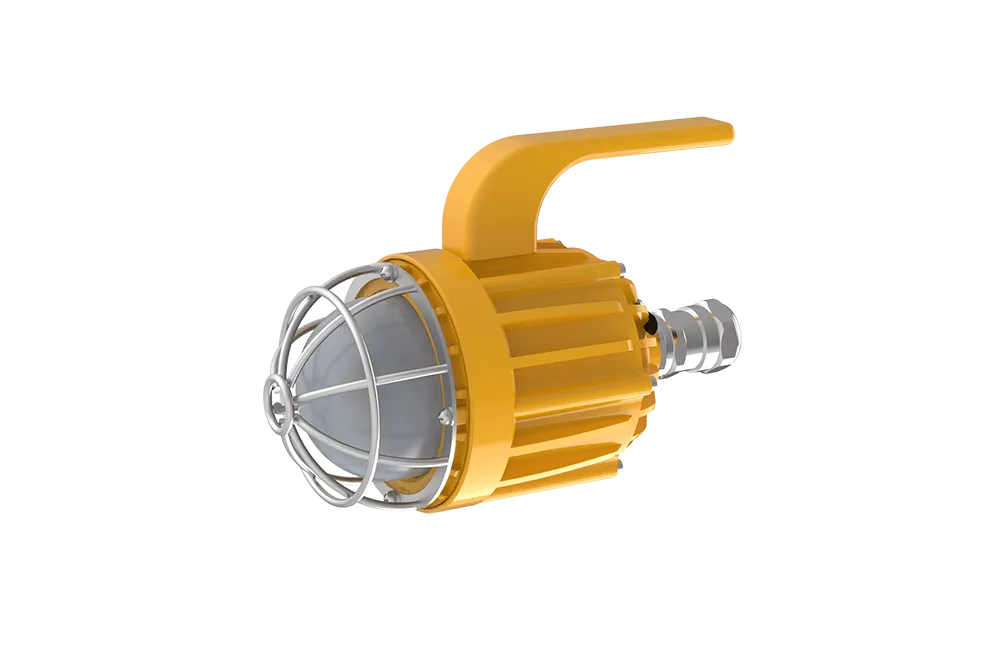
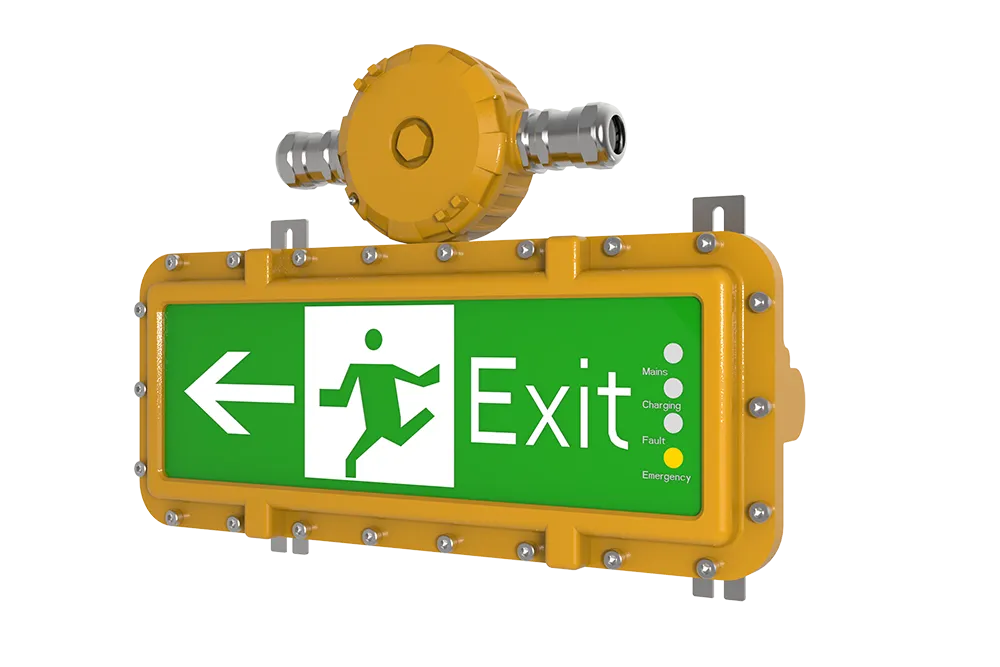
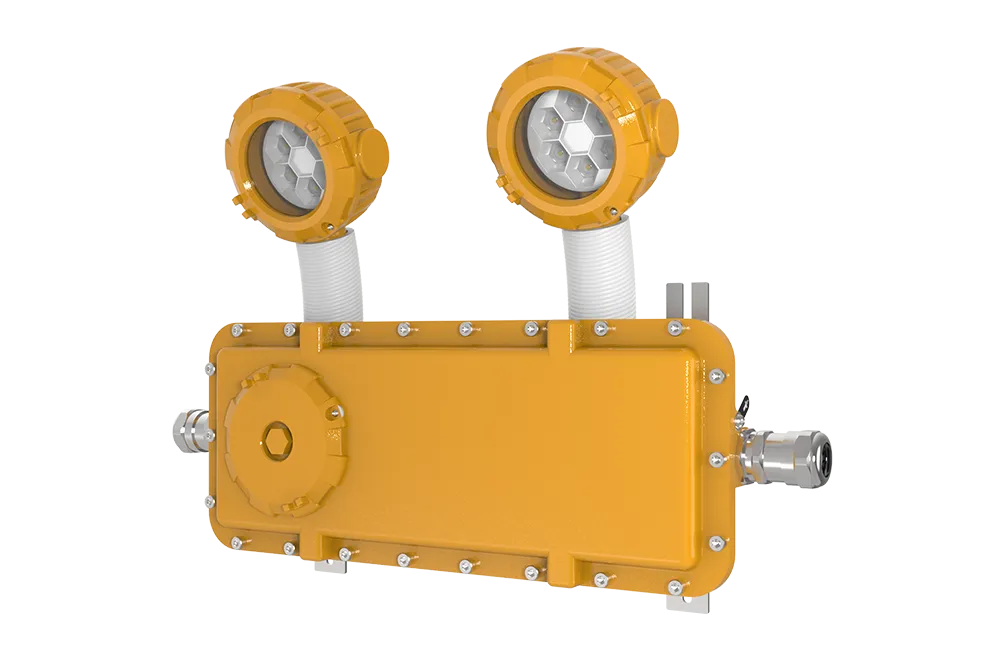
In some mixed-use sports complexes, Explosion Proof Light products are required in fuel storage or mechanical areas. While these fixtures are selected primarily for safety compliance, LED-based designs still offer advantages in heat control and operational stability.
From an engineering perspective, the success of LED stadium lighting is not theoretical. It is measured through reduced power load, simplified maintenance schedules, and predictable lighting performance. These outcomes are consistent across different regions and stadium sizes, provided the lighting design matches the venue’s actual usage.
At SEEKINGLED, engineering teams focus on these practical details rather than headline numbers. Stadium lighting projects are rarely isolated systems. They often integrate multiple lighting types, from Sports Stadium LED Lighting on the field to Garden Lights LED in surrounding public spaces. Treating the venue as a complete lighting environment helps avoid overdesign and unnecessary energy use.
Looking ahead, LED stadium lighting will continue to evolve, not because of trends, but because of operational logic. Improved optics, smarter controls, and longer service life all contribute to better light efficiency. For engineers, this shift is less about innovation for its own sake and more about building systems that work reliably, season after season.
Explosion proof lighting paint booths require specialized hazardous area fixtures to prevent ignition risks from paint vapors while improving visibility and compliance.
how many high bay lights do i need? Learn how to calculate high bay lighting quantity using ceiling height, lumens, spacing, and industrial lighting requirements.
Discover how HLL linear LED lighting hazardous area fixtures improve safety, energy efficiency, and compliance in explosive industrial environments. Expert insights from SEEKINGLED.
What is hazardous area flood light? A field-based engineering guide explaining explosion-proof flood lighting used in oil, gas, and dust hazardous zones with real standards.
 Seeking LED