 Seeking LED
Emergency explosion-proof LED street light linklights
7Emergency explosion-proof LED street light linklights deliver safe, continuous lighting in hazardous outdoor areas with backup power, high efficiency, and certified protection.
View detailsSearch the whole station
Wine cellar lighting provides low-heat, moisture-resistant illumination that ensures safe visibility in winery fermentation spaces without disturbing temperature stability or aging conditions.
That’s the direct answer.
But in a working winery cellar, lighting behaves differently than most expect.
It sits above rows of oak barrels, runs in cool, humid air, and often stays unnoticed—until something goes wrong.
From field experience with industrial-grade systems like SEEKINGLED, issues rarely come from brightness.
They come from condensation, uneven layout, and slow thermal buildup over time.
A winery cellar is not static. It breathes—slowly.
Lighting must operate within these constraints without introducing instability.
According to the U.S. Department of Energy (DOE):
LED lighting reduces energy use by up to 75% and emits significantly less heat than traditional sources—making it suitable for temperature-sensitive environments.
This is where wine cellar lighting proves its value—not in design renderings, but in daily operation.
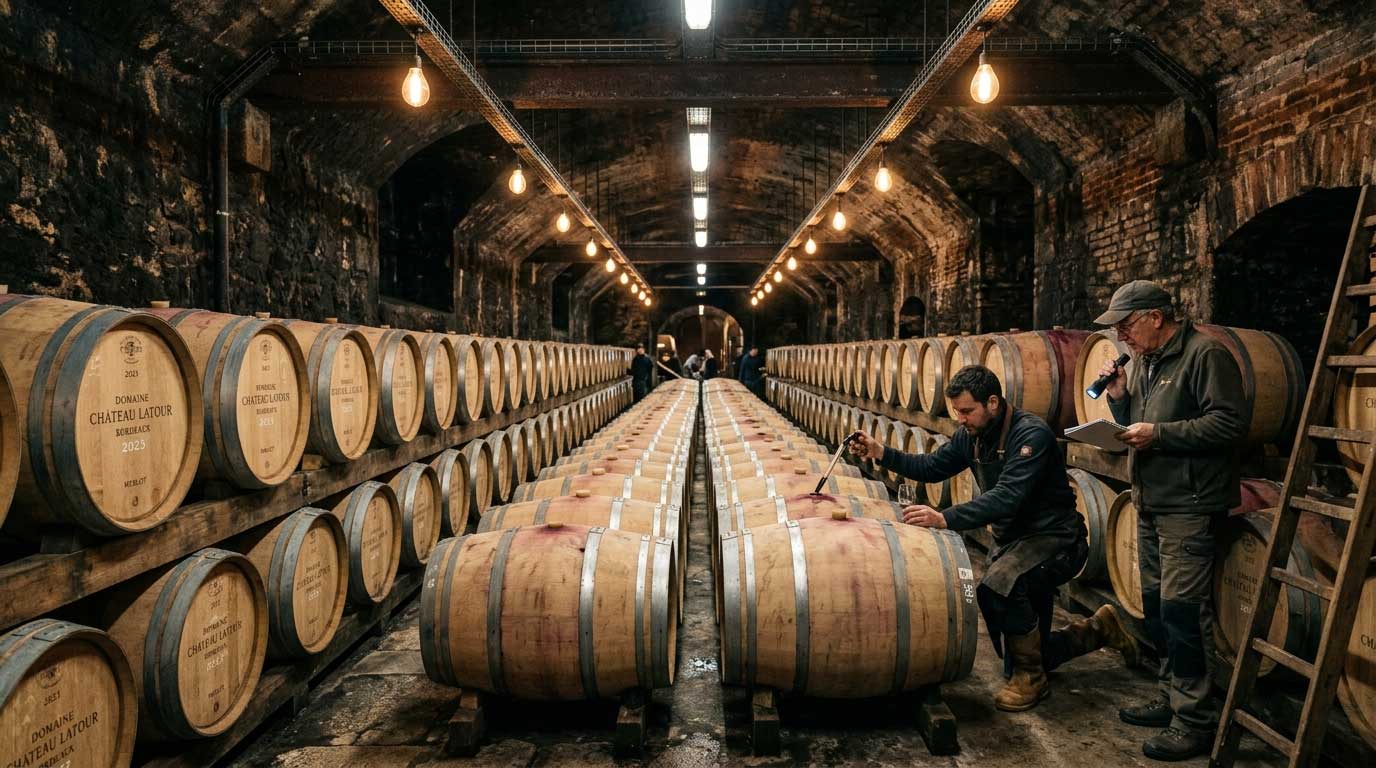
In one installation, minor condensation inside fixtures appeared after three weeks. It didn’t stop operation—but indicated long-term reliability risks.
Design here is less about aesthetics, more about consistency.
| Factor | Practical Requirement |
|---|---|
| Heat Output | Minimal |
| Sealing | IP65 or higher |
| Light Distribution | Wide and even |
| Maintenance | Low intervention |
Uniform lighting reduces operational friction more than high brightness ever will.
Storage zones operate differently than active fermentation spaces.
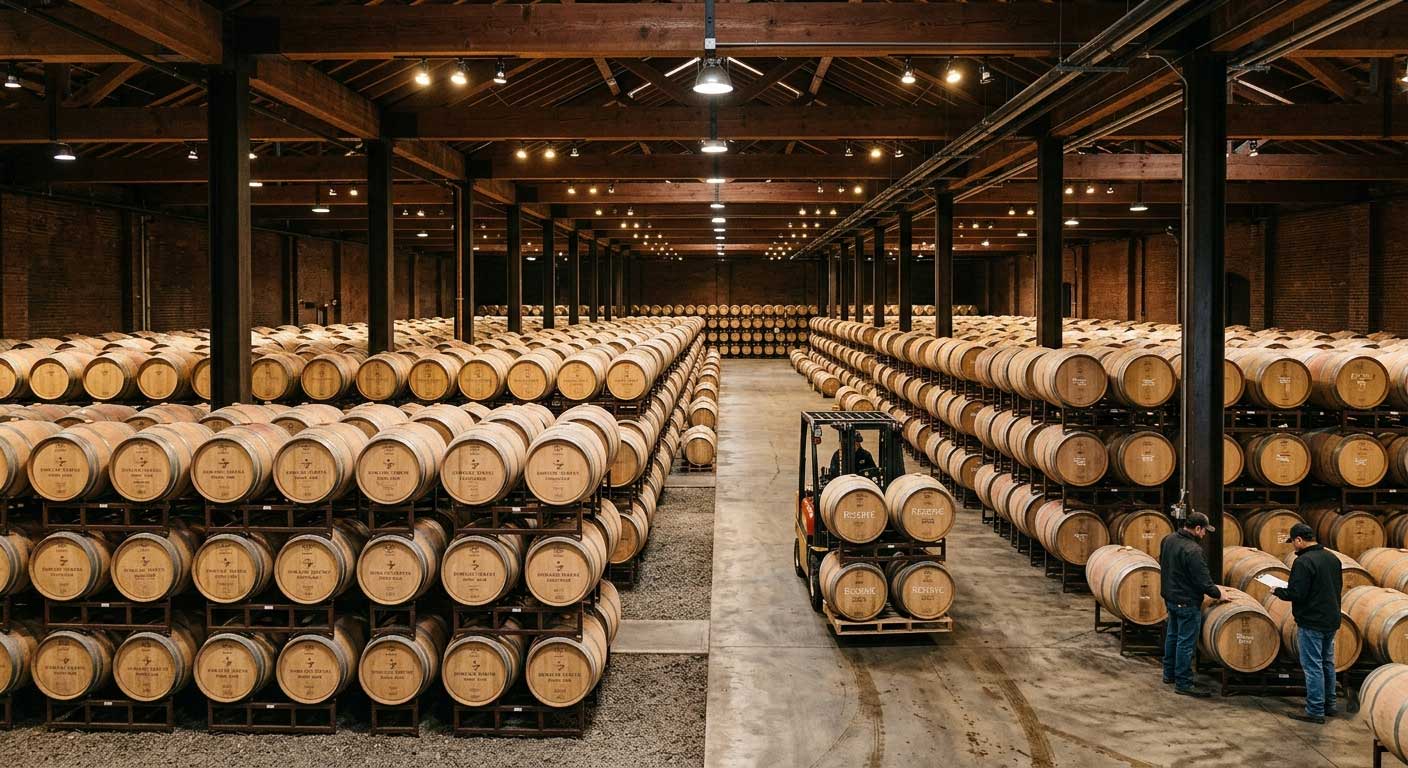
Even small inefficiencies can influence conditions over extended aging cycles.
Not immediately—but gradually.
Cause:
Result:
Drivers generate heat—even efficient ones.
If poorly positioned:
Common issue:
Solution:
| Layout | Performance |
|---|---|
| Overhead linear | Best overall |
| Side-mounted | Uneven shadows |
| Spot lighting | Too harsh |
SEEKINGLED’s industrial design background translates effectively into winery conditions:
In one cellar retrofit, switching to SEEKINGLED wine cellar lighting improved illumination uniformity and reduced maintenance frequency within the first year.
This article is based on hands-on experience with LED lighting systems across industrial and controlled environments, including winery cellar applications.
Experience includes:
The insights here come from actual projects, adjustments, and observed long-term behavior.
Yes. It must operate in humid, temperature-sensitive environments without affecting storage conditions.
Indirectly, yes. Heat and environmental instability can affect aging and fermentation.
2700K–3000K provides balanced visibility with minimal glare.
Typically 50,000 hours or more, depending on environment and installation.
In winery environments, lighting is rarely noticed when it works.
But when it fails, the effects build slowly:
That’s why wine cellar lighting should be designed for stability—not just illumination.
The SEEKING HBC-T Series high bay lights LED offer long-lasting performance for warehouses, production plants and logistics centers. Durable IP65 & IK08 housing, 60°/90° beam angles, up to 150 lm/W, and a lifespan beyond 100,000 hours. Ideal for airport halls, commercial storage, construction sites and large indoor spaces.
View details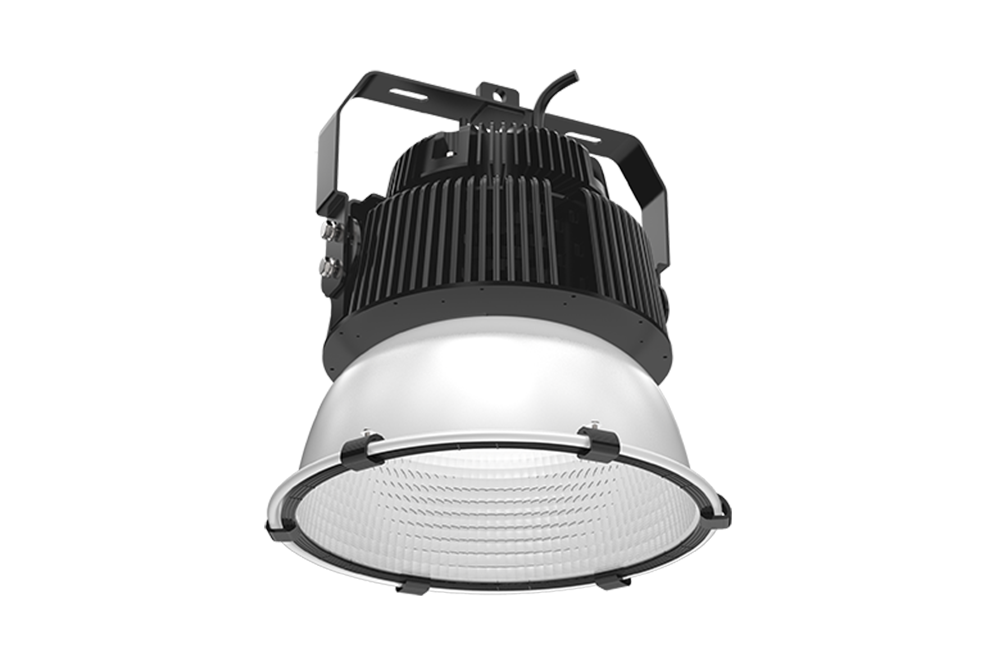
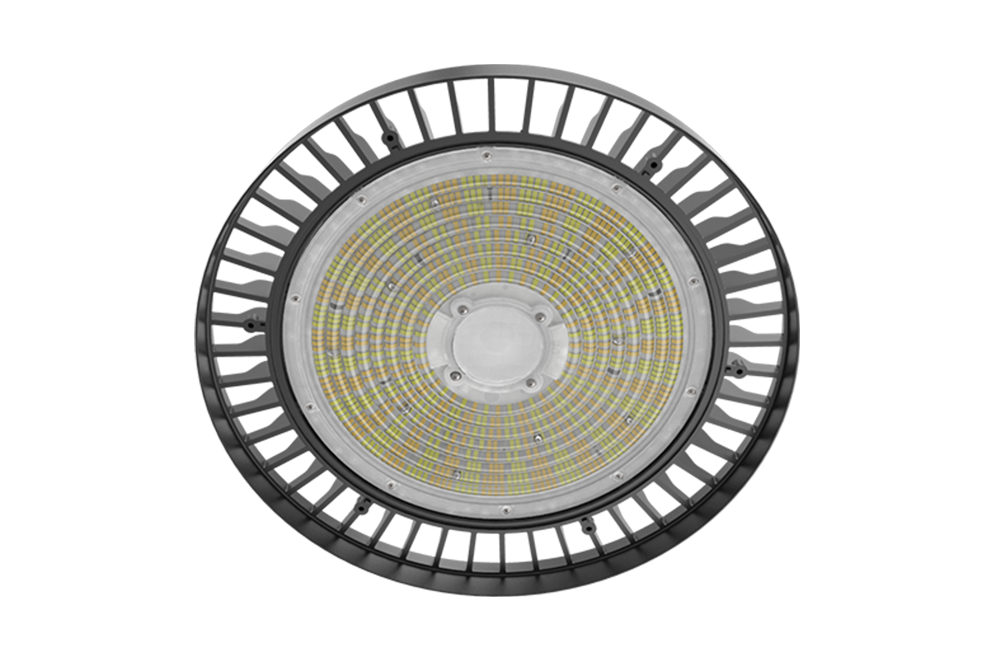
The SEEKING HBS Series LED UFO high bay light delivers 140 lm/W efficiency, IP65 protection and MEAN WELL drivers. A durable high-rise lighting solution for factories, warehouses and commercial halls.
View details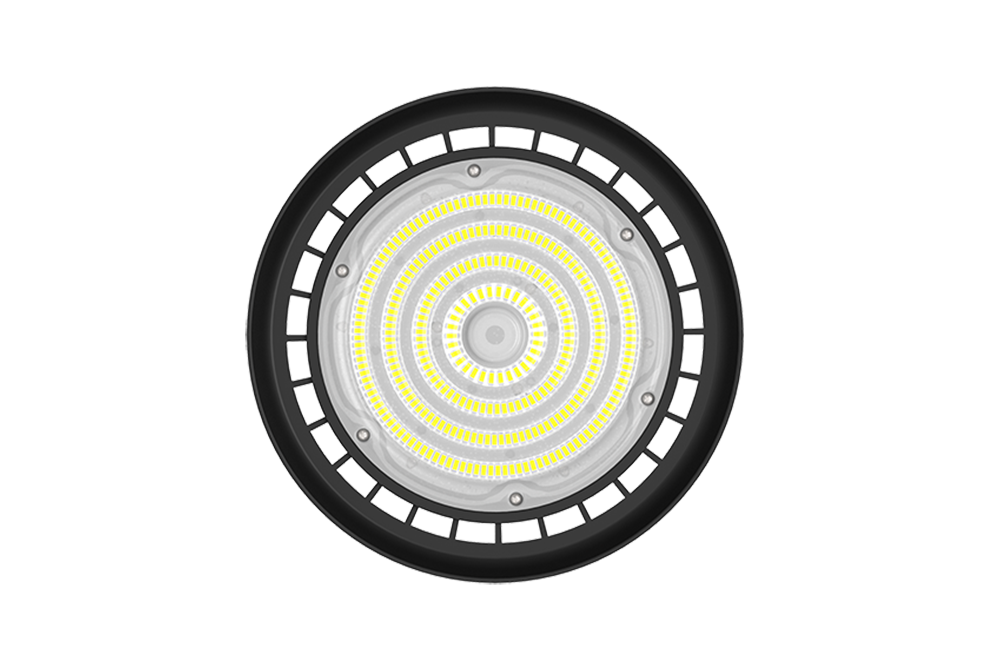
SEEKING HBD Series LED high bay lighting delivers 160 lm/W efficiency, IP66 protection, and long 100,000-hour lifespan. A durable UFO high bay solution for warehouses, workshops, logistics centers and commercial facilities.
View details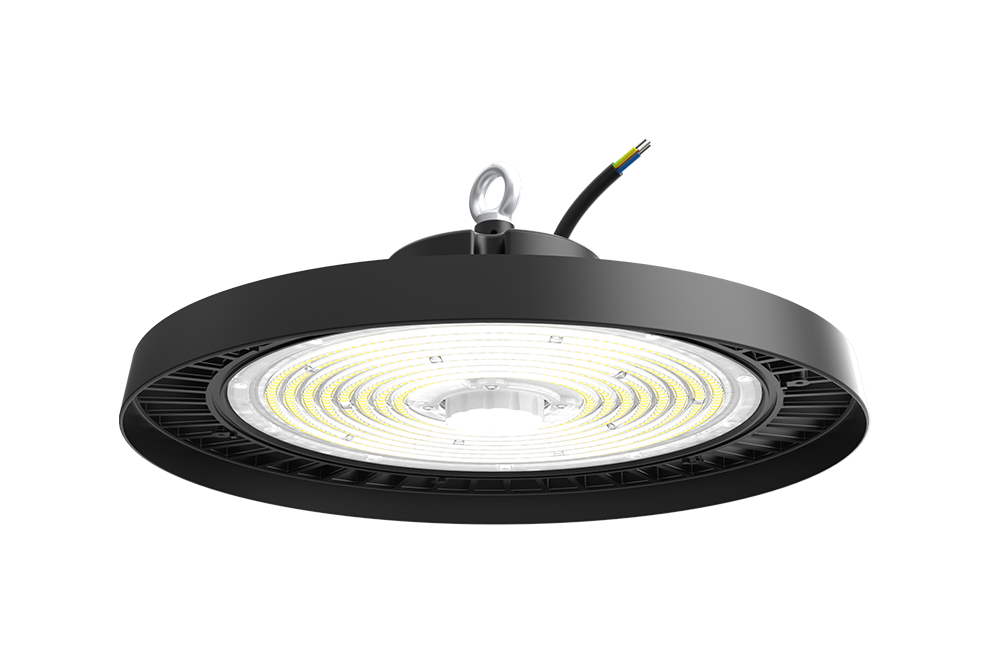
The SEEKING HBC Series high bay LED light fixtures combine strong efficiency, practical design and reliable SOSEN drivers. A durable UFO high bay lighting option for warehouses, workshops and wholesale projects.
View details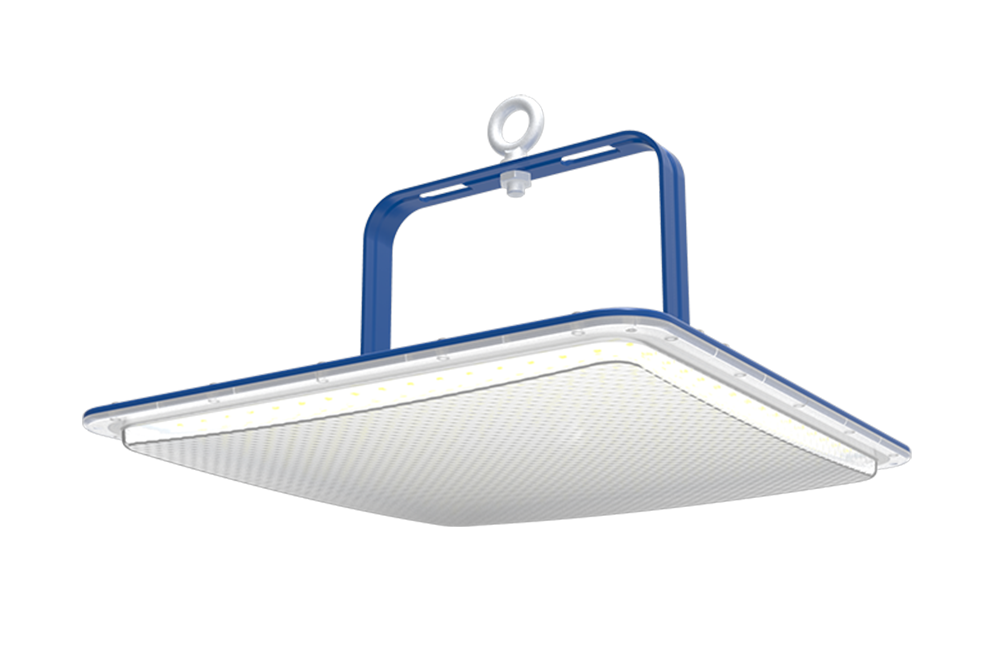
The SEEKING GSL Series high bay LED light delivers powerful, efficient lighting for industrial and commercial spaces. With IP65 protection, flexible mounting, and up to 140 lm/W performance, it’s ideal for warehouses, workshops, and retail areas.
View details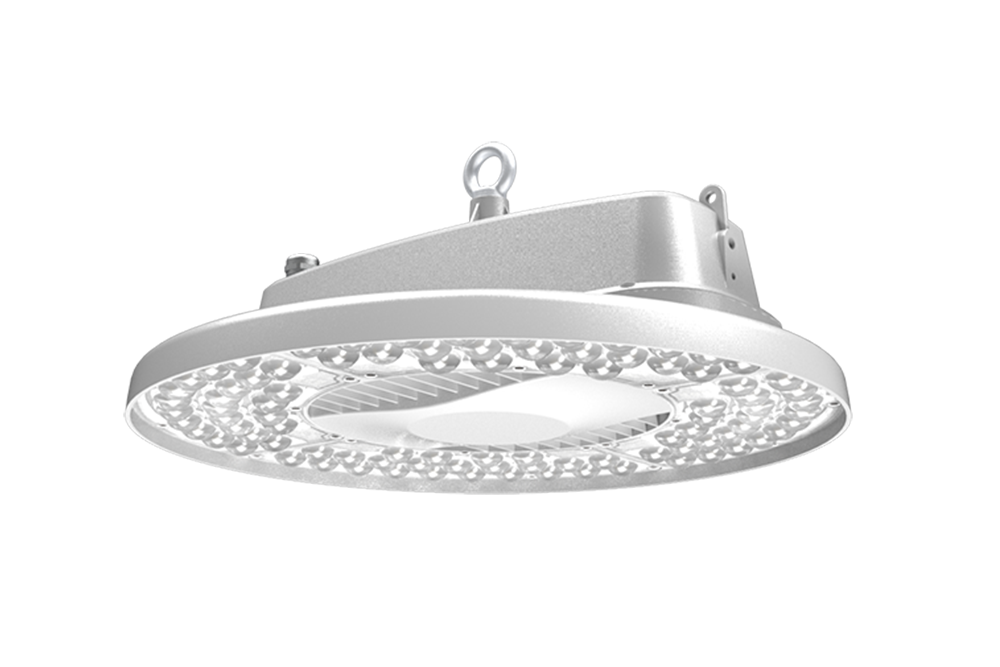
The SEEKING HB15(GLE) Series delivers advanced high bay led lighting with UGR 100,000 h) and reliable illumination for demanding commercial environments.
View details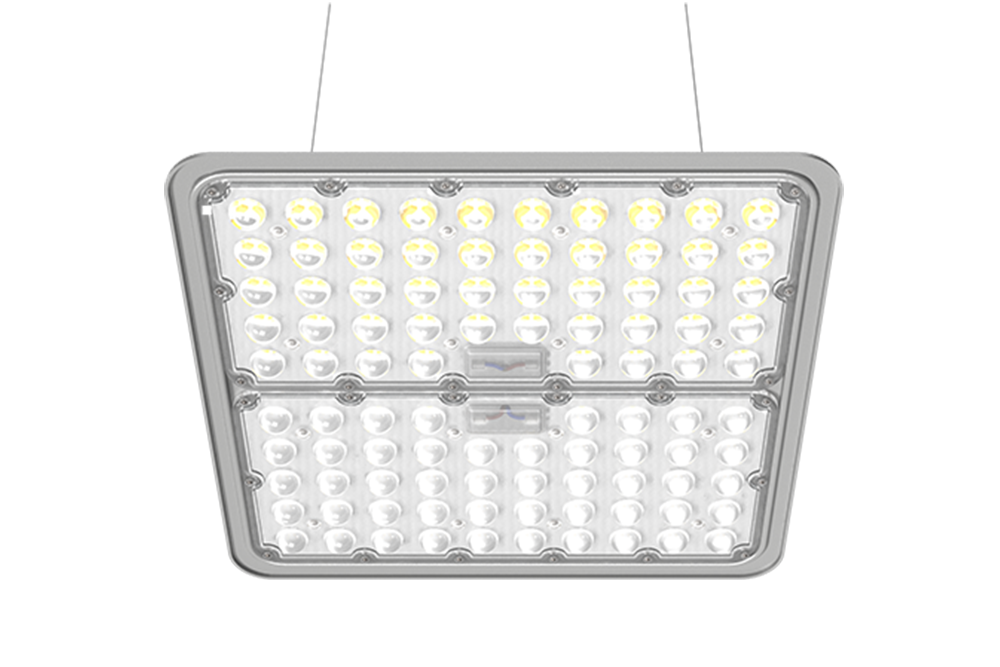
Discover the SEEKING HB13(GLK) Series ufo led high bay light, engineered for sports halls, airport lounges, showrooms, and large commercial spaces. UGR 100,000 h). Ideal for industrial ufo high bay lighting fixtures and commercial retrofits.
View details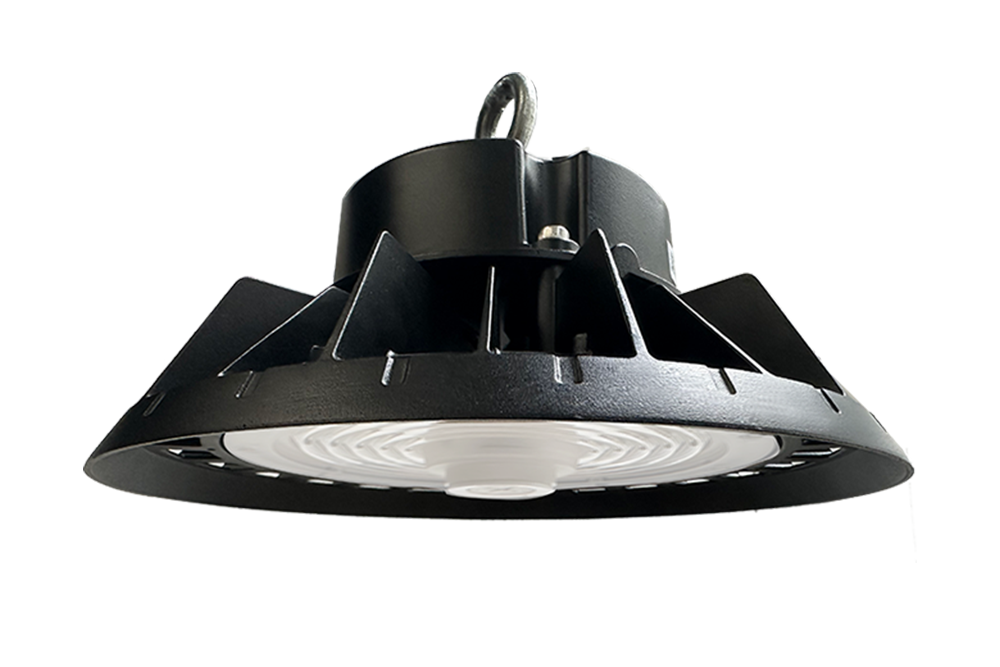
SEEKING HBF Series offers industrial LED high bay lighting with up to 200lm/W efficiency, SOSEN flicker-free driver, IP65 protection and optional microwave motion sensor. Ideal for warehouses, factories and commercial distribution projects.
View details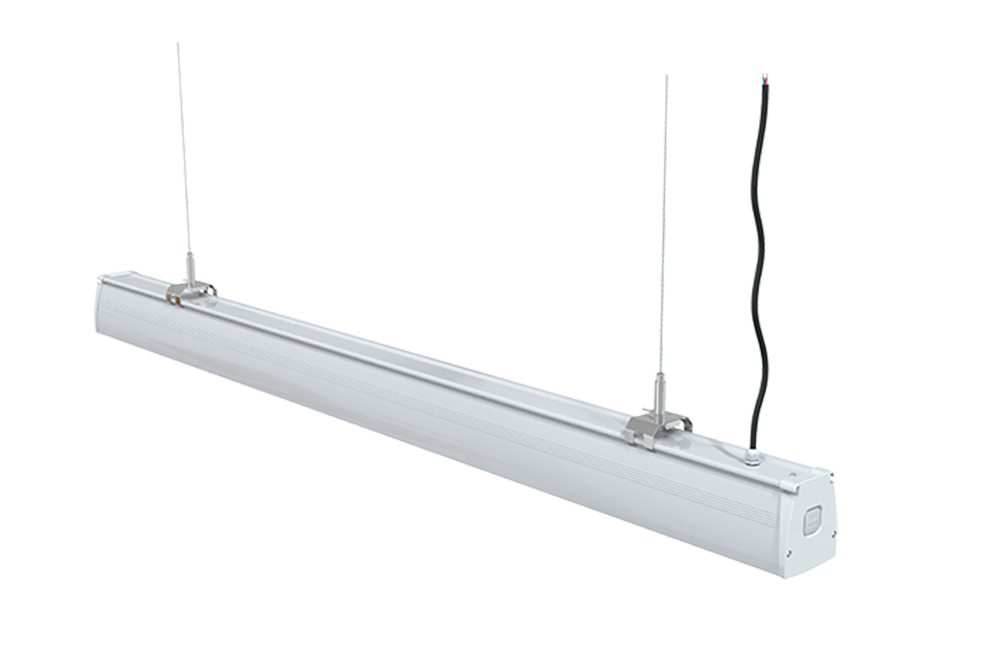
The HLD Series linear high bay LED lights from SEEKING deliver up to 200 lm/W with multiple beam angles and adjustable CCT options for warehouse, workshop, corridor and general industrial lighting.
View details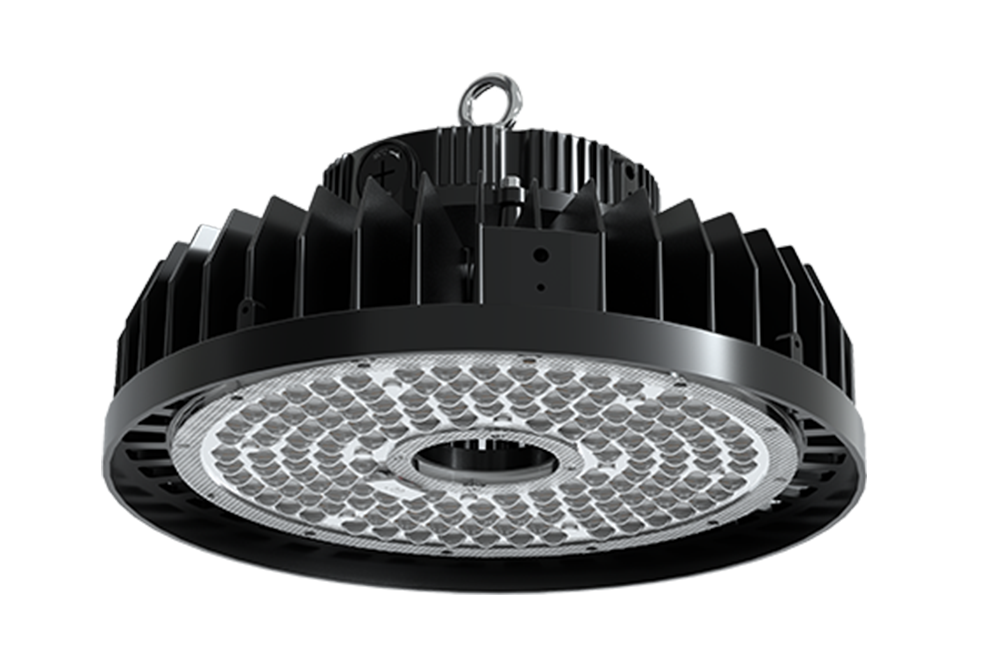
The HBK Series LED high bay light by SEEKING combines 500W power, 160–175 lm/W efficiency and IP65 durability for heavy-duty industrial lighting. Designed for warehouse, factory and production facilities with demanding ceiling heights.
View details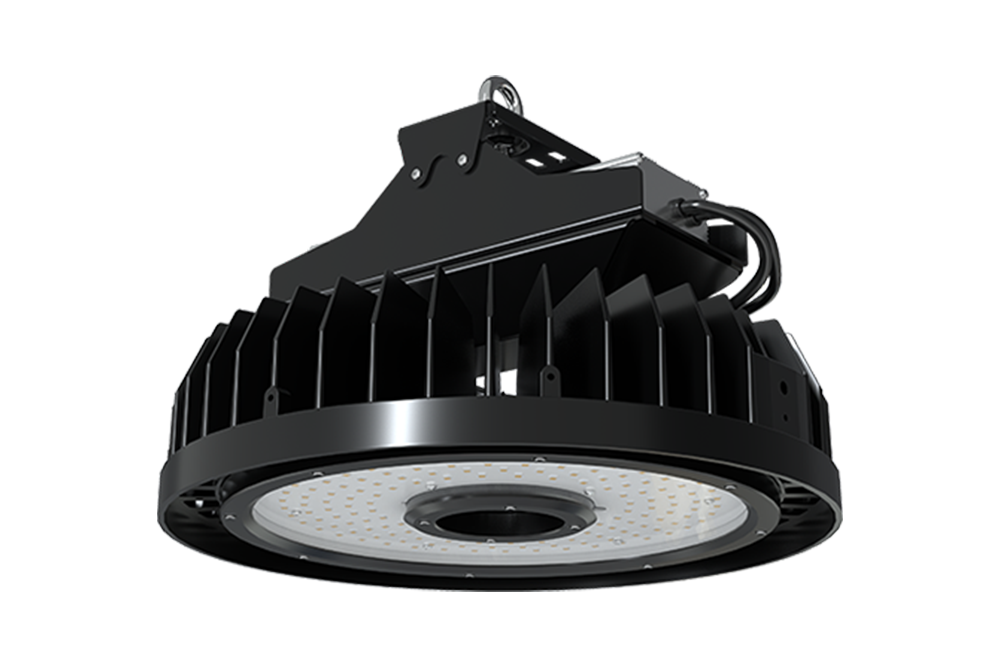
LED high bay lights engineered for extreme heat and low-temperature industrial sites. SEEKING HBK Ultua Series operates from -40°C to +70°C with Nichia LEDs and Inventronics driver.
View details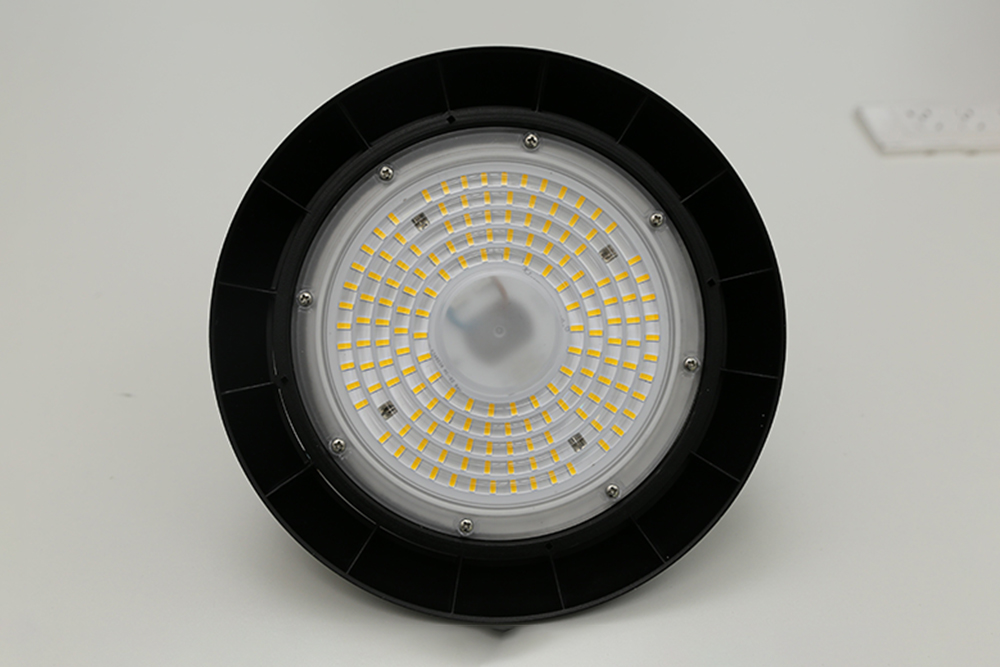
High bay LED lights built for warehouses, production plants and wholesale distribution. SEEKING HBI Series offers up to 200lm/W, IP65, IK08 and optional microwave motion sensor for energy saving operation.
View details
Emergency explosion-proof LED street light linklights deliver safe, continuous lighting in hazardous outdoor areas with backup power, high efficiency, and certified protection.
View details
Learn how to repair LED flood light problems step by step. Covers common failures, driver issues, moisture damage, and when replacement is smarter.
View details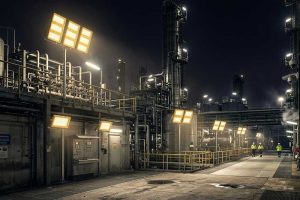
ATEX flood light for hazardous zones. Learn certifications, lumen output, installation tips, and how to choose a reliable explosion-proof LED solution.
View details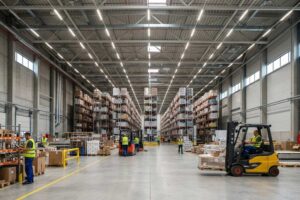
A high bay light typically uses 100W–240W, with larger fixtures exceeding 300W. A 150W fixture running 10 hours consumes about 1.5 kWh per day.
View details