 Seeking LED
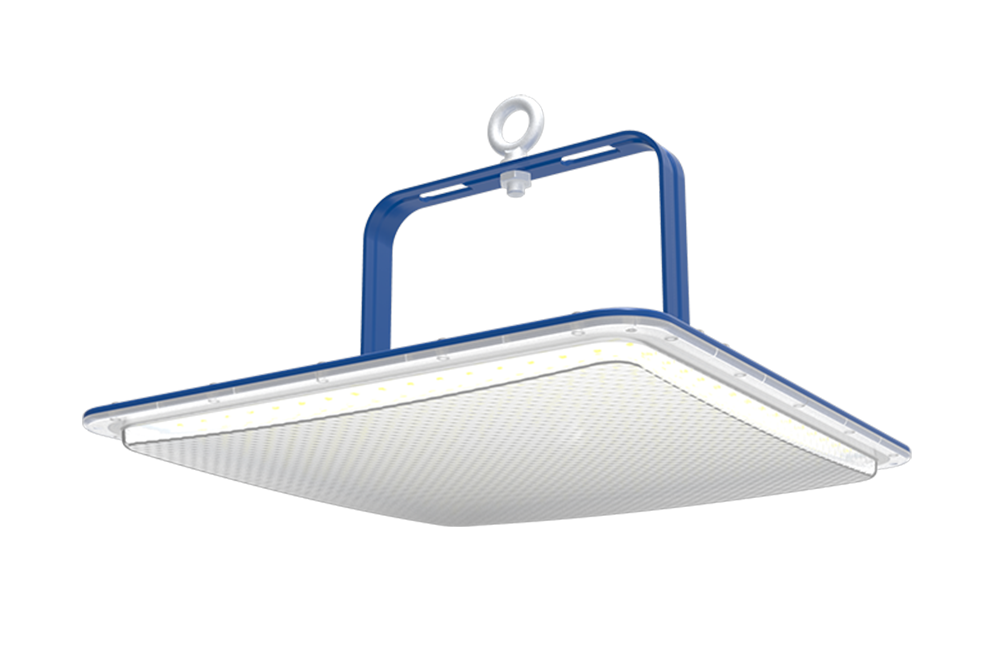
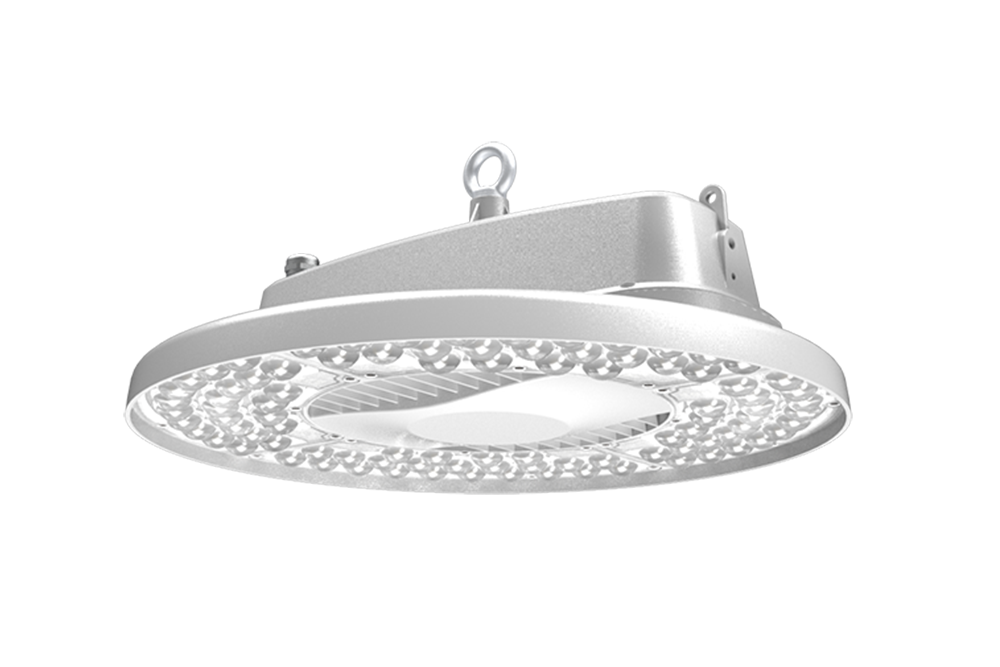
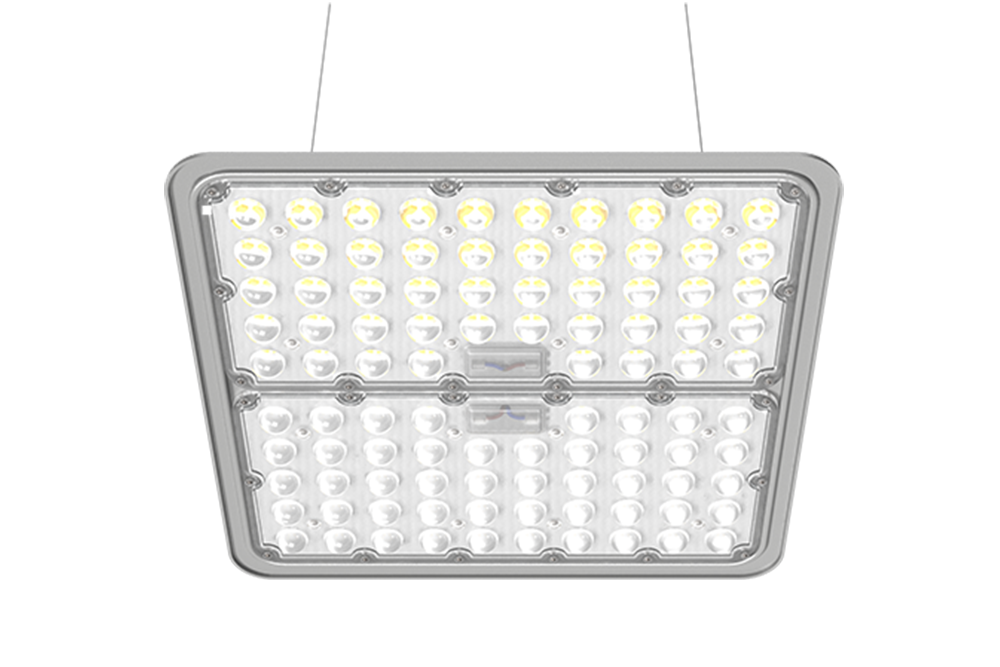
Wine Cellar Lighting for Winery Fermentation Environments
0Wine cellar lighting for winery fermentation spaces. Low heat, moisture-resistant, and stable illumination for barrels and production by SEEKINGLED.
View detailsSearch the whole station
This is one of the most common questions we receive from facility managers, engineers, and contractors: how long do LED high bay lights last in real working environments, not just on paper.
The short answer is:
Most quality LED high bay lights are designed to last 50,000 to 100,000 hours.
The longer answer depends on how, where, and how often they are used.
Below is a practical breakdown based on actual industrial installations rather than brochure numbers.
In typical industrial settings—warehouses, factories, logistics centers—LED high bay lights usually operate 10–12 hours per day.
At that usage rate:
This assumes proper installation, stable power supply, and reasonable ambient temperatures. LEDs do not suddenly fail like metal halide lamps. Instead, light output slowly decreases over time.
When people ask how long do LED high bay lights last, they often assume the LED chip fails first. In reality, it’s usually something else.
Key limiting factors include:
In industrial projects we’ve seen, LEDs often still function after many years, but drivers may need replacement first.
This comparison comes up often during retrofits.
Typical metal halide high bay:
So when asking how long do LED high bay lights last, the practical answer is: several times longer than traditional high bay lamps, with far less maintenance interruption.
They can—but only under the right conditions.
In facilities with:
We’ve seen installations still operating well after a decade, with acceptable light levels. In harsher environments (high heat, dust, constant vibration), lifespan shortens—not because LEDs are weak, but because conditions are.
When evaluating how long do LED high bay lights last, it’s better to think in total operating hours and system design, not just years. A well-designed LED high bay system ages quietly. No flickering, no sudden darkness, just gradual change.
That predictability is often why facilities move to LED in the first place.
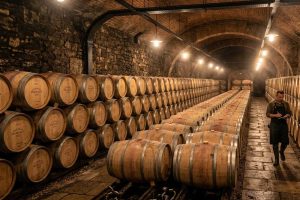
Wine cellar lighting for winery fermentation spaces. Low heat, moisture-resistant, and stable illumination for barrels and production by SEEKINGLED.
View details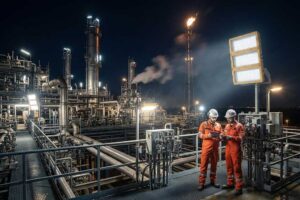
Choose reliable atex lighting manufacturers for hazardous areas. Learn certification, production standards, and industrial lighting expertise from SEEKINGLED.
View details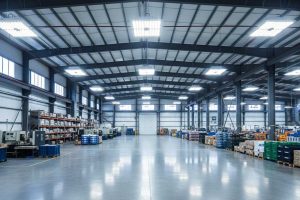
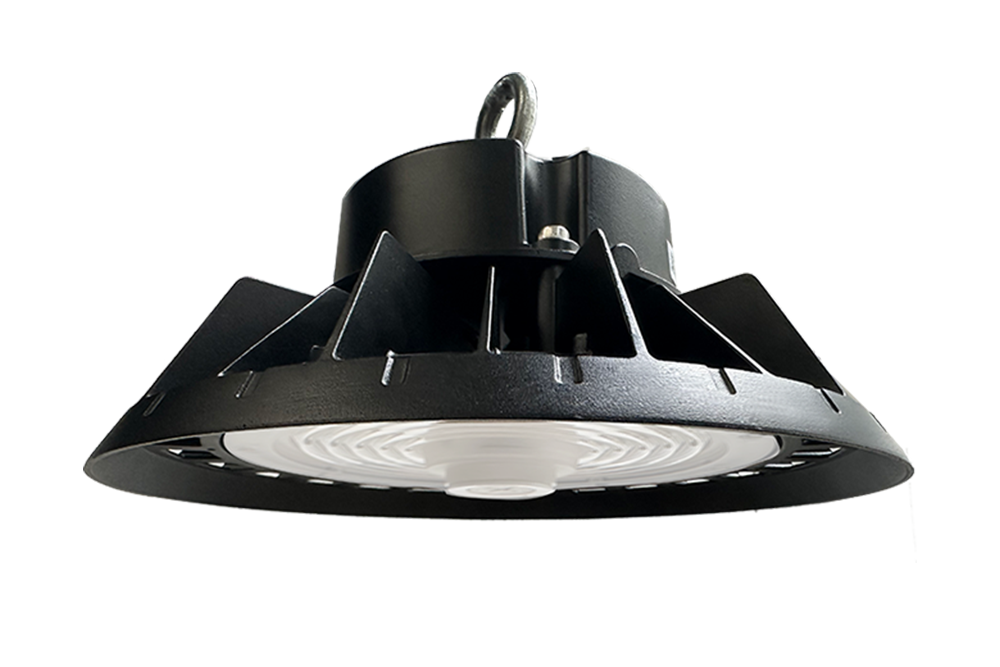
UFO LED high bay light 150W with UGR
View details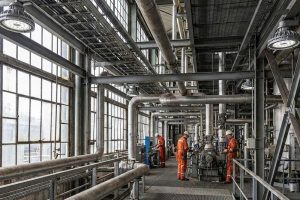
How does explosion proof lighting work in hazardous areas? Learn how certified explosion proof LED lighting contains ignition and controls temperature. Explained by SEEKINGLED.
View details