 Seeking LED
Are Flickering LED Lights Dangerous in Real Use?
80Are flickering LED lights dangerous in real environments? Learn causes, health risks, and how SEEKINGLED lighting systems reduce flicker for safer performance.
View detailsSearch the whole station
how to connect flood light? Connect a flood light by first isolating the power at the breaker, identifying the live, neutral, and ground wires, matching them to the correct terminals, securing the connections in a suitable junction box, and checking the fixture’s voltage and installation instructions before restoring power.
The wiring itself is usually straightforward. The part that deserves more attention is everything around the connection: circuit isolation, grounding, cable protection, weather sealing, and the actual input voltage of the fixture.
For many commercial LED flood lights, the basic connection is:
| Flood light wire | Typical identification | Connection |
|---|---|---|
| L | Brown or black | Live / Line |
| N | Blue or white | Neutral |
| PE / E | Green-yellow or green | Protective earth / Ground |
SEEKINGLED‘s FLD Series installation instructions use Brown for L, Blue for N, and Green/Yellow for E, and specify that power should be turned off before wiring. The manufacturer also states that installation should be performed by a skilled electrician familiar with LED luminaire requirements.
Do not treat wire color as proof of identity on an existing installation. Older wiring, modified circuits, and regional wiring conventions can differ. If the conductors do not match the expected markings, stop and verify them with the appropriate test equipment.
This is the first step, not a final precaution.
Turn off the relevant circuit breaker and verify that the circuit is de-energized before opening the junction box or handling conductors. A wall switch alone should not be treated as the isolation point.
OSHA‘s electrical requirements address disconnecting means and protection of electrical installations, including outdoor lighting equipment.
For commercial projects, lockout/tagout procedures may also apply depending on the work environment and who is performing the installation.
Look at the label on the fixture before making any connection.
Check:
For example, SEEKINGLED’s LED flood light range includes fixtures designed for wide AC input ranges such as 100–277V, but that does not mean every flood light uses the same electrical specification. The actual model label and datasheet take priority.
That small check prevents a surprisingly expensive mistake: assuming two visually similar flood lights have identical electrical requirements.
Once the circuit and fixture have been verified, make the connection in an appropriate junction box or wiring enclosure.
The basic arrangement is:
Power supply → junction box → flood light
Inside the connection point:
SEEKINGLED’s FLD Series installation diagram specifically shows the wiring connection being made through a user-provided junction box and wiring terminal rather than leaving exposed connections at the fixture.
One detail I would not compromise on: do not rely on electrical tape wrapped around twisted wires as the primary outdoor connection method. Outdoor connections need a proper mechanical and environmental enclosure.
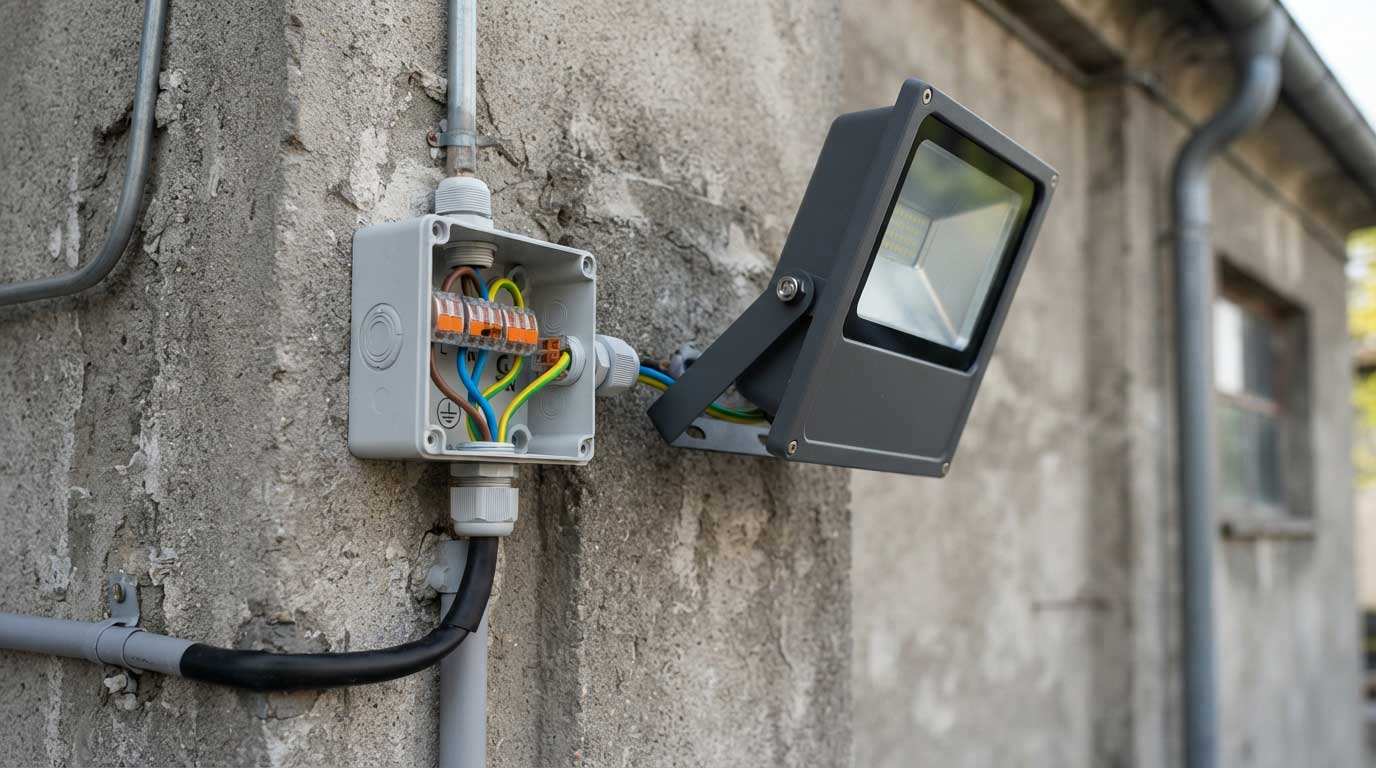
A flood light can sometimes illuminate even when grounding has been incorrectly connected. That does not make the installation safe.
Grounding provides a protective path for fault current and should be connected according to the fixture instructions and applicable electrical code.
OSHA requires electrical equipment and wiring methods to provide appropriate grounding and protection, while its rules also address outdoor electrical installations and protection against physical damage.
For an outdoor flood light, weather protection is the other half of the job.
Even an IP65-rated fixture cannot compensate for a badly sealed cable entry or an unsuitable junction box. Cable glands should be tightened correctly, covers should close completely, and the connection enclosure should be appropriate for its location.
This is one of the practical details that often gets missed during a fast installation. The light works immediately, so everyone assumes the job is finished. Months later, moisture reaches a connection or driver.
Multiple flood lights can normally be connected to the same branch circuit only when the circuit, conductors, protective devices, controls, and total load are properly sized for the installation.
A simple planning calculation is:
Total load = number of fixtures × fixture wattage
For example:
These numbers describe connected load, not permission to place the fixtures on any available circuit.
OSHA states that outlet devices must have an ampere rating not less than the load to be served. Applicable NEC requirements can impose additional rules for branch circuits, overcurrent protection, GFCI protection, disconnects, and continuous loads.
For larger commercial installations, have a qualified electrician verify the circuit design rather than adding fixtures until a breaker trips.
A switch, photocell, or motion sensor can be incorporated into the control circuit, but the control device must be compatible with the fixture and the electrical system.
For a simple switched installation, the control normally interrupts the live conductor, while neutral remains connected to the luminaire according to the applicable wiring method.
For outdoor security lighting, sensors can reduce unnecessary operating time. For commercial sites, photocells, timers, occupancy sensors, or centralized controls may make more sense depending on how the area is used.
The important point is that the control should be designed as part of the electrical system—not added as an improvised component after the flood lights are installed.
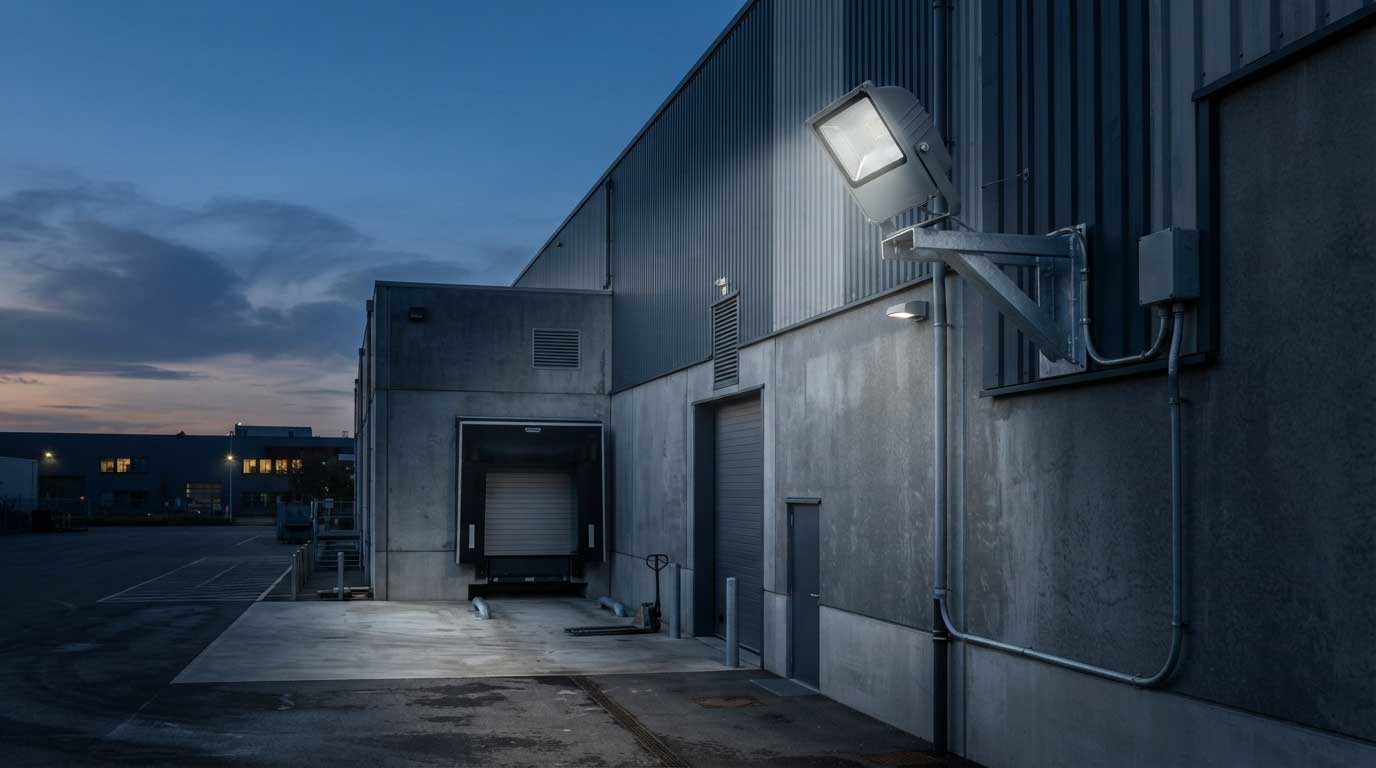
These are the problems worth checking when a newly installed fixture does not behave correctly:
SEEKINGLED’s own installation guidance emphasizes power isolation, correct L/N/E connections, protected wiring, and proper mounting before the fixture is energized.
Many commercial LED flood lights are designed for direct AC connection, but the exact input voltage must be confirmed from the product label and installation instructions. Do not assume every model uses the same input.
A typical three-wire arrangement uses live, neutral, and protective earth. SEEKINGLED’s FLD Series specifies brown for L, blue for N, and green-yellow for E.
If the fixture is designed with a protective-earth connection, it must be grounded according to the applicable electrical requirements. Never omit the earth connection simply because the light turns on without it.
Potentially, yes, but the circuit must be correctly sized for the total load and installation conditions. The number of fixtures alone does not determine whether a circuit is suitable.
For many fixed outdoor installations, a suitable junction box or wiring enclosure provides a protected location for electrical connections. SEEKINGLED’s FLD Series installation diagram specifically shows a user-provided junction box and wiring terminal.
Yes, provided the sensor is electrically compatible with the fixture and correctly incorporated into the control circuit. For commercial installations, verify the sensor’s voltage, load rating, and wiring requirements.
For mains-voltage fixed installations, especially commercial or unfamiliar wiring systems, a qualified electrician should perform or verify the work. SEEKINGLED specifically states that its FLD Series installation should be carried out by a skilled electrician familiar with LED luminaire requirements.
how to connect flood light correctly starts with the breaker, not the wires. Confirm the fixture’s voltage, identify L/N/PE, make secure connections in a suitable enclosure, protect the wiring from moisture, ground the fixture correctly, and verify the complete circuit before energizing it. For mains-voltage work, follow local code and use a qualified electrician.
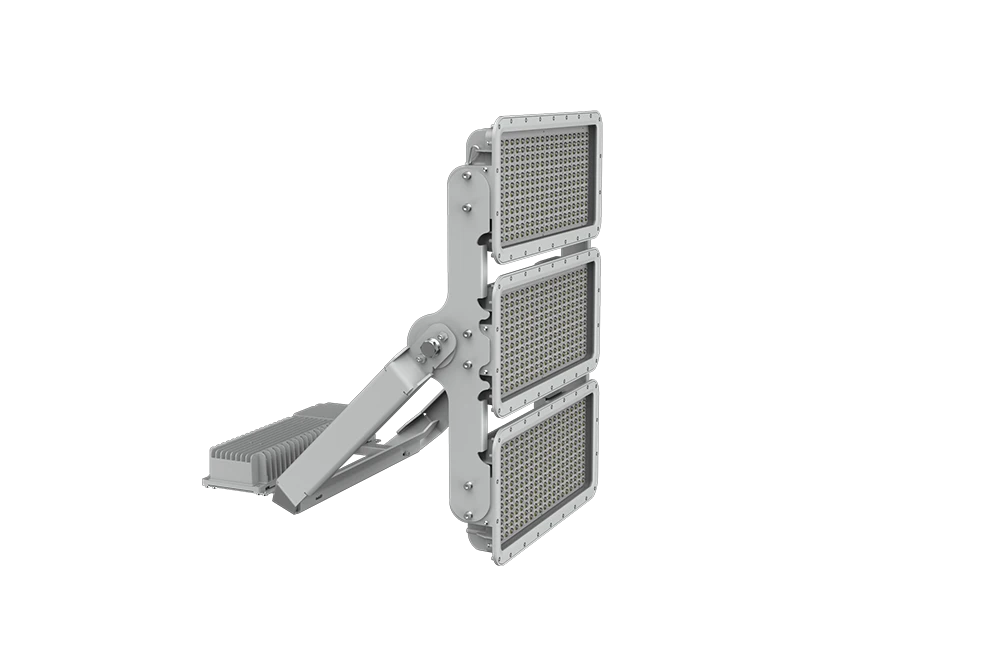
Sports Stadium LED Lighting by SEEKINGLED delivers high mast illumination, precise beam control, and EN 12193 compliant performance for professional venues.
View details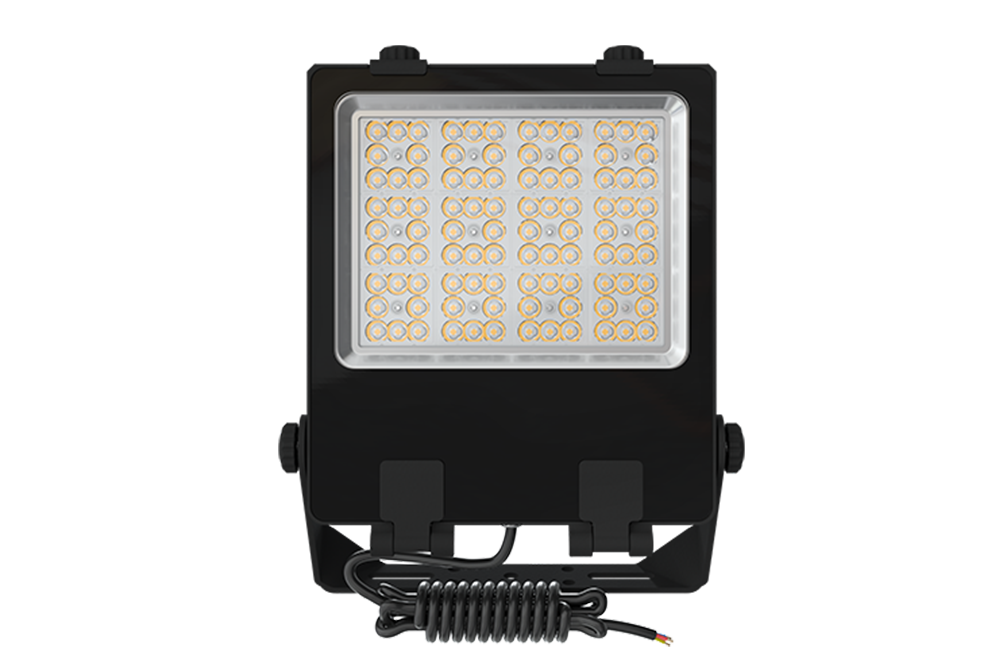
SEEKING FLX Series LED flood light outdoor for sports courts and open-area projects with 170lm/W efficiency, IP66 protection and multiple beam distributions. Designed for long-life commercial and public outdoor use.
View details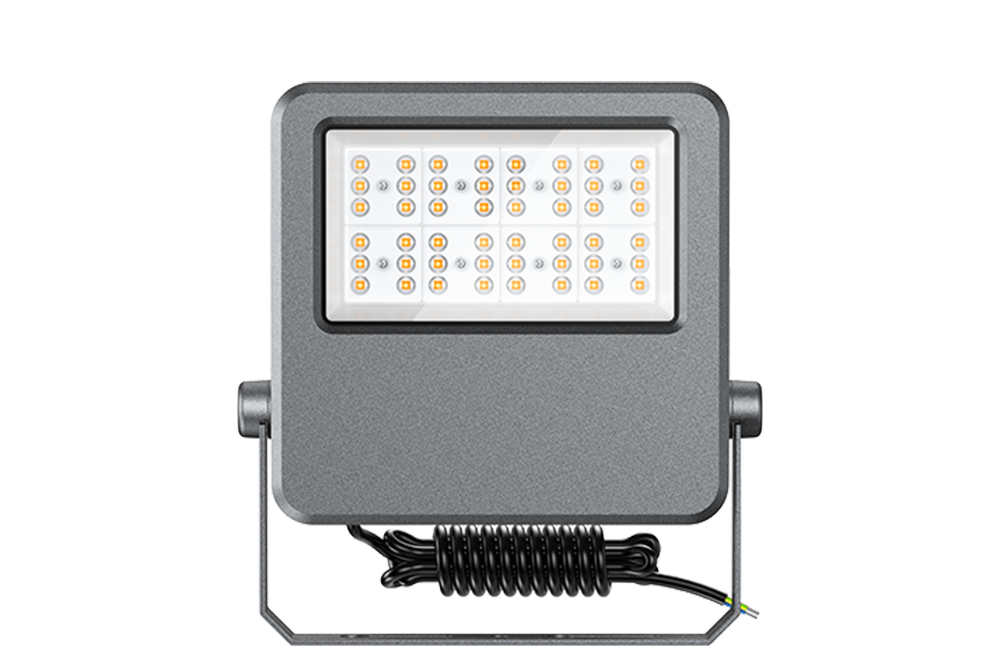
SEEKING FLE Series LED outdoor flood lights for sports grounds and open areas with multiple beam angles, IP66 protection and up to 170lm/W. Designed for long-life outdoor installations with professional driver options.
View details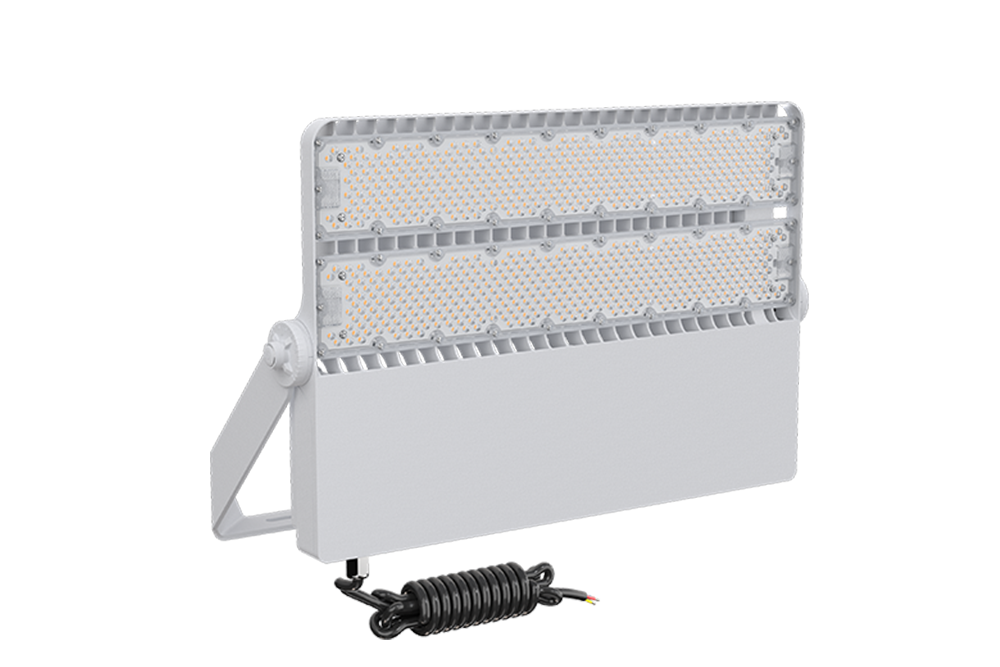
SEEKING FLD Series outdoor LED flood lights and high power led flood light deliver up to 960W with precision beam angles for sports fields, stadiums and large outdoor areas. IK08 & IP66 protection, 170lm/W efficiency and 100,000h lifetime.
View details
Are flickering LED lights dangerous in real environments? Learn causes, health risks, and how SEEKINGLED lighting systems reduce flicker for safer performance.
View details
ATEX explosion proof lighting is essential for Zone 1 and Zone 21 hazardous areas. This article shares real engineering experience with SEEKINGLED HB21 Series LED explosion proof high bay lights, referencing IEC 60079 standards and ATEX compliance.
View details
Learn the main explosion-proof types used in hazardous area lighting, including Ex d, Ex e, Ex m, Ex n, and Ex i protection methods for industrial safety.
View details
Flood lights are called “flood lights” because they spread directed light across a relatively large target area rather than concentrating it into a small spot.
View details