 Seeking LED
how much power does a high bay light use?
0A high bay light typically uses 100W–240W, with larger fixtures exceeding 300W. A 150W fixture running 10 hours consumes about 1.5 kWh per day.
View detailsSearch the whole station
Wiring a LED flood light isn’t complicated, but it’s also not something you rush through.
Most problems we see don’t come from bad products—they come from skipping one small step early on.
If you’ve ever wired a standard outdoor light before, this will feel familiar. If not, take it slow. LED flood lights are forgiving, but outdoor wiring isn’t.
First thing—kill the power at the breaker.
Not the switch. Not “it should be off.” The breaker.
Then take a moment to look at the flood light itself. Most LED flood lights, including SEEKINGLED outdoor models, use three wires:
If your wiring colors don’t match exactly, stop guessing and trace them. Guessing works right up until it doesn’t.
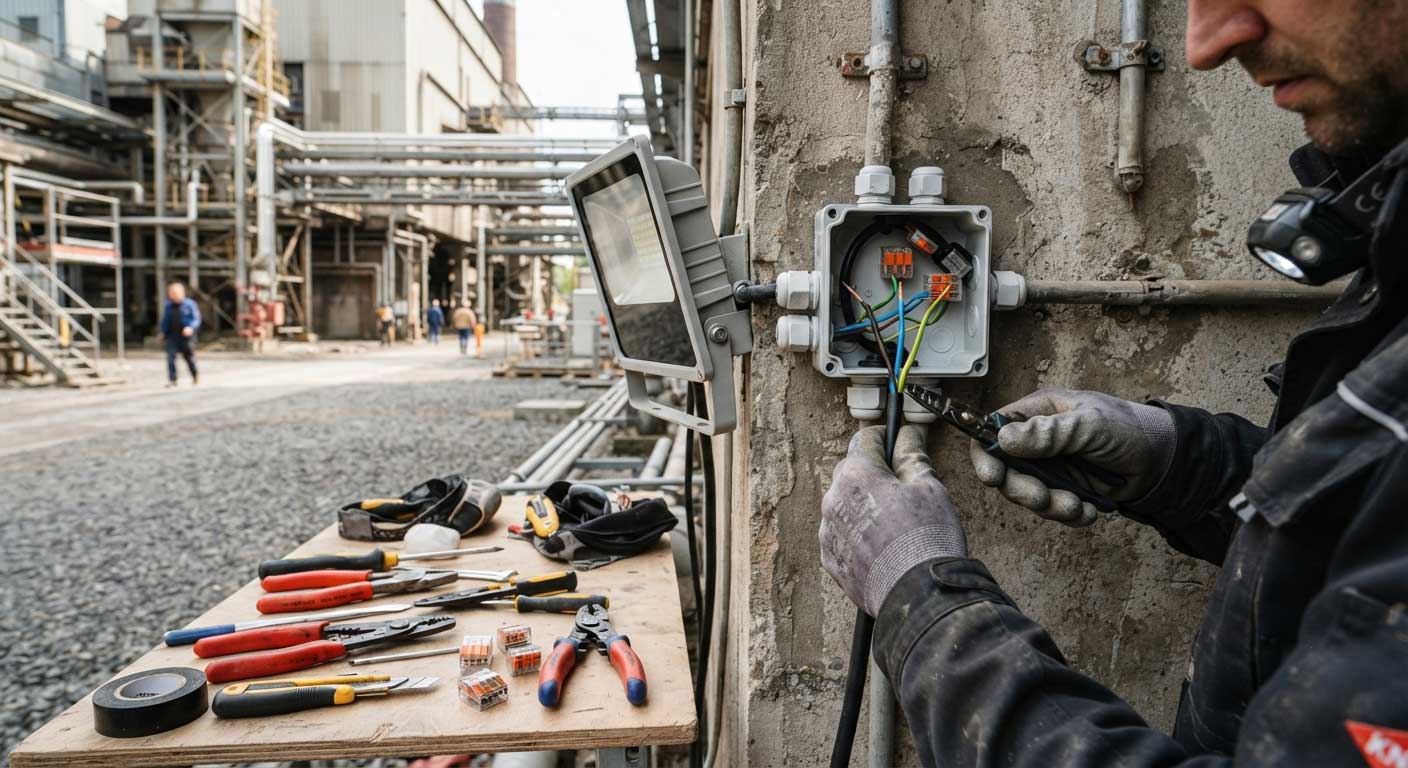
A common mistake is trying to wire everything inside the floodlight housing. That’s rarely necessary.
The correct place to connect wires is the junction box or mounting base. This keeps connections dry and serviceable later. Outdoor installations live or die by how well you protect those connections.
Here’s the part everyone thinks they can improvise. Don’t.
Use proper wire connectors, not twisted copper and hope. I’ve seen lights work like that—for a week. Then moisture shows up.
When wiring a LED flood light outdoors, clean connections matter more than tight ones.
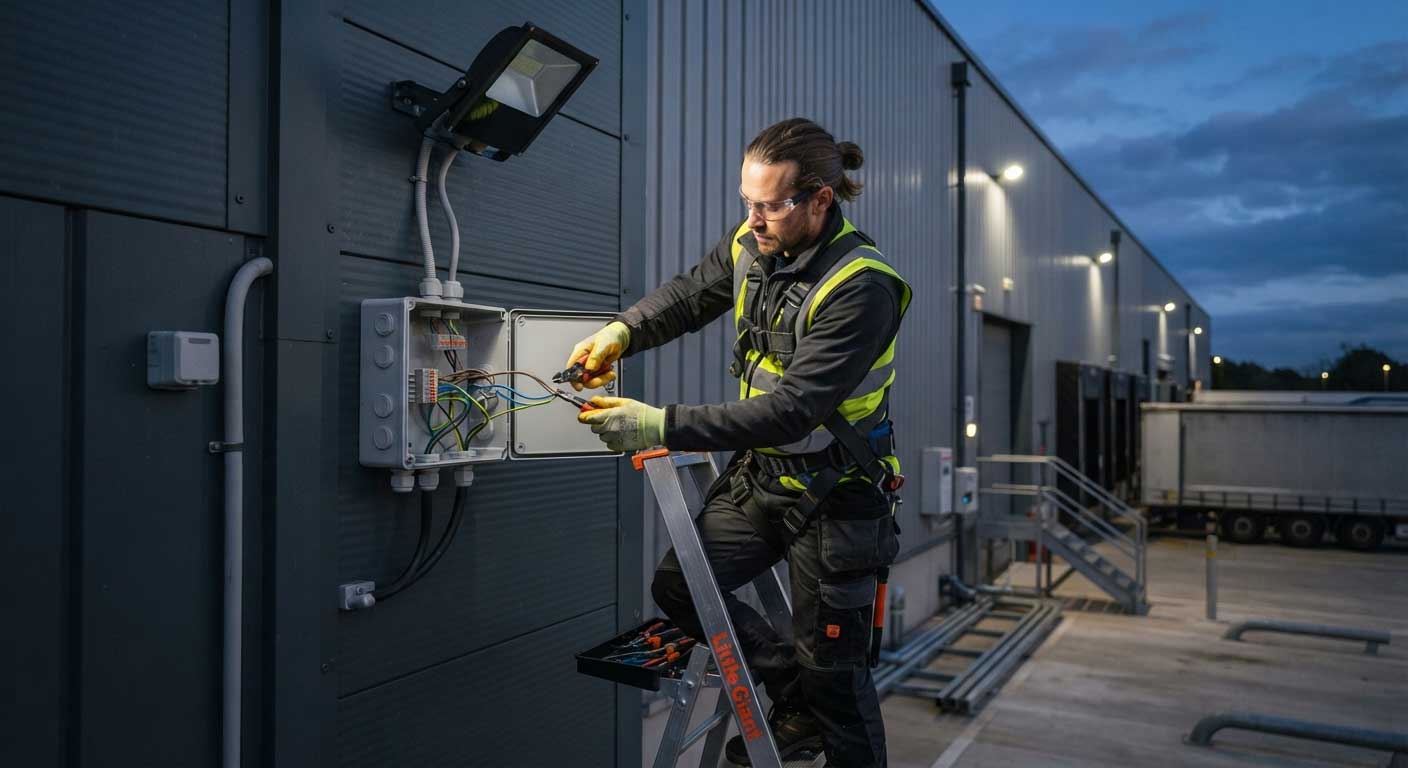
Grounding is often treated like an afterthought. It isn’t.
If your LED flood light has a ground screw or terminal, use it.
If your junction box is metal, bond it. This is basic electrical safety, not optional.
SEEKINGLED flood lights are designed with clear grounding points for a reason—use them.
Once wired, mount the flood light before restoring power.
This matters because loose fixtures vibrate. Vibration loosens wires over time. It doesn’t fail immediately, which is why people blame the light instead of the install.
Aim the light roughly where you want it, tighten the bracket, and then stop adjusting it until testing is done.
Restore power and watch the light for a few minutes.
A properly wired LED flood light turns on cleanly.
No flicker. No delay. No buzzing.
If it doesn’t, don’t assume it’s defective. Most wiring issues show up right here—and they’re almost always a loose neutral or poor ground.
Even experienced installers slip up occasionally. These come up again and again:
None of these look serious at first. Outdoors, they always become serious later.
More answers
If you’re constantly rewiring older flood lights, it’s usually time to upgrade.
Modern LED flood lights from SEEKINGLED are built as integrated units, designed for outdoor conditions from day one. Fewer parts, fewer failures, and no repeated wiring fixes.
Sometimes the best wiring decision is replacing the fixture entirely.
Answer:
LED flood light wire colors usually include black or brown for live, white or blue for neutral, and green or yellow-green for ground. Always confirm wire markings before connection because colors can vary by region and manufacturer.
Answer:
To wire a flood light, turn off power at the breaker, connect live, neutral, and ground wires correctly inside a junction box, secure waterproof connections, and test the fixture after installation.
Answer:
To connect a flood light, match the fixture wires with the power supply wires, including live, neutral, and ground connections. Use approved connectors and ensure the wiring is protected from outdoor moisture.
Answer:
Flood light wiring instructions include disconnecting power, identifying wire functions, connecting live-to-live, neutral-to-neutral, and ground-to-ground, then sealing all electrical connections for safe outdoor operation.
Answer:
To connect LED flood light, switch off the circuit, connect the AC supply wires according to the fixture markings, secure the junction box connections, and restore power only after completing installation.
Answer:
A LED floodlight wiring diagram shows how live, neutral, and ground wires connect between the electrical supply and the LED fixture. It helps installers understand correct wiring paths and avoid connection mistakes.
Answer:
To wire a floodlight, connect the fixture’s live, neutral, and earth wires to the matching power source wires. Outdoor floodlights should always use waterproof connectors and proper grounding methods.
Answer:
To connect flood light wire, first identify each cable, match the correct terminals, tighten all connections properly, and protect the wiring inside a weather-resistant junction box to prevent moisture damage.
Answer:
To wire flood lights, connect each fixture to the correct power supply circuit, ensure proper grounding, and check that the total electrical load matches the circuit capacity before operation.
Answer:
To wire an outdoor floodlight, use outdoor-rated cables, waterproof junction boxes, and proper grounding. The fixture should be securely mounted after wiring to prevent vibration-related connection problems.
Answer:
To wire floodlights, follow the same basic process: shut off power, identify wires, connect live, neutral, and ground correctly, secure the connections, and test the lights after installation.
Answer:
To wire outdoor flood lights, focus on electrical safety and weather protection. Use waterproof connectors, sealed cable entries, and correct grounding to ensure reliable operation in rain and changing temperatures.
Answer:
To connect flood light, attach the fixture wires to the matching electrical supply wires, protect the connection point, and verify the fixture operates correctly after power is restored.
Learning how to wire a LED flood light is not about making the connection quickly—it is about making it reliable. A correct installation requires proper wire identification, secure live-neutral-ground connections, effective grounding, and protection against outdoor moisture.
In real projects, most LED flood light failures are not caused by the LED chips themselves. Loose terminals, poor waterproofing, and incorrect wiring methods are far more common reasons for early problems.
SEEKINGLED designs outdoor flood lights with installer-friendly wiring structures, but even the best fixture depends on correct installation. Taking a few extra minutes to secure every connection can prevent years of maintenance issues.
A properly wired LED flood light should deliver stable brightness, safe operation, and dependable performance through changing outdoor conditions.
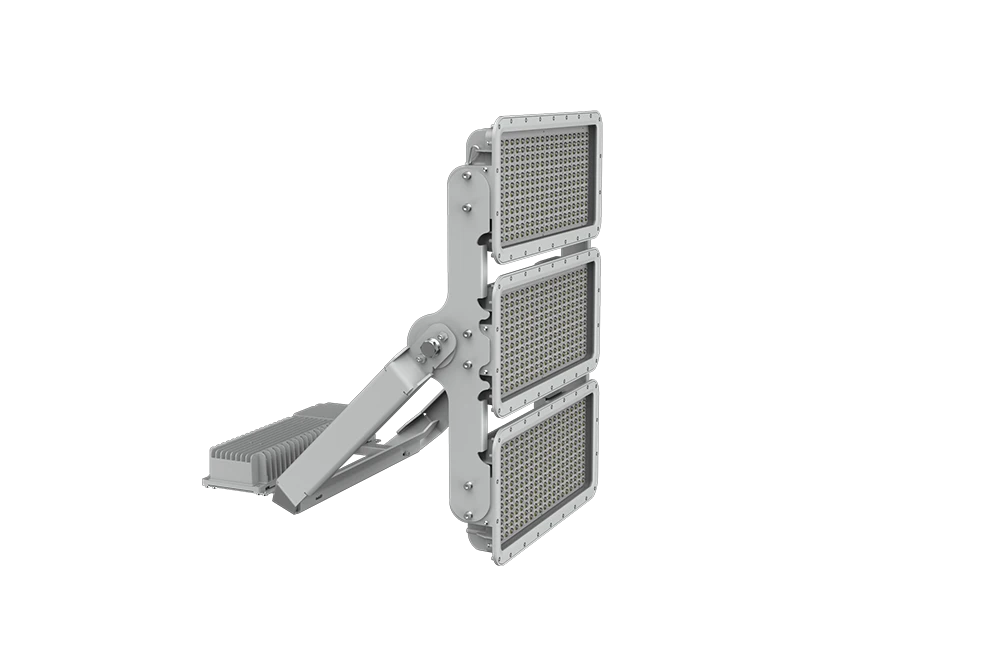
Sports Stadium LED Lighting by SEEKINGLED delivers high mast illumination, precise beam control, and EN 12193 compliant performance for professional venues.
View details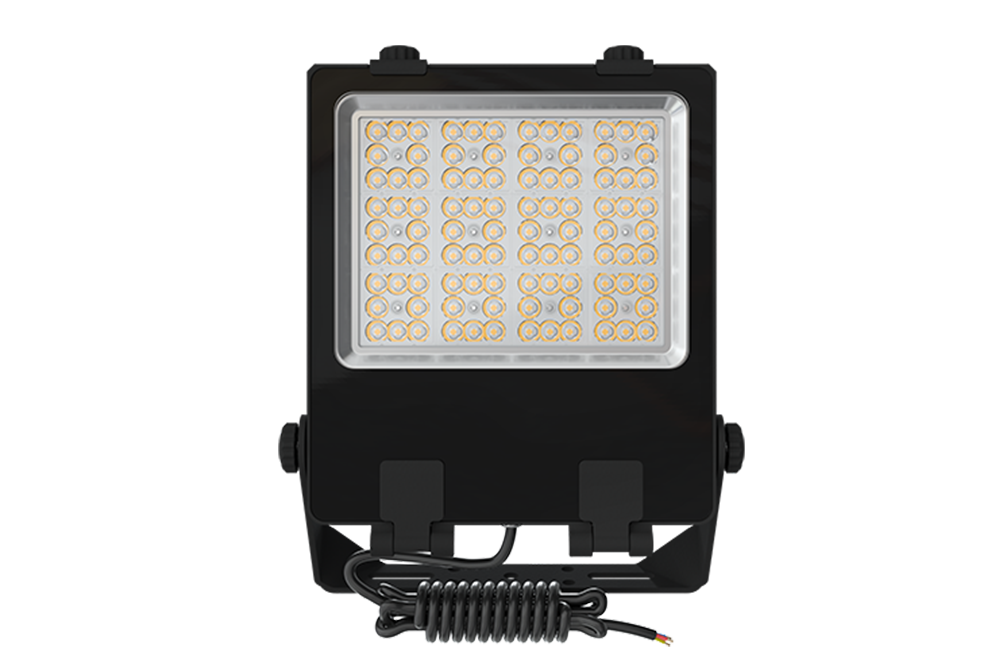
SEEKING FLX Series LED flood light outdoor for sports courts and open-area projects with 170lm/W efficiency, IP66 protection and multiple beam distributions. Designed for long-life commercial and public outdoor use.
View details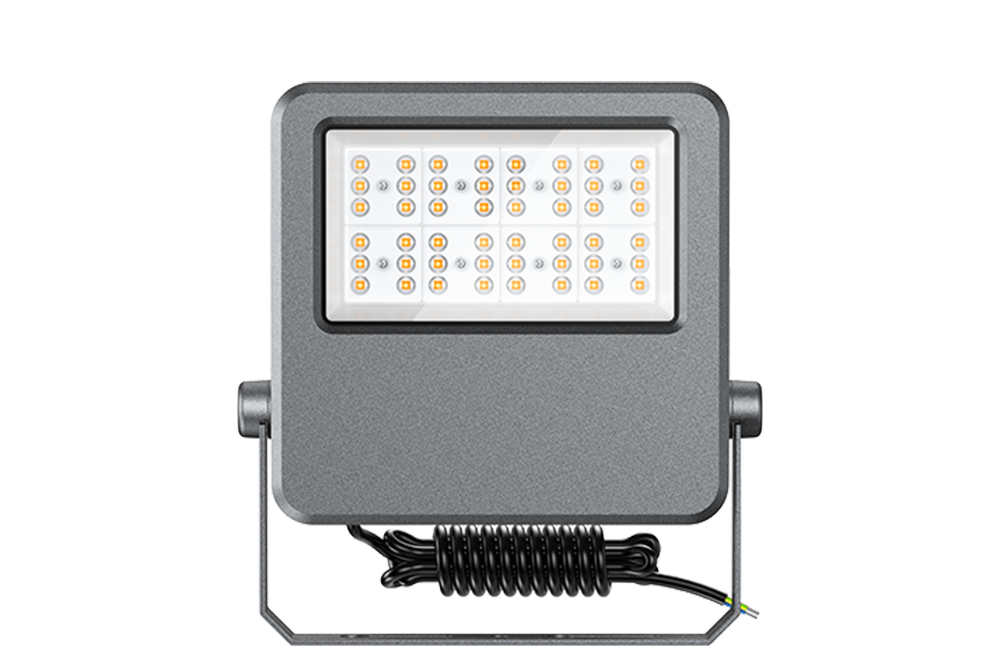
SEEKING FLE Series LED outdoor flood lights for sports grounds and open areas with multiple beam angles, IP66 protection and up to 170lm/W. Designed for long-life outdoor installations with professional driver options.
View details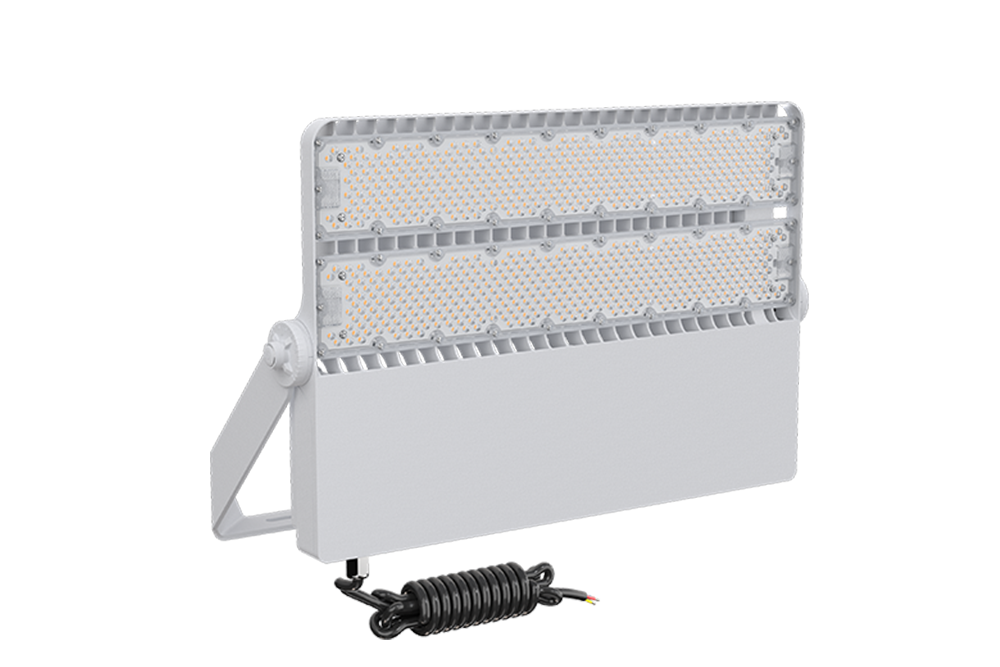
SEEKING FLD Series outdoor LED flood lights and high power led flood light deliver up to 960W with precision beam angles for sports fields, stadiums and large outdoor areas. IK08 & IP66 protection, 170lm/W efficiency and 100,000h lifetime.
View details
A high bay light typically uses 100W–240W, with larger fixtures exceeding 300W. A 150W fixture running 10 hours consumes about 1.5 kWh per day.
View details
Why do LED street lights flicker at night? This official Q&A explains the most common reasons, from power issues to driver failure, and how cities usually solve the problem.
View details
How long will LED lights last in real environments? Learn true lifespan, failure causes, and why SEEKINGLED lighting performs reliably over time.
View details
Industrial explosion proof lighting explained with real certifications, lumens, and field insights. Learn how SEEKINGLED ensures safety in hazardous environments.
View details