LED High Bay Lighting Mistakes That Cause Glare—What People Get Wrong
Question & Answer
What are the LED High bay lighting mistakes that cause glare in warehouses and industrial spaces?
Most glare problems aren’t caused by “bad lights.”
They’re caused by confident decisions made too early.
We’ve walked into warehouses where the lux levels looked great on paper, but the space felt harsh, tiring, almost aggressive. That’s glare. And it usually comes from a few repeat mistakes.
Mistake #1: Choosing Beam Angle Before Understanding Sightlines
This one happens constantly.
Installers look up.
Workers look forward.
Wide beam angles feel safe because they spread light evenly, but when fixtures sit high and optics are too open, light travels straight into eyes—especially on forklifts and mezzanines.
This is one of the most common LED High bay lighting mistakes that cause glare, and it’s rarely noticed during installation.
Mistake #2: Overpowering the Space “Just in Case”
More watts. More lumens. Less comfort.
Overlighting doesn’t make warehouses safer long-term. It creates contrast fatigue. Bright ceilings, dark racks, reflective floors. The eye never settles.
We’ve seen glare complaints disappear simply by reducing output and tightening optics. Same fixtures. Different behavior.
Mistake #3: Ignoring Reflective Surfaces
White racks. Polished concrete. Metal packaging.
Glare doesn’t only come from the fixture—it bounces back.
When optics aren’t controlled, reflections multiply the problem.
This is where glare shows up weeks later, not day one. And by then, everyone assumes it’s “normal.”
It isn’t.
Mistake #4: Mounting Height Treated as a Fixed Number
Mounting height is often treated like a checkbox.
But glare doesn’t care about numbers.
It cares about angles.
A fixture mounted slightly off-axis, or above an aisle intersection, can turn a good optic into a problem source. That’s why glare often appears uneven—one aisle fine, the next unbearable.
Mistake #5: Assuming Diffusers Solve Everything
Diffusers help. They don’t save bad optics.
Adding a diffuser to a poorly matched beam angle softens light, yes—but it also wastes it. You get glare reduction at the cost of efficiency and clarity.
At SEEKINGLED, we see diffusers as a finishing tool, not a fix.
Why These Mistakes Keep Happening
Because glare isn’t measured the same way brightness is.
Lux meters don’t complain.
Workers do. Slowly.
By the time someone mentions headaches or eye strain, the system is already installed.
How SEEKINGLED Approaches Glare Differently
At SEEKINGLED, we assume glare will happen unless proven otherwise.
That changes decisions:
- Optics selected before wattage
- Beam control before lumen count
- Eye-level experience before ceiling math
It’s quieter lighting. Less dramatic. More usable.
Final Word
If lighting feels impressive when you look up, but uncomfortable when you work under it—that’s not success.
Understanding LED High bay lighting mistakes that cause glare is about respecting how people actually use the space, not how fixtures look on spec sheets.
LED High bay lighting Product Recommendation
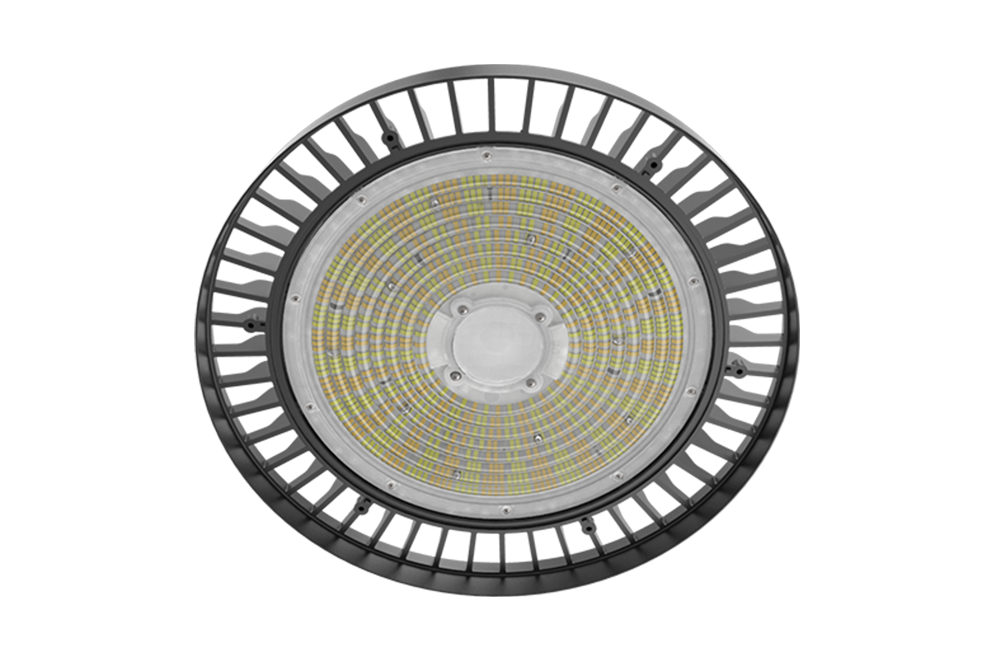
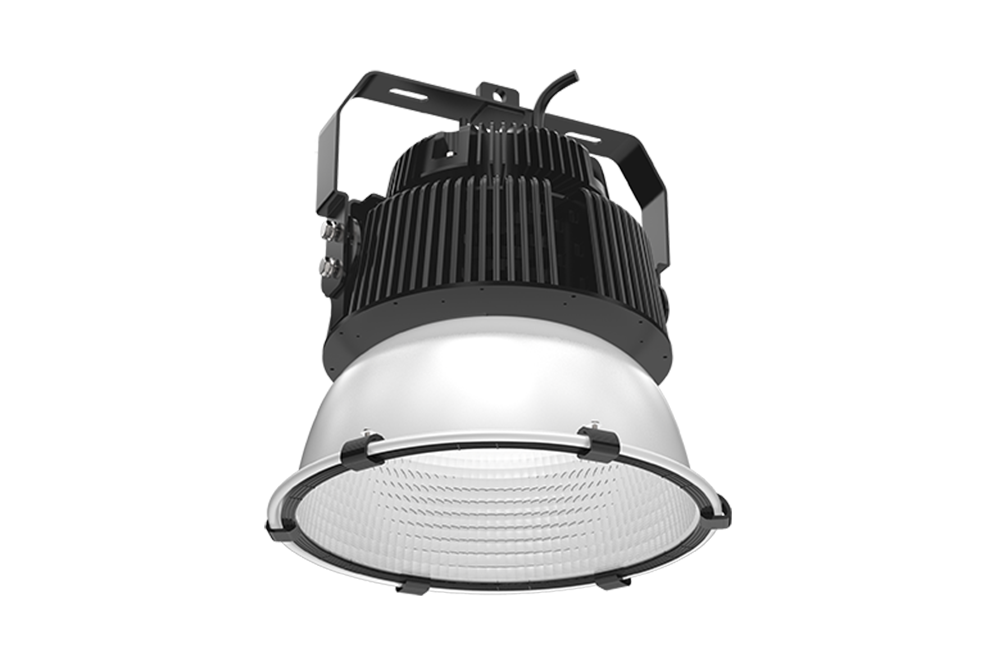
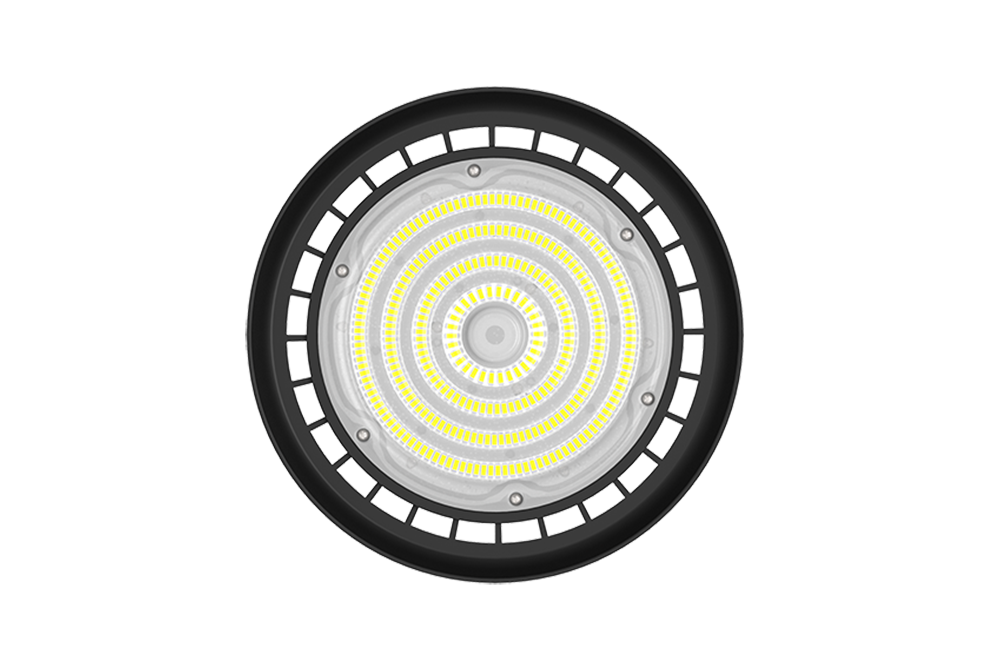
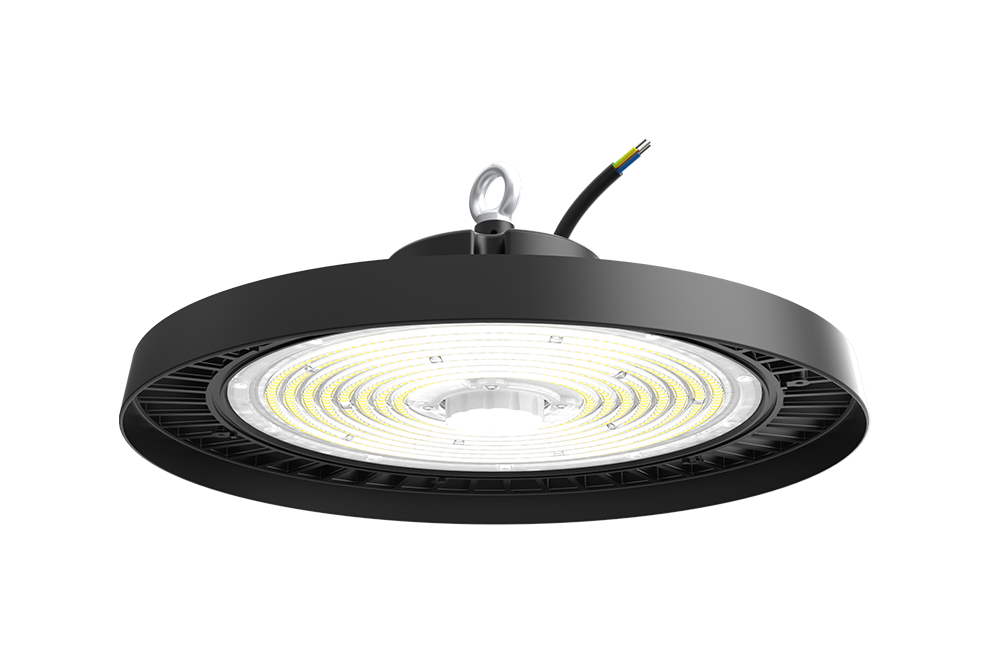
The SEEKING HBC-T Series high bay lights LED offer long-lasting performance for warehouses, production plants and logistics centers. Durable IP65 & IK08 housing, 60°/90° beam angles, up to 150 lm/W, and a lifespan beyond 100,000 hours. Ideal for a…
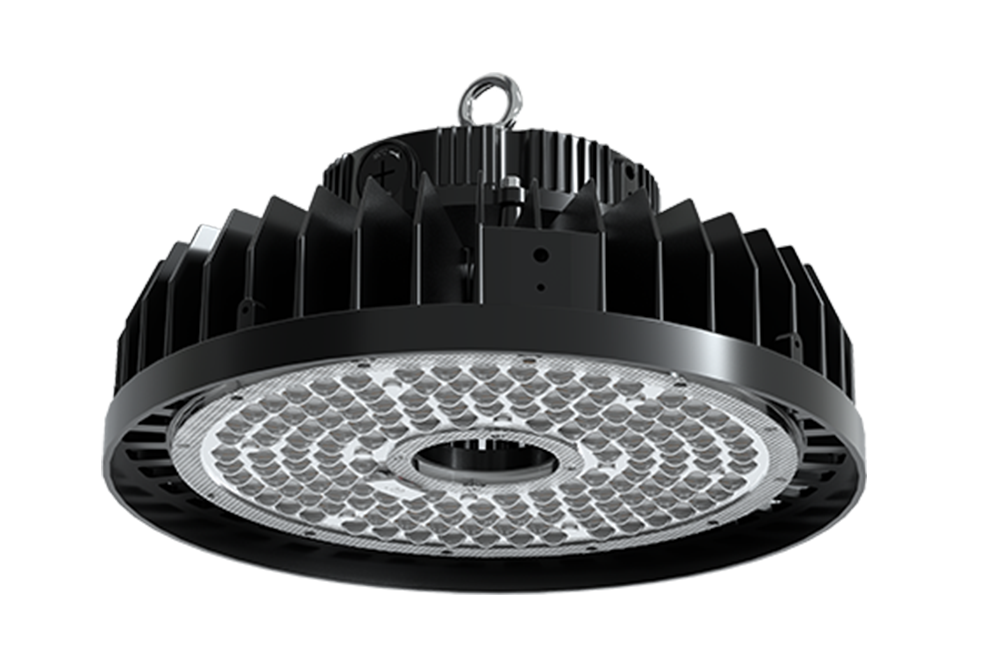
The SEEKING HBS Series LED UFO high bay light delivers 140 lm/W efficiency, IP65 protection and MEAN WELL drivers. A durable high-rise lighting solution for factories, warehouses and commercial halls.
SEEKING HBD Series LED high bay lighting delivers 160 lm/W efficiency, IP66 protection, and long 100,000-hour lifespan. A durable UFO high bay solution for warehouses, workshops, logistics centers and commercial facilities.
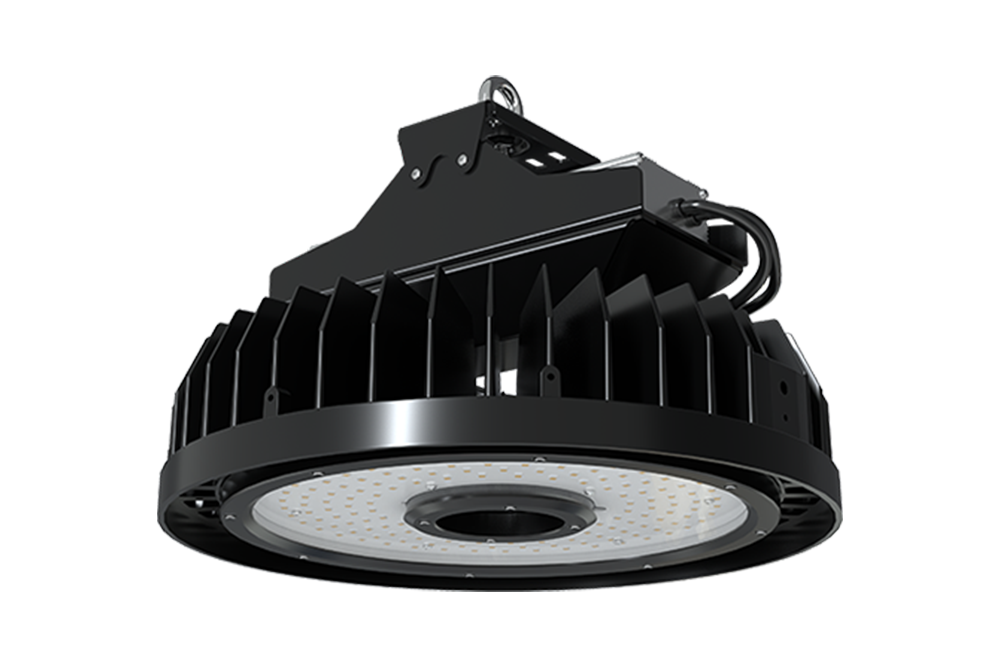
The SEEKING HBC Series high bay LED light fixtures combine strong efficiency, practical design and reliable SOSEN drivers. A durable UFO high bay lighting option for warehouses, workshops and wholesale projects.
The SEEKING GSL Series high bay LED light delivers powerful, efficient lighting for industrial and commercial spaces. With IP65 protection, flexible mounting, and up to 140 lm/W performance, it’s ideal for warehouses, workshops, and retail areas.
The SEEKING HB15(GLE) Series delivers advanced high bay led lighting with UGR 100,000 h) and reliable illumination for demanding commercial environments.
Discover the SEEKING HB13(GLK) Series ufo led high bay light, engineered for sports halls, airport lounges, showrooms, and large commercial spaces. UGR 100,000 h). Ideal for industrial ufo high bay lighting fixtures and commercial retrofits.
SEEKING HBF Series offers industrial LED high bay lighting with up to 200lm/W efficiency, SOSEN flicker-free driver, IP65 protection and optional microwave motion sensor. Ideal for warehouses, factories and commercial distribution projects.
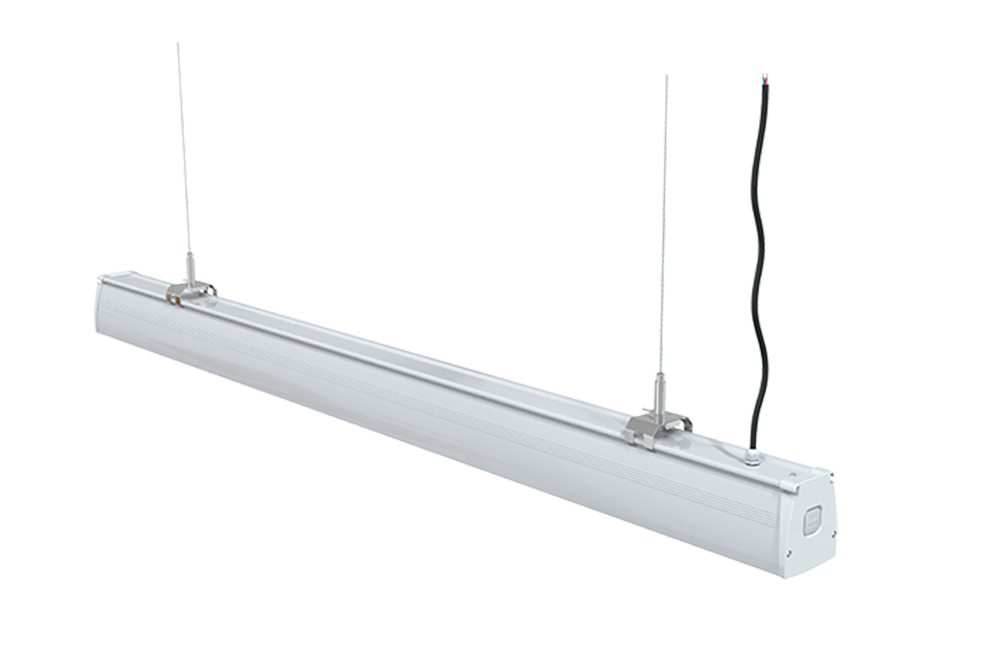
The HLD Series linear high bay LED lights from SEEKING deliver up to 200 lm/W with multiple beam angles and adjustable CCT options for warehouse, workshop, corridor and general industrial lighting.
The HBK Series LED high bay light by SEEKING combines 500W power, 160–175 lm/W efficiency and IP65 durability for heavy-duty industrial lighting. Designed for warehouse, factory and production facilities with demanding ceiling heights.
LED high bay lights engineered for extreme heat and low-temperature industrial sites. SEEKING HBK Ultua Series operates from -40°C to +70°C with Nichia LEDs and Inventronics driver.
High bay LED lights built for warehouses, production plants and wholesale distribution. SEEKING HBI Series offers up to 200lm/W, IP65, IK08 and optional microwave motion sensor for energy saving operation.
loading…
This is the last post!
 Seeking LED