 Seeking LED
Explosion Proof Lamp Supplier for Hazardous Industrial Applications
0Explosion proof lamp supplier for hazardous industries. Reliable, certified lighting solutions with proven performance by SEEKINGLED.
View detailsSearch the whole station
what are flood lights used for? Flood lights are used to illuminate large or specific outdoor and indoor areas for security, sports, parking, industrial work, warehouses, architectural features, and public spaces. Their wide or controlled beams make them useful when ordinary lamps cannot deliver enough coverage or aiming precision.
Flood lights are primarily used when the lighting target is larger than a single object or when light must be projected from a distance.
The Illuminating Engineering Society (IES) defines a floodlight as a projector designed to make a scene or object considerably brighter than its surroundings. Importantly, its beam spread can range from about 10° to more than 100°.
That range explains why the same type of fixture can appear on a sports field, warehouse yard, building façade, or security perimeter.
At SEEKINGLED, the practical issue we repeatedly focus on is not simply “How many watts?” A 300W flood light aimed incorrectly can produce a worse result than a lower-power fixture with the right optics. Mounting height, target distance, beam distribution, surrounding surfaces, and required illumination all change the selection.
| Application | Main purpose | Important selection factor |
|---|---|---|
| Security lighting | Improve visibility around buildings and entrances | Beam control and glare |
| Parking lots | Illuminate vehicle and pedestrian areas | Distribution and mounting height |
| Sports fields | Provide uniform illumination for play | Beam angle and aiming |
| Warehouses & yards | Cover loading and working areas | Output, durability, controls |
| Building façades | Highlight walls and architectural details | Narrow or asymmetric optics |
| Construction sites | Provide temporary work-area lighting | Ruggedness and coverage |
| Parks & public areas | Improve visibility and wayfinding | Spill light and control |
SEEKINGLED’s current flood light range includes outdoor models for sports courts and open areas, with options reaching up to 170 lm/W and IP66 protection, while its higher-power FLD series reaches up to 960W for sports fields, stadiums, and large outdoor areas.
Security is one of the most familiar uses.
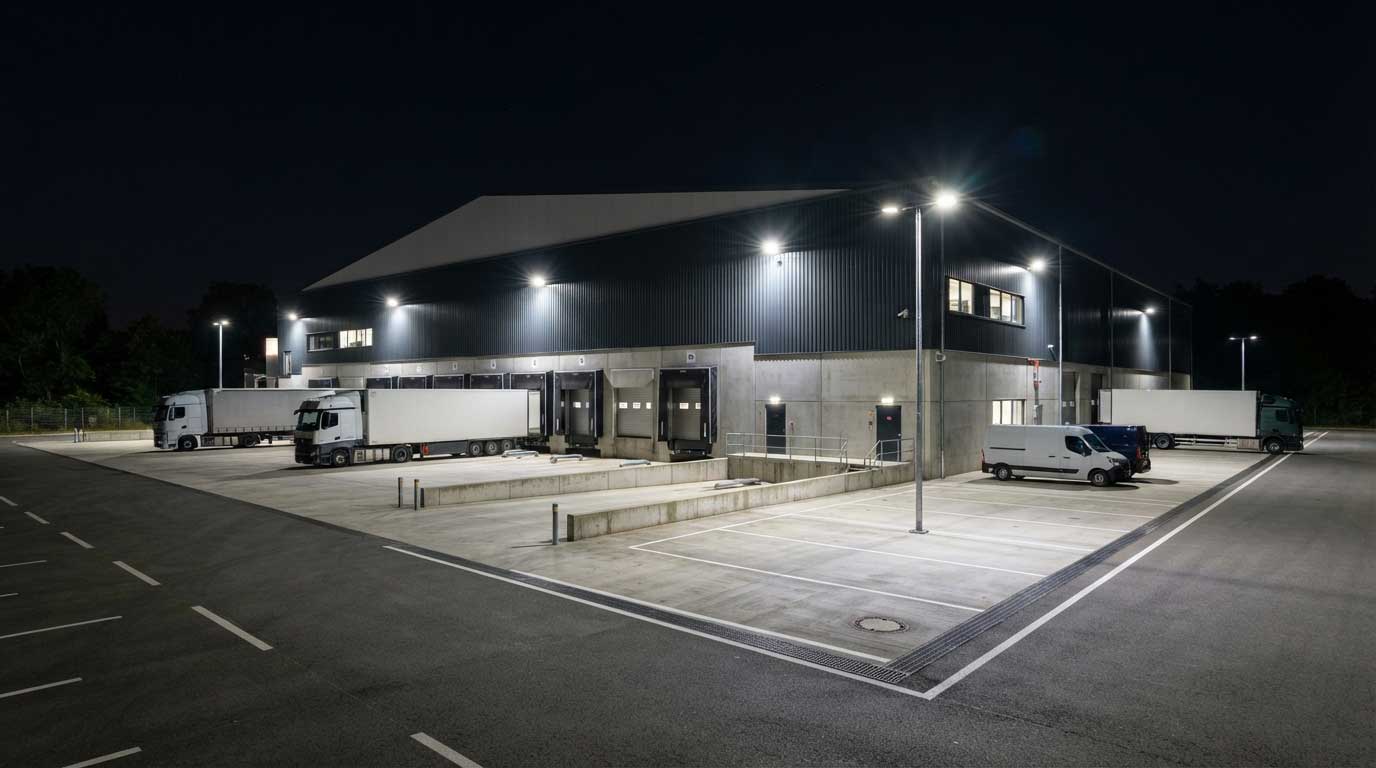
A flood light can illuminate a driveway, warehouse entrance, loading bay, fence line, or building perimeter from a relatively high mounting position. The useful detail is where the beam lands—not how bright the fixture looks when viewed directly.
For security applications, I normally look at three things first:
This last point is easy to overlook. A fixture with excessive horizontal spill may create glare for drivers or neighbors while adding very little useful light to the working area.
DarkSky International recommends outdoor lighting that is useful, targeted, no brighter than necessary, controlled when needed, and appropriately colored.
Imagine a flood light mounted 8 meters above a loading yard.
A narrow beam may create a bright patch in the center while leaving the edges dark. A very wide beam may cover everything but waste considerable light outside the property.
That is why flood light selection should start with the photometric distribution and mounting geometry, then move to wattage.
ANSI/IES RP-8-22 specifically notes that floodlights can project light over long distances or illuminate irregular shapes, and recommends shielding or louvers where necessary to reduce spill light, glare, and uplight.
Sports lighting demands more than simply producing a lot of lumens.
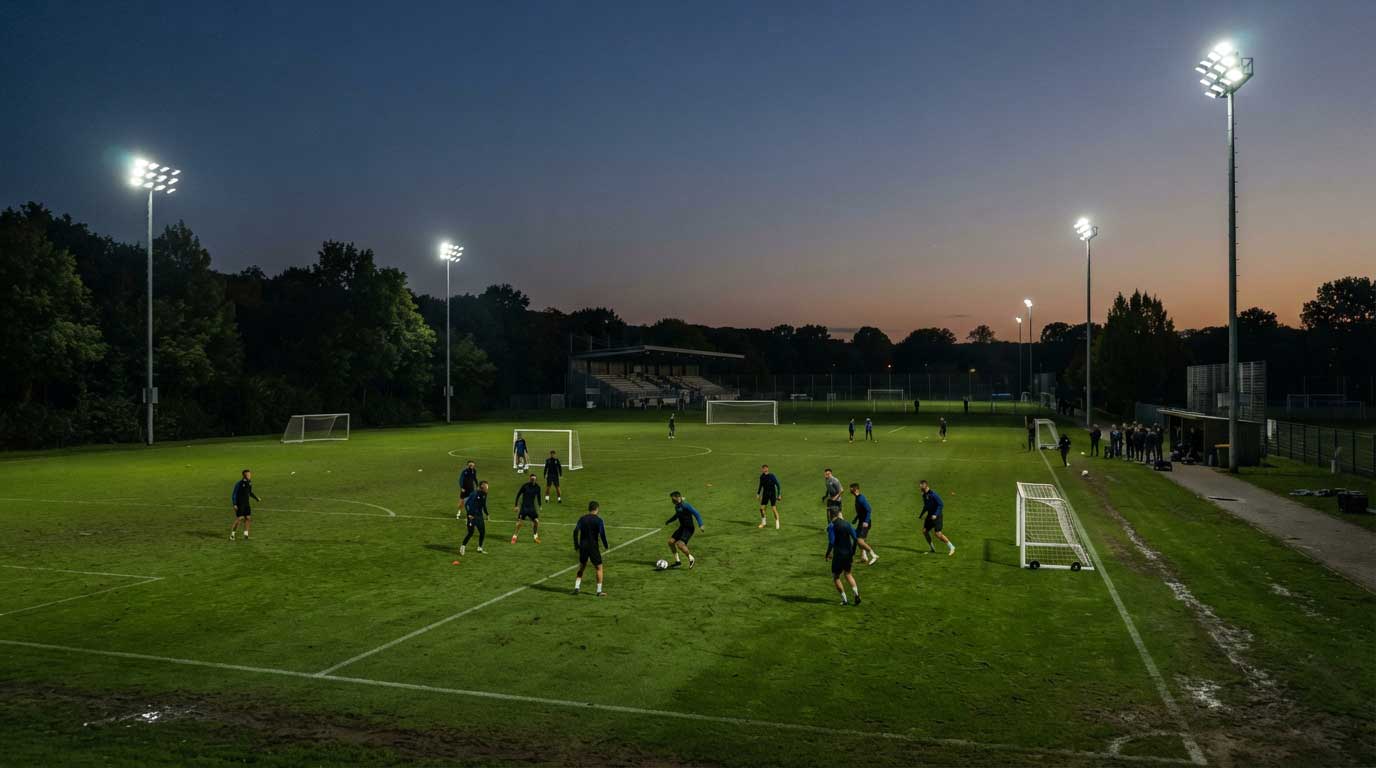
The light needs to reach the playing surface with suitable uniformity while controlling glare for players, spectators, nearby properties, and roads. Floodlights are particularly useful because installers can aim their beams toward defined sections of a field.
IES guidance describes floodlighting as suitable for architectural elements, irregular surfaces, and long-distance projection. It also warns that floodlighting can create more glare than conventional roadway luminaires when used incorrectly.
For larger outdoor projects, this is where optical design becomes obvious. One fixture may need a narrow distribution to reach the far side of a field; another may use a wider distribution for an area closer to the pole.
SEEKINGLED’s FLX and FLE flood light ranges are designed for sports courts, sports grounds, and open-area applications, with multiple beam distributions available.
Flood lights are also widely used to make architectural surfaces visible after dark.
They can illuminate:
For façade lighting, the goal is usually not maximum brightness. The fixture should place light on the intended surface while limiting light above the roofline or beyond the property.
This matters because a poorly aimed architectural flood light can illuminate windows, neighboring buildings, or the night sky instead of the façade.
Efficiency is worth checking, but it should not be considered in isolation.
The U.S. Department of Energy Federal Energy Management Program lists 118 lm/W as the minimum luminaire efficacy requirement for floodlight luminaires under its exterior-lighting acquisition guidance. DOE also notes that higher efficacy means more light output for each watt of electrical input.
For example:
These are simple output calculations, not guarantees of illumination on the ground. Optics, mounting height, aiming, surface reflectance, and light loss still determine the final result.
That distinction is important when comparing flood lights from different manufacturers.
For a commercial project, check these specifications before selecting the fixture:
DOE guidance also points out that advanced controls can provide additional energy and operating-cost savings beyond improving luminaire efficiency alone.
what are flood lights used for? They are used for security, parking areas, sports fields, warehouses, construction sites, building façades, yards, and other locations requiring broad or precisely aimed illumination.
Yes. Flood lights can provide strong illumination around entrances, loading areas, driveways, and building perimeters. Motion sensors, timers, dimming, and proper aiming can make the installation more practical.
Yes. Floodlights are commonly used for sports fields because they can project controlled beams over long distances. Beam distribution, mounting height, aiming, uniformity, and glare control should be evaluated together.
Yes. Outdoor flood lights are useful around warehouse loading docks, yards, entrances, and material-handling areas. For indoor high-bay spaces, however, dedicated high-bay luminaires are normally more appropriate.
There is no single correct beam angle. Narrower distributions suit distant targets, while wider distributions are useful for broader areas. IES notes that floodlight beam spreads can range from roughly 10° to more than 100°.
No. Excessive output can increase glare, spill light, energy use, and visual discomfort. The better approach is to deliver the required illumination to the target area with suitable optics and aiming.
Use accurate aiming, suitable beam distributions, shielding or louvers, appropriate mounting positions, and dimming or scheduling where possible. DarkSky recommends minimizing glare, uplight, over-lighting, and unnecessary light trespass.
what are flood lights used for? They are used wherever a project needs powerful, targeted illumination across an outdoor or large area—from warehouse security and parking lots to sports fields, construction sites, and architectural façades. The right fixture is determined by the application, not wattage alone.
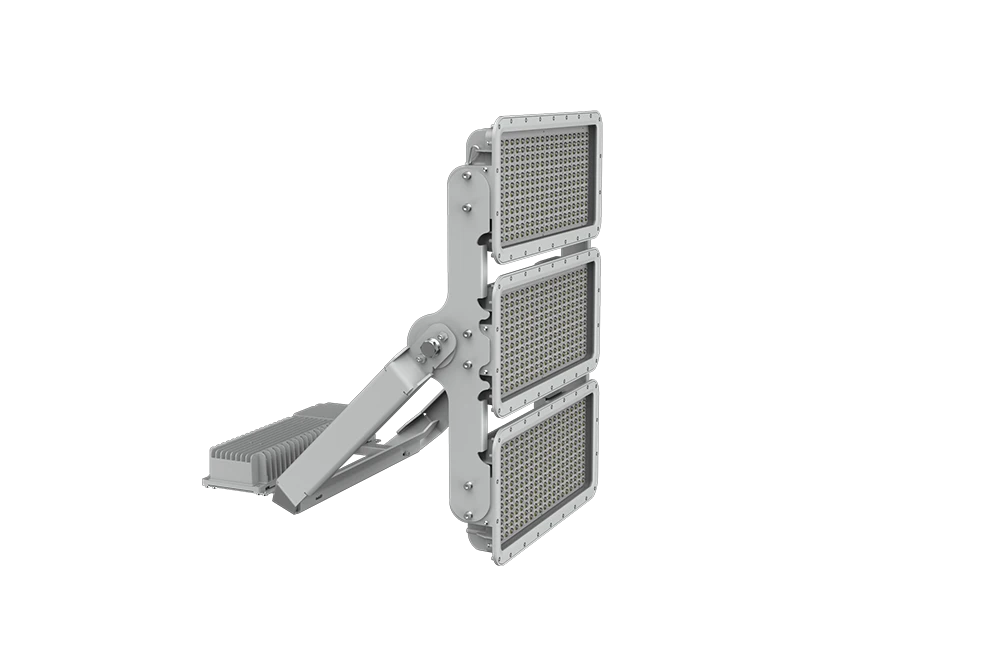
Sports Stadium LED Lighting by SEEKINGLED delivers high mast illumination, precise beam control, and EN 12193 compliant performance for professional venues.
View details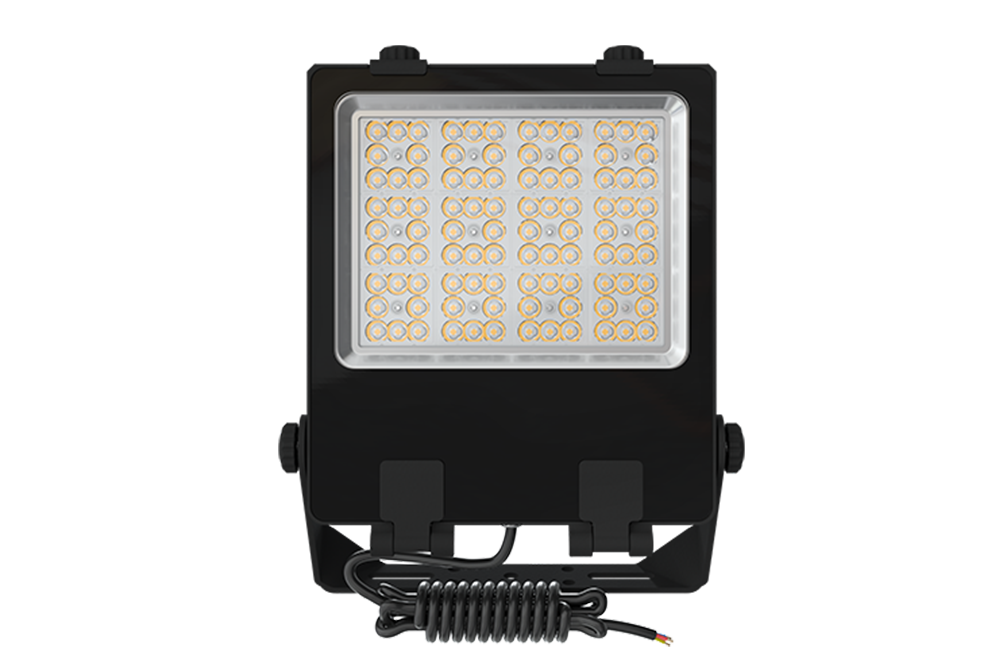
SEEKING FLX Series LED flood light outdoor for sports courts and open-area projects with 170lm/W efficiency, IP66 protection and multiple beam distributions. Designed for long-life commercial and public outdoor use.
View details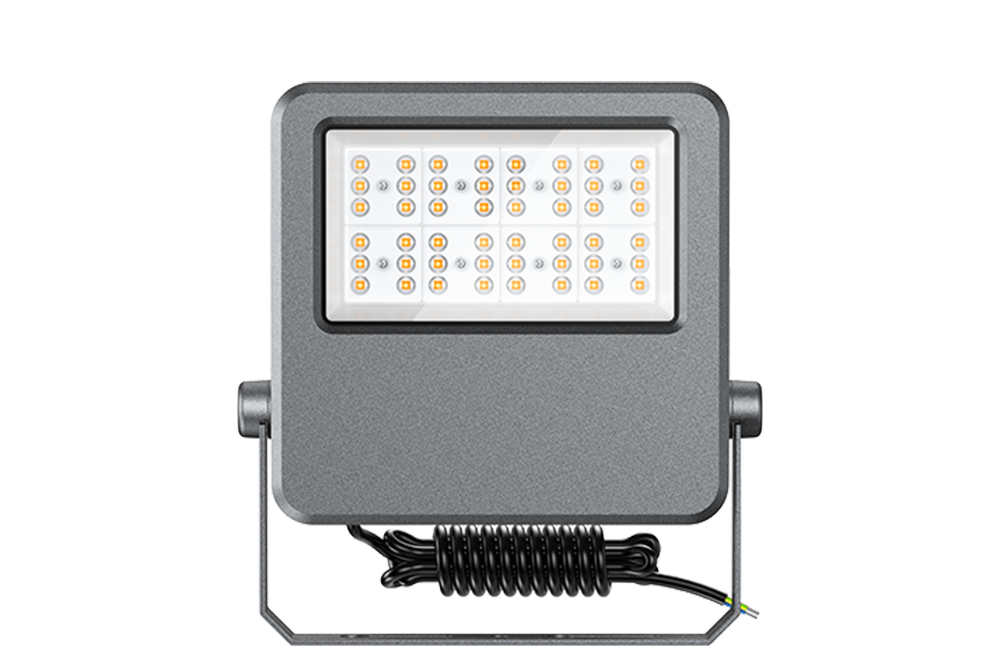
SEEKING FLE Series LED outdoor flood lights for sports grounds and open areas with multiple beam angles, IP66 protection and up to 170lm/W. Designed for long-life outdoor installations with professional driver options.
View details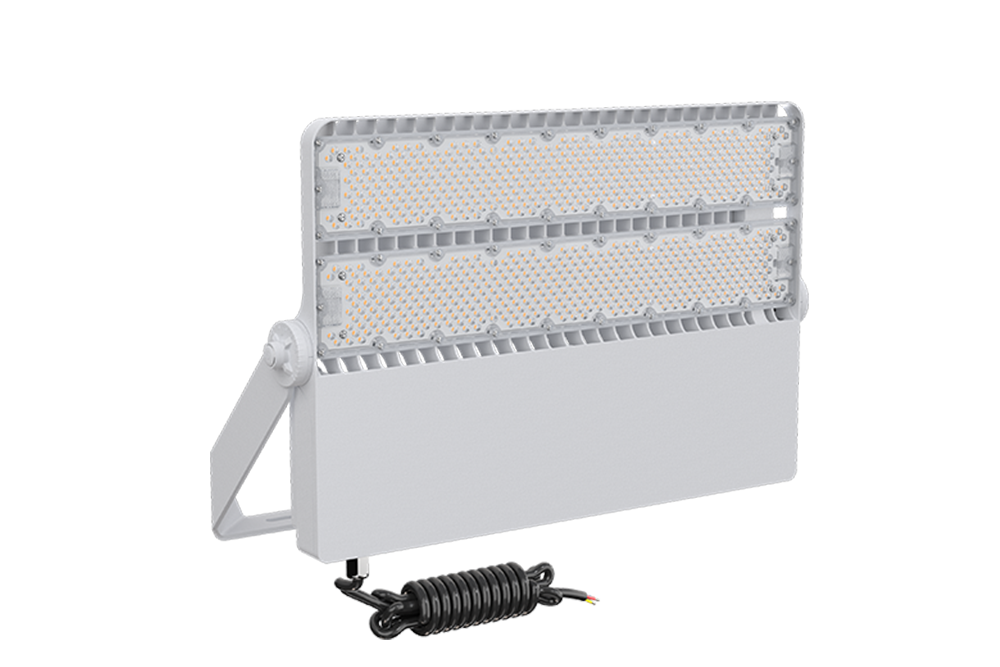
SEEKING FLD Series outdoor LED flood lights and high power led flood light deliver up to 960W with precision beam angles for sports fields, stadiums and large outdoor areas. IK08 & IP66 protection, 170lm/W efficiency and 100,000h lifetime.
View details
Explosion proof lamp supplier for hazardous industries. Reliable, certified lighting solutions with proven performance by SEEKINGLED.
View details
Outdoor LED street lights designed for roads and public areas, delivering high efficiency, durability, and long service life for real-world use by SEEKINGLED.
View details
SEEKING showcased advanced LED lighting solutions at the 2024 Hong Kong International Lighting Fair and Outdoor and Tech Light Expo, including new HLS linear trunking and HLD linear high bay, covering garden lights, flood lights, high bay, street ...
View details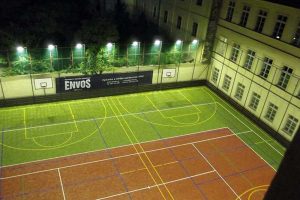
LED High Bay Light installation using SEEKINGLED HBS Series 150W improves nighttime visibility, uniformity, and energy efficiency for a basketball court in the Czech Republic.
View details