 Seeking LED
LED Ex-Proof Lighting: Practical Engineering Insights from the Field
113led ex-proof lighting engineered for Zone 1 & 2 hazardous areas. ATEX compliant, energy-efficient and built for oil & gas reliability. By SEEKINGLED.
View detailsSearch the whole station
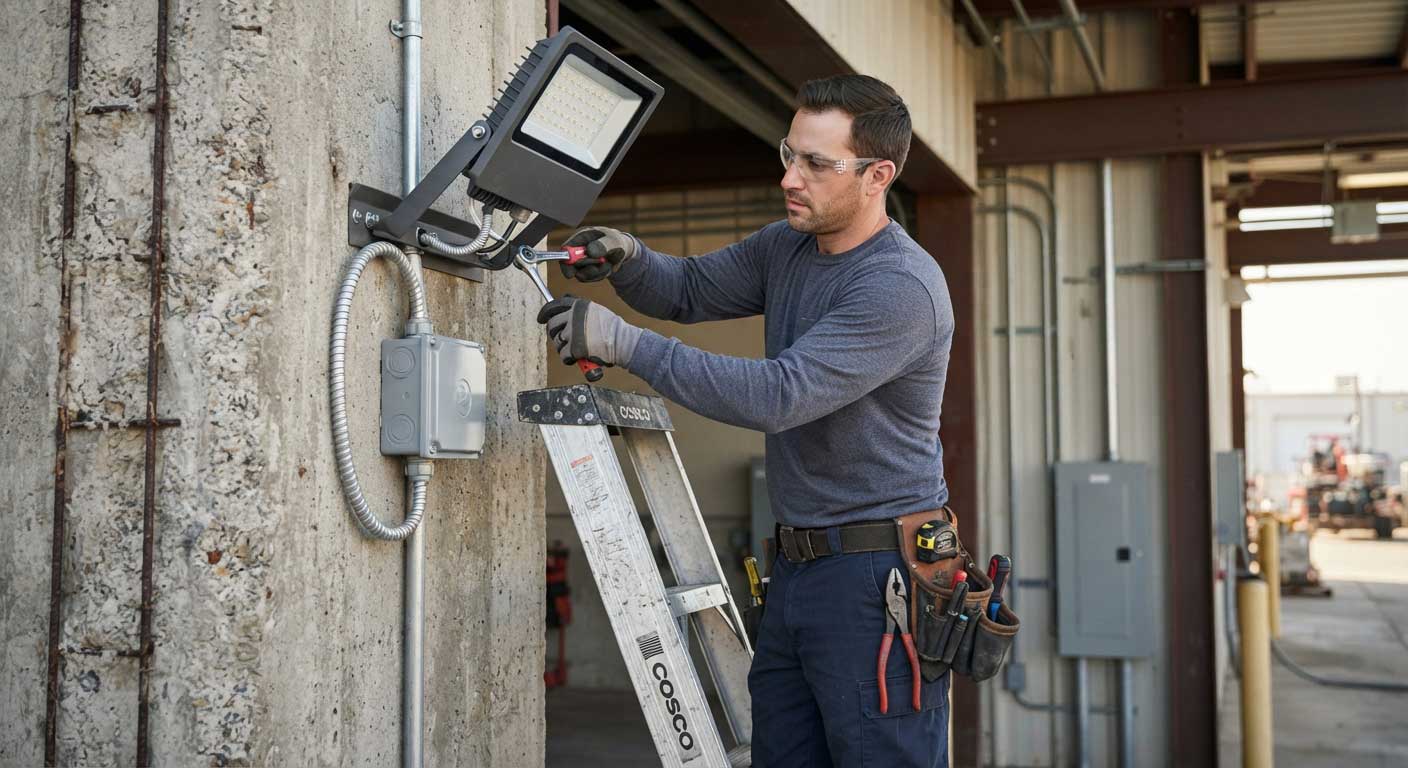
To install outdoor flood lights, first isolate and verify the electrical circuit, confirm the fixture voltage and mounting surface, secure the bracket, connect live, neutral, and ground conductors inside a suitable junction box, then aim the light and test it after dark. Outdoor mains wiring should be handled by a qualified electrician.
The fixture should not be the first thing you look at. Start with the site.
Before installation, check:
SEEKINGLED‘s outdoor installation guidance recommends checking supply voltage, mounting-surface strength, IP rating, beam angle, and coverage before installation. Its FLD Series, for example, is rated IP66 and IK08, with 100–277V AC input and 15°, 30°, 60°, 90°, and P50 beam options.
That distinction matters on real projects. A 30° beam mounted high over a parking area behaves very differently from the same fixture mounted several meters lower on a building facade.
Turn the circuit breaker off before opening the wiring enclosure. Do not treat a wall switch as the only isolation point.
Verify that the circuit is actually de-energized using an appropriate test method. For commercial or permanently wired installations, this work should be performed by a qualified electrician.
OSHA requires grounded and grounding conductors to be identifiable and distinguishable, requires correct polarity, and specifies requirements for grounding and continuity.
Mark the fixing points and drill the mounting surface according to the fixture and anchor requirements.
SEEKINGLED’s FLD Series installation instructions specify drilling holes for expansion screws, fixing the lamp, and tightening the nuts. The fixture supports wall, ceiling, floor, and high-mast installation configurations.
Do not mount a heavy led flood lights onto a thin sheet, loose cladding, deteriorated wood, or a structure that moves noticeably with wind.
A rigid mounting point is not just about keeping the fixture from falling. It also keeps the beam from drifting after installation.
Once the fixture is mechanically secure, make the electrical connection in an appropriate junction box or wiring enclosure.
For the SEEKINGLED FLD Series, the factory wiring identification is:
| Conductor | Identification |
|---|---|
| L | Brown |
| N | Blue |
| E / Ground | Green + Yellow |
The FLD installation instructions specifically call for power to be turned off before wiring and identify Brown as L, Blue as N, and Green/Yellow as E.
Do not assume wire colors are universal across every country or installation. The fixture label, datasheet, local electrical code, and actual supply wiring take priority.
All outdoor connections need appropriate protection against moisture and environmental exposure. A waterproof fixture does not make an improperly sealed junction box waterproof.
There is no universal mounting height because the correct position depends on the area, fixture output, beam angle, mounting surface, and required illumination.
SEEKINGLED’s practical installation guidance gives these starting ranges:
| Application | Typical Starting Height |
|---|---|
| Building entrance | 3–4 m |
| Parking lot or yard | 5–8 m |
| Large open area | 8 m+ |
These are starting points, not lighting calculations.
The IES defines a floodlight as an aimable, weatherproof projector, with beam field angles ranging from about 10° to more than 100°. That huge range is why “mount it at X meters” is rarely enough information by itself.
In practical installation work, height and beam angle should be considered together.
A narrow beam can throw light farther. A wider beam covers more area but may require a different mounting position.
This is where a technically sound installation can still produce a poor lighting result.
Installers should avoid pointing a powerful floodlight directly toward drivers, neighboring windows, or pedestrian eye level. IES guidance notes that floodlighting uses aimable luminaires and warns that floodlighting can create increased glare when used in situations where conventional roadway luminaires would be more appropriate.
SEEKINGLED’s FLD Series instructions follow a simple field procedure: loosen the positioning bolt, adjust the irradiation angle, tighten the bolt, and replace the bolt cap.
The useful part is the timing: aim after the fixture is mounted, not before.
For large areas, make small adjustments and inspect the actual illuminated surface. A few degrees can move a bright hotspot significantly.
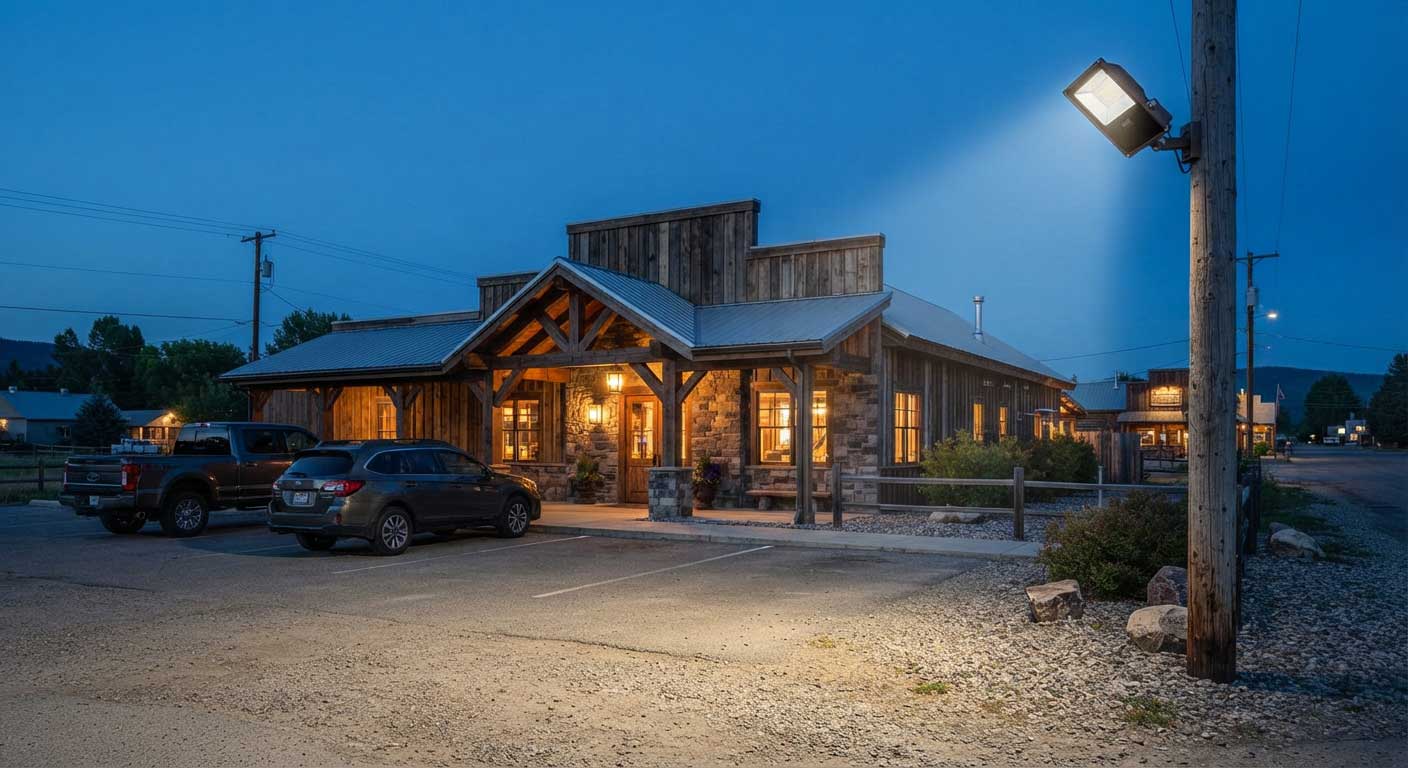
Do not judge the installation only from the ladder.
Restore power according to the applicable procedure and inspect the light after dark.
Check:
SEEKINGLED recommends nighttime testing because shadows, over-bright zones, and unwanted light spill are much easier to identify after dark.
For larger projects, it is worth walking the entire illuminated area rather than standing directly beneath the fixture. The beam can look excellent from one position and still leave a dark section 20 or 30 meters away.
Several problems are surprisingly mundane.
SEEKINGLED’s own installation documentation states that installation should be performed by a skilled electrician familiar with LED luminaire requirements and proper installation methods.
For permanently wired mains-voltage fixtures, use a qualified electrician and follow local electrical requirements. The physical mounting may be straightforward, but outdoor electrical connections require correct isolation, grounding, protection, and weather sealing.
There is no single best height. As practical starting points, SEEKINGLED suggests about 3–4 m for entrances, 5–8 m for parking areas or yards, and 8 m or more for larger open areas.
Choose the beam angle according to mounting height and the area that needs illumination. SEEKINGLED’s FLD Series offers 15°, 30°, 60°, 90°, and P50 distributions.
If the fixture and electrical system require protective grounding, it must be connected correctly. OSHA requires applicable grounding systems and a permanent, continuous grounding path.
Usually not. Floodlights are designed to be aimed toward the intended surface. Final positioning should control glare and light spill while providing the required coverage.
The required rating depends on the installation environment. For example, SEEKINGLED’s FLD Series is rated IP66 and IK08, making it suitable for demanding outdoor applications when installed according to its instructions.
The fixture may be mounted too high, have an unsuitable beam angle, or be aimed incorrectly. Lighting performance is determined by distribution and aiming as well as lumen output.
Learning how to install outdoor flood lights is not simply a matter of fixing a powerful lamp to a wall. The installation needs a sound mounting point, correct electrical connection, appropriate environmental protection, and careful beam aiming. On commercial and industrial sites, those details determine whether the finished lighting is useful, comfortable, and reliable.
For SEEKINGLED, the practical priority is straightforward: secure the fixture, protect the electrical connection, ground it correctly, and spend time on final aiming. The last adjustment is often the one people rush—and the one people notice most when they come back at night.
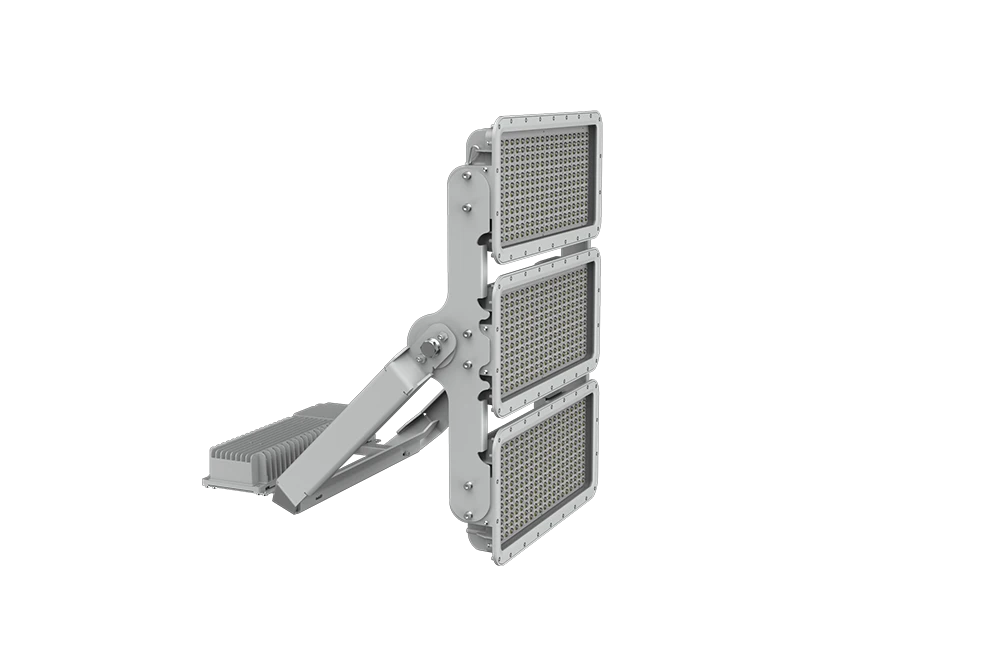
Sports Stadium LED Lighting by SEEKINGLED delivers high mast illumination, precise beam control, and EN 12193 compliant performance for professional venues.
View details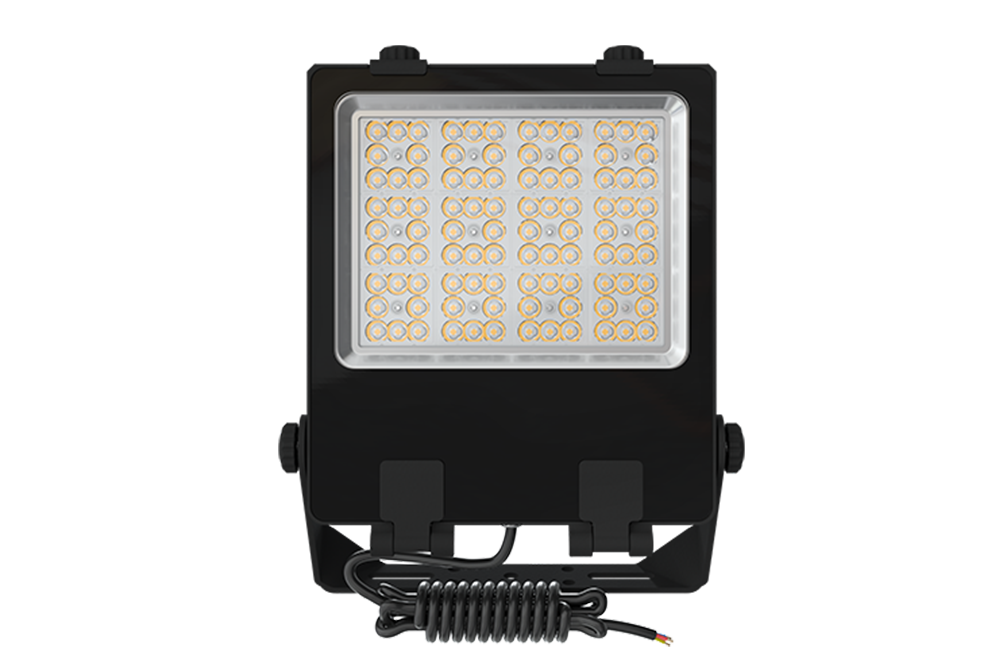
SEEKING FLX Series LED flood light outdoor for sports courts and open-area projects with 170lm/W efficiency, IP66 protection and multiple beam distributions. Designed for long-life commercial and public outdoor use.
View details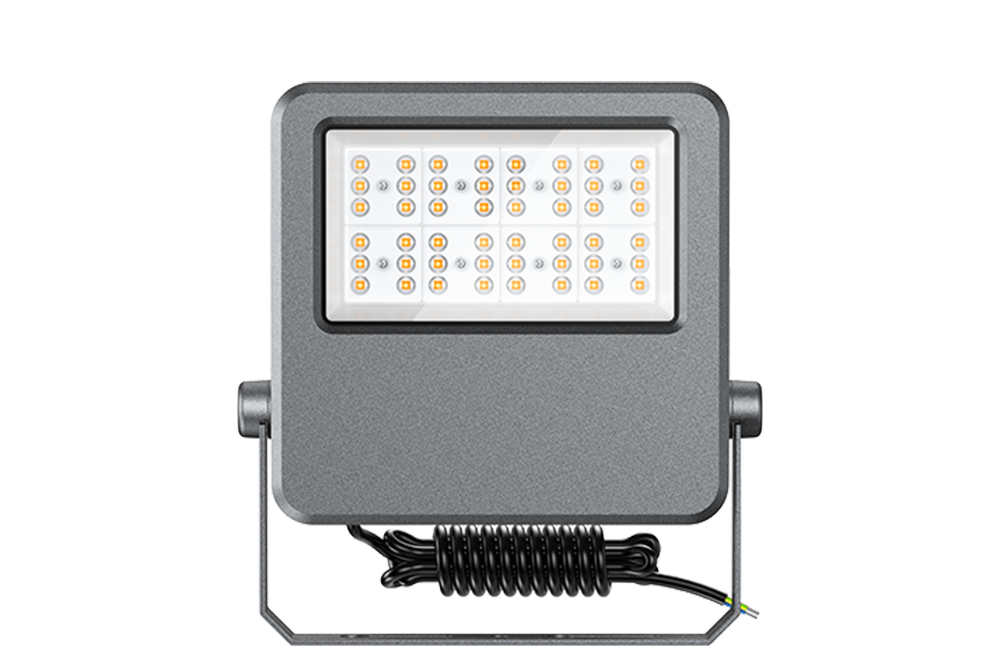
SEEKING FLE Series LED outdoor flood lights for sports grounds and open areas with multiple beam angles, IP66 protection and up to 170lm/W. Designed for long-life outdoor installations with professional driver options.
View details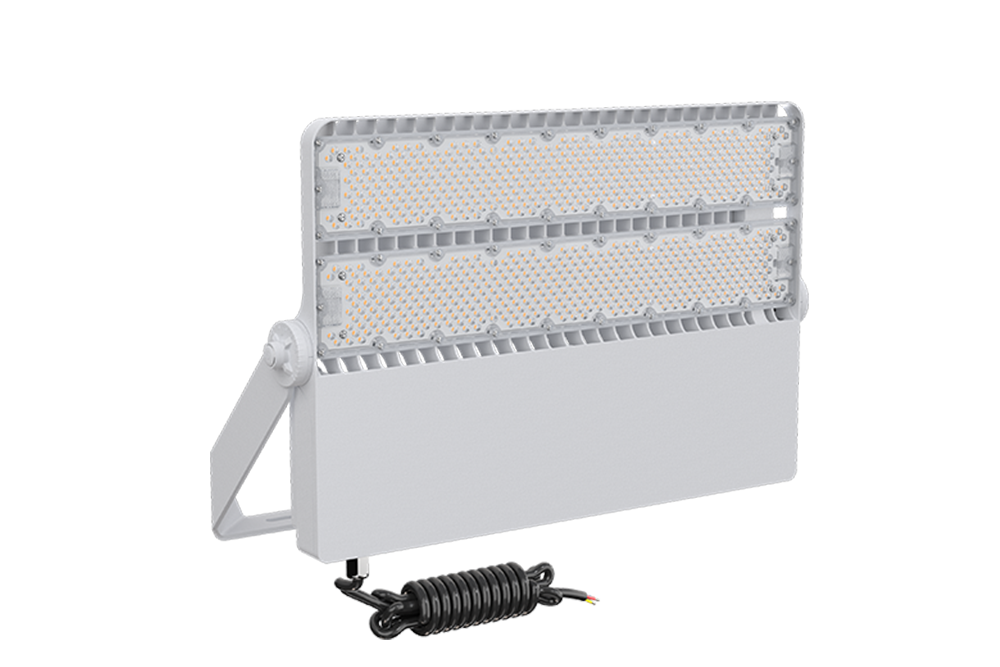
SEEKING FLD Series outdoor LED flood lights and high power led flood light deliver up to 960W with precision beam angles for sports fields, stadiums and large outdoor areas. IK08 & IP66 protection, 170lm/W efficiency and 100,000h lifetime.
View details
led ex-proof lighting engineered for Zone 1 & 2 hazardous areas. ATEX compliant, energy-efficient and built for oil & gas reliability. By SEEKINGLED.
View details
Explosion proof lights for paint booth ensure safe, uniform illumination in flammable spray zones. Learn standards, layout tips, and expert insights.
View details
LED Linear Explosion Proof Lights designed for Zones 1&2 and 21&22. ATEX & IECEx certified SEEKINGLED fixtures deliver safe, durable hazardous area lighting with 100000-hour lifespan.
View details
What is an ATEX LED floodlight? Learn how ATEX-certified floodlights provide safe, powerful illumination in explosive atmospheres across hazardous industrial locations.
View details