 Seeking LED
ATEX LED Lighting: What It Actually Means on a Real Job Site
160ATEX LED lighting explained with real job site insights, certification rules, and practical mistakes. Learn how SEEKINGLED ensures safe hazardous lighting.
View detailsSearch the whole station
Flood lights should be installed where their beam can cover the intended area without creating excessive glare, usually on building facades, poles, entrances, parking areas, loading zones, yards, or large outdoor structures. The mounting position should provide a solid fixing point, suitable height, clear beam path, protected wiring, and enough adjustment for final nighttime aiming.
The best location depends on what needs to be illuminated, not simply where a mounting bracket happens to fit.
Common locations include:
SEEKINGLED’s installation guidance recommends considering the power supply, mounting surface, IP rating, beam angle, and coverage area before selecting the installation position. In its practical installation guidance, starting heights range from approximately 3–4 m for entrances to 6–12 m for parking areas and 12 m or more for larger yards and ports. These are application starting points rather than universal lighting-design requirements.
The important detail is easy to miss: mounting location and beam angle have to be considered together.
A narrow-beam flood light mounted high on a warehouse can reach a distant target, while a wide-beam fixture in the same position may spread light beyond the property boundary.
Entrances usually benefit from a relatively close mounting position above or beside the doorway.
A wall-mounted flood light can illuminate:
Avoid placing the fixture directly opposite a person’s normal line of sight. A bright LED source at eye level can be uncomfortable even when the illuminated area itself is adequately lit.
For smaller entrances, a lower mounting point with controlled distribution is often more useful than simply choosing a higher-output fixture.
For architectural facades, LED flood lights can be mounted on the ground, low wall, or nearby structure and aimed toward the vertical surface.
This works particularly well for:
The IES describes floodlighting as using aimable luminaires to direct a controlled beam toward architectural elements and other specific surfaces. It also recommends controlling spill light and glare with suitable shields or louvers where appropriate.
A practical observation from commercial lighting installations is that the fixture should not automatically be centered on the wall. The useful position is determined by the height of the wall, the desired illuminated section, and the beam distribution.
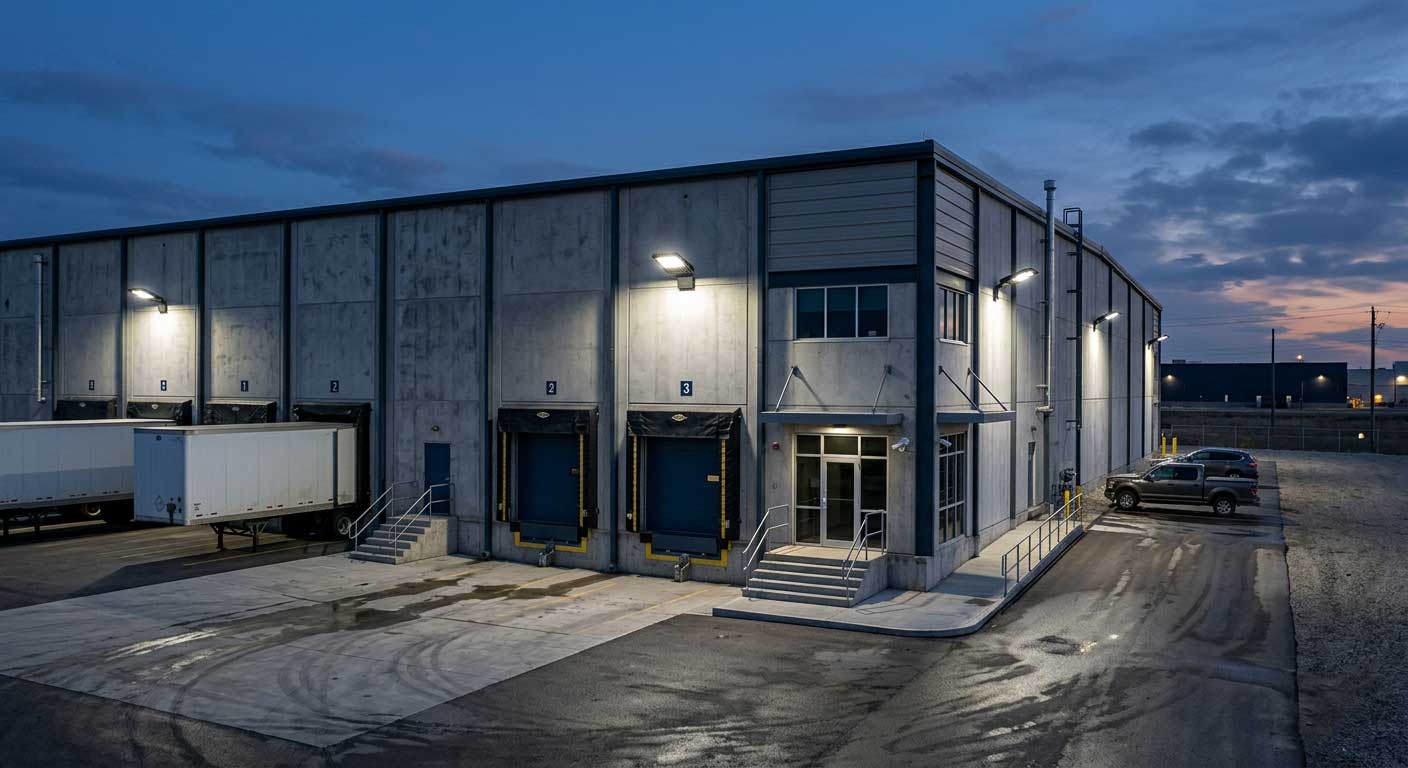
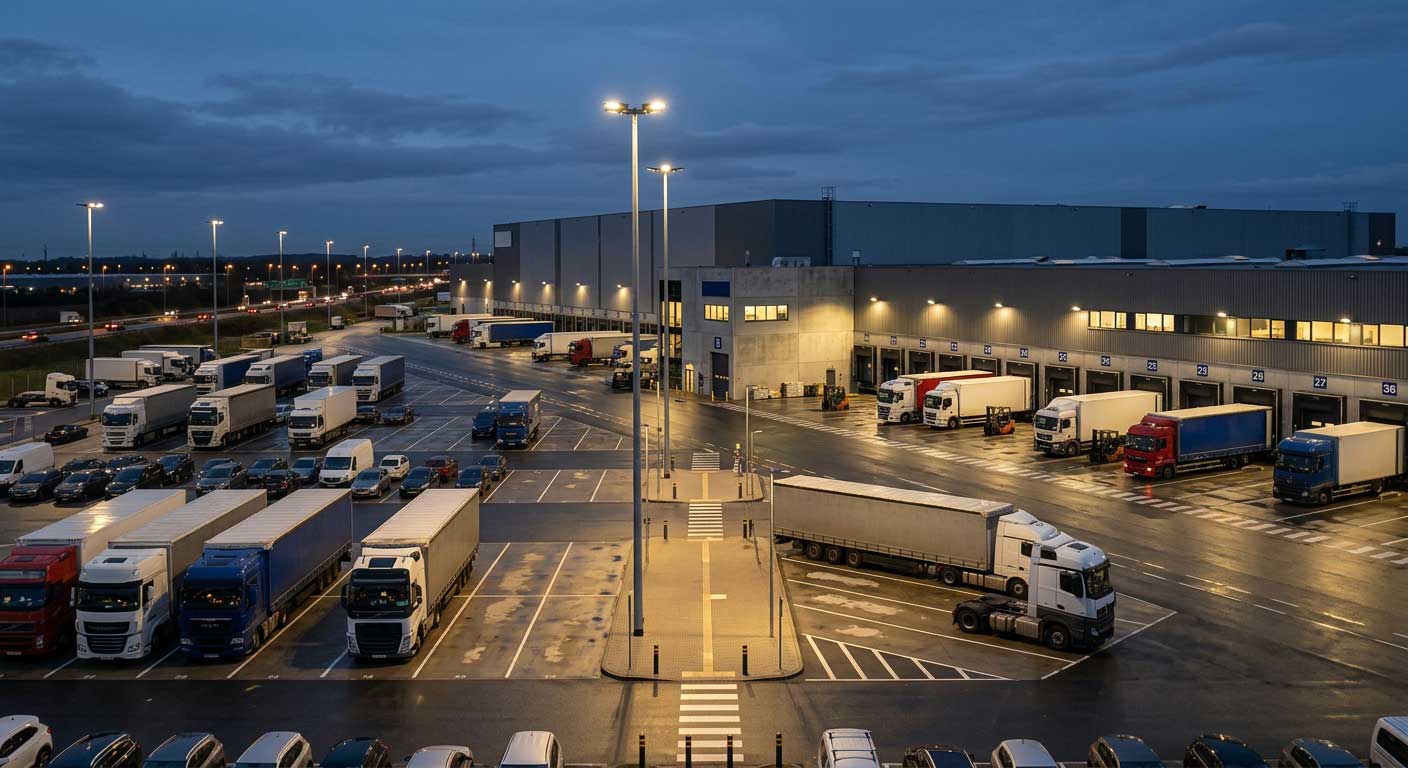
Parking areas require a different approach because the light needs to cover a larger horizontal surface while limiting glare toward drivers.
Flood lights may be installed on:
SEEKINGLED notes that parking applications commonly use mounting heights around 6–12 m as a starting range, depending on the fixture and coverage requirements.
For parking areas, do not judge the position from directly underneath the fixture. Walk through the area.
Look for:
ANSI/IES RP-8-22 specifically notes that floodlights should be aimed accurately toward the intended surface and explains that poor aiming can create glare, wasted light, hotspots, or poor illumination. Its general rule of thumb for certain floodlighting situations is to aim toward approximately two-thirds of the distance across the illuminated area, or two times the mounting height, whichever is lower.
That is a design reference—not a substitute for photometric calculations.
For security lighting, mounting the fixture higher can reduce the likelihood of tampering while giving the beam a broader view of the surrounding area.
Useful locations include:
Corners are particularly useful because one fixture can sometimes cover two directions.
But there is a tradeoff. Mounting a flood light too high without choosing an appropriate optical distribution can produce weak illumination at ground level. Mounting it too low may expose the fixture to accidental impact or vandalism.
IES guidance recommends mounting floodlights on poles or other suitable structures and advises avoiding ground-level or publicly accessible locations where vandalism or physical damage is a concern.
Some locations look convenient but create problems later.
Avoid positioning a flood light:
Glare deserves particular attention. IES states that floodlighting should not be used as conventional roadway lighting because it can produce more glare than appropriate roadway luminaires.
For industrial projects, the most expensive mistake is sometimes not an incorrect fixture—it is installing a good fixture in the wrong place.
There is no single height that works for every flood light.
SEEKINGLED’s practical guidance provides these approximate starting points:
| Application | Suggested Starting Height |
|---|---|
| Building entrance | 3–4 m |
| Building facade | 3–6 m |
| Parking area | 6–12 m |
| Large yard | 12 m+ |
| Port or large industrial area | 12 m+ |
The final height depends on lumen output, beam angle, mounting geometry, target area, required uniformity, and glare control.
One useful field habit is to decide the target surface first and then work backward toward the mounting point. Starting with “I have a 10-meter pole” and trying to make any flood light work from it often leads to excessive spill or uneven illumination.
The mounting location also determines how the electrical installation needs to be protected.
Outdoor flood lights should have an appropriate enclosure and environmental rating for the actual conditions. Wiring, junction boxes, cable entries, and grounding must also comply with the applicable electrical requirements.
OSHA’s electrical requirements specify identification and polarity requirements for grounded and grounding conductors and require a permanent, continuous grounding path for applicable equipment. OSHA also addresses the location of outdoor lamps in relation to live conductors and other electrical equipment.
SEEKINGLED’s FLD Series, for example, is specified with IP66 protection and IK08 impact resistance, but the fixture’s rating does not eliminate the need for correct installation of the surrounding electrical system.
The best position is where the fixture has a clear view of the target area, a secure mounting surface, suitable height, protected wiring, and enough aiming adjustment to control glare and coverage.
Common locations include above garage doors, entrances, side walls, corners, patios, and driveways. Avoid aiming directly toward bedrooms, neighboring windows, or approaching drivers.
They are commonly installed on lighting poles, building corners, or suitable high structures around the parking area. Height and beam angle should be selected together to avoid dark zones and excessive glare.
Higher mounting generally helps cover larger areas and can reduce physical access to the fixture, but the optical distribution must match the height. A higher fixture is not automatically a better fixture.
They should generally be aimed toward the intended illuminated surface rather than horizontally into the surrounding environment. The final angle should be determined by the target area, mounting height, beam distribution, and glare requirements.
Yes. Building corners are often useful because a fixture can illuminate a facade, entrance, side passage, or yard. The structure must be strong enough for the fixture and its environmental loading.
There is no universal spacing distance. Fixture lumen output, mounting height, beam angle, target height, and required uniformity all affect spacing. Photometric planning is preferable for commercial and industrial installations.
Knowing where to install flood lights starts with the area that actually needs light. Entrances, facades, parking lots, loading zones, corners, yards, and industrial structures each call for a different mounting position. The strongest installation is not necessarily the highest or brightest one; it is the one that puts the useful beam where people need it while controlling glare and spill.
For SEEKINGLED applications, mounting location, beam distribution, height, structural strength, IP protection, and final nighttime aiming should be considered as one lighting decision—not as separate installation tasks.
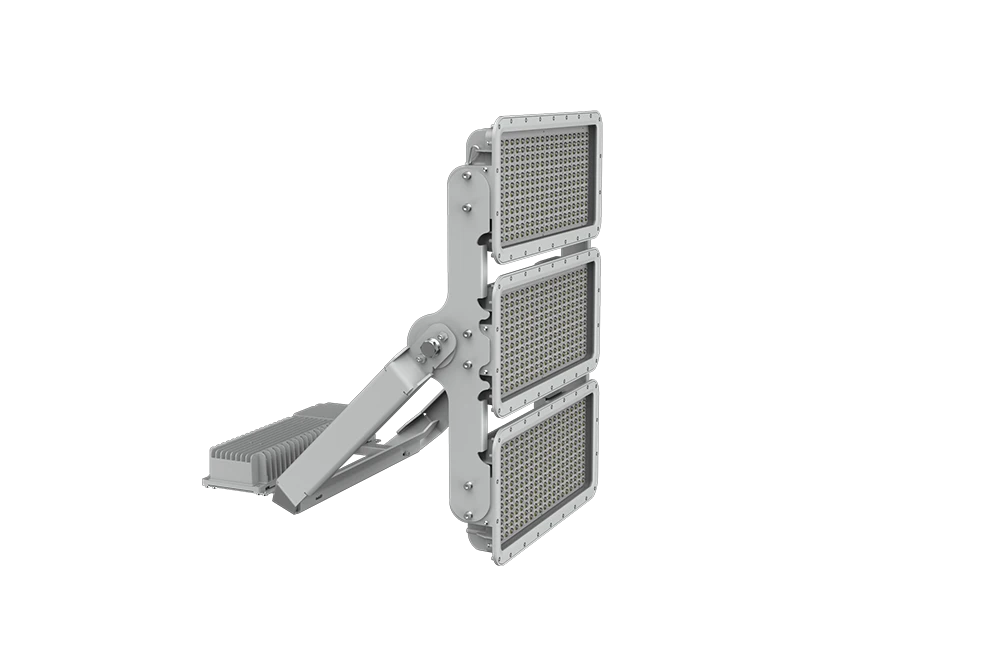
Sports Stadium LED Lighting by SEEKINGLED delivers high mast illumination, precise beam control, and EN 12193 compliant performance for professional venues.
View details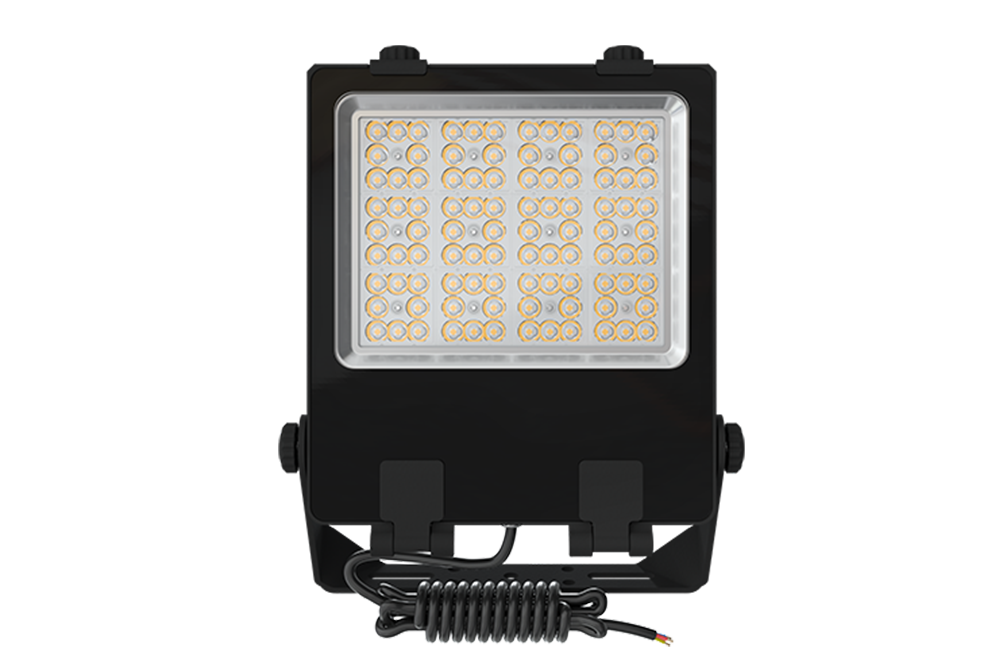
SEEKING FLX Series LED flood light outdoor for sports courts and open-area projects with 170lm/W efficiency, IP66 protection and multiple beam distributions. Designed for long-life commercial and public outdoor use.
View details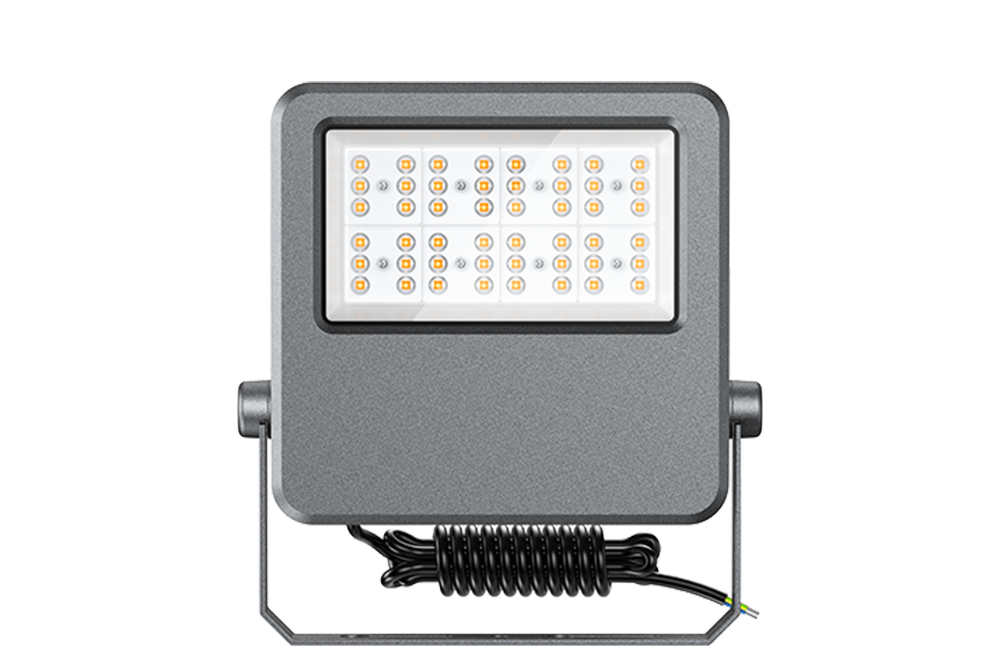
SEEKING FLE Series LED outdoor flood lights for sports grounds and open areas with multiple beam angles, IP66 protection and up to 170lm/W. Designed for long-life outdoor installations with professional driver options.
View details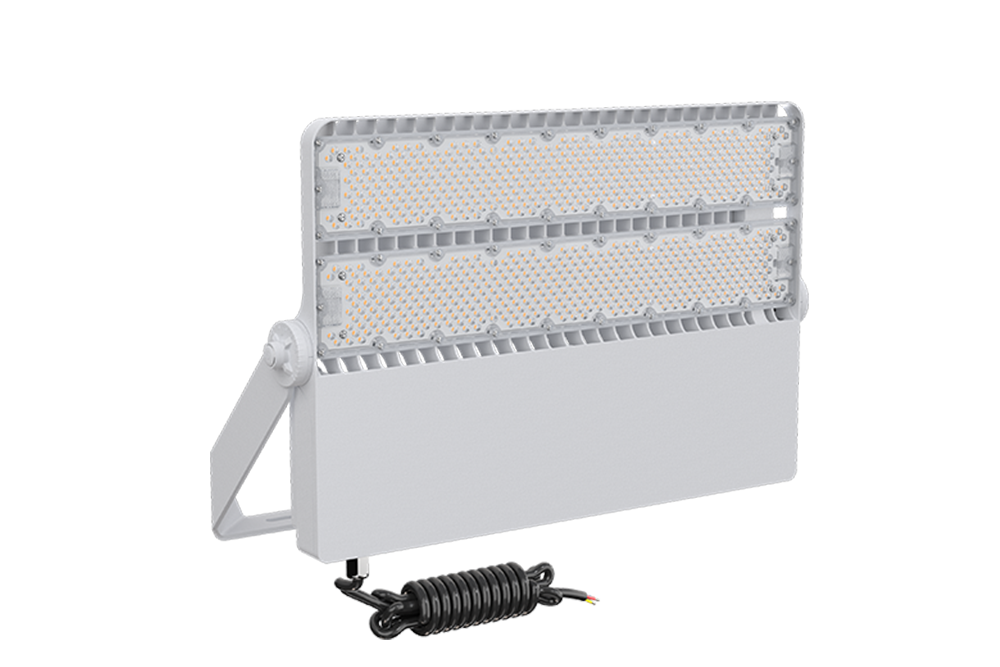
SEEKING FLD Series outdoor LED flood lights and high power led flood light deliver up to 960W with precision beam angles for sports fields, stadiums and large outdoor areas. IK08 & IP66 protection, 170lm/W efficiency and 100,000h lifetime.
View details
ATEX LED lighting explained with real job site insights, certification rules, and practical mistakes. Learn how SEEKINGLED ensures safe hazardous lighting.
View details
Hazardous location lighting fixtures provide safe illumination in explosive environments. Learn types, standards, real applications, and how to choose the right solution.
View details
What Is HLL Linear LED Lighting Hazardous Area? Learn how certified explosion-proof linear LED fixtures improve industrial safety, reliability, and compliance with SEEKINGLED's expert guide.
View details
Flood light 100 watt LED for outdoor and commercial use. Strong brightness, lower energy cost, and durable performance from SEEKINGLED.
View details