 Seeking LED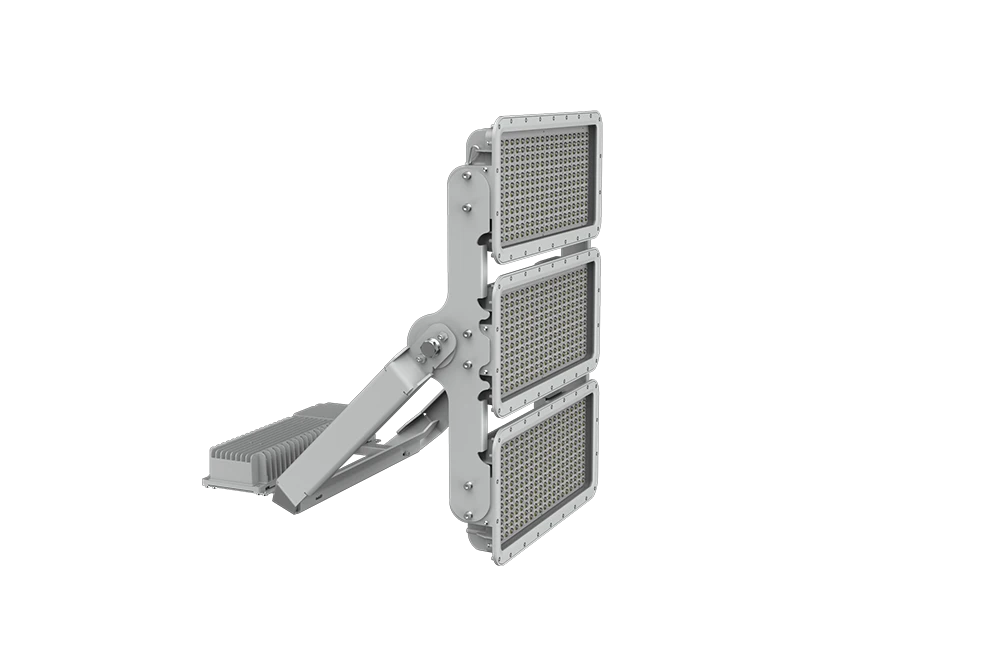
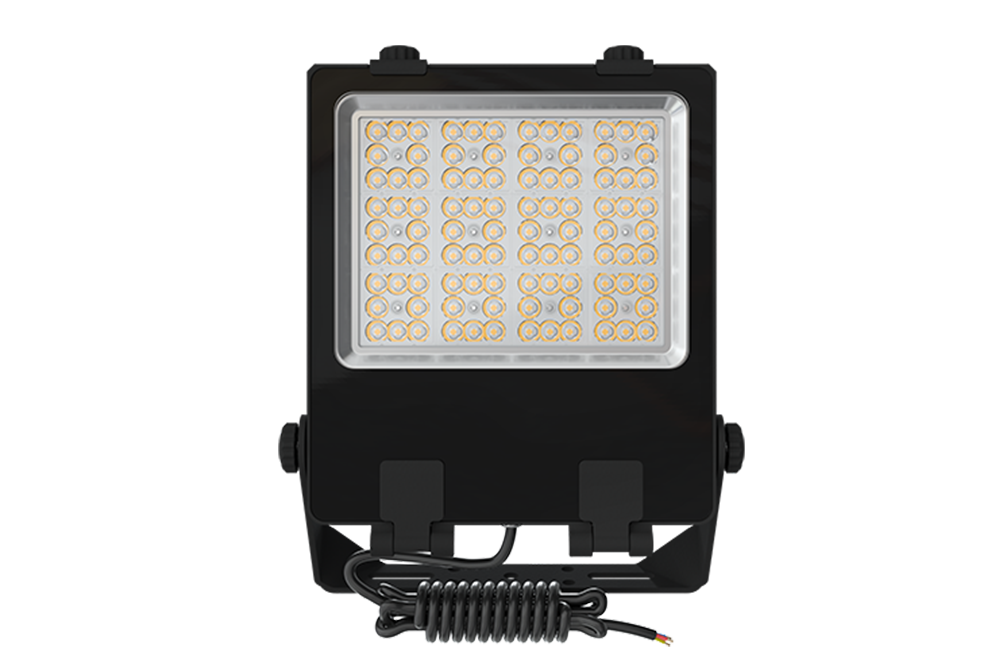
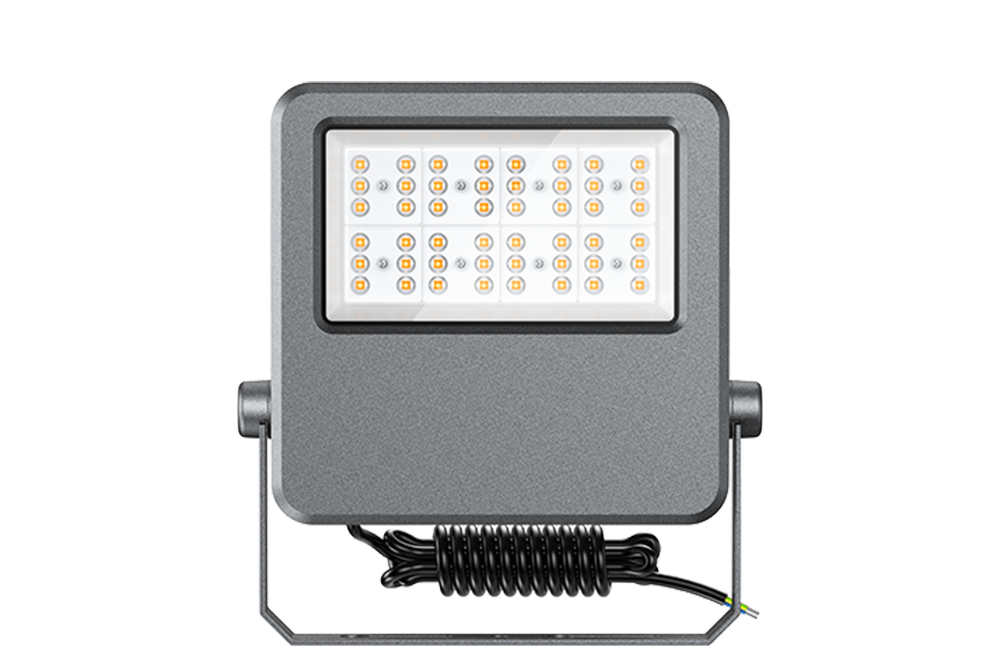
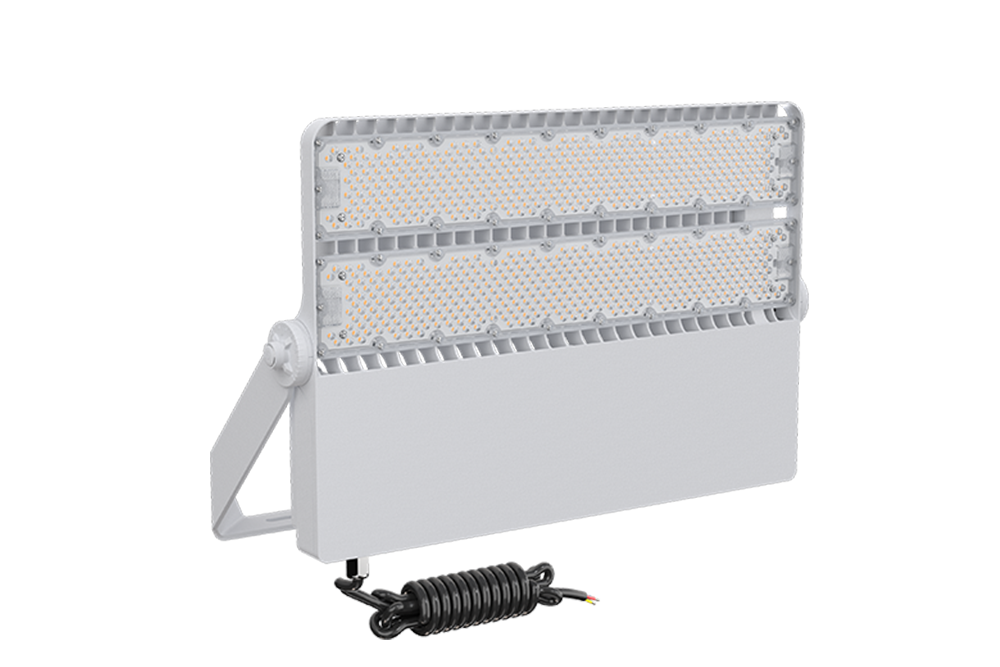
led flood light with lens: precision optics for controlled illumination
48led flood light with lens delivers precise beam control, reduced glare, and higher efficiency. Ideal for sports, industrial, and outdoor lighting upgrades.
View detailsSearch the whole station
The question “can an led flood light grow plants” comes up more often than people think. Usually from someone standing in a garage, holding a spare flood light, looking at a few tomato seedlings and thinking… maybe this could work.
Short answer?
Yes, plants can grow under LED flood lights. But there are limits, and they show up pretty quickly.
I’ve seen it work in small setups—balcony gardens, temporary seedling trays, even herbs on a warehouse windowsill. But I’ve also seen people try to replace real grow lights with flood lights and end up with stretched, weak plants.
So the reality sits somewhere in the middle.
Humans judge light by brightness. Plants don’t.
Plants respond to PAR (Photosynthetically Active Radiation), which is the range of light wavelengths used for photosynthesis—roughly 400–700 nm.
Research from the NASA and agricultural lighting studies shows that plants mainly use:
Standard LED flood lights usually produce broad-spectrum white light. That includes some usable wavelengths, but not in the optimized ratios that real grow lights provide.
So when people ask can an led flood light grow plants, the honest answer is: it can support growth, but it’s not designed for it.
In some situations, flood lights do surprisingly okay.
One example I remember clearly involved a small indoor hydroponic test rack. The grow lights had not arrived yet, so a couple of 50W LED flood lights were mounted above the trays as a temporary solution.
Within a week, lettuce seedlings were still healthy. No stretching, no pale leaves.
Why did it work?
Because:
Under those conditions, yes—can an led flood light grow plants becomes less theoretical and more practical.
But it still wasn’t ideal.
The limitations appear once plants get larger.
You’ll often see signs like:
That happens because flood lights spread illumination over wide outdoor areas. They’re designed for coverage, not plant intensity.
Grow lights concentrate energy in wavelengths plants use most.
A flood light just throws general white light everywhere.
That’s fine for visibility. Not perfect for photosynthesis.
This is one mistake I see constantly.
Someone installs a flood light two meters above plants, like it’s lighting a parking lot. Plants barely respond.
Move the light down to 30–50 cm, and suddenly the plants improve.
Why? Because light intensity drops fast with distance. Very fast.
Even a powerful LED flood light becomes weak for plant growth if it’s mounted too high.
For small experiments using SEEKINGLED flood lights, people often position them much closer than normal outdoor installations.
That simple adjustment makes a noticeable difference.
Not all flood lights are the same.
Color temperature affects plant response:
Cool white flood lights tend to perform slightly better for leafy plants because they contain stronger blue components.
Still, they’re not tuned the way horticultural LEDs are.
Which is why serious indoor growers rarely rely on flood lights long term.
Another practical point: flood lights can be less efficient for plant production.
You might run a 100W flood light to get enough usable light for a small plant area. A dedicated grow light might achieve the same growth with 40–60W because its spectrum is optimized.
So yes, can an led flood light grow plants—but it’s not always the most energy-efficient path.
That said, for casual growers, garage gardeners, or temporary setups, flood lights are sometimes the only thing available.
And they will work… to a point.
From experience, flood lights make sense in a few scenarios:
They’re not ideal for:
In those situations, proper grow lights outperform flood lights every time.
So, can an led flood light grow plants?
Yes. Plants will grow under them. Sometimes surprisingly well in the early stages.
But flood lights weren’t designed for horticulture. They’re designed to illuminate buildings, yards, parking lots.
When growers use them creatively—placing them closer, running longer light cycles—they can work as a temporary solution.
Still, for serious plant production, dedicated grow lights remain the better tool.
Even companies like SEEKINGLED, known for outdoor lighting systems, see this distinction clearly: flood lights are excellent for illumination. Plant lighting is a different engineering problem altogether.
Sports Stadium LED Lighting by SEEKINGLED delivers high mast illumination, precise beam control, and EN 12193 compliant performance for professional venues.
SEEKING FLX Series LED flood light outdoor for sports courts and open-area projects with 170lm/W efficiency, IP66 protection and multiple beam distributions. Designed for long-life commercial and public outdoor use.
SEEKING FLE Series LED outdoor flood lights for sports grounds and open areas with multiple beam angles, IP66 protection and up to 170lm/W. Designed for long-life outdoor installations with professional driver options.
SEEKING FLD Series outdoor LED flood lights and high power led flood light deliver up to 960W with precision beam angles for sports fields, stadiums and large outdoor areas. IK08 & IP66 protection, 170lm/W efficiency and 100,000h lifetime.
loading…
This is the last post!
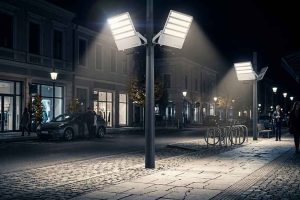
led flood light with lens delivers precise beam control, reduced glare, and higher efficiency. Ideal for sports, industrial, and outdoor lighting upgrades.
View details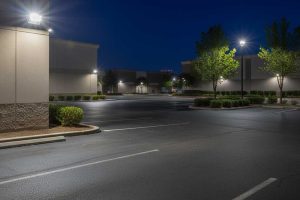
Flood light 100 watt LED for outdoor and commercial use. Strong brightness, lower energy cost, and durable performance from SEEKINGLED.
View details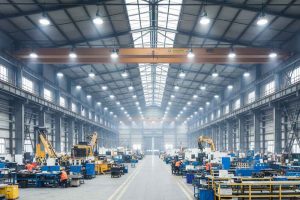
Looking beyond a 100 watt LED high bay light? Discover SEEKINGLED HBK Series with adjustable 300–500W power, chimney cooling, and industrial-grade reliability.
View details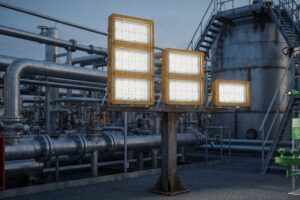
Discover reliable zone 1 atex lighting solutions for explosive environments. Learn certification requirements, installation experience, and LED safety advantages from SEEKINGLED experts.
View details