People usually ask this after the old lights come down.
The poles are still there. The wiring looks fine. And someone says, “LEDs should be easy, right?”
That’s where projects either go smoothly—or quietly go wrong.
Installing LED street lights isn’t complicated, but it’s not plug-and-play either. The details matter. Miss a few, and the complaints show up fast.
Before installing LED street lights, stop and check this
Before tools come out, there are three things that decide everything later:
- Pole height and arm length
- Existing voltage and wiring condition
- Required lighting level (road, sidewalk, parking area)
Skipping this step is the fastest way to end up with glare, dark zones, or uneven spacing. LEDs are efficient, but they’re also directional. You can’t guess your way through it.
At SEEKINGLED, this is where most projects are won or lost—before installation even starts.
Step 1: Mounting the LED street light fixture
Most LED street lights are installed on:
- Horizontal arms
- Vertical pole tops
- Adjustable slip fitters
Sounds simple. It is—if the angle is correct.
The fixture should sit level or slightly tilted downward. Not up. Not guessed. A few degrees off doesn’t look wrong during the day, but at night it turns into glare complaints.
One common mistake: installers reuse old pole arms designed for sodium lamps. LEDs need better cutoff control. Sometimes the arm needs adjustment, sometimes replacement.
Step 2: Wiring and electrical connection
This is where people rush. Don’t.
Standard LED street light installation involves:
- Power off at the breaker
- Proper grounding
- Matching input voltage (120V / 277V / 347V / 480V)
LED drivers are less forgiving than old ballasts. Wrong voltage won’t “sort itself out.” It fails. Quietly. Later.
Photocells or smart controls should be connected cleanly and tested on-site. A loose connection here causes flicker—and that’s a complaint nobody forgets.
Step 3: Setting the mounting height and spacing
Spacing is not guesswork. It’s math—but practical math.
Too far apart:
- Dark patches between poles
Too close:
- Overlapping brightness
- Energy wasted
- Visual discomfort
Most road installations fall between 6–10 times the mounting height for spacing. That range exists for a reason.
SEEKINGLED projects typically verify spacing with actual beam distribution, not catalog shortcuts.
Step 4: Aiming and final adjustment
This step is skipped more than people admit.
After installation:
- Turn lights on at night
- Walk the road
- Stand where drivers and pedestrians actually are
If light hits windows, eyes, or tree canopies more than pavement, something’s off. Adjust it now, not after complaints roll in.
LED street lights don’t hide mistakes. They reveal them.
Common mistakes when installing LED street lights
These show up again and again:
- Using overly high color temperature
- Ignoring shielding near residential areas
- Reusing damaged wiring
- Skipping nighttime testing
None of these are LED problems. They’re installation decisions.
Is professional installation necessary?
For small areas—parking lots, private roads—experienced electricians can handle LED street light installation.
For public roads and municipalities, professional planning matters more than labor. The fixture choice, optics, and layout determine success long before the lift truck arrives.
That’s why SEEKINGLED often supports projects at the design stage, not just product supply.
The real takeaway
So, how to install LED street lights?
Carefully. Deliberately. With attention to angles, spacing, and context.
When LED street lights are installed correctly, people barely notice them.
When they’re not, everyone notices.
That difference is installation—not technology.
— SEEKINGLED
LED street lighting project
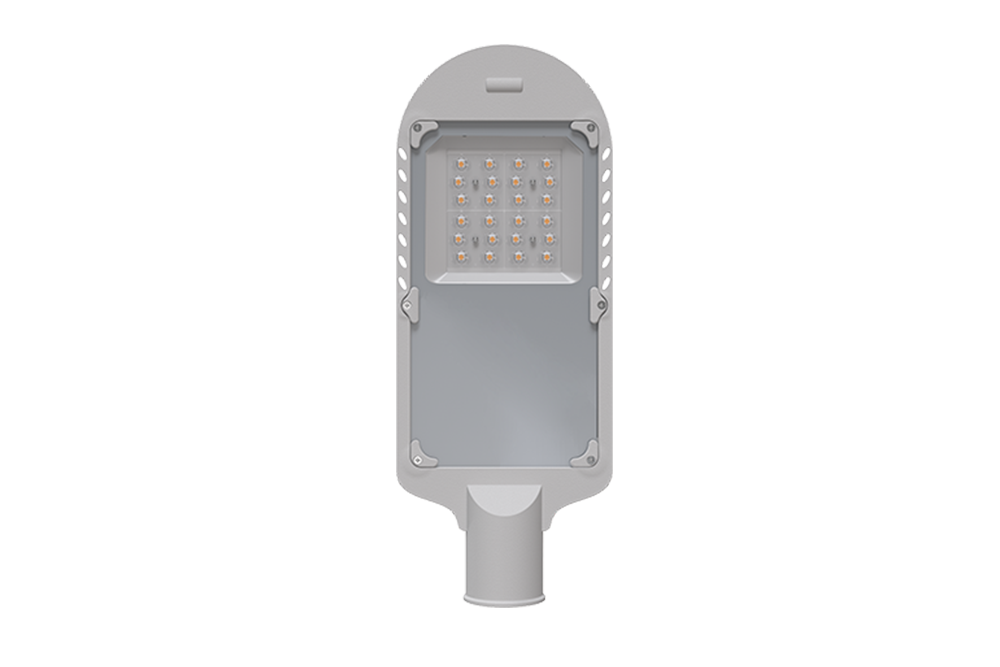
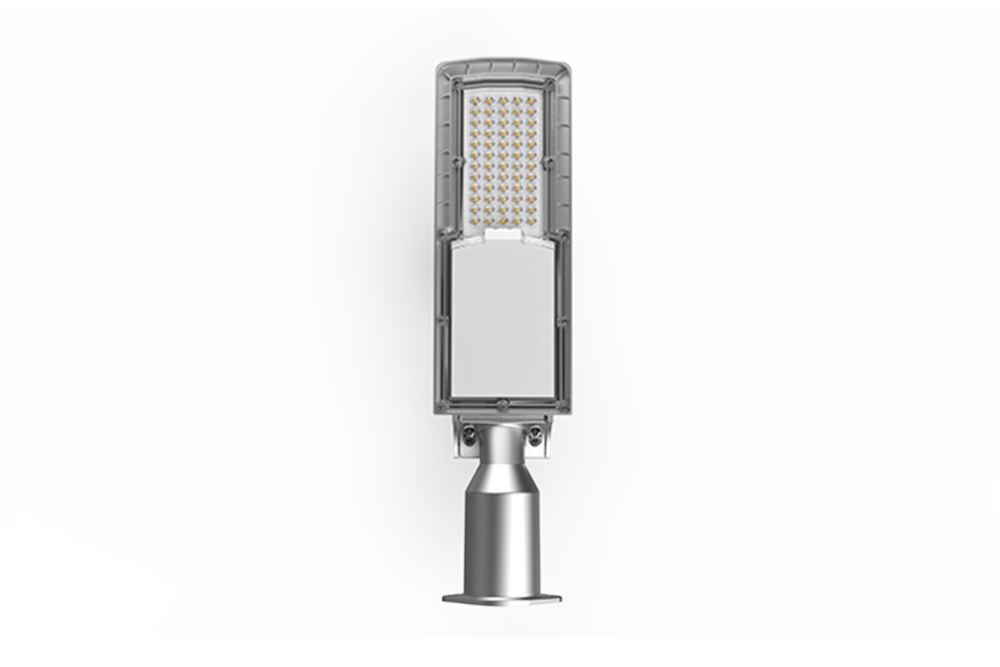
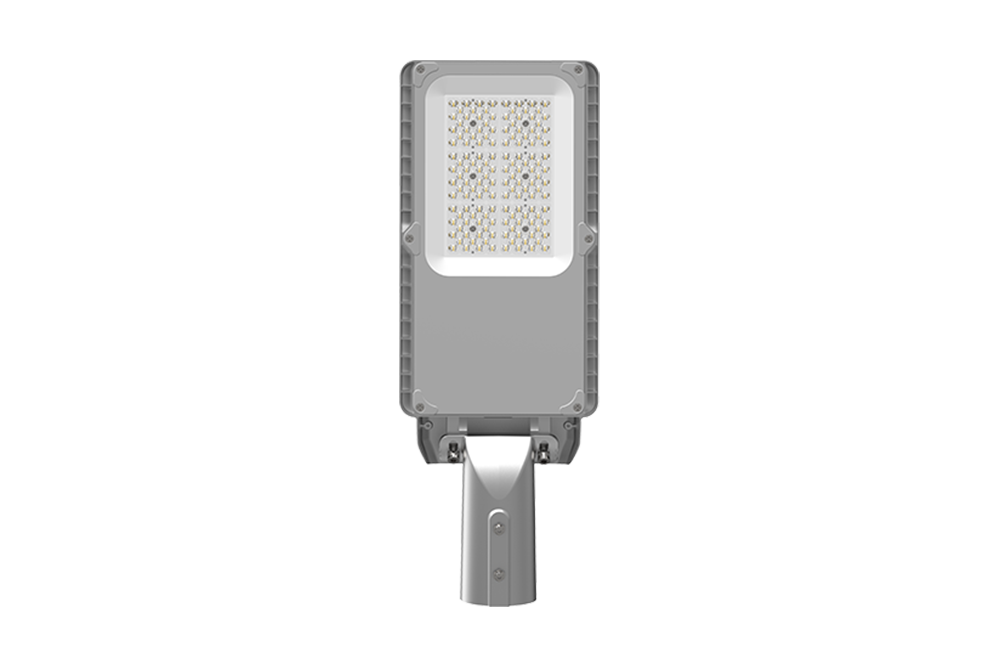
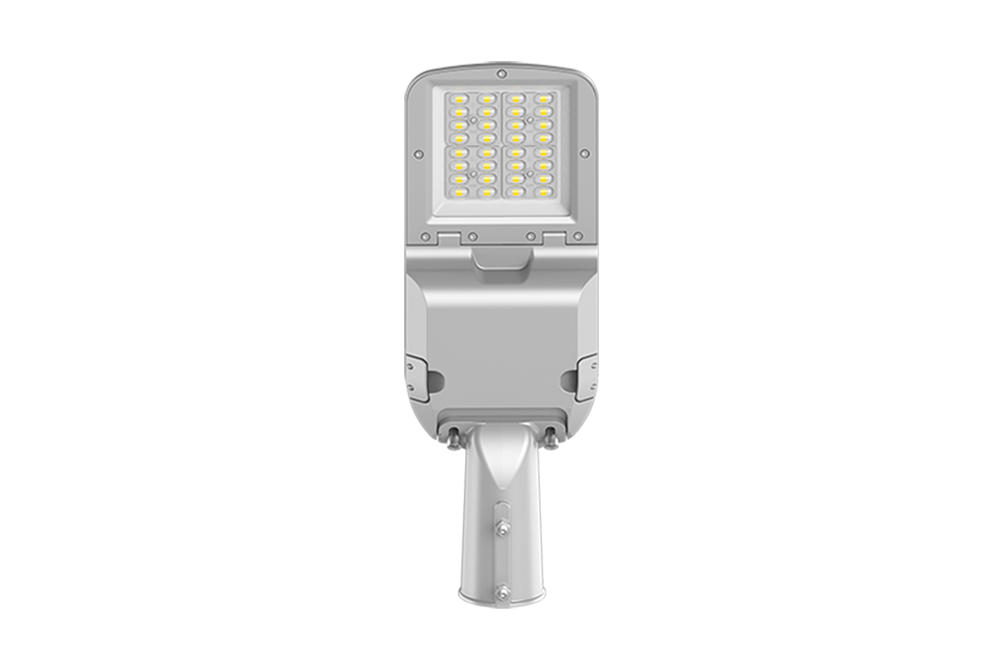
SEEKING STL-Series LED street lights deliver stable performance, 170 lm/W efficiency and 10KV surge protection. Ideal for city streets, parking lots, public roads and outdoor area lighting projects. Durable IP66 & IK08 design for long-term reliabi…
The SEEKING STC Series LED light street light delivers up to 170lm/W efficiency with MOSO drivers, IP66 protection, and a ±15° adjustable arm—ideal for roads, residential areas, and public lighting upgrades.
SEEKING STB Series LED street lighting delivers up to 160 lm/W, 10kV surge protection, IP66 waterproofing, and durable IK08 impact resistance. Ideal for streets, parking lots, and large outdoor areas needing long-lasting, energy-saving LED roadway…
The SEEKING STA Series LED street light delivers strong efficiency, IP66 protection, 10kV surge resistance and multiple beam patterns for roads, parking lots and urban areas. High lumen output, easy installation and reliable performance for long-t…
loading…
This is the last post!
 Seeking LED