How Do Temperature Compensate in LED Output?
How do temperature compensate in LED output?
This question comes up often when people notice that LED lights do not always deliver the same brightness year-round, especially in outdoor or industrial environments.
In simple terms, LED output is directly affected by temperature. As the LED junction temperature rises, light output naturally drops. Temperature compensation is the method used to balance that loss so the LED keeps working within a stable range instead of drifting over time.
Why temperature affects LED brightness
LEDs are electronic components. When they heat up, their electrical characteristics change. Current flow increases, efficiency drops, and lumen output slowly declines. This doesn’t mean the LED is failing—it’s behaving normally.
Without any temperature control, this can lead to:
- Noticeable brightness loss in hot weather
- Faster lumen depreciation
- Shorter overall service life
That’s why modern LED systems never rely on the LED chip alone.
How do temperature compensate in LED output in real fixtures?
Temperature compensation usually happens at the driver level, not the LED chip itself.
Most professional LED drivers include temperature sensors. When internal or ambient temperature rises, the driver slightly reduces output current. This prevents overheating while keeping light output as consistent as possible. When temperature drops again, current is restored.
This approach avoids sudden dimming and protects the LED at the same time.
Passive vs active temperature compensation
In LED lighting, compensation is handled in two ways:
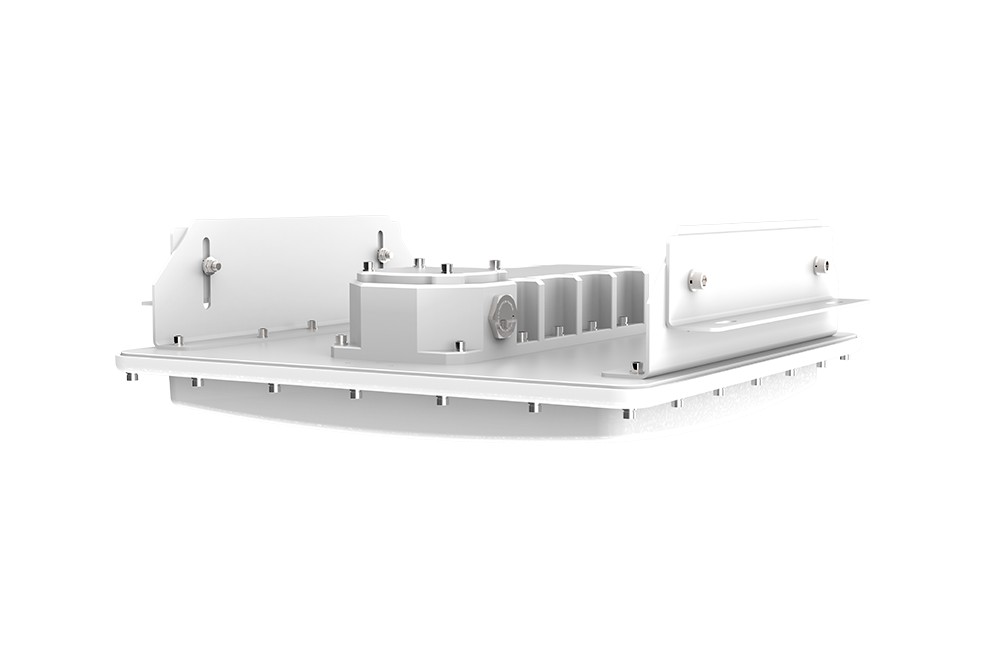
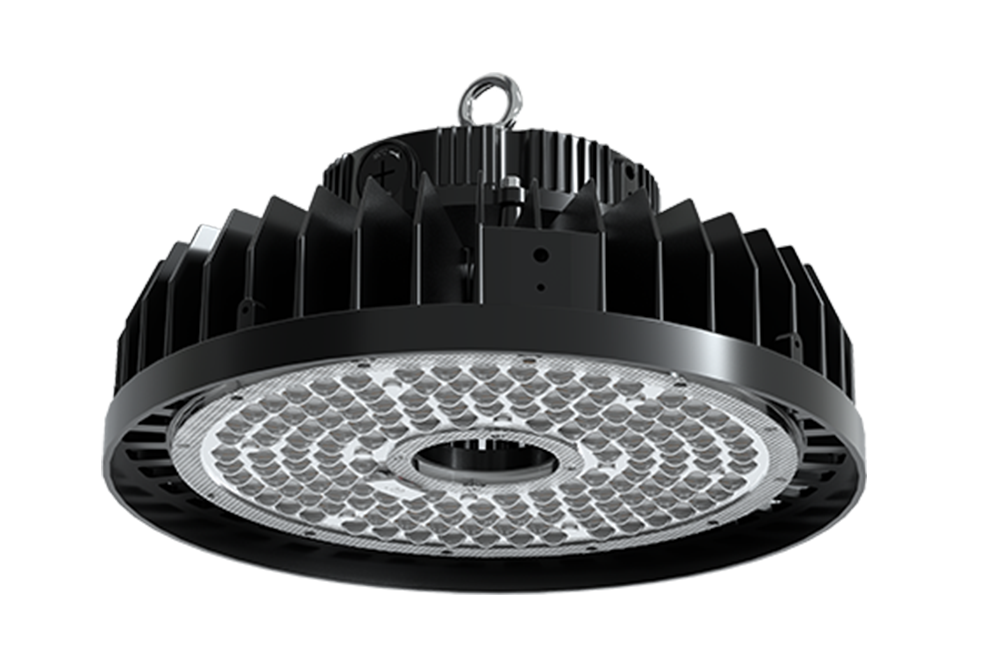
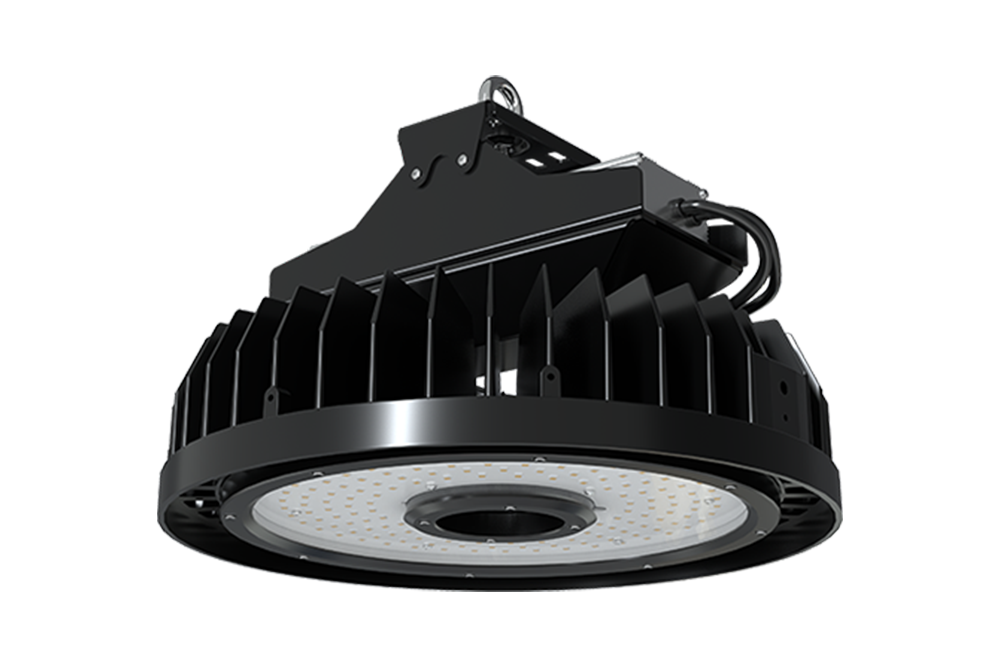
- Passive compensation comes from good thermal design—aluminum housings, heat sinks, and airflow paths.
- Active compensation comes from driver electronics that react in real time to temperature changes.
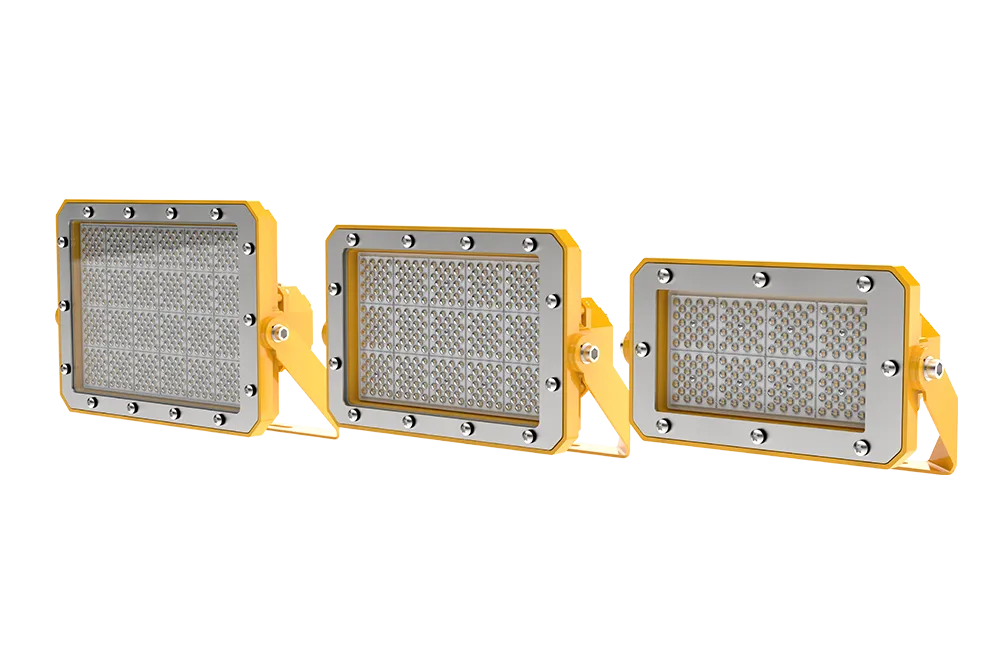
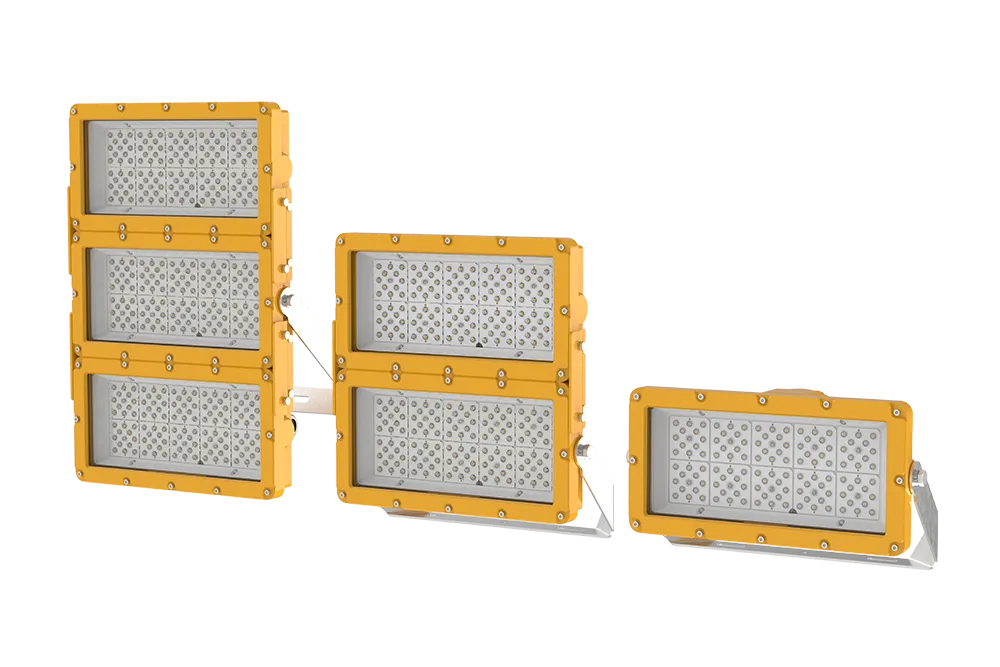
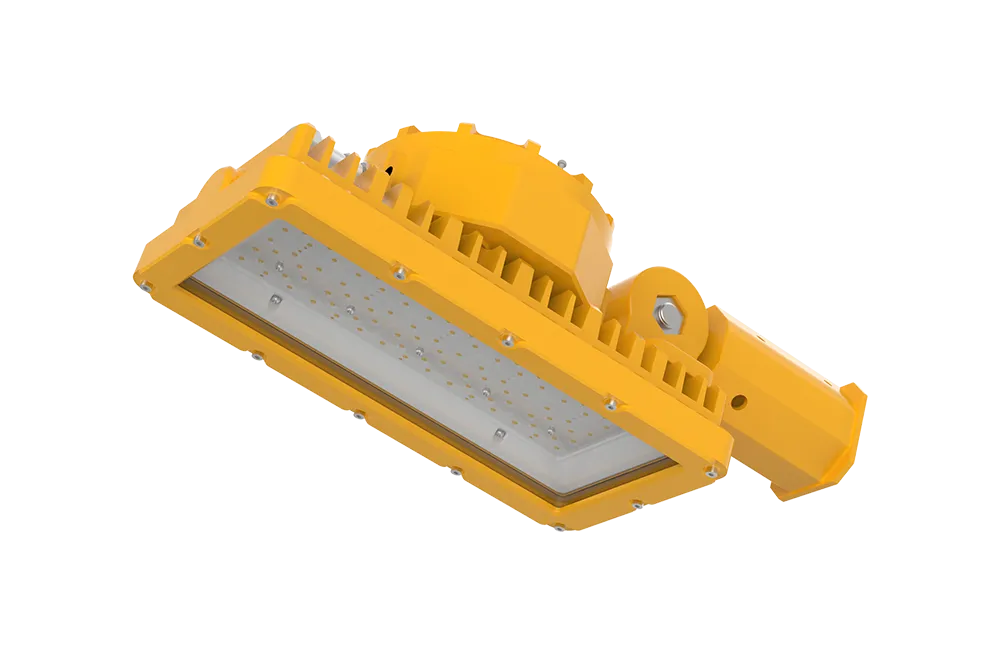
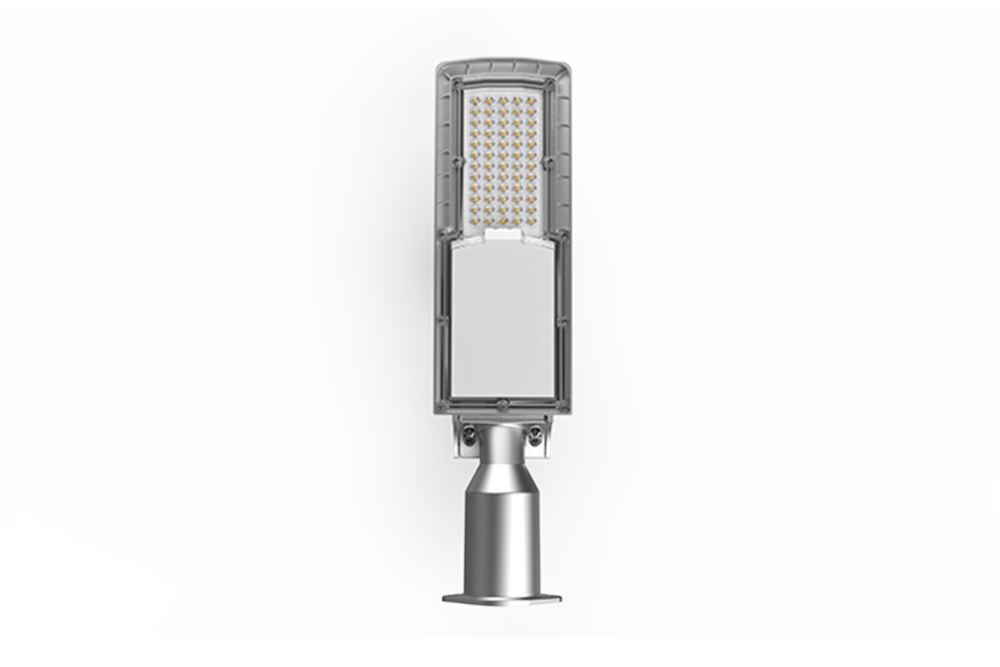
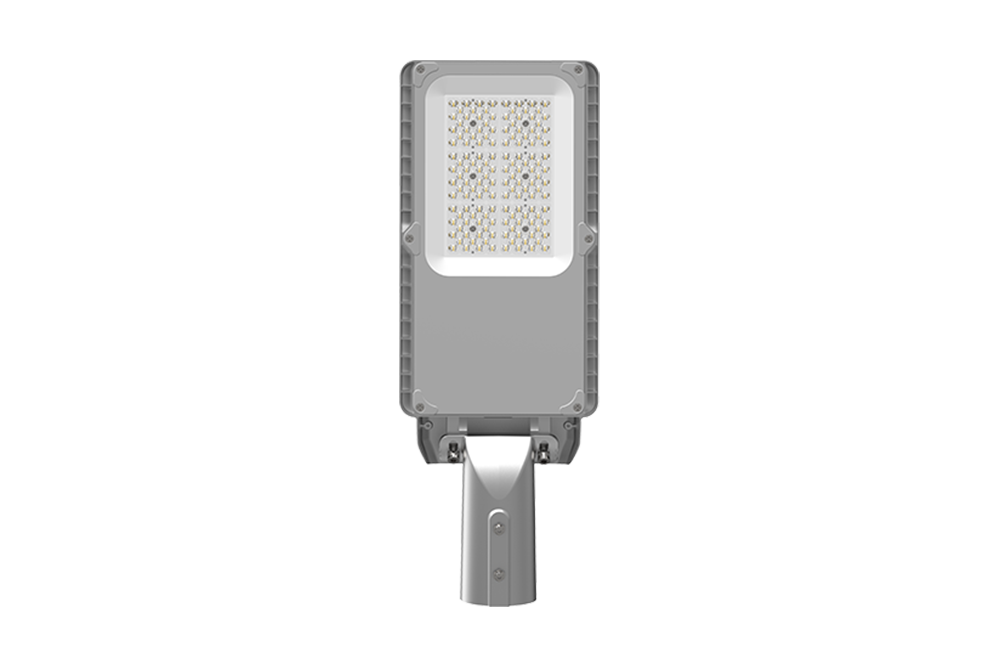
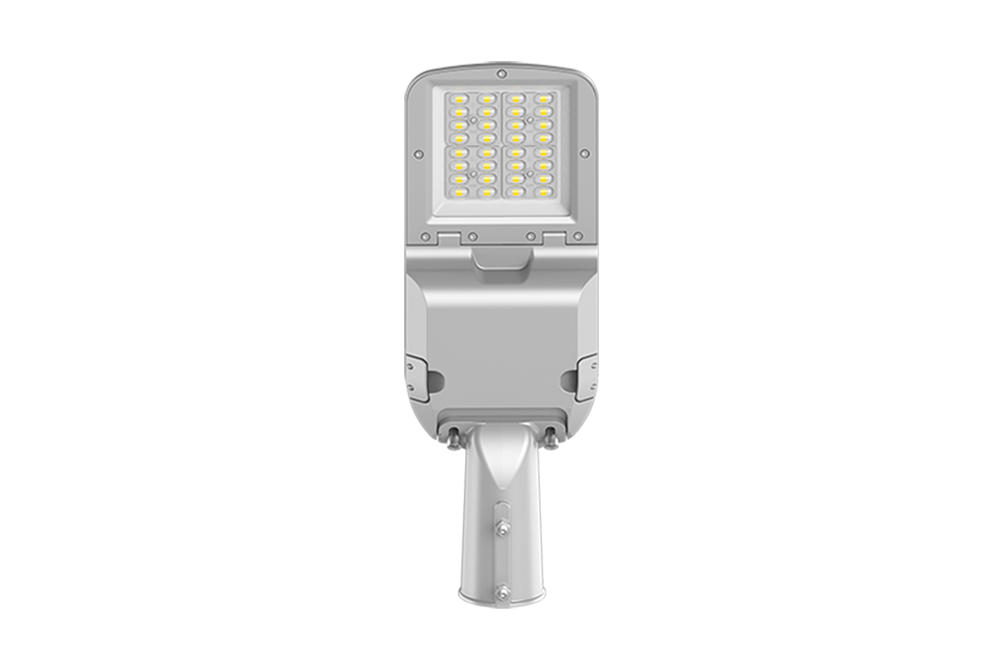
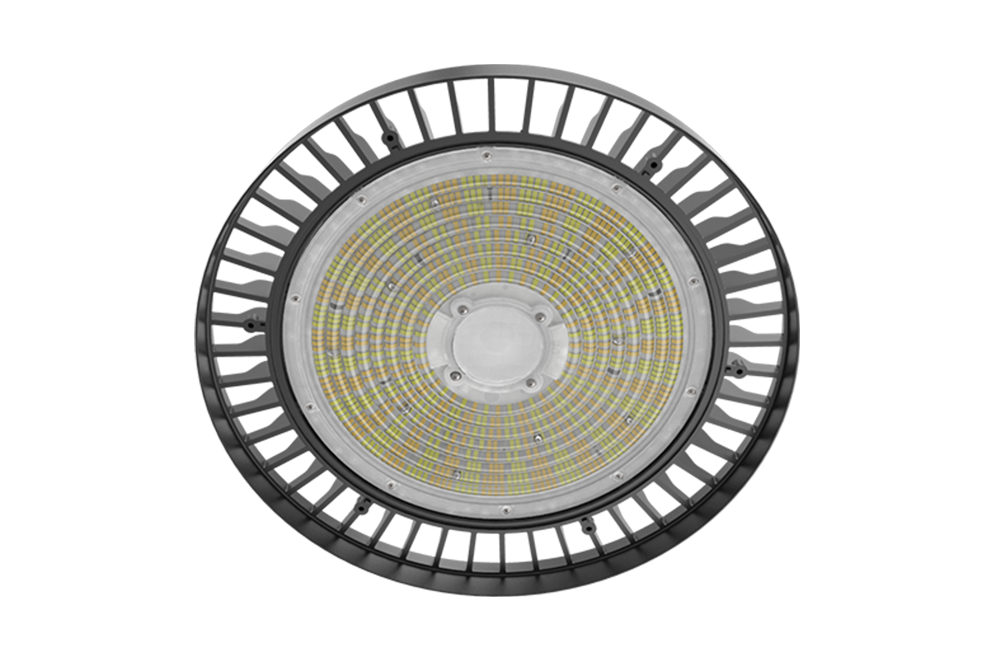
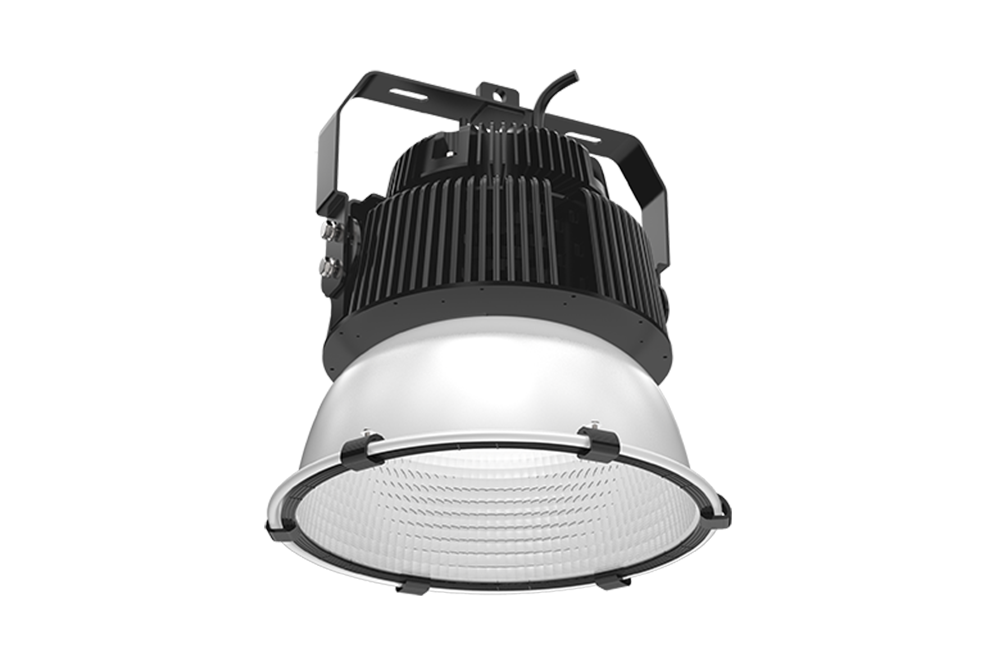
SEEKINGLED fixtures use both methods together. The housing manages heat physically, while the driver fine-tunes output electrically.
Does temperature compensation reduce brightness?
Technically, yes—but in a controlled way.
Instead of letting LEDs overheat and degrade, compensation keeps them within a safe operating window. The result is more stable long-term brightness, even if peak output is slightly limited during extreme heat.
In real applications, users usually notice improved consistency rather than loss.
Why temperature compensation matters in outdoor LED lighting
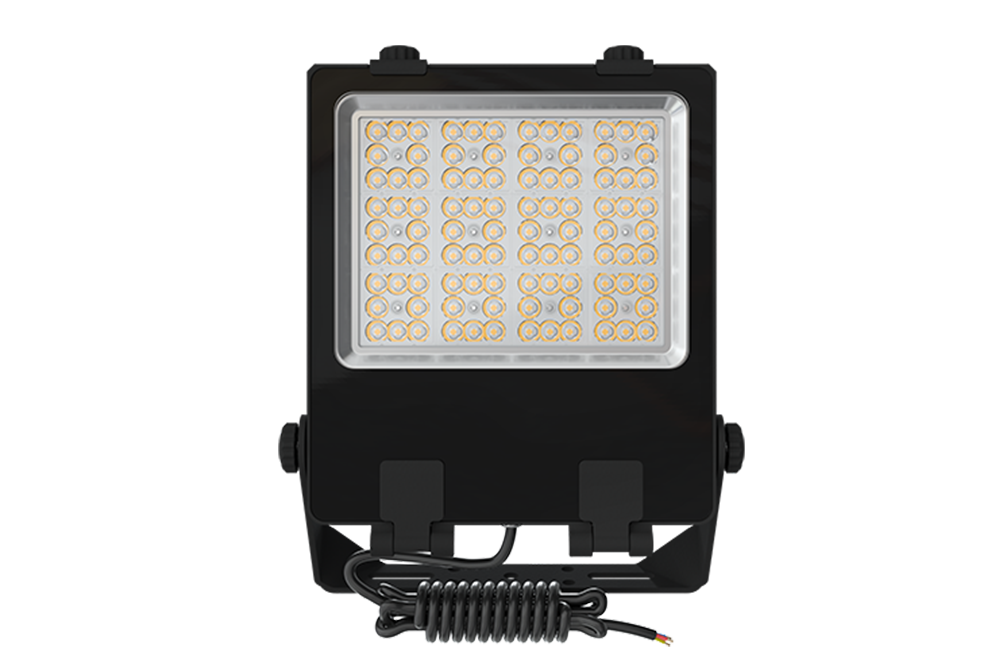
For street lights, flood lights, and industrial fixtures, temperature swings are unavoidable. Summer heat, winter cold, wind, and enclosure buildup all affect LED output.
Without compensation:
- Light levels vary from season to season
- Maintenance cycles shorten
- Energy efficiency drops over time
With proper temperature compensation, LEDs perform predictably year after year.
Final thoughts
So, how do temperature compensate in LED output?
By combining thermal structure design and intelligent driver control, LED systems stay bright, efficient, and reliable—even when temperatures change.
This is why temperature compensation is now a standard requirement for professional LED lighting, not an optional feature.
LED lighting products Recommendations
 Seeking LED