(Engineering FAQ for Decommissioning & Replacement)
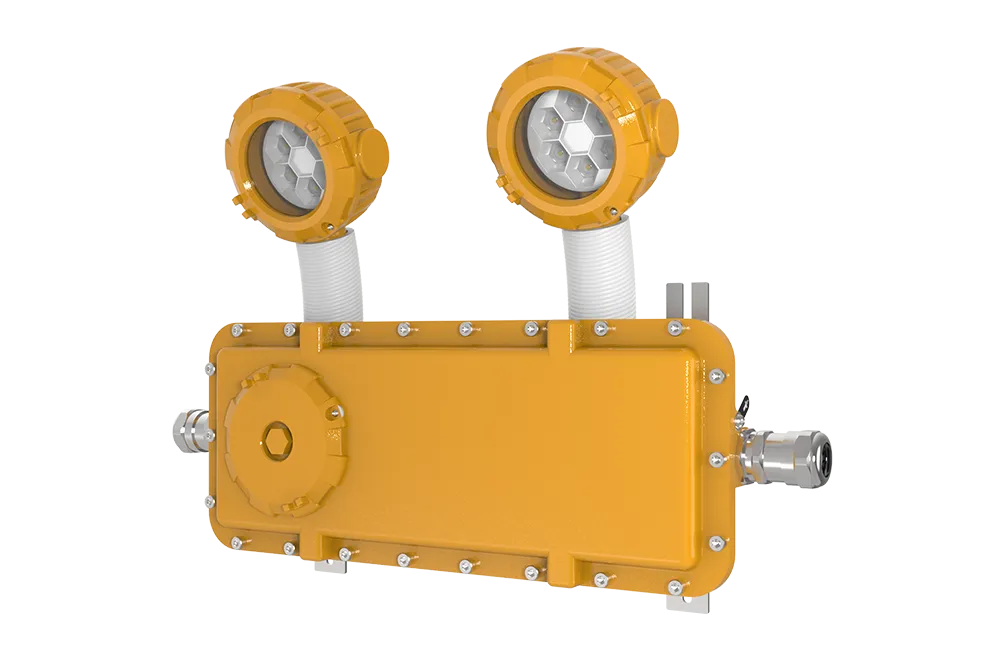
This page answers a common but often misunderstood question: how to remove the explosion proof light fixtures without creating safety or compliance risks.
The guidance below reflects real industrial practice used by maintenance teams working with ATEX and IECEx certified lighting, including products supplied by SEEKINGLED.
Q1: What does “how to remove the explosion proof light fixtures” actually mean?
Removing an explosion proof light fixture is not a simple uninstall job.
In engineering terms, how to remove the explosion proof light fixtures involves:
- Electrical isolation
- Hazardous area control
- Mechanical handling of heavy, sealed enclosures
- Protection of certified components for reuse or inspection
The goal is to remove the luminaire without damaging the enclosure, cable entries, or mounting structure.
Q2: Can explosion proof light fixtures be removed while the area is classified hazardous?
In normal operation, no.
Before removal:
- Power must be fully disconnected and locked out
- The area must be confirmed gas-free or dust-free
- Site safety permits must be issued
SEEKINGLED always advises customers to treat removal as a planned shutdown task, not routine maintenance.
Q3: Why is fixture weight an important factor during removal?
Explosion proof lights are heavy by design.
Thick housings, reinforced glass, and flameproof joints add weight.
When planning how to remove the explosion proof light fixtures, engineers must consider:
- Mounting height
- Lifting method
- Risk of sudden load release
Improper handling is a common cause of enclosure damage.
Q4: What should be disconnected first during removal?
The correct sequence matters.
Typical practice:
- Isolate and lock out power
- Loosen cable glands carefully
- Support the fixture weight
- Remove mounting bolts last
Skipping this order increases stress on cable entries and flameproof threads.
Q5: Are cable glands part of the certified system?
Yes.
Cable glands are part of the explosion proof integrity.
During how to remove the explosion proof light fixtures, cable glands should:
- Be removed with care
- Kept matched to the original fixture
- Inspected for thread or seal damage
SEEKINGLED supplies compatible ATEX-certified glands to avoid field mismatches.
Q6: Can removed explosion proof fixtures be reused?
Often yes, but not automatically.
Before reuse:
- Flame paths must be inspected
- Gaskets checked
- Threads examined for wear
If damage is found, reuse may invalidate certification. This is a key reason proper removal matters.
Q7: What are common mistakes during removal?
Based on field feedback, common errors include:
- Letting the fixture hang on cables
- Using incorrect lifting points
- Damaging flameproof joints during dismounting
- Mixing cable glands between fixtures
These mistakes are usually caused by underestimating how to remove the explosion proof light fixtures correctly.
Q8: Does removal affect ATEX or IECEx certification?
Certification applies to the product condition.
If removal causes:
- Scratched flame paths
- Deformed threads
- Missing fasteners
Then certification is no longer valid until inspected or repaired.
SEEKINGLED recommends documenting fixture condition during removal.
Q9: Who should remove explosion proof light fixtures?
Removal should only be done by:
- Trained electricians
- Maintenance engineers familiar with hazardous area rules
- Personnel authorised by site safety management
This is not general electrical work.
Q10: Why does SEEKINGLED provide removal guidance?
Because safe removal protects both people and equipment.
SEEKINGLED designs explosion proof lighting for long service life, but also for safe replacement and system upgrades. Clear guidance on how to remove the explosion proof light fixtures helps customers reduce downtime, avoid damage, and maintain compliance.
LED Explosion proof lights Recommendations
 Seeking LED