 Seeking LED
how to hang high bay lights?
0Learn how to hang high bay lights safely with professional mounting methods, installation tips, spacing advice, and industrial LED lighting solutions.
View detailsSearch the whole station
Quick Answer: How to wire high bay led lights?
To wire high bay LED lights, first disconnect power, identify the input wires, connect the live, neutral, and ground wires correctly, secure all connections, and test the fixture. Proper wiring must follow local electrical codes and manufacturer instructions.
At SEEKINGLED, we have worked with industrial lighting projects where correct wiring directly affected safety, fixture performance, and maintenance costs. High bay LED wiring is not only about connecting cables; it requires understanding voltage requirements, control systems, and installation conditions.Visit the product page:LED High Bay Lights
When customers search how to wire high bay led lights, they usually want to understand the electrical connection process before installation.
High bay LED lights are commonly used in:
Because these fixtures are usually installed at heights between 15 and 60 feet, proper wiring is especially important. A wiring mistake can create safety risks, reduce fixture lifespan, or cause unstable lighting performance.
Before wiring a high bay LED fixture, installers should confirm:
At SEEKINGLED, we often review installation conditions before recommending a lighting solution because the electrical environment can vary significantly between projects. A warehouse replacement project may have completely different wiring requirements compared with a new factory installation.
The U.S. Department of Energy notes that LED lighting systems can provide high efficiency and long operating life, but proper installation and system design are necessary to achieve expected performance.
Source: U.S. Department of Energy LED Lighting Guide
Before learning how to wire high bay led lights, it is important to understand the main wiring components.
Most LED high bay fixtures include:
| Wire Component | Function |
|---|---|
| Live wire (L) | Supplies electrical power |
| Neutral wire (N) | Completes the electrical circuit |
| Ground wire (G) | Provides electrical safety protection |
| Dimming wires | Controls brightness when available |
Some advanced LED high bay systems may also include:
The wiring method depends on the fixture design and control requirements.
The most common method is connecting the fixture directly to the building power supply.
Typical connection:
| Fixture Wire | Power Supply |
|---|---|
| Live (L) | Live supply |
| Neutral (N) | Neutral supply |
| Ground | Ground connection |
This method is widely used in warehouses and industrial buildings.
Many modern industrial LED high bay lights support dimming systems.
Additional wires may include:
The dimming system allows facilities to adjust brightness according to working conditions.
Benefits include:
Some warehouses use sensors to reduce unnecessary lighting operation.
A motion-controlled high bay system can:
Safety must come first.
Before wiring:
Commercial and industrial electrical work should be completed by qualified personnel.
Review the product information before connection.
Confirm:
For example, a fixture designed for 120–277V systems should not be connected incorrectly to unsuitable power sources.
Prepare cables according to installation requirements.
Typical preparation includes:
Good wiring practices improve reliability in industrial environments.
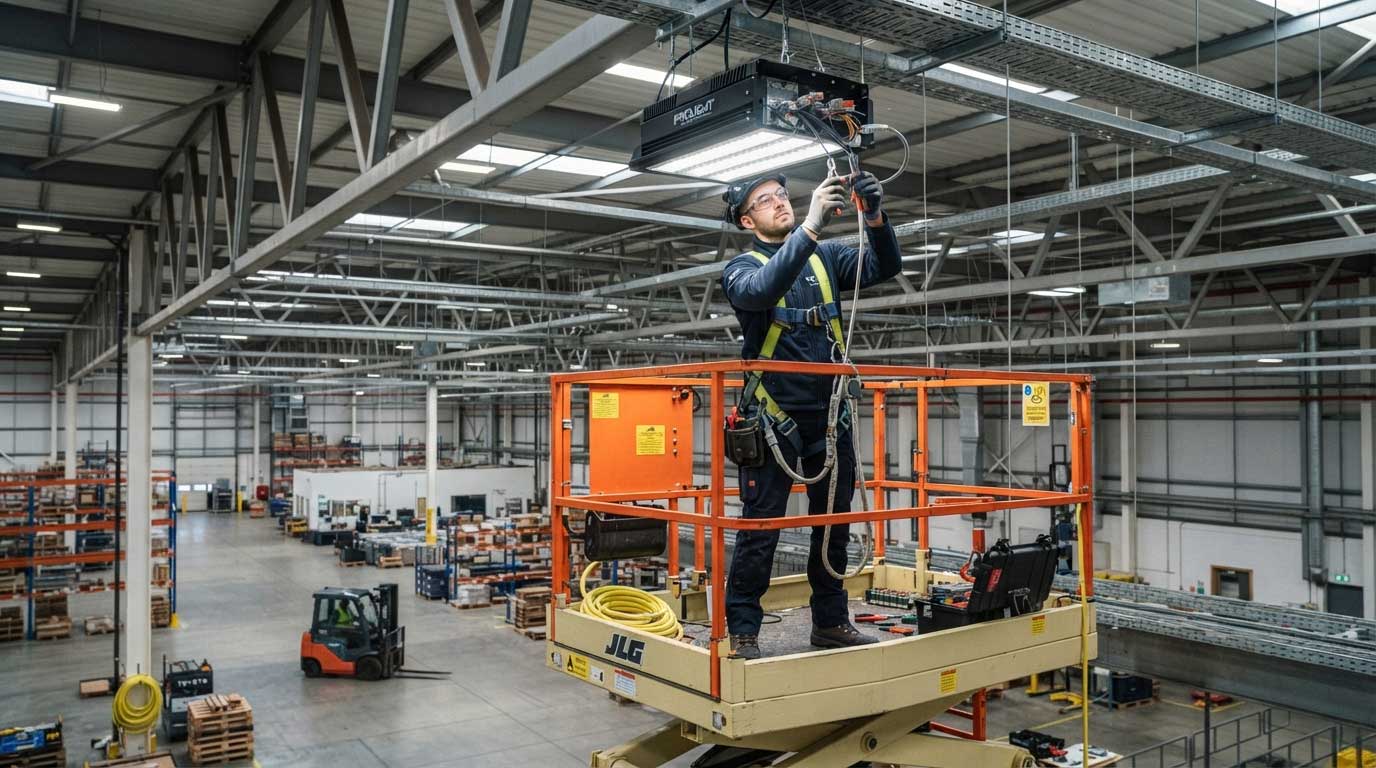
After preparing the cables, connect the wires according to the fixture wiring diagram.
General connection process:
Never rely only on wire twisting or loose connections. Industrial lighting systems operate for many hours, and poor connections can create overheating problems.
Safety is a critical part of high bay LED installation.
Important considerations:
In the United States, electrical installations commonly follow requirements from the National Electrical Code (NEC), published by the National Fire Protection Association.
Source: National Fire Protection Association NFPA 70 NEC Information
After completing the wiring connection, testing is the final step before putting the lighting system into daily operation.
A correctly wired fixture should provide stable illumination without flickering, unexpected shutdowns, or abnormal noise.
During testing, check:
| Inspection Item | Purpose |
|---|---|
| Power connection | Confirm correct voltage input |
| Light output | Verify brightness performance |
| Dimming function | Check control response |
| Sensor operation | Confirm automatic control |
| Ground connection | Improve electrical safety |
In industrial projects, we recommend checking the lighting system after installation instead of assuming every fixture will perform correctly. Small wiring issues can become difficult to repair after fixtures are mounted 30 or 40 feet above the floor.
Understanding how to wire high bay led lights also means knowing what installation mistakes can affect performance.
Different LED high bay models may support different voltage ranges.
Common industrial input options include:
Always verify the fixture specifications before connection.
The ground wire is an important safety component.
A proper grounding connection helps:
High bay lights are often installed in demanding environments.
Poor-quality connectors may cause:
Industrial installations should use connectors suitable for the operating environment.
Fixtures with 0–10V dimming require additional control wires.
Common mistakes include:
Always follow the manufacturer’s wiring diagram.
A simple direct wiring configuration usually includes:
Building Power Supply

      L  ───────── LED Driver Input (Live)

      N  ───────── LED Driver Input (Neutral)

      G  ───────── Fixture Ground

                ↓

          LED High Bay Light
For dimmable fixtures:
Power Supply

L  ───────── Live
N  ───────── Neutral
G  ───────── Ground

Dim+ ─────── Controller +
Dim- ─────── Controller -
The exact wiring configuration depends on the fixture model and electrical system.
A properly wired LED high bay lighting system requires less maintenance, but regular inspection helps maintain long-term reliability.
Recommended checks:
Industrial environments often contain dust, heat, or vibration, which can affect electrical components over time.
At SEEKINGLED, we focus on designing LED high bay products with reliable drivers and durable construction to support demanding applications.
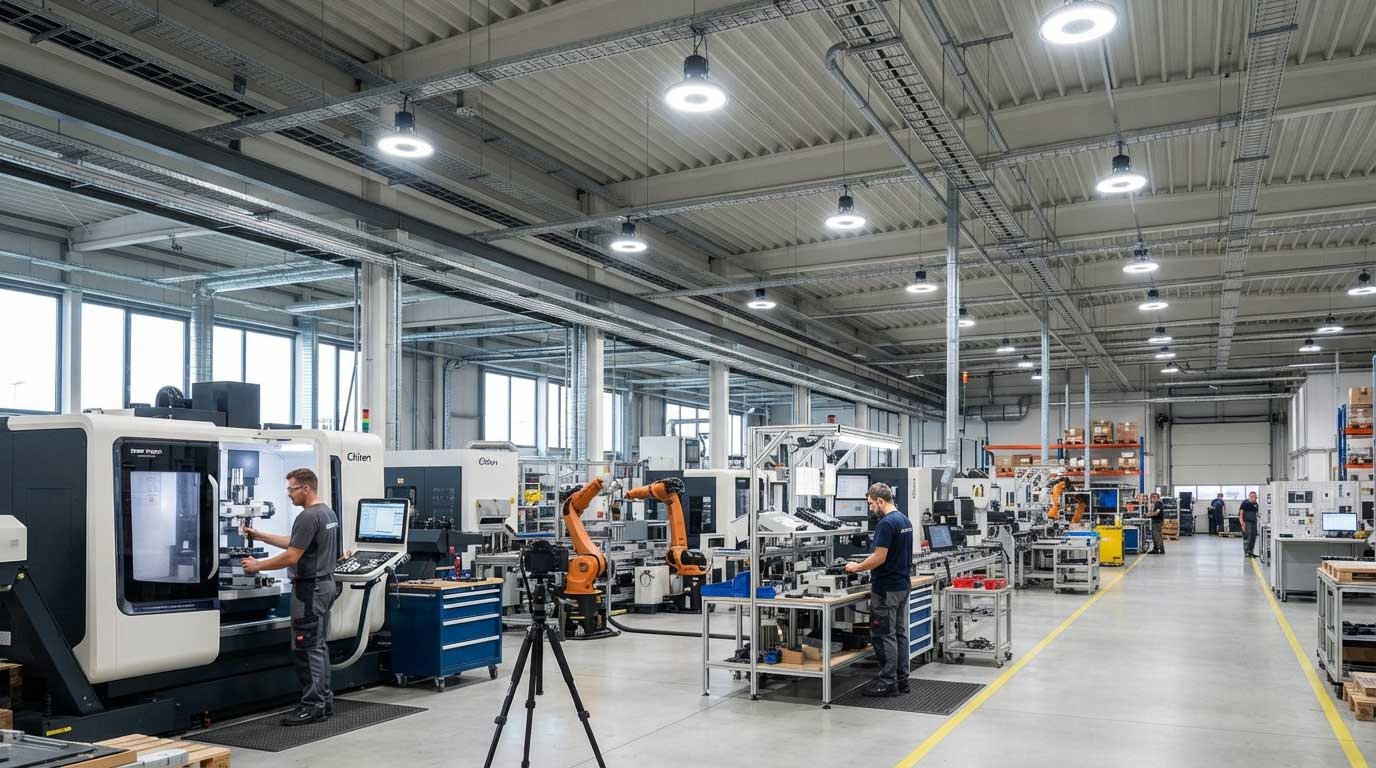
SEEKINGLED provides industrial LED lighting solutions designed for warehouses, factories, and commercial facilities.
Our products focus on:
We understand that a lighting project is not finished when the fixture turns on. The real goal is achieving stable illumination, safe operation, and lower maintenance costs over years of use.
With experience in industrial lighting applications, SEEKINGLED helps customers select suitable LED high bay solutions and achieve reliable lighting performance.
High bay LED wiring involves electrical connections and often requires working at significant heights. Professional installation by qualified electricians is recommended for commercial and industrial applications.
Most LED high bay lights use live, neutral, and ground wires. Dimmable models may include additional dimming control wires.
Yes. Proper grounding is an important safety requirement for many industrial lighting installations.
Yes. Many modern LED high bay lights support 0–10V dimming, motion sensors, or smart control systems.
LED high bay lights may support different voltage ranges, including 120V, 240V, and 277V systems. Always check the product specifications.
Flickering may result from incorrect wiring, incompatible drivers, voltage issues, poor connections, or unsuitable dimming controls.
Learning how to wire high bay led lights requires careful planning, correct electrical connections, and proper safety practices.
A reliable high bay lighting installation depends on more than connecting wires. Voltage compatibility, grounding, control systems, and installation conditions all influence long-term performance.
SEEKINGLED provides professional LED high bay lighting solutions designed for industrial environments, helping businesses achieve safe, efficient, and reliable lighting systems.
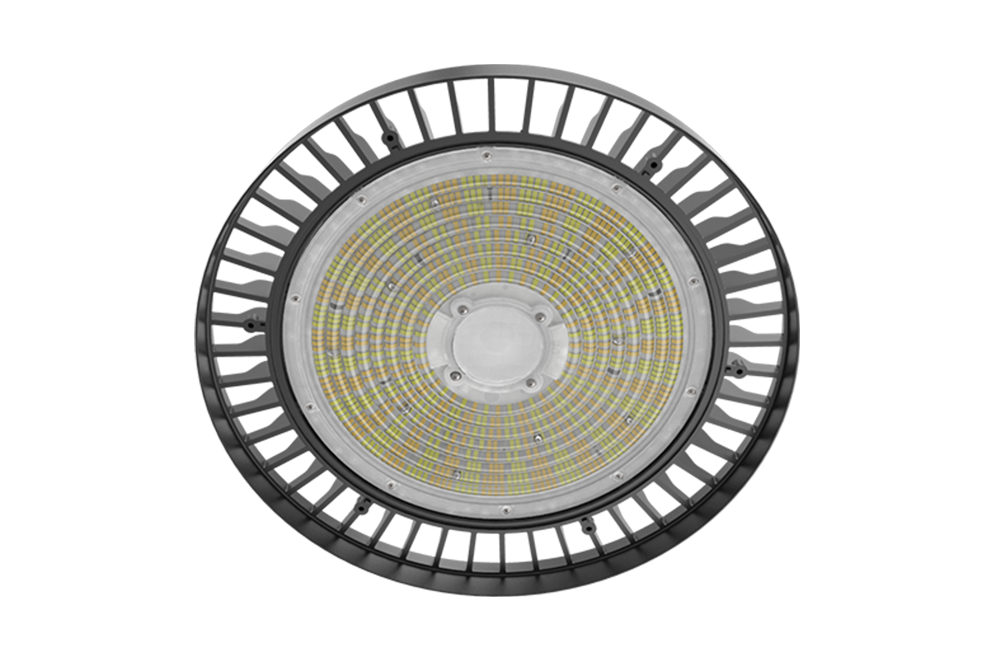
The SEEKING HBC-T Series high bay lights LED offer long-lasting performance for warehouses, production plants and logistics centers. Durable IP65 & IK08 housing, 60°/90° beam angles, up to 150 lm/W, and a lifespan beyond 100,000 hours. Ideal for airport halls, commercial storage, construction sites and large indoor spaces.
View details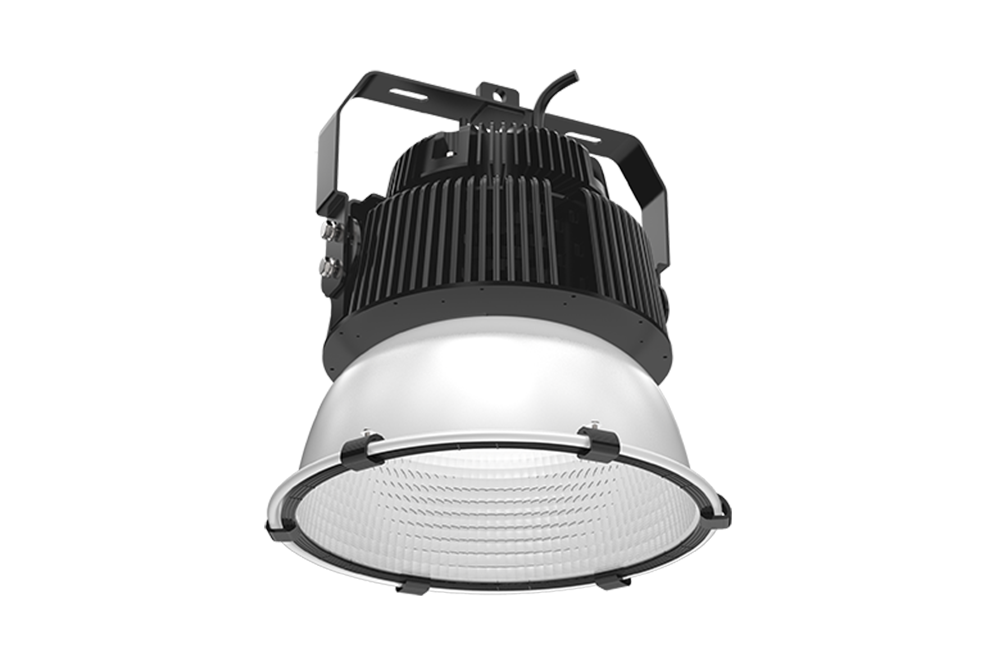
The SEEKING HBS Series LED UFO high bay light delivers 140 lm/W efficiency, IP65 protection and MEAN WELL drivers. A durable high-rise lighting solution for factories, warehouses and commercial halls.
View details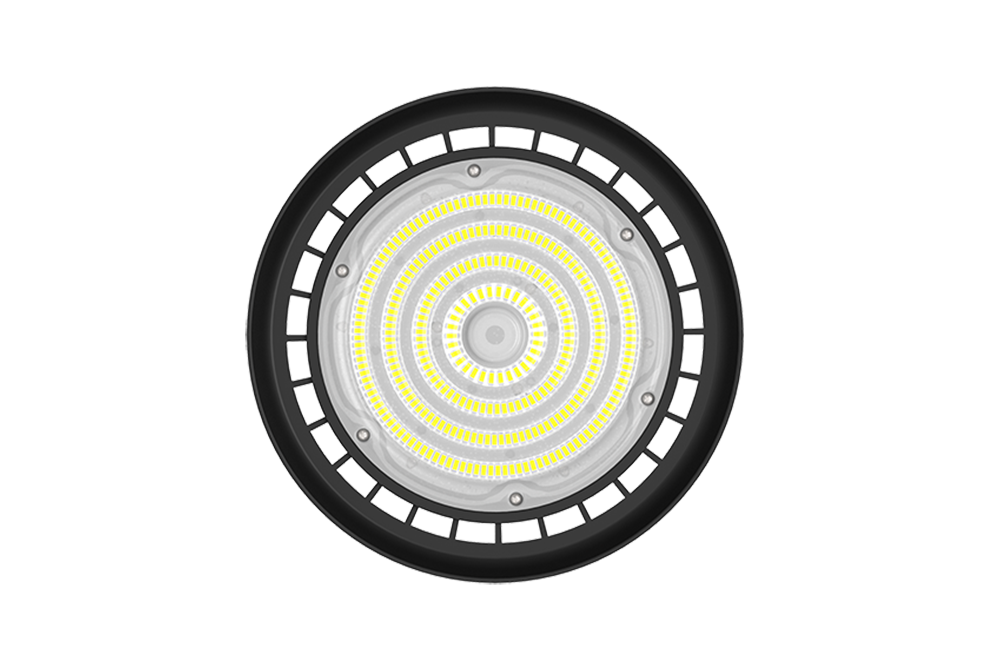
SEEKING HBD Series LED high bay lighting delivers 160 lm/W efficiency, IP66 protection, and long 100,000-hour lifespan. A durable UFO high bay solution for warehouses, workshops, logistics centers and commercial facilities.
View details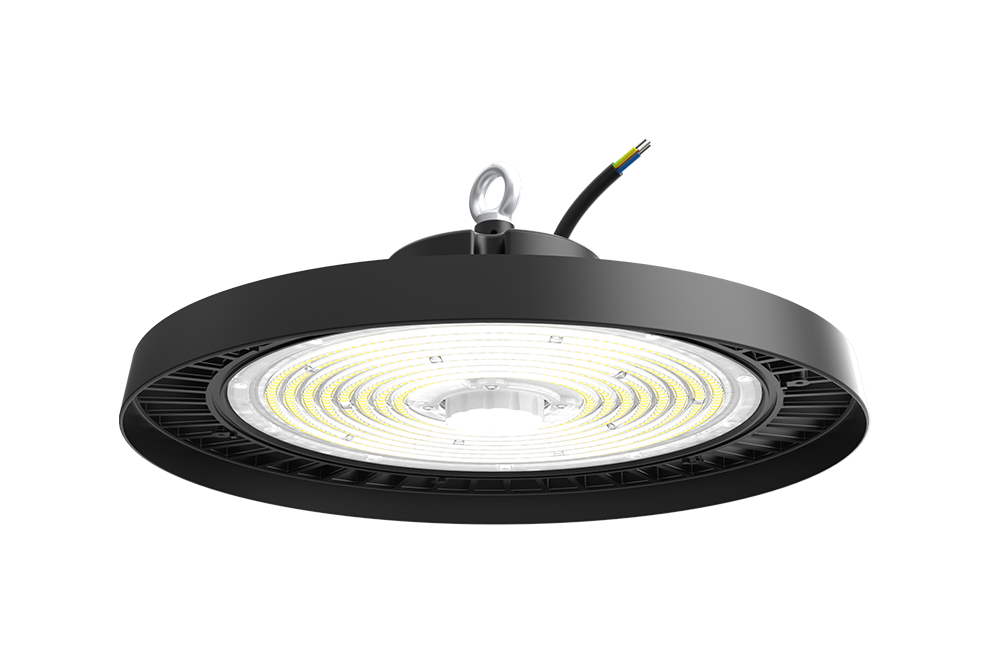
The SEEKING HBC Series high bay LED light fixtures combine strong efficiency, practical design and reliable SOSEN drivers. A durable UFO high bay lighting option for warehouses, workshops and wholesale projects.
View details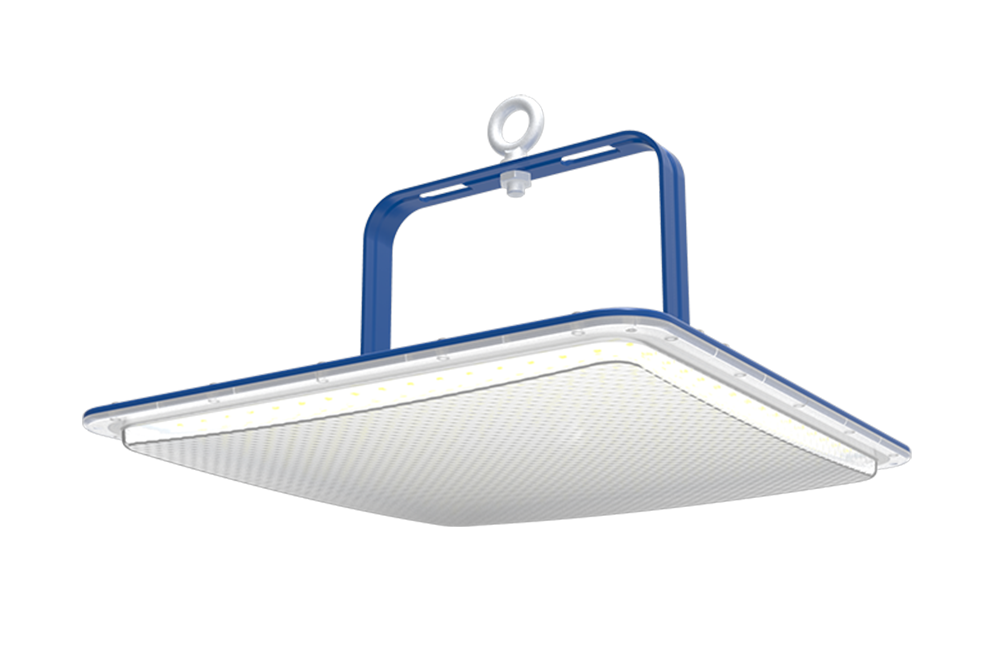
The SEEKING GSL Series high bay LED light delivers powerful, efficient lighting for industrial and commercial spaces. With IP65 protection, flexible mounting, and up to 140 lm/W performance, it’s ideal for warehouses, workshops, and retail areas.
View details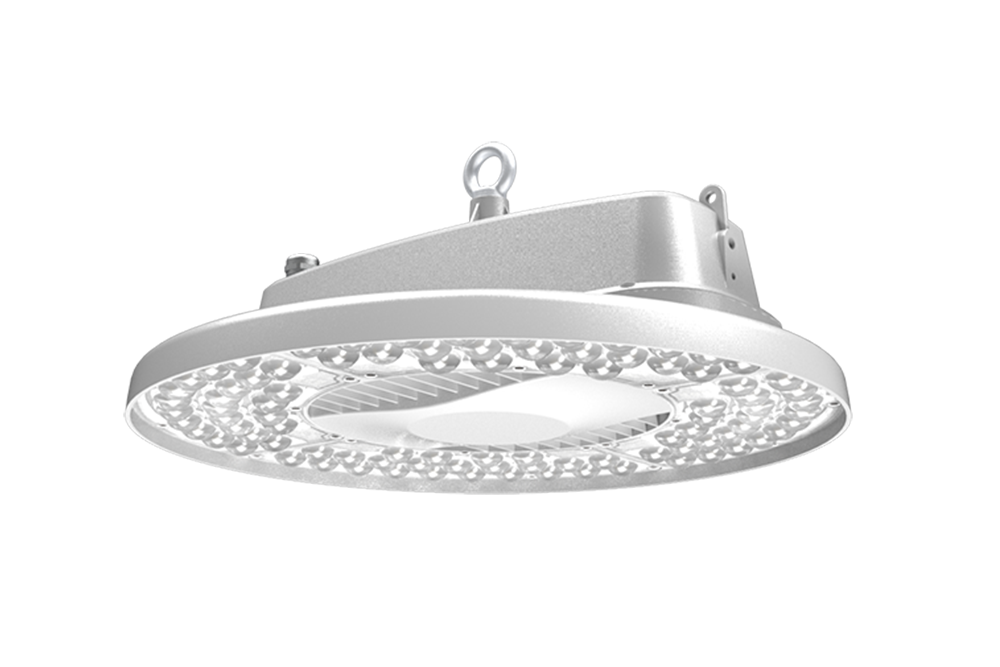
The SEEKING HB15(GLE) Series delivers advanced high bay led lighting with UGR 100,000 h) and reliable illumination for demanding commercial environments.
View details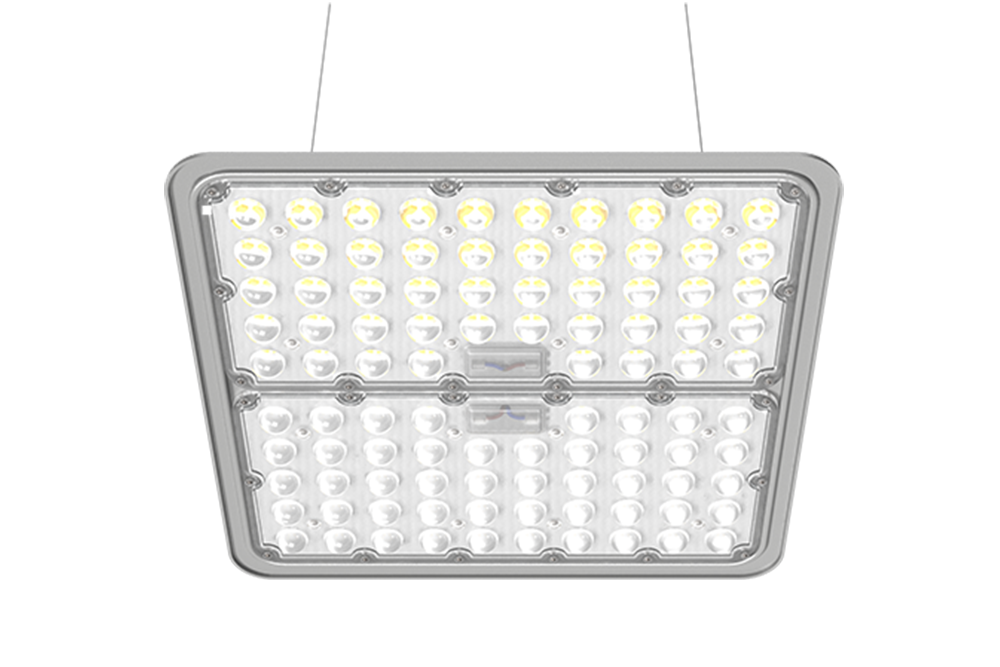
Discover the SEEKING HB13(GLK) Series ufo led high bay light, engineered for sports halls, airport lounges, showrooms, and large commercial spaces. UGR 100,000 h). Ideal for industrial ufo high bay lighting fixtures and commercial retrofits.
View details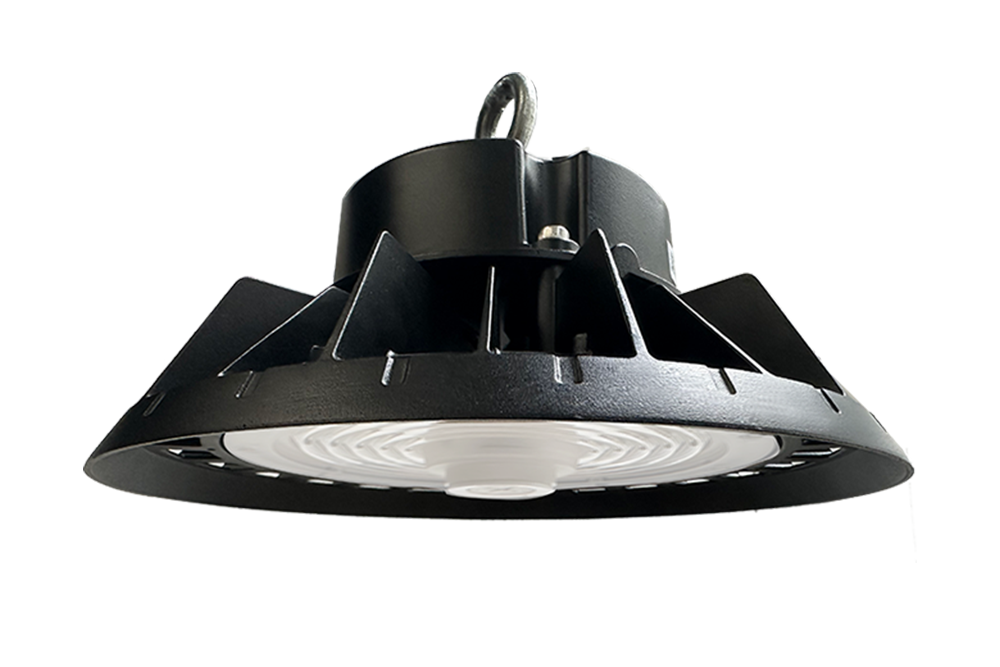
SEEKING HBF Series offers industrial LED high bay lighting with up to 200lm/W efficiency, SOSEN flicker-free driver, IP65 protection and optional microwave motion sensor. Ideal for warehouses, factories and commercial distribution projects.
View details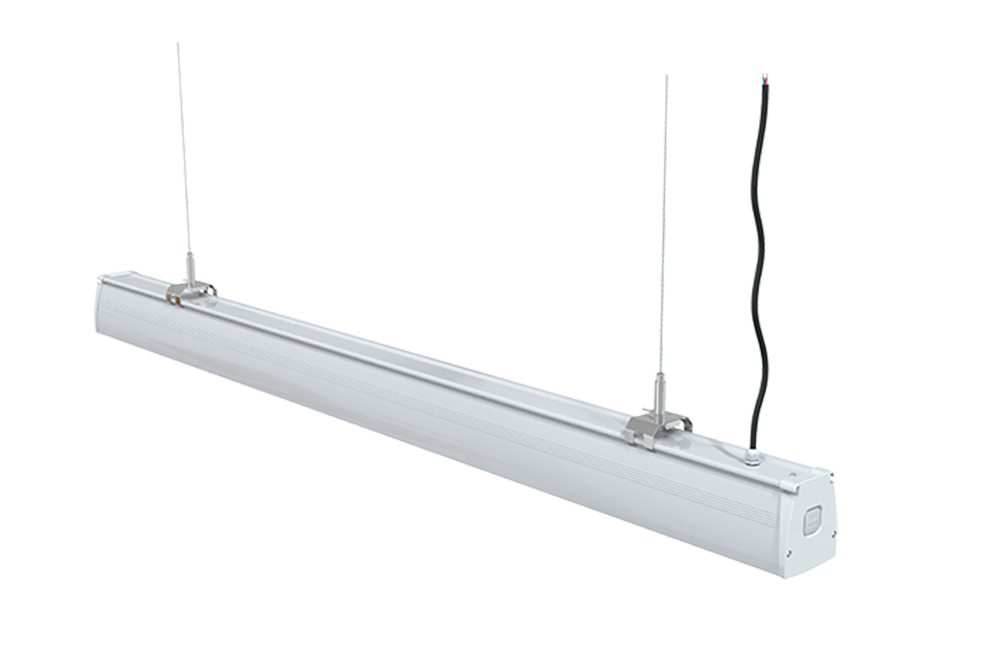
The HLD Series linear high bay LED lights from SEEKING deliver up to 200 lm/W with multiple beam angles and adjustable CCT options for warehouse, workshop, corridor and general industrial lighting.
View details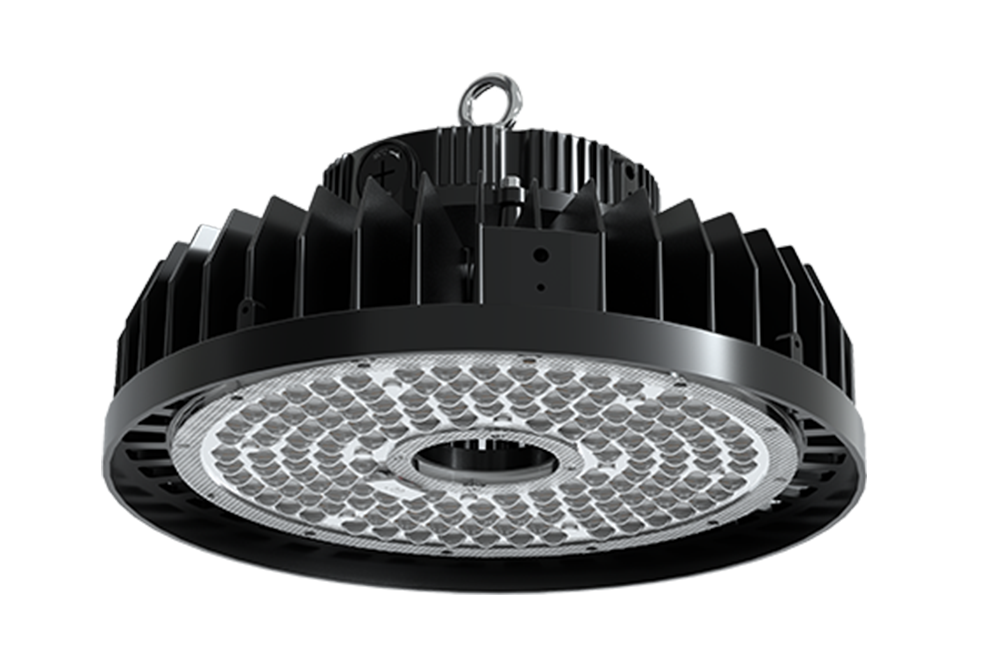
The HBK Series LED high bay light by SEEKING combines 500W power, 160–175 lm/W efficiency and IP65 durability for heavy-duty industrial lighting. Designed for warehouse, factory and production facilities with demanding ceiling heights.
View details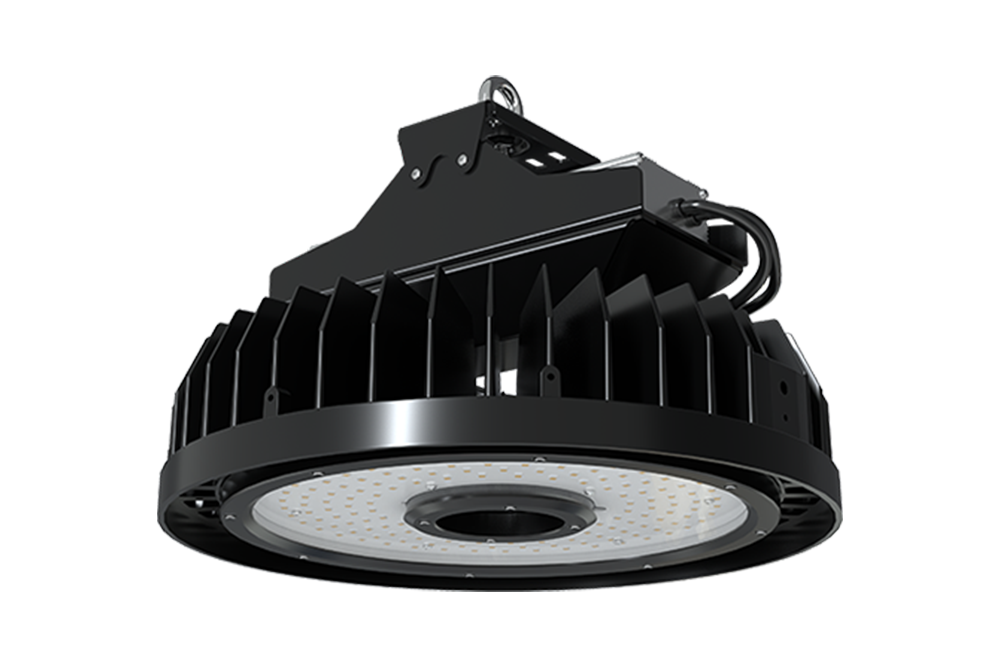
LED high bay lights engineered for extreme heat and low-temperature industrial sites. SEEKING HBK Ultua Series operates from -40°C to +70°C with Nichia LEDs and Inventronics driver.
View details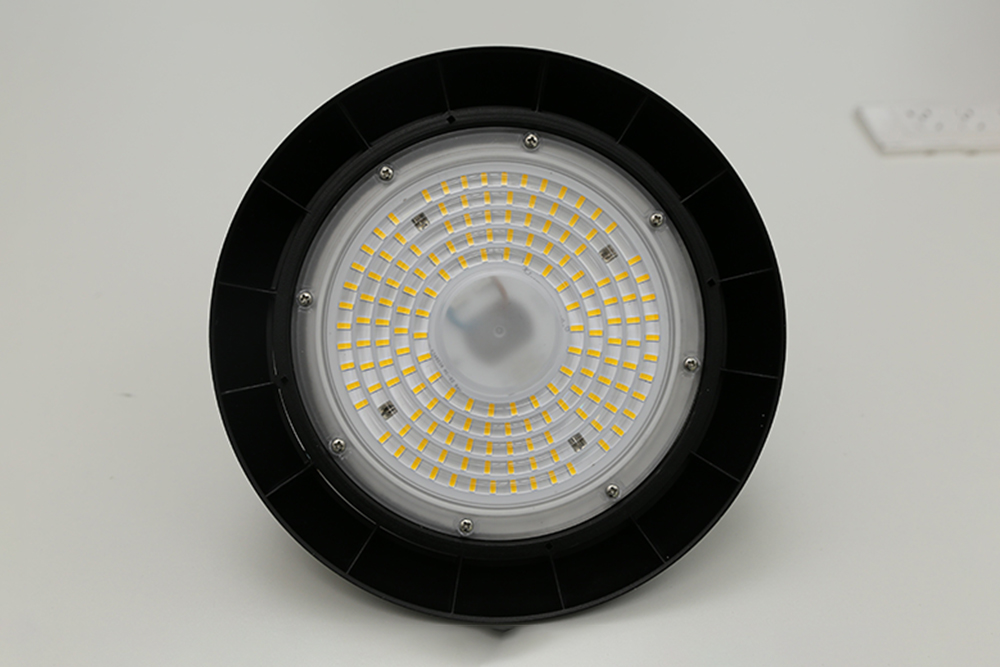
High bay LED lights built for warehouses, production plants and wholesale distribution. SEEKING HBI Series offers up to 200lm/W, IP65, IK08 and optional microwave motion sensor for energy saving operation.
View details
Learn how to hang high bay lights safely with professional mounting methods, installation tips, spacing advice, and industrial LED lighting solutions.
View details
class 1 division 2 led lighting provides safe and efficient illumination for hazardous areas. Learn NEC ratings, applications, and industrial insights from SEEKINGLED.
View details
Explosion proof LED lighting Class 1 Division 1 ensures safe operation in hazardous gas environments. Learn standards, applications, and SEEKINGLED solutions.
View details
Learn how to test explosion proof LED exit light safely and correctly. Follow certified procedures, real inspection data, and expert tips to ensure compliance and reliability.
View details