 Seeking LED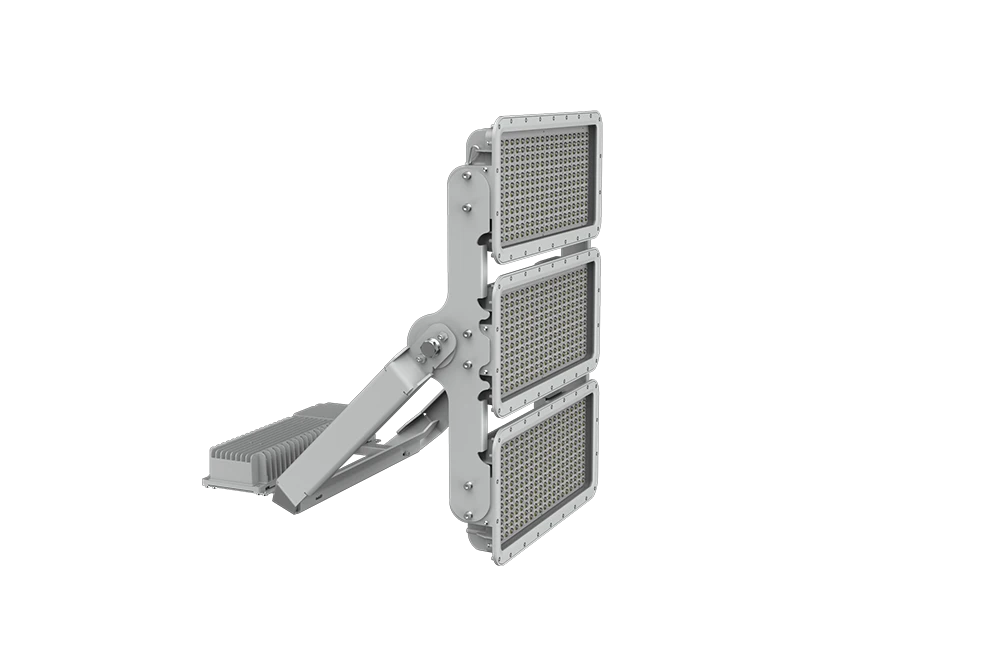
what is a flood light bulb?
0A flood light bulb is a directional lamp that spreads bright light across a broad area for yards, driveways, exteriors, signs, and security lighting.
View detailsSearch the whole station
People often ask a simple question when planning exterior lighting: what are the best led outdoor flood lights?
At first it sounds like a straightforward comparison. But once you start looking at products, things get complicated fast. Different wattages, beam angles, brightness ratings, waterproof levels… suddenly the choices look endless.
After working around outdoor lighting projects for a while, one thing becomes obvious: the “best” flood light depends heavily on where it will be used.
A light that works perfectly in a backyard might not be suitable for a warehouse entrance. And something designed for stadium lighting would be overkill for a driveway.
So instead of chasing a single “best” model, it’s better to understand what characteristics actually define good outdoor flood lighting.
Let’s start with brightness, because this is what most people notice immediately.
For LED flood lights, brightness is measured in lumens rather than watts. Watts only describe energy consumption, while lumens describe the actual amount of light produced.
Typical outdoor flood light ranges look like this:
In real installations, a 30W or 50W unit usually works well for residential spaces like gardens or driveways.
Commercial environments, on the other hand, often require higher output.
Manufacturers such as SEEKINGLED design high-efficiency flood lights that reach up to 150 lumens per watt, which means more brightness without increasing electricity consumption.
That efficiency difference becomes noticeable over time.
Another key factor in determining what are the best led outdoor flood lights is beam angle.
Think of it as the shape of the light.
Common beam angles include:
If the goal is to illuminate a large backyard or building wall, wider angles make sense.
But if you want to light a long driveway or pathway, a narrower beam sends light further forward.
Professional lighting planners often test beam angles before final installation. Even a small adjustment can dramatically change the illuminated area.
Outdoor lights deal with rain, dust, wind, and temperature changes every day.
That’s why flood lights need proper protection ratings.
Most reliable products carry ratings like:
Lower ratings are risky for outdoor use.
This is one reason reputable brands like SEEKINGLED invest heavily in sealed housings, corrosion-resistant aluminum bodies, and durable tempered glass lenses.
Those design choices aren’t just marketing features — they directly affect lifespan.
LEDs are efficient, but they still produce heat. If that heat isn’t managed properly, performance drops quickly.
Good flood lights usually include:
Cheap fixtures sometimes skip these details. They might look similar on the outside but run much hotter internally.
After several months of nightly use, that difference often shows up as flickering, dimming, or early failure.
Experienced installers usually pay close attention to heat management when evaluating outdoor lighting products.
Lighting color also affects outdoor visibility.
Most LED flood lights are available in several color temperatures:
For security and outdoor work areas, cooler daylight tones are often preferred. They improve contrast and make movement easier to detect.
For gardens or patios, warmer tones may feel more comfortable.
Again, it depends on the environment.
Imagine a typical suburban driveway installation.
A homeowner mounts two 50W LED flood lights about three meters high on the garage wall.
With a 90-degree beam angle and roughly 6000 lumens each, the lights can easily illuminate:
That’s more than enough brightness for security and visibility.
Products from professional lighting brands — including SEEKINGLED — are often designed specifically for this type of everyday outdoor application.
In practical terms, the best flood lights share several characteristics:
When these factors come together, the result is consistent, bright outdoor lighting that lasts for years.
And that’s really what most people want — not the most powerful light on paper, but one that works reliably night after night.
So, what are the best led outdoor flood lights?
They’re the ones that match your space, deliver strong brightness, handle outdoor conditions, and maintain performance over time.
Whether lighting a backyard, driveway, or commercial property, choosing a well-designed fixture makes all the difference.
Manufacturers like SEEKINGLED focus on exactly these qualities — combining efficiency, durability, and practical lighting design to create outdoor flood lights that perform reliably in real environments.
Good lighting isn’t just about power. It’s about balance.
And when that balance is right, the difference becomes clear the moment the lights turn on.
Sports Stadium LED Lighting by SEEKINGLED delivers high mast illumination, precise beam control, and EN 12193 compliant performance for professional venues.
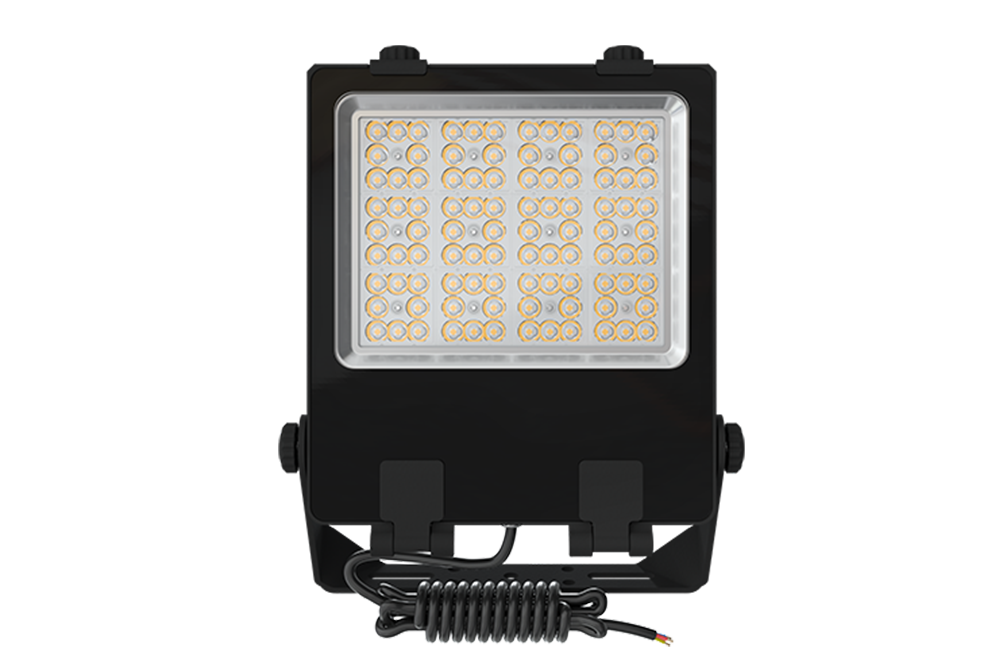
SEEKING FLX Series LED flood light outdoor for sports courts and open-area projects with 170lm/W efficiency, IP66 protection and multiple beam distributions. Designed for long-life commercial and public outdoor use.
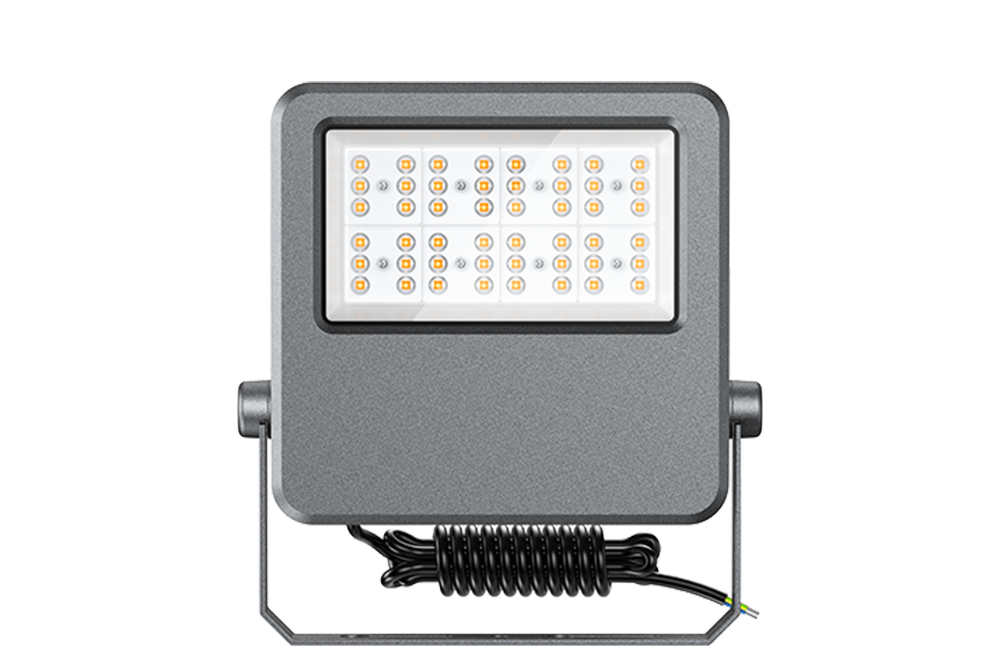
SEEKING FLE Series LED outdoor flood lights for sports grounds and open areas with multiple beam angles, IP66 protection and up to 170lm/W. Designed for long-life outdoor installations with professional driver options.
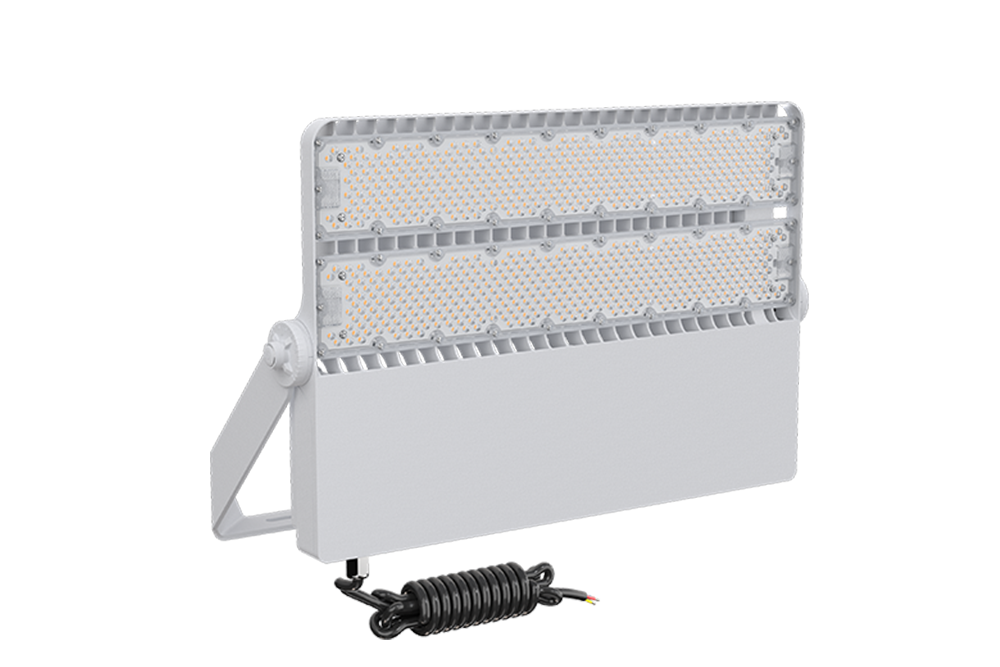
SEEKING FLD Series outdoor LED flood lights and high power led flood light deliver up to 960W with precision beam angles for sports fields, stadiums and large outdoor areas. IK08 & IP66 protection, 170lm/W efficiency and 100,000h lifetime.
loading…
This is the last post!
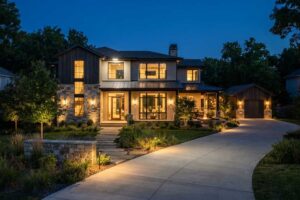
A flood light bulb is a directional lamp that spreads bright light across a broad area for yards, driveways, exteriors, signs, and security lighting.
View details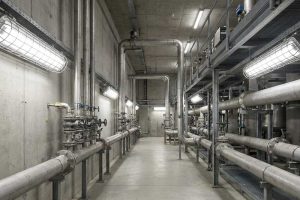
What is explosion proof lighting? Learn how explosion proof lighting works, where it is used, and why certified hazardous area lighting is essential. Practical explanation from SEEKINGLED.
View details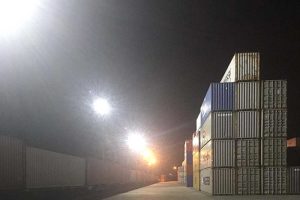
High Power Flood Lighting for Port Area was required in a Frankfurt port project after high bay lights failed to meet lux targets. This record documents the switch to XJ-FLA480W flood lights and the recalculation process.
View details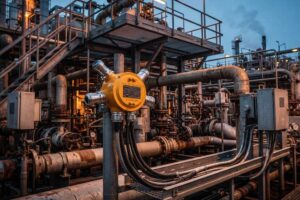
hazardous location junction box designed for explosive environments. Learn about certified enclosure protection, industrial applications, standards, and field experience.
View details