To install high bay lights, first determine the mounting height and layout, safely secure the fixtures, connect the electrical wiring, and test the lighting performance. Proper installation requires correct spacing, suitable mounting hardware, and compliance with electrical safety standards.
At SEEKINGLED, we have supported industrial lighting installations in warehouses, factories, and commercial buildings where fixture positioning directly affects brightness, energy efficiency, and maintenance costs. A high bay installation is not simply hanging a light; it requires planning based on ceiling height, beam angle, and working conditions.Visit the product page:LED High Bay Lights
Understanding how to install high bay lights correctly
When customers search how to install high bay lights, they often expect a simple mounting process. In reality, high bay lighting installation involves several technical decisions before the first fixture is installed.
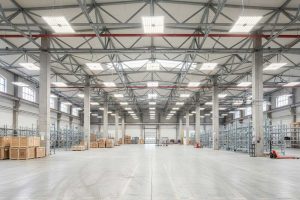
High bay lights are normally installed in areas with ceilings from 15 feet to over 60 feet, including:
Warehouses
Manufacturing facilities
Distribution centers
Workshops
Sports halls
Large commercial buildings
The installation process usually includes:
Lighting layout planning
Mounting position confirmation
Fixture installation
Electrical connection
Lighting adjustment and testing
At SEEKINGLED, we have seen installation mistakes that looked minor during construction but caused long-term problems, such as uneven illumination, difficult maintenance access, and unnecessary energy consumption.
A properly installed high bay lighting system should provide:
Uniform light distribution
Safe electrical operation
Easy maintenance access
Long-term stable performance
The U.S. Department of Energy highlights that LED lighting systems can provide significant energy savings and longer service life compared with traditional lighting technologies, but correct installation is essential to achieve expected performance.
Step 1: Plan the high bay lighting layout before installation
The first step in learning how to install high bay lights is creating a proper lighting layout.
Do not install fixtures based only on the ceiling size. The layout should consider:
Factor
Why It Matters
Ceiling height
Determines fixture power requirement
Floor area
Affects fixture quantity
Working tasks
Defines required brightness
Beam angle
Controls coverage area
Equipment position
Prevents blocked lighting
For example:
A warehouse with tall storage racks may require a different layout compared with an open production area.
Before installation, measure:
Building length and width
Ceiling height
Existing electrical points
Mounting locations
A professional lighting design may also use simulation software to predict lux levels before installation.
Step 2: Choose the correct mounting method for high bay lights
High bay lights can be installed using different mounting methods depending on the building structure.
Common installation methods include:
Chain mounting
Chain mounting is one of the most common methods for UFO high bay lights.
Advantages:
Simple installation
Easy height adjustment
Suitable for warehouses
Hook mounting
Hook mounting allows fixtures to be suspended securely from ceiling structures.
It is commonly used in:
Industrial workshops
Storage buildings
Manufacturing plants
Pendant mounting
Pendant mounting provides a cleaner appearance and controlled fixture positioning.
It is often used in:
Commercial facilities
Exhibition spaces
Modern industrial buildings
Step-by-step guide on how to install high bay lights
Step 1: Turn off electrical power
Safety comes first.
Before installation:
Shut off the power supply
Confirm the circuit is inactive
Follow local electrical regulations
Industrial electrical work should always be completed by qualified professionals.
Step 2: Mark the installation locations
Measure and mark where each fixture will be installed.
Correct spacing helps avoid:
Dark areas
Excessive brightness
Uneven illumination
Typical spacing depends on:
Fixture wattage
Ceiling height
Beam angle
Step 3: Install mounting accessories
Secure the mounting hardware before attaching the fixture.
Common accessories include:
Chains
Hooks
Brackets
Safety cables
A safety cable is strongly recommended for suspended industrial lighting installations.
Step 4: Connect electrical wiring safely
After the fixture is mechanically installed, electrical connection is completed.
Typical wiring steps include:
Connect power cables
Secure wire connections
Install protective covers
Check grounding
Depending on the product design, high bay lights may include:
AC direct wiring
Dimming control
Motion sensors
Smart lighting systems
For commercial and industrial projects, electrical installation should follow applicable safety codes.
The National Electrical Code (NEC) published by the National Fire Protection Association provides widely used electrical installation requirements in the United States.
Step 5: Test and adjust high bay lighting performance
After installation, testing is an important step that should not be skipped.
A high bay lighting system may turn on correctly but still fail to provide the expected illumination if the layout or mounting height is incorrect.
During commissioning, check:
Fixture operation
Light distribution
Flicker issues
Dimming functions
Sensor performance
Illumination levels
In professional projects, lighting measurements are often taken with a lux meter to confirm that the installed system meets the required brightness level.
For example:
Application
Typical Lighting Requirement
Storage warehouse
100–200 lux
General manufacturing
300–500 lux
Precision production
500+ lux
The correct lighting level depends on the type of work performed in the space.
Common mistakes when installing high bay lights
Understanding how to install high bay lights also means knowing what installation problems to avoid.
Installing fixtures too close together
Some installers place lights too close because they want maximum brightness.
This can create:
Excessive energy consumption
Uncomfortable glare
Uneven light patterns
A good design balances fixture quantity and spacing.
Ignoring ceiling height
A high bay light designed for a 20-foot ceiling may not perform well at 40 feet.
Higher mounting heights usually require:
Higher lumen output
Different beam angles
Professional layout planning
Skipping safety cables
Suspended fixtures should be secured properly.
Safety accessories help reduce risk in industrial environments where equipment vibration or accidental impact may occur.
Choosing the wrong fixture type
Different buildings require different high bay designs.
For example:
Environment
Recommended Solution
Warehouse aisles
Linear or narrow beam high bay
Open factory floor
UFO high bay
High temperature area
Industrial high-temperature model
Sports hall
High-output directional lighting
Maintenance tips after installing high bay lights
A good installation should also consider future maintenance.
Industrial high bay lights are often installed at significant heights, so maintenance planning matters.
Recommended practices:
Clean fixtures periodically
Check wiring connections
Inspect mounting hardware
Monitor brightness changes
Replace damaged components quickly
LED technology reduces maintenance frequency, but regular inspection helps maintain stable performance.
SEEKINGLED designs industrial LED lighting products with durability in mind, helping customers reduce downtime caused by frequent lighting replacement.
Why choose SEEKINGLED for high bay lighting solutions?
SEEKINGLED provides professional LED high bay lighting solutions for industrial and commercial applications.
Our experience covers:
Warehouse lighting projects
Factory illumination systems
Commercial high ceiling spaces
Customized LED lighting solutions
We understand that installation success depends on more than mounting a fixture. The lighting system must work together with the building structure, electrical design, and daily operating requirements.
SEEKINGLED focuses on:
High efficiency LED technology
Reliable industrial performance
Optimized optical design
Long service life
A properly installed high bay lighting system helps businesses achieve better visibility, lower operating costs, and a safer working environment.
FAQ: how to install high bay lights?
Can I install high bay lights by myself?
High bay lights are installed at significant heights and require electrical connections. Professional installation is recommended, especially for commercial and industrial buildings.
How high should high bay lights be installed?
High bay lights are commonly installed at heights from 15 feet to over 60 feet depending on the building application and lighting requirements.
How far apart should high bay lights be installed?
Spacing depends on fixture power, beam angle, and ceiling height. Many industrial installations use spacing between 15 and 40 feet.
Do high bay lights need safety cables?
Yes. Safety cables are recommended for suspended high bay fixtures to provide additional protection against accidental fixture falls.
How long does high bay light installation take?
Installation time depends on the number of fixtures, ceiling height, wiring conditions, and access equipment required.
What tools are needed to install high bay lights?
Common tools include ladders or lifting equipment, mounting hardware, electrical tools, safety equipment, and testing instruments.
Conclusion
Learning how to install high bay lights requires more than attaching fixtures to a ceiling. Proper installation involves lighting layout planning, safe mounting, correct wiring, and performance testing.
A well-designed high bay lighting system improves visibility, reduces energy consumption, and provides reliable illumination for years.
SEEKINGLED offers professional LED high bay lighting solutions designed for warehouses, factories, and commercial buildings, helping customers achieve efficient and dependable industrial lighting performance.
04-Nov-2013 Booth NO.:3H-60We launch two series product. 480W LED high bay light, which use CREE XBD LED chip, 25°、60°、90°、120° beam angle for choice. UL, TUV CE, SAA listed, can be widely use in port, golf course, trai...
LED explosion proof lights for hazardous industrial locations provide certified safety, lower maintenance, and energy-efficient illumination for harsh environments.
LED high bay light UFO designed for large indoor spaces requiring low glare, high efficiency and long-term reliability. SEEKINGLED HB13(GLK) Series delivers up to 170 lm/W, UGR
 Seeking LED