 Seeking LED
LED Street Light Wholesale: What Matters After the First Container Ships
161LED street light wholesale solutions for distributors and contractors, combining stable quality, bulk pricing, and long-term reliability by SEEKINGLED.
View detailsSearch the whole station
How to wire LED high bay lights? LED high bay lights are wired by connecting the AC power line, neutral wire, and grounding wire to the fixture driver according to the rated voltage. Correct wiring improves safety, prevents driver failure, and ensures stable industrial lighting performance.
At SEEKINGLED, we have supported LED high bay lighting projects for warehouses, workshops, factories, and large commercial buildings. During years of installation feedback, we found that many lighting issues happen before the fixture is even powered on. Loose terminals, incorrect voltage selection, and improper grounding are often the real reasons behind flickering or early failures.
Before learning how to wire LED high bay lights, it is important to understand the electrical structure. Unlike traditional metal halide high bay fixtures, most modern LED high bays use an integrated LED driver that connects directly to AC power.
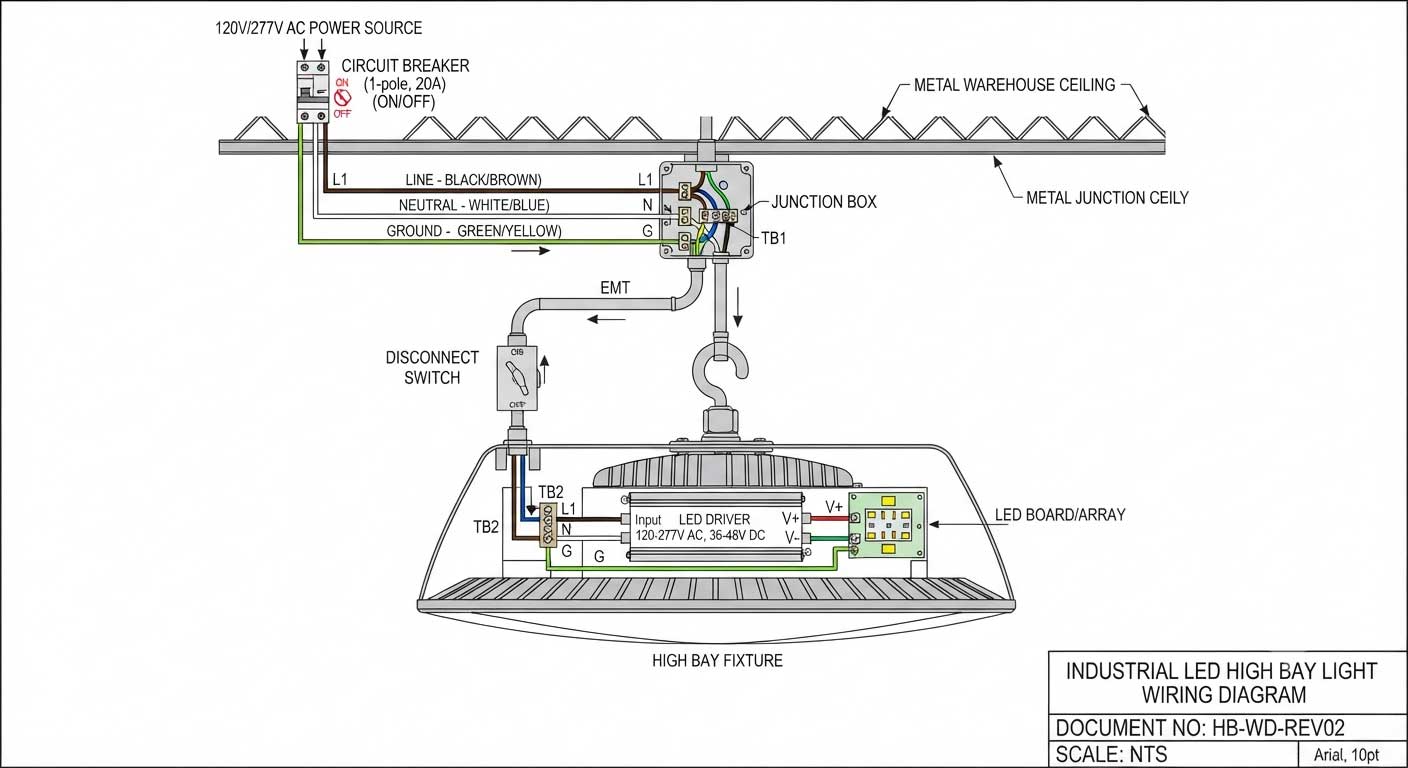
A standard LED high bay wiring system includes three main wires:
| Wire | Function | Connection Point |
|---|---|---|
| Live Wire (L) | Supplies electrical power | Connect to AC hot wire |
| Neutral Wire (N) | Completes the circuit | Connect to neutral conductor |
| Ground Wire (PE) | Provides safety protection | Connect to fixture grounding point |
The basic wiring path is:
Electrical Panel → Circuit Breaker → Junction Box → LED Driver → LED Light Source
For most industrial applications, the installation process is simple, but accuracy matters. A single loose connection inside a high ceiling fixture can create maintenance problems that are expensive to correct later.
According to the U.S. Department of Energy LED Lighting Overview, LED lighting uses at least 75% less energy and can last up to 25 times longer than incandescent lighting. However, these efficiency benefits depend on correct electrical installation and suitable operating conditions.
Before connecting wires, check the product label and electrical specifications.
Common industrial LED high bay voltage options include:
Many commercial LED high bay lights support a wide input range, such as 100–277V AC, but installers should never assume compatibility.Visit the product page:Industrial LED High Bay Lights
At SEEKINGLED, one of the first checks we recommend before installation is matching the fixture voltage with the building power system. This simple step prevents unnecessary driver replacement costs.
Safety preparation should always come before connection.
Professional installers normally:
For high ceiling applications, electricians often complete wiring at ground level before lifting fixtures into position. This reduces installation time and avoids unnecessary work while using lifts.
After confirming the power is disconnected:
The live wire carries electrical power from the supply system and connects to the fixture’s L terminal.
The neutral wire completes the electrical circuit and connects to the N terminal.
The ground wire connects the fixture body to the building grounding system. This is especially important for metal industrial fixtures installed in warehouses and factories.
A typical direct-wire LED high bay installation follows this structure:
AC Power Supply
       |
Circuit Breaker
       |
Junction Box
       |
LED Driver
       |
LED High Bay Fixture
For retrofit projects, the wiring method may differ. Many older facilities still use HID or fluorescent high bay fixtures with ballasts. When replacing these systems, the old ballast usually needs to be removed or bypassed because LED high bays normally require direct AC input.
A common mistake we have seen during factory upgrades is leaving old ballast components connected. The fixture may turn on temporarily, but unnecessary components can create additional failure points.
Even experienced installers can encounter wiring problems during large-scale lighting projects.
Connecting a fixture to an unsuitable voltage source can damage the LED driver immediately.
Loose terminals can create heat buildup, unstable current flow, and intermittent lighting issues.
Industrial environments require proper grounding to improve electrical safety.
Keeping old ballasts in LED replacement projects can reduce reliability and create unnecessary complications.
From our experience working with industrial lighting applications, successful LED high bay installation depends on more than simply connecting wires.
We usually evaluate:
For example, a warehouse operating 16 hours daily has very different requirements from a small workshop running only several hours per day. Wiring design, circuit grouping, and control options should match the actual working environment.
The National Electrical Code (NEC), published by National Fire Protection Association NFPA 70 NEC Standard, provides widely adopted requirements for electrical installation safety, including grounding and wiring practices.
Modern industrial lighting systems are moving beyond simple ON/OFF operation. Many warehouses and manufacturing facilities now use motion sensors, daylight harvesting systems, and dimming controls to reduce unnecessary energy consumption.
When wiring LED high bay lights with controls, the standard power connection remains:
AC Power → Live (L) → Neutral (N) → Ground (PE)
Additional control wiring depends on the system type.
| Control System | Additional Connection | Typical Usage |
|---|---|---|
| 0-10V Dimming | Dim+ and Dim- control wires | Warehouses and commercial facilities |
| Motion Sensor | Sensor port or control cable | Storage areas and parking facilities |
| Smart Lighting Control | Network communication wiring | Large industrial buildings |
For example, a 0-10V dimmable LED high bay requires two extra low-voltage control wires connected to the dimming controller. The power wires operate the fixture, while the control wires adjust brightness levels.
During industrial lighting upgrades, SEEKINGLED engineers often recommend separating high-voltage power cables from low-voltage control cables. This small installation detail helps avoid unstable dimming signals and simplifies future maintenance.
Warehouses typically have:
For these applications, electricians often divide fixtures into different circuits. This allows maintenance teams to isolate specific areas without shutting down the entire facility.
A distribution center with hundreds of LED high bay lights may require careful circuit planning to balance electrical loads and simplify troubleshooting.
Factories usually have more demanding conditions:
In these environments, wiring protection becomes extremely important. Junction boxes, connectors, and cable management systems should match the operating conditions.
SEEKINGLED high bay lighting solutions are designed for industrial environments where reliability and consistent illumination are required.
Commercial spaces such as gyms, exhibition halls, and indoor sports facilities often require:
A well-planned wiring system improves both energy efficiency and user comfort.
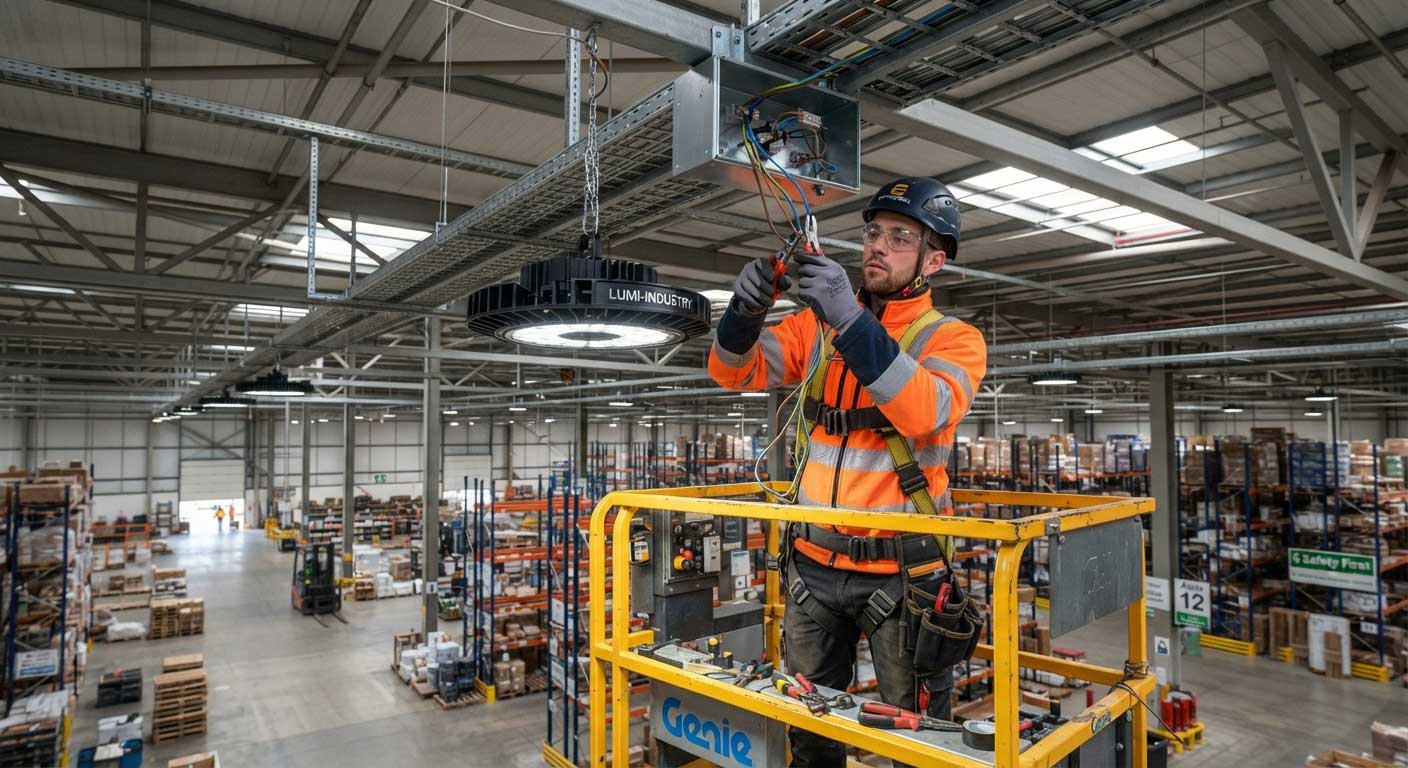
After wiring is completed, testing should be performed before the lighting system enters daily operation.
A professional inspection usually includes the following checks:
Verify:
Check:
Confirm:
A large percentage of lighting maintenance problems can be prevented during the initial inspection stage. Taking an extra few minutes before energizing the system often saves hours of troubleshooting later.
The number of fixtures on one circuit depends on:
Example:
A 150W LED high bay operating at 277V uses approximately:
150W ÷ 277V = 0.54A
Although a 20A circuit may theoretically support many fixtures, professional installers normally avoid operating continuously at the maximum capacity.
A practical design usually leaves additional electrical margin for:
This approach is especially important in factories and warehouses where lighting systems operate for thousands of hours every year.
Yes. Most modern LED high bay lights are designed for direct AC wiring without traditional ballasts. The fixture connects directly through live, neutral, and ground wires.
Yes. Standard AC-powered LED high bay fixtures normally require both live and neutral connections to complete the electrical circuit.
Wire size depends on fixture wattage, circuit length, voltage, and local electrical codes. Professional electricians select wire sizes according to actual load calculations.
Yes. Many LED high bay systems support motion sensors and smart controls. These options are common in warehouses where lights are not needed at full brightness all day.
Common causes include loose wiring, incompatible dimming controls, unstable voltage, or driver issues. Checking connections and compatibility should be the first troubleshooting step.
Usually yes. Most LED high bay retrofit installations require bypassing or removing old ballasts because LED drivers are designed for direct AC input.
Yes. Multiple fixtures can be connected to one breaker if the total electrical load remains within safe operating limits.
Before switching on your lighting system, confirm:
✅ Power supply is disconnected during installation
✅ Voltage matches LED fixture specifications
✅ Live, neutral, and ground wires are correctly connected
✅ Terminals are tightened securely
✅ Control wires are installed correctly if required
✅ Fixtures are firmly mounted
✅ Electrical testing has been completed
A properly installed LED high bay lighting system provides reliable illumination, lower maintenance requirements, and improved energy efficiency.
At SEEKINGLED, we have found that successful industrial lighting projects are rarely decided by the fixture alone. Wiring quality, installation planning, and application understanding play equally important roles.
Understanding how to wire LED high bay lights allows facility owners, electricians, and contractors to create safer and more efficient lighting systems from the beginning.
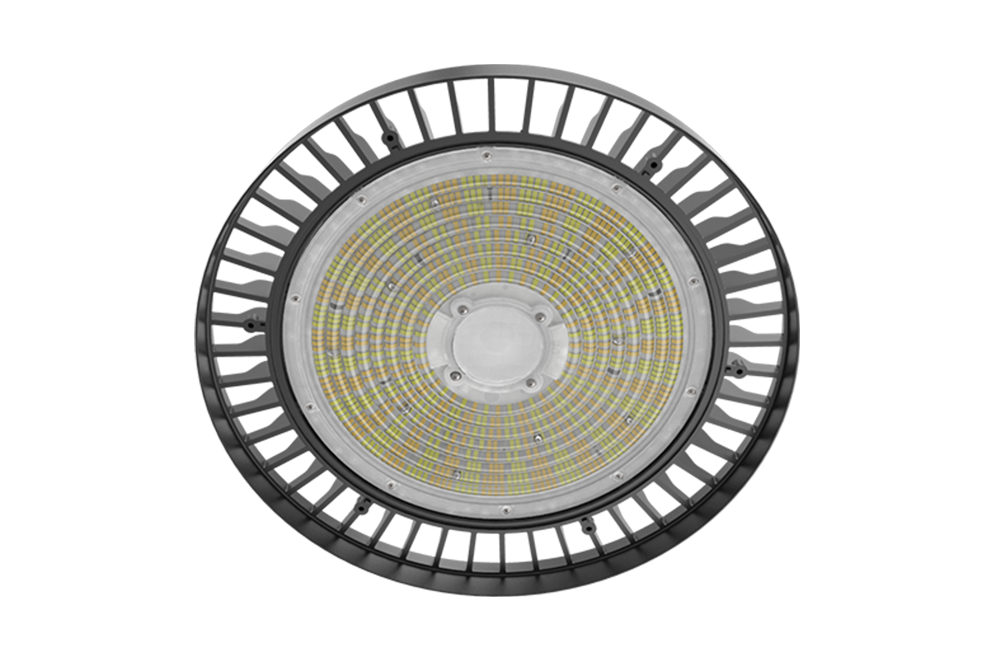
The SEEKING HBC-T Series high bay lights LED offer long-lasting performance for warehouses, production plants and logistics centers. Durable IP65 & IK08 housing, 60°/90° beam angles, up to 150 lm/W, and a lifespan beyond 100,000 hours. Ideal for airport halls, commercial storage, construction sites and large indoor spaces.
View details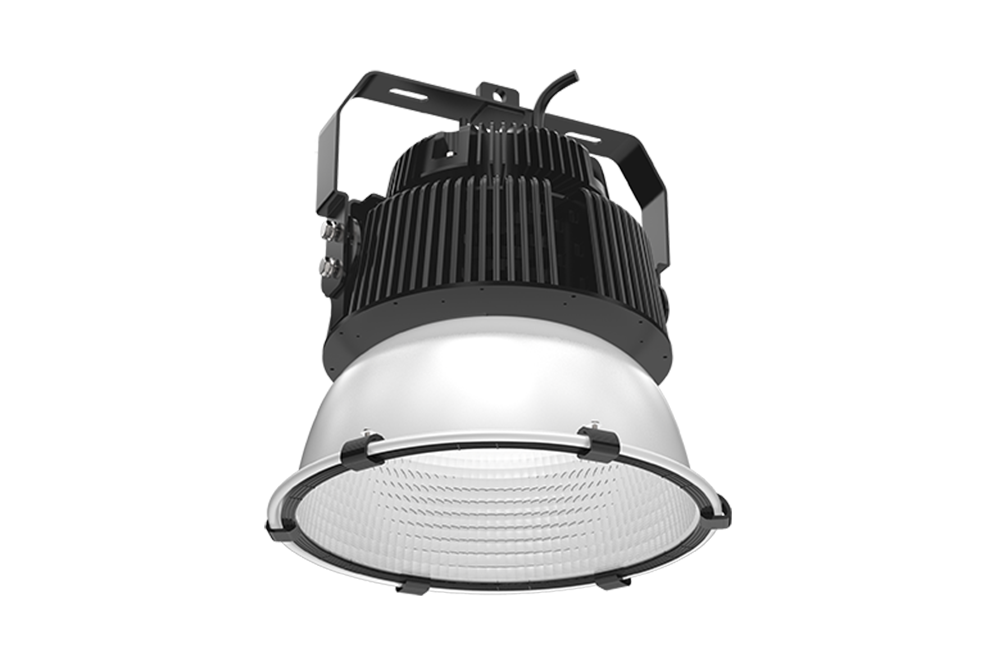
The SEEKING HBS Series LED UFO high bay light delivers 140 lm/W efficiency, IP65 protection and MEAN WELL drivers. A durable high-rise lighting solution for factories, warehouses and commercial halls.
View details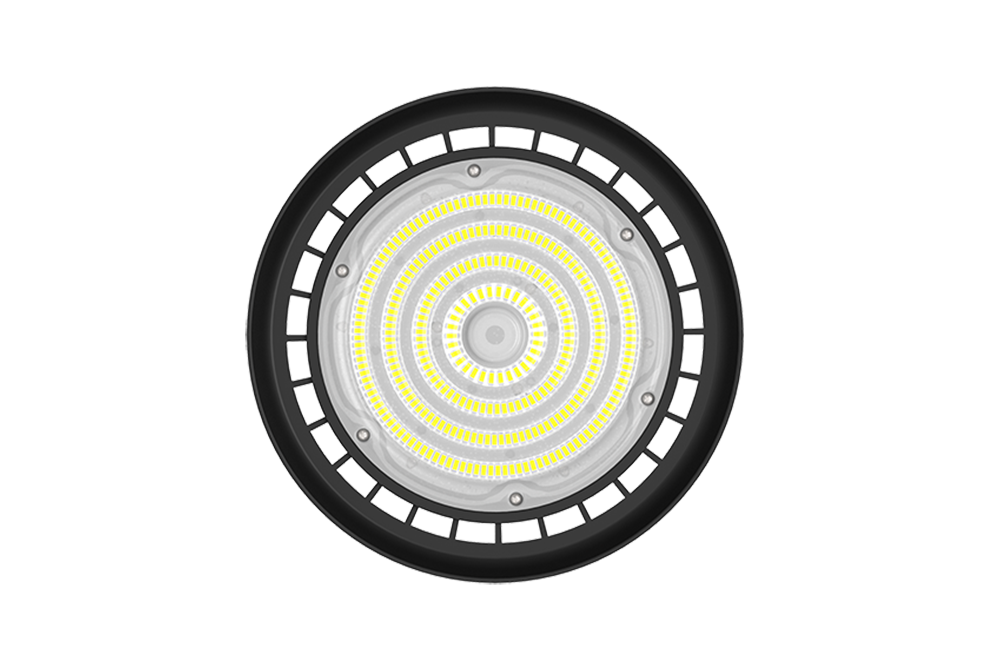
SEEKING HBD Series LED high bay lighting delivers 160 lm/W efficiency, IP66 protection, and long 100,000-hour lifespan. A durable UFO high bay solution for warehouses, workshops, logistics centers and commercial facilities.
View details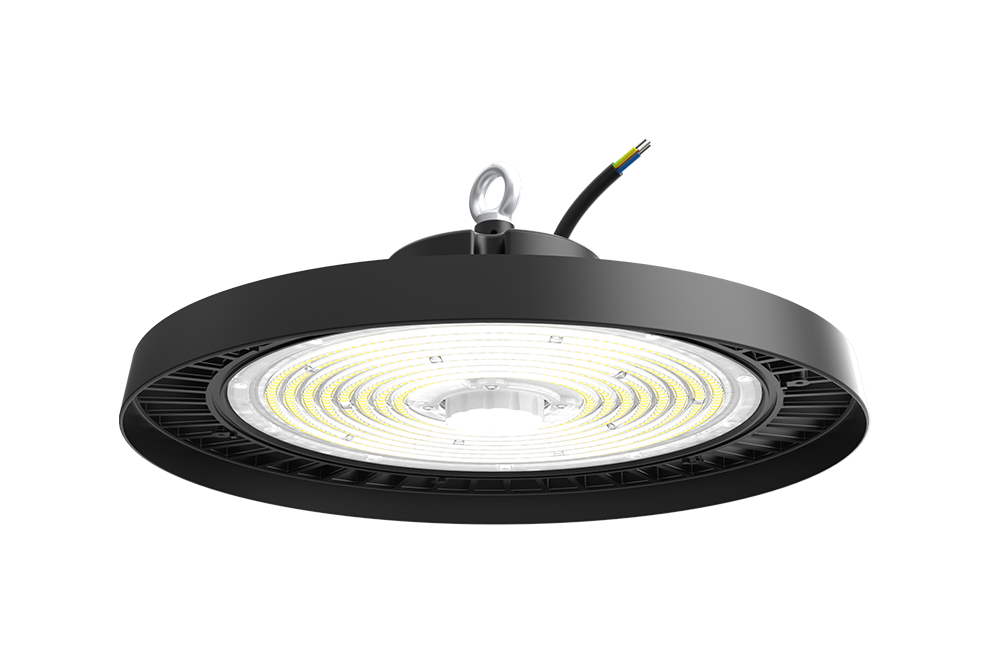
The SEEKING HBC Series high bay LED light fixtures combine strong efficiency, practical design and reliable SOSEN drivers. A durable UFO high bay lighting option for warehouses, workshops and wholesale projects.
View details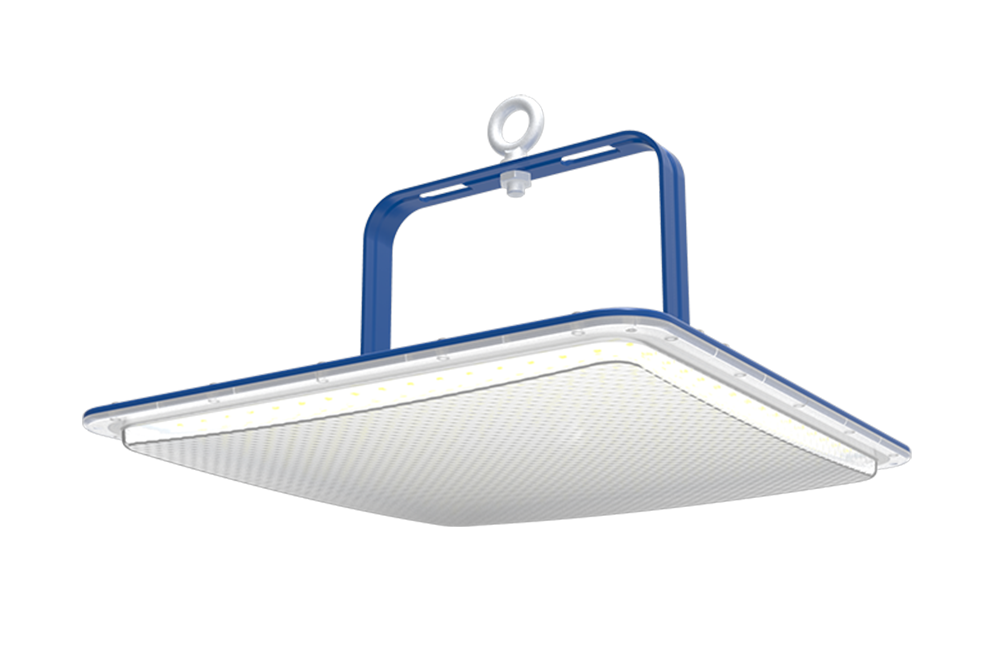
The SEEKING GSL Series high bay LED light delivers powerful, efficient lighting for industrial and commercial spaces. With IP65 protection, flexible mounting, and up to 140 lm/W performance, it’s ideal for warehouses, workshops, and retail areas.
View details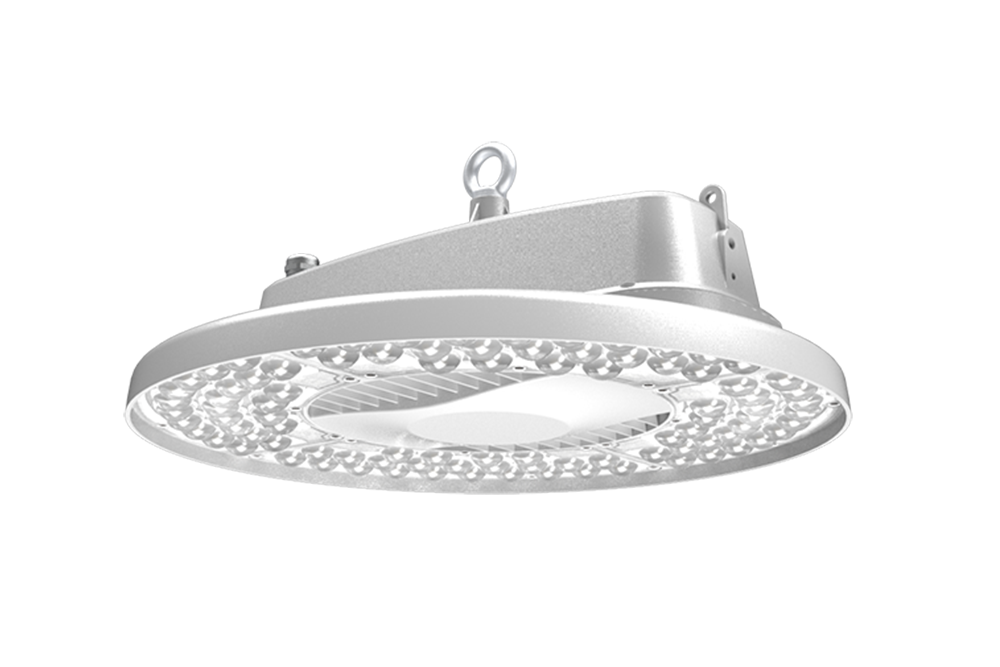
The SEEKING HB15(GLE) Series delivers advanced high bay led lighting with UGR 100,000 h) and reliable illumination for demanding commercial environments.
View details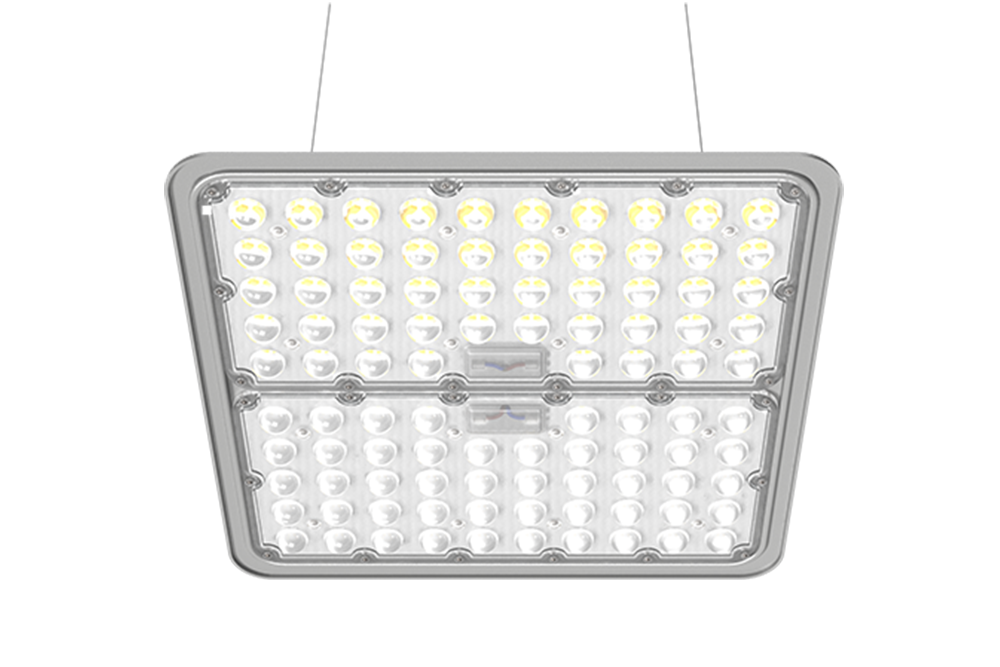
Discover the SEEKING HB13(GLK) Series ufo led high bay light, engineered for sports halls, airport lounges, showrooms, and large commercial spaces. UGR 100,000 h). Ideal for industrial ufo high bay lighting fixtures and commercial retrofits.
View details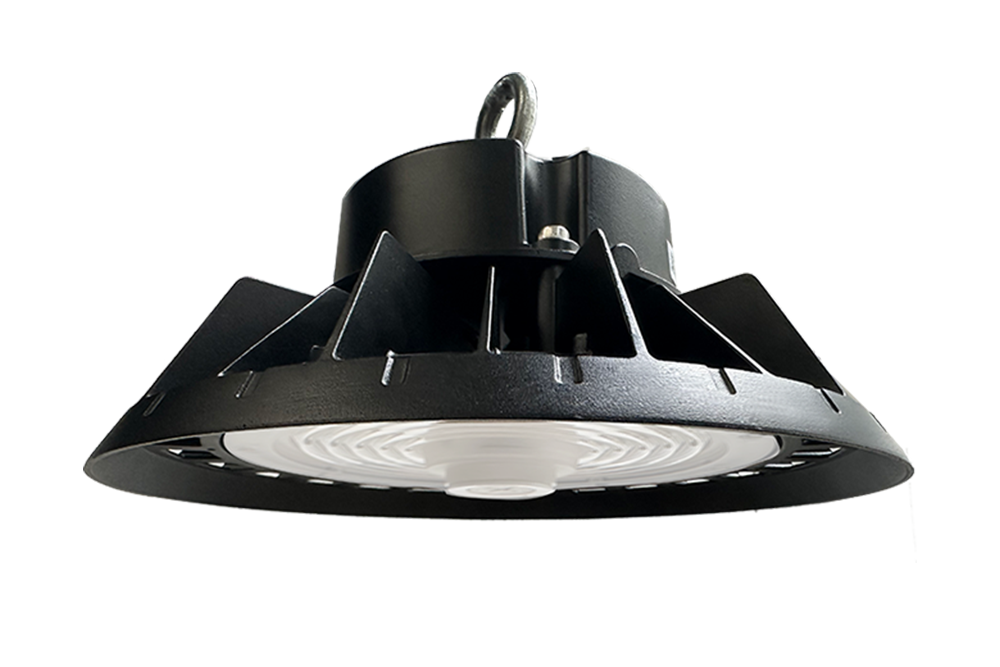
SEEKING HBF Series offers industrial LED high bay lighting with up to 200lm/W efficiency, SOSEN flicker-free driver, IP65 protection and optional microwave motion sensor. Ideal for warehouses, factories and commercial distribution projects.
View details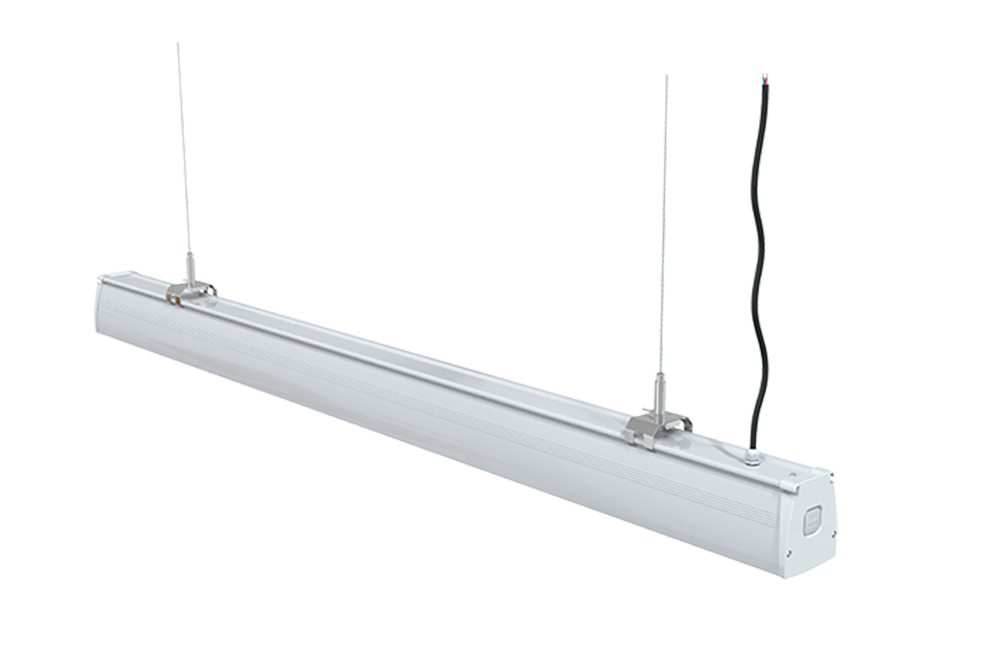
The HLD Series linear high bay LED lights from SEEKING deliver up to 200 lm/W with multiple beam angles and adjustable CCT options for warehouse, workshop, corridor and general industrial lighting.
View details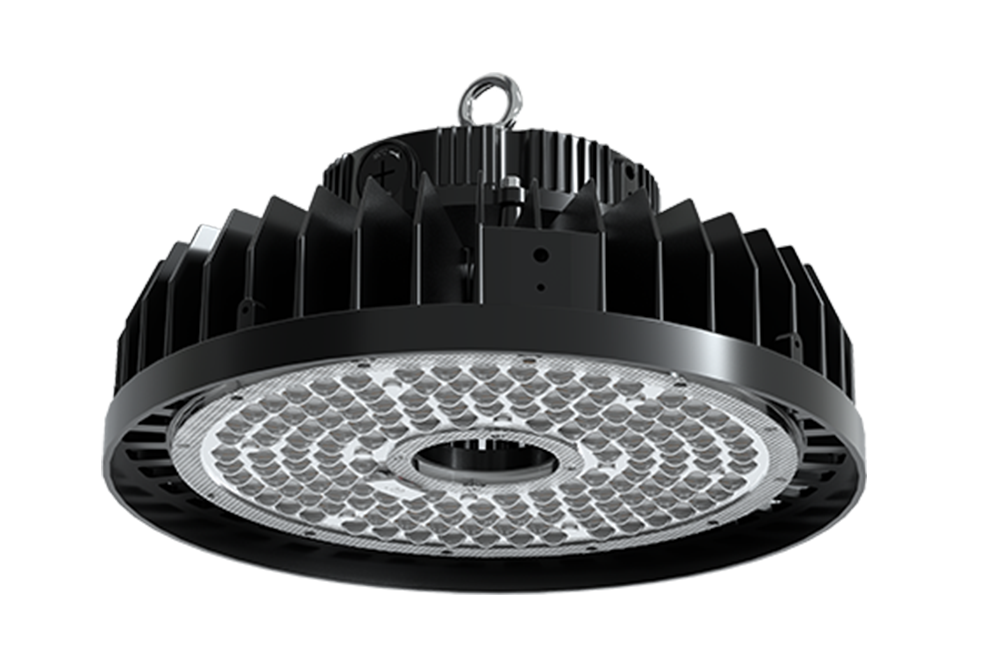
The HBK Series LED high bay light by SEEKING combines 500W power, 160–175 lm/W efficiency and IP65 durability for heavy-duty industrial lighting. Designed for warehouse, factory and production facilities with demanding ceiling heights.
View details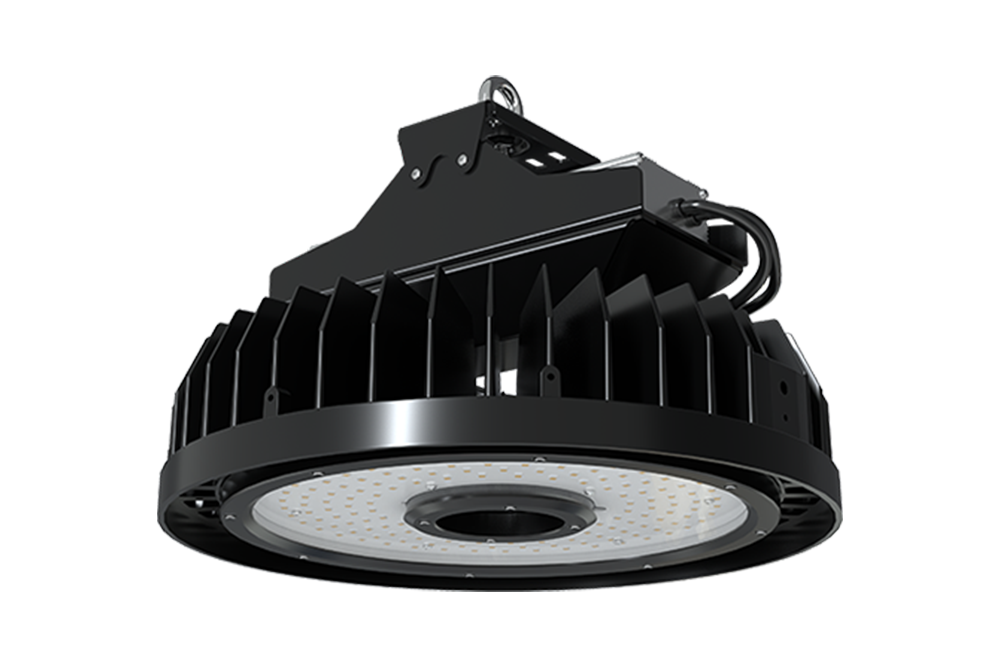
LED high bay lights engineered for extreme heat and low-temperature industrial sites. SEEKING HBK Ultua Series operates from -40°C to +70°C with Nichia LEDs and Inventronics driver.
View details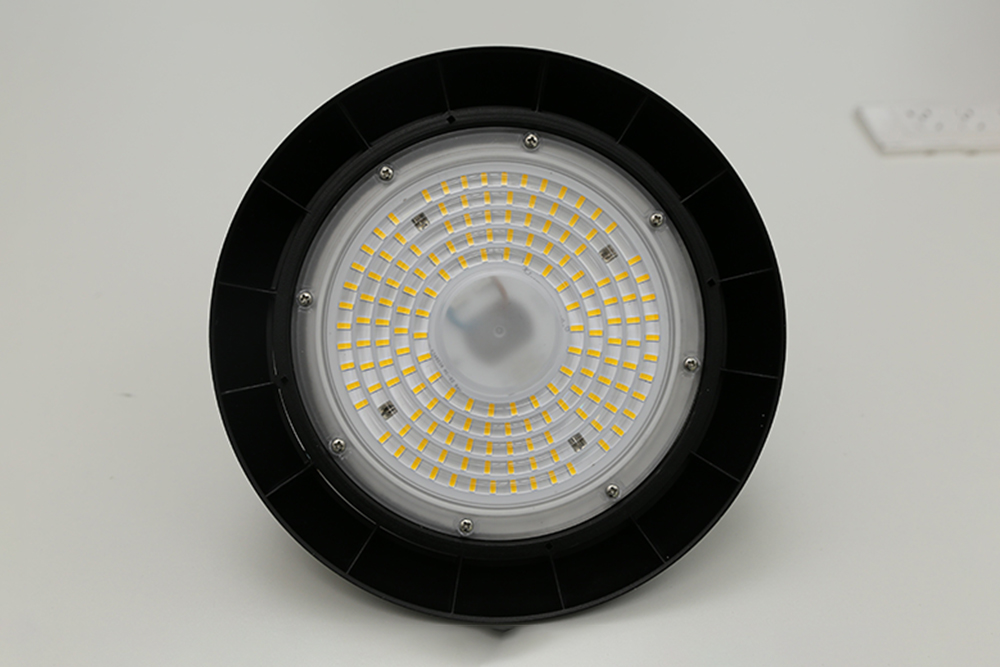
High bay LED lights built for warehouses, production plants and wholesale distribution. SEEKING HBI Series offers up to 200lm/W, IP65, IK08 and optional microwave motion sensor for energy saving operation.
View details
LED street light wholesale solutions for distributors and contractors, combining stable quality, bulk pricing, and long-term reliability by SEEKINGLED.
View details
hazardous location junction box designed for explosive environments. Learn about certified enclosure protection, industrial applications, standards, and field experience.
View details
This FLE Series flood light is designed, developed, and manufactured by SEEKINGLED. Since its launch in 2023, it has already sold over 100,000 units worldwide, and customer feedback has been very positive.It holds a European Union patent with orig...
View details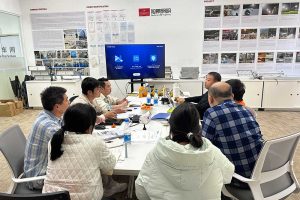
SEEKINGLED Shenzhen factory welcomed CSA Group for a QAR/QAN quality system audit covering Zone 1 flameproof explosion-proof luminaires, conducted in accordance with IEC 60079 standards.
View details