 Seeking LED
What Height Should High Bay LED Lights Be?
293What height should high bay LED lights be for warehouses, factories, and gyms? This Q&A explains mounting height ranges and real installation considerations.
View detailsSearch the whole station
ATEX LED floodlight fixtures are specifically engineered for hazardous locations where flammable gases, vapors, mists, or combustible dust may be present. They combine explosion-protection certification with high-output LED technology, providing safe, energy-efficient illumination for refineries, chemical plants, offshore platforms, and other classified industrial environments.
I still remember standing on a loading jetty during a nighttime inspection at a fuel terminal. The floodlights mounted along the pipe racks illuminated hundreds of meters of infrastructure. Operators could clearly identify valve positions from a distance.
Nobody talked about lumens.
Nobody talked about wattage.
The conversation centered on something else entirely.
Could the fixture operate safely if a flammable atmosphere developed?
That question explains why ATEX LED floodlight technology exists.
In ordinary industrial environments, lighting primarily supports visibility and productivity.
Hazardous locations introduce another requirement.
Safety.
An ignition source inside the wrong atmosphere can trigger catastrophic consequences.
According to the European Agency for Safety and Health at Work (EU-OSHA), explosive atmospheres may occur in industries involving flammable gases, vapors, mists, or combustible dusts.
Source:
ATEX LED floodlights are designed specifically to prevent lighting systems from becoming that ignition source.
This involves:
The result is a lighting system capable of operating safely where conventional fixtures cannot.
ATEX originates from the French phrase:
ATmosphères EXplosibles
It refers to European regulations governing equipment used in explosive atmospheres.
According to the European Commission, ATEX Directive 2014/34/EU establishes requirements for equipment intended for potentially explosive atmospheres throughout the European Economic Area.
Source:
https://single-market-economy.ec.europa.eu
For an ATEX LED floodlight, certification confirms that the product has undergone testing and evaluation for use in designated hazardous zones.
Certification is not a marketing label.
It is a safety requirement.
And experienced engineers treat it accordingly.
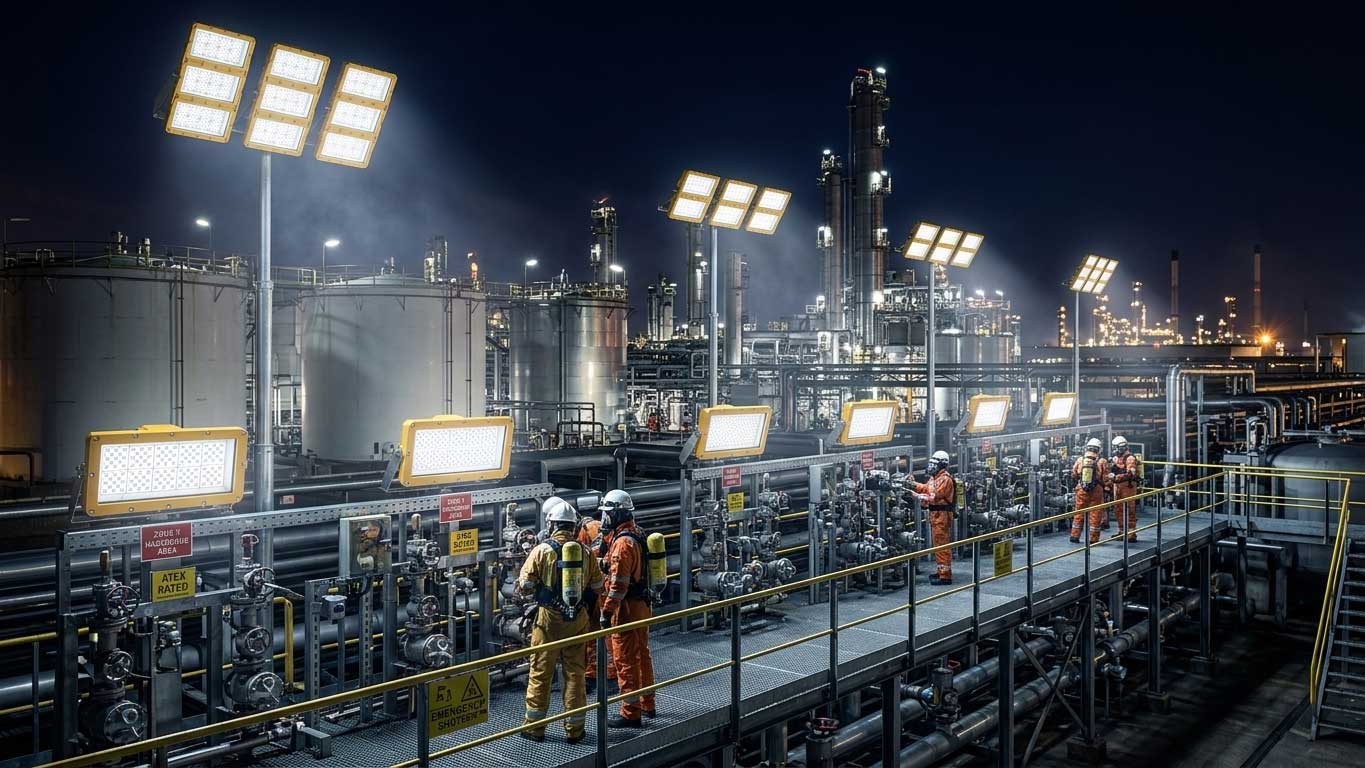
Refineries contain numerous outdoor areas requiring powerful illumination.
Common applications include:
Large facilities often operate continuously.
Lighting failures create both operational and safety concerns.
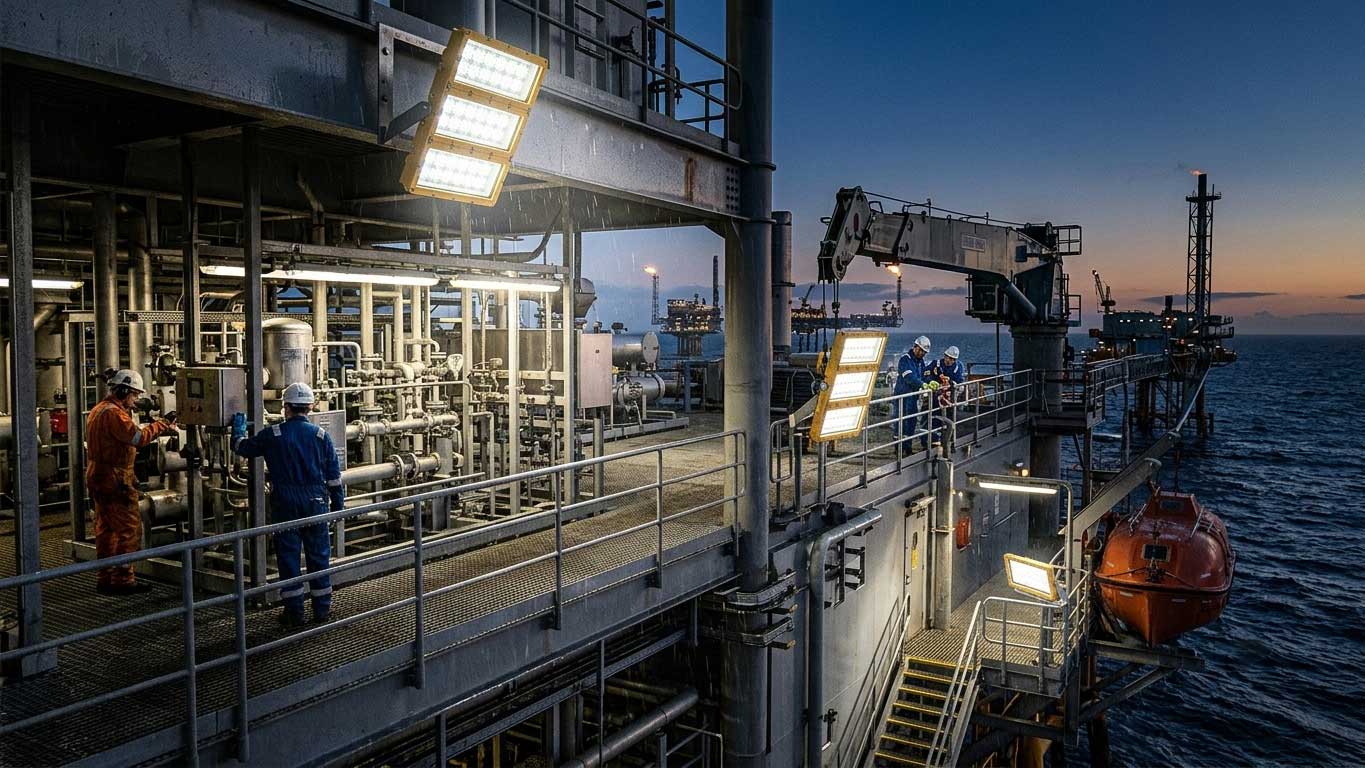
Offshore installations present a unique challenge.
Salt.
Humidity.
Wind.
Constant vibration.
One North Sea platform project I visited had floodlights exposed directly to harsh marine conditions year-round.
Engineers weren’t simply evaluating light output.
They were evaluating whether the fixture could survive years of corrosion without compromising certification integrity.
That distinction matters.
A lot.
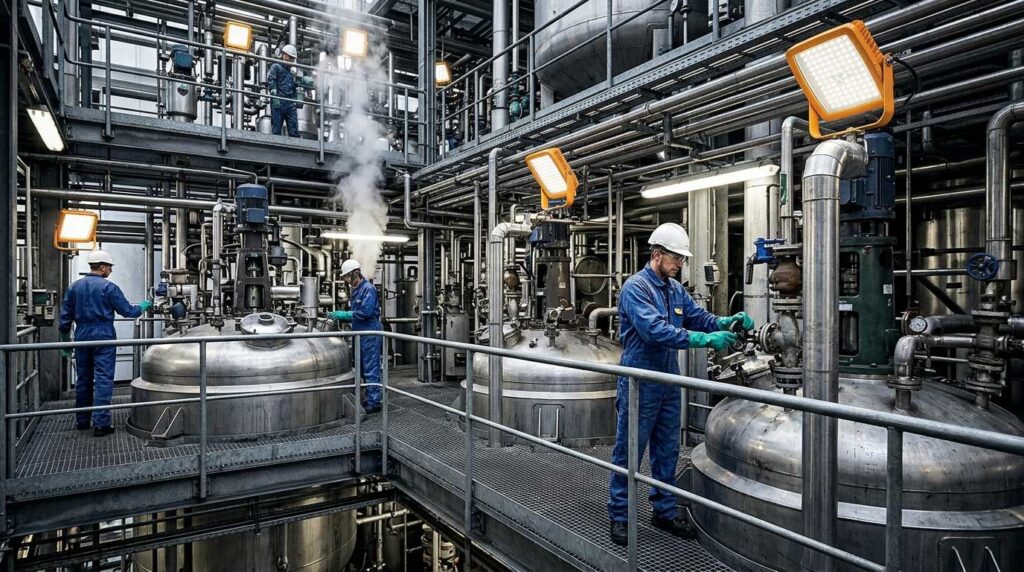
Chemical processing plants often require wide-area illumination around:
Many chemicals produce atmospheres that cannot tolerate electrical ignition sources.
ATEX-certified lighting becomes an essential engineering control.
Natural gas operations rely heavily on hazardous-area floodlighting.
The challenge is often visibility over large outdoor spaces.
Operators need to monitor:
ATEX LED floodlights help achieve that without compromising safety compliance.
Twenty years ago, hazardous locations commonly used:
Today, most new projects specify LED technology.
The shift happened for practical reasons.
According to the U.S. Department of Energy, LED systems can significantly reduce energy consumption while providing longer operating lifetimes than traditional lighting technologies.
Source:
Typical advantages include:
Interestingly, maintenance reduction is often more valuable than energy savings.
On one offshore project, replacing a failed floodlight required:
The labor cost exceeded the fixture cost multiple times.
Reducing replacement frequency creates immediate operational value.
Hazardous-area classification determines which floodlight can be installed.
Not all ATEX fixtures are approved for every zone.
| Hazardous Zone | Description |
|---|---|
| Zone 0 | Explosive gas atmosphere continuously present |
| Zone 1 | Explosive atmosphere likely during normal operation |
| Zone 2 | Explosive atmosphere unlikely and short duration |
| Zone 20 | Combustible dust continuously present |
| Zone 21 | Dust atmosphere likely during operation |
| Zone 22 | Dust atmosphere unlikely and infrequent |
One purchasing mistake appears repeatedly.
Someone sees ATEX certification and assumes universal suitability.
That assumption can create compliance issues.
Zone classification must always match fixture certification.
New buyers often focus on wattage.
Experienced engineers usually start elsewhere.
Heat is one of the biggest enemies of long-term LED performance.
Well-designed thermal pathways contribute significantly to lifespan.
Marine and chemical environments can rapidly degrade poor-quality housings.
Look closely at:
Floodlighting is not simply about brightness.
Beam distribution determines usable visibility.
Good optical design often allows lower wattage while maintaining better illumination quality.
The cheapest fixture frequently becomes the most expensive.
Particularly in locations with difficult maintenance access.
Hazardous classification is only part of the equation.
Consider:
Always verify:
Experienced procurement teams never rely solely on product brochures.
Manufacturers often advertise:
Those figures matter.
But field performance matters more.
I’ve inspected installations where floodlights technically met every published specification.
Yet maintenance teams disliked them because brackets corroded prematurely.
Or wiring access was difficult.
Or replacement procedures were unnecessarily complicated.
Good hazardous-area lighting performs well on paper.
Great hazardous-area lighting performs well after five years in the field.
That’s a different standard.
At SEEKINGLED, hazardous-area lighting is designed around actual industrial operating environments.
Not showroom conditions.
Real facilities create challenges that specifications rarely capture:
Those conditions ultimately determine whether an ATEX LED floodlight delivers long-term value.
Certification gets a product approved.
Reliability earns trust.
An ATEX LED floodlight is a hazardous-area lighting fixture certified for use in explosive atmospheres while providing high-output illumination for industrial applications.
They are commonly installed in refineries, offshore platforms, chemical plants, LNG facilities, fuel terminals, and dust-hazard industrial environments.
Yes. LED technology typically consumes less power than traditional hazardous-area lighting technologies while providing longer operational life.
Absolutely. Most ATEX floodlights are designed specifically for outdoor industrial environments exposed to weather, corrosion, and temperature fluctuations.
High-quality industrial ATEX LED floodlights often achieve service lives of 50,000 to 100,000 hours depending on operating conditions and maintenance practices.
An ATEX LED floodlight is far more than a bright industrial fixture.
It is a safety-critical component designed for environments where a single ignition source can create serious consequences.
The best installations are rarely noticed. They simply continue operating through storms, corrosive atmospheres, maintenance cycles, and years of industrial service. That reliability is why ATEX LED floodlight technology remains the preferred solution for modern hazardous-area operations.
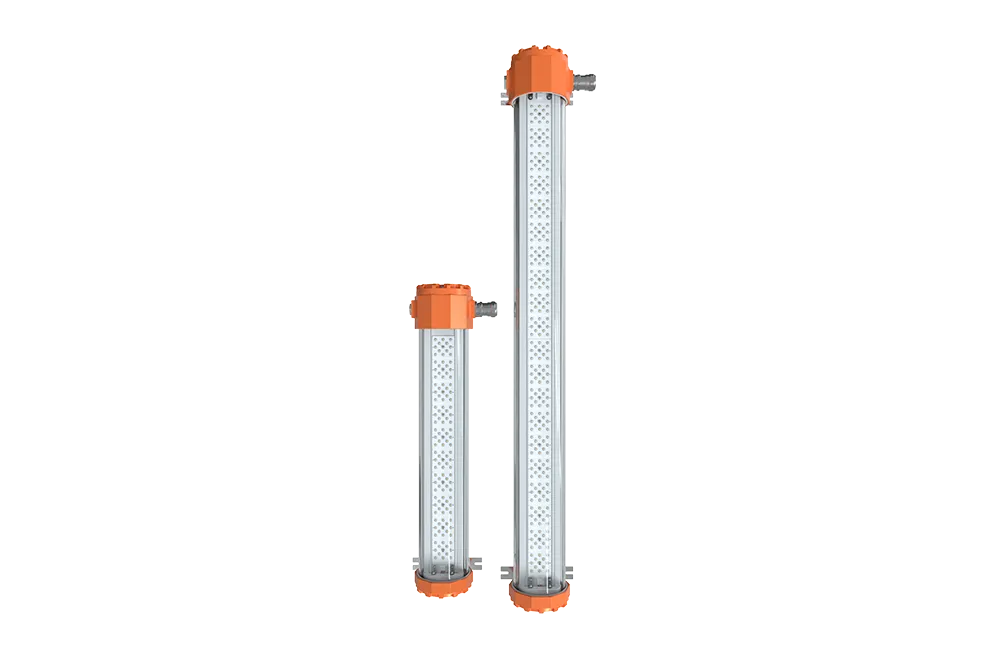
SEEKINGLED LED Linear Explosion Proof Light and Explosion Proof lighting is ATEX and IECEx certified for Zone 1, Zone 2, Zone 21 and Zone 22 hazardous locations, built for long-term industrial use.
View details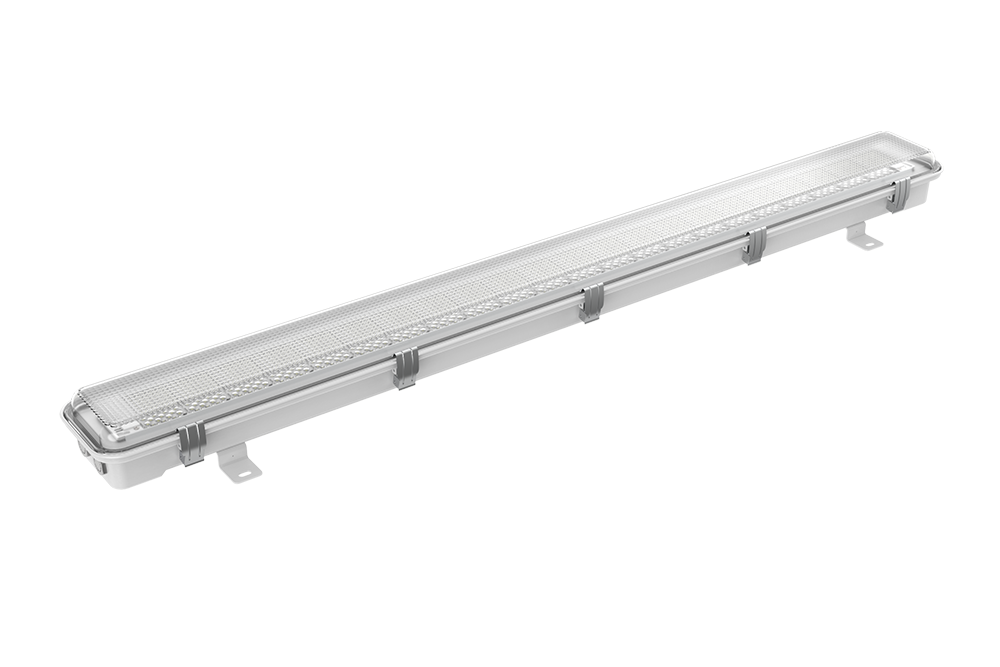
LED Linear Explosion Proof Lights and EX Proof lights for Zone 1, Zone 2, Zone 21 and Zone 22 hazardous areas. ATEX & IECEx certified explosion proof LED linear lighting with emergency function, adjustable power and IP67 protection by SEEKINGLED.
View details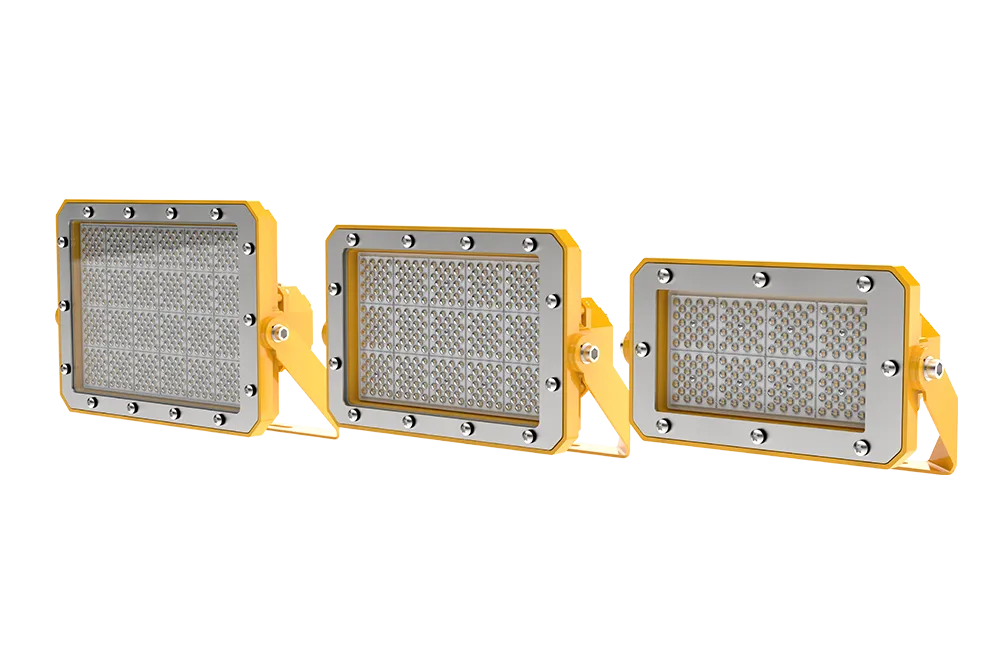
SEEKINGLED LED Explosion Proof Flood Lights are ATEX certified for Zone 2 and Zone 22 hazardous areas, offering high efficiency, adjustable power and integrated junction box.
View details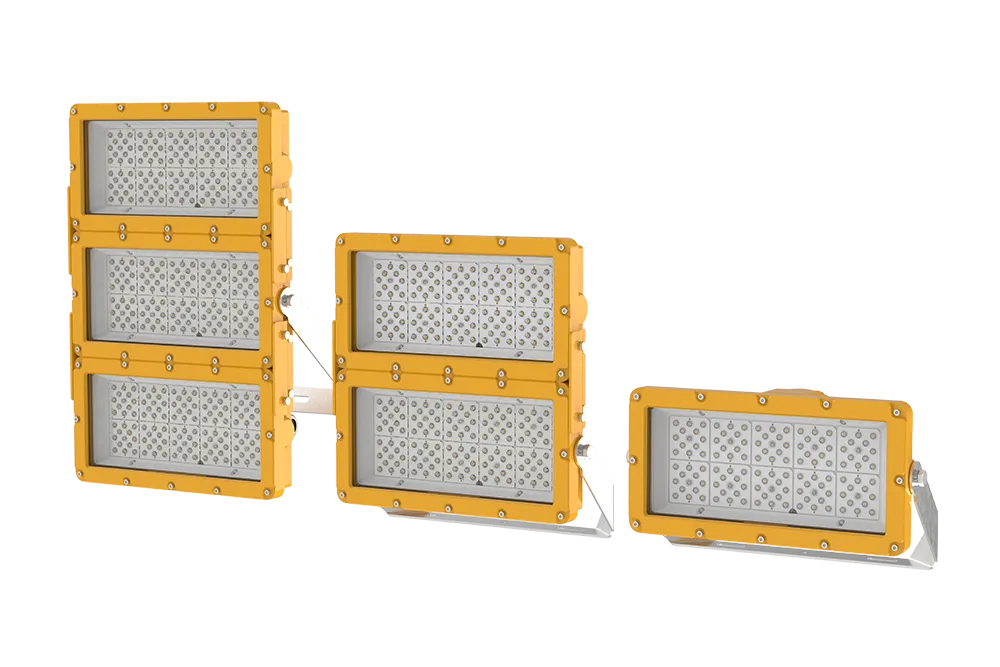
SEEKINGLED LED Explosion Proof Flood Lights are flameproof ATEX and IECEx certified for Zone 1 and Zone 2 hazardous areas, offering high power, adjustable output and long service life.
View details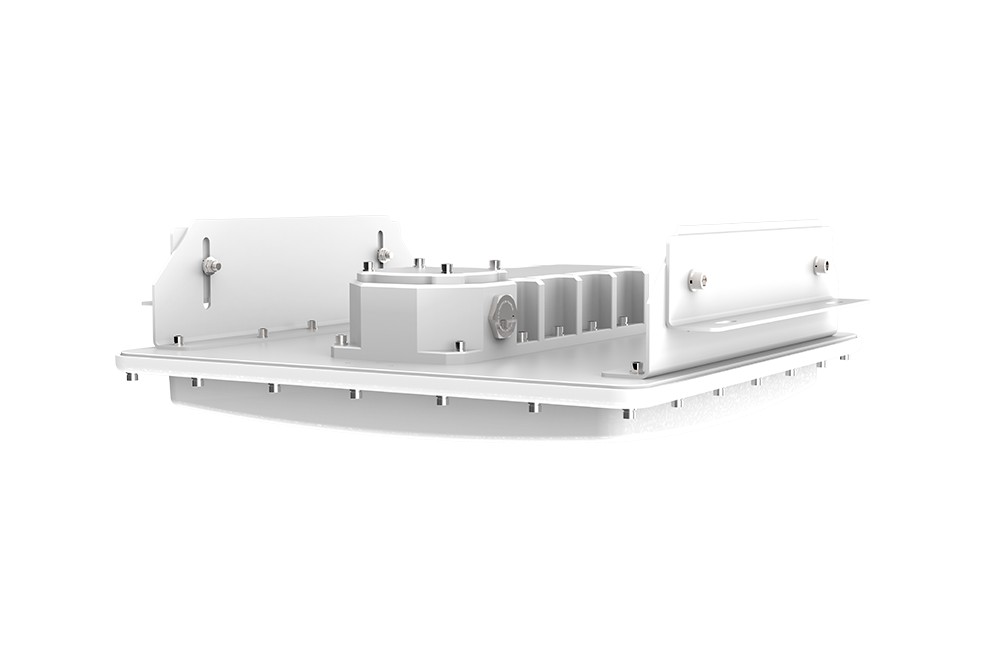
SEEKINGLED LED Gas Station Canopy Lights are ATEX certified for Zone 2 and Zone 22 hazardous areas, featuring adjustable power and built-in explosion-proof junction box.
View details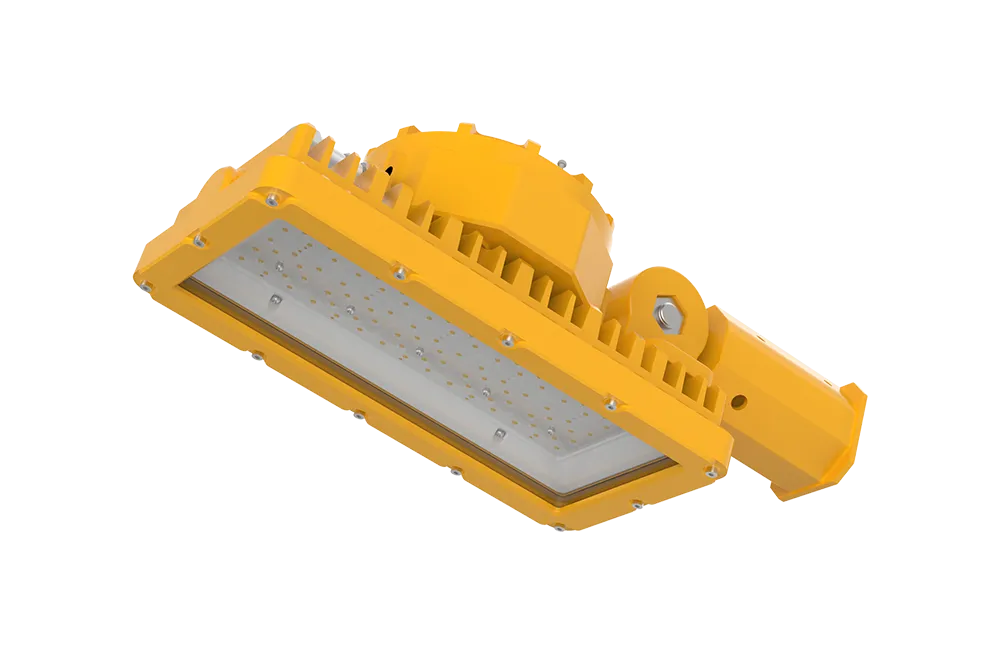
ATEX: Ex II 2G Ex db IIB T6/T5 GbEx II 2D Ex tb IIIC T80°C/ T95°C Db IECEx Ex db IIB T6 Gb;Ex tb IIIC T80°C Db Feature: ● For Zone 1,2 and Zone 21,22● Flameproof type, the strongest● 100W can replace 250W HID,energy saving● Power:60W,80W,100W Application: Oil and gas, marine, Chemical, pharmaceutical, semiconductor,mining,military industr…
View details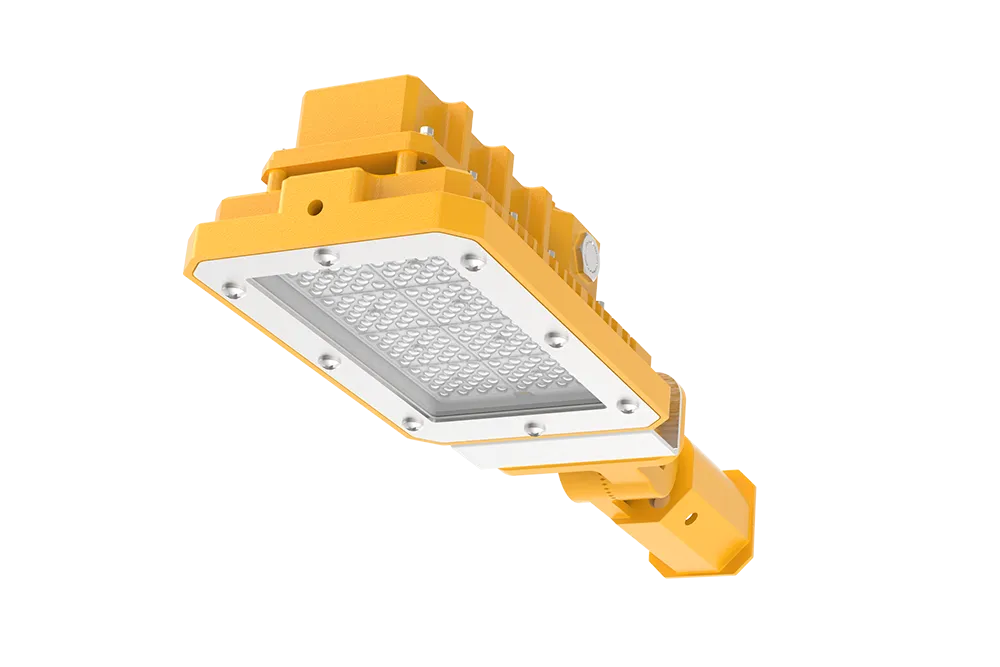
ATEX: II 3G Ex nR ⅡC T5/T6 GcII 3D Ex tc ⅢC T80℃/T95℃Dc ATEX Certificate NO: TÜV CY 26 ATEX 0207611 X Feature: ● For Zone 2 and Zone 22● 150W can replace 250W HID lamps,Energy saving● Power:50W,75W,100W,150W,200W Application: Oil and gas, marine, Chemical, pharmaceutical, semiconductor,mining,military industry, paint booth,power plant ETC…
View details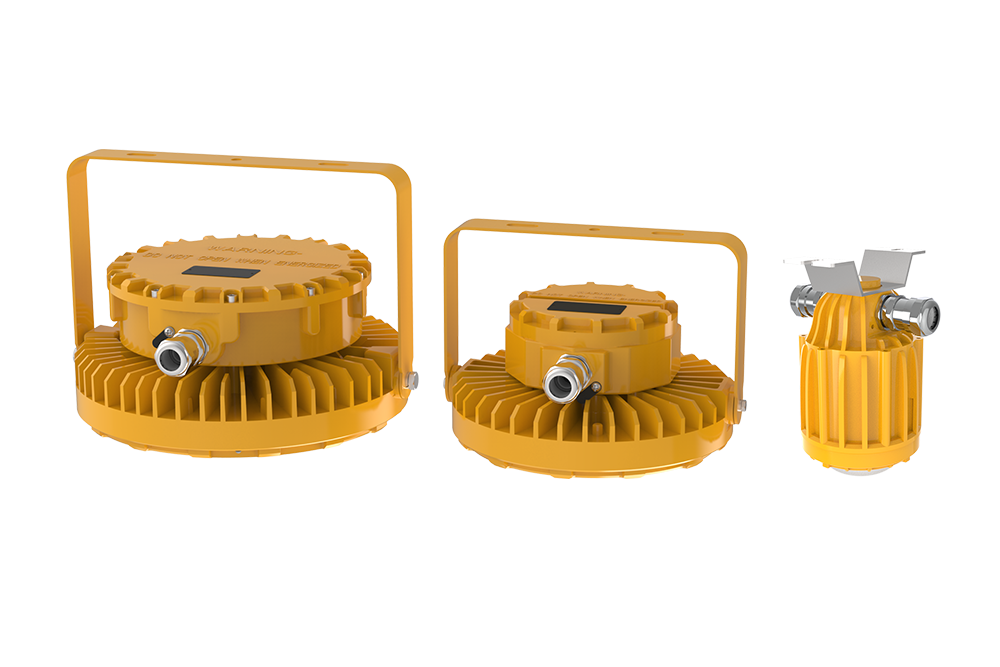
LED explosion proof high bay lights are designed for Zone 1, Zone 2, Zone 21 and Zone 22 hazardous areas. This page introduces the HB21 Series from SEEKING, including certifications, power options and real application considerations.
View details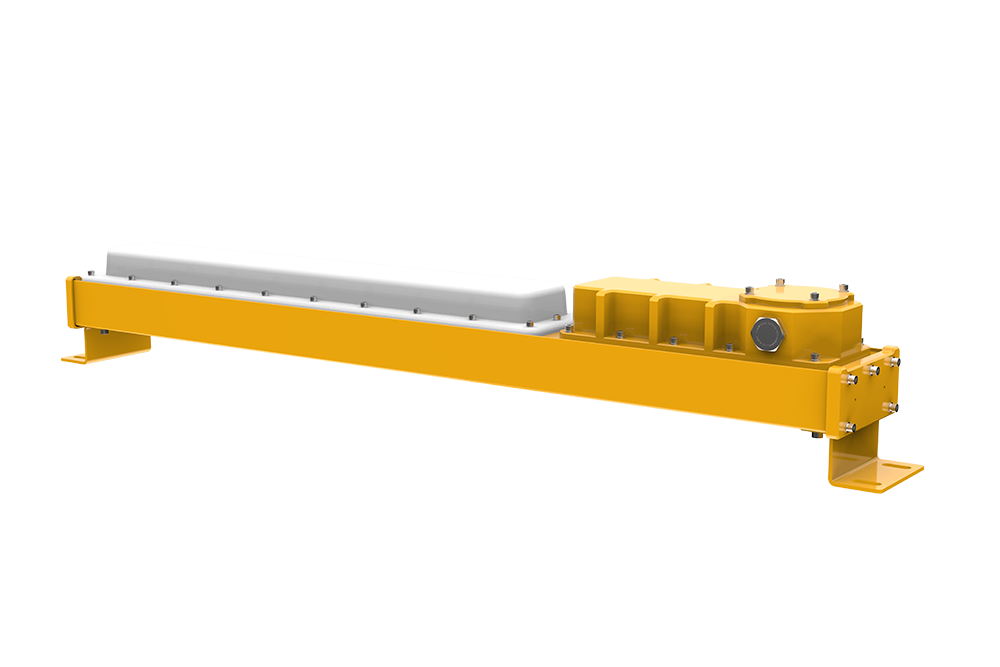
LED Linear Explosion Proof Lights from SEEKINGLED. LU Series Flame Proof lights ATEX-certified explosion proof LED linear lighting for Zone 2 gas and Zone 22 dust areas, IP69K, IK10, long lifetime and flexible power options.
View details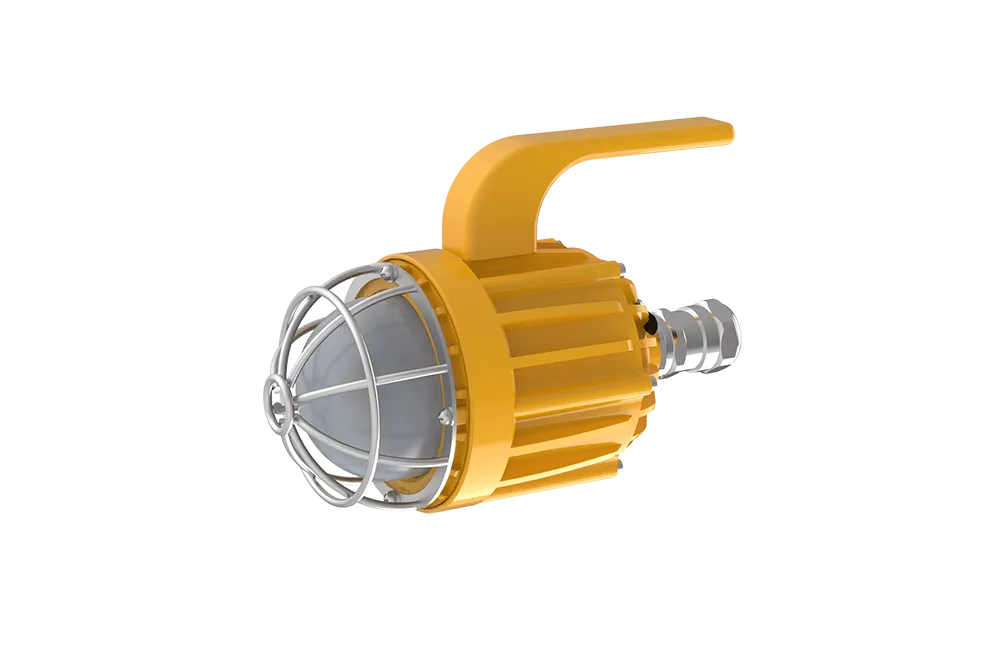
Certified explosion proof work lights for Zone 1 & 21 hazardous areas. Portable, ATEX & IECEx approved, built for oil, gas and chemical plants by SEEKINGLED.
View details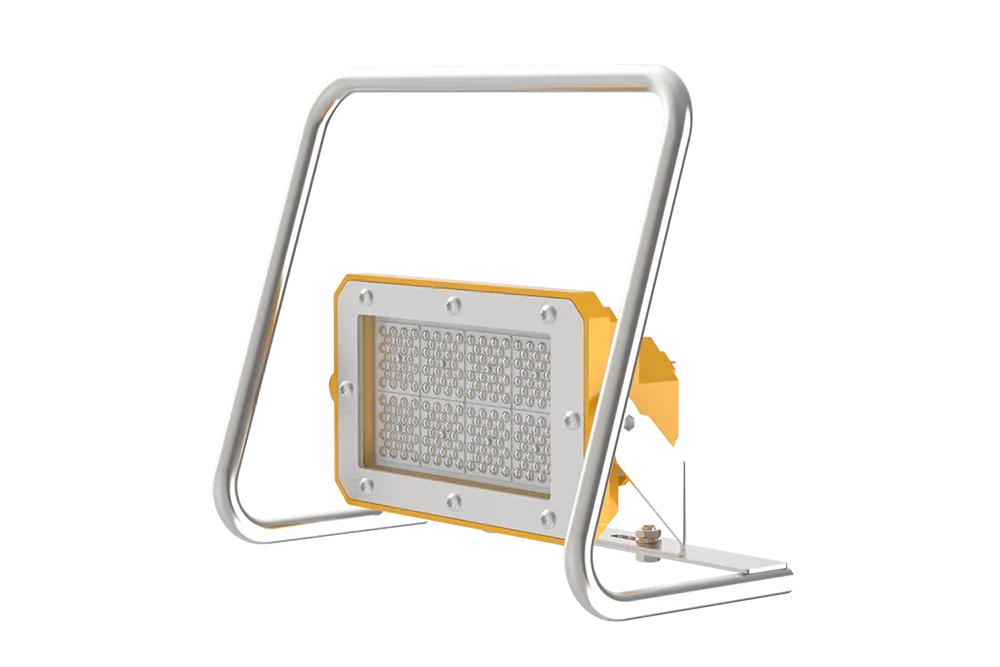
ATEX: II 3G Ex nR ⅡC T6 GcII 3D Ex tc ⅢC T80℃ Dc ATEX Certificate NO: TÜV CY 26 ATEX 0207611 X Feature: ● For Zone 2 and Zone 22● Accepts battery-powered supply● indestructible● Power:AC input:50W,75W,100WDC input:15W,25W,35W Application: Oil and gas, marine, Chemical, pharmaceutical, semiconductor,mining,military industry, paint booth,po…
View details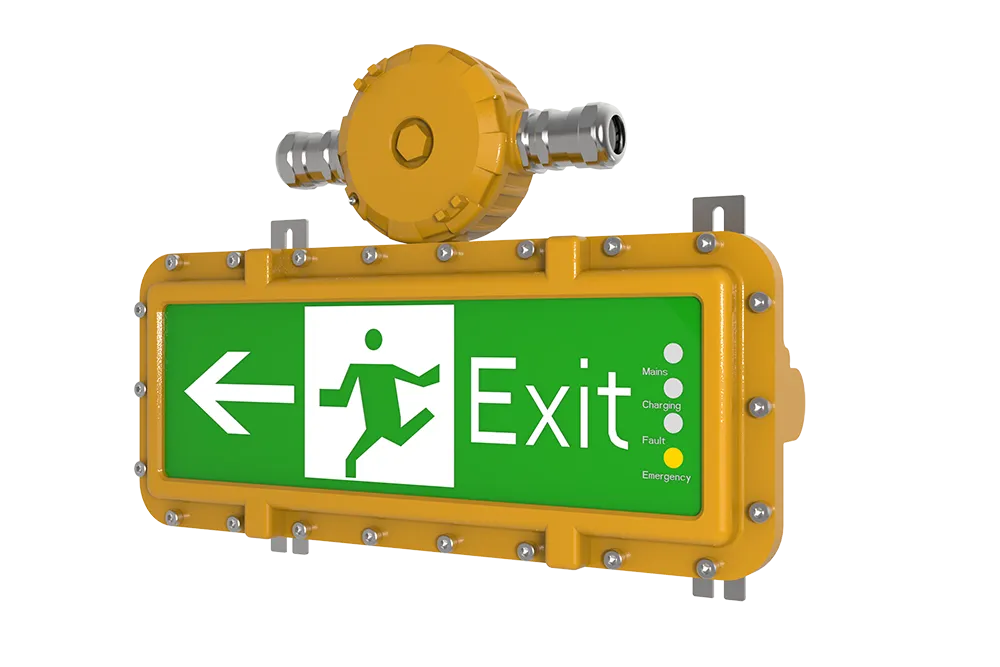
ATEX: Ex II 2G Ex db IIB T6 GbEx II 2D Ex tb IIIC T80°C Db IECEx Ex db IIB T6 Gb;Ex tb IIIC T80°C Db Feature: ● For Zone 1,2 and Zone 21,22● Flameproof type, the strongest Application: Oil and gas, marine, Chemical, pharmaceutical, semiconductor,mining,military industry, paint booth,power plant ETC hazardous area. Technical Specifications:…
View details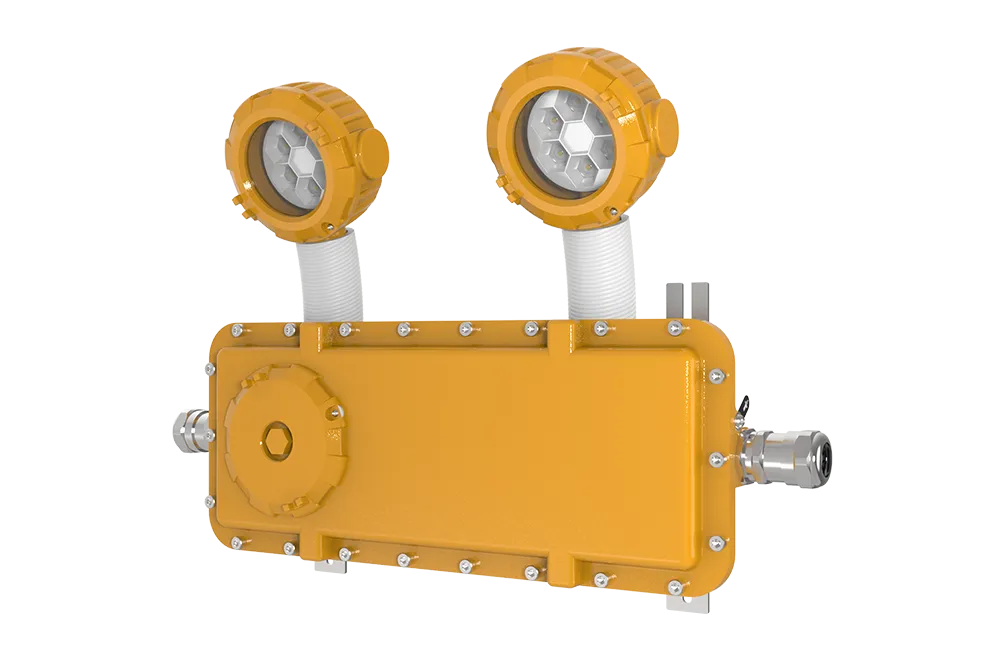
ATEX: Ex II 2G Ex db IIB T6 GbEx II 2D Ex tb IIIC T80°C Db IECEx Ex db IIB T6 Gb;Ex tb IIIC T80°C Db Feature: ● For Zone 1,2 and Zone 21,22● Flameproof type, the strongest Application: Oil and gas, marine, Chemical, pharmaceutical, semiconductor,mining,military industry, paint booth,power plant ETC hazardous area. Technical Specifications:…
View details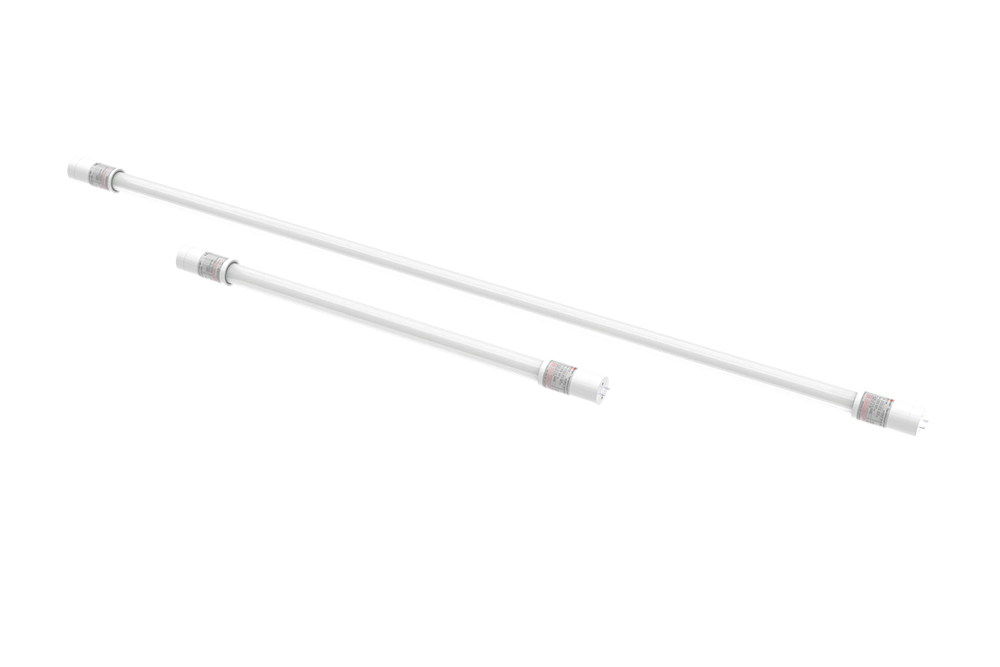
ATEX: Ex II 2G Ex d e IIB T6 Gb ATEX: Ex d e IIB T6 Gb; Feature: ● For Zone 1,2● 9W can replace 18W fluorescent lamps,50% Energy saving Application: Oil and gas, marine, Chemical, pharmaceutical, semiconductor,mining,military industry, paint booth,power plant ETC hazardous area. Technical Specifications: Standards:60079-0, 60079-1, 60079…
View details
What height should high bay LED lights be for warehouses, factories, and gyms? This Q&A explains mounting height ranges and real installation considerations.
View details
In hazardous locations such as petroleum, chemical plants, coal mines and pharmaceutical facilities, the installation method of explosion-proof lights directly affects lighting performance, operational safety and later maintenance. Different sites...
View details
Are LED lights AC or DC? The short answer hides real-world details. Learn how LED lights actually work, why drivers matter, and what SEEKINGLED uses.
View details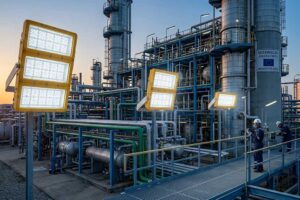
What Is ATEX Hazardous Lighting? Learn how ATEX-certified lighting protects hazardous areas, Zone 1 and Zone 2 locations, and industrial facilities worldwide.
View details