ATEX LED lighting isn’t something most people think about until they walk into a hazardous industrial environment for the first time.
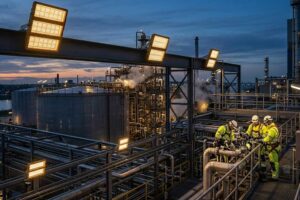
I remember stepping onto a refinery maintenance platform several years ago during a lighting audit. It was early evening, wind pushing through pipe racks, the smell of hydrocarbons faint but present. Overhead fixtures were old—metal halide units installed more than a decade earlier. Some had already dimmed noticeably. A few were out completely.
In that kind of place, lighting isn’t just about visibility. It’s about safety. Every fixture must be designed to operate without becoming an ignition source.
That’s exactly where ATEX LED lighting comes in.
Why Hazardous Locations Require ATEX Certified Lighting
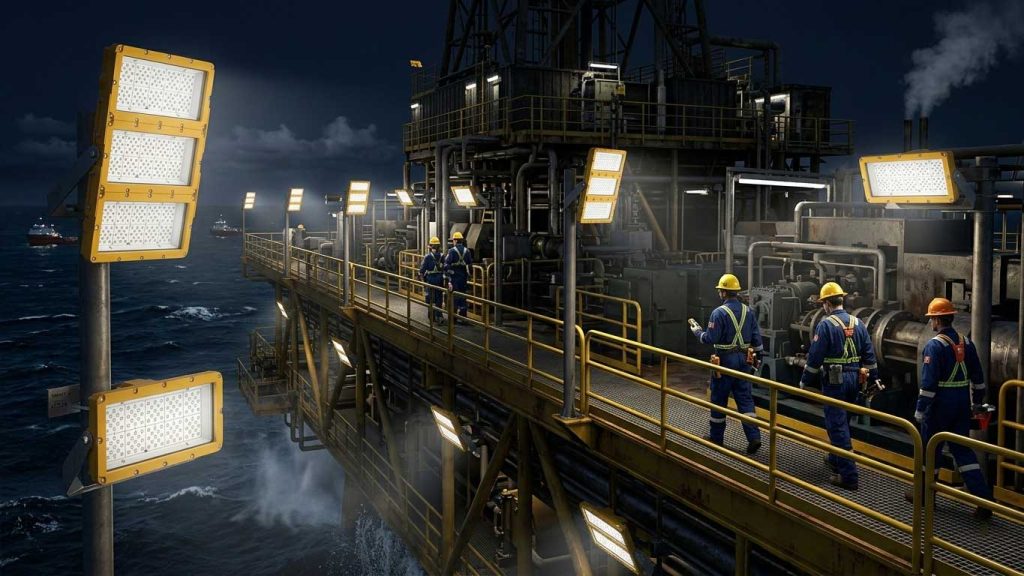
Industrial facilities like oil refineries, chemical plants, and offshore platforms often contain flammable gases or combustible dust.
Under certain conditions, those materials can ignite.
To prevent that, lighting equipment must comply with strict safety standards. In Europe and many international projects, those standards are governed by ATEX regulations, developed under the authority of the European Commission.
ATEX defines requirements for equipment used in potentially explosive atmospheres.
It classifies hazardous locations into categories such as:
- Zone 0 – continuous explosive atmosphere
- Zone 1 – explosive atmosphere likely during operation
- Zone 2 – explosive atmosphere unlikely but possible
Lighting fixtures installed in these environments must be engineered so that sparks, surface temperatures, or electrical failures cannot trigger ignition.
That’s the fundamental idea behind ATEX LED lighting.
From Metal Halide to LED: A Shift Happening Across Industry
For many years, hazardous locations relied on traditional explosion-proof lighting technologies—mostly high-pressure sodium or metal halide lamps.
They worked. But they also brought problems.
Warm-up times. Frequent lamp replacement. High energy consumption.
LED technology changed that equation.
According to research reported by the U.S. Department of Energy, industrial LED lighting systems can reduce energy consumption by 50–70% compared with traditional lighting technologies, depending on the application.
For large facilities operating 24 hours a day, that reduction matters.
In recent years, many operators have been gradually replacing older fixtures with modern ATEX LED lighting systems designed for hazardous environments.
Real Conditions Inside a Refinery
People sometimes imagine hazardous areas as extremely bright environments.
The reality can be quite different.
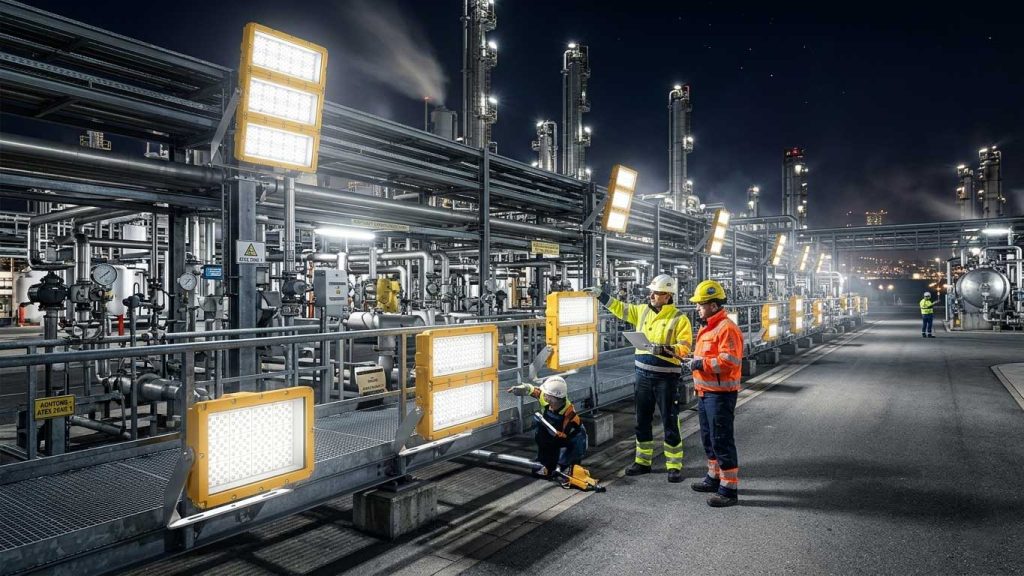
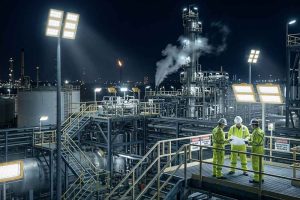
Pipe corridors, compressor stations, and loading terminals often contain complicated structures—valves, ladders, maintenance platforms. Shadows form easily.
During one inspection I participated in, technicians complained about the same thing repeatedly: glare and uneven light. Some fixtures were powerful, but the beam distribution was poorly controlled.
That experience shaped how I evaluate atex led lighting today.
Brightness alone doesn’t solve the problem. Optical design matters just as much.
Fixtures need to deliver controlled illumination that reaches working surfaces without creating harsh glare.
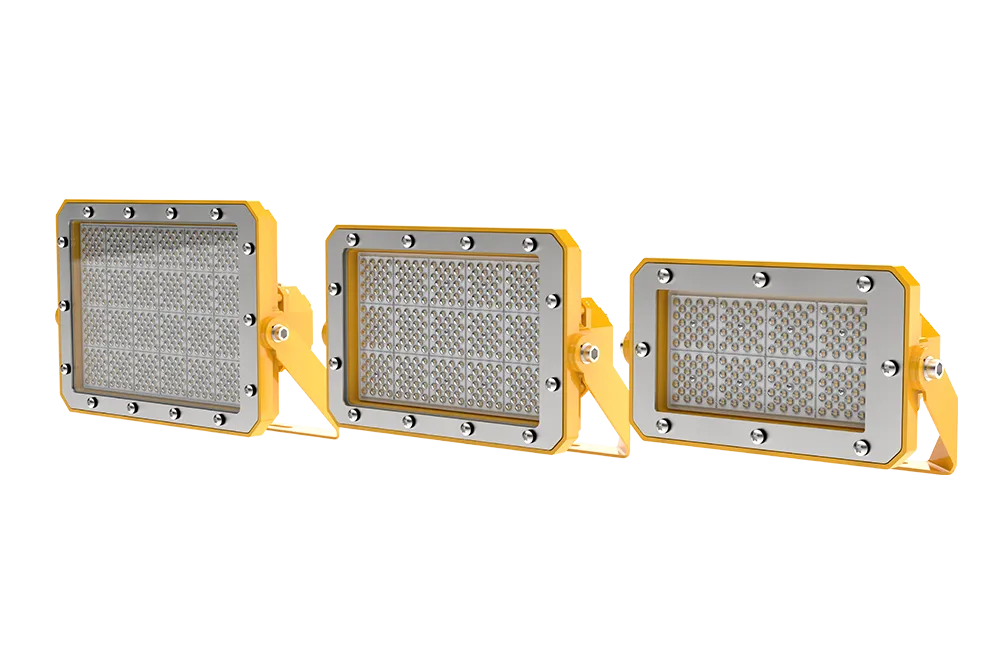
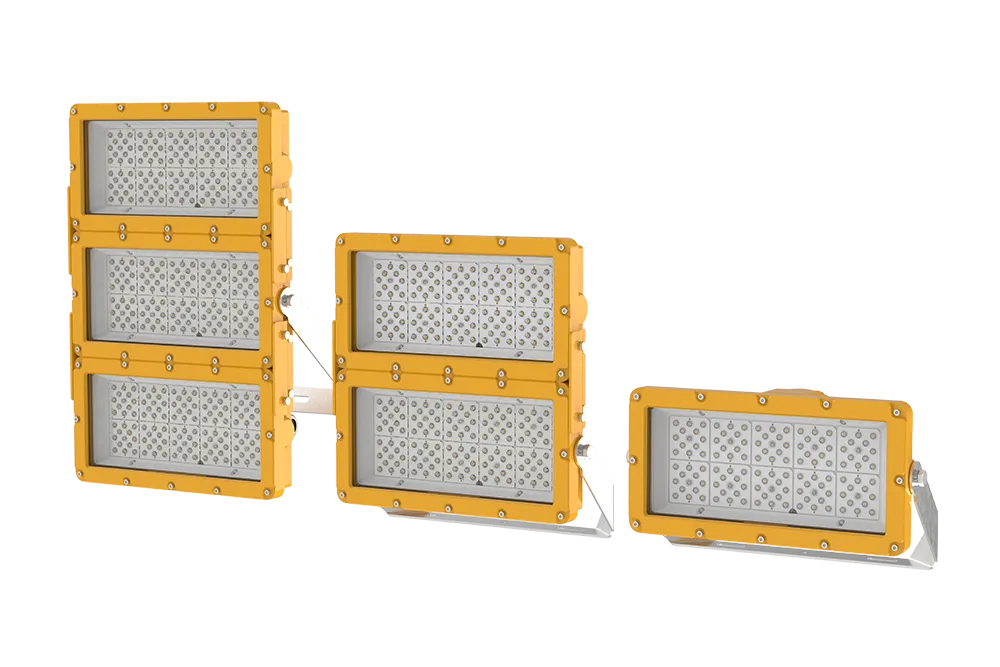
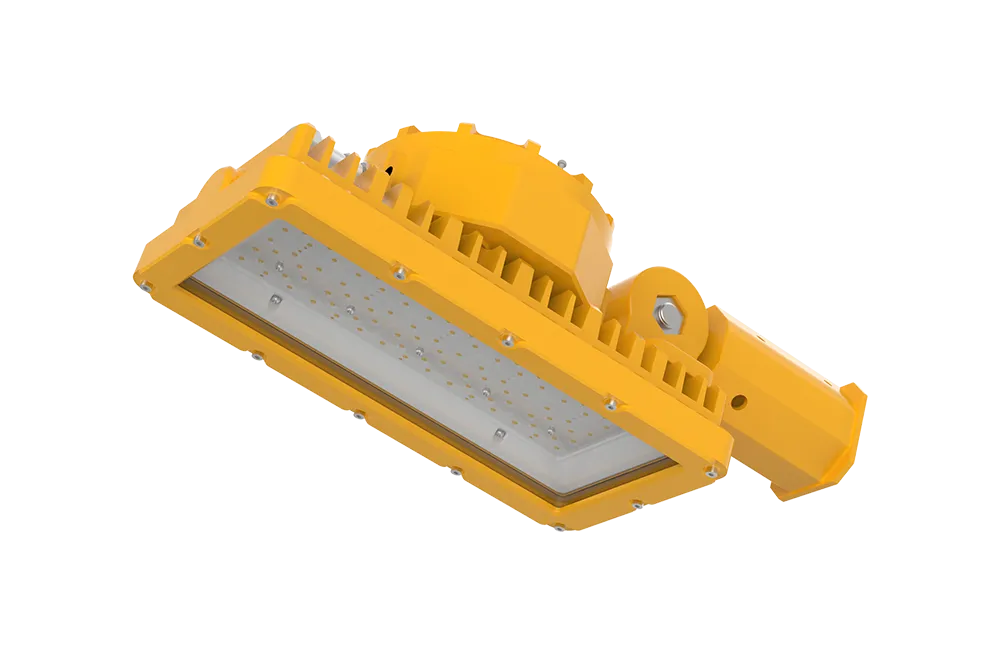
Manufacturers like SEEKINGLED design explosion-proof LED luminaires specifically with that in mind—combining durable housings with carefully engineered beam angles.
The Engineering Behind ATEX LED Lighting
From the outside, many explosion-proof lights look heavy and overbuilt. That impression isn’t wrong.
The design requirements are strict.
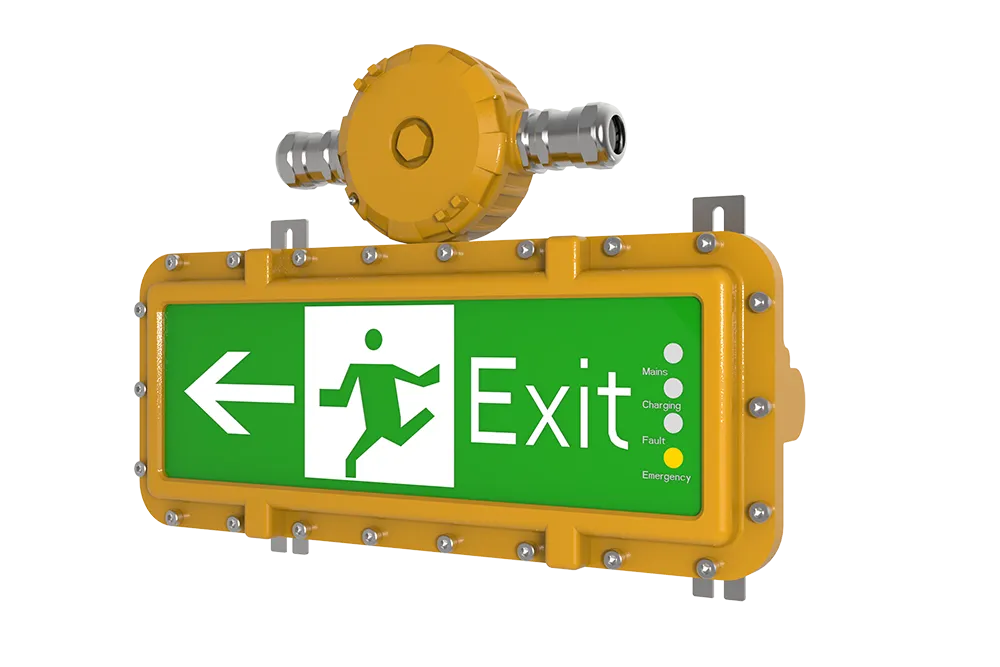
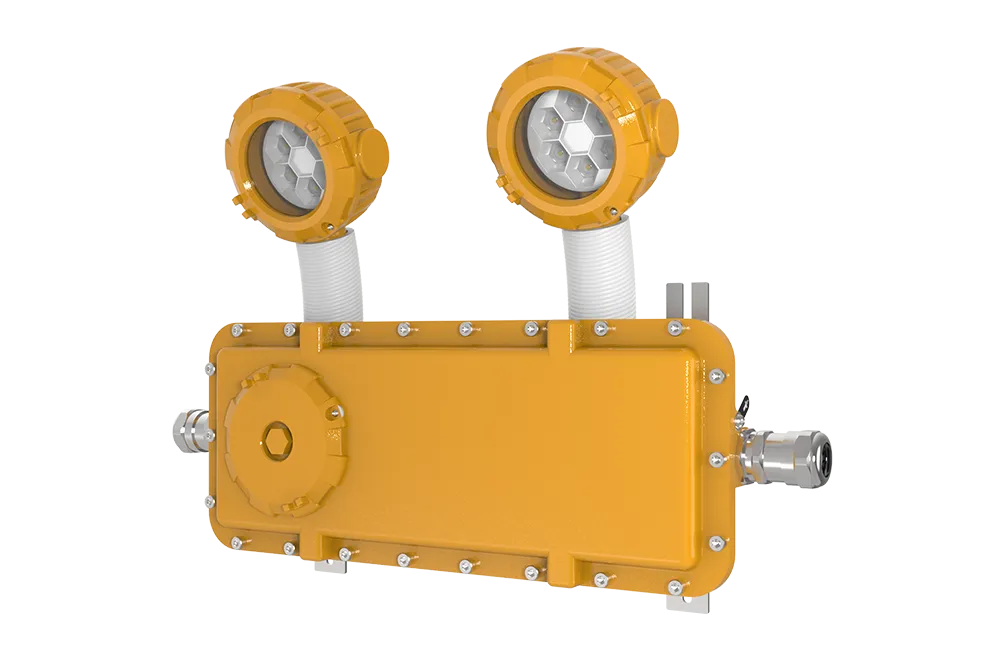
A proper atex led lighting fixture usually includes several critical elements:
Explosion-proof housing
Thick aluminum or stainless steel enclosures contain any internal ignition.
Temperature control
Surface temperatures must remain below levels that could ignite surrounding gases.
Sealed electrical components
Preventing sparks or arcs from reaching the outside atmosphere.
Impact-resistant glass lenses
Industrial environments can be rough.
Each of these design factors contributes to safe operation in hazardous zones.
Durability Matters More Than People Expect
Maintenance teams working in hazardous facilities rarely want to replace lighting fixtures.
Access can be difficult. Sometimes scaffolding or shutdown procedures are required.
This is why long service life has become a major selling point for modern atex led lighting.
Many industrial LED systems now offer lifetimes exceeding 50,000 operating hours under normal conditions.
For facilities running continuous operations, that reliability significantly reduces maintenance interruptions.
It’s one reason companies like SEEKINGLED emphasize thermal management and industrial-grade drivers in their hazardous-area lighting designs.
Lighting Uniformity Is Often Overlooked
Another detail many project planners miss is lighting uniformity.
In hazardous environments, workers perform precise tasks—checking valves, reading gauges, inspecting equipment.
Uneven lighting increases risk.
Organizations such as the International Electrotechnical Commission publish technical standards covering electrical safety and equipment performance in hazardous locations.
While those standards primarily focus on safety, lighting designers often combine them with illumination guidelines to ensure working surfaces remain clearly visible.
That balance—safety plus usability—is exactly what modern atex led lighting systems aim to deliver.
The Direction Industrial Lighting Is Moving
The industrial sector doesn’t change overnight. But the trend is clear.
Facilities across oil, gas, petrochemical, and pharmaceutical sectors are gradually upgrading their lighting infrastructure.
Energy efficiency plays a role. So does maintenance cost.
But safety is still the primary driver.
Modern atex led lighting combines explosion-proof engineering with the advantages of LED technology—long life, stable output, and improved visibility.
And when those systems are designed correctly, the difference becomes obvious the moment the lights switch on.
atex led lighting recommended
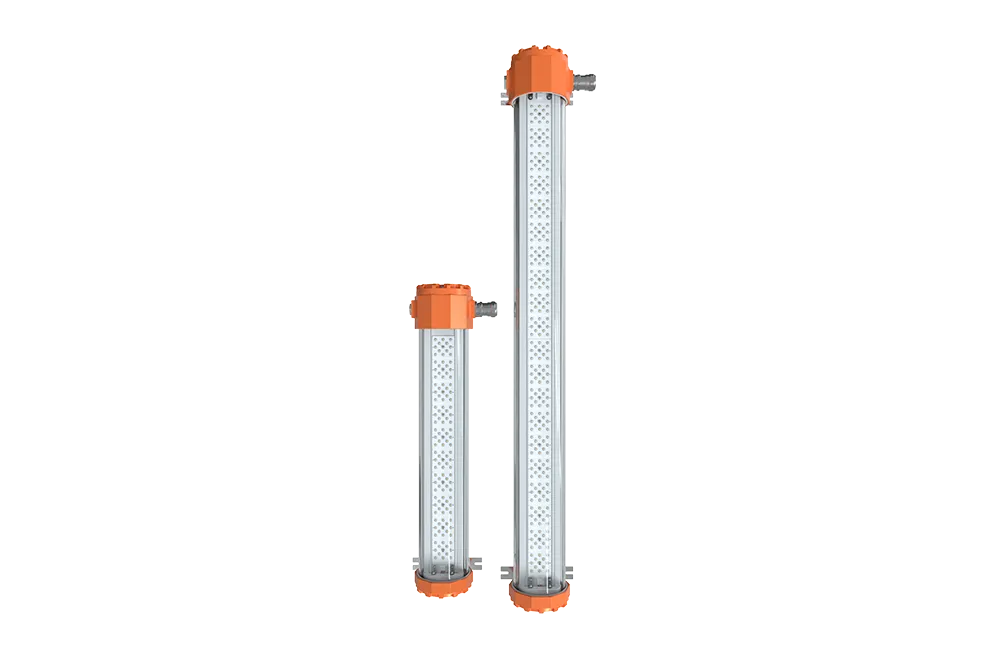
SEEKINGLED LED Linear Explosion Proof Light and Explosion Proof lighting is ATEX and IECEx certified for Zone 1, Zone 2, Zone 21 and Zone 22 hazardous locations, built for long-term industrial use.
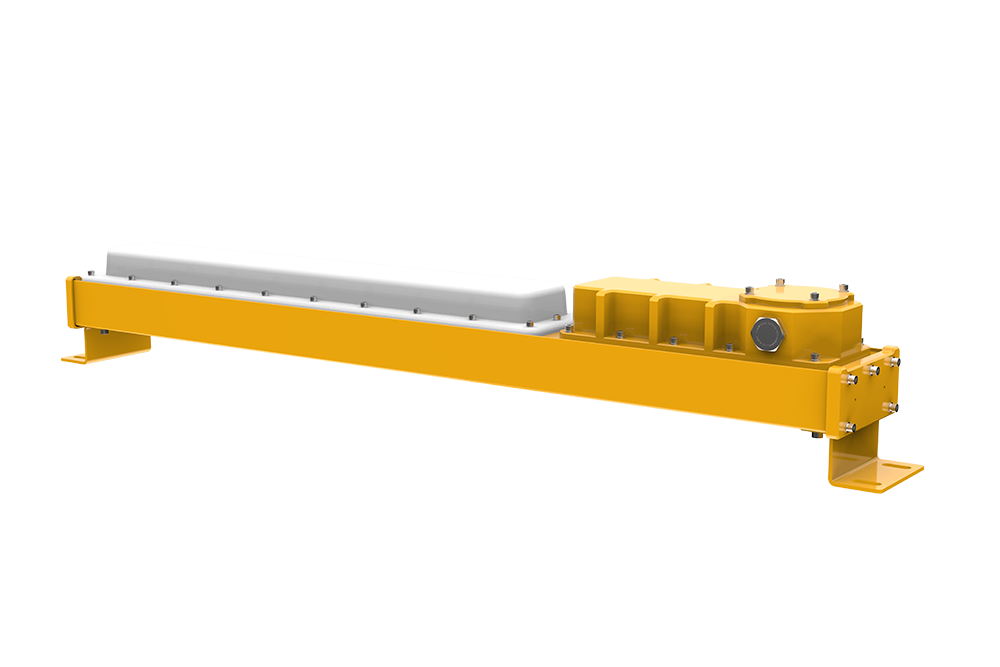
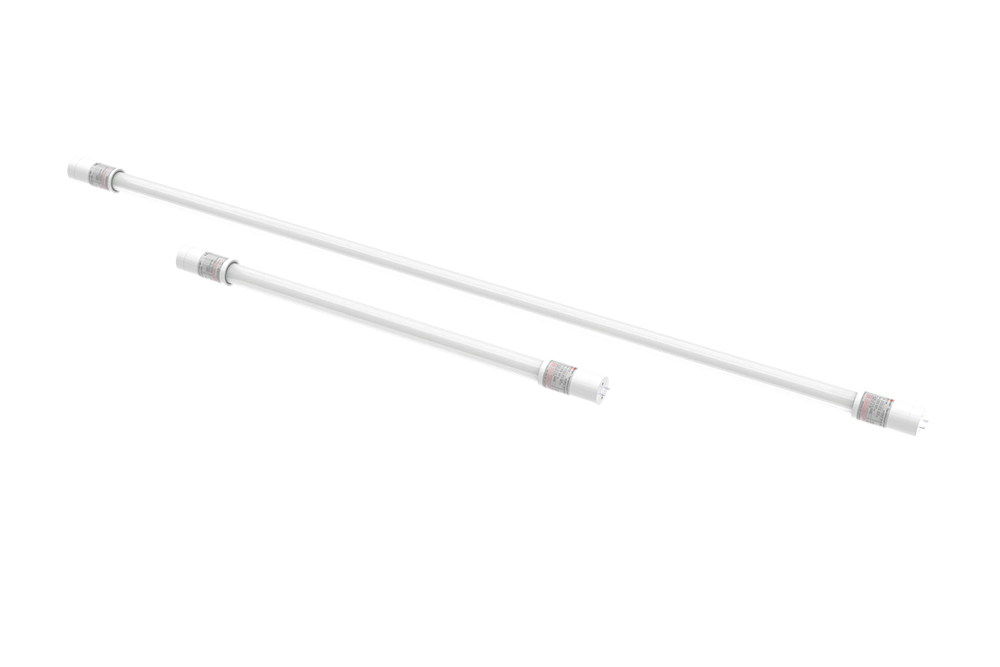
LED Linear Explosion Proof Lights and EX Proof lights for Zone 1, Zone 2, Zone 21 and Zone 22 hazardous areas. ATEX & IECEx certified explosion proof LED linear lighting with emergency function, adjustable power and IP67 protection by SEEKINGLED.
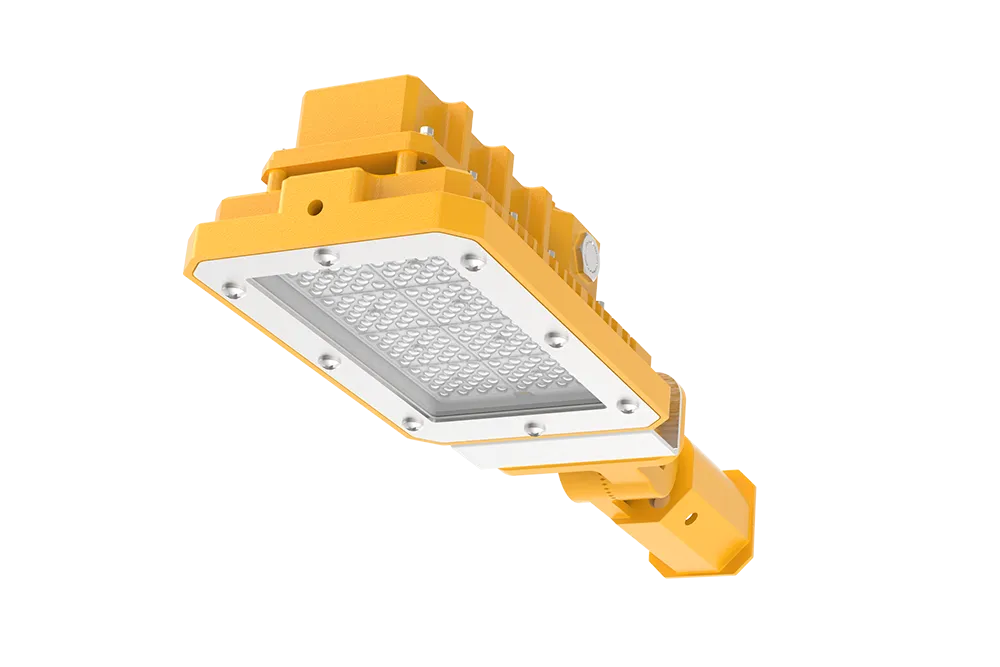
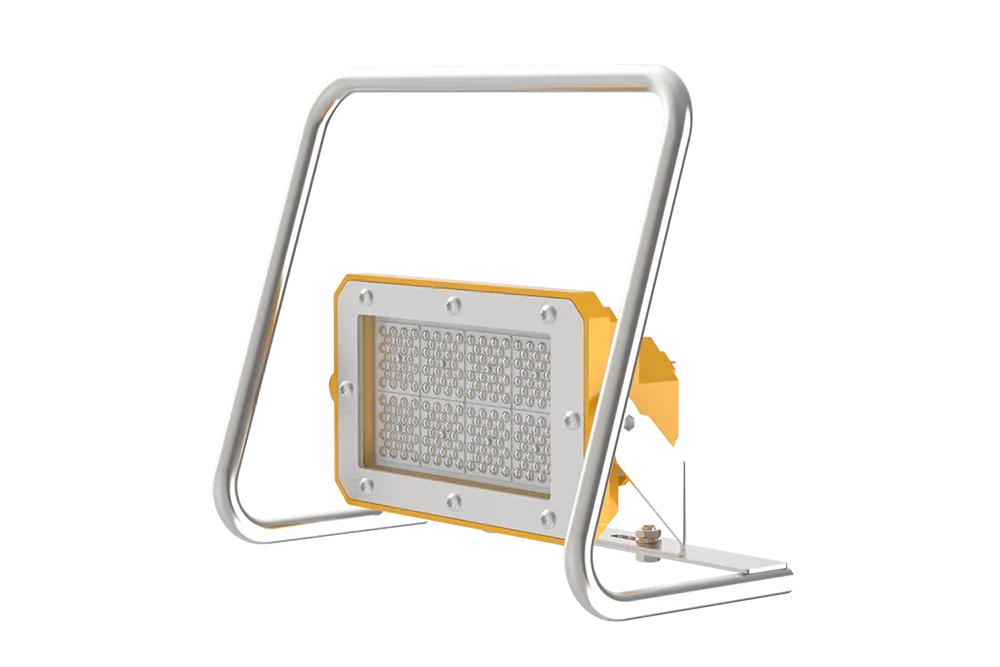
SEEKINGLED LED Explosion Proof Flood Lights are ATEX certified for Zone 2 and Zone 22 hazardous areas, offering high efficiency, adjustable power and integrated junction box.
SEEKINGLED LED Explosion Proof Flood Lights are flameproof ATEX and IECEx certified for Zone 1 and Zone 2 hazardous areas, offering high power, adjustable output and long service life.
SEEKINGLED LED Gas Station Canopy Lights are ATEX certified for Zone 2 and Zone 22 hazardous areas, featuring adjustable power and built-in explosion-proof junction box.
ATEX: Ex II 2G Ex db IIB T6/T5 GbEx II 2D Ex tb IIIC T80°C/ T95°C Db IECEx Ex db IIB T6 Gb;Ex tb IIIC T80°C Db Feature: ● For Zone 1,2 and Zone 21,22● Flameproof type, the strongest● 100W can replace 250W HID,energy saving● Power:60W,80W,10…
ATEX: II 3G Ex nR ⅡC T5/T6 GcII 3D Ex tc ⅢC T80℃/T95℃Dc ATEX Certificate NO: TÜV CY 26 ATEX 0207611 X Feature: ● For Zone 2 and Zone 22● 150W can replace 250W HID lamps,Energy saving● Power:50W,75W,100W,150W,200W Application: Oil and gas, m…
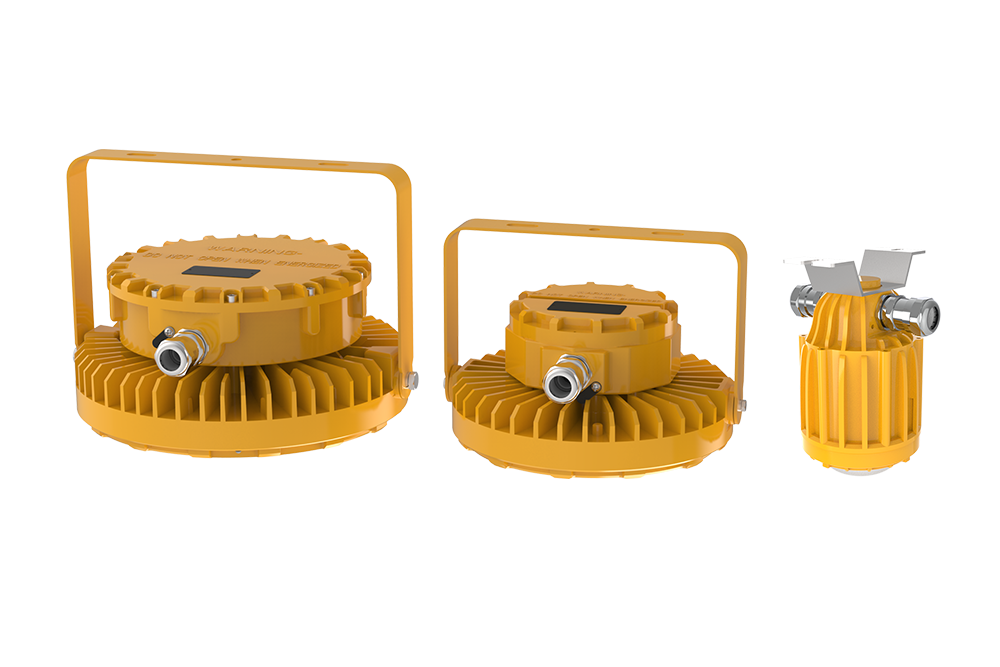
LED explosion proof high bay lights are designed for Zone 1, Zone 2, Zone 21 and Zone 22 hazardous areas. This page introduces the HB21 Series from SEEKING, including certifications, power options and real application considerations.
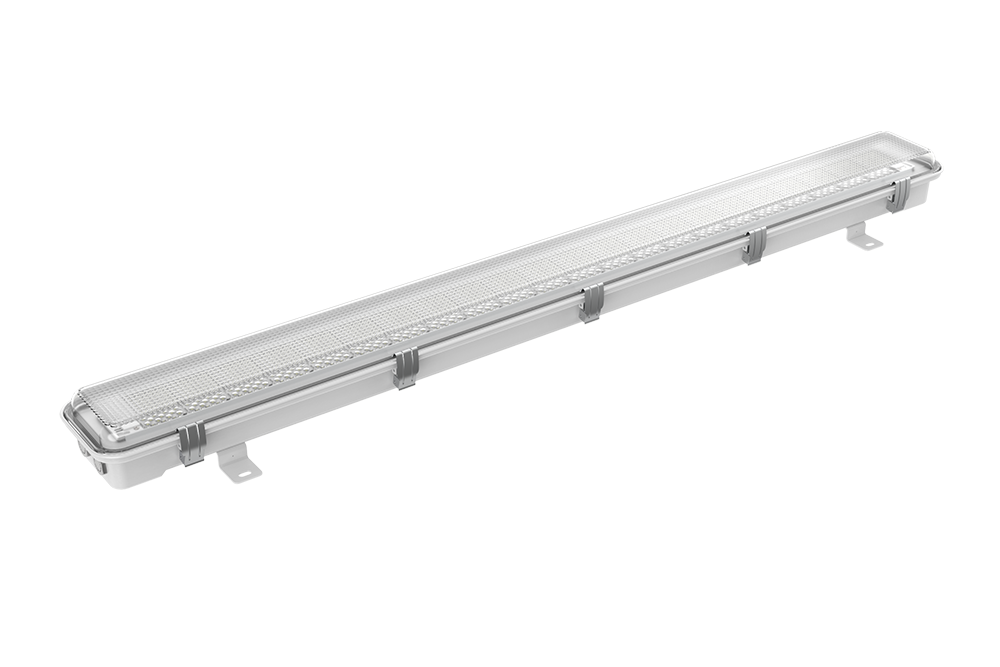
LED Linear Explosion Proof Lights from SEEKINGLED. LU Series Flame Proof lights ATEX-certified explosion proof LED linear lighting for Zone 2 gas and Zone 22 dust areas, IP69K, IK10, long lifetime and flexible power options.
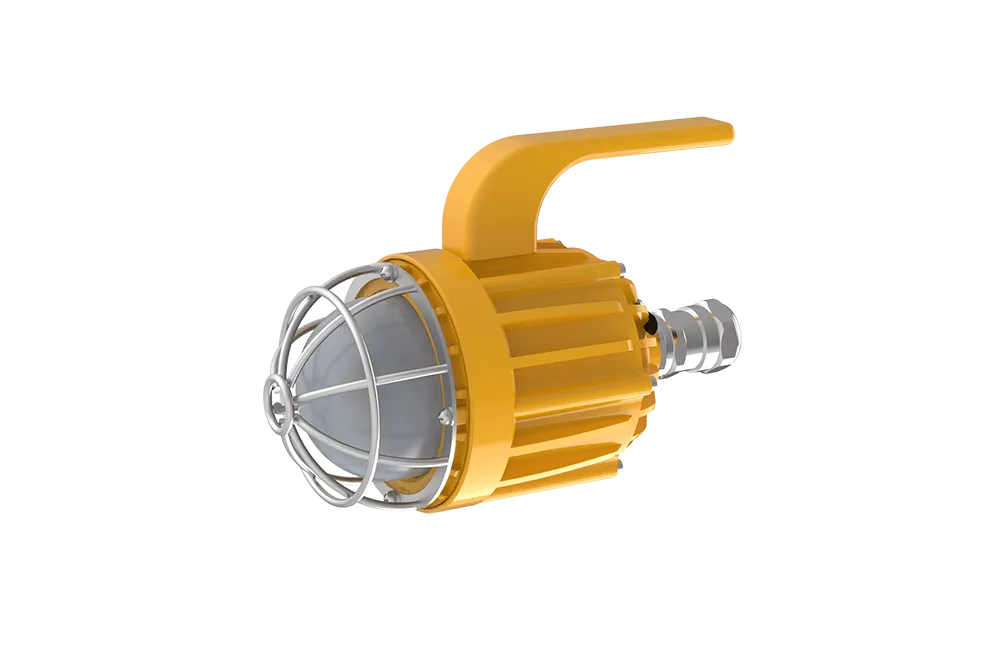
Certified explosion proof work lights for Zone 1 & 21 hazardous areas. Portable, ATEX & IECEx approved, built for oil, gas and chemical plants by SEEKINGLED.
ATEX: II 3G Ex nR ⅡC T6 GcII 3D Ex tc ⅢC T80℃ Dc ATEX Certificate NO: TÜV CY 26 ATEX 0207611 X Feature: ● For Zone 2 and Zone 22● Accepts battery-powered supply● indestructible● Power:AC input:50W,75W,100WDC input:15W,25W,35W Application: O…
ATEX: Ex II 2G Ex db IIB T6 GbEx II 2D Ex tb IIIC T80°C Db IECEx Ex db IIB T6 Gb;Ex tb IIIC T80°C Db Feature: ● For Zone 1,2 and Zone 21,22● Flameproof type, the strongest Application: Oil and gas, marine, Chemical, pharmaceutical, semicondu…
ATEX: Ex II 2G Ex db IIB T6 GbEx II 2D Ex tb IIIC T80°C Db IECEx Ex db IIB T6 Gb;Ex tb IIIC T80°C Db Feature: ● For Zone 1,2 and Zone 21,22● Flameproof type, the strongest Application: Oil and gas, marine, Chemical, pharmaceutical, semicondu…
ATEX: Ex II 2G Ex d e IIB T6 Gb ATEX: Ex d e IIB T6 Gb; Feature: ● For Zone 1,2● 9W can replace 18W fluorescent lamps,50% Energy saving Application: Oil and gas, marine, Chemical, pharmaceutical, semiconductor,mining,military industry, pain…
loading…
This is the last post!
 Seeking LED