 Seeking LED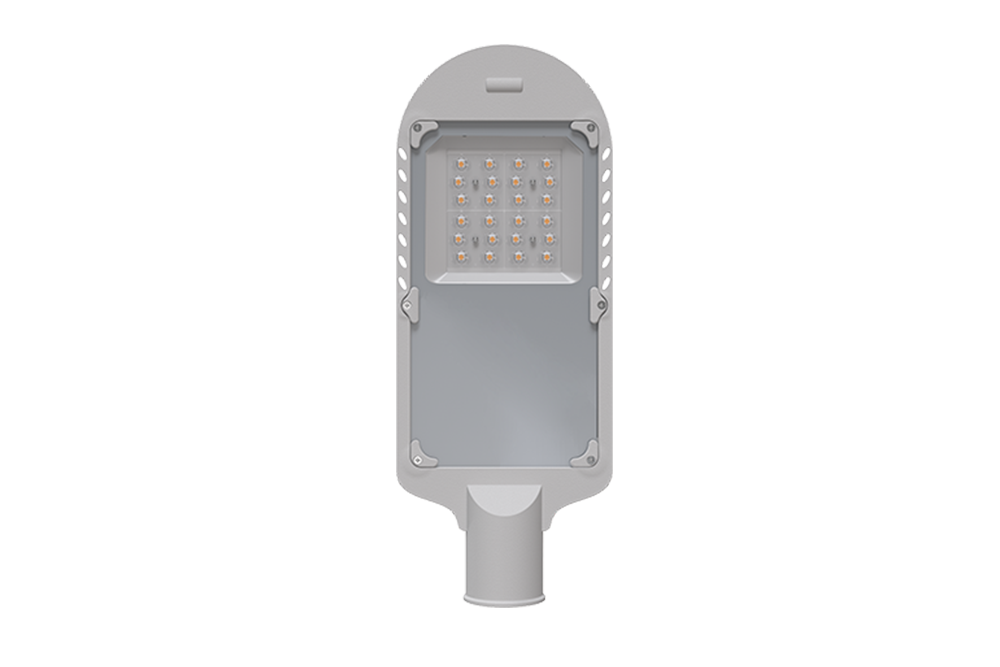
UFO High Bay LED Lights Built for Long-Hour Industrial Operation
200UFO high bay LED lights designed for real industrial use. Up to 200 lm/W efficiency, stable SOSEN drivers, and proven thermal design by SEEKINGLED.
View detailsSearch the whole station
People ask this question more often than you’d expect:
what is LED street light, really?
Not “what does LED stand for.”
Not “is it energy-saving.”
They want to know what makes it different when it’s actually up on a pole, running every night, through rain, heat, dust, and years of abuse.
From the perspective of SEEKINGLED, an LED street light is not just a lamp. It’s a system. And if you treat it like a bulb, problems follow.
An LED street light is a roadway lighting fixture that uses light-emitting diodes as the light source, combined with optics, a driver, thermal management, and housing designed for continuous outdoor operation.
That last part matters.
In real projects, the LED chip itself is only one piece. What defines a good Municipal LED Street Lighting is how all parts work together after 30,000, 50,000, even 80,000 hours.
Here’s the simple version — without pretending it’s magic.
Miss any one of these, and performance drops. Slowly at first. Then suddenly.
At SEEKINGLED, we’ve replaced many “cheap LED street lights” that failed early. The issue was rarely the LED itself. It was heat. Or drivers. Or optics that didn’t match road geometry.
There are three real reasons. Not marketing reasons.
Traditional HID street lights lose output fast. LEDs degrade slower — if designed properly. A quality LED street light can maintain usable illumination for over a decade.
With LED optics, you light the road. Not the sky. Not bedroom windows. This helps cities meet dark-sky and glare regulations.
It’s not about “never replacing lights.” That’s unrealistic.
It’s about fewer night callouts, fewer lift trucks, fewer emergency repairs.
That’s where the cost savings actually come from.
You’ll find LED street lighting systems in:
And no, one model doesn’t fit all. Road width, pole height, mounting angle — these change everything.
This is why we don’t recommend copying specs blindly. On paper, many lights look similar. On the road, they behave very differently.
No. And anyone who says otherwise hasn’t handled enough failures.
Differences show up in:
We’ve seen LED street lights that looked fine for the first year — then shifted color, flickered, or lost output. That’s not “LED aging.” That’s poor system design.
SEEKINGLED focuses heavily on long-term performance because 200 watt street isn’t decorative. Once installed, it’s expected to work quietly for years.
So, what is LED street light?
It’s not just a modern replacement for old lamps.
It’s a long-term infrastructure component that depends on engineering discipline, not buzzwords.
When done right, LED street lights deliver stable light, controlled distribution, and predictable maintenance. When done wrong, they become blue, dim, or unreliable — and everyone notices.
That difference doesn’t show up on spec sheets. It shows up on the street.
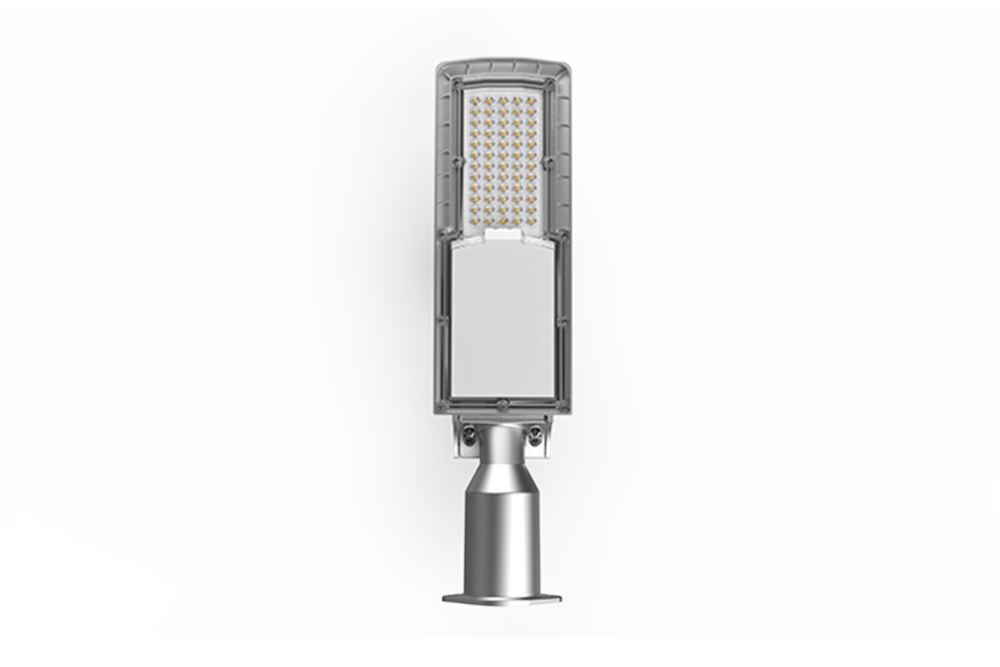
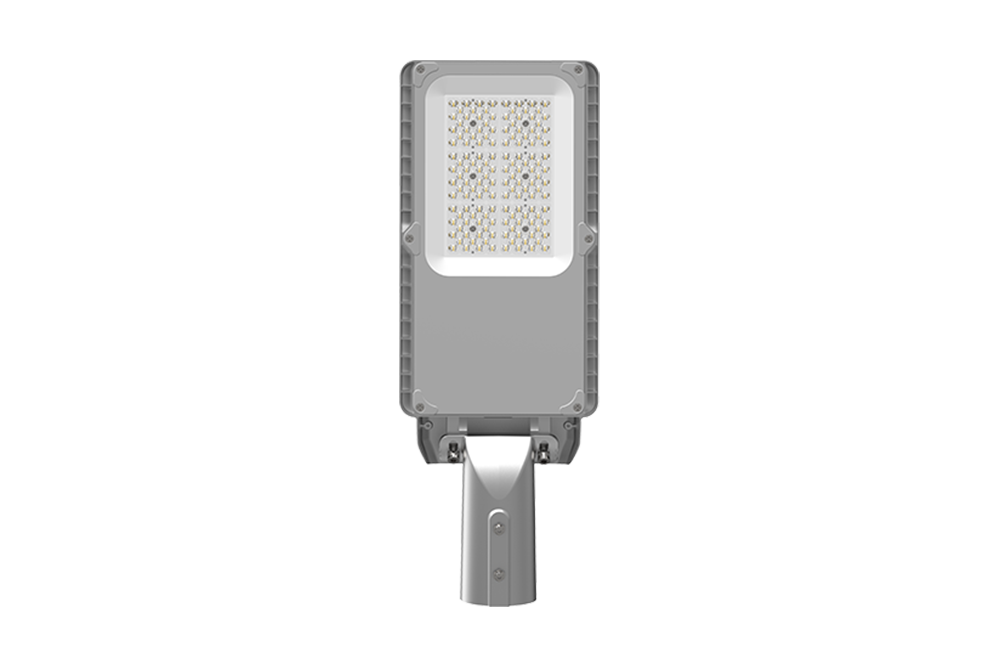
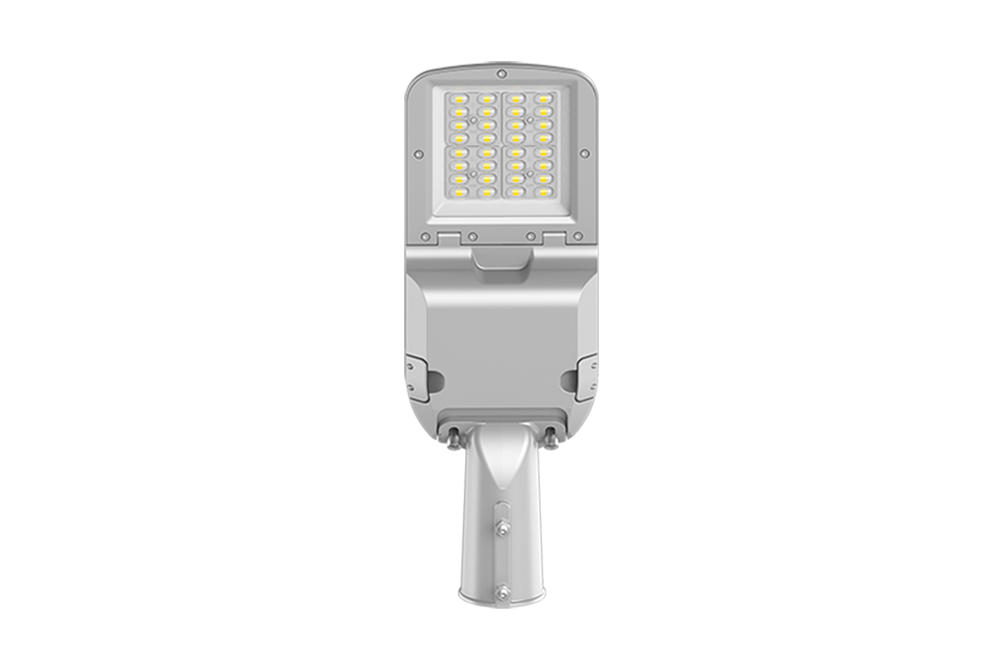
SEEKING STL-Series LED street lights deliver stable performance, 170 lm/W efficiency and 10KV surge protection. Ideal for city streets, parking lots, public roads and outdoor area lighting projects. Durable IP66 & IK08 design for long-term reliabi…
The SEEKING STC Series LED light street light delivers up to 170lm/W efficiency with MOSO drivers, IP66 protection, and a ±15° adjustable arm—ideal for roads, residential areas, and public lighting upgrades.
SEEKING STB Series LED street lighting delivers up to 160 lm/W, 10kV surge protection, IP66 waterproofing, and durable IK08 impact resistance. Ideal for streets, parking lots, and large outdoor areas needing long-lasting, energy-saving LED roadway…
The SEEKING STA Series LED street light delivers strong efficiency, IP66 protection, 10kV surge resistance and multiple beam patterns for roads, parking lots and urban areas. High lumen output, easy installation and reliable performance for long-t…
loading…
This is the last post!
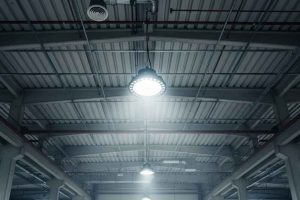
UFO high bay LED lights designed for real industrial use. Up to 200 lm/W efficiency, stable SOSEN drivers, and proven thermal design by SEEKINGLED.
View details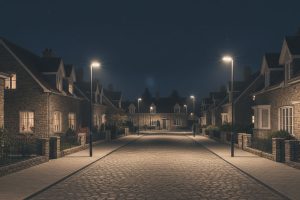
A 50W LED street light delivering up to 170 lm/W for roads, parks, and residential areas. Reliable performance and long service life by SEEKINGLED.
View details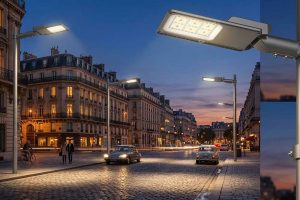
how much does a street light weigh? Discover real weight ranges for poles and fixtures, with expert insights on installation, materials, and structural design.
View details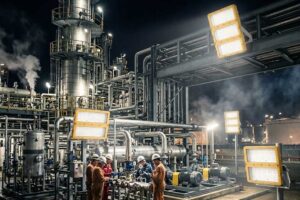
What is an ATEX Zone 1 floodlight? Learn how ATEX-certified floodlights safely illuminate hazardous gas environments in refineries, offshore platforms, and chemical plants.
View details