LED High Bay Spacing Chart by Ceiling Height—How Far Apart Is Too Far?
Question & Answer
What is an LED high bay spacing chart by ceiling height, and how should it really be used?
An LED high bay spacing chart by ceiling height is supposed to be simple.
Look up the ceiling height.
Follow the spacing number.
Done.
That’s the theory.
In practice, spacing charts are guidelines, not instructions. Used correctly, they prevent dark zones and glare. Used blindly, they create both.
Why Ceiling Height Comes First (But Not Last)
Ceiling height controls how light spreads before it hits the working plane.
Higher ceilings demand tighter control. Lower ceilings punish wide spacing quickly.
A spacing chart helps you avoid obvious mistakes—but it doesn’t replace judgment.
That’s where most layouts fail.
Typical LED High Bay Spacing Chart by Ceiling Height
Below is a realistic starting range, not a promise:
- 20–25 ft ceiling: 12–15 ft spacing
- 25–30 ft ceiling: 14–18 ft spacing
- 30–35 ft ceiling: 16–20 ft spacing
- 35–40 ft ceiling: 18–22 ft spacing
These ranges assume:
- Standard beam angles
- Open warehouse layouts
- No extreme racking density
Change any of those, and the chart bends.
Where Spacing Charts Go Wrong
The biggest issue isn’t math.
It’s context.
We’ve seen warehouses spaced perfectly “by the chart” that still felt dim between aisles. Why? Because the chart didn’t know about tall racks, reflective floors, or forklift sightlines.
Spacing charts don’t see shadows. People do.
Spacing vs Beam Angle: The Quiet Relationship
Spacing only works if the beam angle supports it.
Wide beam + wide spacing = soft center, dark edges
Narrow beam + wide spacing = spotlight effect
This is why spacing charts must be read with optics in mind, not after.
At SEEKINGLED, spacing is never decided alone. It’s always paired with beam control.
A Common Mistake: Stretching Spacing to Save Fixtures
It’s tempting.
One less row.
One less circuit.
Lower upfront cost.
But stretching spacing past the safe range usually creates:
- Uneven brightness
- Eye fatigue
- Complaints that appear weeks later
Lighting that looks “fine” on day one often fails under daily use.
How SEEKINGLED Uses Spacing Charts Differently
We treat the LED high bay spacing chart by ceiling height as a boundary, not a goal.
First question we ask:
“Where do people actually look and move?”
Only after that do spacing numbers matter.
That mindset avoids the classic trap—good averages, bad experience.
Final Takeaway
Spacing charts are useful. Necessary, even.
But they don’t replace thinking.
If your layout relies only on a chart and not on how the space behaves, you’re guessing. And lighting shouldn’t be a guess.
LED high bay light Product Recommendation
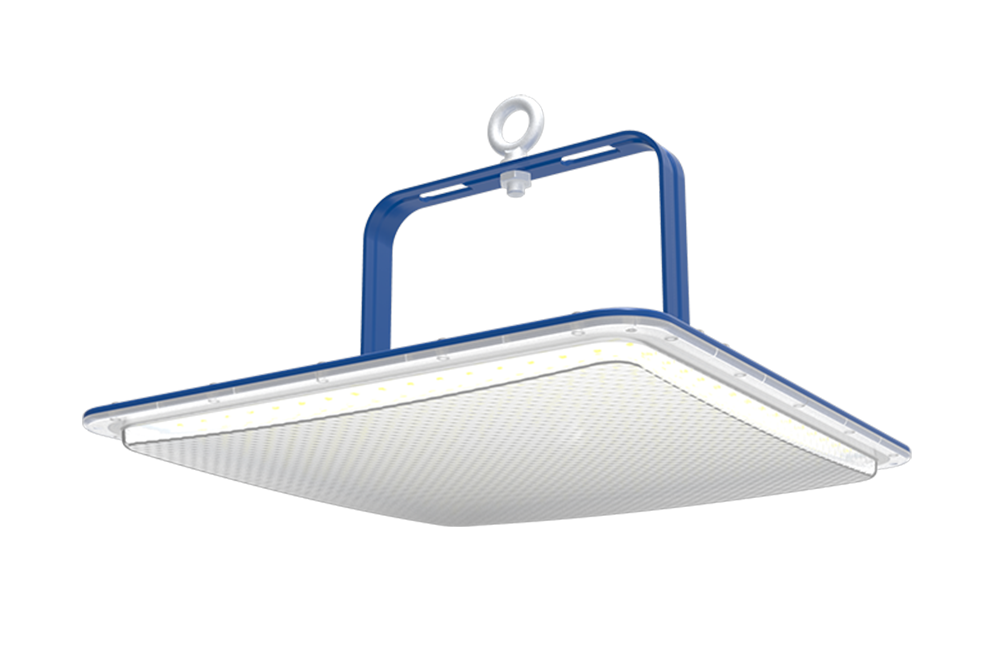
The SEEKING HBC-T Series high bay lights LED offer long-lasting performance for warehouses, production plants and logistics centers. Durable IP65 & IK08 housing, 60°/90° beam angles, up to 150 lm/W, and a lifespan beyond 100,000 hours. Ideal for a…
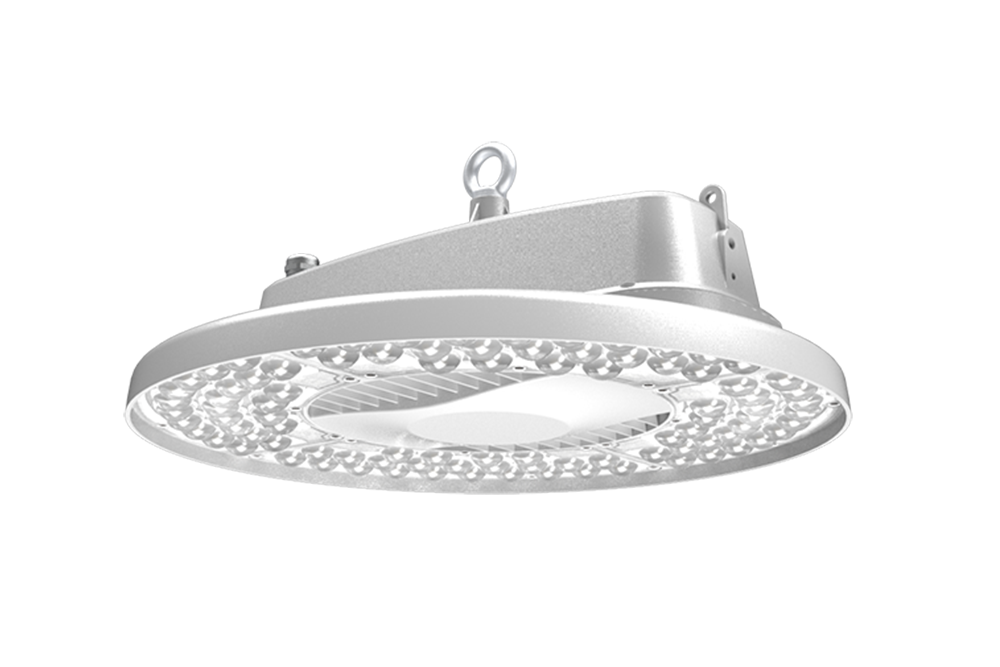
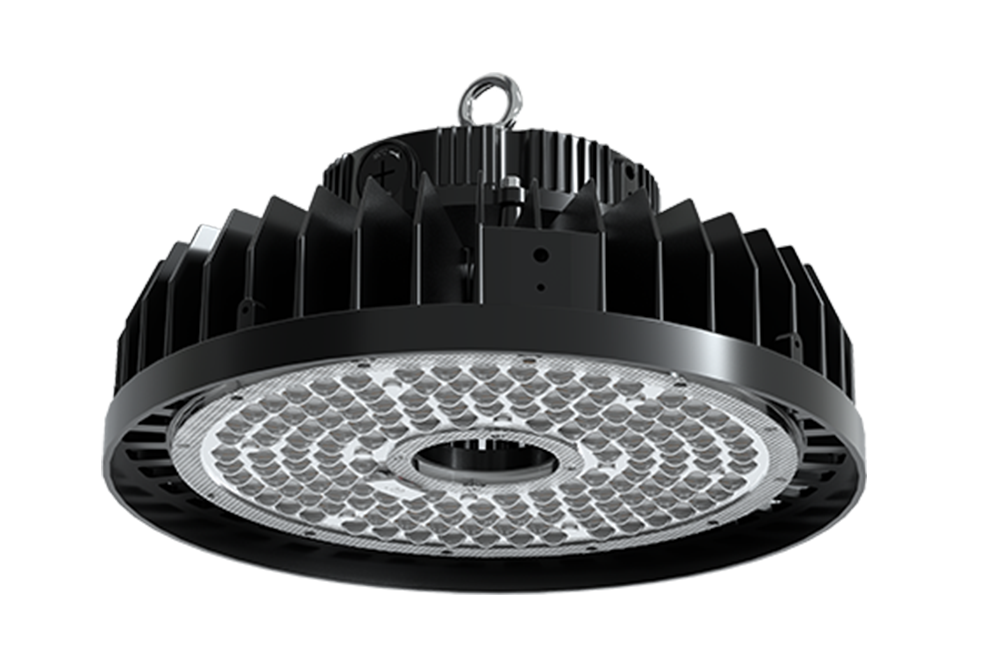
The SEEKING HBS Series LED UFO high bay light delivers 140 lm/W efficiency, IP65 protection and MEAN WELL drivers. A durable high-rise lighting solution for factories, warehouses and commercial halls.
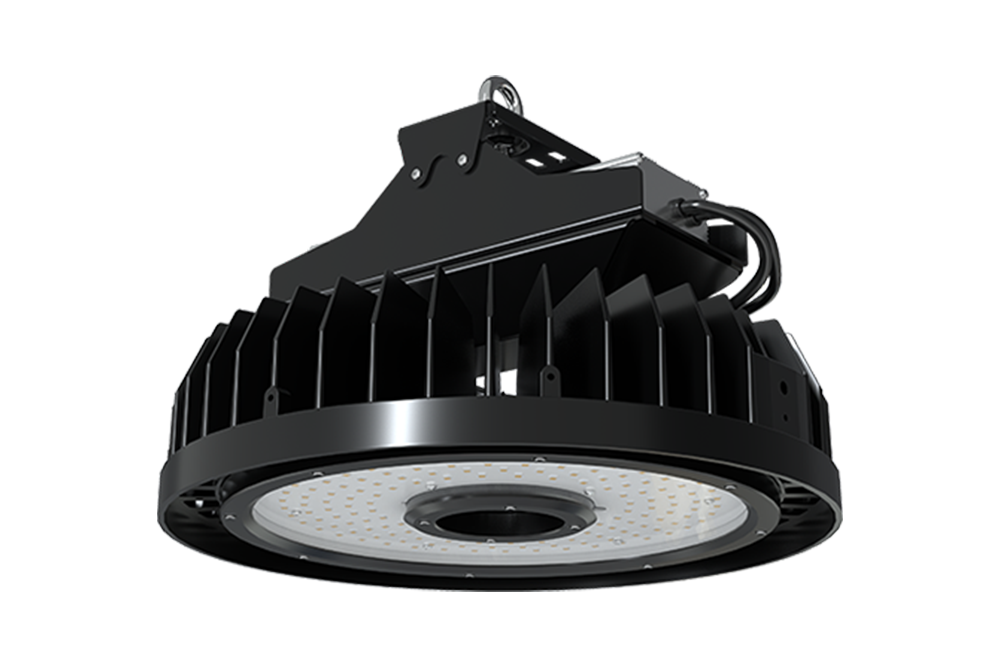
SEEKING HBD Series LED high bay lighting delivers 160 lm/W efficiency, IP66 protection, and long 100,000-hour lifespan. A durable UFO high bay solution for warehouses, workshops, logistics centers and commercial facilities.
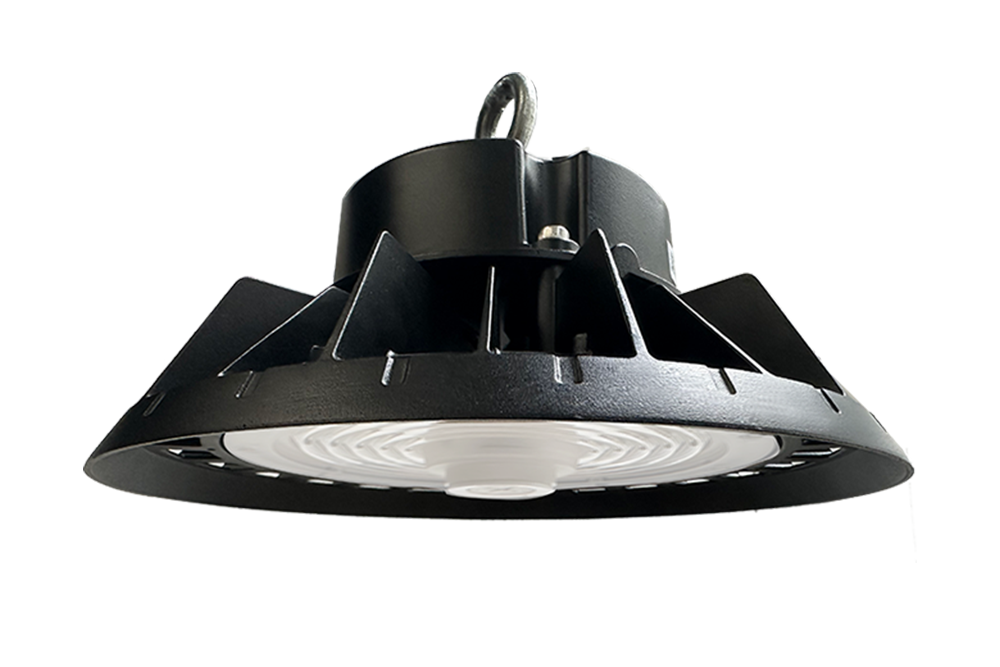
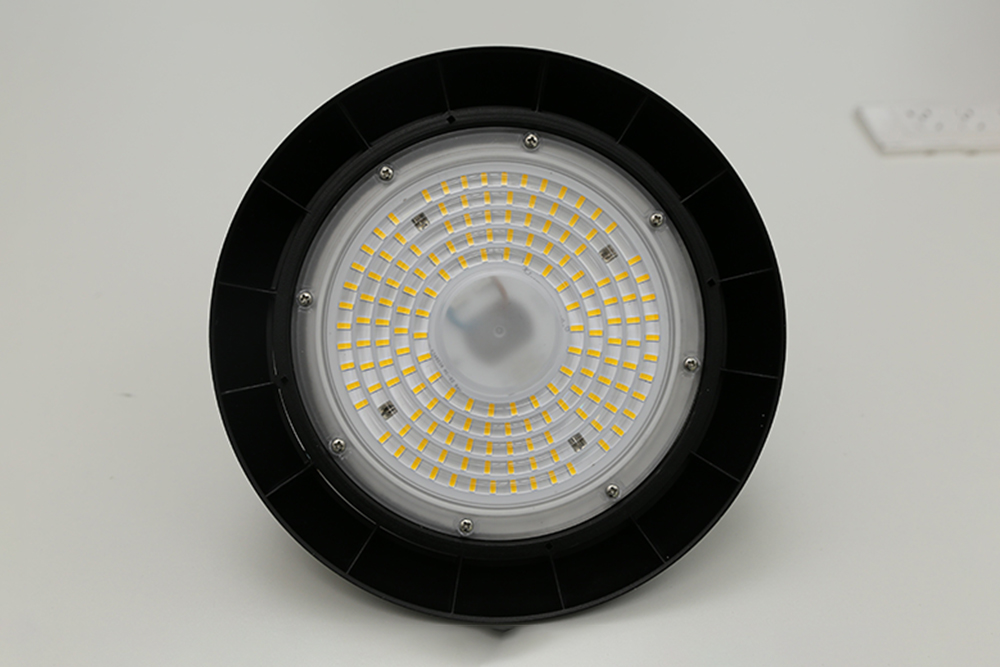
The SEEKING HBC Series high bay LED light fixtures combine strong efficiency, practical design and reliable SOSEN drivers. A durable UFO high bay lighting option for warehouses, workshops and wholesale projects.
The SEEKING GSL Series high bay LED light delivers powerful, efficient lighting for industrial and commercial spaces. With IP65 protection, flexible mounting, and up to 140 lm/W performance, it’s ideal for warehouses, workshops, and retail areas.
The SEEKING HB15(GLE) Series delivers advanced high bay led lighting with UGR 100,000 h) and reliable illumination for demanding commercial environments.
Discover the SEEKING HB13(GLK) Series ufo led high bay light, engineered for sports halls, airport lounges, showrooms, and large commercial spaces. UGR 100,000 h). Ideal for industrial ufo high bay lighting fixtures and commercial retrofits.
SEEKING HBF Series offers industrial LED high bay lighting with up to 200lm/W efficiency, SOSEN flicker-free driver, IP65 protection and optional microwave motion sensor. Ideal for warehouses, factories and commercial distribution projects.
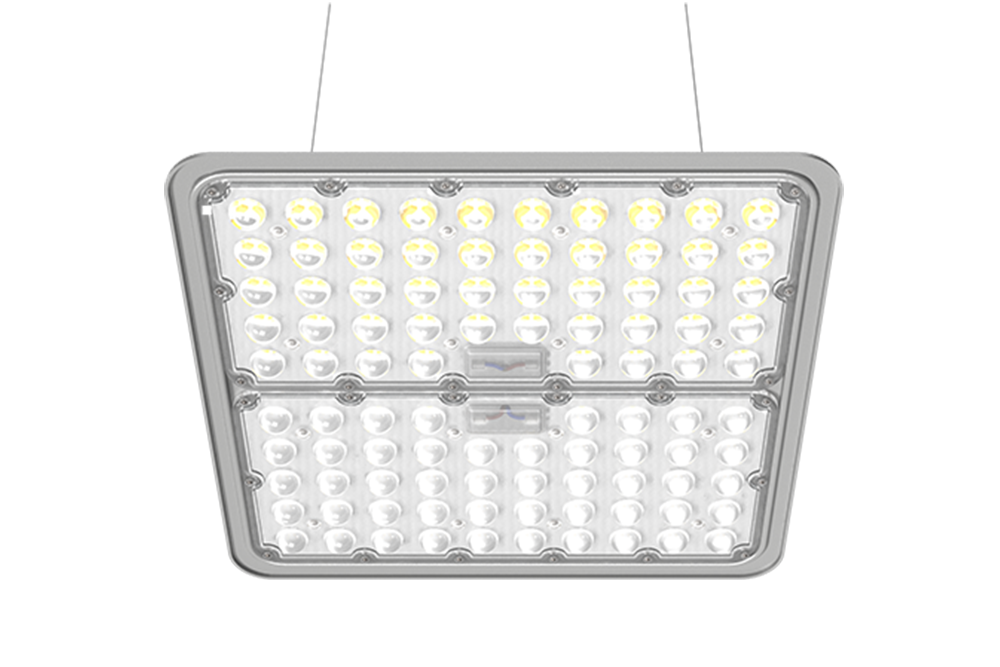
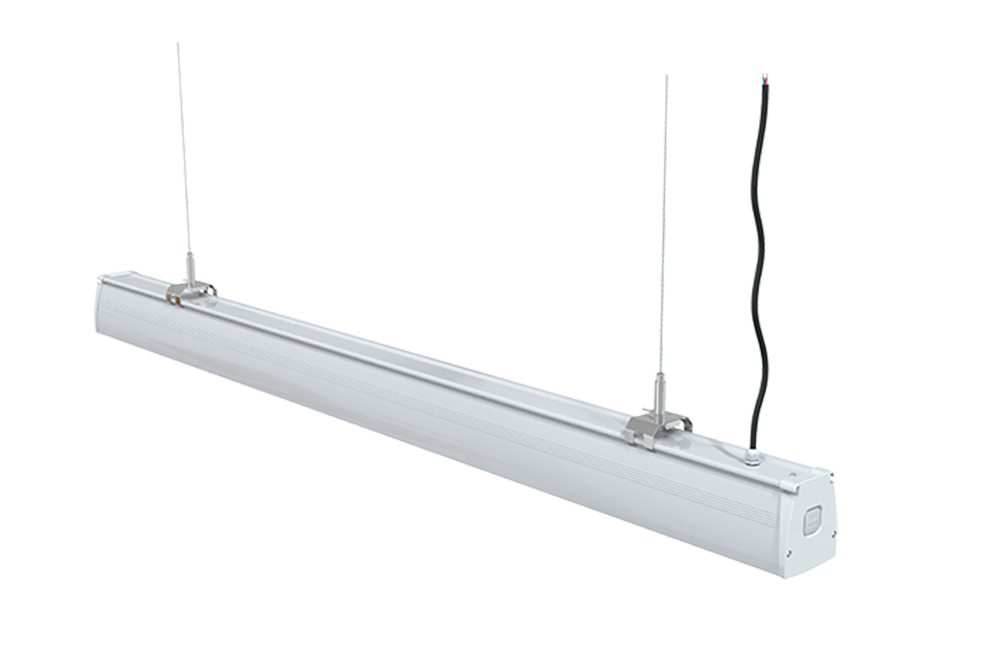
The HLD Series linear high bay LED lights from SEEKING deliver up to 200 lm/W with multiple beam angles and adjustable CCT options for warehouse, workshop, corridor and general industrial lighting.
The HBK Series LED high bay light by SEEKING combines 500W power, 160–175 lm/W efficiency and IP65 durability for heavy-duty industrial lighting. Designed for warehouse, factory and production facilities with demanding ceiling heights.
LED high bay lights engineered for extreme heat and low-temperature industrial sites. SEEKING HBK Ultua Series operates from -40°C to +70°C with Nichia LEDs and Inventronics driver.
High bay LED lights built for warehouses, production plants and wholesale distribution. SEEKING HBI Series offers up to 200lm/W, IP65, IK08 and optional microwave motion sensor for energy saving operation.
loading…
This is the last post!
 Seeking LED