 Seeking LED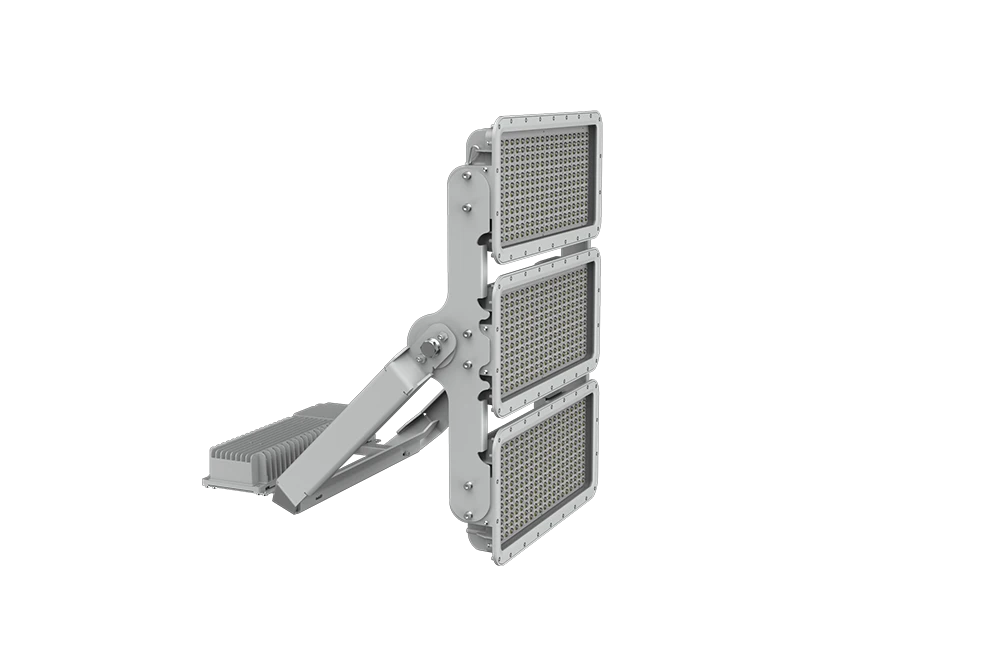
Which Company LED Flood Light Is Best?
243Which company LED flood light is best? A practical answer based on real outdoor use, durability, and long-term performance.
View detailsSearch the whole station
Project Location: St. Francis Xavier High School
Application: Outdoor Rugby Field
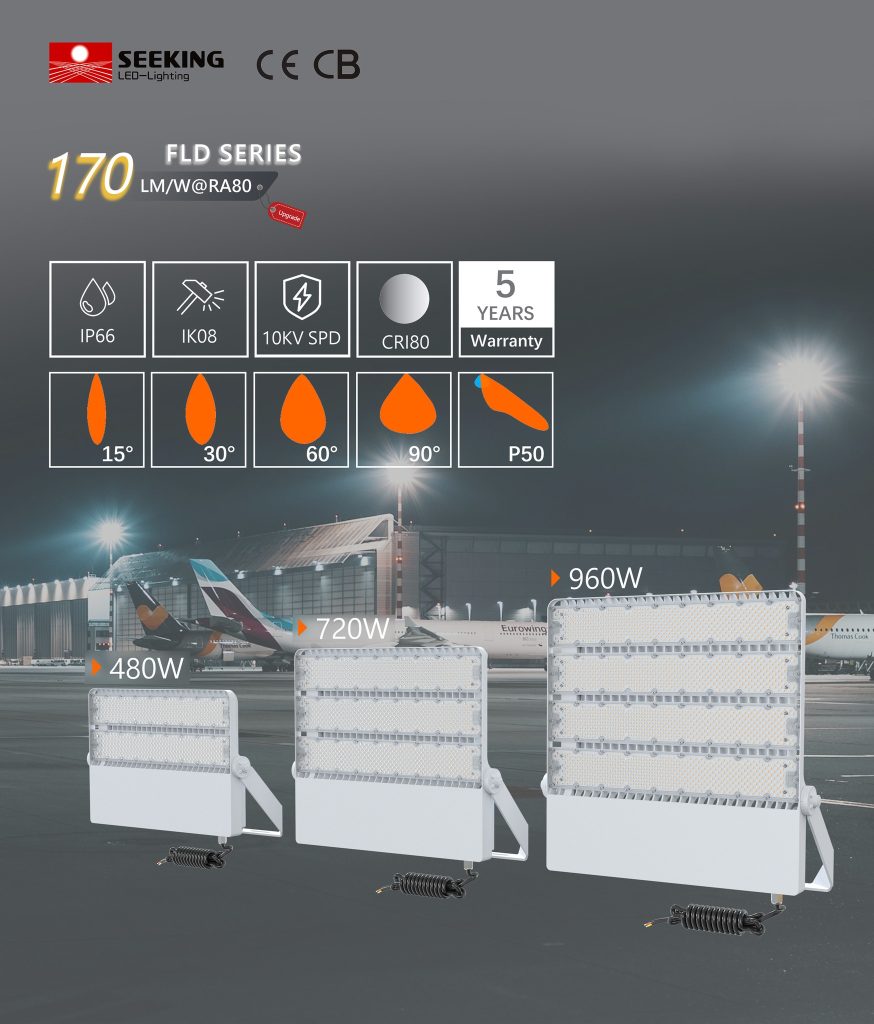
Product Model: FLD Series – 720W
Quantity: 36 pcs
Brand: SEEKINGLED
This project started with a familiar problem. The rugby field was still using older lamps, and maintenance had become a routine task rather than an exception. Poles were tall, access was limited, and every replacement meant scheduling, lifts, and downtime. The school wanted an LED upgrade, but the discussion stayed practical from the beginning.
No one asked for decorative lighting. Visibility and consistency were the priority.
The field is fully open, with no surrounding structures to block wind or moisture. Light poles were already in place and structurally sound, so replacing fixtures made more sense than redesigning the layout. The old lamps delivered uneven coverage. Bright in some zones, dim along the edges. That showed up clearly during evening training.
We measured pole positions first and worked backward from there. Re-spacing poles was not an option, so beam selection mattered more than raw wattage.
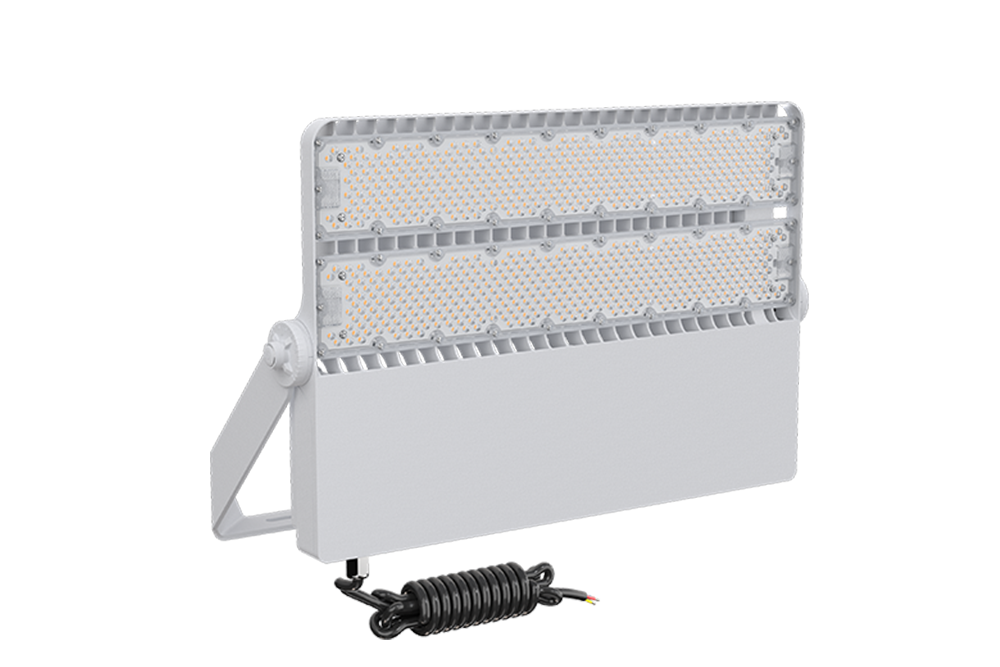
We selected the FLD Series LED stadium flood lights, 720W version. Thirty-six units were used across the field. The choice was based on beam flexibility and housing durability, not on chasing the highest lumen figure.
Different beam angles were combined to control spill light and keep illumination focused on the playing area. The P50 pattern was discussed early, but final angles were confirmed after reviewing pole height and setback distance.
We stayed with 4000K neutral white. For a school field, it made judging distance and movement easier without pushing the light too cold.
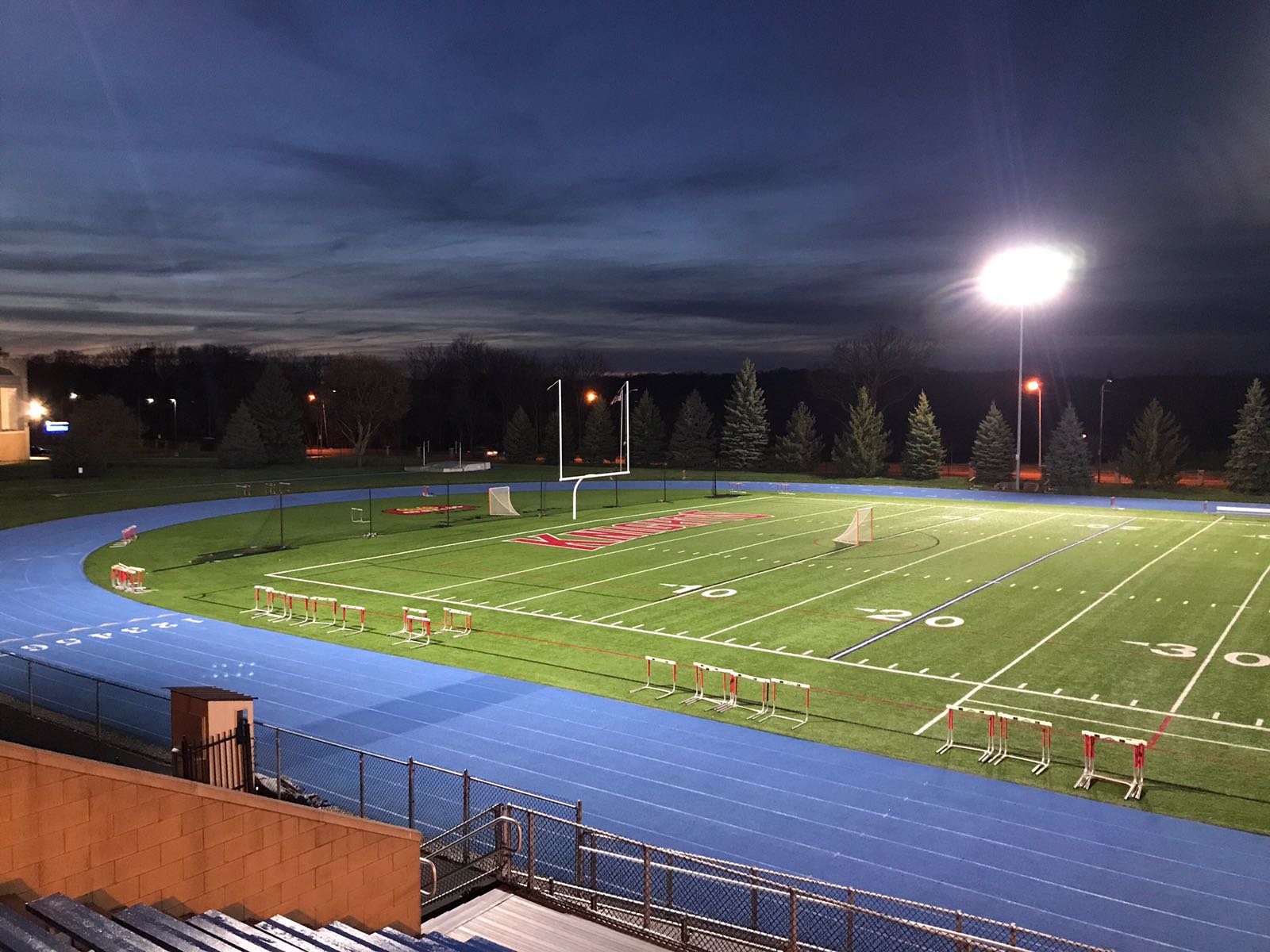
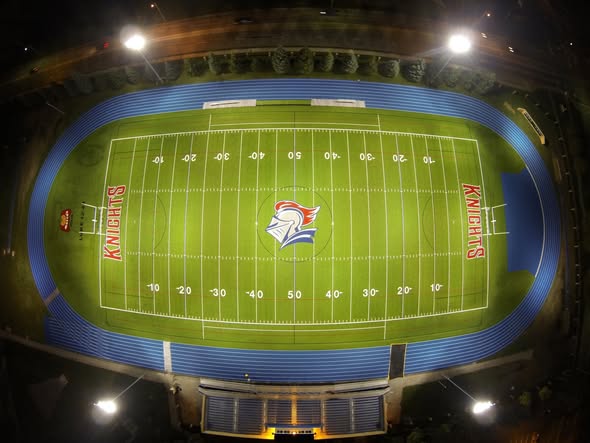
Mounting followed the existing pole brackets. No custom arms were added. That limited adjustment range, so aiming was done carefully during installation rather than later.
We powered sections one by one. The first thing noticed was uniformity, not brightness. Edges looked usable, not washed out or forgotten. That was the point.
No on-site tuning after commissioning. Once locked, the fixtures stayed as they were.
Training sessions continued as normal. There was no need for staff to adapt schedules or adjust lighting zones. From a maintenance perspective, the expectation was simple: fewer climbs, fewer replacements, less interruption.
This LED Stadium Lighting for High School Rugby Field project didn’t try to change how the field was used. It focused on making the existing setup easier to live with.
Which company LED flood light is best? A practical answer based on real outdoor use, durability, and long-term performance.
View details
What is an explosion proof light? Discover how certified fixtures prevent ignition in hazardous areas, with real standards, materials, and field insights from SEEKINGLED.
View details
Discover hazardous area light fittings for Zone 1 and Zone 2 applications. Learn certifications, installation requirements, safety standards, and industrial lighting solutions.
View details
SEEKINGLED offers a high-efficiency LED lighting solution for energy-saving projects, including explosion proof lights, high bay, flood, street, garden, stadium, tri-proof and linear LED lighting.
View details