Tennis Court High Bay Lighting: XJ-HBS Beam Angle Adjustment in Italy
Project Location: Italy
Application: Tennis Court
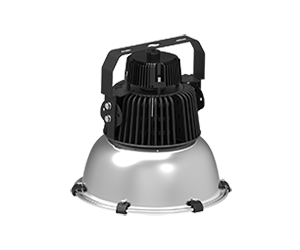
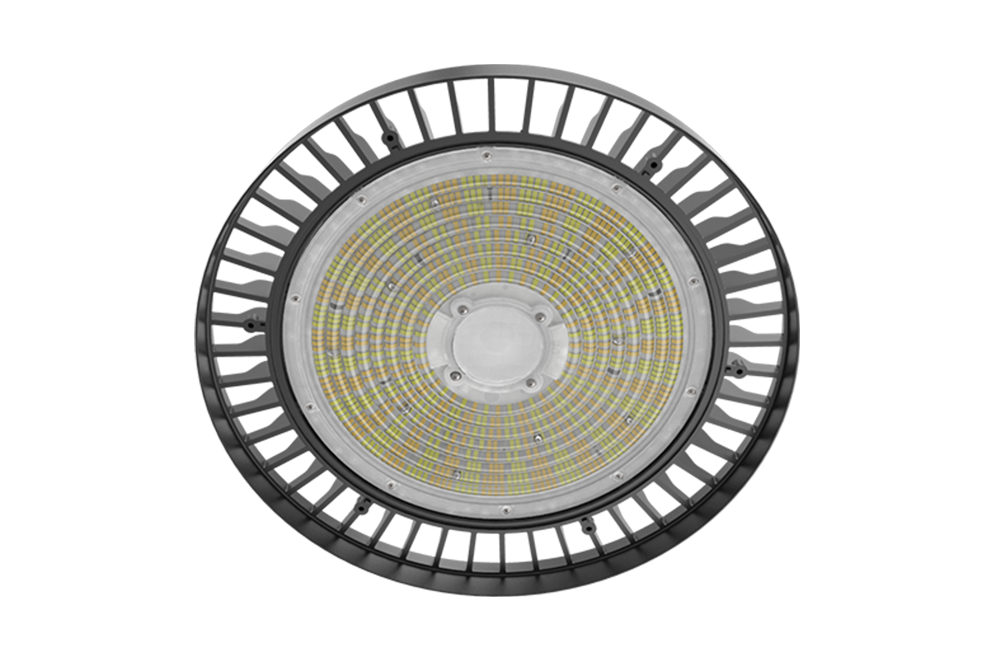
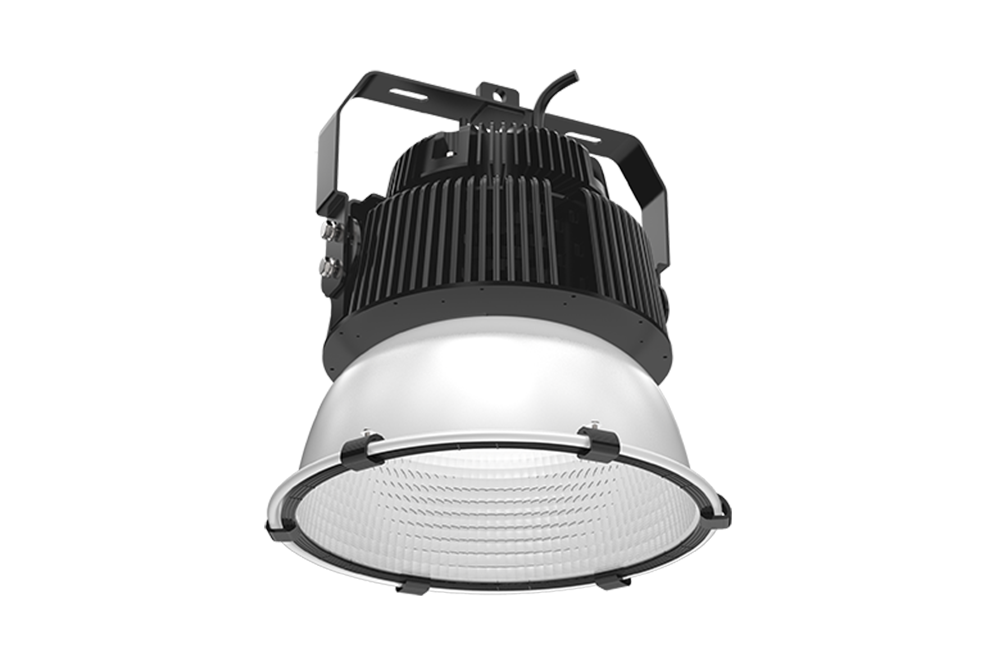
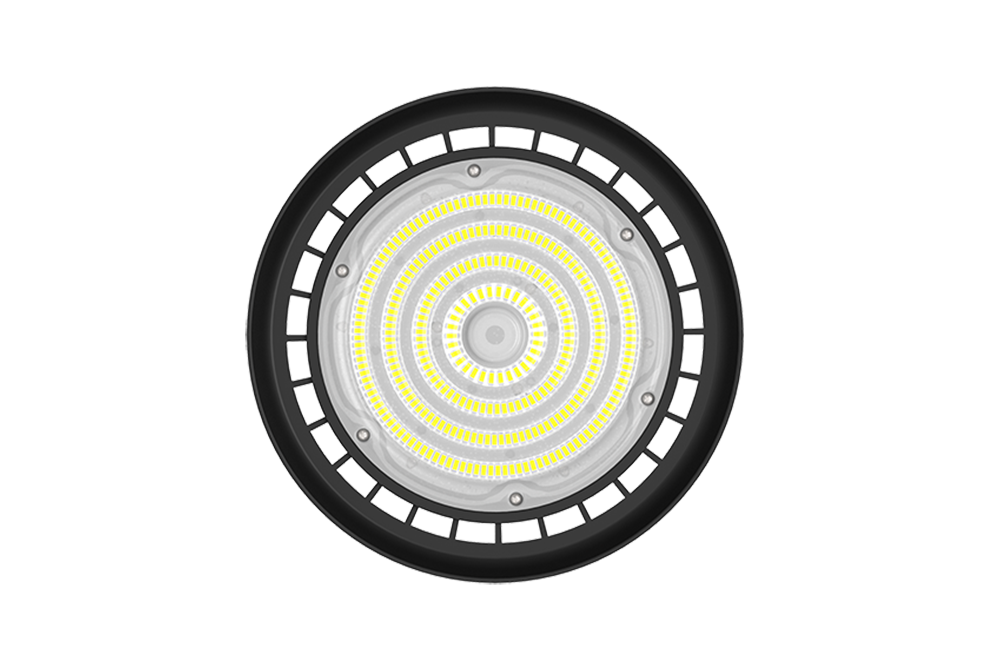
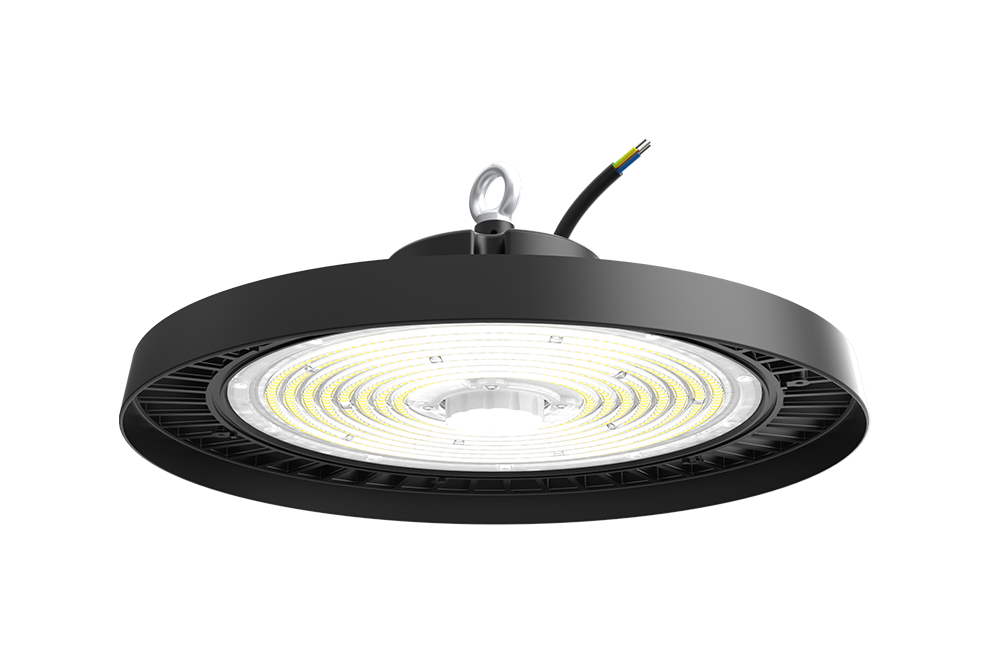
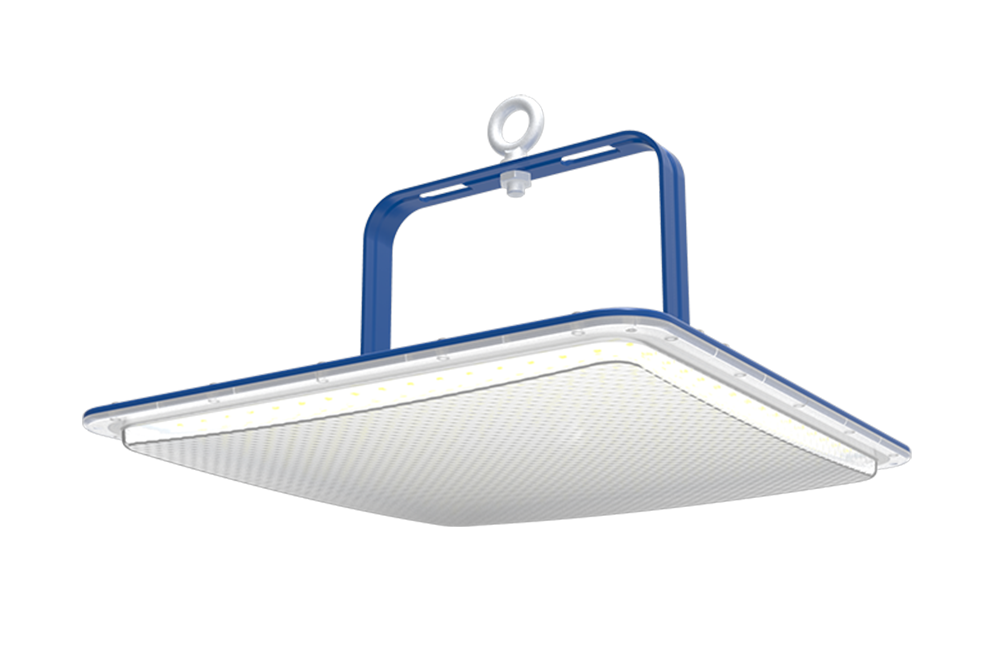
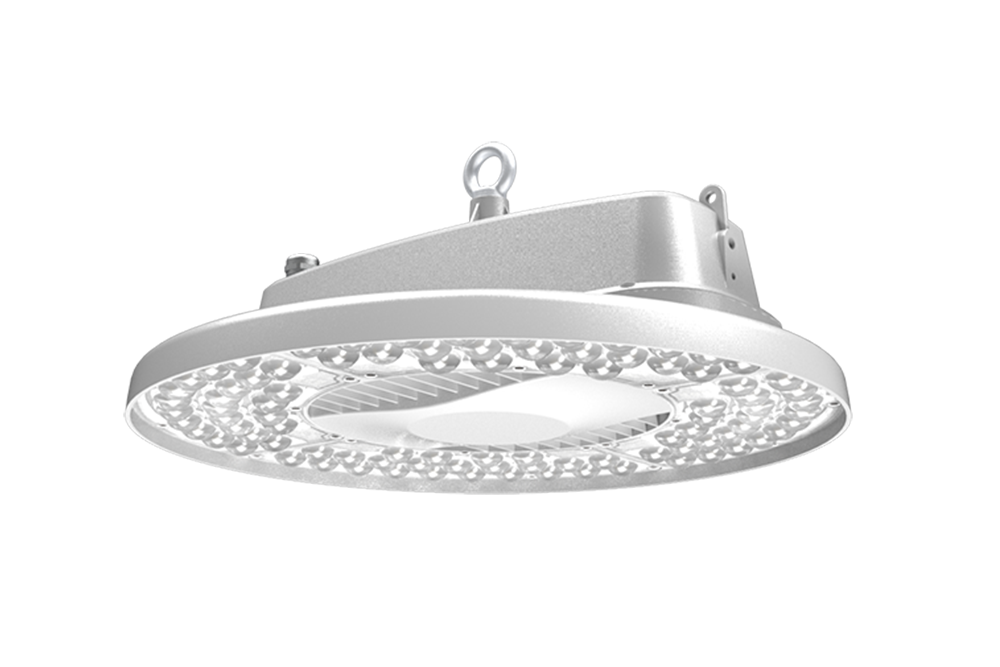
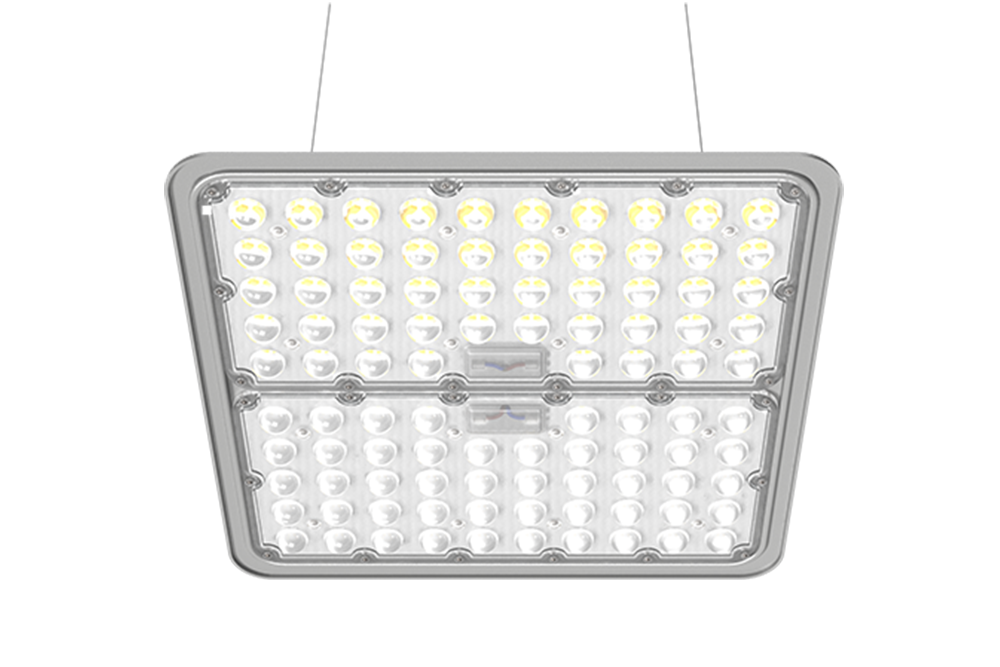
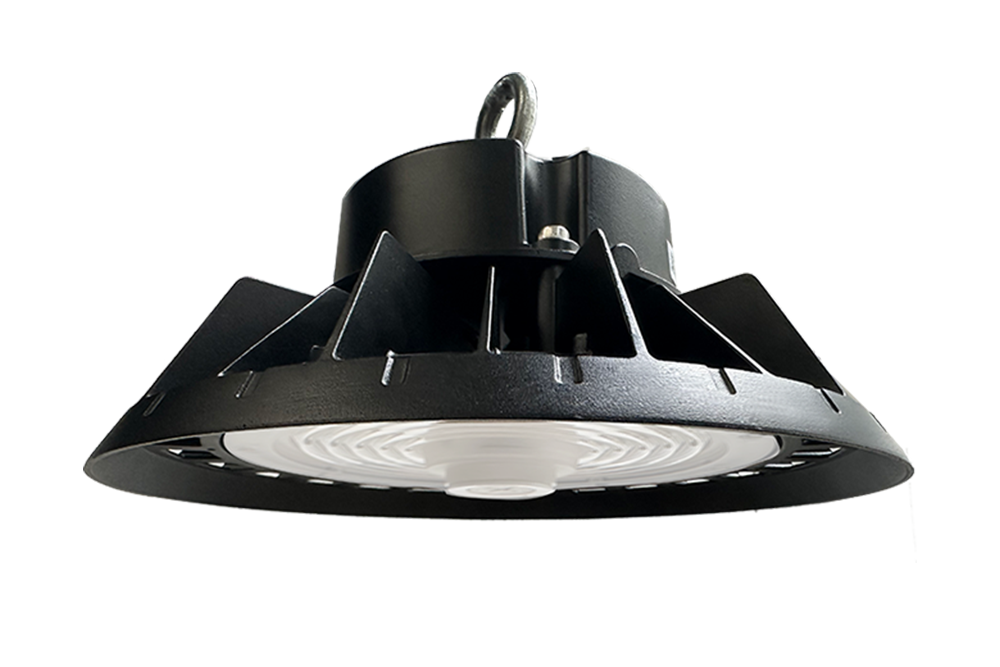
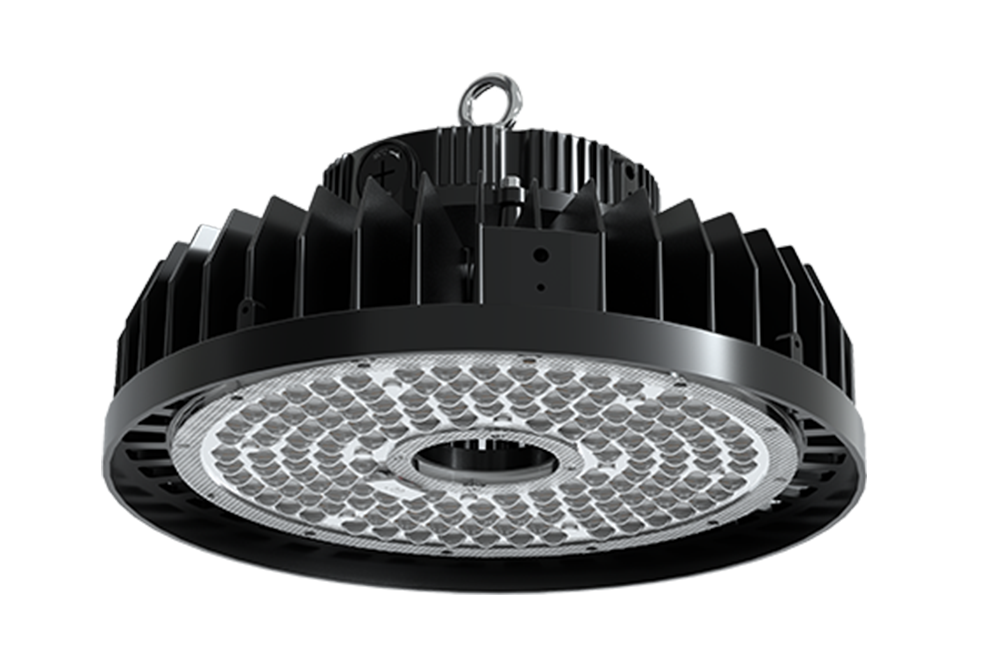
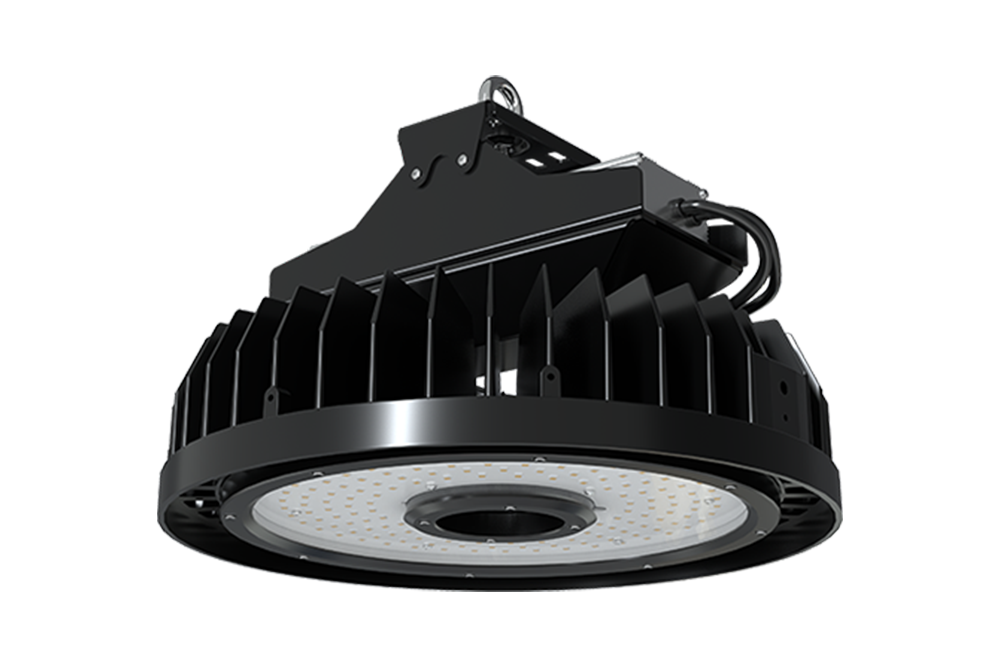
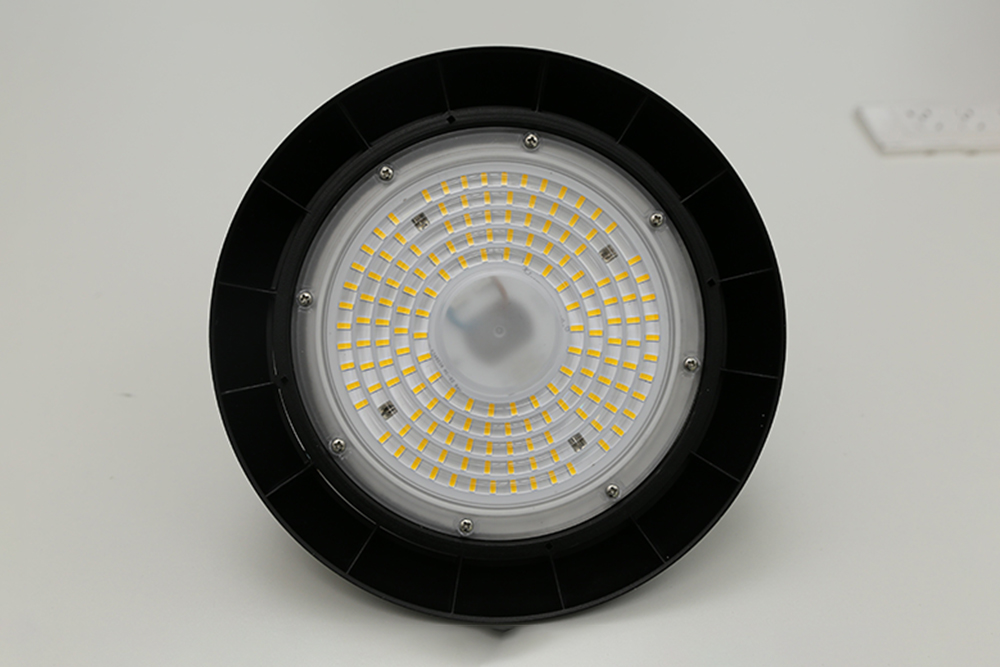
Product Model: XJ-HBS LED High Bay Light
Brand: SEEKINGLED
This project note was written after the lighting adjustment was completed and the court was back in normal use.
The tennis court had a fixed mounting height and limited fixture positions. From the start, the request was clear: meet the required lux levels for play. There was no discussion about changing the structure or adding more luminaires, so the beam angle choice mattered more than usual.
Initial Configuration and On-site Feedback
The first installation used the XJ-HBS High Bay with a 25° beam angle. On paper, the numbers were fine. Measured lux values met the requirement across the court surface.
But once the lights were switched on and people started moving, the issue became visible. Bright zones appeared directly under the fixtures, while the areas between them felt less balanced. Not dark, but uneven enough to notice during rallies. From certain angles, players’ shadows were sharper than expected.
At that point, it was clear that meeting lux alone was not the whole picture.
Re-evaluating the Beam Angle
We reviewed the layout again. The fixture spacing and mounting height were not changing. The quickest variable we could adjust was beam angle.
A 90° beam angle was proposed to spread the light more evenly across the playing area. The idea was not to increase brightness, but to reduce contrast between zones.
This was discussed with the customer before any change was made. No assumptions. Just explaining what would change and why.
Adjustment and Result
After switching to the 90° beam angle, the difference was noticeable immediately. Light distribution across the court became smoother. The sharp transitions under the fixtures were reduced. Lines, ball movement, and player positions were easier to track from different points on the court.
There was no change in the number of fixtures, only in how the light was delivered.
The customer’s feedback focused on playability rather than numbers. That was expected. In sports lighting, that usually means the balance is acceptable.
This project was a reminder that for Tennis Court High Bay Lighting, beam control can matter as much as output, especially when installation conditions are fixed.
LED High Bay Light Recommendations
 Seeking LED