Common LED High Bay Lighting Mistakes That Show Up After Installation
Question & Answer
What are the most common LED high bay lighting mistakes people make in warehouses and factories?
After years of on-site checks, retrofits, and “why does this look wrong?” calls, one thing is clear:
Common LED high bay lighting mistakes rarely show up on day one.
They show up after people start working under the lights.
Below are the issues we see again and again at SEEKINGLED—not theory, not lab talk.
Mistake #1: Chasing Lumens Instead of Light Quality
Big lumen numbers sell easily.
They don’t guarantee usable light.
We’ve walked into spaces that were technically “bright enough” but still uncomfortable. Glare everywhere. Hard shadows. Workers squinting.
More lumens won’t fix bad optics.
Mistake #2: One Fixture Type for the Entire Building
This is one of the most common LED high bay lighting mistakes.
Warehouses aren’t flat boxes:
- Aisles behave differently than open zones
- Packing areas need tighter control
- Storage zones don’t
Using one beam angle everywhere is convenient—and wrong more often than people admit.
Mistake #3: Ignoring Mounting Height Reality
People measure ceiling height.
They forget mounting height.
Cables, trusses, HVAC—all steal distance. That missing two feet matters more than most expect. Light spreads differently. Uniformity breaks.
By the time it’s noticed, the fixtures are already hung.
Mistake #4: Over-Lighting “Just to Be Safe”
This one sounds responsible. It isn’t.
We hear it all the time:
“Let’s add extra fixtures, just in case.”
That “just in case” turns into:
- Higher energy bills
- Eye fatigue
- Uneven brightness
Good lighting feels calm. Over-lighting feels aggressive.
Mistake #5: Forgetting About Glare Until Complaints Start
Glare doesn’t show up on spreadsheets.
It shows up when someone looks up, drives a forklift, or scans shelves all day. Especially with glossy floors and high-output fixtures.
Once glare complaints start, fixing them is never cheap.
Mistake #6: No Lighting Plan—Just Spacing Math
Spacing charts help.
They don’t replace thinking.
Some of the worst layouts we’ve seen followed “recommended spacing” perfectly—on paper. In reality, racks blocked light, aisles went dark, corners died.
Lighting plans need context, not just math.
Mistake #7: Choosing Price First, Fixing Later
Cheap fixtures don’t always fail immediately. That’s the problem.
They drift. Color shifts. Drivers weaken. Light levels drop quietly. A year later, people blame LEDs instead of the decision.
At SEEKINGLED, most replacement projects start with “we thought we saved money.”
Mistake #8: No Thought for Maintenance Access
It happens more than you’d think.
Fixtures end up:
- Over machinery
- Above tight aisles
- In places that need lifts just to reach
Maintenance becomes disruptive—and then ignored.
What Actually Works Long Term
Avoiding common LED high bay lighting mistakes isn’t about chasing perfection.
It’s about:
- Matching optics to tasks
- Respecting real mounting height
- Letting spacing follow use, not floor area
When lighting fades into the background, it’s usually done right.
That’s the standard we aim for at SEEKINGLED.
LED High Bay Lighting Product Recommendation
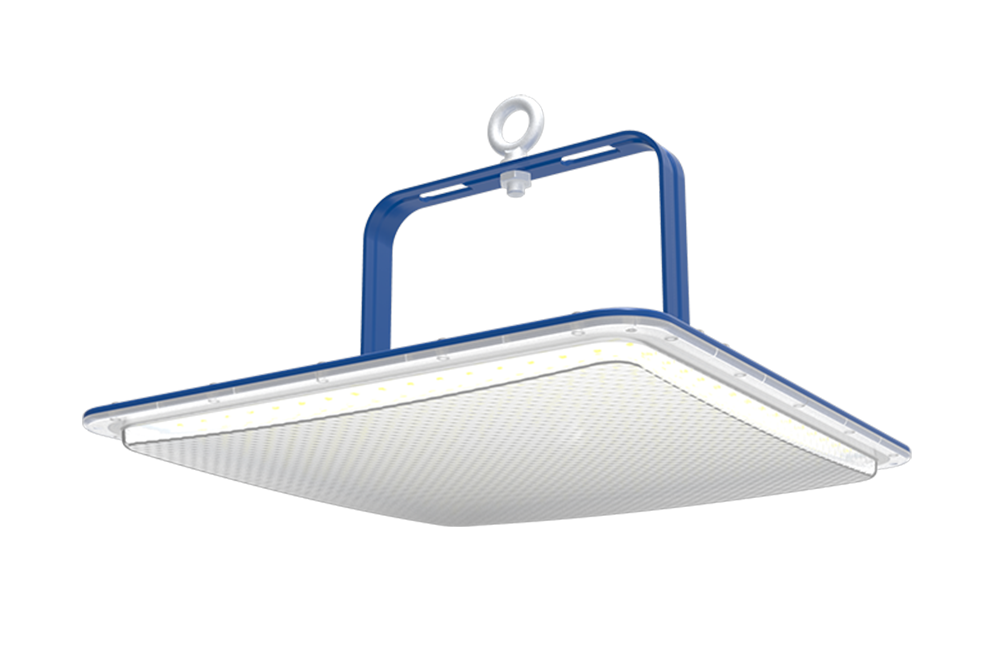
The SEEKING HBC-T Series high bay lights LED offer long-lasting performance for warehouses, production plants and logistics centers. Durable IP65 & IK08 housing, 60°/90° beam angles, up to 150 lm/W, and a lifespan beyond 100,000 hours. Ideal for a…
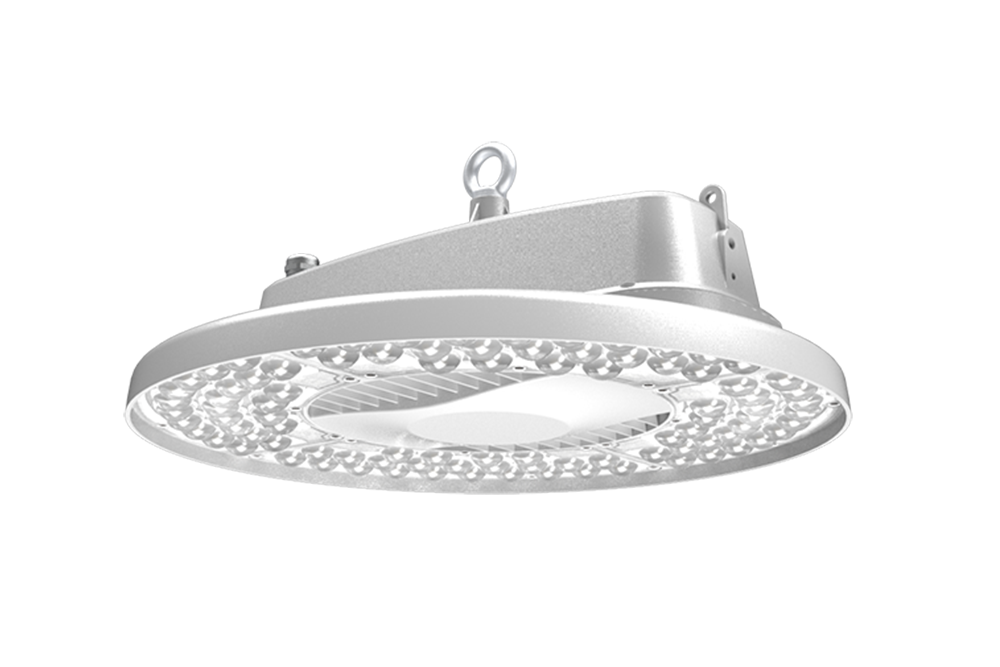
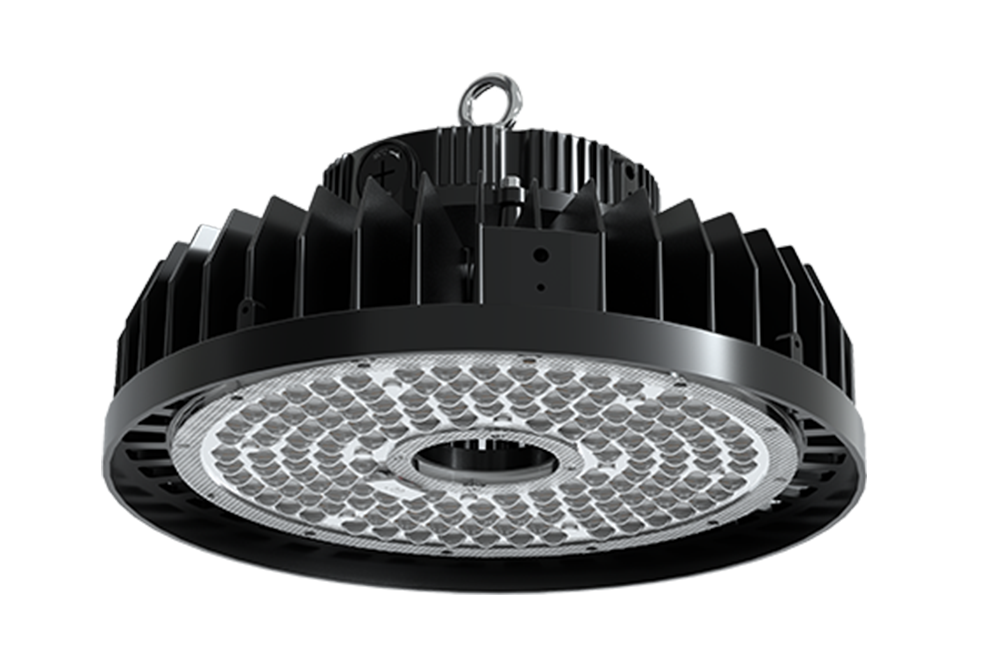
The SEEKING HBS Series LED UFO high bay light delivers 140 lm/W efficiency, IP65 protection and MEAN WELL drivers. A durable high-rise lighting solution for factories, warehouses and commercial halls.
SEEKING HBD Series LED high bay lighting delivers 160 lm/W efficiency, IP66 protection, and long 100,000-hour lifespan. A durable UFO high bay solution for warehouses, workshops, logistics centers and commercial facilities.
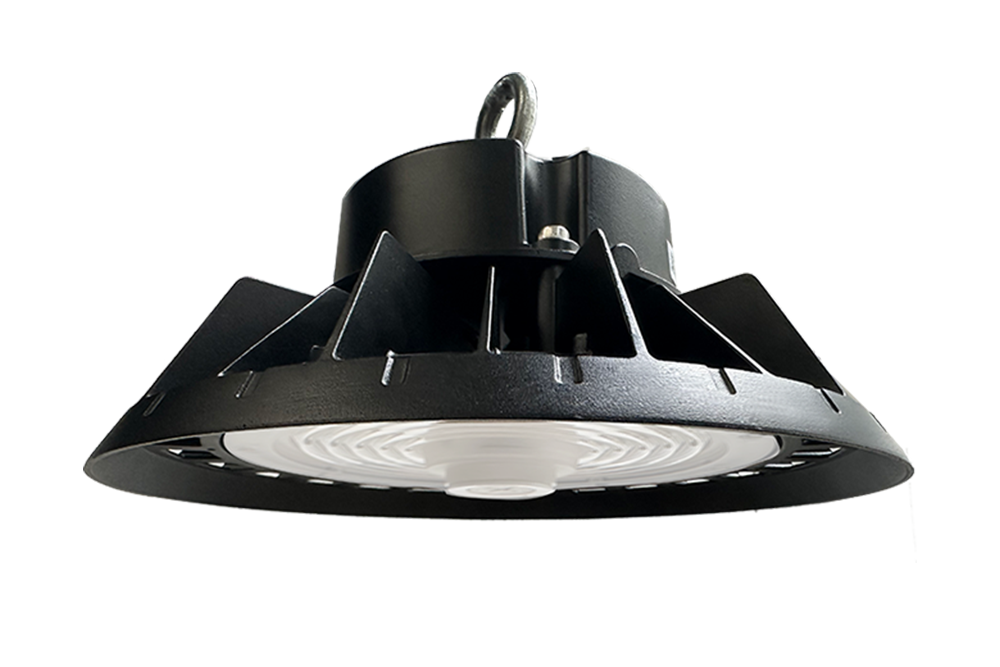
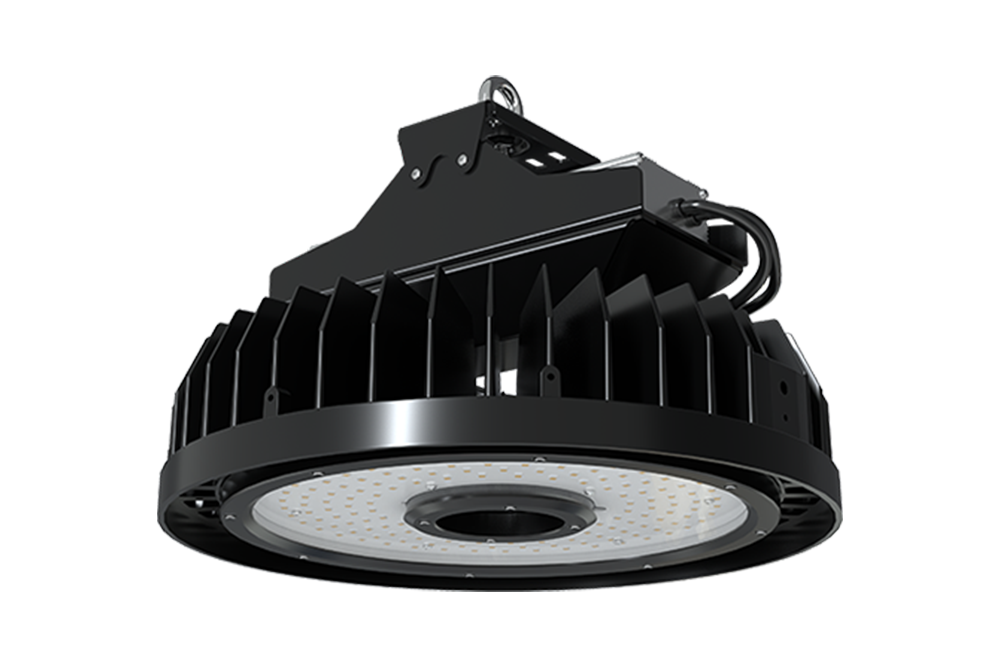
The SEEKING HBC Series high bay LED light fixtures combine strong efficiency, practical design and reliable SOSEN drivers. A durable UFO high bay lighting option for warehouses, workshops and wholesale projects.
The SEEKING GSL Series high bay LED light delivers powerful, efficient lighting for industrial and commercial spaces. With IP65 protection, flexible mounting, and up to 140 lm/W performance, it’s ideal for warehouses, workshops, and retail areas.
The SEEKING HB15(GLE) Series delivers advanced high bay led lighting with UGR 100,000 h) and reliable illumination for demanding commercial environments.
Discover the SEEKING HB13(GLK) Series ufo led high bay light, engineered for sports halls, airport lounges, showrooms, and large commercial spaces. UGR 100,000 h). Ideal for industrial ufo high bay lighting fixtures and commercial retrofits.
SEEKING HBF Series offers industrial LED high bay lighting with up to 200lm/W efficiency, SOSEN flicker-free driver, IP65 protection and optional microwave motion sensor. Ideal for warehouses, factories and commercial distribution projects.
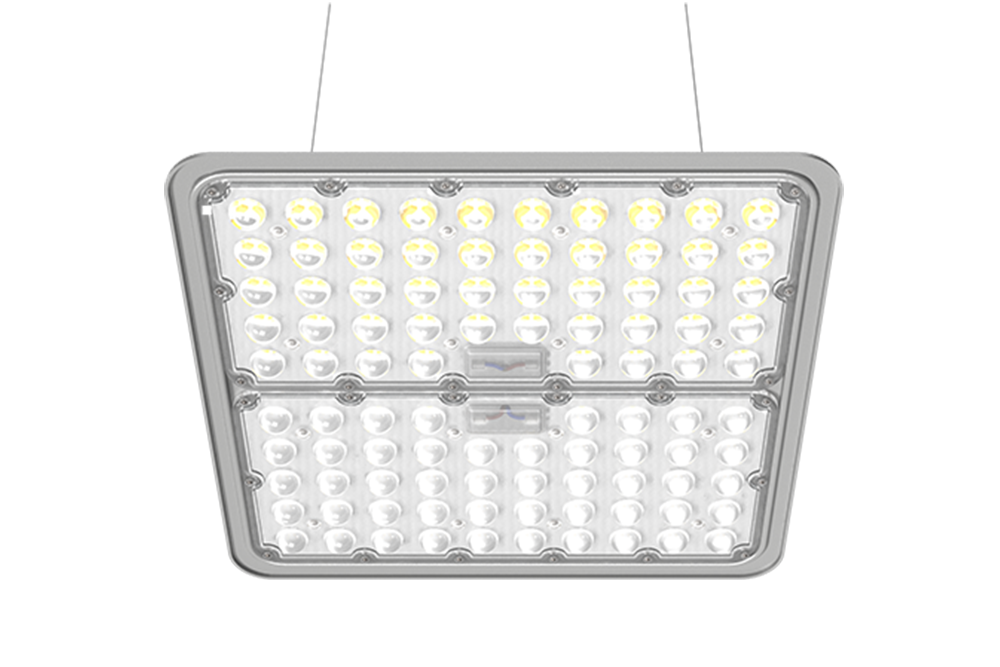
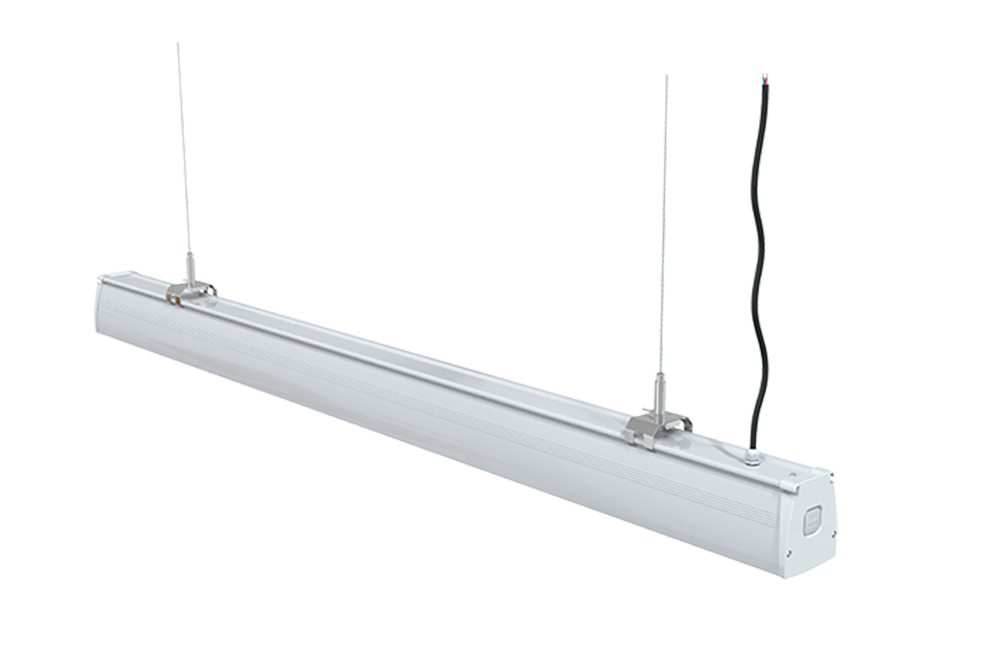
The HLD Series linear high bay LED lights from SEEKING deliver up to 200 lm/W with multiple beam angles and adjustable CCT options for warehouse, workshop, corridor and general industrial lighting.
The HBK Series LED high bay light by SEEKING combines 500W power, 160–175 lm/W efficiency and IP65 durability for heavy-duty industrial lighting. Designed for warehouse, factory and production facilities with demanding ceiling heights.
LED high bay lights engineered for extreme heat and low-temperature industrial sites. SEEKING HBK Ultua Series operates from -40°C to +70°C with Nichia LEDs and Inventronics driver.
High bay LED lights built for warehouses, production plants and wholesale distribution. SEEKING HBI Series offers up to 200lm/W, IP65, IK08 and optional microwave motion sensor for energy saving operation.
loading…
This is the last post!
 Seeking LED