 Seeking LED
Explosion Proof Lamp Supplier for Hazardous Industrial Applications
0Explosion proof lamp supplier for hazardous industries. Reliable, certified lighting solutions with proven performance by SEEKINGLED.
View detailsSearch the whole station
If you’ve ever driven through a city at night and suddenly noticed blue LED street lights, you probably slowed down.
Most people do.
And the first question is almost always the same:
what are the blue LED street lights for?
The short answer?
Sometimes they’re intentional. Sometimes they’re not supposed to be blue at all.
From the perspective of SEEKINGLED, this isn’t a mystery topic. We’ve seen both cases on real roads — and the difference matters more than most people realize.
Yes. In some locations, blue-tinted street lighting is deliberate.
Here’s where it actually makes sense:
Blue light scatters differently than warm white light. In specific zones — intersections, pedestrian crossings, waterfronts — it can:
Some municipalities test blue-accent lighting to slow traffic. It’s subtle, but it works.
This one gets talked about quietly.
Blue street lighting has been used in:
The reason isn’t brightness. It’s psychology. Blue light makes it harder to find veins, which has been linked to reduced drug activity in some cities. It’s not universal. It’s situational. And no — it’s not a magic fix.
In coastal regions, blue LED street lights may be installed to reduce disruption to wildlife, especially near turtle nesting zones. The spectrum matters.
That’s the intentional side.
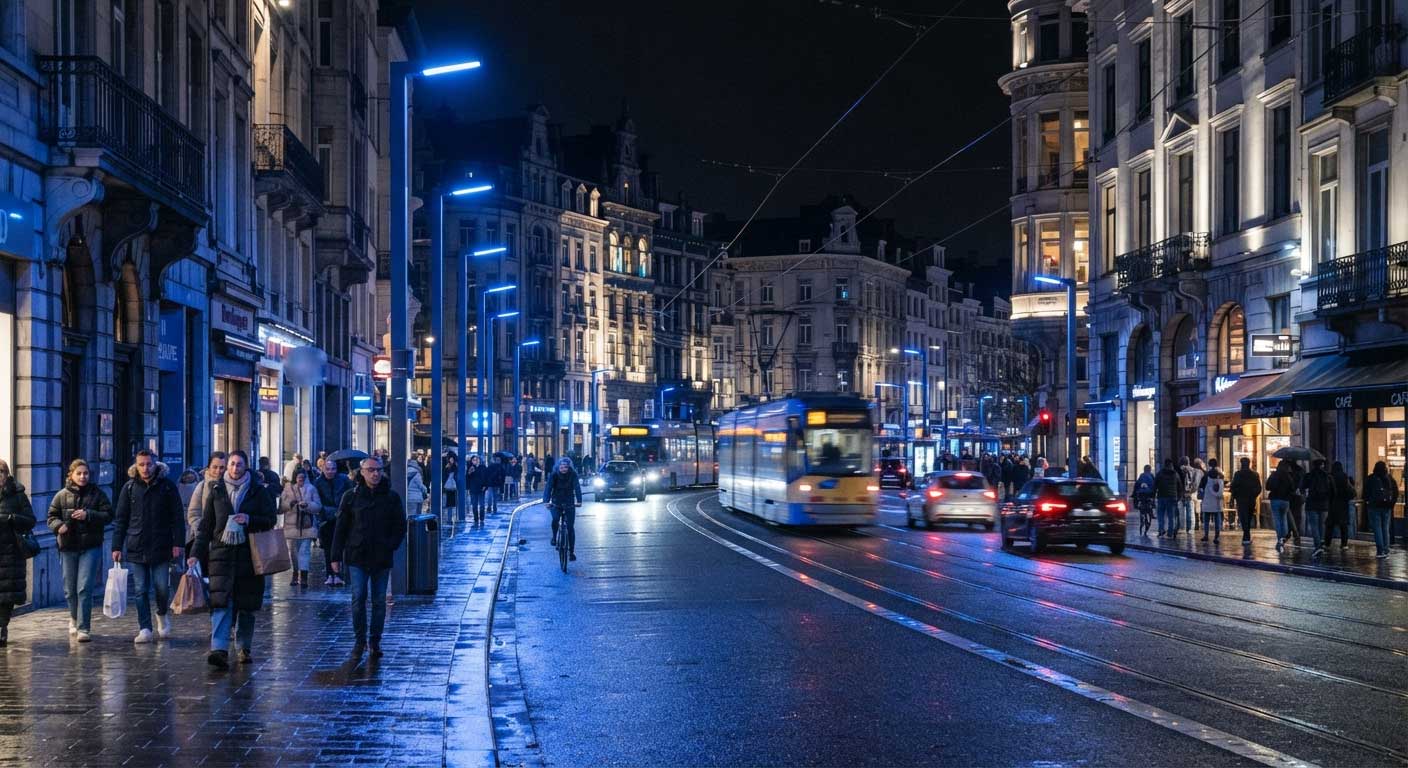
Not all blue LED street lights are supposed to be blue.
In fact, many aren’t.
A large number of blue-looking street lights come from failed white LEDs.
White LEDs are actually blue chips coated with phosphor. When that coating degrades — due to heat, poor materials, or age — the light shifts back toward blue or purple.
We’ve seen this firsthand.
At SEEKINGLED, when customers send us photos of “mysteriously blue” street lights, the cause is often:
That’s not a feature. That’s a defect.
This is where experience shows.
Ask yourself:
If it shows up gradually and unevenly — that’s not design. That’s failure.
Professionals in street lighting know this. End users usually don’t, and that’s where confusion starts.
Yes — when designed correctly.
No — when they’re the result of material breakdown.
Blue-heavy light can:
That’s why responsible manufacturers, including SEEKINGLED, are conservative about spectrum control and long-term stability. Street lights are infrastructure, not experiments.
Blue street lights meaning depends on the application. In some locations, blue lighting is used for visual identification, public spaces, or environmental considerations. In other cases, blue light indicates that a white LED street lamp has experienced phosphor coating failure.
Lighting engineers usually evaluate the original specification before deciding the cause.
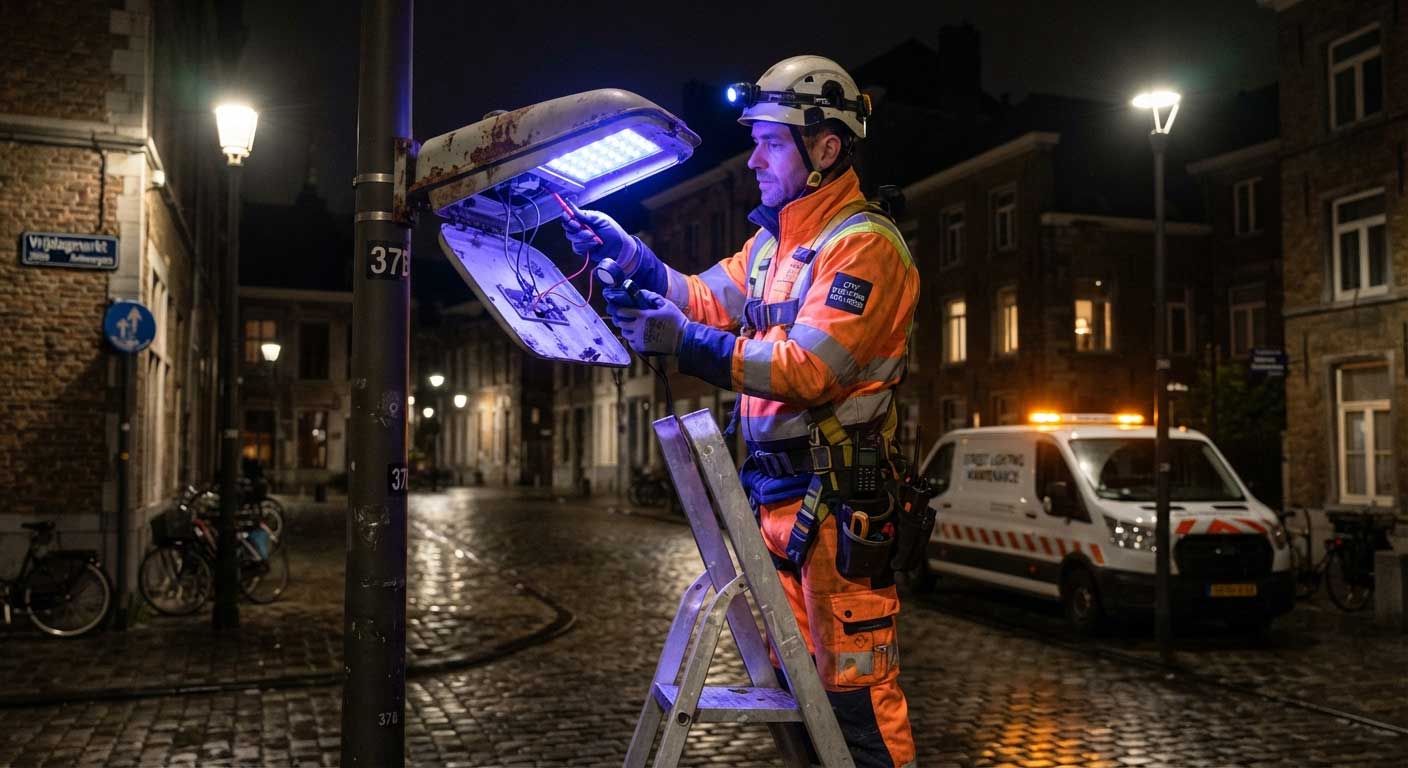
Why are some street lights blue?
Some street lights are blue because they were intentionally designed for specific purposes, such as improving visual awareness, supporting environmental protection projects, or creating a unique urban atmosphere. However, some blue-looking street lights are caused by LED phosphor degradation or aging components rather than design.
In modern LED street lighting projects, color consistency is critical. If blue tones appear gradually after years of operation, it may indicate problems with LED quality, thermal management, or material aging.
What are the blue lights on street lights?
The blue lights on street lights may be decorative lighting, special-purpose illumination, or failed white LED fixtures. Some cities install blue-spectrum lighting in specific areas, while unexpected blue colors often come from LED component deterioration.
A professional lighting inspection can determine whether the blue appearance is intentional or caused by technical issues.
What does blue street lights mean?
Blue street lights usually mean one of two things: a planned lighting design choice or a sign of LED failure. The meaning depends on the installation purpose, location, and maintenance history.
If all lights in an area appear blue from the beginning, they are likely intentional. If only older fixtures turn blue over time, the cause is usually component degradation.
Why are there blue street lights?
There are blue street lights because some municipalities use blue lighting for specific environments, while others appear blue due to LED aging. The color alone does not indicate the purpose.
A consistent blue lighting installation usually suggests planned design, while random blue fixtures often indicate product performance problems.
What is the purpose of blue street lights?
The purpose of blue street lights can include improving visual contrast, marking special areas, supporting wildlife protection requirements, or creating a distinctive urban appearance.
However, blue lighting is not automatically better. Road lighting still needs to meet visibility, safety, and color rendering requirements.
What are blue street lights for?
Blue street lights are used for special lighting applications or may appear because of LED technology failure. Some projects use blue tones intentionally, while unexpected blue colors can indicate poor phosphor stability or overheating.
The difference depends on whether the blue color was included in the original lighting design.
What are blue LED street lights?
Blue LED street lights are fixtures that produce blue-colored illumination either intentionally or because of LED degradation. Purpose-built blue LED systems use specific optical designs, while defective white LEDs may shift toward blue after long-term operation.
High-quality street lighting manufacturers focus on maintaining stable color performance throughout the product lifespan.
Why are street lights blue?
Street lights are blue either because the lighting system was designed with a blue spectrum or because the LED components have deteriorated. White LED street lights rely on phosphor coatings, and damage to this layer can expose more blue light from the LED chip.
What do blue street lights mean?
Blue street lights may indicate a planned lighting feature, an environmental lighting requirement, or a technical problem with LED performance.
The surrounding conditions provide clues. A complete street filled with blue lights is usually intentional, while isolated blue fixtures often require inspection.
What does blue street lights mean?
Blue street lights mean different things depending on where they are installed. They may represent special-purpose lighting, decorative urban design, or an LED failure caused by aging materials.
Lighting engineers normally check installation records and fixture condition before identifying the reason.
Why are there blue lights in parking lots?
Blue lights in parking lots may be installed for visibility, security design, or aesthetic purposes. In some cases, they appear because LED fixtures have aged and the white light spectrum has shifted.
Parking lot lighting should prioritize safe visibility, accurate color recognition, and uniform illumination.
Why is there blue street lights?
Blue street lights exist because of either intentional lighting choices or LED component problems. Planned blue lighting is usually consistent throughout an area, while unexpected blue color changes may indicate fixture aging.
What are the blue lights on top of street lights?
The blue lights on top of street lights may be indicator lights, decorative elements, or part of a special lighting system. They are different from the main street lamp source and usually serve identification or control purposes.
What is the blue light on top of street lights?
The blue light on top of street lights is usually a small auxiliary light used for identification, signaling, or decorative purposes. It should not be confused with the main LED street lighting system.
So, what are the blue LED street lights for?
Sometimes they’re:
Other times they’re:
The key difference isn’t the color you see — it’s whether it was planned from day one.
If you’re evaluating a street lighting project and notice unexpected blue tones, don’t ignore it. Ask why. The answer tells you a lot about the system behind it.
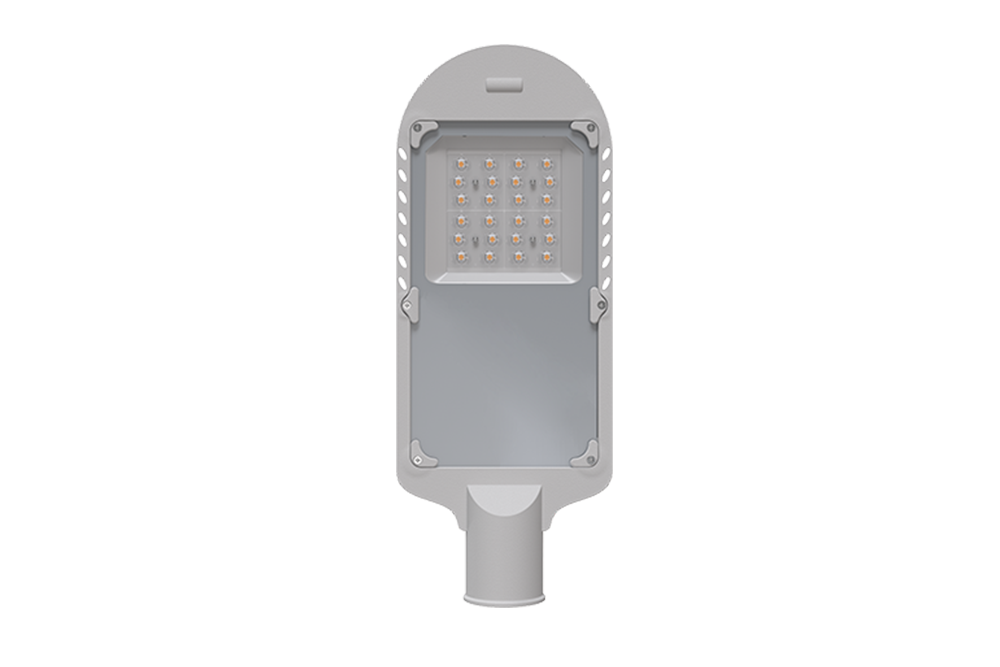
SEEKING STL-Series LED street lights deliver stable performance, 170 lm/W efficiency and 10KV surge protection. Ideal for city streets, parking lots, public roads and outdoor area lighting projects. Durable IP66 & IK08 design for long-term reliability.
View details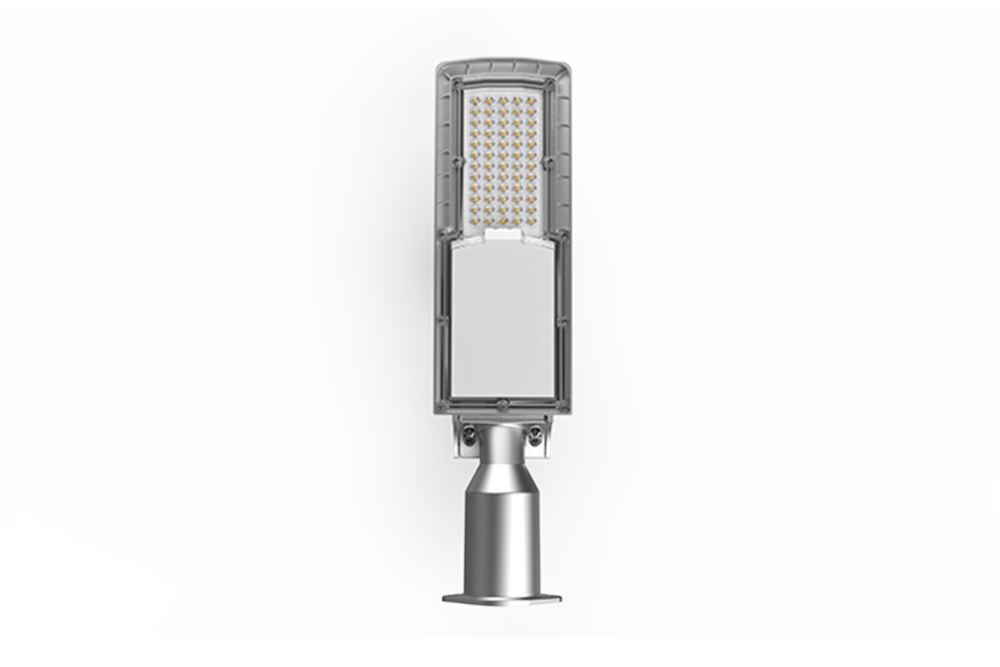
The SEEKING STC Series LED light street light delivers up to 170lm/W efficiency with MOSO drivers, IP66 protection, and a ±15° adjustable arm—ideal for roads, residential areas, and public lighting upgrades.
View details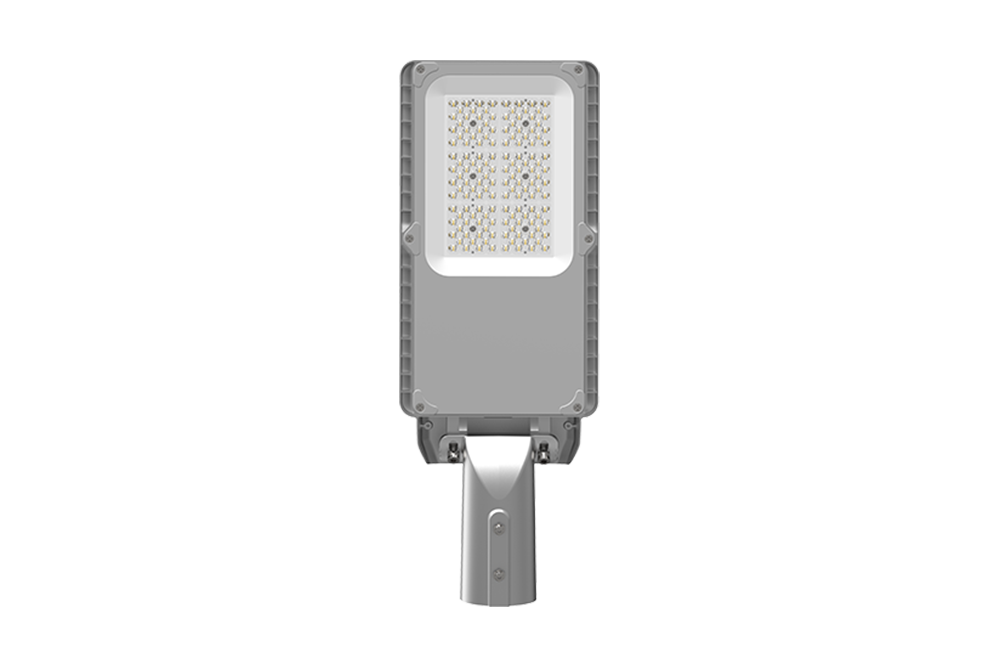
SEEKING STB Series LED street lighting delivers up to 160 lm/W, 10kV surge protection, IP66 waterproofing, and durable IK08 impact resistance. Ideal for streets, parking lots, and large outdoor areas needing long-lasting, energy-saving LED roadway lighting.
View details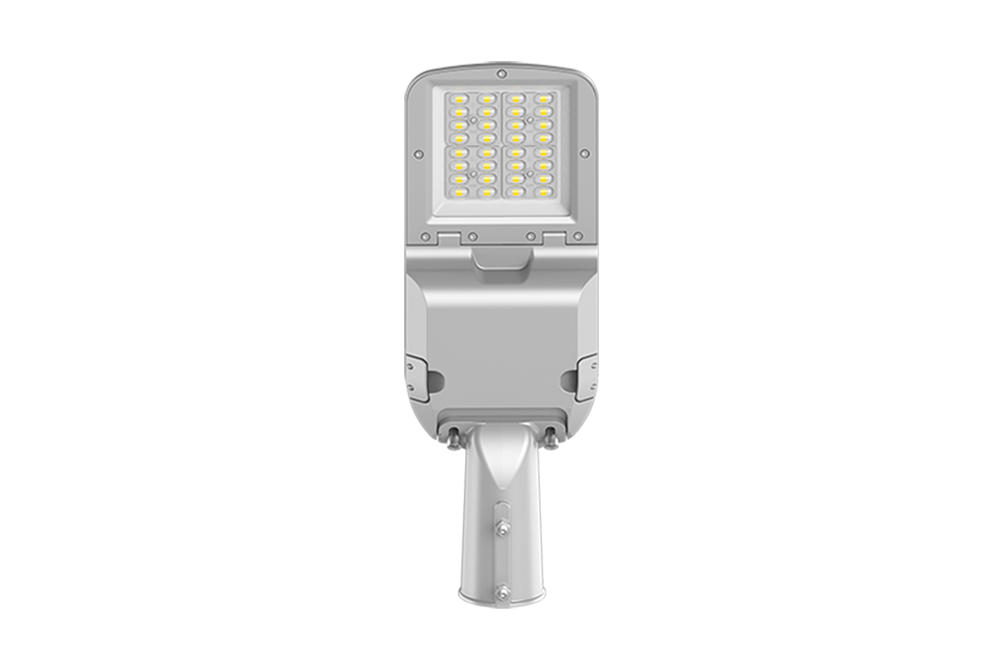
The SEEKING STA Series LED street light delivers strong efficiency, IP66 protection, 10kV surge resistance and multiple beam patterns for roads, parking lots and urban areas. High lumen output, easy installation and reliable performance for long-term outdoor lighting.
View details
Explosion proof lamp supplier for hazardous industries. Reliable, certified lighting solutions with proven performance by SEEKINGLED.
View details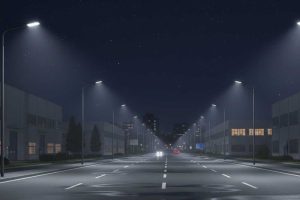
Choose a 150 watt LED street light for wide roads and industrial areas. Higher output, fewer poles, proven outdoor reliability by SEEKINGLED.
View details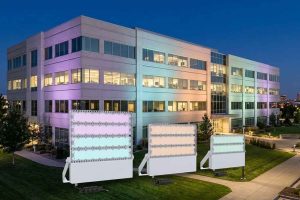
Colored LED flood lights create vibrant outdoor lighting for events, landscapes, and buildings. Learn real-world usage, color control tips, and expert insights with SEEKINGLED.
View details
LED High Bay Replacement for 400W Metal Halide was carried out in Germany using XJ-HBG150W. This project record documents how 192 MH fixtures were replaced by 72 LED high bays through a new lighting calculation.
View details