 Seeking LED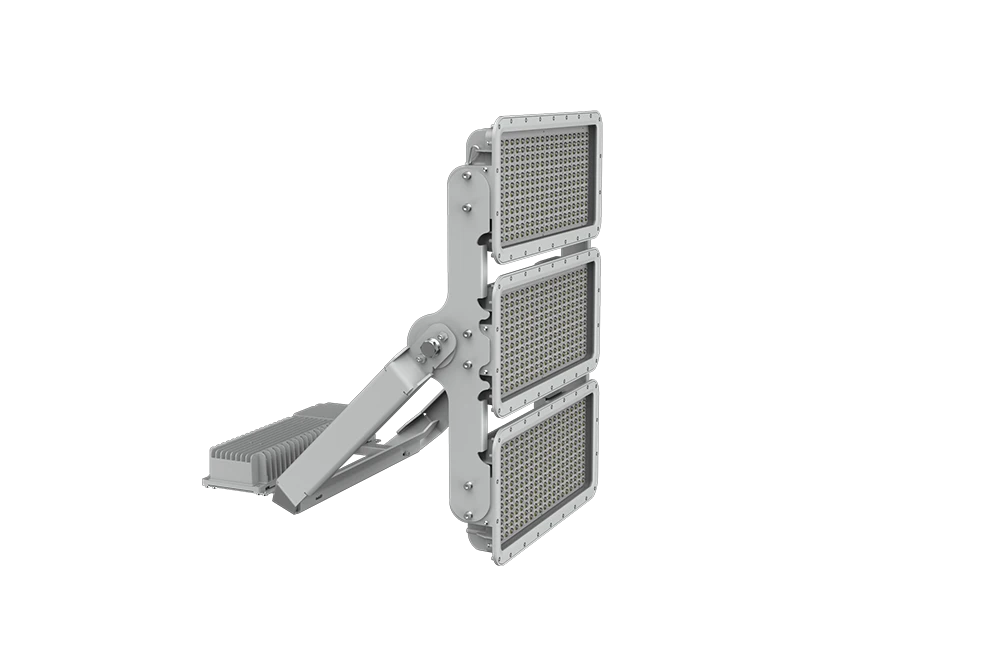
Are Flickering LED Lights Dangerous in Real Use?
80Are flickering LED lights dangerous in real environments? Learn causes, health risks, and how SEEKINGLED lighting systems reduce flicker for safer performance.
View detailsSearch the whole station
Question: How bright are LED flood lights?
Short answer: much brighter than most people expect.
But brightness is not just about wattage anymore. In fact, wattage barely tells you anything with modern LEDs. What matters is lumens, beam angle, and installation height.
Working with industrial lighting projects for years at SEEKINGLED, I’ve seen customers underestimate flood light brightness more times than I can count. Someone orders a 50W flood light thinking it will “light up the whole yard.” Then they install it… and realize the parking lot still looks dim.
Other times the opposite happens. They install a 200W unit too close to eye level and suddenly the entire area feels like a stadium.
So when people ask how bright are LED flood lights, the real answer depends on the application.
LED brightness is measured in lumens, not watts. Lumens represent the total amount of visible light produced.
Typical LED flood light brightness looks roughly like this:
| Power | Approximate Lumens |
|---|---|
| 10W | 900 – 1,200 lm |
| 30W | 3,000 – 4,000 lm |
| 50W | 5,000 – 7,000 lm |
| 100W | 10,000 – 14,000 lm |
| 200W | 20,000 – 28,000 lm |
But numbers alone don’t tell the full story. I’ve installed two lights with identical lumen ratings that produced completely different results simply because the beam angles were different.
A narrow beam concentrates light. A wide beam spreads it out.
Another reason people ask how bright are LED flood lights is because LEDs replaced older technologies like halogen or metal halide.
Here’s the difference:
That efficiency change is huge.
Modern LED flood lights often reach 120–150 lumens per watt, depending on quality and driver efficiency. Industrial models from manufacturers like SEEKINGLED are designed to maintain stable output even in outdoor environments.
A few years ago, I worked on a warehouse yard upgrade. The facility previously used 400W metal halide flood lights mounted on 8-meter poles.
The site manager assumed we needed the same wattage in LEDs.
Not even close.
We replaced them with 150W LED flood lights, each producing about 22,000 lumens. Once installed, the yard actually became brighter. Operators noticed it immediately. Forklift drivers said visibility improved, especially around loading docks.
Lower power. Higher brightness. Less maintenance.
That’s the reality of modern LED lighting.
When people search how bright are LED flood lights, they often want to know what works for a specific area.
Here are some rough guidelines we use at SEEKINGLED:
Backyard or small garden
Driveway or residential security lighting
Parking lots
Sports fields or industrial yards
But these numbers depend heavily on mounting height and spacing. A high pole spreads light differently than a wall-mounted unit.
Another factor affecting brightness perception is beam angle.
Flood lights generally come in beam angles like:
A 10,000-lumen light with a 30° beam will appear extremely bright in a small area. The same light with a 120° beam spreads illumination across a much wider zone.
I’ve seen customers install wide-beam lights expecting stadium brightness. The result? A softly lit yard instead of a focused light zone.
Choosing the right beam angle matters just as much as choosing the right lumen output.
Here’s something most people don’t realize.
Color temperature influences how bright a light feels.
Common flood light options include:
Higher color temperatures appear visually brighter because they contain more blue spectrum light. That’s why outdoor security lighting often uses 5000K daylight LEDs.
At SEEKINGLED, most outdoor flood light projects use 4000K or 5000K, depending on the environment.
If someone asks me how bright are LED flood lights, I usually respond with another question first:
What area are you lighting?
Brightness must match the environment. Too little light creates dark zones. Too much light causes glare and wasted energy.
Professional lighting design balances:
Even small adjustments make a big difference.
So, how bright are LED flood lights?
They can range from 1,000 lumens for small residential fixtures to over 60,000 lumens for stadium and industrial lighting.
That range is massive.
The key is not simply choosing the brightest option — it’s selecting the right brightness for the space.
At SEEKINGLED, we help contractors, facility managers, and property owners match lumen output to real lighting conditions. When brightness is chosen correctly, flood lights don’t just illuminate spaces — they transform how those spaces function at night.
And once you’ve seen a properly designed LED flood lighting system in action, it’s hard to go back to anything else.
Sports Stadium LED Lighting by SEEKINGLED delivers high mast illumination, precise beam control, and EN 12193 compliant performance for professional venues.
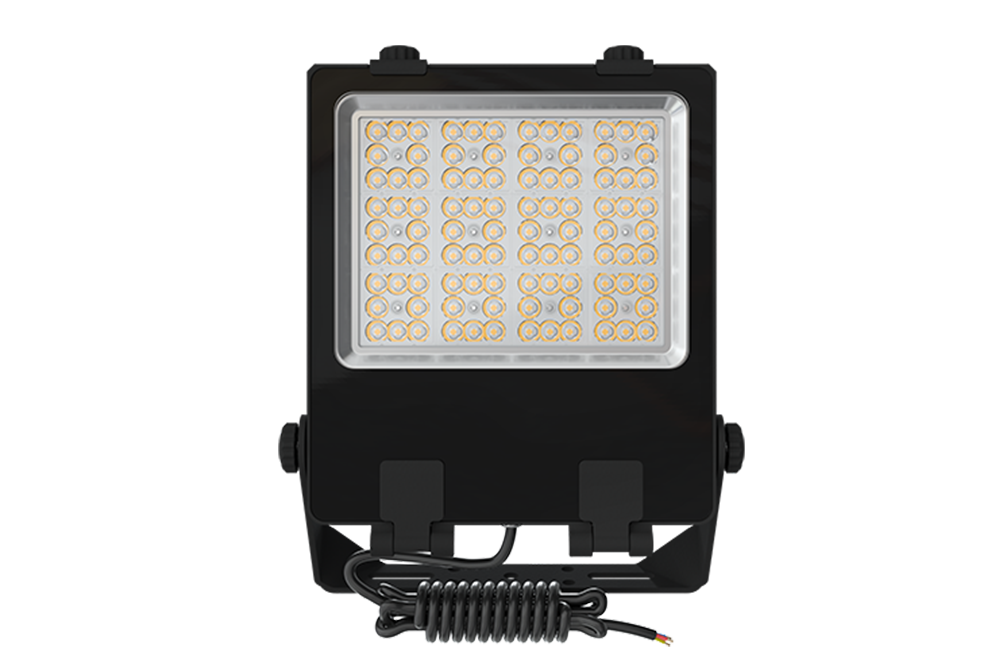
SEEKING FLX Series LED flood light outdoor for sports courts and open-area projects with 170lm/W efficiency, IP66 protection and multiple beam distributions. Designed for long-life commercial and public outdoor use.
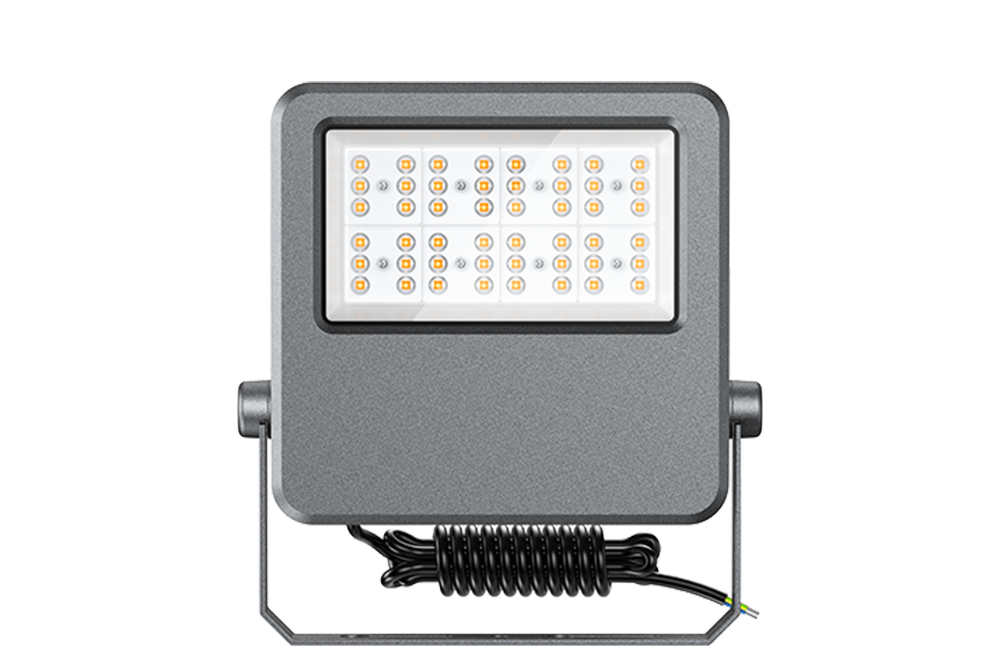
SEEKING FLE Series LED outdoor flood lights for sports grounds and open areas with multiple beam angles, IP66 protection and up to 170lm/W. Designed for long-life outdoor installations with professional driver options.
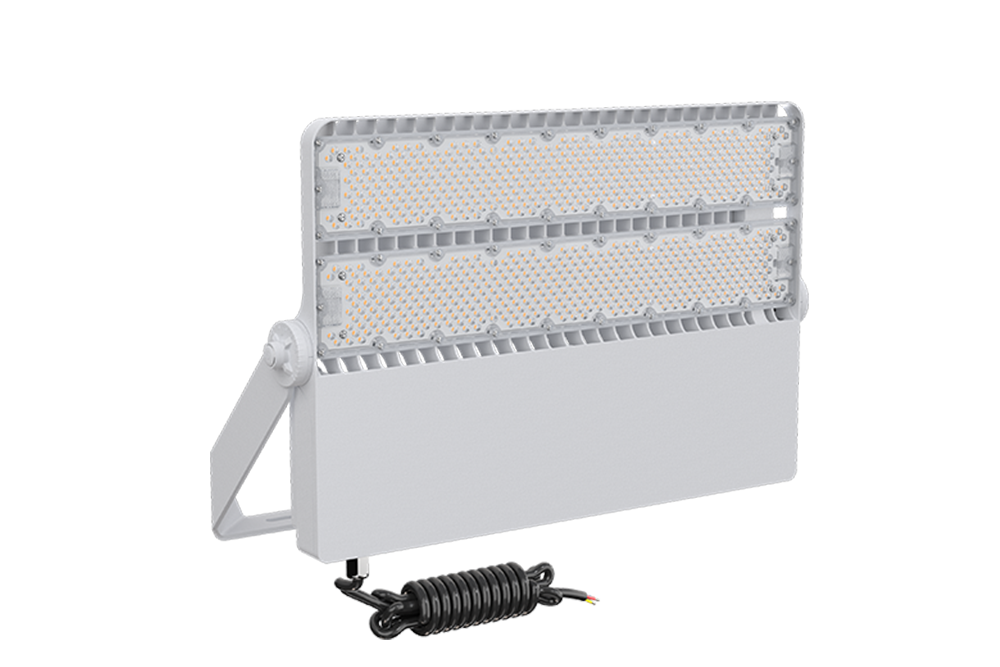
SEEKING FLD Series outdoor LED flood lights and high power led flood light deliver up to 960W with precision beam angles for sports fields, stadiums and large outdoor areas. IK08 & IP66 protection, 170lm/W efficiency and 100,000h lifetime.
loading…
This is the last post!

Are flickering LED lights dangerous in real environments? Learn causes, health risks, and how SEEKINGLED lighting systems reduce flicker for safer performance.
View details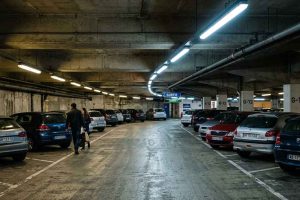
How long to LED lights last in real conditions? Not just specs—see true lifespan, failure causes, and what affects LED durability in daily use.
View details
4 ft linear LED high bay lights designed for aisles and corridors. Flexible beam angles, high efficacy, and long lifetime for real industrial use.
View details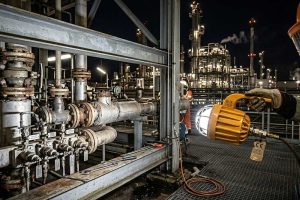
portable explosion proof lighting for Zone 1 & 2 hazardous areas. ATEX & IECEx certified, lightweight, durable and built for oil & gas safety by SEEKINGLED.
View details