 Seeking LED
How Many LED High Bay Fixtures per Square Foot Is Actually Enough?
180How many LED high bay fixtures per square foot do you really need? Real warehouse math, spacing rules, and mistakes to avoid before installation.
View detailsSearch the whole station
What Is a LED Flood Light Hazardous Area Fixture?
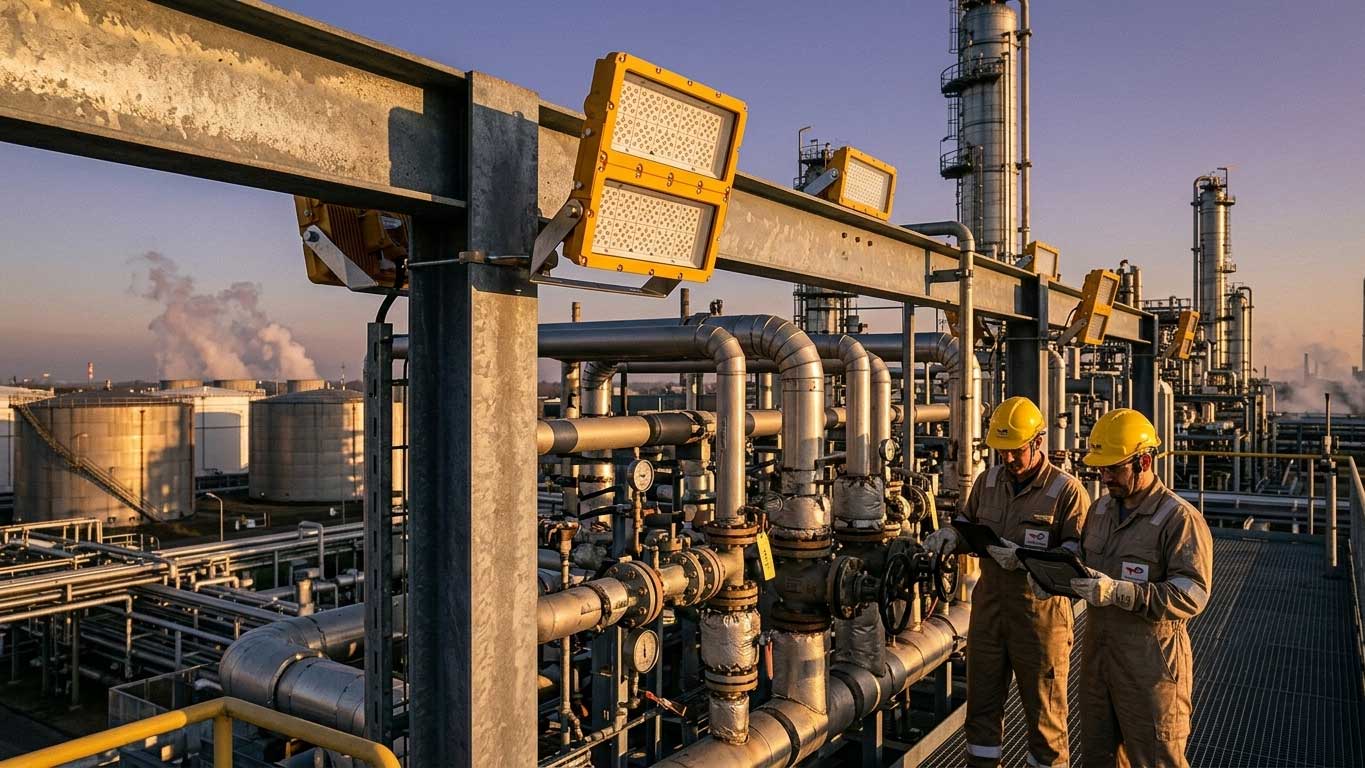
A LED flood light hazardous area fixture is a certified industrial luminaire engineered to illuminate locations where flammable gases, vapors, or combustible dust may be present without creating an ignition source. Unlike ordinary floodlights, it complies with ATEX, IECEx, or equivalent explosion-protection standards, delivering safe, reliable lighting for hazardous industrial environments.
Several years ago, while walking through a refinery expansion project before commissioning, I noticed something interesting. Hundreds of floodlights had already been installed, yet none of them looked like the commercial LED fixtures commonly used in warehouses. Their housings were thicker, cable entries were sealed with certified glands, and every product carried detailed Ex markings engraved directly into the nameplate.
One of the commissioning engineers smiled and said, “Brightness is important—but certification keeps everyone going home safely.”
That conversation has stayed with me. After supporting hazardous-area lighting projects for distributors, EPC contractors, and industrial end users, I’ve learned that choosing the right explosion-protected floodlight is rarely about buying the highest wattage. It is about selecting equipment that can safely operate in an environment where a single spark could have catastrophic consequences.Visit the product page: Explosion proof lights
This guide explains what a hazardous area LED floodlight is, how it works, and why international certifications matter.
At first glance, an industrial IP66 floodlight and a certified hazardous area floodlight may appear similar.
Internally, however, they are fundamentally different.
A standard industrial LED floodlight is designed to resist rain, dust, and mechanical impact.
A hazardous area fixture must also prevent the luminaire itself from becoming an ignition source.
Potential ignition sources include:
This is why explosion-protected luminaires are tested under internationally recognized standards before entering hazardous environments.
According to the International Electrotechnical Commission (IEC), equipment installed in explosive atmospheres must comply with the IEC 60079 series of standards governing explosion protection.
Reference:
Rather than relying on a single safety feature, hazardous area floodlights combine several layers of protection.
These typically include:
Together, these measures reduce the possibility that the luminaire could ignite surrounding gases or combustible dust.
The protection concept depends on the certification type.
Common protection methods include:
| Protection Method | Typical Application |
|---|---|
| Ex d | Flameproof enclosure |
| Ex e | Increased safety |
| Ex n / Ex ec | Zone 2 equipment |
| Ex t | Combustible dust protection |
Each protection concept is intended for specific hazardous environments.
Hazardous locations are classified according to how often explosive atmospheres are present.
For gas environments:
| Zone | Definition | Recommended Equipment |
|---|---|---|
| Zone 0 | Gas present continuously | Special certified equipment |
| Zone 1 | Gas likely during normal operation | Ex d / Ex e equipment |
| Zone 2 | Gas unlikely or present briefly | Ex ec / Ex n equipment |
Dust environments are classified separately:
| Zone | Dust Presence |
|---|---|
| Zone 20 | Continuous |
| Zone 21 | Occasional |
| Zone 22 | Rare |
Selecting the correct floodlight always begins with understanding the site’s hazardous area classification report.
Using a lower-certified luminaire than required may violate safety regulations and expose facilities to unacceptable risks.
Certification is the defining difference between a hazardous area floodlight and a conventional industrial luminaire.
Two certification systems dominate global projects.
ATEX is mandatory for equipment placed on the European market.
It is governed by:
Directive 2014/34/EU
ATEX certification confirms that equipment meets European requirements for operation in potentially explosive atmospheres.
Reference:
The IECEx System provides internationally recognized certification based on IEC standards.
Many multinational oil & gas companies request IECEx-certified equipment because it simplifies acceptance across multiple countries.
Reference:
Over the last decade, I have watched facilities steadily replace metal halide floodlights with LED alternatives.
Initially, most customers focused on energy savings.
Today, maintenance reduction has become just as important.
Compared with traditional HID lighting, hazardous area LED floodlights typically offer:
According to the U.S. Department of Energy, LED lighting significantly reduces electricity consumption while providing substantially longer operational lifetimes than conventional lighting technologies.
Reference:
https://www.energy.gov/eere/ssl
Certified floodlights are widely installed throughout industries where explosive atmospheres may occur.
Typical applications include:
Although these industries differ significantly, they share one common requirement:
Reliable illumination that never compromises safety.
No. Even an IP66 or IP67 outdoor floodlight is not automatically suitable for hazardous locations. Water resistance and explosion protection are different engineering requirements. Hazardous area fixtures must be certified to standards such as ATEX, IECEx, UL844, or CSA, depending on the destination market.
That depends on where the project is located.
| Region | Common Certification |
|---|---|
| European Union | ATEX |
| International projects | IECEx |
| United States | UL844 / NEC |
| Canada | CSA C22.2 |
Always verify that the certification matches the site’s gas group, temperature class and hazardous area classification.
Yes—provided they are specifically certified for Zone 1.
Typical markings include:
The complete marking should always match the hazardous area assessment completed by the engineering team.
Premium industrial fixtures generally provide an L70 lifetime of 100,000 hours or more when operated within their specified ambient temperature range.
However, real service life depends on:
In coastal refineries and offshore platforms, corrosion protection often becomes just as important as LED lifetime.
Marine-grade die-cast aluminum provides several advantages:
Most premium manufacturers also apply powder coating specifically designed for offshore or chemical environments.
During years of supplying hazardous area lighting for industrial projects, one lesson has remained constant:
Clients rarely ask only about lumens.
Instead, conversations quickly shift toward reliability:
“Can this survive five years offshore?”
“Will maintenance crews need to replace drivers every winter?”
“Can we reduce shutdowns?”
These are practical questions from engineers responsible for safety—not just procurement.
At SEEKINGLED, our development philosophy follows that reality.
Our hazardous area LED flood lights are designed with attention to:
Rather than offering the highest lumen specification on paper, we focus on dependable performance over years of continuous industrial operation.
That approach has helped our products serve projects in oil & gas, petrochemical processing, marine terminals, chemical manufacturing, wastewater treatment, mining and heavy industry across numerous international markets.
A LED Flood Light Hazardous Area Fixture is far more than a bright industrial lamp.
It is a safety-engineered system designed to illuminate hazardous environments without becoming an ignition source itself. Every detail—from the enclosure and seals to the driver, cable entries and thermal management—is developed to comply with strict international explosion-protection standards.
When specified correctly, certified hazardous area LED flood lights deliver long service life, excellent energy efficiency and dependable operation in some of the world’s most demanding industrial environments.
For engineers planning new installations or upgrading aging HID systems, selecting the correct certified fixture is an investment in safety, regulatory compliance and lower lifecycle costs.
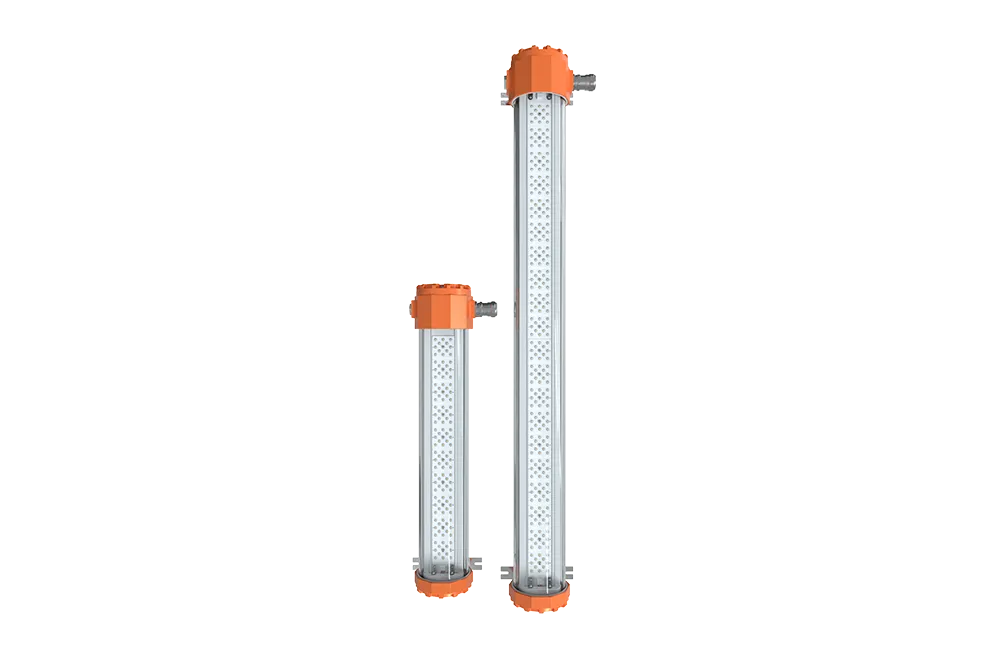
SEEKINGLED LED Linear Explosion Proof Light and Explosion Proof lighting is ATEX and IECEx certified for Zone 1, Zone 2, Zone 21 and Zone 22 hazardous locations, built for long-term industrial use.
View details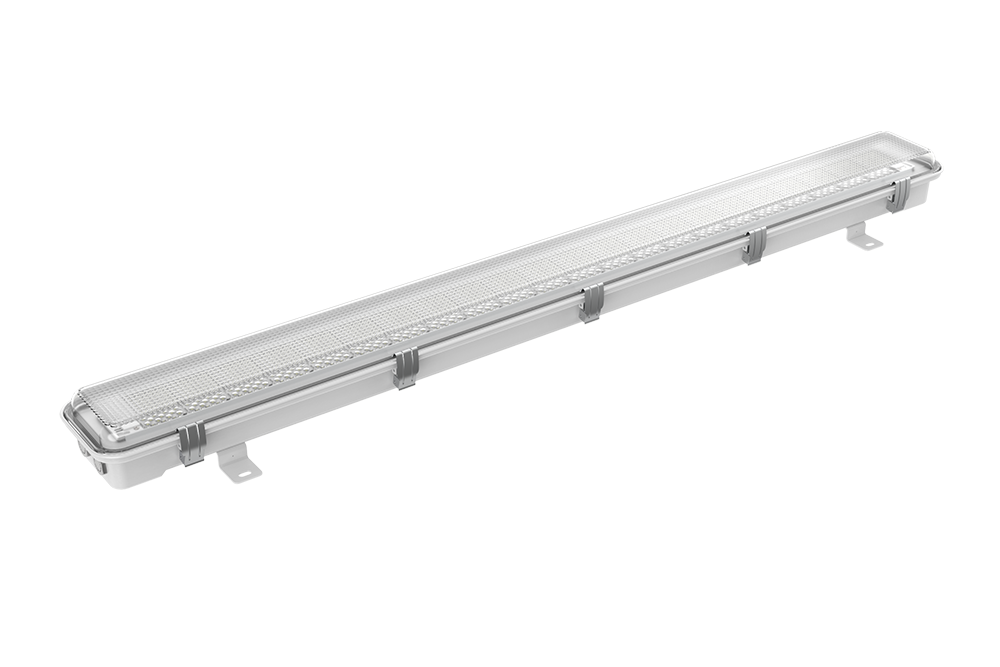
LED Linear Explosion Proof Lights and EX Proof lights for Zone 1, Zone 2, Zone 21 and Zone 22 hazardous areas. ATEX & IECEx certified explosion proof LED linear lighting with emergency function, adjustable power and IP67 protection by SEEKINGLED.
View details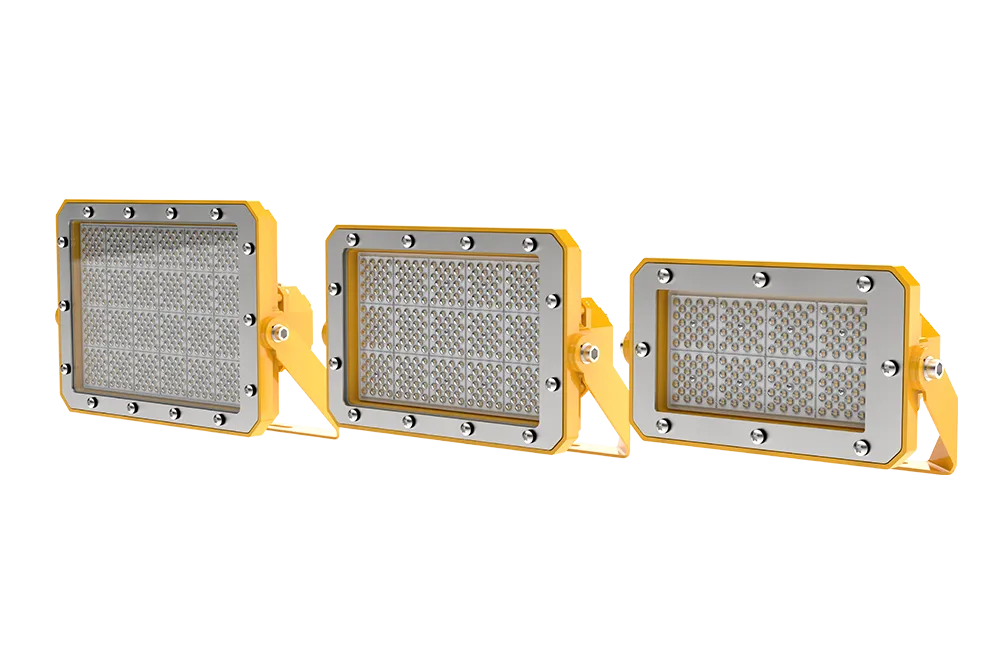
SEEKINGLED LED Explosion Proof Flood Lights are ATEX certified for Zone 2 and Zone 22 hazardous areas, offering high efficiency, adjustable power and integrated junction box.
View details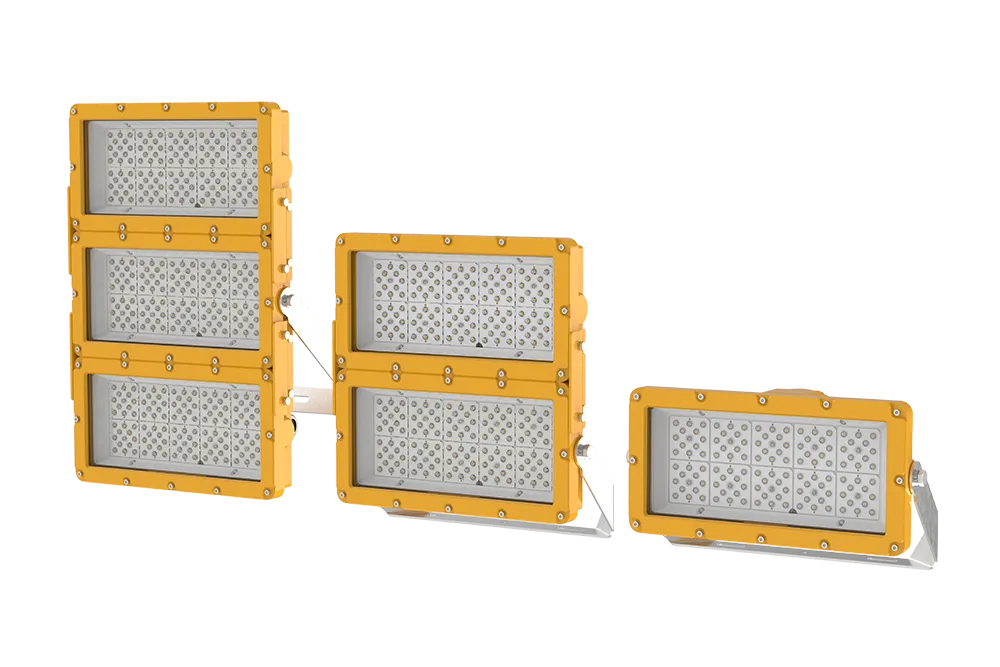
SEEKINGLED LED Explosion Proof Flood Lights are flameproof ATEX and IECEx certified for Zone 1 and Zone 2 hazardous areas, offering high power, adjustable output and long service life.
View details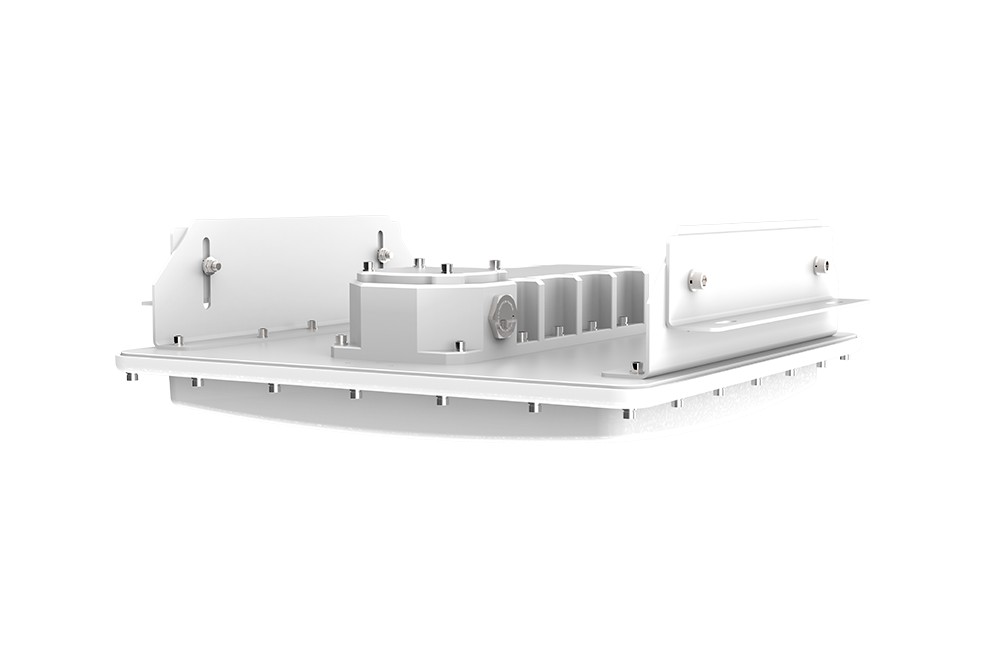
SEEKINGLED LED Gas Station Canopy Lights are ATEX certified for Zone 2 and Zone 22 hazardous areas, featuring adjustable power and built-in explosion-proof junction box.
View details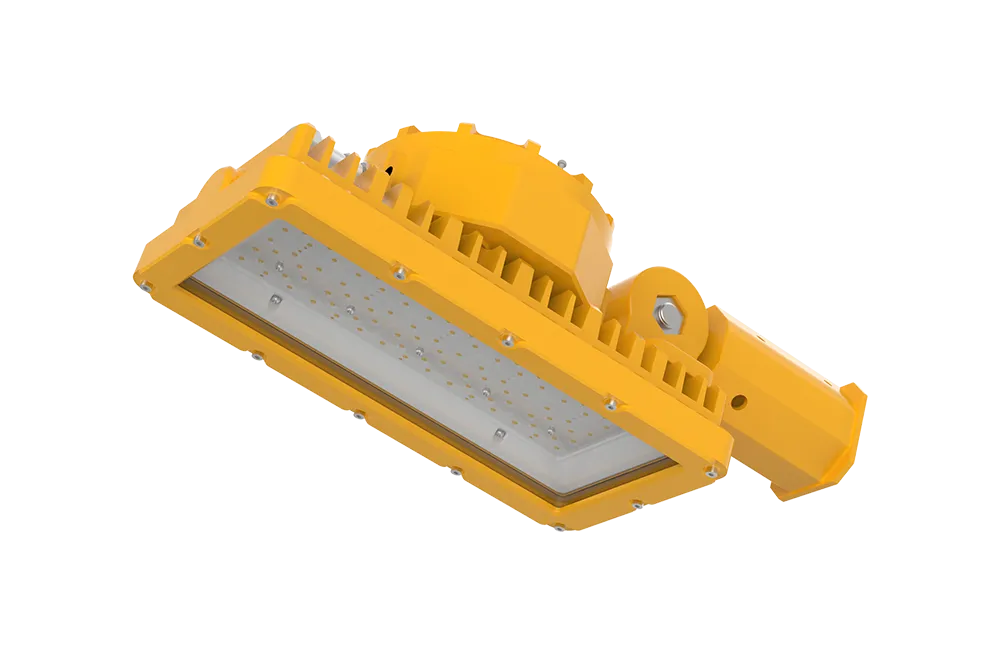
ATEX: Ex II 2G Ex db IIB T6/T5 GbEx II 2D Ex tb IIIC T80°C/ T95°C Db IECEx Ex db IIB T6 Gb;Ex tb IIIC T80°C Db Feature: ● For Zone 1,2 and Zone 21,22● Flameproof type, the strongest● 100W can replace 250W HID,energy saving● Power:60W,80W,100W Application: Oil and gas, marine, Chemical, pharmaceutical, semiconductor,mining,military industr…
View details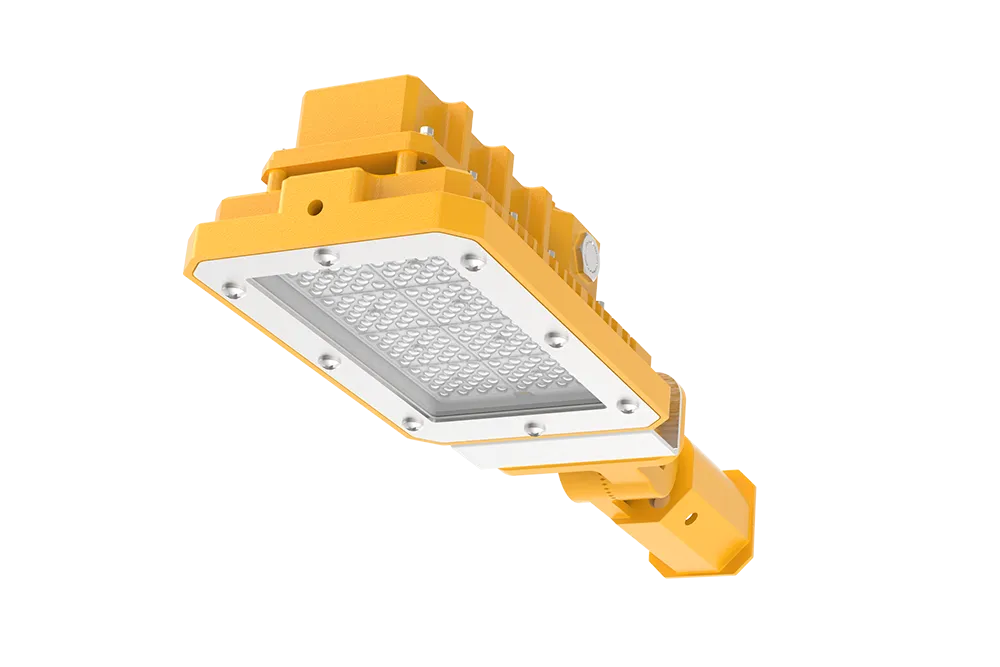
ATEX: II 3G Ex nR ⅡC T5/T6 GcII 3D Ex tc ⅢC T80℃/T95℃Dc ATEX Certificate NO: TÜV CY 26 ATEX 0207611 X Feature: ● For Zone 2 and Zone 22● 150W can replace 250W HID lamps,Energy saving● Power:50W,75W,100W,150W,200W Application: Oil and gas, marine, Chemical, pharmaceutical, semiconductor,mining,military industry, paint booth,power plant ETC…
View details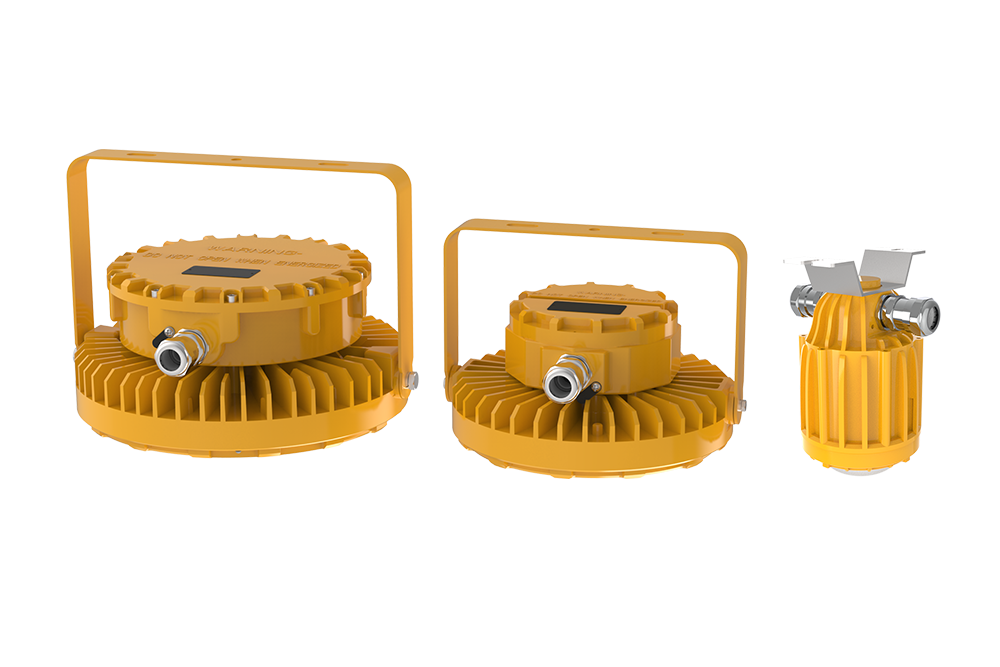
LED explosion proof high bay lights are designed for Zone 1, Zone 2, Zone 21 and Zone 22 hazardous areas. This page introduces the HB21 Series from SEEKING, including certifications, power options and real application considerations.
View details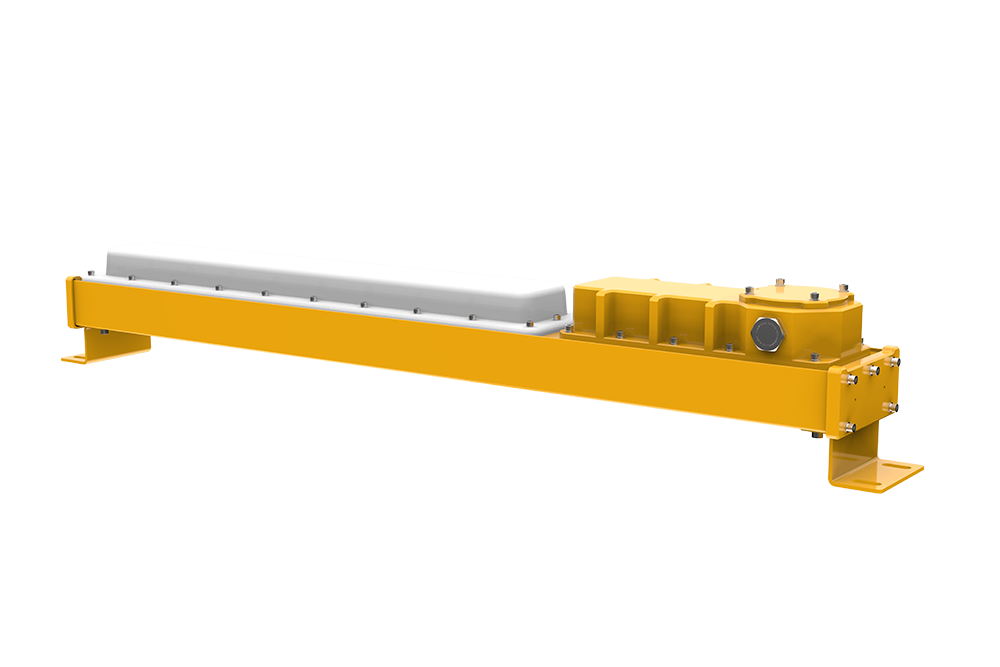
LED Linear Explosion Proof Lights from SEEKINGLED. LU Series Flame Proof lights ATEX-certified explosion proof LED linear lighting for Zone 2 gas and Zone 22 dust areas, IP69K, IK10, long lifetime and flexible power options.
View details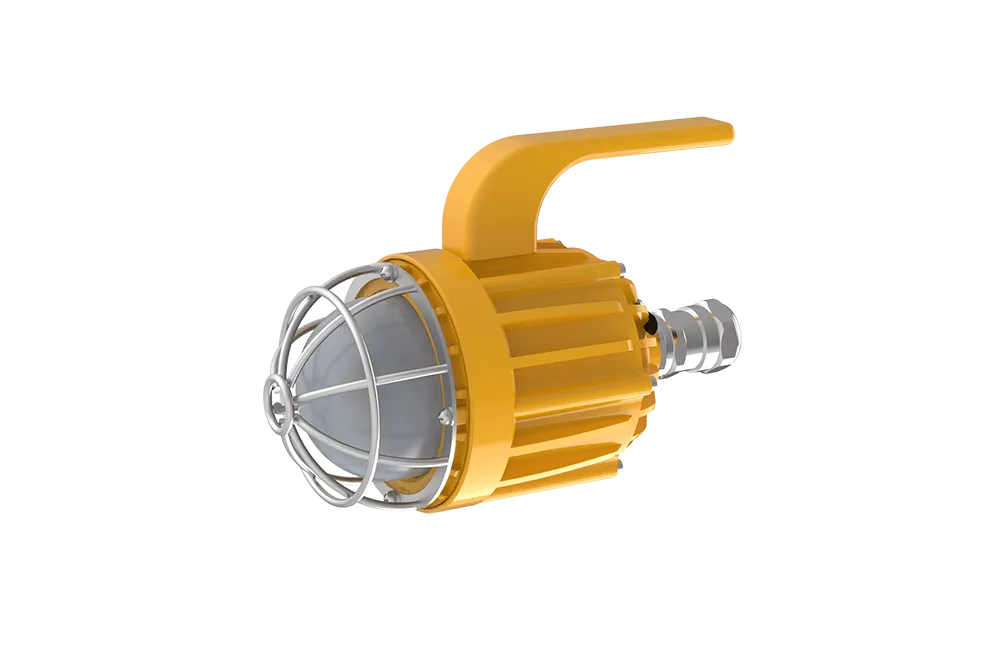
Certified explosion proof work lights for Zone 1 & 21 hazardous areas. Portable, ATEX & IECEx approved, built for oil, gas and chemical plants by SEEKINGLED.
View details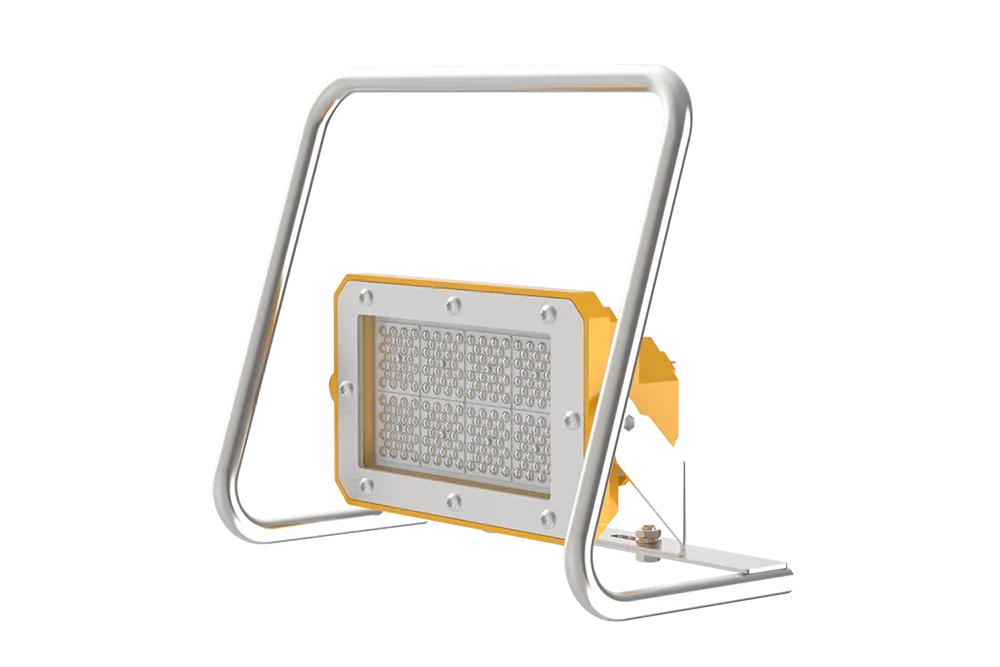
ATEX: II 3G Ex nR ⅡC T6 GcII 3D Ex tc ⅢC T80℃ Dc ATEX Certificate NO: TÜV CY 26 ATEX 0207611 X Feature: ● For Zone 2 and Zone 22● Accepts battery-powered supply● indestructible● Power:AC input:50W,75W,100WDC input:15W,25W,35W Application: Oil and gas, marine, Chemical, pharmaceutical, semiconductor,mining,military industry, paint booth,po…
View details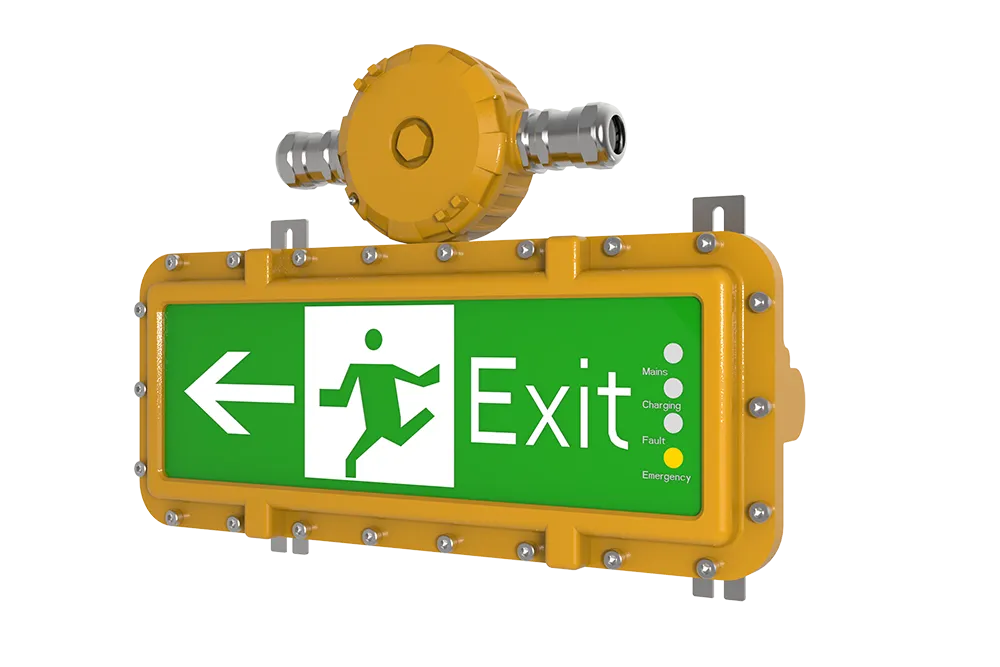
ATEX: Ex II 2G Ex db IIB T6 GbEx II 2D Ex tb IIIC T80°C Db IECEx Ex db IIB T6 Gb;Ex tb IIIC T80°C Db Feature: ● For Zone 1,2 and Zone 21,22● Flameproof type, the strongest Application: Oil and gas, marine, Chemical, pharmaceutical, semiconductor,mining,military industry, paint booth,power plant ETC hazardous area. Technical Specifications:…
View details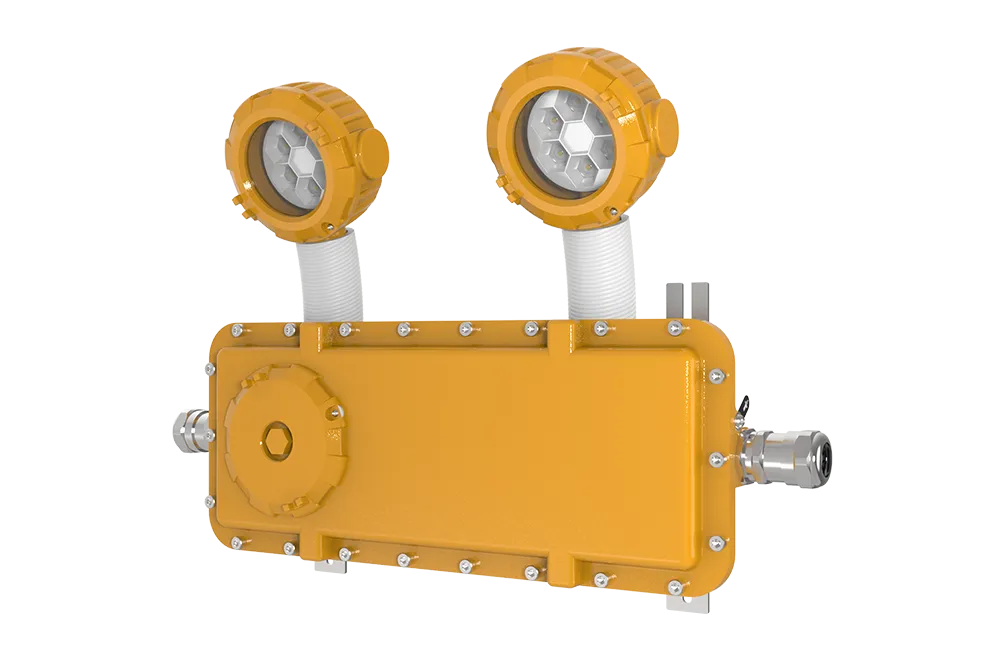
ATEX: Ex II 2G Ex db IIB T6 GbEx II 2D Ex tb IIIC T80°C Db IECEx Ex db IIB T6 Gb;Ex tb IIIC T80°C Db Feature: ● For Zone 1,2 and Zone 21,22● Flameproof type, the strongest Application: Oil and gas, marine, Chemical, pharmaceutical, semiconductor,mining,military industry, paint booth,power plant ETC hazardous area. Technical Specifications:…
View details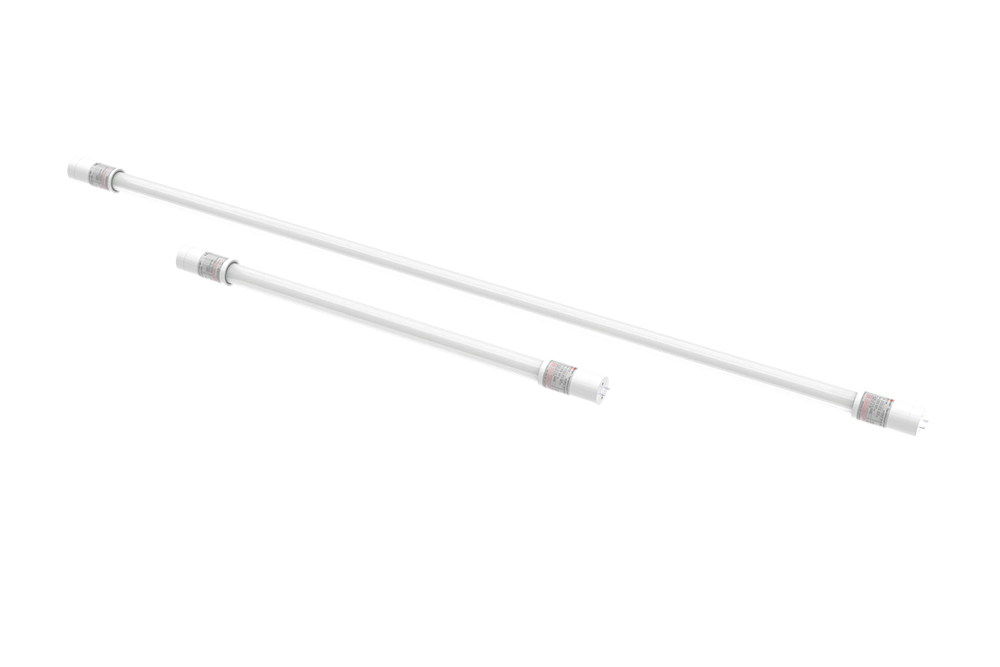
ATEX: Ex II 2G Ex d e IIB T6 Gb ATEX: Ex d e IIB T6 Gb; Feature: ● For Zone 1,2● 9W can replace 18W fluorescent lamps,50% Energy saving Application: Oil and gas, marine, Chemical, pharmaceutical, semiconductor,mining,military industry, paint booth,power plant ETC hazardous area. Technical Specifications: Standards:60079-0, 60079-1, 60079…
View details
How many LED high bay fixtures per square foot do you really need? Real warehouse math, spacing rules, and mistakes to avoid before installation.
View details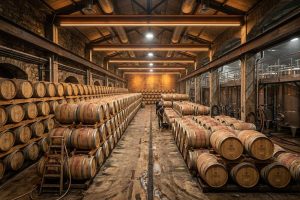
LED wine cellar lighting for winery fermentation spaces. Low heat, moisture-resistant, and stable illumination for barrels and production areas by SEEKINGLED.
View details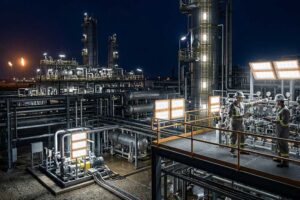
Why Hazardous Area Lighting Fixtures Exist is a critical question in industrial safety. Learn how certified fixtures prevent ignition risks and protect hazardous workplaces.
View details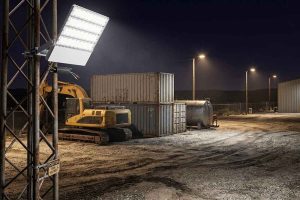
LED flood lamp 100W explained from real projects. Discover brightness, lifespan, and installation insights from SEEKINGLED for reliable outdoor lighting.
View details