 Seeking LED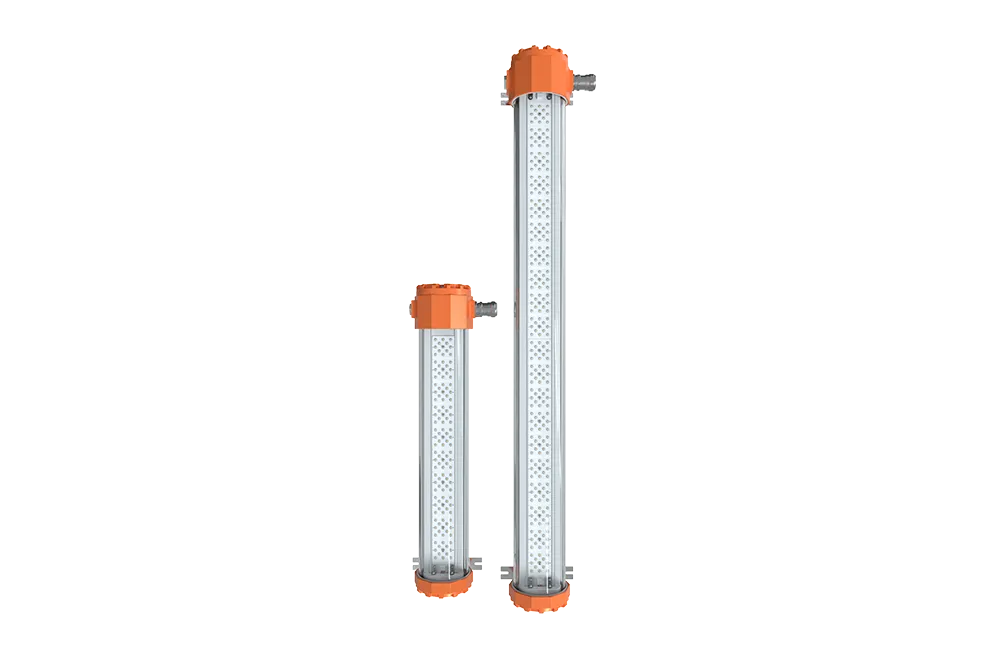
How Brightvare LED 60 Watt Flood Lights?
0How brightvare led 60 watt flood lights? Discover lumen output, beam distance, outdoor coverage, and real-world brightness performance from SEEKINGLED.
View detailsSearch the whole station
Are all LED lights explosion proof?
No. Most LED lights are not explosion proof, even though LEDs themselves generate less heat and are more efficient than traditional light sources.
Explosion proof capability is not defined by the LED chip. It is defined by the complete luminaire design, including enclosure strength, sealing method, cable entry structure, and certified temperature limits.
A standard industrial or commercial LED fixture is designed for general environments. It may be reliable, long-lasting and energy efficient, but it is not built to contain sparks, arcs or internal faults.
In hazardous locations, even a small electrical failure can ignite flammable gas or dust. Without a certified enclosure, standard LED lights simply do not provide the required protection.
This is why replacing a fluorescent fixture with a “normal LED” in a hazardous zone is never acceptable from a safety or compliance standpoint.
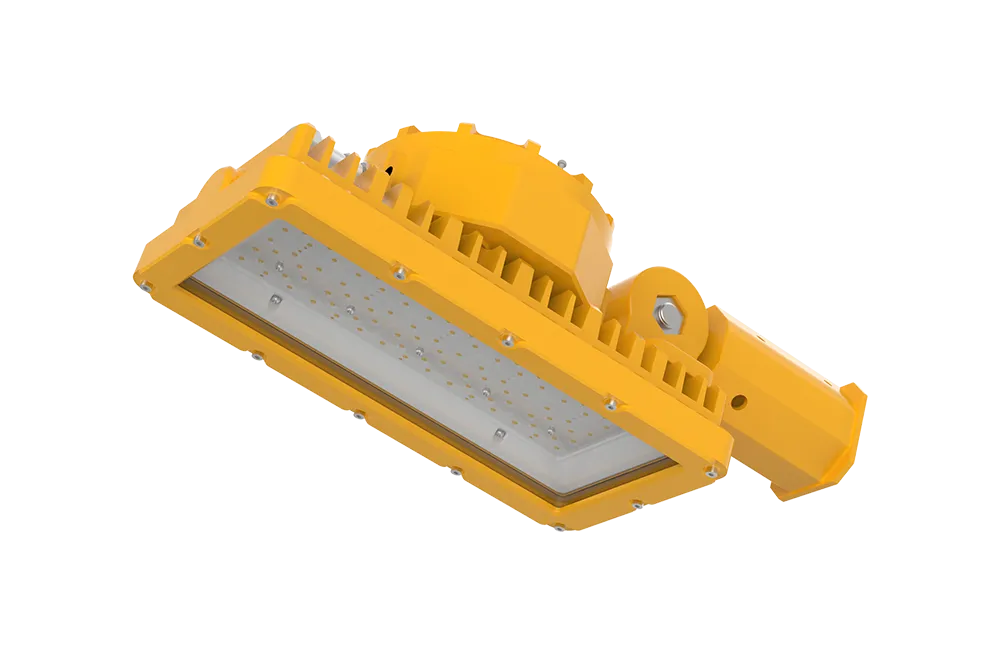
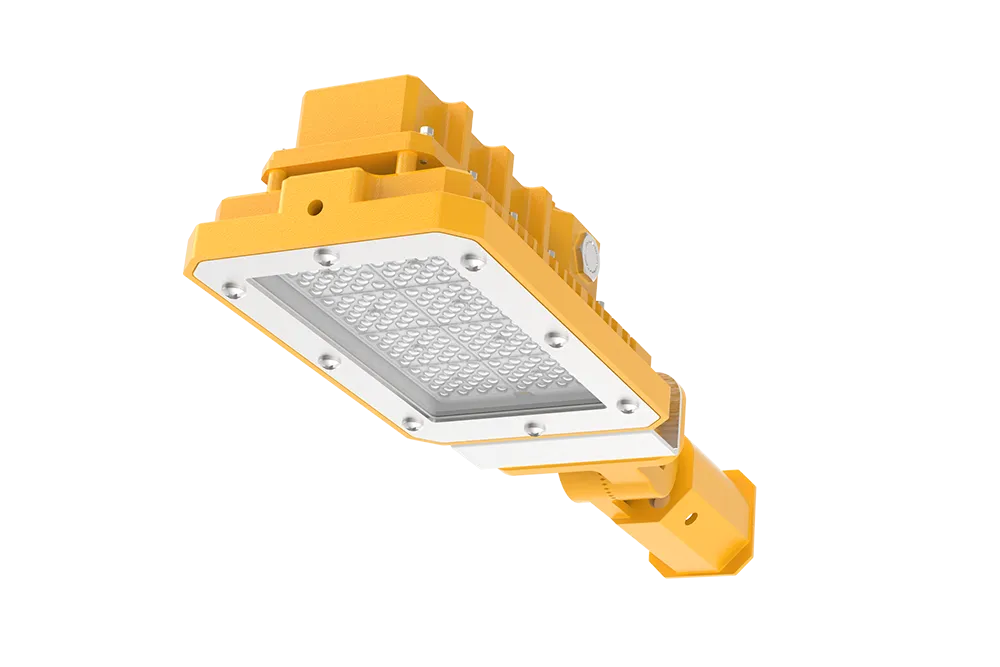
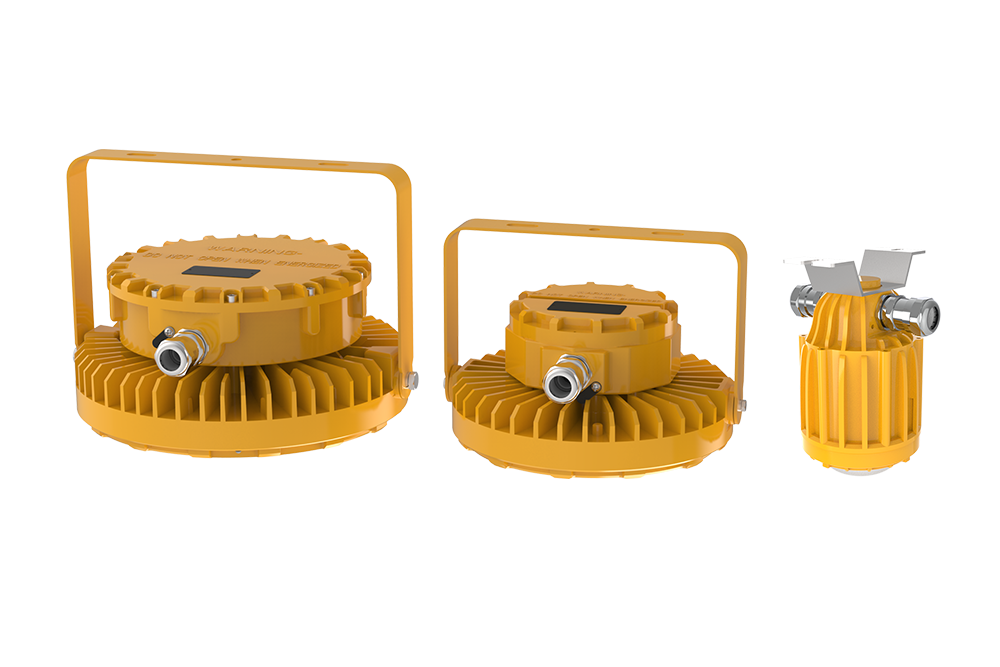
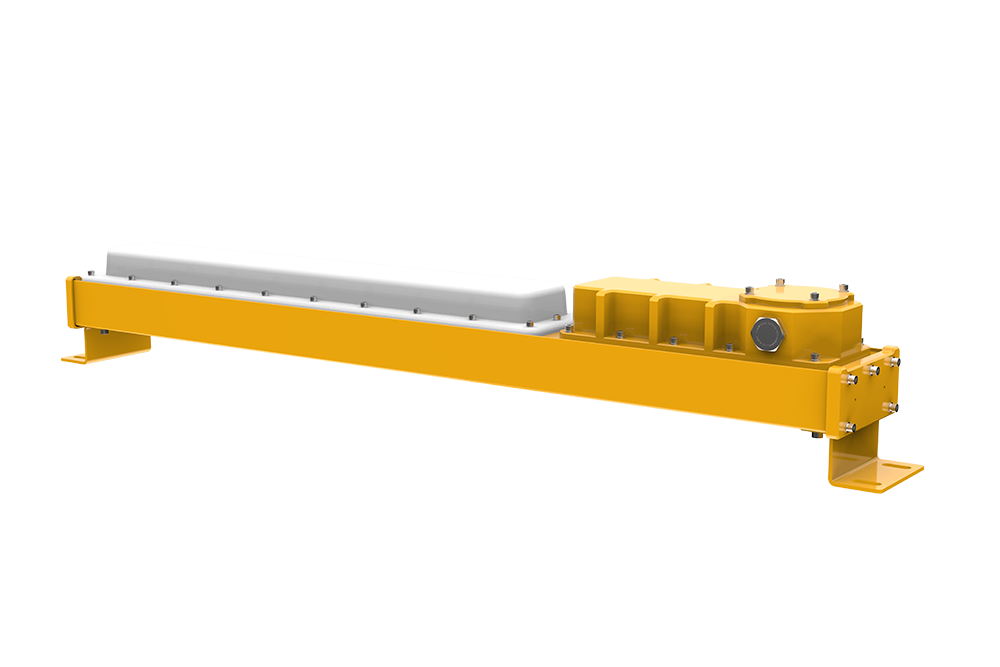
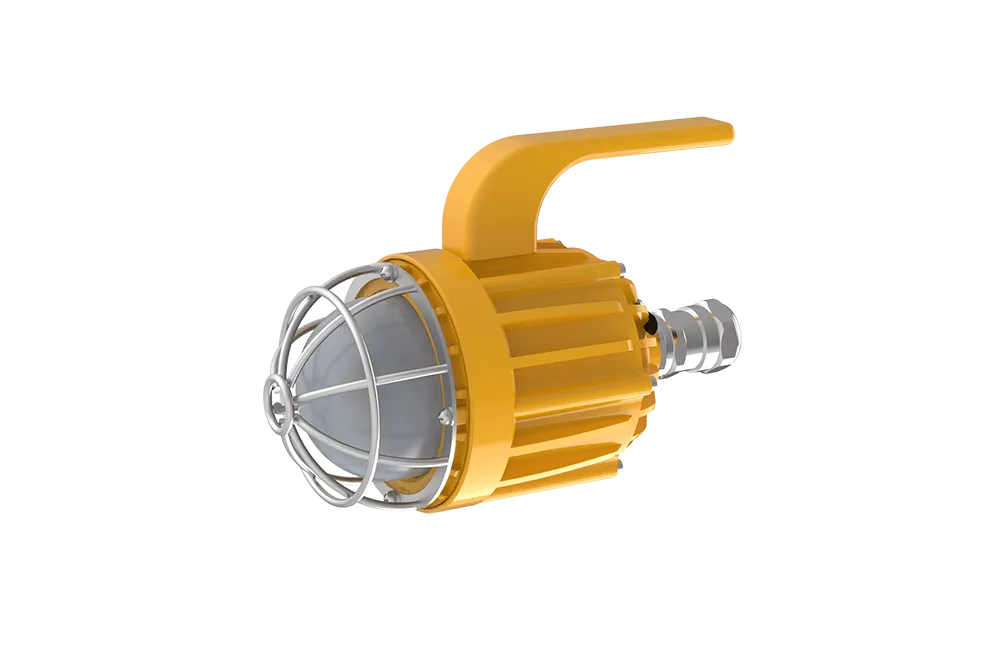
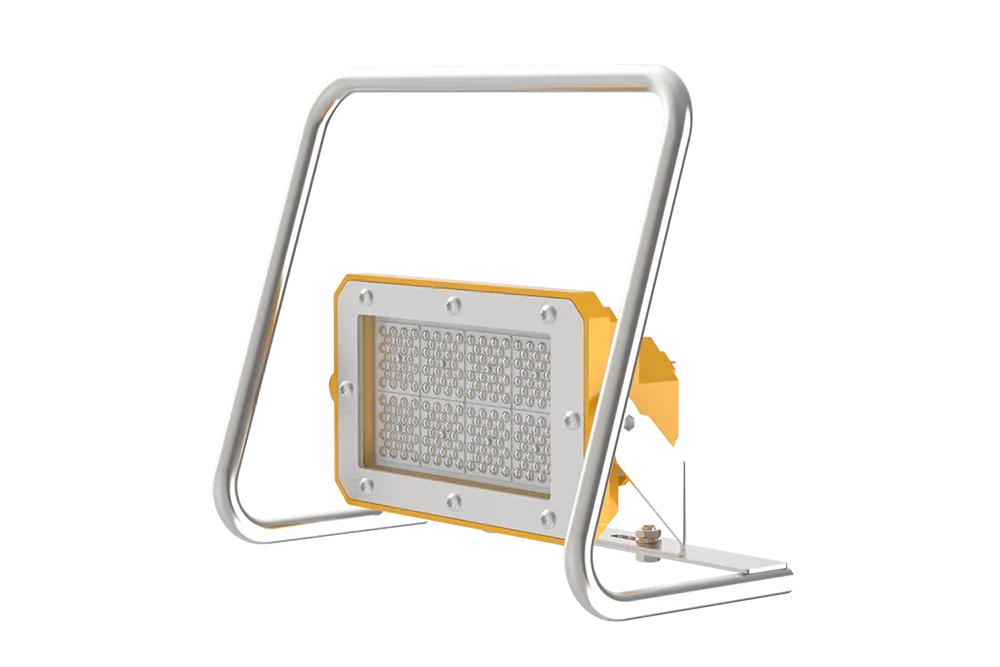
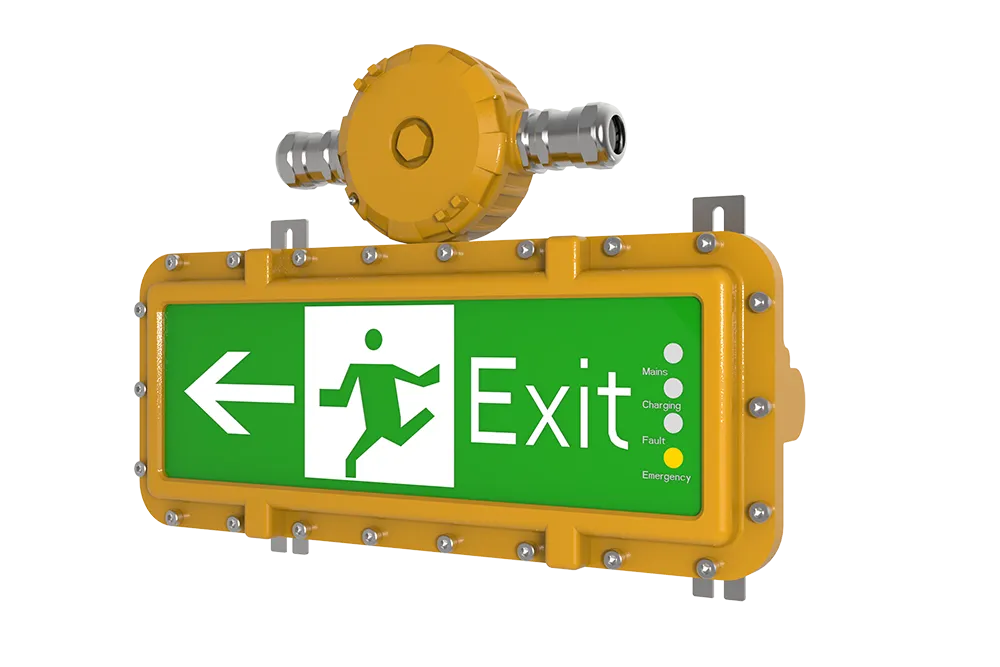
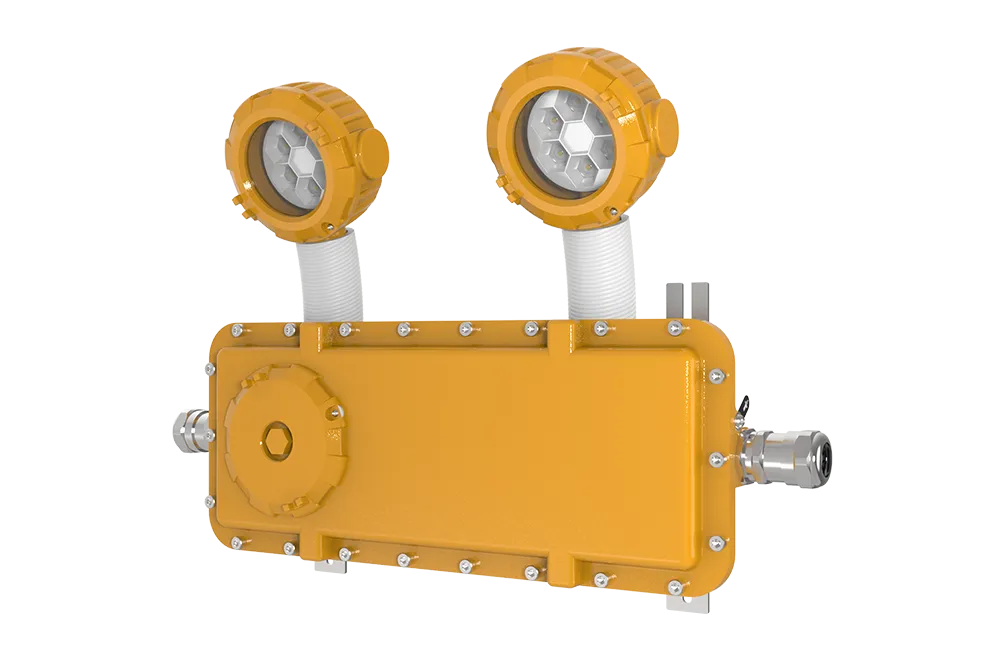
An LED light becomes explosion proof only after the entire fixture meets specific protection concepts such as flameproof (Ex d), increased safety (Ex e), or encapsulation (Ex m).
These designs ensure that:
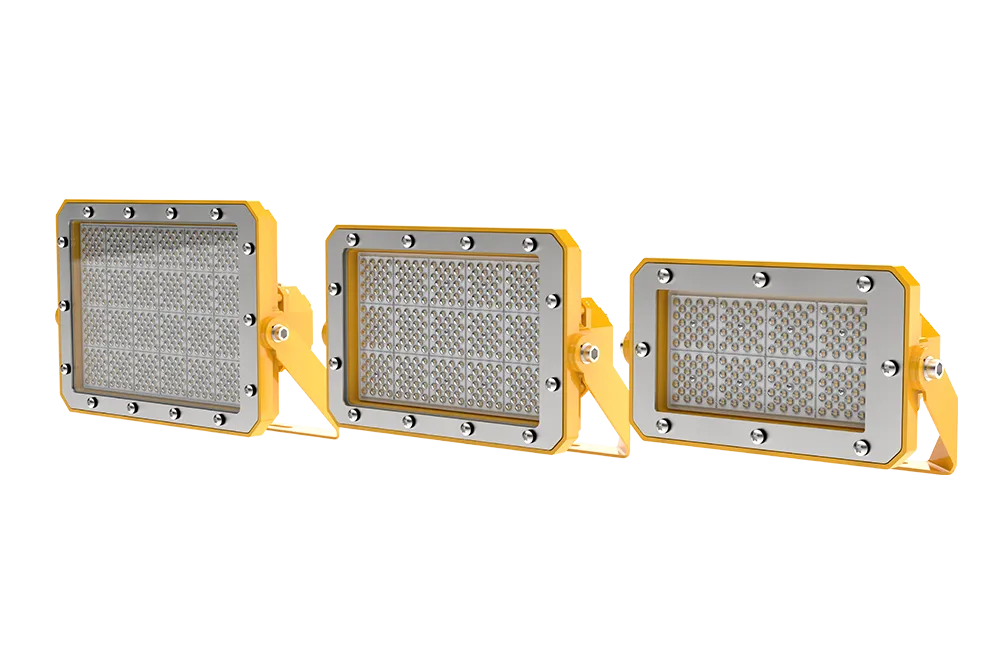
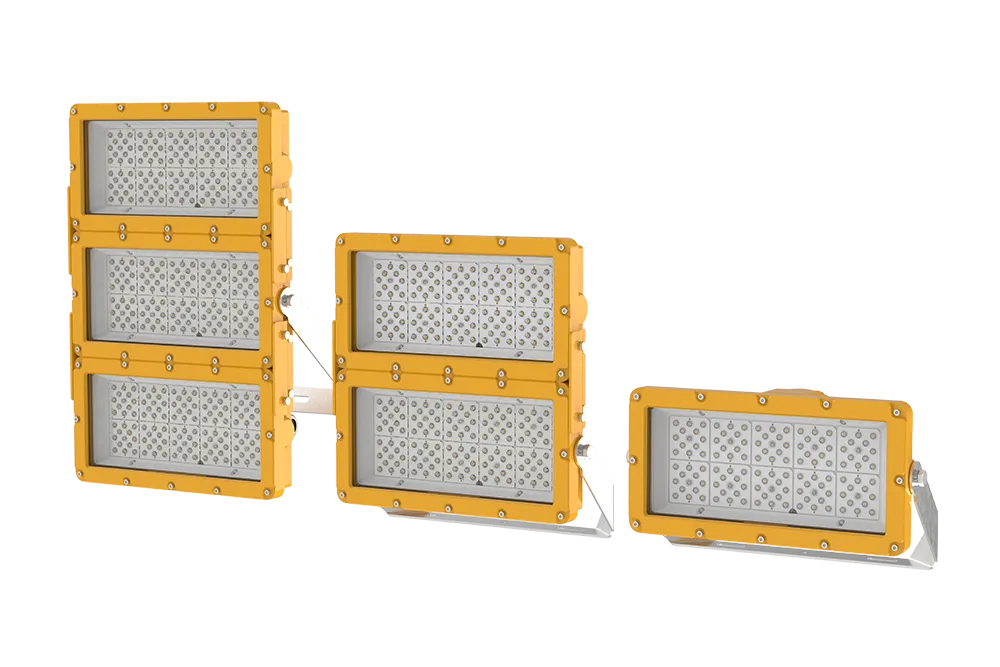
SEEKINGLED explosion proof LED lighting is developed around these principles, not around LED components alone.
Another common misconception is that “low heat” equals “safe for hazardous areas.” In practice, certification bodies test explosion proof lighting under fault conditions, not ideal operation.
Only fixtures with valid ATEX or IECEx certification can be legally installed in classified zones. Without this, even high-quality LED lights remain ordinary luminaires.
For project approval, inspectors look at nameplates and certificates, not marketing descriptions.
Explosion proof LED lighting is used where flammable gases, vapors or combustible dust may be present. Typical locations include oil & gas facilities, chemical plants, paint booths and grain handling areas.
In these environments, choosing certified explosion proof lighting is not an upgrade—it is a basic safety requirement.
SEEKINGLED works with system integrators and project engineers to match explosion proof LED lighting to the correct zone, gas group and temperature class.
How brightvare led 60 watt flood lights? Discover lumen output, beam distance, outdoor coverage, and real-world brightness performance from SEEKINGLED.
View details
When fixing LED high bay lighting costs more than replacing, small upgrades stop making sense. Learn when repair turns into wasted money.
View details
What is an ATEX LED flood light? Learn how ATEX-certified explosion-proof LED flood lights work in hazardous zones, oil plants, and chemical facilities with SEEKINGLED.
View details
Ex proof LED lighting explained: real safety design, certifications, and industrial performance insights. Learn how SEEKINGLED ensures safe hazardous lighting.
View details