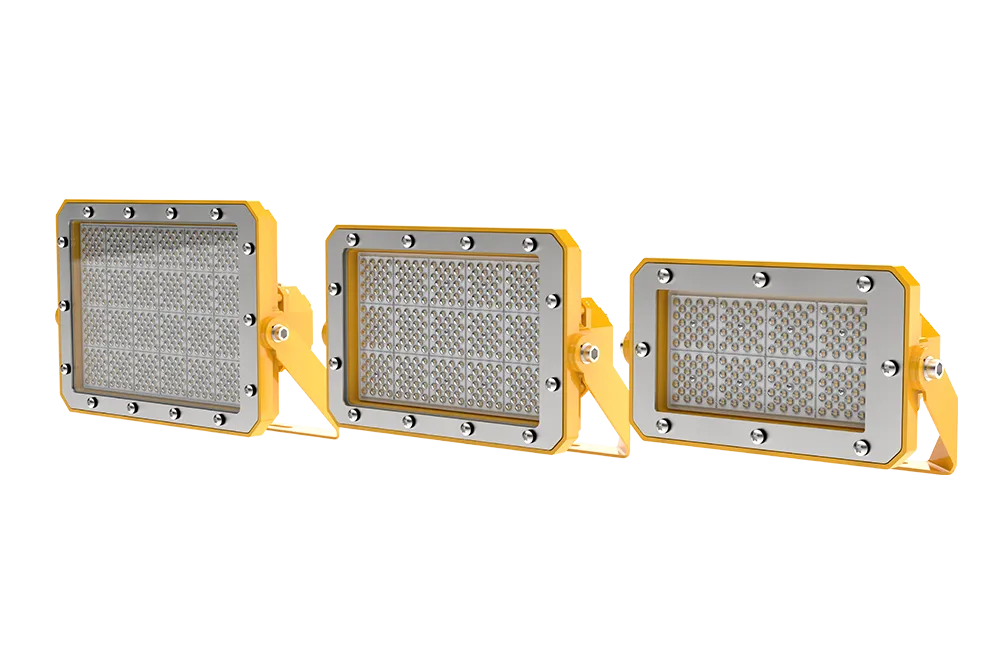
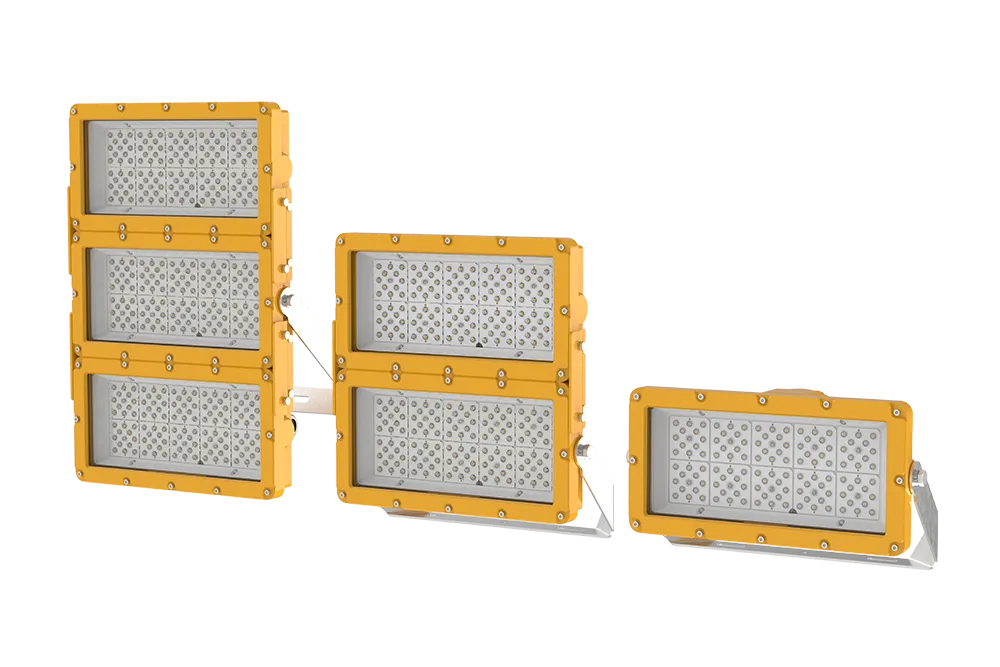
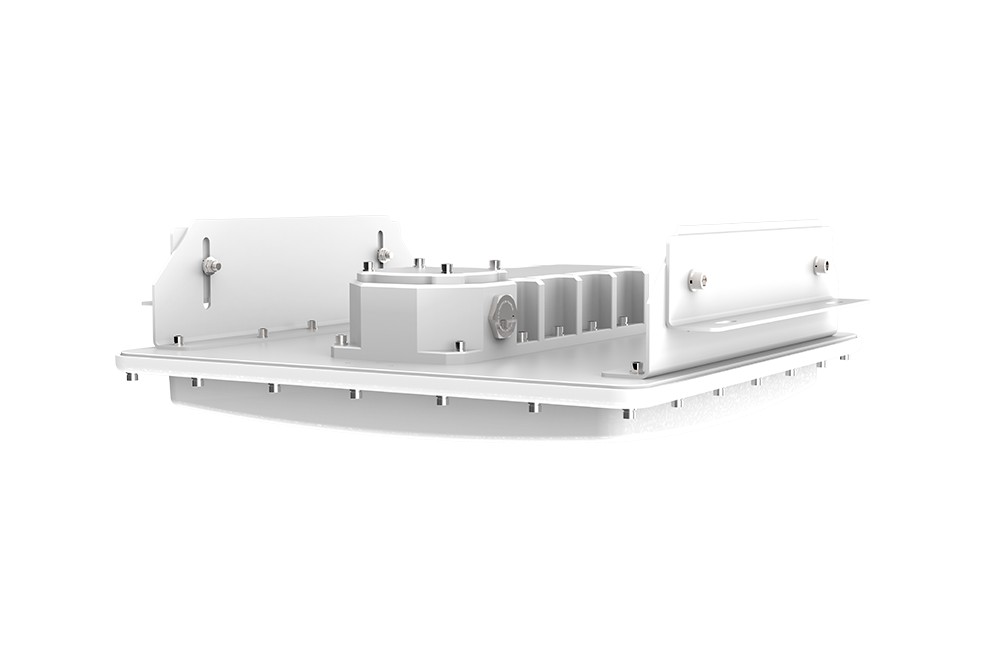
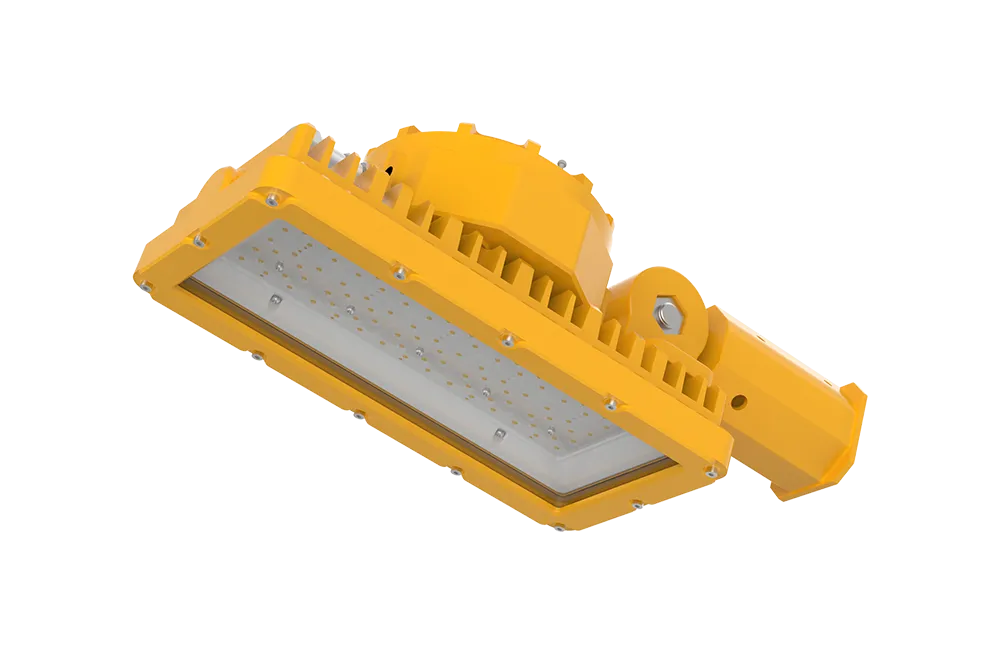
ATEX zone 2 LED lighting often appears in places that don’t immediately look dangerous.
Not dramatic refinery flare stacks. Not chemical reactors venting vapor.
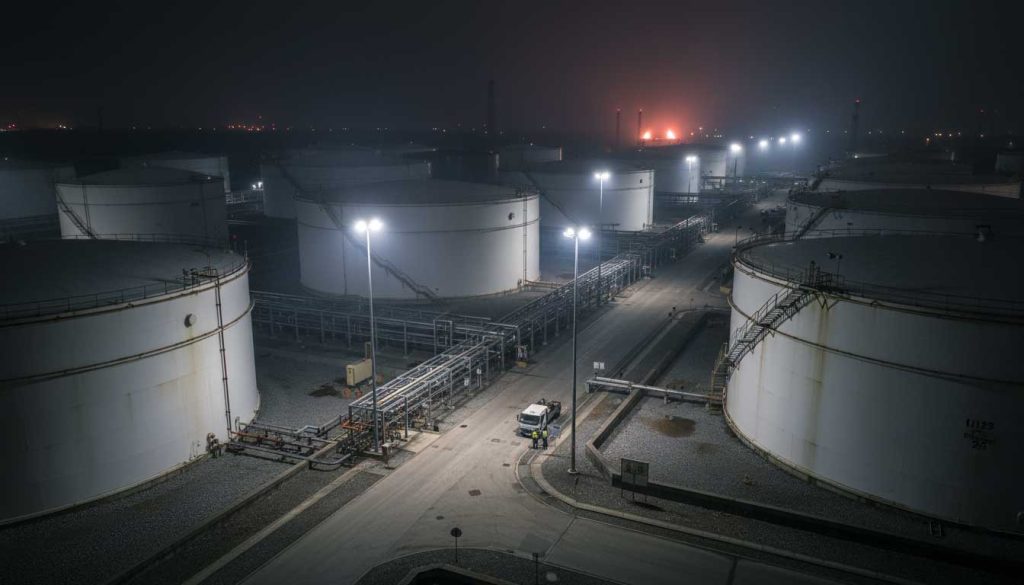
Instead—pipe corridors, pump stations, storage yards, loading terminals. Areas where the plant normally runs quietly. Yet every engineer on site knows one thing: under certain conditions, gas or vapor can appear.
That’s why these areas are classified as Zone 2.
In broader hazardous area lighting zones, Zone 2 is often underestimated.
From a compliance standpoint, however, ATEX zone 2 LED lighting requirements still apply. The difference is not whether protection is needed—but how strict the probability of exposure is.
In many industrial audits I’ve participated in, zone 2 hazardous area lighting failures didn’t come from obvious hazards. They came from assumptions like: “Gas won’t be there long.”
That assumption is exactly what standards are written to prevent.
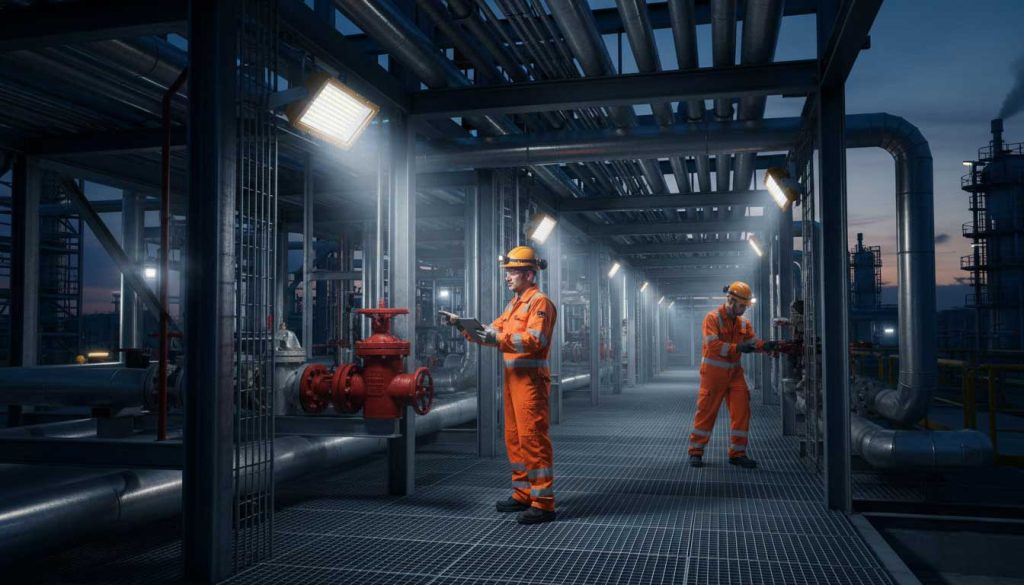
The first time I walked through a Zone 2 classified maintenance corridor in a petrochemical facility, I remember how ordinary it looked. Steel platforms, valves along the pipeline network, forklift traffic nearby. But every electrical component above the walkway—junction boxes, sensors, and lighting—was certified equipment.
Especially the lighting.
Those fixtures were atex zone 2 led lighting systems designed to eliminate ignition risk while providing consistent illumination for technicians working through the night.
That’s the defining trait of atex zone 2 lighting:
It blends into the environment— but performs under invisible risk conditions.
And in practice, zone 2 led lights are often the most widely deployed category across industrial sites, simply because Zone 2 areas are far more common than Zone 1.
What “Zone 2” Actually Means in Hazardous Area Design
The ATEX system classifies hazardous areas based on how often explosive atmospheres may occur.
According to ATEX classification guidelines, Zone 2 refers to areas where an explosive gas atmosphere is not expected during normal operation but could appear briefly under abnormal conditions.“Data source:A Complete Guide to ATEX Lighting Zones, Ratings & Certification”
Another way to understand it: the risk is lower than Zone 1, but it still exists.
Zone 1 vs Zone 2 LED Lighting (Practical Difference)
Classification
Risk Level
Lighting Requirement
Zone 1
Frequent risk
Strict certified lighting
Zone 2
Occasional risk
Controlled certified lighting
The confusion between zone 1 zone 2 led lighting is one of the most common specification errors.
And it usually shows up during inspection—not during purchase.
Typical Zone 2 locations include:
storage tank perimeters
outdoor process units
loading and unloading areas
pump stations
gas compressor platforms
Even if flammable gases appear only occasionally, ignition sources must still be strictly controlled. A single electrical spark can be enough to trigger combustion if fuel, oxygen, and ignition coincide.“Data source:Hazardous (Ex) Area Classification”
Lighting equipment therefore must be designed to prevent sparks, excessive surface temperature, or electrical failure.
That requirement is exactly what defines atex zone 2 led lighting.
These environments all fall under hazardous zone 2 lighting applications, where:
Gas release is possible
Ventilation may disperse risk
Ignition sources must still be controlled
This is why zone2 hazardous area lights must still meet certification standards.
Why Many Industrial Facilities Are Switching to LED
A decade ago, Zone 2 lighting systems often relied on metal halide or high-pressure sodium fixtures.
They worked. But they were far from ideal.
Warm-up times could reach several minutes. Light output dropped as lamps aged. Maintenance crews regularly replaced bulbs in elevated or difficult locations.
LED technology changed the equation.
Data referenced by the U.S. Department of Energy shows LED lighting can reduce energy consumption by up to 75% compared with traditional lighting technologies, while maintaining equivalent illumination levels.“Data source:Save More with LED Area Lights”
For industrial plants operating 24/7, those energy savings translate directly into operating cost reductions.
But energy efficiency isn’t the only reason companies upgrade to atex zone 2 led lighting.
Reliability matters even more.
From an engineering perspective, led lighting for hazardous areas brings three practical advantages:
Lower surface temperature → reduced ignition risk
Instant start → safer during power cycling
Stable lumen output → better long-term visibility
Facilities upgrading to atex certified led lighting often report not just energy savings—but fewer safety interventions.
Design Characteristics of ATEX Zone 2 LED Lighting
Stand beneath a hazardous-area luminaire and the engineering becomes obvious immediately.
The fixture feels heavy. Solid. Industrial.
A properly designed atex zone 2 led lighting fixture includes several key protective features:
Sealed housing construction Preventing gas entry and protecting internal electronics.
Controlled surface temperature Ensuring the fixture never reaches ignition temperature for surrounding gases.
Industrial-grade drivers and wiring Protecting against vibration, moisture, and electrical faults.
Impact-resistant lenses Important in facilities where tools, forklifts, and mechanical movement are constant.
Manufacturers like SEEKINGLED pay close attention to these design details because lighting equipment in hazardous areas must perform reliably for years without frequent maintenance.
What Defines a Reliable ATEX Zone 2 LED Lighting Manufacture
A serious atex zone 2 led lighting manufacture focuses on:
Certification traceability
Thermal modeling (not just testing)
Long-term driver stability
Because in reality, most failures happen after installation—not before.
Lighting Distribution: The Detail Most Engineers Miss
One interesting observation from field lighting upgrades: brightness alone does not solve visibility problems.
Older lighting systems often produce strong hotspots directly under the fixture but leave darker zones between structures.
Technicians working at night notice those shadows immediately—especially when reading gauges or inspecting valves.
Good atex zone 2 led lighting systems focus on beam control rather than raw output.
Optical lenses distribute light evenly across walkways and equipment areas, reducing glare and improving visual comfort for workers performing maintenance tasks.
In explosive zone 2 lights, optical control affects:
Safety (visibility of moving parts)
Accuracy (instrument reading)
Fatigue (glare reduction)
This is where hazardous area lighting design moves beyond hardware—and into usability.
Maintenance Realities in Hazardous Locations
Lighting maintenance inside classified industrial zones is rarely simple.
Replacing a fixture might require safety permits, shutdown coordination, or specialized equipment.
That’s why facility engineers prefer lighting systems designed for long operational life.
Most modern atex zone 2 led lighting systems operate for 50,000 hours or more before significant lumen depreciation occurs.
In practical terms, that means many installations run for five to ten years before major maintenance is needed.
In environments where equipment access can be difficult—offshore platforms, tank farms, remote processing plants—that reliability becomes extremely valuable.
Real Maintenance Cost Insight
From site data:
Permit preparation time > actual replacement time
Labor cost often exceeds fixture cost
Downtime impact > equipment price
That’s why zone 2 lighting decisions are rarely about upfront cost.
They’re about lifecycle risk.
International Standards Behind Hazardous Area Lighting
Although ATEX regulations apply primarily within Europe, hazardous-area lighting systems are often designed according to international electrical safety standards developed by the International Electrotechnical Commission.
These standards help ensure electrical equipment—including lighting—operates safely in explosive atmospheres worldwide.
For manufacturers like SEEKINGLED, compliance with these standards allows hazardous-area lighting solutions to be used across global industrial projects.
In global projects, atex led lighting is often combined with:
IECEx certification (international acceptance)
NEC Class/Division systems (North America)
This cross-compatibility ensures hazardous zone 2 lights can be deployed across regions without redesign.
FAQ – ATEX Zone 2 LED Lighting
What is ATEX Zone 2 lighting?
ATEX Zone 2 lighting refers to certified lighting designed for areas where explosive gas atmospheres may occur occasionally under abnormal conditions.
Are Zone 2 LED lights explosion proof?
Yes, but they are designed for lower-risk environments compared to Zone 1. They must still meet strict certification standards.
Can Zone 2 lights be used in Zone 1?
No. Zone 2 lighting is not approved for Zone 1 environments.
Why use LED in hazardous area lighting?
LEDs provide lower heat output, higher efficiency, longer lifespan, and reduced maintenance in hazardous environments.
Final Insight
There’s a pattern I’ve seen across projects:
Zone 2 looks safe. Until it isn’t.
That’s why ATEX zone 2 LED lighting still applies— even in the “less dangerous” zones.
Because in hazardous environments, probability may be low—
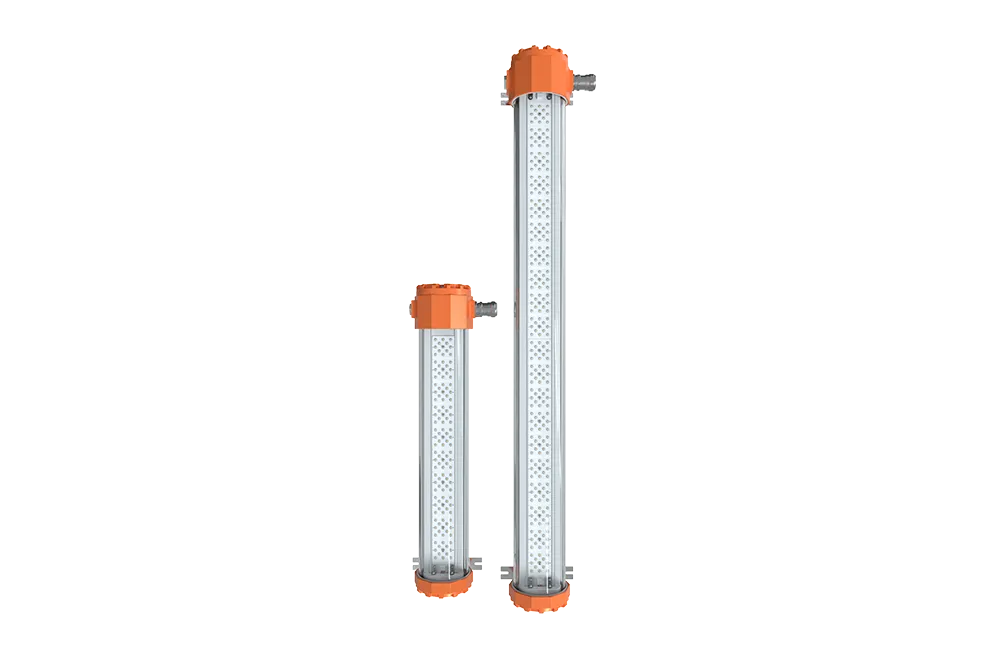
SEEKINGLED LED Linear Explosion Proof Light and Explosion Proof lighting is ATEX and IECEx certified for Zone 1, Zone 2, Zone 21 and Zone 22 hazardous locations, built for long-term industrial use.
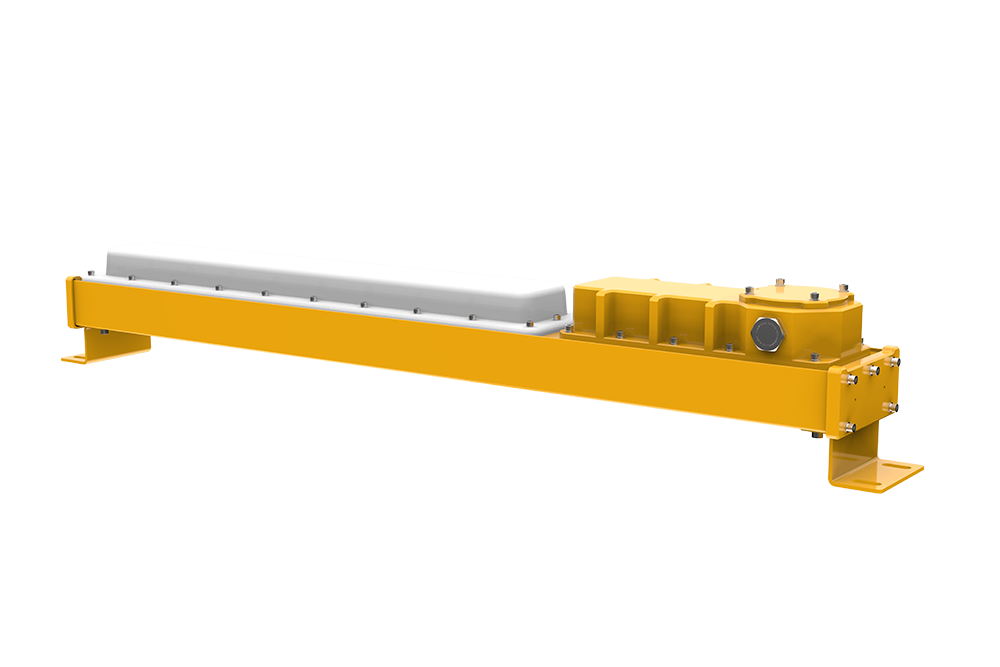
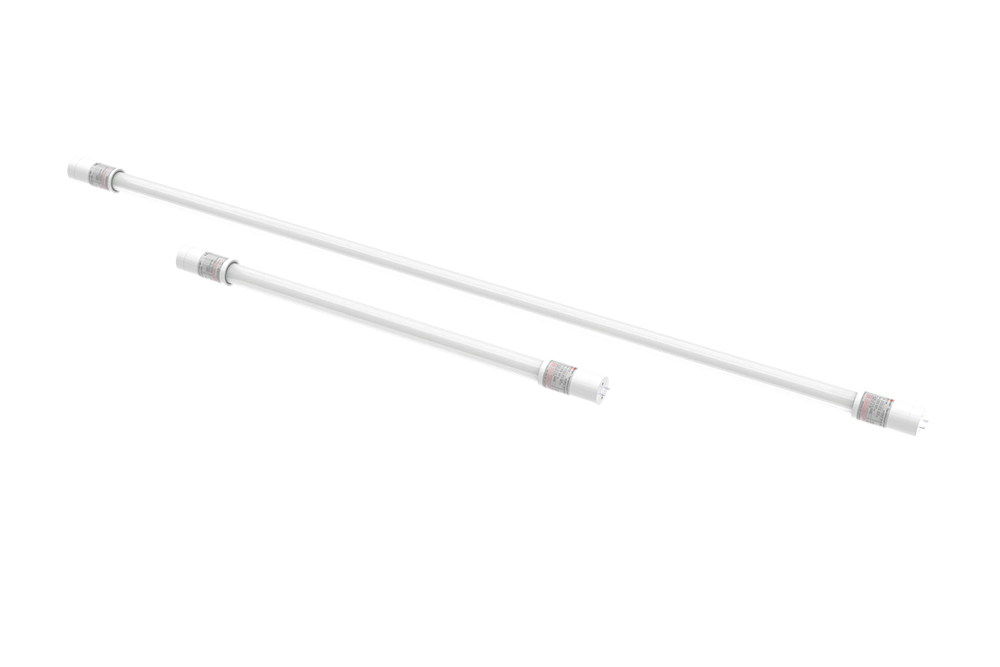
LED Linear Explosion Proof Lights and EX Proof lights for Zone 1, Zone 2, Zone 21 and Zone 22 hazardous areas. ATEX & IECEx certified explosion proof LED linear lighting with emergency function, adjustable power and IP67 protection by SEEKINGLED.
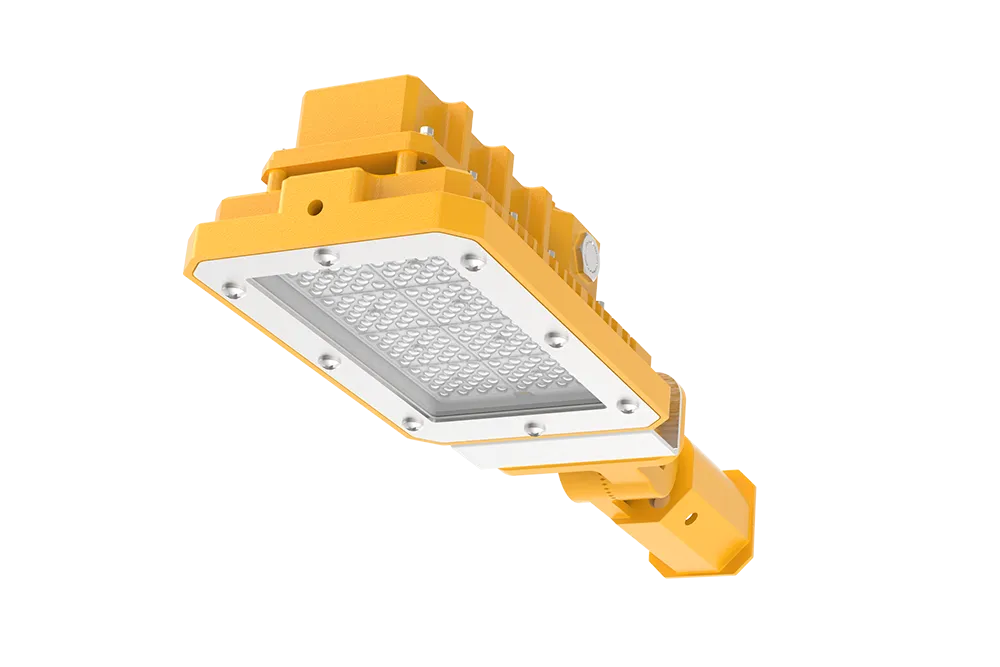
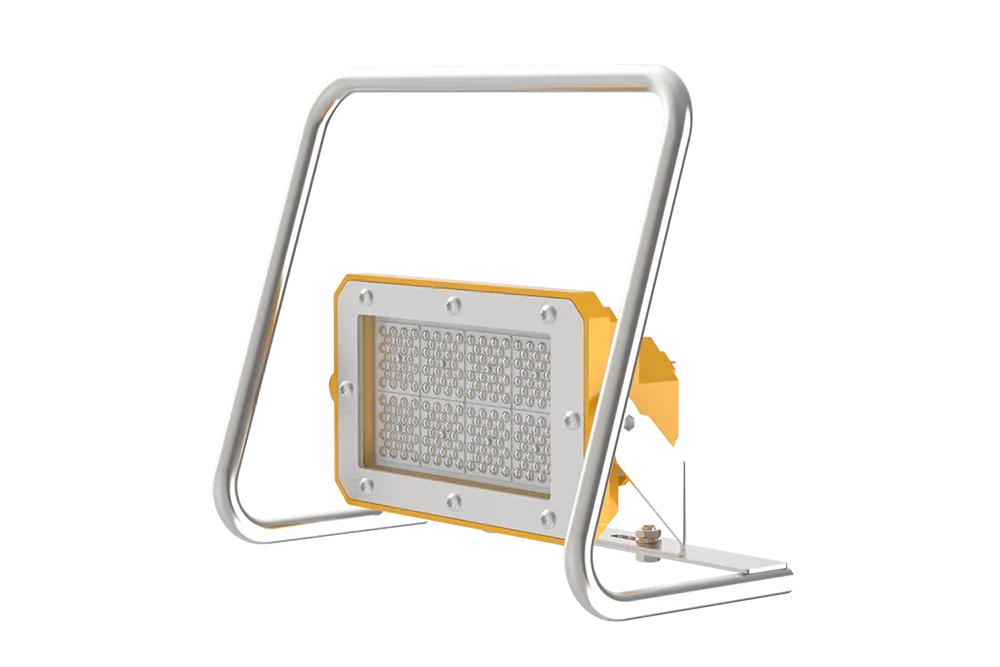
SEEKINGLED LED Explosion Proof Flood Lights are ATEX certified for Zone 2 and Zone 22 hazardous areas, offering high efficiency, adjustable power and integrated junction box.
SEEKINGLED LED Explosion Proof Flood Lights are flameproof ATEX and IECEx certified for Zone 1 and Zone 2 hazardous areas, offering high power, adjustable output and long service life.
SEEKINGLED LED Gas Station Canopy Lights are ATEX certified for Zone 2 and Zone 22 hazardous areas, featuring adjustable power and built-in explosion-proof junction box.
ATEX: Ex II 2G Ex db IIB T6/T5 GbEx II 2D Ex tb IIIC T80°C/ T95°C Db IECEx Ex db IIB T6 Gb;Ex tb IIIC T80°C Db Feature: ● For Zone 1,2 and Zone 21,22● Flameproof type, the strongest● 100W can replace 250W HID,energy saving● Power:60W,80W,100W Application: Oil and gas, marine, Chemical, pharmaceutical, semiconductor,mining,military industr…
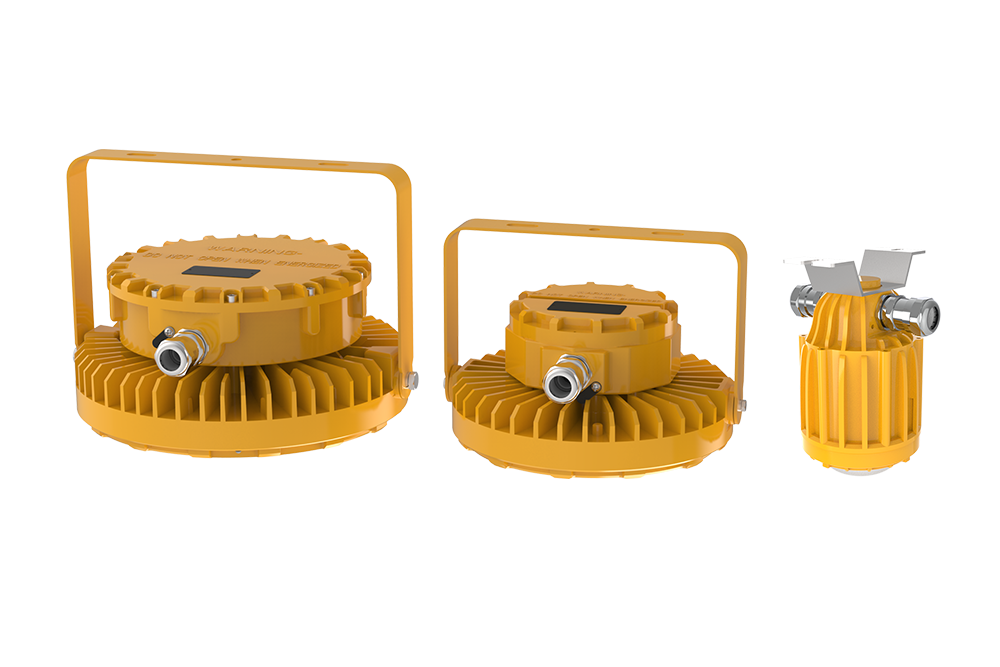
ATEX: II 3G Ex nR ⅡC T5/T6 GcII 3D Ex tc ⅢC T80℃/T95℃Dc ATEX Certificate NO: TÜV CY 26 ATEX 0207611 X Feature: ● For Zone 2 and Zone 22● 150W can replace 250W HID lamps,Energy saving● Power:50W,75W,100W,150W,200W Application: Oil and gas, marine, Chemical, pharmaceutical, semiconductor,mining,military industry, paint booth,power plant ETC…
LED explosion proof high bay lights are designed for Zone 1, Zone 2, Zone 21 and Zone 22 hazardous areas. This page introduces the HB21 Series from SEEKING, including certifications, power options and real application considerations.
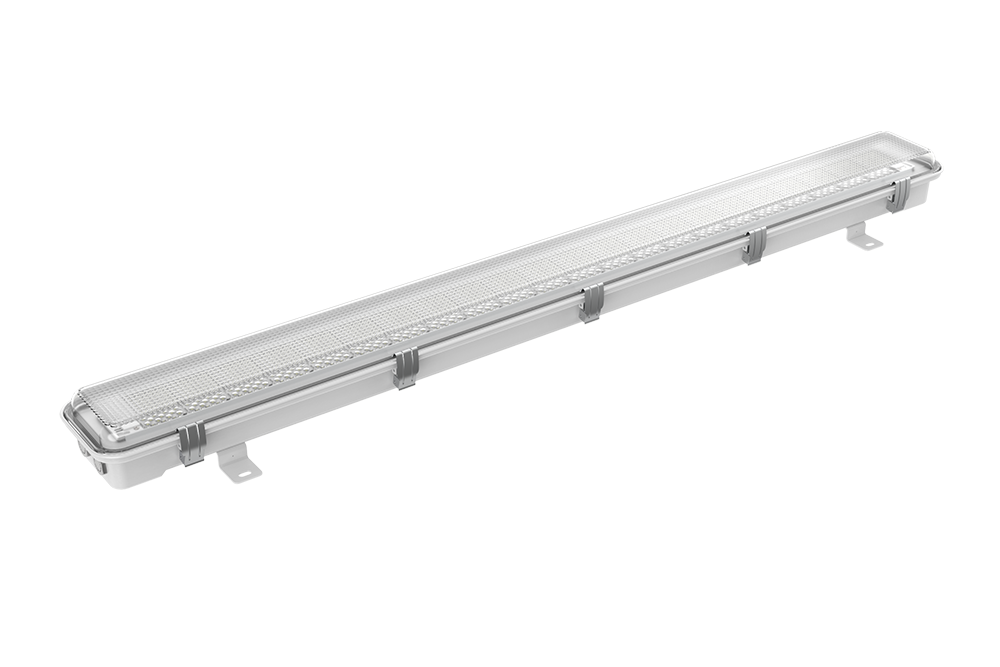
LED Linear Explosion Proof Lights from SEEKINGLED. LU Series Flame Proof lights ATEX-certified explosion proof LED linear lighting for Zone 2 gas and Zone 22 dust areas, IP69K, IK10, long lifetime and flexible power options.
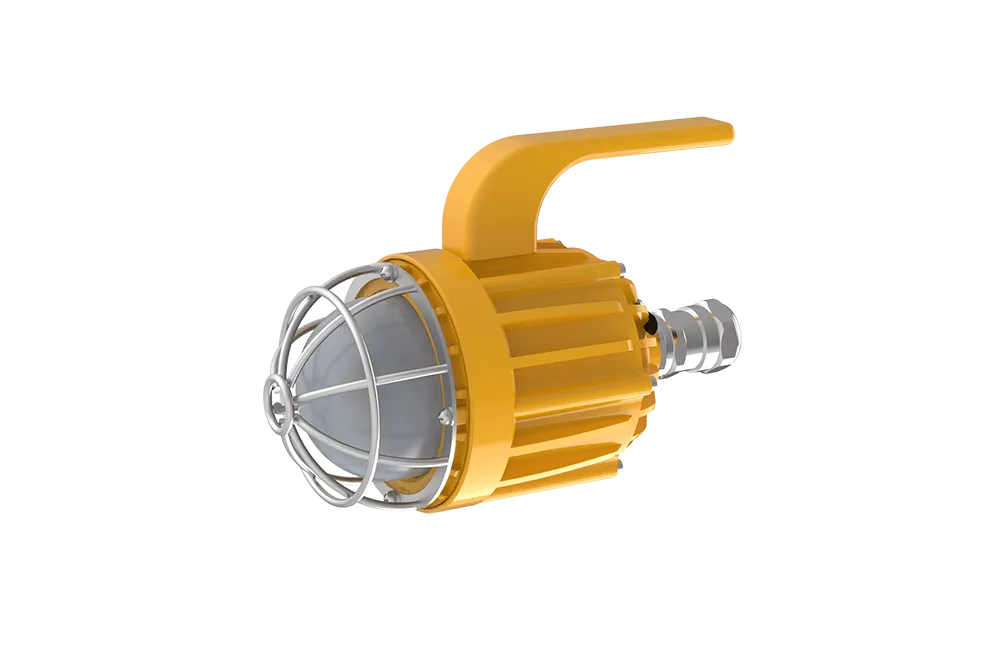
Certified explosion proof work lights for Zone 1 & 21 hazardous areas. Portable, ATEX & IECEx approved, built for oil, gas and chemical plants by SEEKINGLED.
ATEX: II 3G Ex nR ⅡC T6 GcII 3D Ex tc ⅢC T80℃ Dc ATEX Certificate NO: TÜV CY 26 ATEX 0207611 X Feature: ● For Zone 2 and Zone 22● Accepts battery-powered supply● indestructible● Power:AC input:50W,75W,100WDC input:15W,25W,35W Application: Oil and gas, marine, Chemical, pharmaceutical, semiconductor,mining,military industry, paint booth,po…
ATEX: Ex II 2G Ex db IIB T6 GbEx II 2D Ex tb IIIC T80°C Db IECEx Ex db IIB T6 Gb;Ex tb IIIC T80°C Db Feature: ● For Zone 1,2 and Zone 21,22● Flameproof type, the strongest Application: Oil and gas, marine, Chemical, pharmaceutical, semiconductor,mining,military industry, paint booth,power plant ETC hazardous area. Technical Specifications:…
ATEX: Ex II 2G Ex db IIB T6 GbEx II 2D Ex tb IIIC T80°C Db IECEx Ex db IIB T6 Gb;Ex tb IIIC T80°C Db Feature: ● For Zone 1,2 and Zone 21,22● Flameproof type, the strongest Application: Oil and gas, marine, Chemical, pharmaceutical, semiconductor,mining,military industry, paint booth,power plant ETC hazardous area. Technical Specifications:…
ATEX: Ex II 2G Ex d e IIB T6 Gb ATEX: Ex d e IIB T6 Gb; Feature: ● For Zone 1,2● 9W can replace 18W fluorescent lamps,50% Energy saving Application: Oil and gas, marine, Chemical, pharmaceutical, semiconductor,mining,military industry, paint booth,power plant ETC hazardous area. Technical Specifications: Standards:60079-0, 60079-1, 60079…
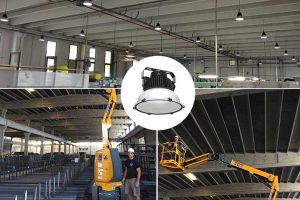
This LED High Bay Light factory project shows how SEEKINGLED upgraded factory lighting in Italy using 150W high bay fixtures to improve visibility, efficiency, and long-term energy savings.
How many amps does a LED flood light use? This guide explains real current draw at different voltages, common wattages, and what installers usually see on site. By SEEKINGLED.
 Seeking LED