 Seeking LED
What is an explosion-proof fluorescent light fixture?
13What is an explosion-proof fluorescent light fixture? Learn how sealed housings, flameproof design, and certifications ensure safe lighting in hazardous areas.
View detailsSearch the whole station
What Is a Hazardous Location Junction Box? A hazardous location junction box is a certified electrical enclosure designed to safely connect and protect wiring in areas where flammable gases, vapors, or combustible dust may exist, preventing electrical faults from becoming ignition sources.
In industrial projects, this component often receives attention only during inspection, but experienced engineers know it is one of the most critical connection points. During hazardous area installations I have reviewed, inspectors frequently check the junction box certification and cable entries before approving the entire electrical system.
A hazardous location junction box is not simply a stronger version of a standard electrical box.
Its purpose is to provide a protected connection point in environments where explosive atmospheres may occur. These environments are common in industries that process or store flammable materials.
Typical applications include:
Inside these locations, electrical connections must remain protected from surrounding hazards. A small spark, overheating component, or damaged connection can become a serious safety concern when combustible materials are present.
A normal junction box mainly organizes cables.
A hazardous location junction box performs a much bigger role: it becomes part of the explosion protection system.Visit the product page: Explosion proof Junction box
The enclosure is designed to:
In hazardous locations, engineers do not only ask:
“How does this product perform normally?”
They also ask:
“What happens if something fails?”
That difference changes the entire design approach.
The enclosure must be strong enough to contain internal electrical faults.
If an internal spark or arc occurs, the design prevents flames or hot gases from reaching the surrounding hazardous atmosphere.
This principle is especially important in Class I hazardous locations where flammable gases and vapors may be present.Visit the product page: Explosion Proof Lighting
One detail that separates experienced installations from poor ones is cable entry management.
A certified enclosure with an incorrect cable gland can compromise the entire protection system.
Engineers usually check:
During real site inspections, cable entries are often reviewed more carefully than the enclosure itself because they are common failure points.
Industrial locations create demanding conditions.
A hazardous location junction box may face:
Common enclosure materials include:
Material selection depends on the application environment.
Hazardous electrical equipment must follow recognized standards to ensure safe operation.
In North America, hazardous locations are classified according to the National Electrical Code.
Reference:
https://www.nfpa.org/codes-and-standards/nfpa-70-standard-development/70
The NEC defines:
| Classification | Hazard |
|---|---|
| Class I | Flammable gases and vapors |
| Class II | Combustible dust |
| Class III | Fibers and flying particles |
OSHA requires electrical equipment installed in hazardous locations to be approved for the specific environment.
Reference:
https://www.osha.gov/laws-regs/regulations/standardnumber/1910/1910.307
This prevents standard electrical equipment from being installed in areas where it could create ignition risks.
For international industrial projects, ATEX and IECEx are widely recognized certification systems.
Reference:
https://www.iecex.com/
These certifications verify that products have been evaluated for explosive atmosphere applications.
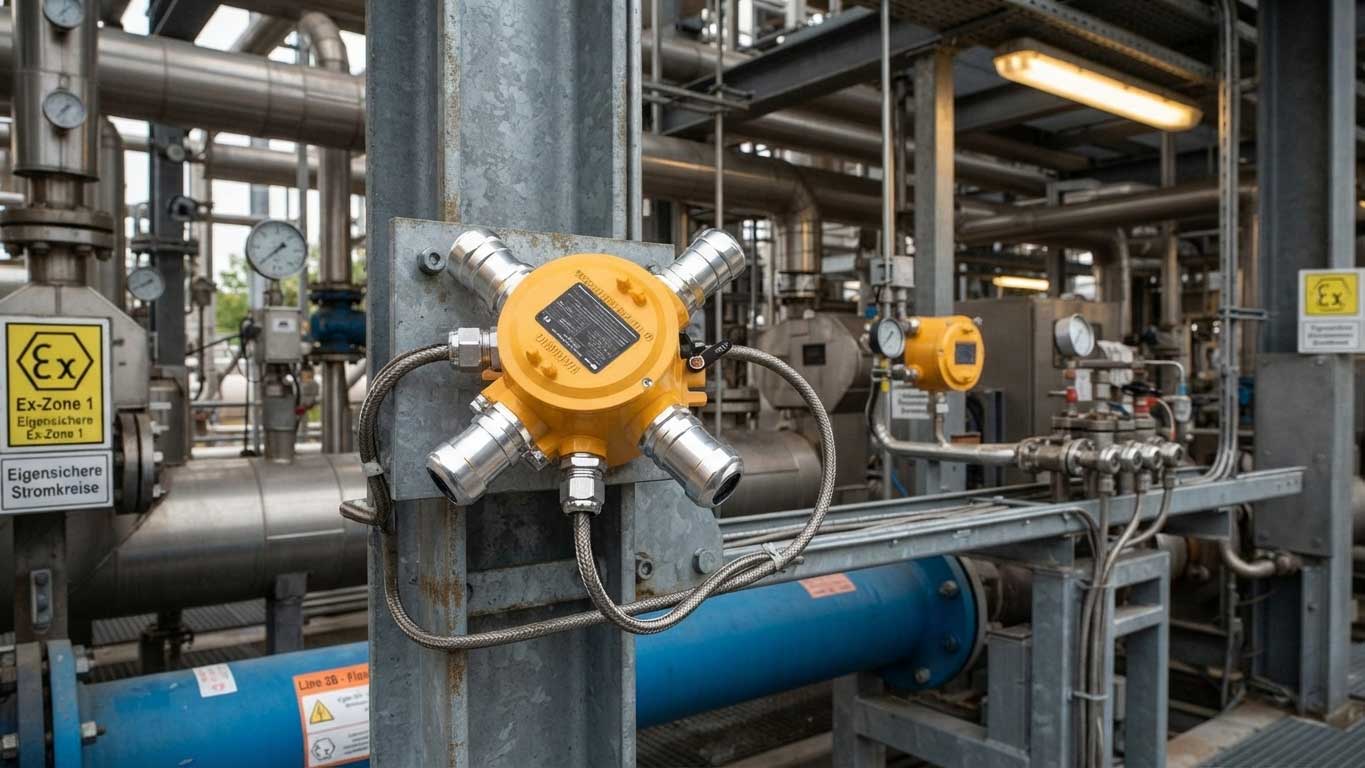
From my experience working with industrial lighting and electrical protection projects, I have learned that the weakest point is often not the main equipment.
It is the connection.
A motor, sensor, or lighting fixture may have excellent protection, but an incorrect junction connection can affect the entire system.
During one industrial retrofit project, the maintenance team spent almost an entire inspection session checking:
The product was not replaced because it failed.
It was reviewed because hazardous area equipment must remain trustworthy throughout its service life.
That is the difference between ordinary electrical hardware and safety-related industrial equipment.
| Industry | Typical Use |
|---|---|
| Oil & Gas | Pipeline connections, refinery equipment |
| Chemical | Process areas and storage zones |
| Marine | Offshore electrical systems |
| Mining | Dust hazardous locations |
| Energy | Gas processing facilities |
| Manufacturing | Solvent and coating areas |
The correct junction box depends on the hazardous classification, environmental conditions, and installation requirements.
| Feature | Hazardous Location Junction Box | Standard Junction Box |
|---|---|---|
| Explosion protection | Yes | No |
| Hazardous area certification | Required | Usually unavailable |
| Enclosure strength | Reinforced | General purpose |
| Cable protection | Certified entries | Basic fittings |
| Application | Explosive environments | Normal buildings |
The difference is not appearance.
The difference is how the equipment behaves when conditions become dangerous.
Before choosing a product, engineers normally confirm:
A product that works perfectly in a safe industrial area may not be suitable for a classified hazardous location.
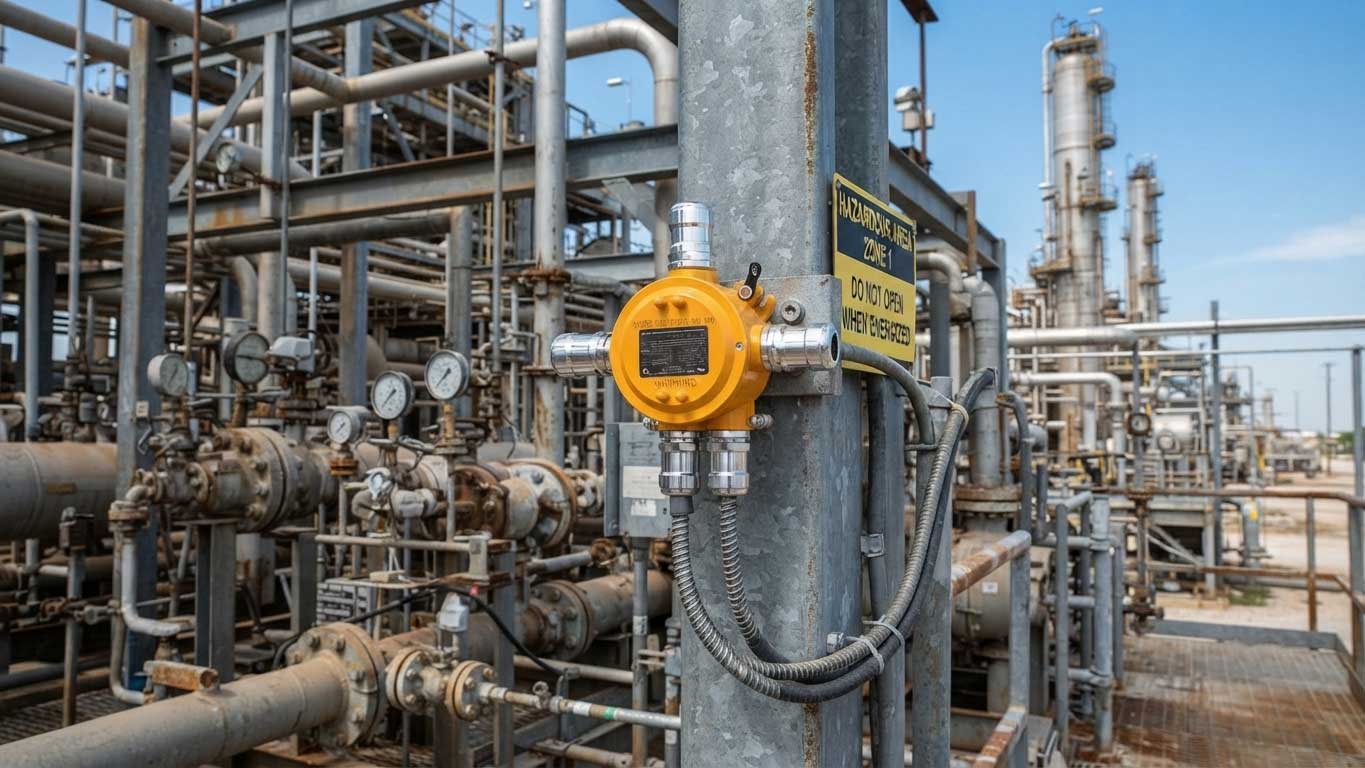
It is used to safely connect electrical wiring in areas where explosive gases, vapors, or combustible dust may exist.
No. Standard junction boxes are not designed to prevent ignition risks in classified locations.
Oil, gas, chemical, mining, marine, and industrial processing industries commonly use them.
Depending on the region, common certifications include NEC/UL, ATEX, and IECEx.
Because incorrect cable entry components can compromise the enclosure protection system.
Many provide IP66 or higher protection, depending on product design and certification.
What Is a Hazardous Location Junction Box? It is a safety-certified electrical enclosure designed to protect connections in industrial environments where explosive atmospheres may occur.
Its importance is not measured by appearance or size. The real value comes from certification, enclosure integrity, and reliable performance when conditions become challenging.
In hazardous industries, every connection matters. A properly selected junction box helps maintain electrical safety, protect workers, and support reliable operation.
SEEKINGLED focuses on industrial solutions where safety, durability, and engineering reliability are essential.
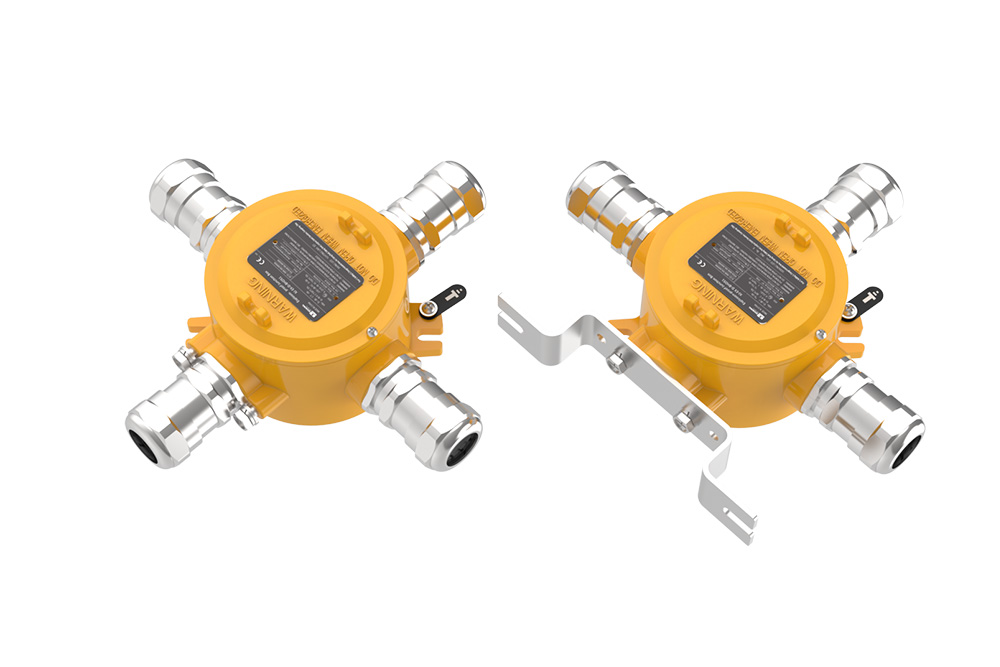
Explosion-proof Junction Box for safe wiring in Zone 1 areas. Fast, tool-free installation, ATEX & IECEx certified. Trusted performance from SEEKINGLED.
View details
What is an explosion-proof fluorescent light fixture? Learn how sealed housings, flameproof design, and certifications ensure safe lighting in hazardous areas.
View details
Looking beyond a 100 watt LED high bay light? Discover SEEKINGLED HBK Series with adjustable 300–500W power, chimney cooling, and industrial-grade reliability.
View details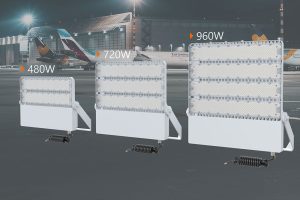
SEEKINGLED’s FLD Series High Mast Lights are specially designed for large-area outdoor illumination, ideal for sports fields, golf courses, training football pitches, ports, docks, and other high-mast applications over 12 meters.Available in 480W,...
View details
Install Ring flood lights by isolating power, checking the junction box, connecting the wiring correctly, securing the fixture, sealing it, and completing Ri...
View details