 Seeking LED
how many lumens do i need for flood light?
0Flood light lumen needs depend on area, mounting height, beam angle, application, and required illuminance.
View detailsSearch the whole station
High-bay LED lighting installation is one of those projects that looks simple on paper but quickly separates theory from real-world execution once you’re standing on a lift 12 meters above a concrete floor. Over the past decade, I’ve been involved in lighting upgrades across logistics centers, manufacturing plants, and aircraft maintenance hangars in North America and Europe. This guide is based on what actually works on site—not brochure talk.
At SEEKINGLED, we design led high-bay fixtures specifically for these environments, but good hardware alone doesn’t guarantee good lighting. Installation decisions matter just as much.
High-bay spaces are typically defined as ceilings over 20 feet (6 meters). According to the Illuminating Engineering Society (IES), improper spacing or mounting height can reduce usable illuminance by more than 30%, even when lumen output looks sufficient on paper.
From experience, the most common mistakes I see are:
LEDs behave very differently than HID lamps, and installation practices must reflect that.
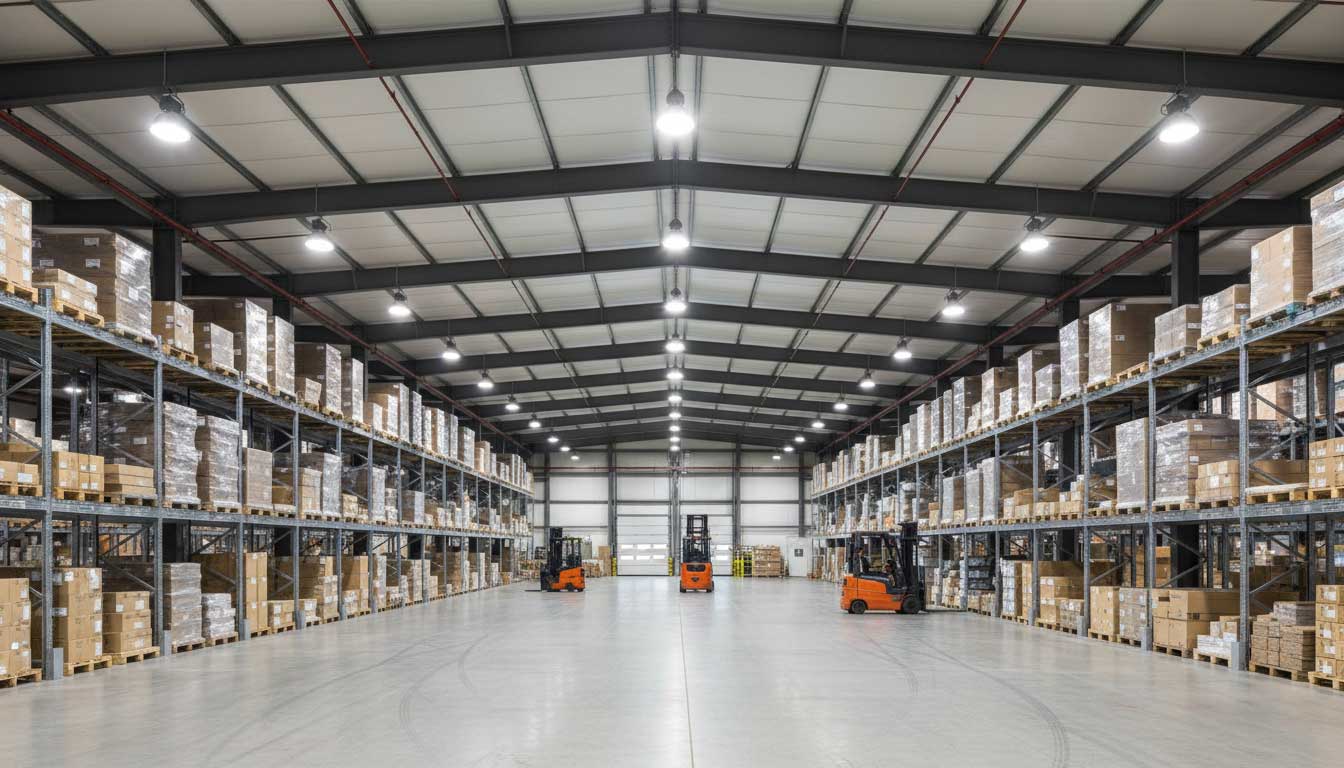
For most warehouse high bay lighting installation projects, these ranges have proven reliable:
IES RP-7 guidelines recommend 300–500 lux for general warehouse picking areas. In real installations, I usually target the higher end to compensate for dust buildup and aging.
Based on OSHA and IEC site audits I’ve participated in, safety issues are rarely about the fixture—it’s about installation shortcuts.
Key points we enforce at SEEKINGLED installations:
The U.S. Department of Energy (DOE) reports that LED high-bay systems can reduce lighting energy use by 50–70% compared to metal halide, but only if drivers operate within proper voltage and temperature ranges.
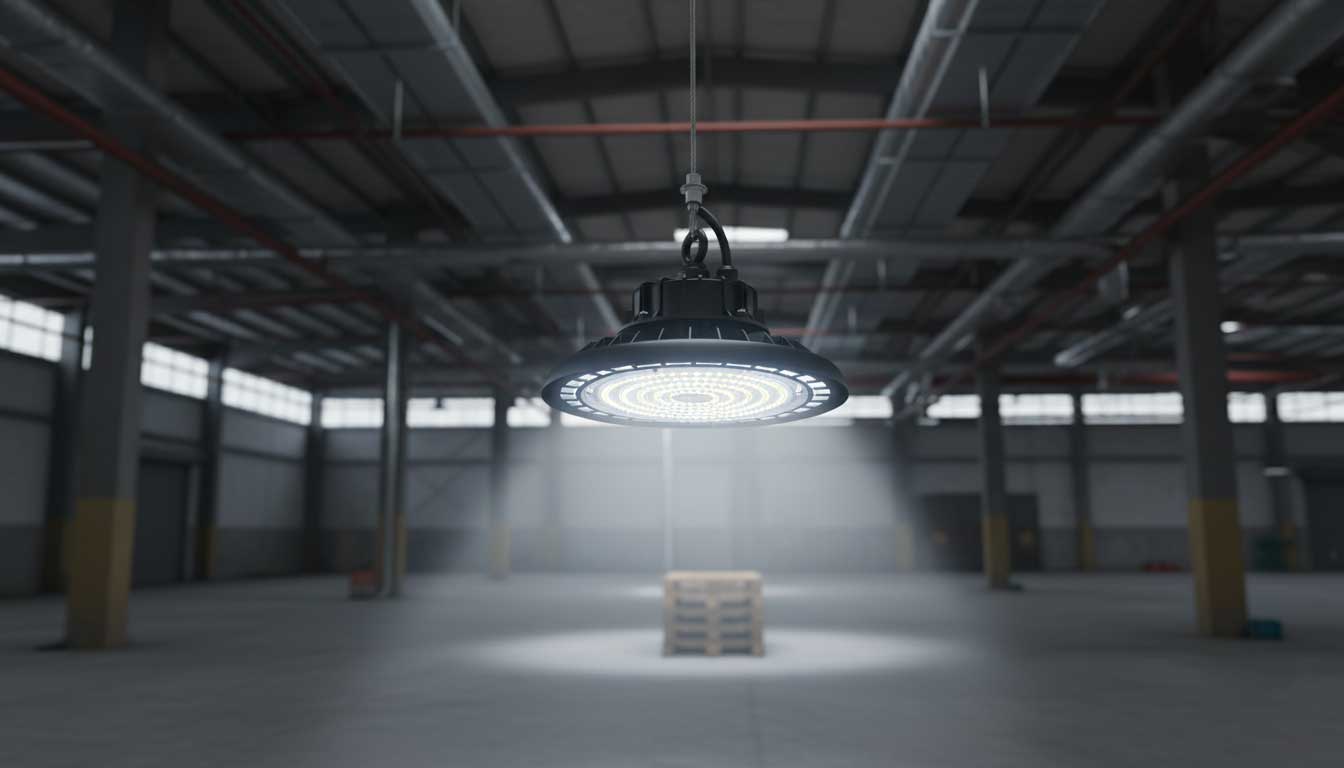
In industrial LED lighting retrofit projects, existing spacing almost never matches LED requirements. One food distribution center we upgraded in Germany reused metal halide spacing—resulting in dark aisles and excessive glare.
We corrected this by:
The result: 18% higher measured lux with fewer fixtures.
A practical high bay LED spacing guide rule I use on site:
Spacing ≈ 1.2 × mounting height (for 90° optics)
This is not a catalog number—it’s what keeps uniformity ratios within IES recommendations in real spaces.
This article is written by a lighting systems engineer with 10+ years of experience in industrial LED projects across logistics, manufacturing, and aviation facilities. I’ve worked directly with installers, inspectors, and facility managers to solve real lighting problems under real constraints.
SEEKINGLED focuses exclusively on professional-grade industrial and outdoor LED lighting, with products deployed in warehouses and factories across Europe and North America.
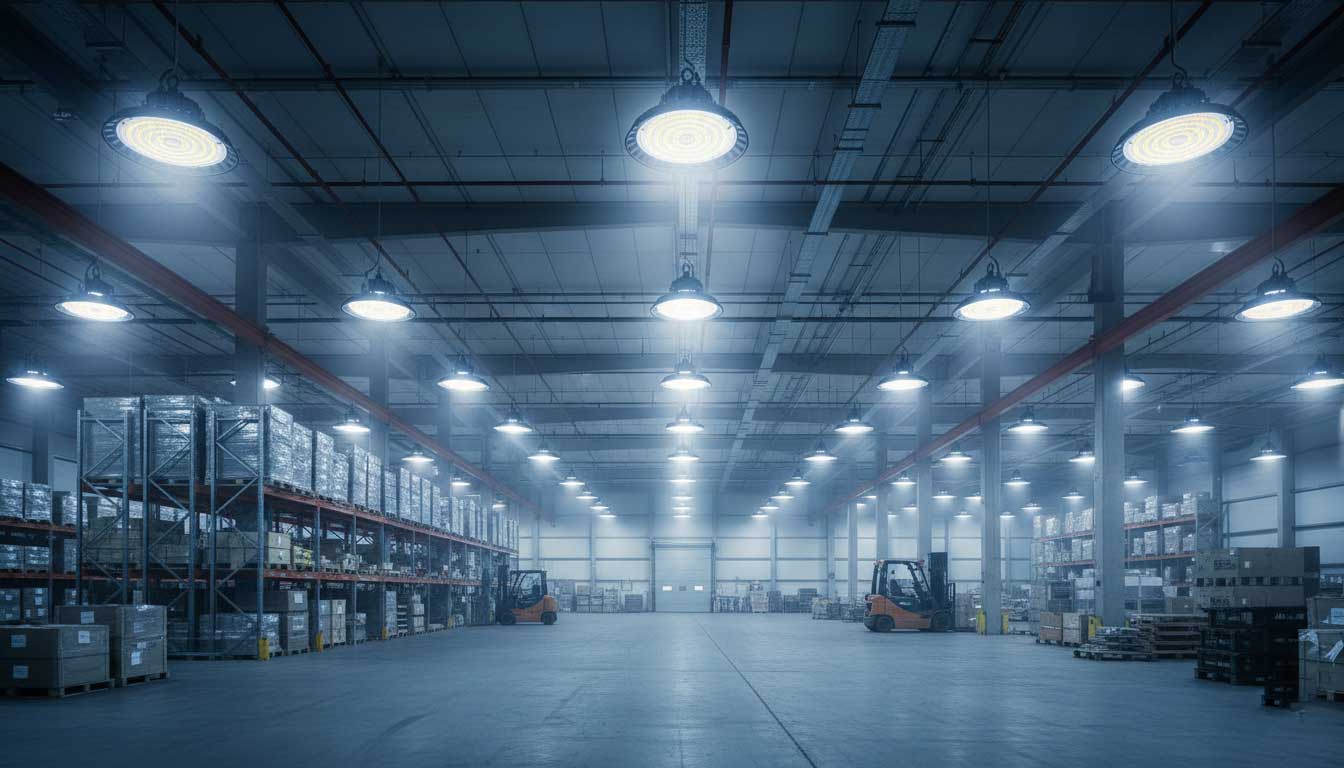
High-bay LED lighting installation is not just about replacing old fixtures—it’s about understanding optics, mounting height, spacing, and electrical realities on site. When installed correctly, LED high bays deliver measurable gains in efficiency, safety, and visual comfort.
If you’re planning your next high-bay led lighting installation, start with real-world principles, not marketing numbers—and choose fixtures designed to work where they’re actually installed.
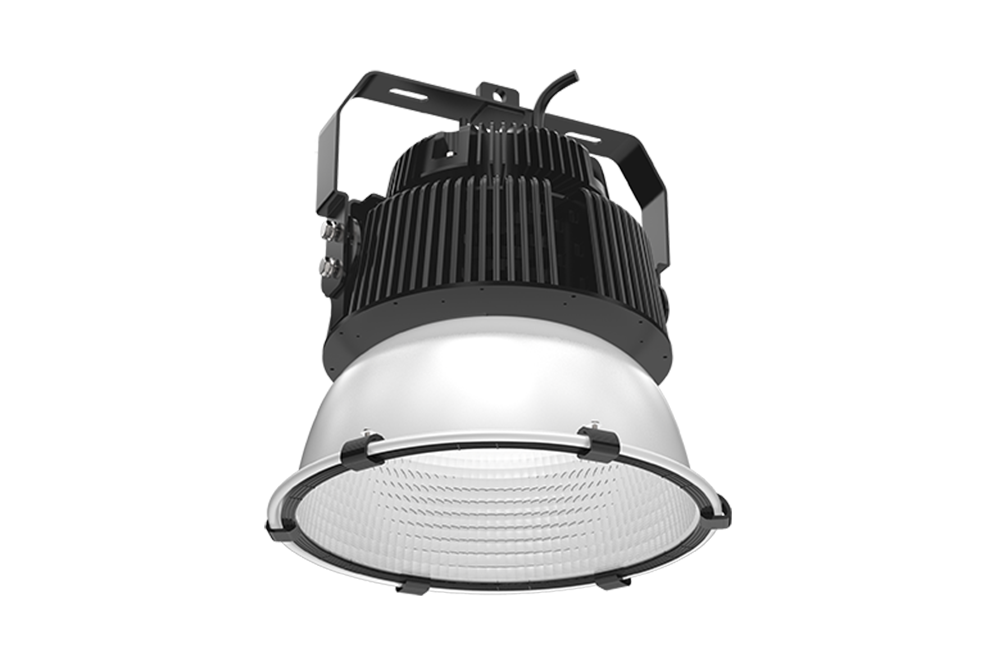
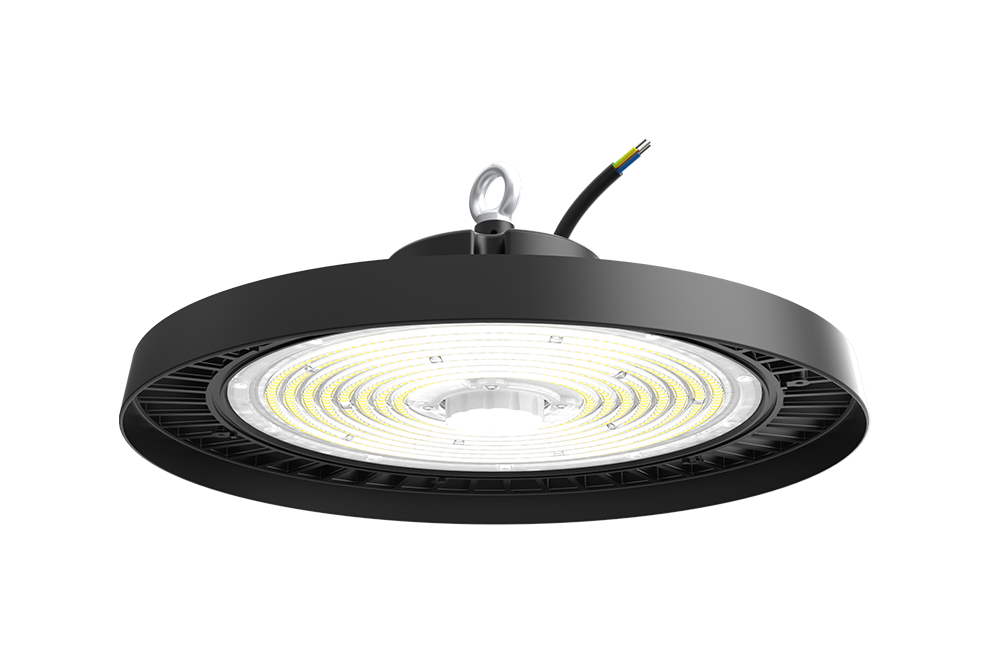
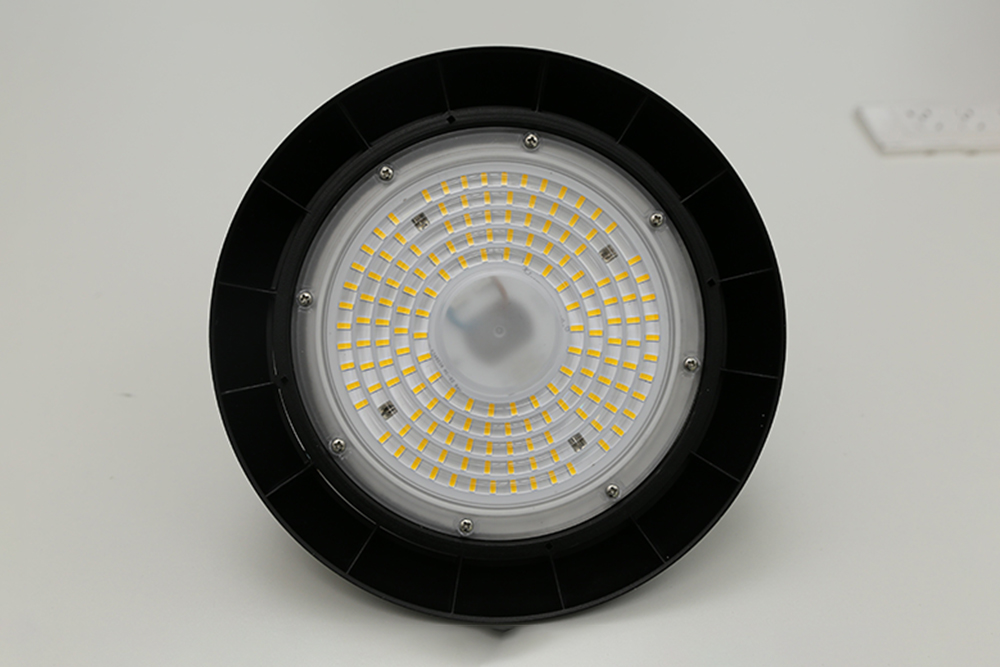
The SEEKING HBC-T Series high bay lights LED offer long-lasting performance for warehouses, production plants and logistics centers. Durable IP65 & IK08 housing, 60°/90° beam angles, up to 150 lm/W, and a lifespan beyond 100,000 hours. Ideal for a…
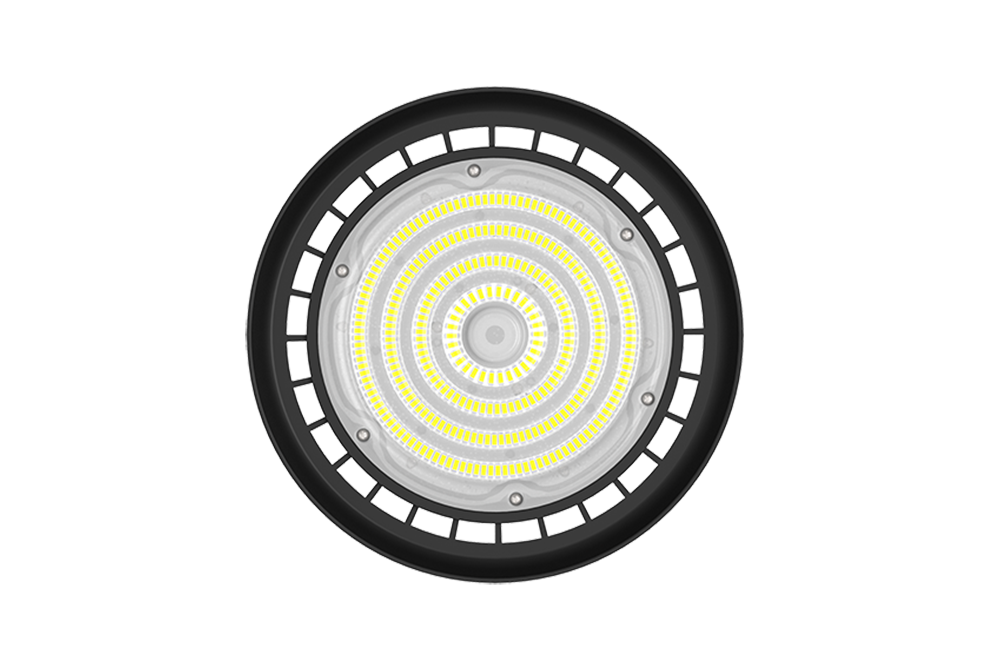
The SEEKING HBS Series LED UFO high bay light delivers 140 lm/W efficiency, IP65 protection and MEAN WELL drivers. A durable high-rise lighting solution for factories, warehouses and commercial halls.
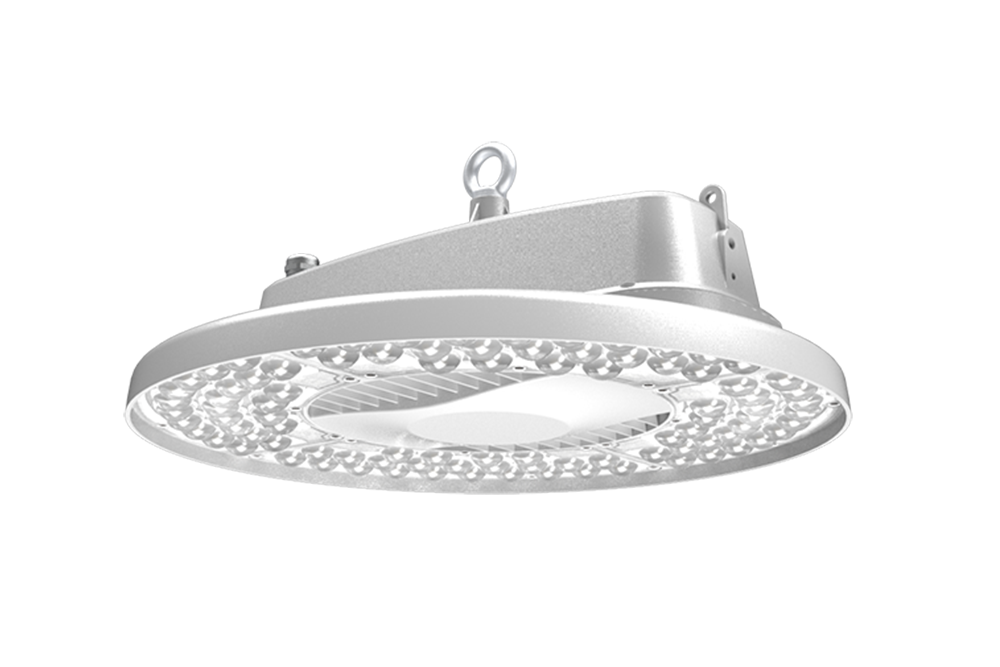
SEEKING HBD Series LED high bay lighting delivers 160 lm/W efficiency, IP66 protection, and long 100,000-hour lifespan. A durable UFO high bay solution for warehouses, workshops, logistics centers and commercial facilities.
The SEEKING HBC Series high bay LED light fixtures combine strong efficiency, practical design and reliable SOSEN drivers. A durable UFO high bay lighting option for warehouses, workshops and wholesale projects.
The SEEKING GSL Series high bay LED light delivers powerful, efficient lighting for industrial and commercial spaces. With IP65 protection, flexible mounting, and up to 140 lm/W performance, it’s ideal for warehouses, workshops, and retail areas.
The SEEKING HB15(GLE) Series delivers advanced high bay led lighting with UGR 100,000 h) and reliable illumination for demanding commercial environments.
Discover the SEEKING HB13(GLK) Series ufo led high bay light, engineered for sports halls, airport lounges, showrooms, and large commercial spaces. UGR 100,000 h). Ideal for industrial ufo high bay lighting fixtures and commercial retrofits.
SEEKING HBF Series offers industrial LED high bay lighting with up to 200lm/W efficiency, SOSEN flicker-free driver, IP65 protection and optional microwave motion sensor. Ideal for warehouses, factories and commercial distribution projects.
The HLD Series linear high bay LED lights from SEEKING deliver up to 200 lm/W with multiple beam angles and adjustable CCT options for warehouse, workshop, corridor and general industrial lighting.
The HBK Series LED high bay light by SEEKING combines 500W power, 160–175 lm/W efficiency and IP65 durability for heavy-duty industrial lighting. Designed for warehouse, factory and production facilities with demanding ceiling heights.
LED high bay lights engineered for extreme heat and low-temperature industrial sites. SEEKING HBK Ultua Series operates from -40°C to +70°C with Nichia LEDs and Inventronics driver.
High bay LED lights built for warehouses, production plants and wholesale distribution. SEEKING HBI Series offers up to 200lm/W, IP65, IK08 and optional microwave motion sensor for energy saving operation.
loading…
This is the last post!
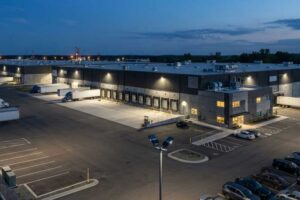
Flood light lumen needs depend on area, mounting height, beam angle, application, and required illuminance.
View details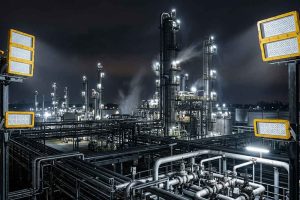
Discover trusted ATEX LED flood light brands for hazardous industries. Learn how certified explosion-proof lighting improves safety in oil, chemical, and marine projects.
View details
Explosion-proof lighting is essential for gas stations under ATEX regulations. SEEKINGLED GS Series offers certified safety, high efficiency, and reliable canopy lighting.
View details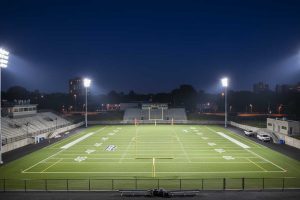
Can you replace LED flood light bulb in outdoor fixtures? Learn when replacement is possible, when it is not, and why integrated outdoor LED flood lights like SEEKINGLED are designed differently.
View details