 Seeking LED
Indoor LED Floodlights: What Actually Works in Real Industrial Spaces?
101Indoor LED floodlights for warehouses and sports halls. Discover real performance data, efficiency standards, and how to choose reliable fixtures.
View detailsSearch the whole station
What Makes ATEX LED Lighting Different?
ATEX LED lighting is different because it is specifically engineered and certified to operate safely in potentially explosive atmospheres. Unlike standard industrial fixtures, ATEX LED lights are designed to prevent sparks, excessive surface temperatures, and other ignition sources that could trigger an explosion.
That is the short answer.
The longer answer begins where most product brochures stop.
A few years ago, while visiting a petrochemical facility during a lighting upgrade project, I noticed something unusual. Two fixtures mounted only twenty meters apart looked nearly identical. Both were LED. Both had aluminum housings. Both produced roughly the same light output.
Yet one cost nearly three times more.
The reason wasn’t brightness.
It wasn’t efficiency.
It wasn’t even durability.
It was certification and engineering.
One fixture was designed for a standard industrial warehouse. The other was built for an environment where a single spark could ignite hydrocarbon vapors.
That difference is what makes ATEX LED lighting unique.
Many people assume that modern LED technology automatically improves safety.
It does not.
An LED fixture still contains electrical components capable of generating:
In ordinary facilities, these risks are manageable.
In hazardous locations, they can become catastrophic.
According to the European Commission’s ATEX Directive 2014/34/EU, equipment intended for explosive atmospheres must be specifically designed and certified to eliminate or control ignition risks.
Source:
European Commission
https://single-market-economy.ec.europa.eu
This requirement applies to lighting just as much as pumps, motors, switches, and control equipment.
The easiest way to understand the difference is to compare their design objectives.
A standard industrial LED fixture is designed primarily for:
An ATEX LED fixture must achieve all of those goals while also preventing explosions.
That additional requirement changes nearly every aspect of the fixture.
| Feature | Standard LED Fixture | ATEX LED Fixture |
|---|---|---|
| Hazardous Area Certification | No | Yes |
| Explosion Protection | No | Yes |
| Ignition Risk Control | Limited | Extensive |
| Surface Temperature Management | Basic | Strictly Controlled |
| Specialized Cable Entries | No | Yes |
| Compliance Testing | Standard Electrical Testing | Hazardous Location Testing |
| Regulatory Approval | General Use | ATEX Certified |
From the outside, the difference may not always be obvious.
Internally, the engineering is entirely different.
One of the biggest misconceptions I encounter is that ATEX certification is simply paperwork.
It isn’t.
Certification begins long before the label is attached.
Manufacturers must design products to satisfy specific protection concepts and then submit them for independent testing.
These evaluations typically examine:
Only after passing these assessments can equipment be certified for hazardous locations.
This process is one reason ATEX-certified luminaires generally cost more than standard industrial fixtures.
The added cost reflects engineering, testing, and compliance requirements—not merely branding.
The goal is straightforward.
Prevent the surrounding atmosphere from igniting.
The methods used to achieve that goal are far more sophisticated.
Heat is one of the most underestimated ignition sources in industrial facilities.
Many flammable gases have relatively low ignition temperatures.
ATEX fixtures are designed to ensure their external surfaces remain below certified temperature limits.
This is where temperature classifications become important.
| Temperature Class | Maximum Surface Temperature |
|---|---|
| T1 | 450°C |
| T2 | 300°C |
| T3 | 200°C |
| T4 | 135°C |
| T5 | 100°C |
| T6 | 85°C |
In many petrochemical applications, T4 or T6 classifications are commonly specified.
In flameproof designs, housings are engineered to contain an internal explosion if one occurs.
Instead of allowing ignition to spread outside the fixture, the enclosure controls pressure and cools escaping gases before they reach the surrounding atmosphere.
This engineering principle has protected hazardous facilities for decades.
One detail frequently overlooked by buyers is the cable entry.
A lighting fixture is only as safe as its weakest point.
ATEX-certified systems use specialized cable glands and sealing methods designed to maintain enclosure integrity even under demanding industrial conditions.
Ten years ago, hazardous-area lighting was dominated by:
Today, LED technology has become the industry standard.
According to the International Energy Agency (IEA), LED lighting is currently the most energy-efficient mainstream lighting technology available and continues to drive substantial reductions in global electricity consumption.
Source:
International Energy Agency (IEA)
https://www.iea.org
The advantages become even more significant in hazardous locations.
Maintenance access is often difficult.
Every fixture replacement may require:
Reducing maintenance frequency directly improves operational efficiency.
The demand for ATEX-certified lighting extends across multiple industries.
Common applications include:
In all of these environments, lighting serves a dual purpose.
Visibility.
And risk reduction.
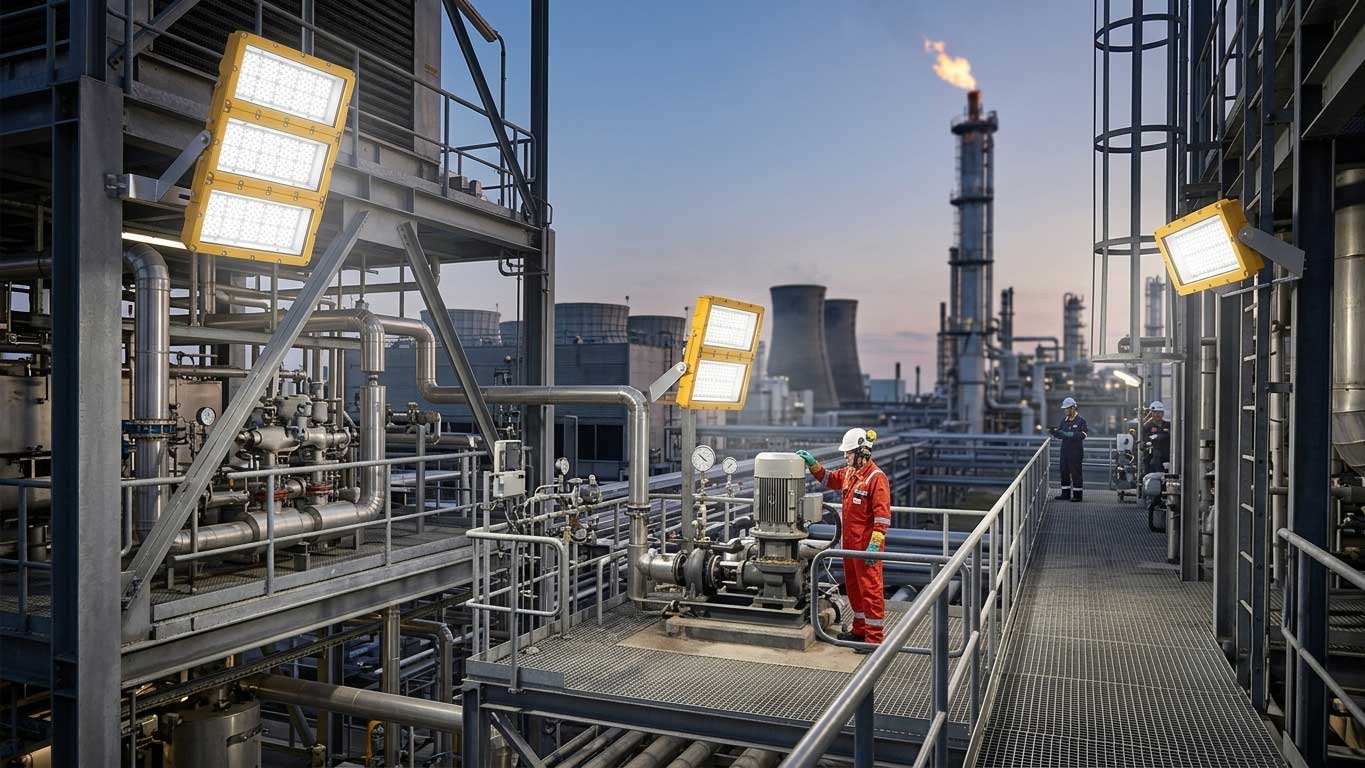
Over the years, I’ve reviewed lighting installations across chemical plants, fuel terminals, and industrial processing facilities.
The projects that performed best over time shared several characteristics:
Interestingly, lumen output rarely determined long-term success.
Reliability did.
A fixture producing slightly fewer lumens but surviving ten years without failure usually creates more value than a brighter fixture requiring repeated maintenance interventions.
That reality rarely appears in marketing materials, but facility operators understand it immediately.
Several purchasing errors appear repeatedly across industrial projects.
The lowest-cost fixture often becomes the most expensive after installation.
Salt spray, chemicals, and high ambient temperatures dramatically affect performance.
Always request:
Two ATEX-certified fixtures may satisfy the same standard while offering very different durability and service life.
ATEX LED lighting is specifically certified for hazardous environments and designed to prevent ignition sources from triggering explosions.
Many ATEX fixtures utilize flameproof or equivalent protection methods designed to safely operate in explosive atmospheres.
The additional cost comes from specialized engineering, hazardous-area testing, certification requirements, and robust construction.
No. Standard LED fixtures generally lack the certifications and safety features required for hazardous locations.
Premium industrial fixtures commonly achieve operational lifetimes of 50,000 to 100,000 hours depending on environmental conditions.
Visit product page:ATEX LED Explosion Proof Lighting
So, What Makes ATEX LED Lighting Different?
The answer is not simply certification.
It is the combination of engineering, testing, thermal control, ignition prevention, and long-term reliability that allows these luminaires to operate safely in environments where ordinary lighting cannot.
At SEEKINGLED, we view ATEX lighting as more than an illumination product. It is a critical component of industrial safety infrastructure. In facilities where flammable gases, vapors, or explosive atmospheres may be present, properly specified What Makes ATEX LED Lighting Different solutions help protect personnel, maintain compliance, and support uninterrupted operations year after year.
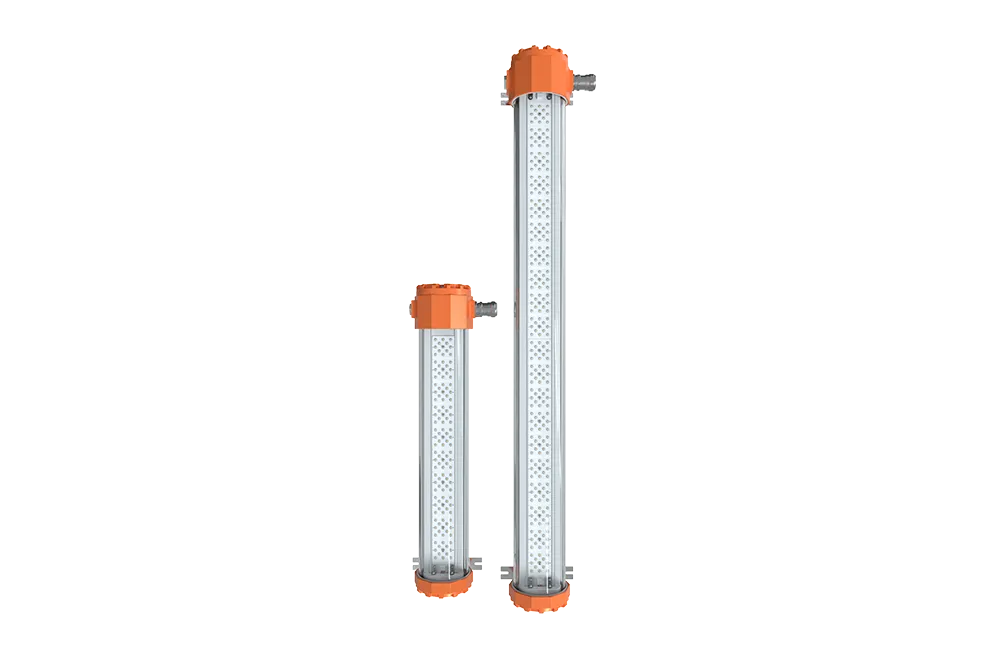
SEEKINGLED LED Linear Explosion Proof Light and Explosion Proof lighting is ATEX and IECEx certified for Zone 1, Zone 2, Zone 21 and Zone 22 hazardous locations, built for long-term industrial use.
View details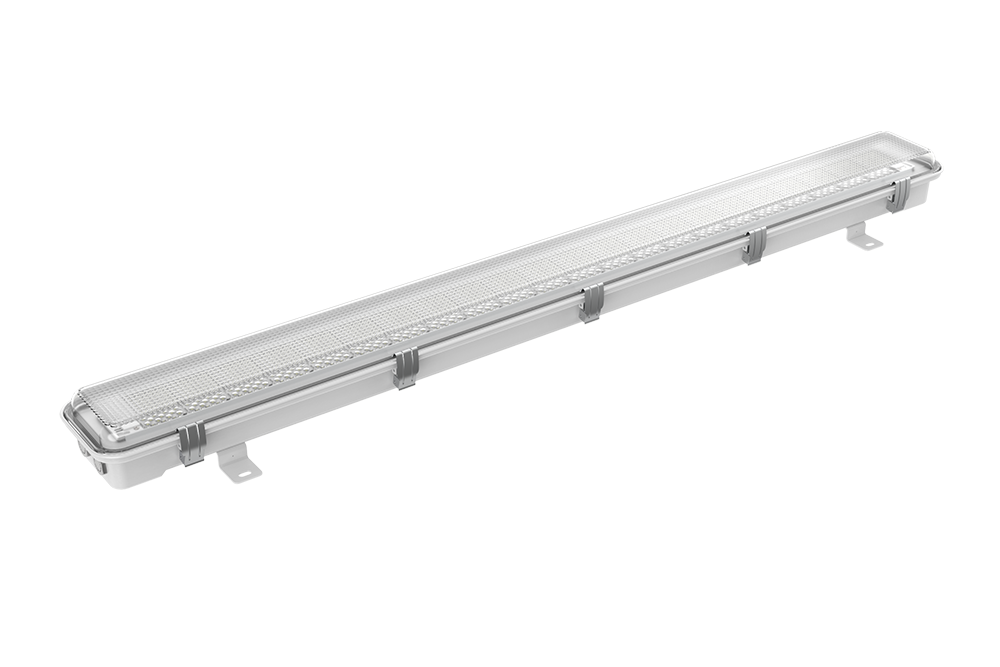
LED Linear Explosion Proof Lights and EX Proof lights for Zone 1, Zone 2, Zone 21 and Zone 22 hazardous areas. ATEX & IECEx certified explosion proof LED linear lighting with emergency function, adjustable power and IP67 protection by SEEKINGLED.
View details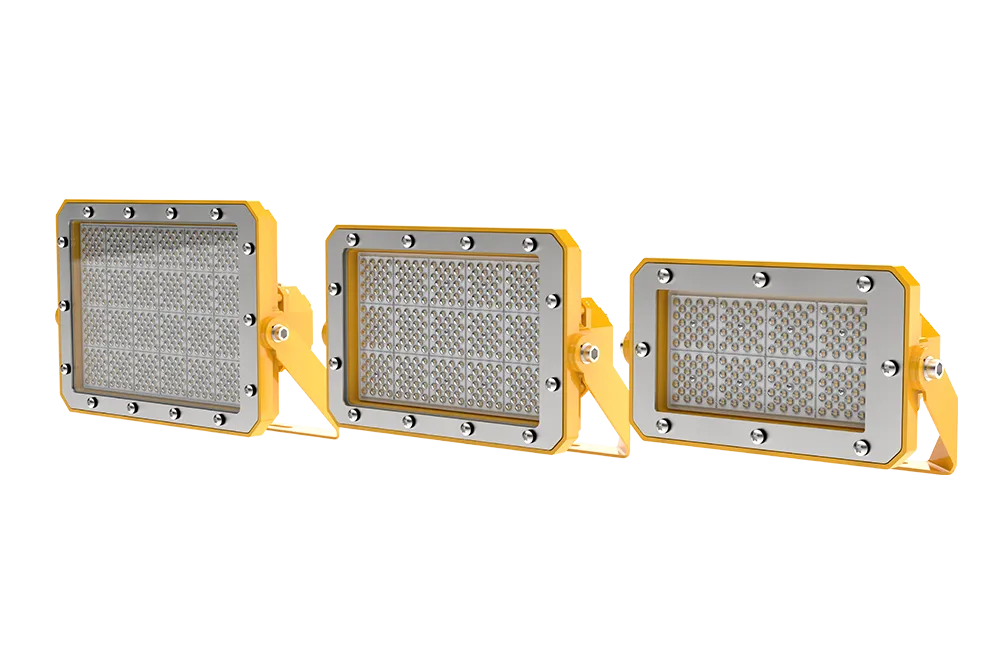
SEEKINGLED LED Explosion Proof Flood Lights are ATEX certified for Zone 2 and Zone 22 hazardous areas, offering high efficiency, adjustable power and integrated junction box.
View details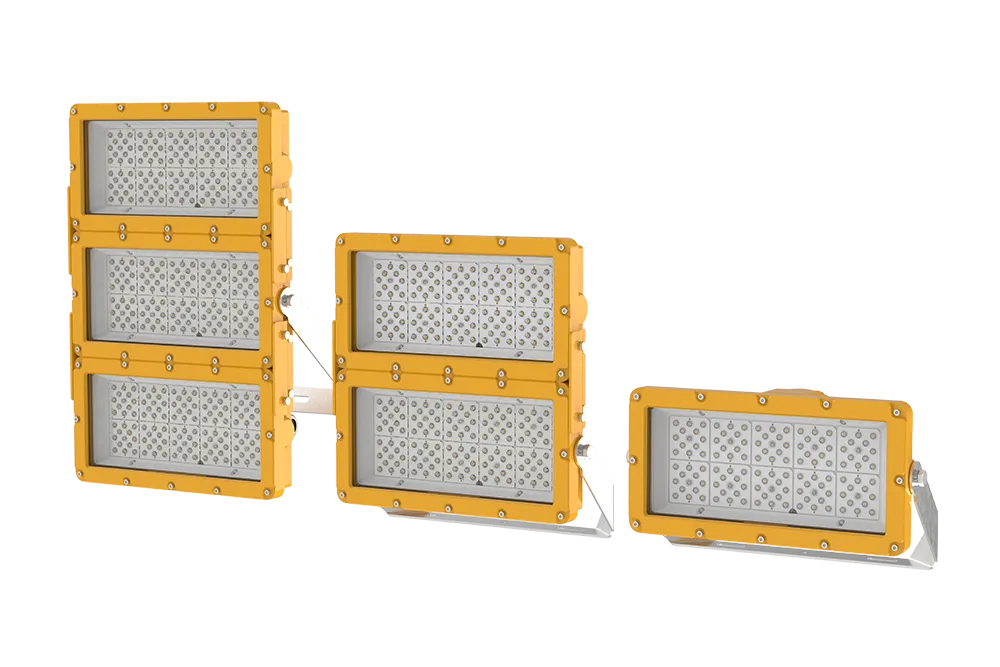
SEEKINGLED LED Explosion Proof Flood Lights are flameproof ATEX and IECEx certified for Zone 1 and Zone 2 hazardous areas, offering high power, adjustable output and long service life.
View details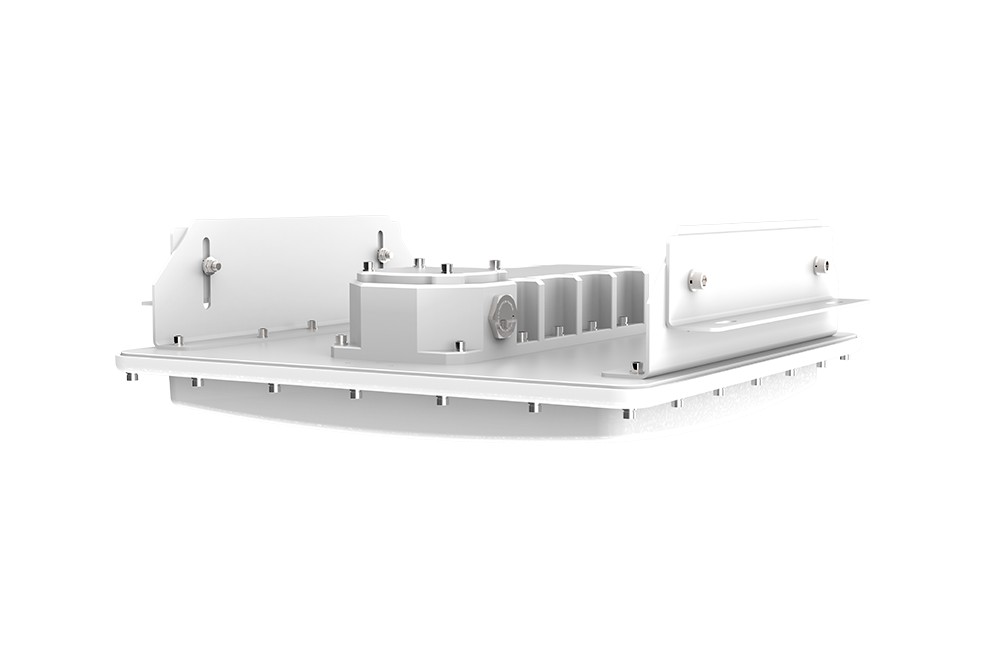
SEEKINGLED LED Gas Station Canopy Lights are ATEX certified for Zone 2 and Zone 22 hazardous areas, featuring adjustable power and built-in explosion-proof junction box.
View details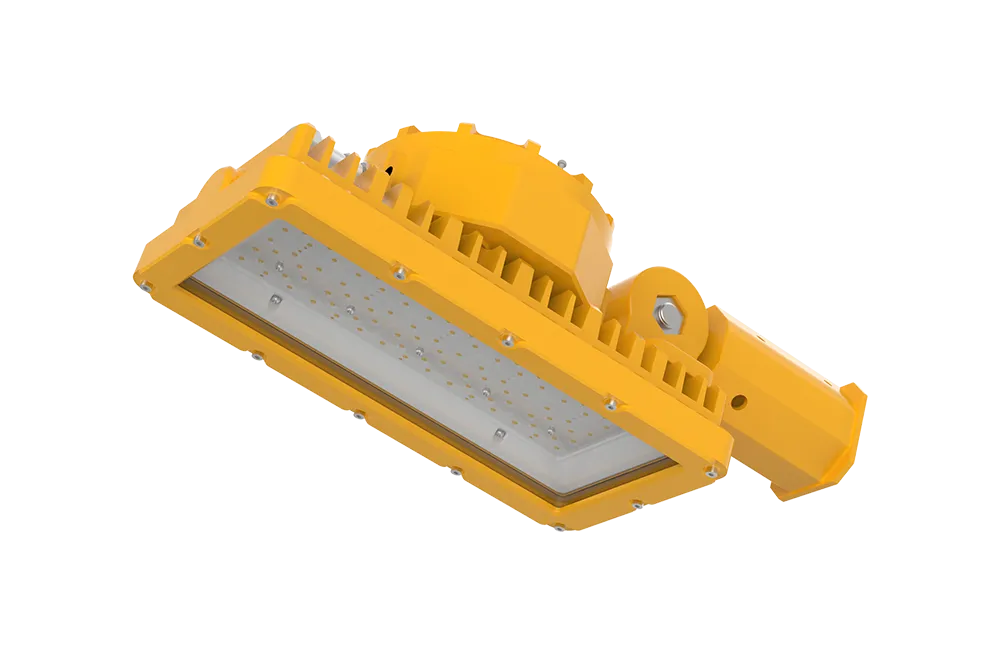
ATEX: Ex II 2G Ex db IIB T6/T5 GbEx II 2D Ex tb IIIC T80°C/ T95°C Db IECEx Ex db IIB T6 Gb;Ex tb IIIC T80°C Db Feature: ● For Zone 1,2 and Zone 21,22● Flameproof type, the strongest● 100W can replace 250W HID,energy saving● Power:60W,80W,100W Application: Oil and gas, marine, Chemical, pharmaceutical, semiconductor,mining,military industr…
View details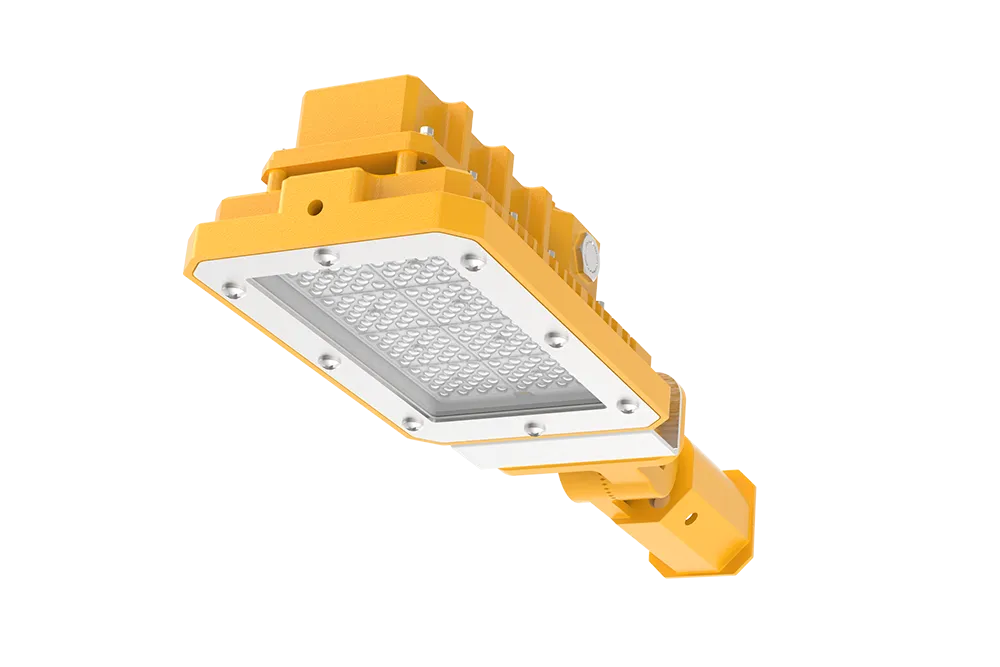
ATEX: II 3G Ex nR ⅡC T5/T6 GcII 3D Ex tc ⅢC T80℃/T95℃Dc ATEX Certificate NO: TÜV CY 26 ATEX 0207611 X Feature: ● For Zone 2 and Zone 22● 150W can replace 250W HID lamps,Energy saving● Power:50W,75W,100W,150W,200W Application: Oil and gas, marine, Chemical, pharmaceutical, semiconductor,mining,military industry, paint booth,power plant ETC…
View details
LED explosion proof high bay lights are designed for Zone 1, Zone 2, Zone 21 and Zone 22 hazardous areas. This page introduces the HB21 Series from SEEKING, including certifications, power options and real application considerations.
View details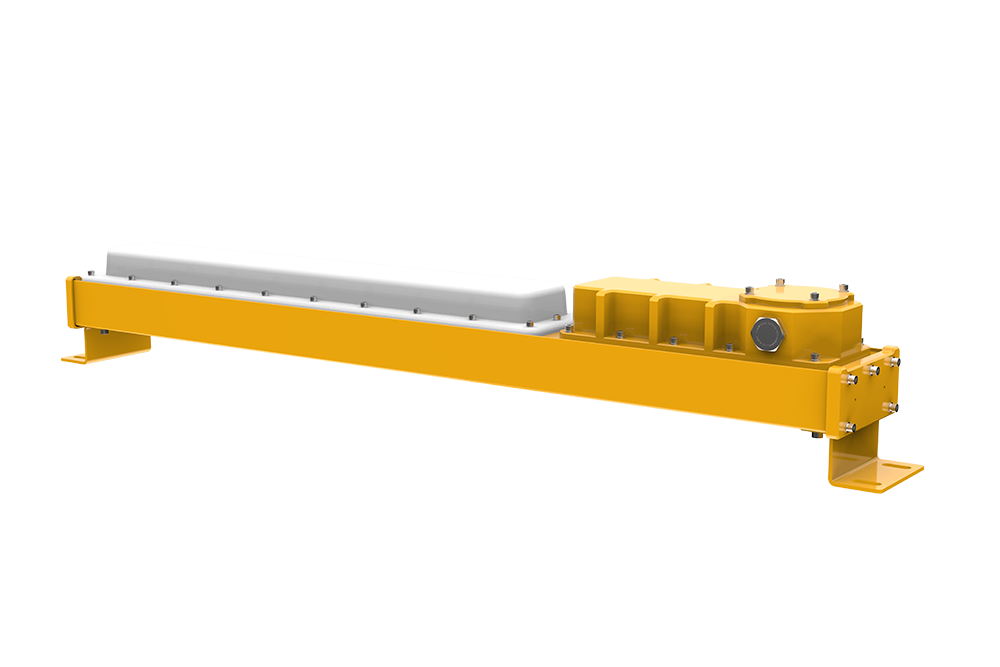
LED Linear Explosion Proof Lights from SEEKINGLED. LU Series Flame Proof lights ATEX-certified explosion proof LED linear lighting for Zone 2 gas and Zone 22 dust areas, IP69K, IK10, long lifetime and flexible power options.
View details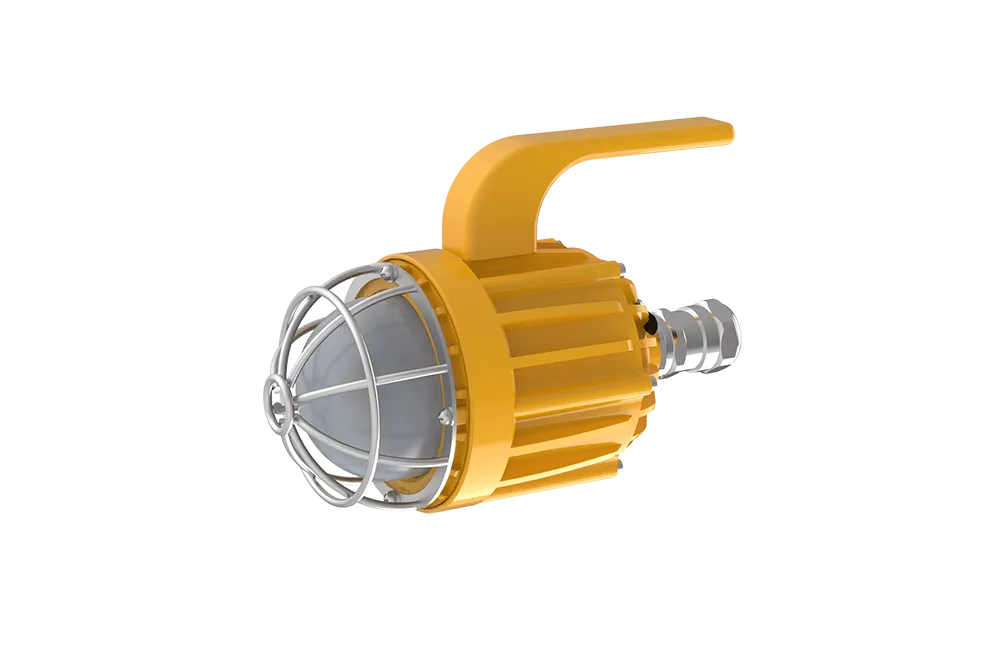
Certified explosion proof work lights for Zone 1 & 21 hazardous areas. Portable, ATEX & IECEx approved, built for oil, gas and chemical plants by SEEKINGLED.
View details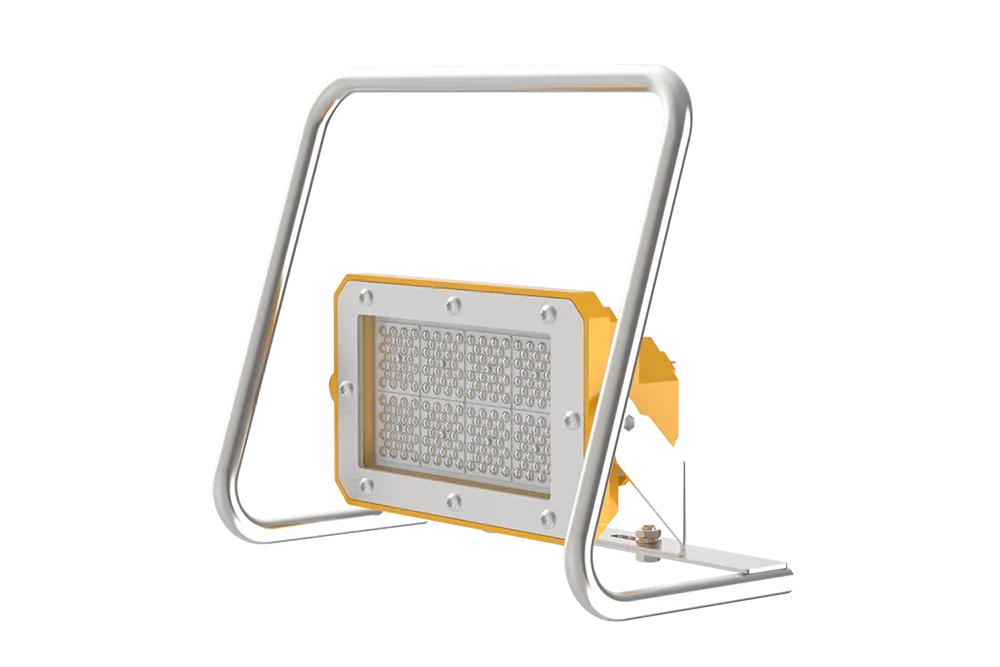
ATEX: II 3G Ex nR ⅡC T6 GcII 3D Ex tc ⅢC T80℃ Dc ATEX Certificate NO: TÜV CY 26 ATEX 0207611 X Feature: ● For Zone 2 and Zone 22● Accepts battery-powered supply● indestructible● Power:AC input:50W,75W,100WDC input:15W,25W,35W Application: Oil and gas, marine, Chemical, pharmaceutical, semiconductor,mining,military industry, paint booth,po…
View details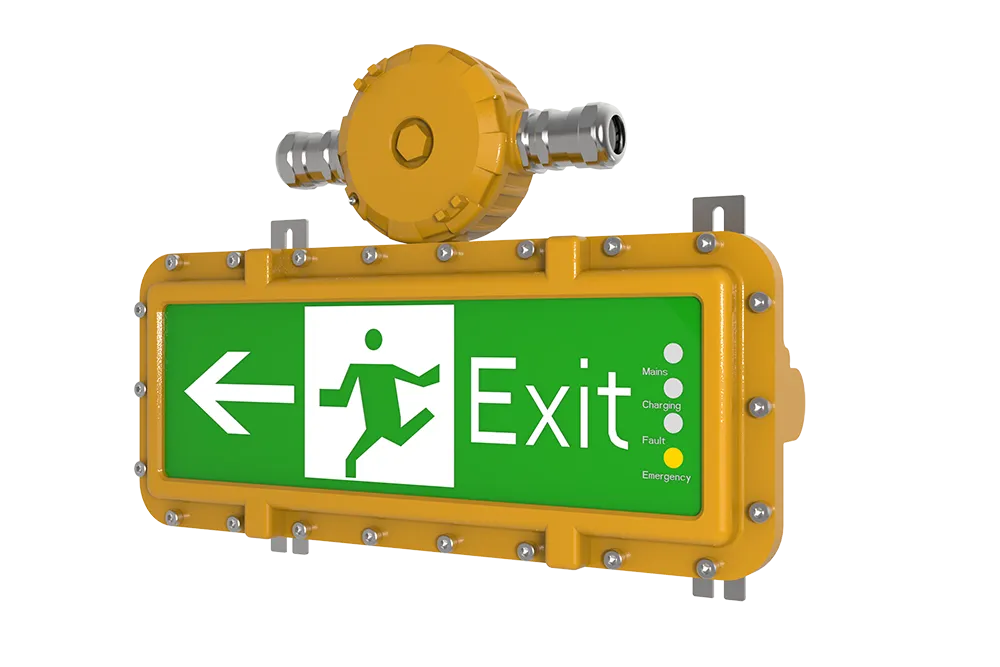
ATEX: Ex II 2G Ex db IIB T6 GbEx II 2D Ex tb IIIC T80°C Db IECEx Ex db IIB T6 Gb;Ex tb IIIC T80°C Db Feature: ● For Zone 1,2 and Zone 21,22● Flameproof type, the strongest Application: Oil and gas, marine, Chemical, pharmaceutical, semiconductor,mining,military industry, paint booth,power plant ETC hazardous area. Technical Specifications:…
View details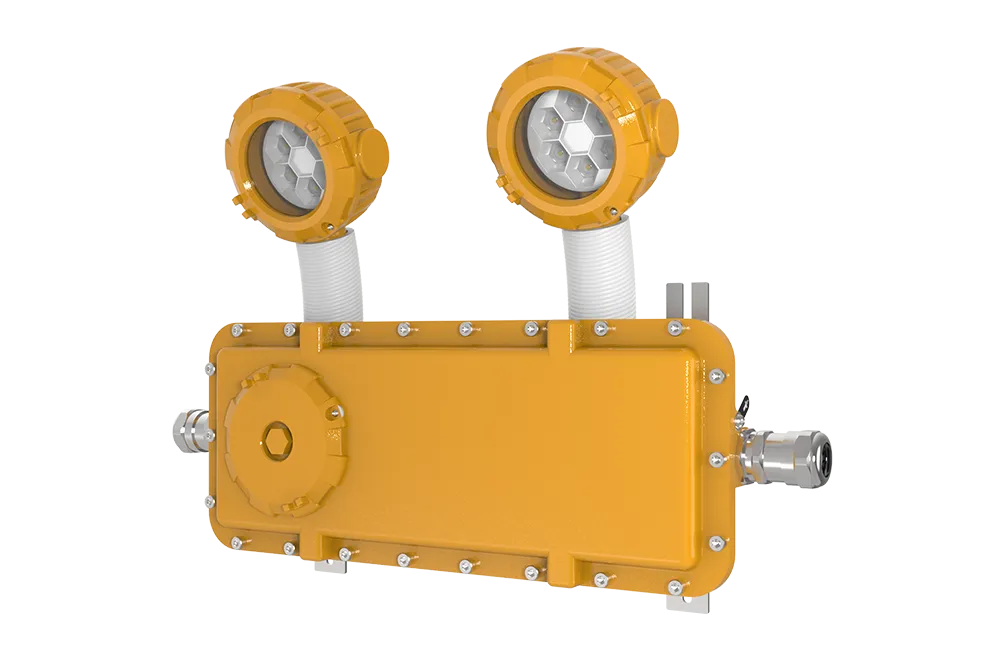
ATEX: Ex II 2G Ex db IIB T6 GbEx II 2D Ex tb IIIC T80°C Db IECEx Ex db IIB T6 Gb;Ex tb IIIC T80°C Db Feature: ● For Zone 1,2 and Zone 21,22● Flameproof type, the strongest Application: Oil and gas, marine, Chemical, pharmaceutical, semiconductor,mining,military industry, paint booth,power plant ETC hazardous area. Technical Specifications:…
View details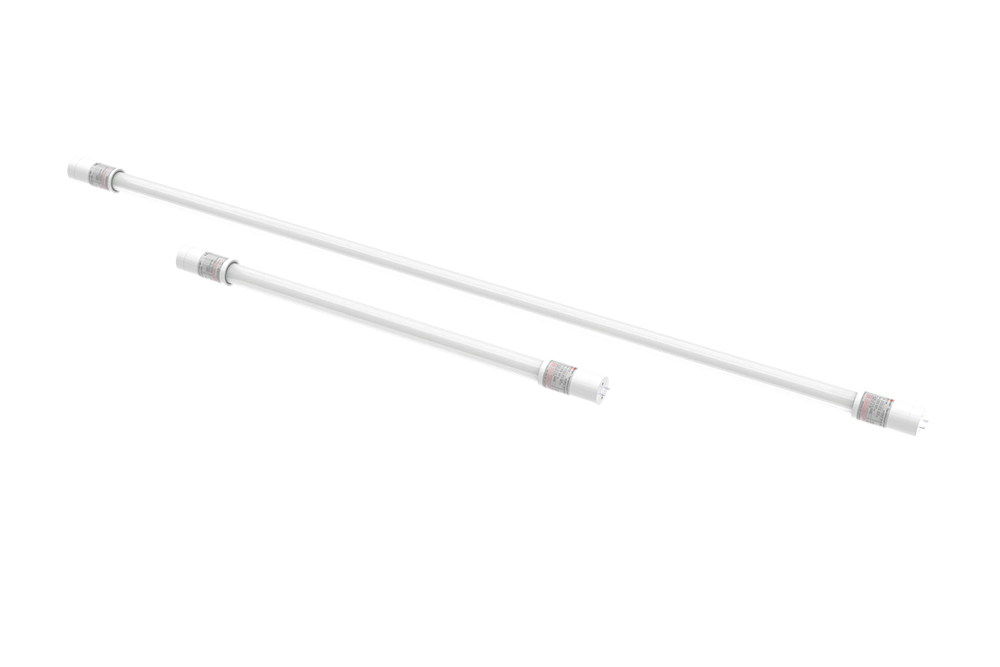
ATEX: Ex II 2G Ex d e IIB T6 Gb ATEX: Ex d e IIB T6 Gb; Feature: ● For Zone 1,2● 9W can replace 18W fluorescent lamps,50% Energy saving Application: Oil and gas, marine, Chemical, pharmaceutical, semiconductor,mining,military industry, paint booth,power plant ETC hazardous area. Technical Specifications: Standards:60079-0, 60079-1, 60079…
View details
Indoor LED floodlights for warehouses and sports halls. Discover real performance data, efficiency standards, and how to choose reliable fixtures.
View details
What is an explosion-proof LED work light? Learn how it works, where it is used, and why certified explosion-proof LED work lights are critical for hazardous environments.
View details
What is Class 1 Div 2 LED lighting? Learn how Class 1 Division 2 hazardous location LED fixtures improve safety in oil, gas, chemical, and industrial facilities.
View details
What is LED ATEX lighting? Learn how ATEX-certified LED lighting works in hazardous zones, why industries use it, and how to choose safe explosion-proof fixtures.
View details