 Seeking LED
what is atex lighting?
0what is atex lighting? Learn how ATEX certified lighting protects hazardous areas with explosion protection standards, industrial applications, and expert field insights.
View detailsSearch the whole station
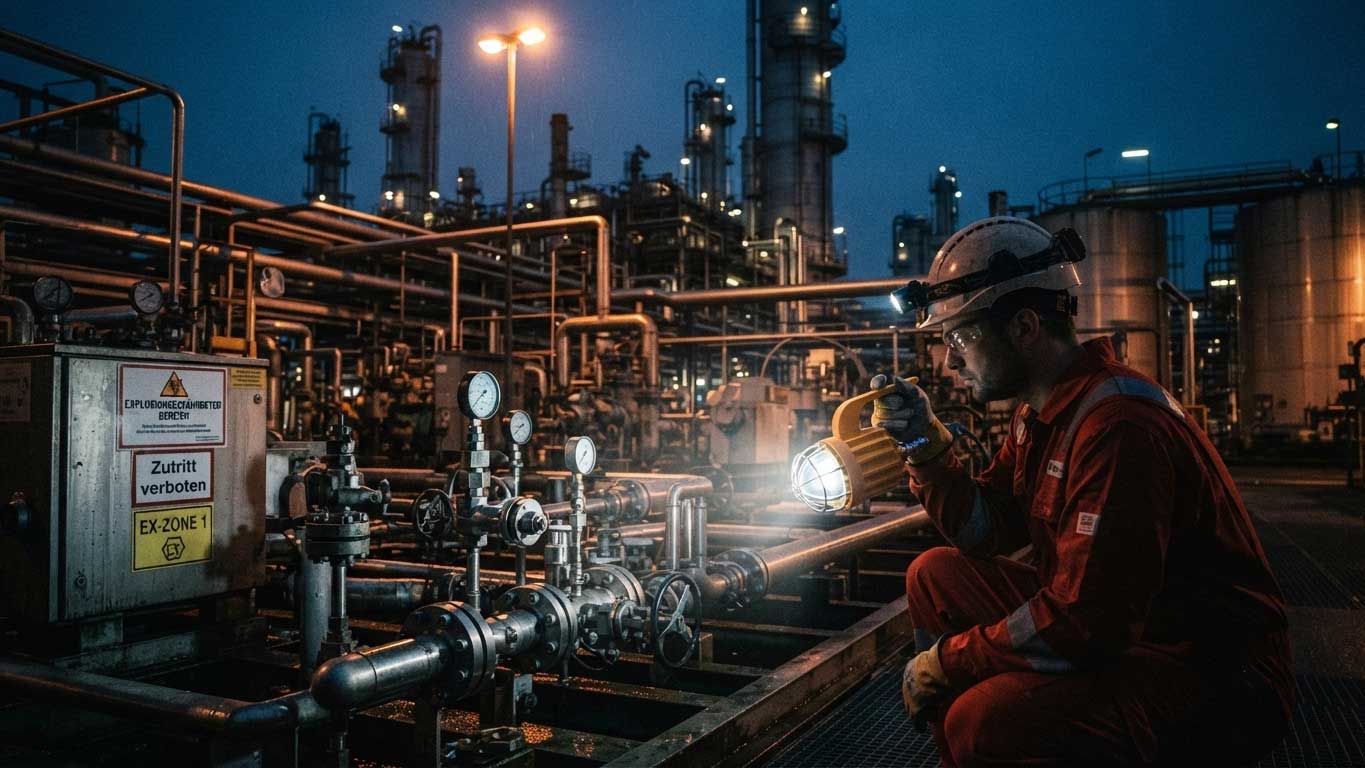
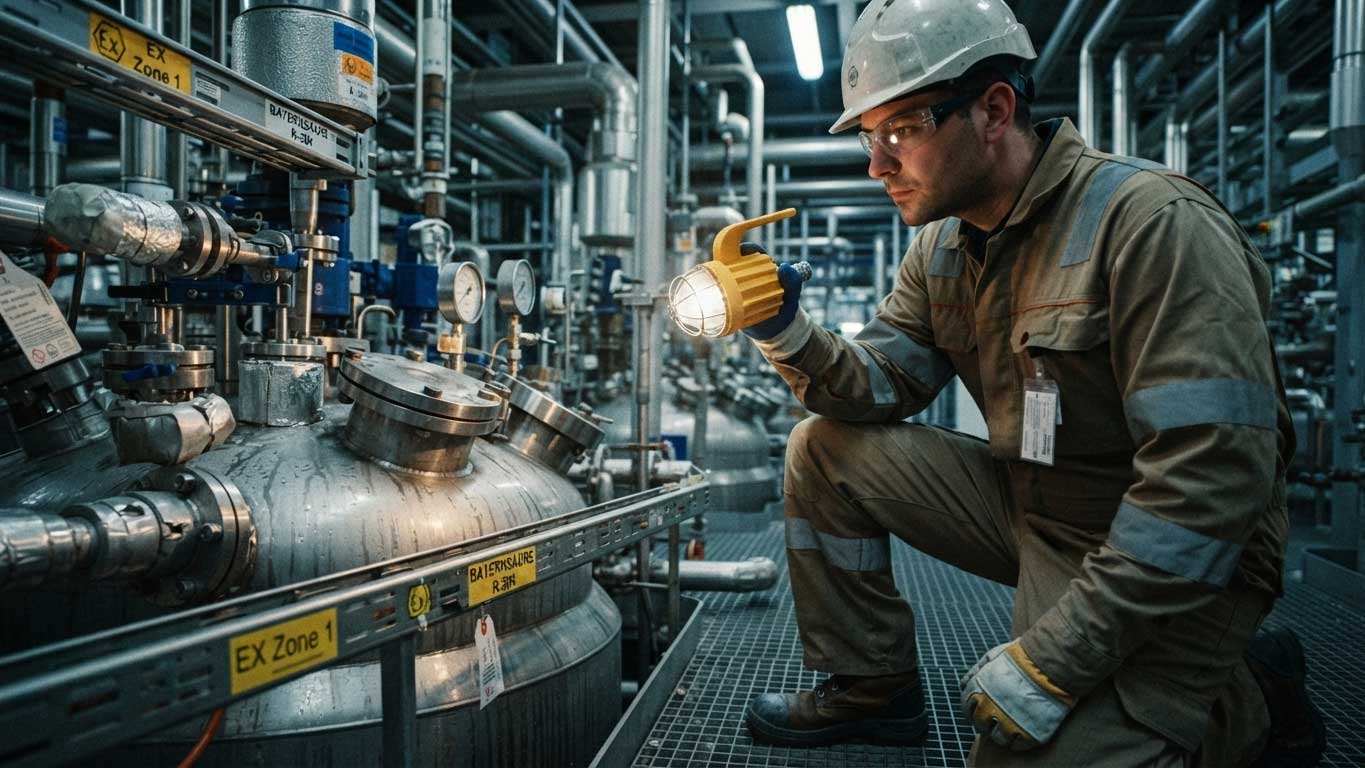
Explosion-proof flashlights are certified portable lighting tools designed to operate safely in environments containing flammable gases, vapors, or combustible dust. They prevent internal electrical sparks or excessive heat from becoming ignition sources.
Unlike ordinary handheld lights, explosion-proof flashlights are developed for situations where workers cannot rely only on fixed lighting systems. In oil refineries, chemical plants, offshore platforms, and emergency maintenance operations, portable lighting often becomes the worker’s closest safety equipment.Visit the product page: Explosion Proof Lighting
During hazardous lighting projects at SEEKINGLED, I have reviewed how maintenance teams actually use portable lights in demanding environments. The biggest difference I noticed is that industrial users do not choose a flashlight simply because it is bright. They choose one because it can continue operating when conditions become unpredictable.
A technician entering a confined equipment area may carry the flashlight through narrow steel structures, exposed pipes, and areas with limited visibility. In those moments, the flashlight itself must be part of the safety solution.
A standard flashlight is designed for general illumination.
An explosion-proof flashlight is designed around:
The term “explosion-proof” does not mean the flashlight creates explosions or can withstand unlimited explosive forces.
Instead, it means the device is engineered to prevent internal ignition from reaching the surrounding hazardous atmosphere.
According to the Occupational Safety and Health Administration (OSHA), electrical equipment installed in hazardous locations must be suitable for the specific classification of the environment.
Reference:
https://www.osha.gov/laws-regs/regulations/standardnumber/1910/1910.307
Industrial facilities classify hazardous areas depending on the type and frequency of explosive materials.
Common classifications include:
| Classification | Description |
|---|---|
| Class I | Flammable gases, vapors, and liquids |
| Class II | Combustible dust environments |
| Class III | Ignitable fibers and flying particles |
For gas environments:
| Zone | Risk Level |
|---|---|
| Zone 0 | Hazard exists continuously or for long periods |
| Zone 1 | Hazard likely during normal operation |
| Zone 2 | Hazard exists only under abnormal conditions |
The correct flashlight certification depends on where the equipment will be used.
A flashlight approved for a warehouse inspection area may not be acceptable inside a refinery processing zone.
The external appearance of an explosion-proof flashlight may look similar to a heavy-duty industrial flashlight.
However, internal construction is very different.
Typical features include:
The purpose of these designs is to reduce possible ignition sources.
A small electrical fault that would normally be harmless in a commercial environment must be controlled in a hazardous location.
Industrial buyers often ask:
“Is this flashlight bright enough?”
The first question should actually be:
“Is this flashlight certified for the environment?”
Two widely recognized certification systems include:
ATEX is the European framework for equipment used in potentially explosive atmospheres.
Reference:
European Commission ATEX information
https://single-market-economy.ec.europa.eu/sectors/mechanical-engineering/equipment-potentially-explosive-atmospheres-atex_en
IECEx provides an international certification system for equipment used in explosive atmospheres.
Reference:
https://www.iecex.com
These certifications evaluate factors including:
From discussions with industrial maintenance professionals, the same requirements appear repeatedly:
A flashlight may be used for:
Battery performance becomes critical when workers are far away from charging stations.
Portable lights are exposed to conditions fixed fixtures rarely experience.
Examples:
A flashlight that looks strong but has weak switches or poor sealing will eventually create problems.
Industrial workers often wear gloves and protective equipment.
Therefore, good explosion-proof flashlights need:
Small details often decide whether equipment is used correctly.
Oil and gas facilities are among the most common users.
Applications include:
Workers often enter areas where fixed lighting cannot provide complete visibility.
Chemical facilities may contain:
Portable certified lighting helps technicians inspect equipment without introducing unsafe electrical devices.
Emergency teams may require portable hazardous lighting during:
A reliable flashlight can provide immediate visibility when normal systems are unavailable.
| Feature | Explosion-Proof Flashlights | Standard Flashlights |
|---|---|---|
| Hazardous certification | Available | Usually unavailable |
| Ignition protection | Designed for hazardous zones | Not designed |
| Temperature control | Controlled | General design |
| Industrial application | Oil, gas, chemical | Daily use |
| Safety approval | ATEX / IECEx options | Consumer standards |
The difference is not always visible externally.
Two flashlights may produce similar light output, but only one may be suitable for explosive environments.
At SEEKINGLED, hazardous lighting products are developed from real industrial requirements.
The design process considers:
Portable lighting is often used in situations where workers have limited options.
That means every component matters—from housing materials to battery protection systems.
Our goal is not simply creating brighter flashlights.
It is creating dependable lighting equipment for professionals working in demanding environments.
An explosion-proof flashlight is usually tested in the situations where ordinary lighting products struggle: confined spaces, emergency repairs, offshore inspections, and hazardous maintenance areas.
The value of a certified portable light is not measured only by brightness. It is measured by whether workers can depend on it when access is difficult and environmental conditions change quickly.
Refinery turnaround projects create one of the most demanding environments for portable lighting.
During shutdown periods, maintenance teams may enter:
Fixed lighting systems may not provide sufficient visibility in temporary working areas.
A maintenance supervisor once explained the challenge:
“During a shutdown, every tool has a job. The flashlight has to work from the first inspection point until the last repair check.”
In these situations, engineers usually evaluate:
| Requirement | Reason |
|---|---|
| Hazard certification | Ensures safe use in classified areas |
| Battery endurance | Supports long maintenance shifts |
| Impact resistance | Handles industrial transportation |
| Grip design | Allows use with protective gloves |
| Beam control | Improves visibility in confined spaces |
The flashlight becomes part of the worker’s personal equipment system.
Offshore environments create additional challenges for portable lighting equipment.
An offshore technician may face:
According to the International Maritime Organization (IMO), corrosion control remains a major consideration for marine structures because saltwater environments accelerate material degradation.
Reference:
https://www.imo.org
For explosion-proof flashlights used offshore, engineers often consider:
A flashlight that performs well in a controlled indoor environment may behave differently after months near the ocean.
Chemical facilities require rapid response capability.
During abnormal situations, workers may need portable lighting for:
The key requirement is immediate availability.
A good hazardous-area flashlight should not require complicated preparation before use.
Industrial users typically prefer:
Small design choices can influence whether workers trust the equipment.
Before purchasing, confirm:
Certification should match the actual workplace.
A product designed for one environment may not be suitable for another.
Different industries have different requirements.
Priorities:
Priorities:
Priorities:
Battery performance is often overlooked.
Important factors include:
A flashlight that loses power during a confined-space inspection creates unnecessary operational risk.
| Specification | Importance |
|---|---|
| ATEX / IECEx certification | Hazardous area compliance |
| IP rating | Protection against water and dust |
| Temperature rating | Ignition prevention |
| Impact resistance | Industrial durability |
| Beam distance | Inspection visibility |
| Battery capacity | Working time |
Even certified equipment requires proper management.
Recommended practices include:
Check:
Avoid:
Remove:
Proper maintenance extends service life and protects certification performance.
Explosion-proof flashlights are used in hazardous locations such as oil refineries, chemical plants, offshore platforms, and industrial facilities where flammable gases, vapors, or dust may exist.
The term means the flashlight is designed to prevent internal ignition sources from igniting the surrounding atmosphere. It does not mean the flashlight can withstand every type of explosion.
Common certifications include ATEX for European markets and IECEx for international hazardous area applications.
Yes, if the specific model is certified for the required Class I classification, gas group, and temperature rating.
Battery runtime depends on battery type, brightness mode, and operating conditions. Industrial models are typically designed for extended work periods.
Many industrial models provide high protection ratings such as IP65 or IP67, but users should always confirm the exact product certification.
The additional cost comes from specialized materials, certification testing, safety design, and manufacturing controls required for hazardous environments.
After working with industrial lighting applications, one pattern appears repeatedly:
Workers rarely remember the flashlight specification sheet when everything works correctly.
They remember the equipment when conditions become difficult.
A reliable explosion-proof flashlight should perform during:
The best portable hazardous lighting equipment becomes invisible in daily work because users trust it without hesitation.
Explosion-proof flashlights provide safe portable illumination for industries where ordinary lighting equipment cannot be used.
The correct choice depends on more than brightness. Certification, environmental resistance, battery reliability, and industrial usability determine whether a flashlight is suitable for hazardous applications.
For oil, gas, chemical, and industrial environments, SEEKINGLED focuses on developing portable lighting solutions that support safer operations and reliable field performance.
In hazardous workplaces, the right flashlight is not just a lighting tool—it is part of the safety system.
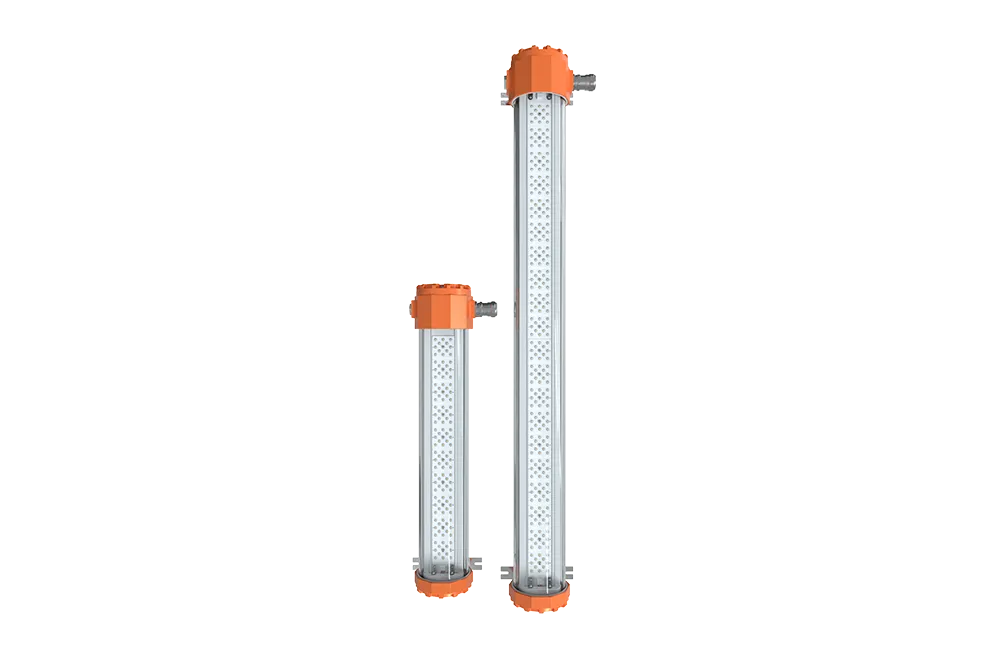
SEEKINGLED LED Linear Explosion Proof Light and Explosion Proof lighting is ATEX and IECEx certified for Zone 1, Zone 2, Zone 21 and Zone 22 hazardous locations, built for long-term industrial use.
View details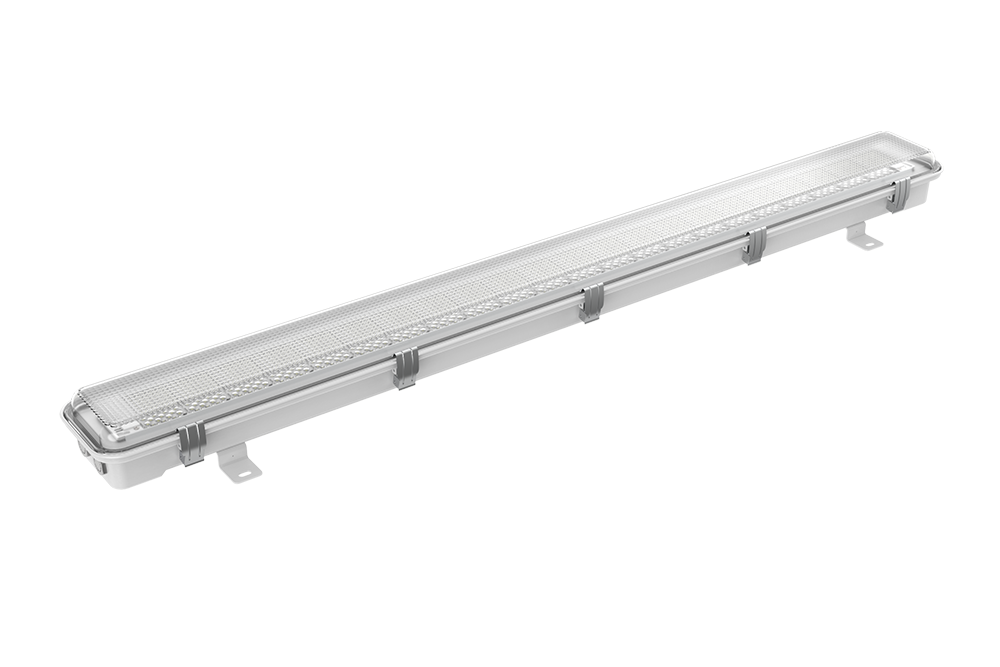
LED Linear Explosion Proof Lights and EX Proof lights for Zone 1, Zone 2, Zone 21 and Zone 22 hazardous areas. ATEX & IECEx certified explosion proof LED linear lighting with emergency function, adjustable power and IP67 protection by SEEKINGLED.
View details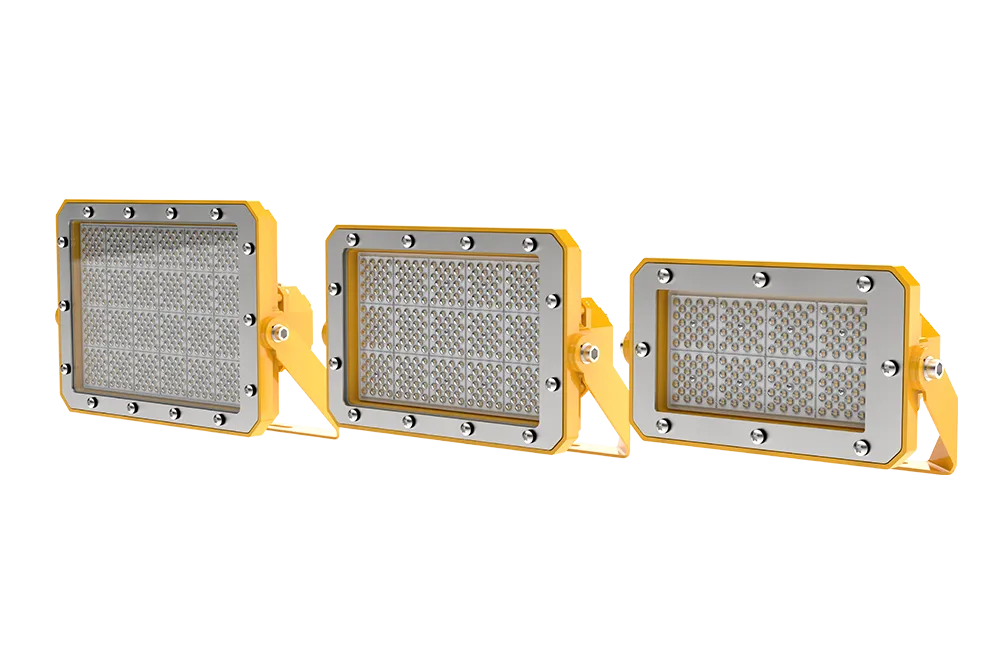
SEEKINGLED LED Explosion Proof Flood Lights are ATEX certified for Zone 2 and Zone 22 hazardous areas, offering high efficiency, adjustable power and integrated junction box.
View details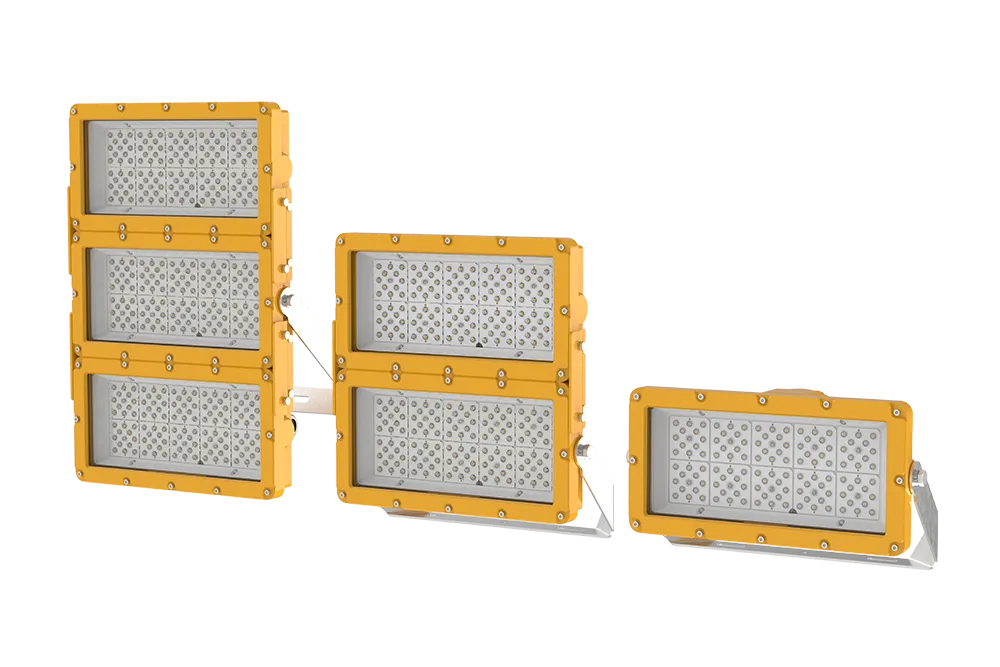
SEEKINGLED LED Explosion Proof Flood Lights are flameproof ATEX and IECEx certified for Zone 1 and Zone 2 hazardous areas, offering high power, adjustable output and long service life.
View details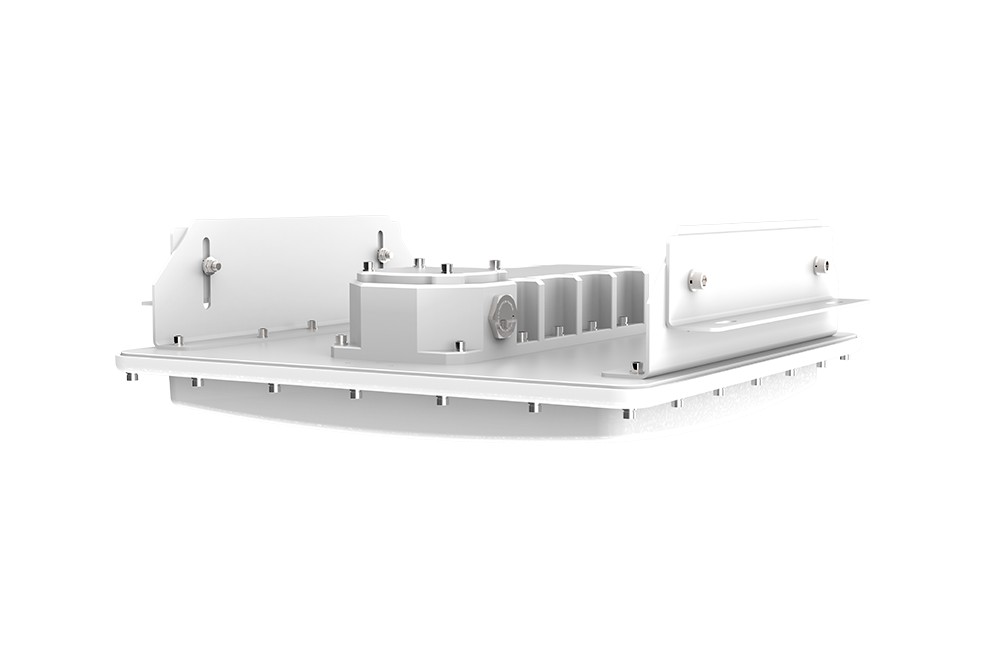
SEEKINGLED LED Gas Station Canopy Lights are ATEX certified for Zone 2 and Zone 22 hazardous areas, featuring adjustable power and built-in explosion-proof junction box.
View details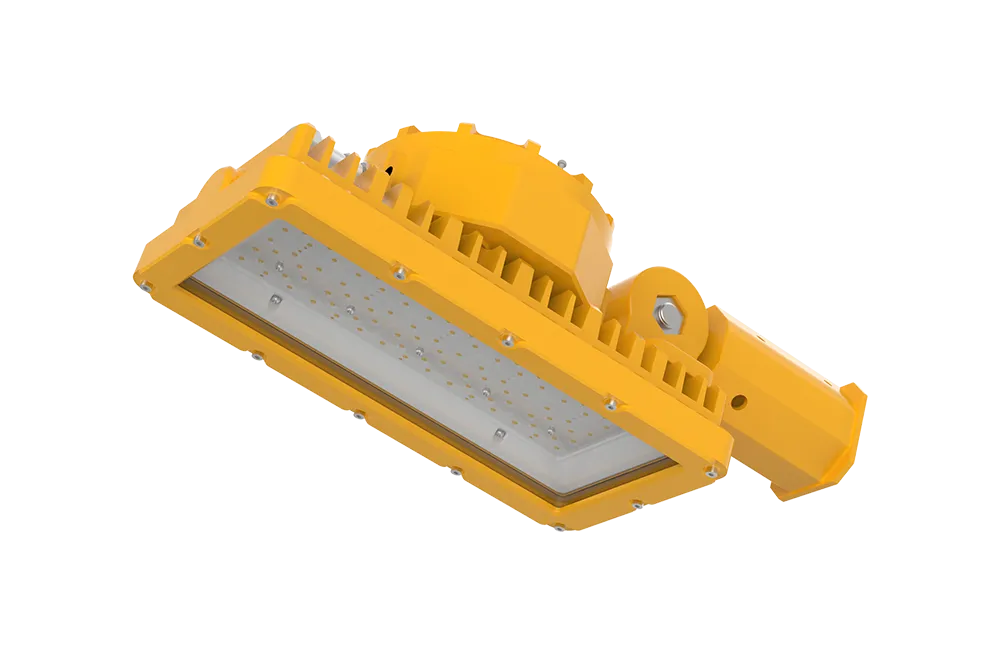
ATEX: Ex II 2G Ex db IIB T6/T5 GbEx II 2D Ex tb IIIC T80°C/ T95°C Db IECEx Ex db IIB T6 Gb;Ex tb IIIC T80°C Db Feature: ● For Zone 1,2 and Zone 21,22● Flameproof type, the strongest● 100W can replace 250W HID,energy saving● Power:60W,80W,100W Application: Oil and gas, marine, Chemical, pharmaceutical, semiconductor,mining,military industr…
View details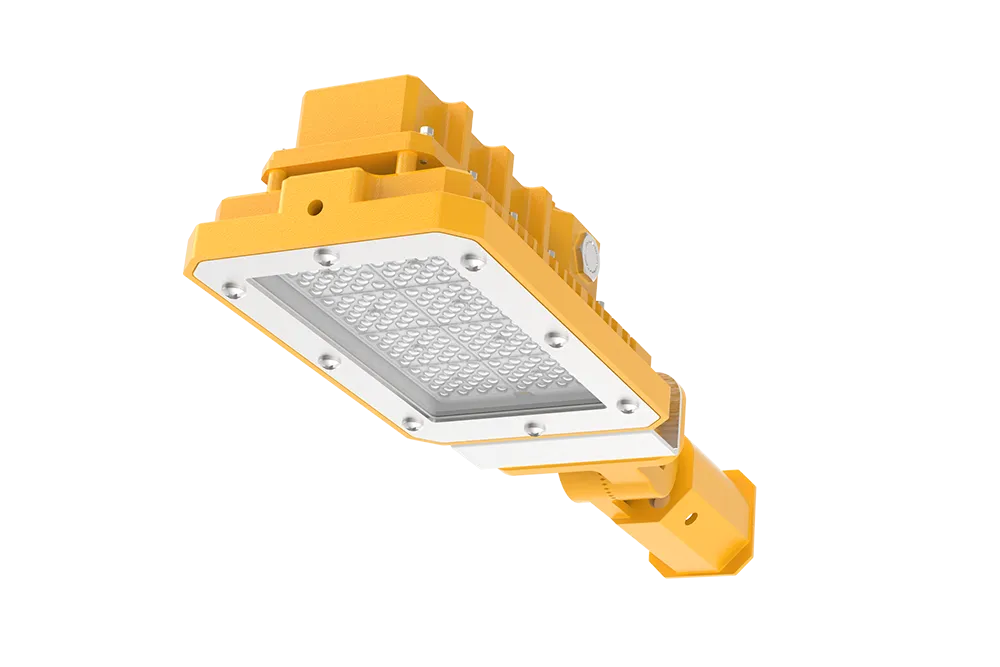
ATEX: II 3G Ex nR ⅡC T5/T6 GcII 3D Ex tc ⅢC T80℃/T95℃Dc ATEX Certificate NO: TÜV CY 26 ATEX 0207611 X Feature: ● For Zone 2 and Zone 22● 150W can replace 250W HID lamps,Energy saving● Power:50W,75W,100W,150W,200W Application: Oil and gas, marine, Chemical, pharmaceutical, semiconductor,mining,military industry, paint booth,power plant ETC…
View details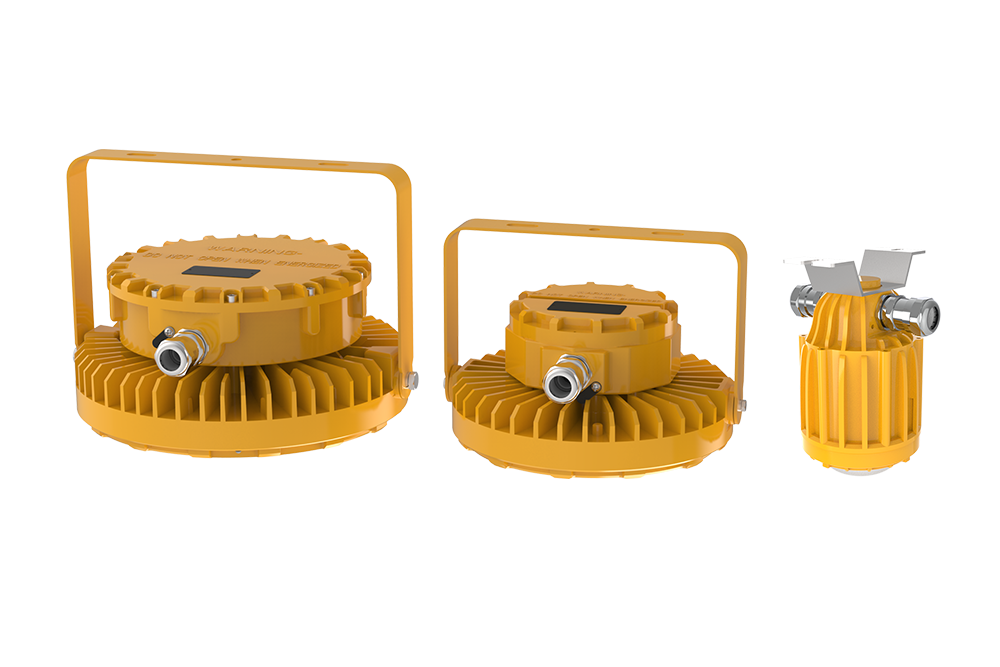
LED explosion proof high bay lights are designed for Zone 1, Zone 2, Zone 21 and Zone 22 hazardous areas. This page introduces the HB21 Series from SEEKING, including certifications, power options and real application considerations.
View details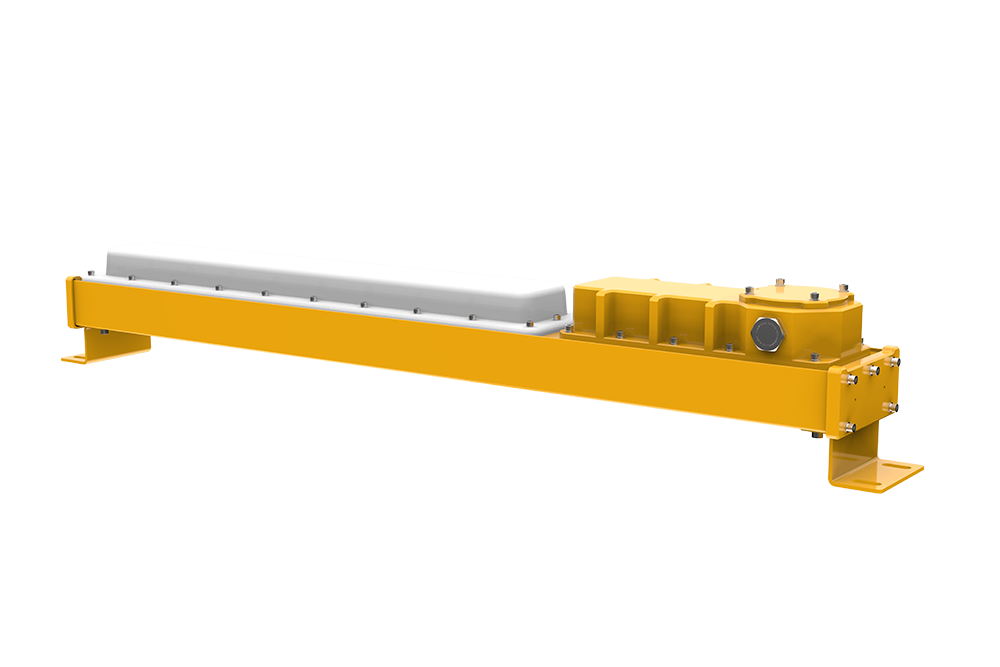
LED Linear Explosion Proof Lights from SEEKINGLED. LU Series Flame Proof lights ATEX-certified explosion proof LED linear lighting for Zone 2 gas and Zone 22 dust areas, IP69K, IK10, long lifetime and flexible power options.
View details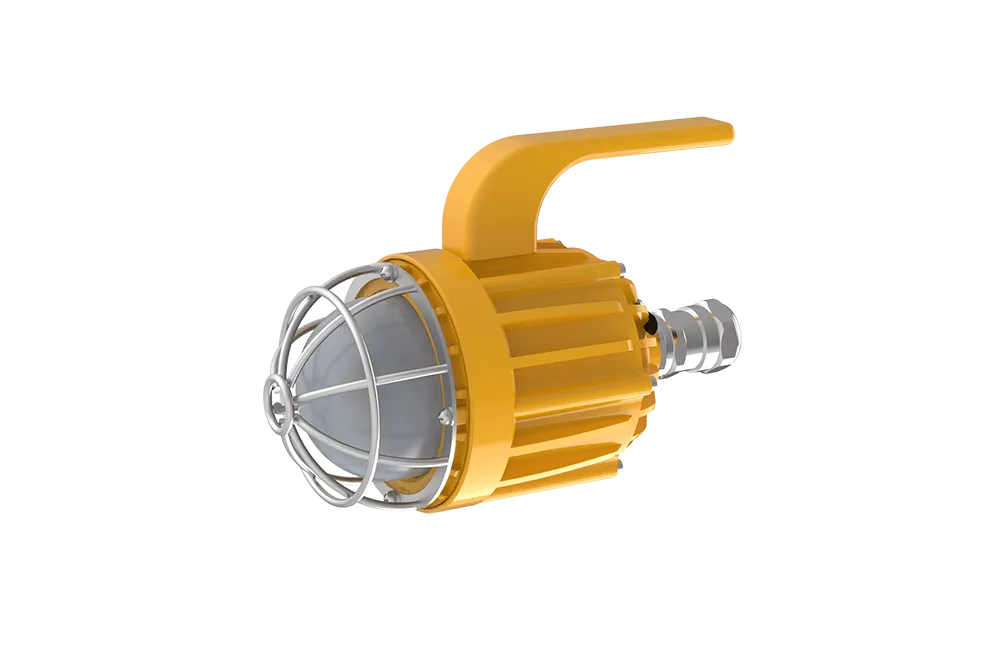
Certified explosion proof work lights for Zone 1 & 21 hazardous areas. Portable, ATEX & IECEx approved, built for oil, gas and chemical plants by SEEKINGLED.
View details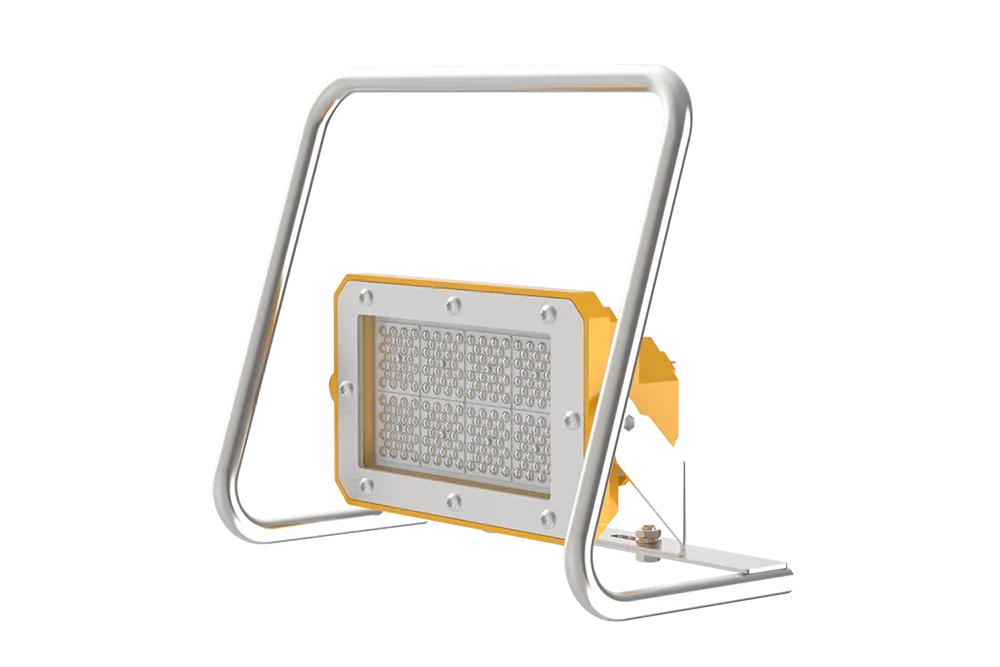
ATEX: II 3G Ex nR ⅡC T6 GcII 3D Ex tc ⅢC T80℃ Dc ATEX Certificate NO: TÜV CY 26 ATEX 0207611 X Feature: ● For Zone 2 and Zone 22● Accepts battery-powered supply● indestructible● Power:AC input:50W,75W,100WDC input:15W,25W,35W Application: Oil and gas, marine, Chemical, pharmaceutical, semiconductor,mining,military industry, paint booth,po…
View details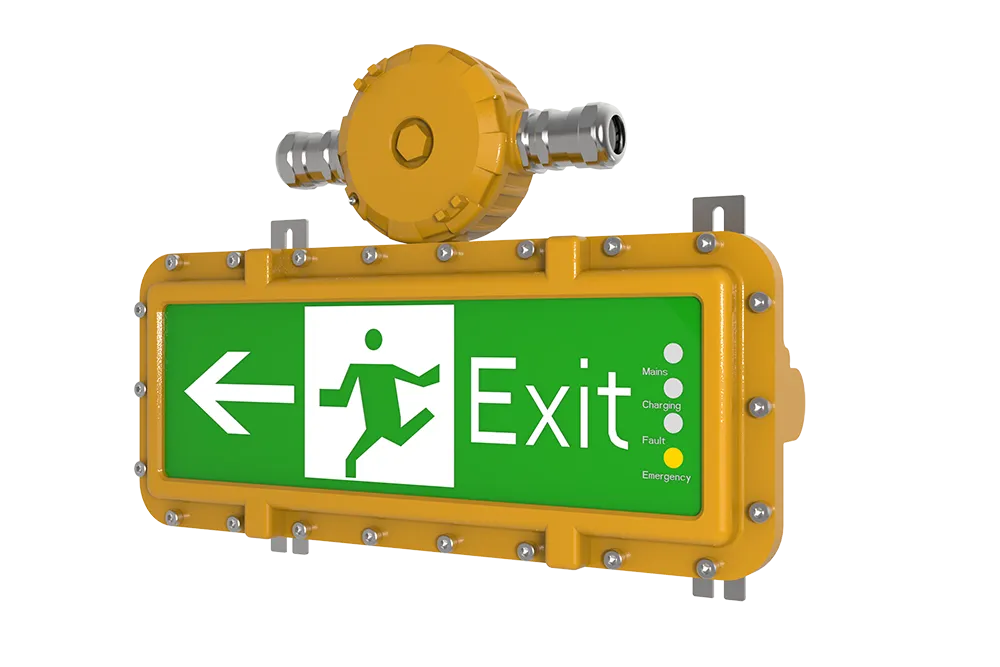
ATEX: Ex II 2G Ex db IIB T6 GbEx II 2D Ex tb IIIC T80°C Db IECEx Ex db IIB T6 Gb;Ex tb IIIC T80°C Db Feature: ● For Zone 1,2 and Zone 21,22● Flameproof type, the strongest Application: Oil and gas, marine, Chemical, pharmaceutical, semiconductor,mining,military industry, paint booth,power plant ETC hazardous area. Technical Specifications:…
View details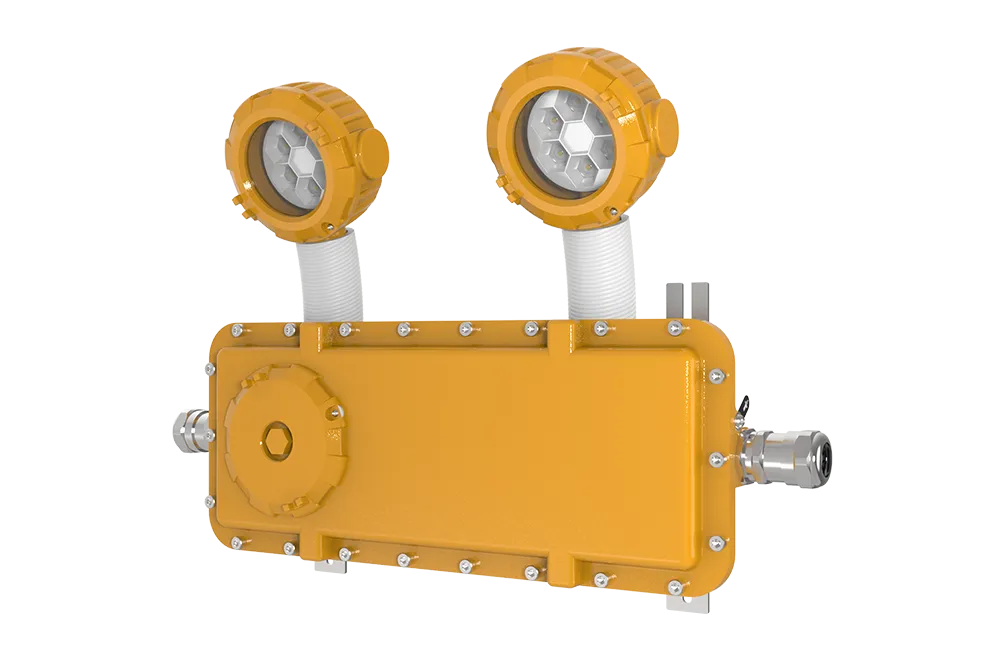
ATEX: Ex II 2G Ex db IIB T6 GbEx II 2D Ex tb IIIC T80°C Db IECEx Ex db IIB T6 Gb;Ex tb IIIC T80°C Db Feature: ● For Zone 1,2 and Zone 21,22● Flameproof type, the strongest Application: Oil and gas, marine, Chemical, pharmaceutical, semiconductor,mining,military industry, paint booth,power plant ETC hazardous area. Technical Specifications:…
View details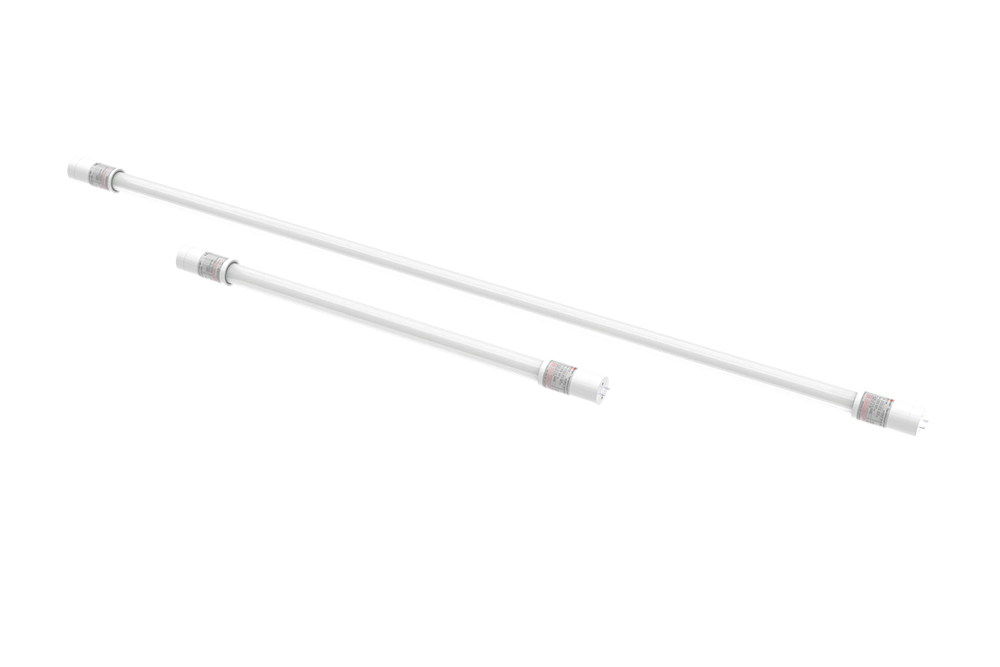
ATEX: Ex II 2G Ex d e IIB T6 Gb ATEX: Ex d e IIB T6 Gb; Feature: ● For Zone 1,2● 9W can replace 18W fluorescent lamps,50% Energy saving Application: Oil and gas, marine, Chemical, pharmaceutical, semiconductor,mining,military industry, paint booth,power plant ETC hazardous area. Technical Specifications: Standards:60079-0, 60079-1, 60079…
View details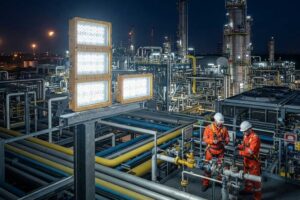
what is atex lighting? Learn how ATEX certified lighting protects hazardous areas with explosion protection standards, industrial applications, and expert field insights.
View details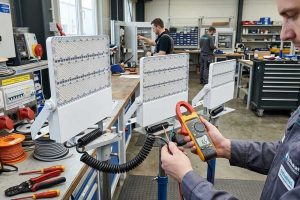
how many amps does led lights draw in real installations? Learn typical LED current draw, practical wiring examples, and electrical load insights from SEEKINGLED.
View details
A 50W LED street light delivering up to 170 lm/W for roads, parks, and residential areas. Reliable performance and long service life by SEEKINGLED.
View details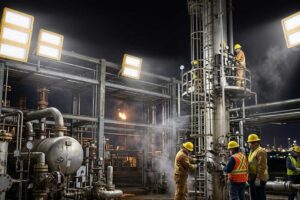
What Is Hazardous Area LED Lighting? Discover how certified explosion-proof LED lighting protects hazardous oil, gas, chemical, and marine environments safely.
View details