 Seeking LED
explosion proof led linear lighting
0Explosion proof LED linear lighting ensures safe, uniform illumination in hazardous areas. Learn certifications, design, and real-world applications with SEEKINGLED.
View detailsSearch the whole station
hazardous location junction box is a certified electrical enclosure designed to safely connect, protect, and distribute wiring in areas where flammable gases, vapors, or combustible dust may exist. It prevents electrical faults from becoming ignition sources in hazardous industrial environments.
In real industrial projects, a junction box is often overlooked because it does not produce visible output like a light fixture or motor. However, during hazardous area inspections, it is one of the first components engineers check. A small issue with sealing, cable entry, or certification can stop an entire installation from being approved.
A hazardous location junction box is not a standard electrical connection box.
It is specifically designed for classified areas where explosive atmospheres may occur. These areas are common in industries handling combustible materials, including oil, gas, chemicals, and fuels.
The primary purpose is to:
Unlike ordinary junction boxes used in commercial buildings, hazardous location models require specialized construction and certification.
The enclosure must withstand environmental challenges such as:
In a normal electrical installation, a junction box mainly organizes wiring.
In hazardous areas, its role changes completely.
The enclosure becomes part of the explosion protection system.
For example, in an oil refinery, a junction box may be installed near:
These areas may contain flammable gases during normal operation. If an electrical connection generates a spark, the surrounding atmosphere could ignite.
That is why hazardous location junction boxes are engineered with protection methods such as:
The design of a hazardous location junction box is based on controlling risk rather than simply protecting wires.
The enclosure must contain internal ignition events.
If an electrical fault occurs inside the box, the housing prevents flames or hot gases from escaping into the surrounding atmosphere.
This principle is commonly used in Class I hazardous locations where gases and vapors create explosion risks.
One detail that experienced engineers pay close attention to is the cable gland.
During field inspections, I have seen installations with high-quality enclosures fail approval because the cable entry system did not match the hazardous classification.
The junction box and cable gland must work as one protection system.
Important considerations include:
Industrial environments are rarely gentle.
A junction box installed near coastal refineries or chemical plants may experience:
Common materials include:
The correct choice depends on the installation environment.
Hazardous electrical equipment must comply with recognized safety standards.
In North America, hazardous locations are classified under the National Electrical Code (NFPA 70).
Reference:
https://www.nfpa.org/codes-and-standards/nfpa-70-standard-development/70
The NEC defines classifications such as:
OSHA requires electrical equipment installed in hazardous locations to be approved for the specific environment.
Reference:
https://www.osha.gov/laws-regs/regulations/standardnumber/1910/1910.307
This means a general-purpose electrical enclosure cannot simply be installed in a hazardous area.
For international markets, many projects require:
Reference:
https://www.iecex.com/
These certifications verify that equipment has been evaluated for explosive atmosphere applications.
From my experience working with industrial lighting and electrical equipment projects, I noticed that hazardous area failures rarely happen because of the main component.
They usually happen at connection points.
A junction box may look perfect from outside, but inspectors often check:
During a retrofit project in a chemical processing facility, the installation team spent more time reviewing junction box connection details than replacing the equipment itself.
That experience changed how I evaluate hazardous electrical products.
The enclosure is not just a container.
It is part of the safety system.
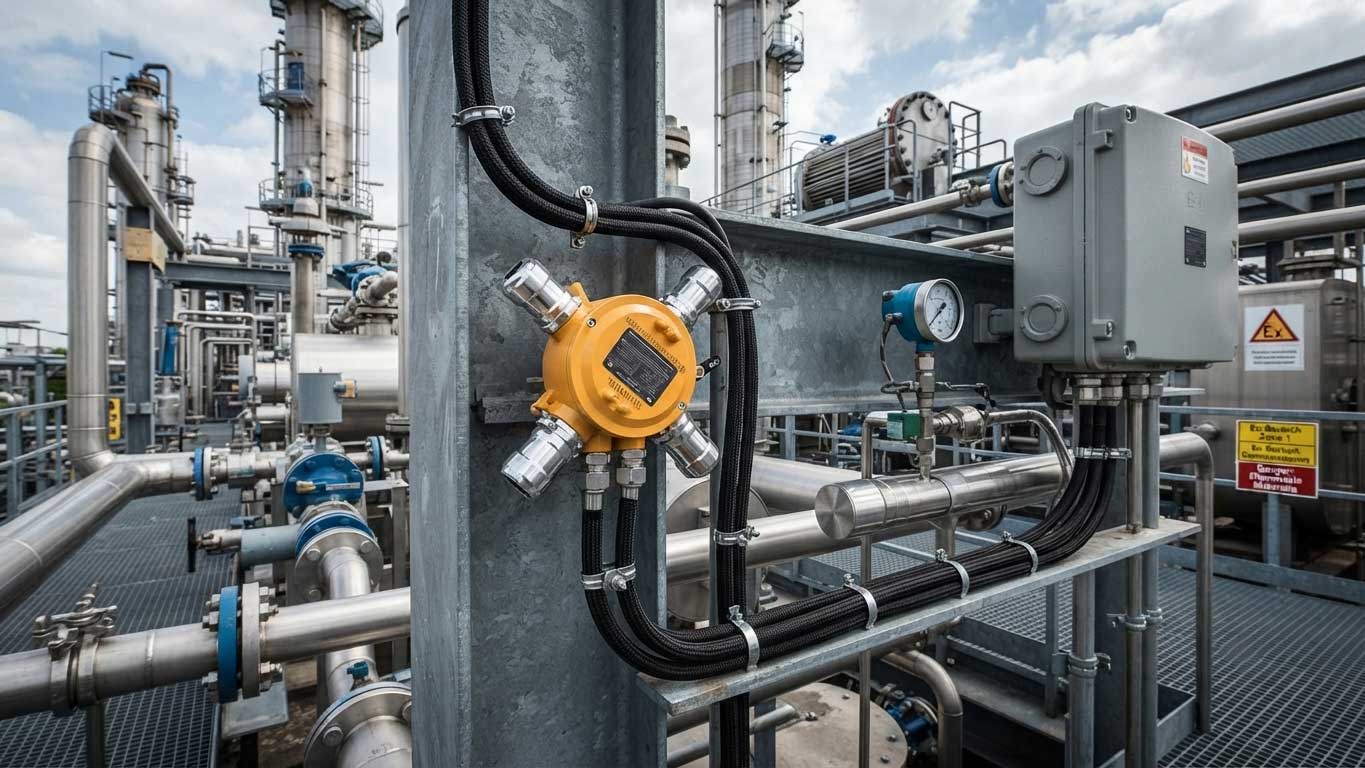
Hazardous location junction boxes are widely used across industries where electrical safety is critical.
Typical applications include:
| Industry | Application Area |
|---|---|
| Oil & Gas | Refineries, pipelines, offshore platforms |
| Chemical | Processing units, storage areas |
| Marine | Offshore facilities and ship systems |
| Mining | Dust hazardous zones |
| Energy | Gas power facilities |
| Manufacturing | Solvent and coating production |
Each application has different hazardous classifications, so selecting the correct enclosure rating is essential.
One common mistake in industrial purchasing is comparing products only by:
However, hazardous electrical equipment requires a different evaluation method.
Engineers usually prioritize:
A cheaper junction box without proper certification can create additional project risk and compliance problems.
Choosing a hazardous location junction box is not only about finding a box that fits the wiring.
In professional industrial projects, selection starts from the hazardous classification of the installation area.
Before purchasing, engineers normally confirm:
A junction box installed in a refinery pump area may require a completely different specification from one installed in a food processing dust zone.
The wrong selection may not create an immediate visible problem, but it can create compliance issues during inspection or maintenance.
The first step is identifying the classified location.
Common classifications include:
| Classification | Hazard Type | Typical Locations |
|---|---|---|
| Class I | Flammable gases and vapors | Refineries, fuel stations |
| Class II | Combustible dust | Grain mills, powder processing |
| Class III | Fibers and flying particles | Textile facilities |
For example, a junction box designed for ordinary industrial environments cannot replace a Class I hazardous location junction box in an area where explosive gases are regularly present.
Different hazardous environments require different protection concepts.
Common protection methods include:
The correct method depends on the application.
A common mistake is assuming all “explosion-proof” products provide the same protection level. In reality, certification markings determine where the product can legally operate.Visit the product page: Explosion Proof Lighting
Hazardous industrial environments are often aggressive.
A junction box installed outdoors may experience:
For this reason, many industrial projects specify high protection levels such as IP66 or IP67.
The enclosure must protect internal connections throughout the expected service life, not only during initial installation.
Many customers ask why hazardous location junction boxes cost more than standard electrical boxes.
The difference is not simply the material.
The engineering requirements are different.
| Feature | Hazardous Location Junction Box | Standard Junction Box |
|---|---|---|
| Explosion protection | Designed for hazardous areas | No protection |
| Certification | Required | Usually not required |
| Gas/dust protection | Available | Limited |
| Enclosure strength | Reinforced | General purpose |
| Cable sealing | Certified components | Basic sealing |
| Application | Oil, gas, chemical industries | Commercial buildings |
In hazardous environments, the additional cost comes from engineering validation, testing, and certification.
A certified junction box can still become unsafe if installed incorrectly.
During installation, professionals normally check:
The cable entry system must match the enclosure certification.
Using an incorrect gland can compromise the entire protection system.
Proper grounding prevents electrical faults from creating additional hazards.
This is especially important in metal enclosures installed in industrial environments.
Unused cable openings must be properly sealed.
During inspections, this is one of the details that auditors frequently review.
A small unused opening can affect the enclosure protection level.
At SEEKINGLED, our experience comes from working with industrial lighting and electrical protection products used in demanding environments.
When developing industrial-grade solutions, we focus on practical conditions rather than laboratory specifications alone.
The questions we consider are:
Industrial customers usually do not need the most complicated product.
They need equipment that works consistently after years of operation.
That is the difference between designing for a catalog and designing for a real site.
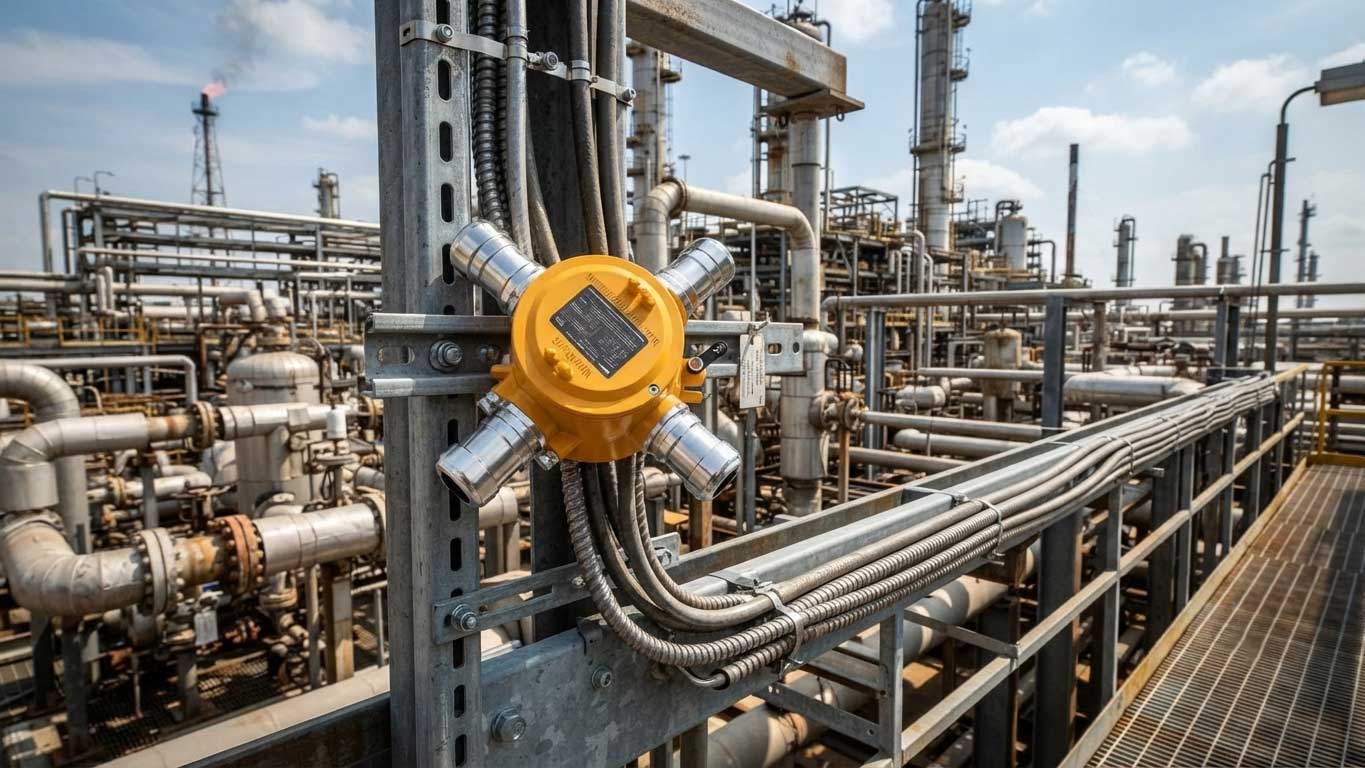
Regular inspection helps maintain hazardous area protection.
Recommended checks include:
The inspection frequency depends on the industry, environment, and company safety procedures.
In harsh coastal or chemical environments, inspection intervals are often shorter because corrosion develops faster.
A hazardous location junction box is used to safely connect and protect electrical wiring in areas where explosive gases, vapors, or combustible dust may exist.
It includes explosion protection features, certified construction, and sealing systems designed for hazardous environments.Visit the product page: Explosion proof Junction box
They are commonly used in oil refineries, chemical plants, offshore platforms, fuel terminals, mining facilities, and industrial processing areas.
Many models provide high ingress protection ratings such as IP66 or IP67, but the exact rating depends on the product design.
Certification depends on the region. Common standards include NEC/UL in North America and ATEX or IECEx internationally.
No. Standard junction boxes are not designed to prevent ignition risks in explosive atmospheres.
Service life depends on material, environment, and maintenance. Properly selected industrial enclosures can operate reliably for many years.
A hazardous location junction box is more than an electrical connection enclosure. It is an important safety component that protects wiring systems in environments where failure could create serious consequences.
From refinery facilities to chemical processing plants, the correct junction box helps maintain electrical reliability while meeting hazardous area requirements.
The most important consideration is not simply whether the box can hold cables.
It is whether the entire protection system—from enclosure design to cable entry—can perform safely when the surrounding environment becomes challenging.
SEEKINGLED continues to focus on industrial solutions where reliability, compliance, and real-world performance are the foundation of product design.
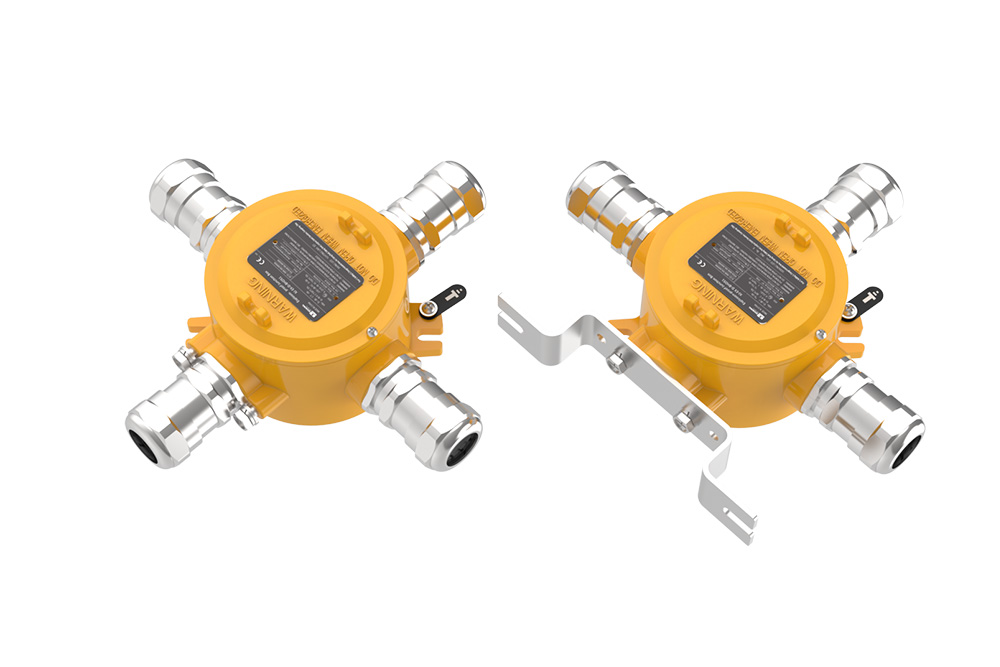
Explosion-proof Junction Box for safe wiring in Zone 1 areas. Fast, tool-free installation, ATEX & IECEx certified. Trusted performance from SEEKINGLED.
View details
Explosion proof LED linear lighting ensures safe, uniform illumination in hazardous areas. Learn certifications, design, and real-world applications with SEEKINGLED.
View details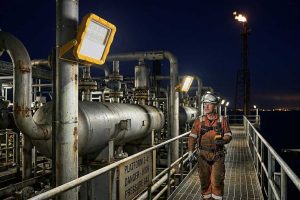
explosion proof light fixture engineered for Zone 1 & 2 hazardous areas. ATEX & IECEx certified, durable, efficient and built for oil & gas safety by SEEKINGLED.
View details
Learn how to dim LED safely and effectively. Discover real-world dimming methods, wiring tips, and common mistakes to avoid for stable, flicker-free lighting.
View details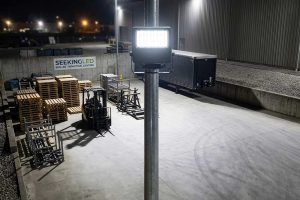
How bright are LED 60 watt flood lights? Discover lumen output, real-world brightness, and best applications with SEEKINGLED expert insights.
View details