 Seeking LED
LED Wine Cellar Lighting for Winery Fermentation Environments
0LED wine cellar lighting for winery fermentation spaces. Low heat, moisture-resistant, and stable illumination for barrels and production areas by SEEKINGLED.
View detailsSearch the whole station
what is atex lighting? ATEX lighting is certified lighting equipment designed for explosive atmospheres where flammable gases, vapors, or dust may exist, ensuring safe illumination without creating ignition risks.
In hazardous lighting projects, I have learned that brightness is only one part of the decision. Engineers usually check certification markings before discussing wattage or lumen output because an unsuitable fixture can delay approval or create safety concerns.
ATEX lighting refers to lighting products approved under the European ATEX framework for equipment used in potentially explosive environments.
The term ATEX comes from the French phrase “ATmosphères EXplosibles.”
These lighting systems are designed for areas where combustible materials may be present, including:
Unlike normal commercial LED fixtures, ATEX lighting must control possible ignition sources such as:
The main purpose of ATEX lighting is not simply producing light. It is preventing lighting equipment from becoming a hazard.
ATEX-certified fixtures use specialized housings and protection methods to prevent internal faults from igniting surrounding gases or dust.Visit the product page: Explosion Proof Lighting
Depending on certification, products may be suitable for different hazardous zones:
| Zone | Hazard Condition |
|---|---|
| Zone 0 | Explosive atmosphere present continuously or for long periods |
| Zone 1 | Explosive atmosphere likely during normal operation |
| Zone 2 | Explosive atmosphere unlikely or only temporary |
Industrial gases have different ignition temperatures.
ATEX lighting products are tested to ensure their surface temperature remains below the permitted limit.
This is particularly important in facilities processing:
ATEX requirements are defined by European regulations for equipment used in explosive atmospheres.
Reference:
European Commission ATEX Directive 2014/34/EU
https://single-market-economy.ec.europa.eu/sectors/mechanical-engineering/equipment-potentially-explosive-atmospheres-atex_en
The certification process evaluates:
For industrial customers, certification documents are often reviewed before equipment arrives onsite.
A fixture that looks identical to an ATEX model may not provide the same protection without proper certification.
Many industrial facilities are replacing traditional hazardous lighting with LED technology.
According to the U.S. Department of Energy, LED lighting can use at least 75% less energy and last up to 25 times longer than incandescent lighting.
Reference:
https://www.energy.gov/energysaver/led-lighting
For hazardous locations, the benefits are even more practical:
In my experience working with industrial lighting solutions, maintenance teams often value reliability more than initial brightness. A fixture that lasts longer means fewer shutdown activities and fewer safety procedures.
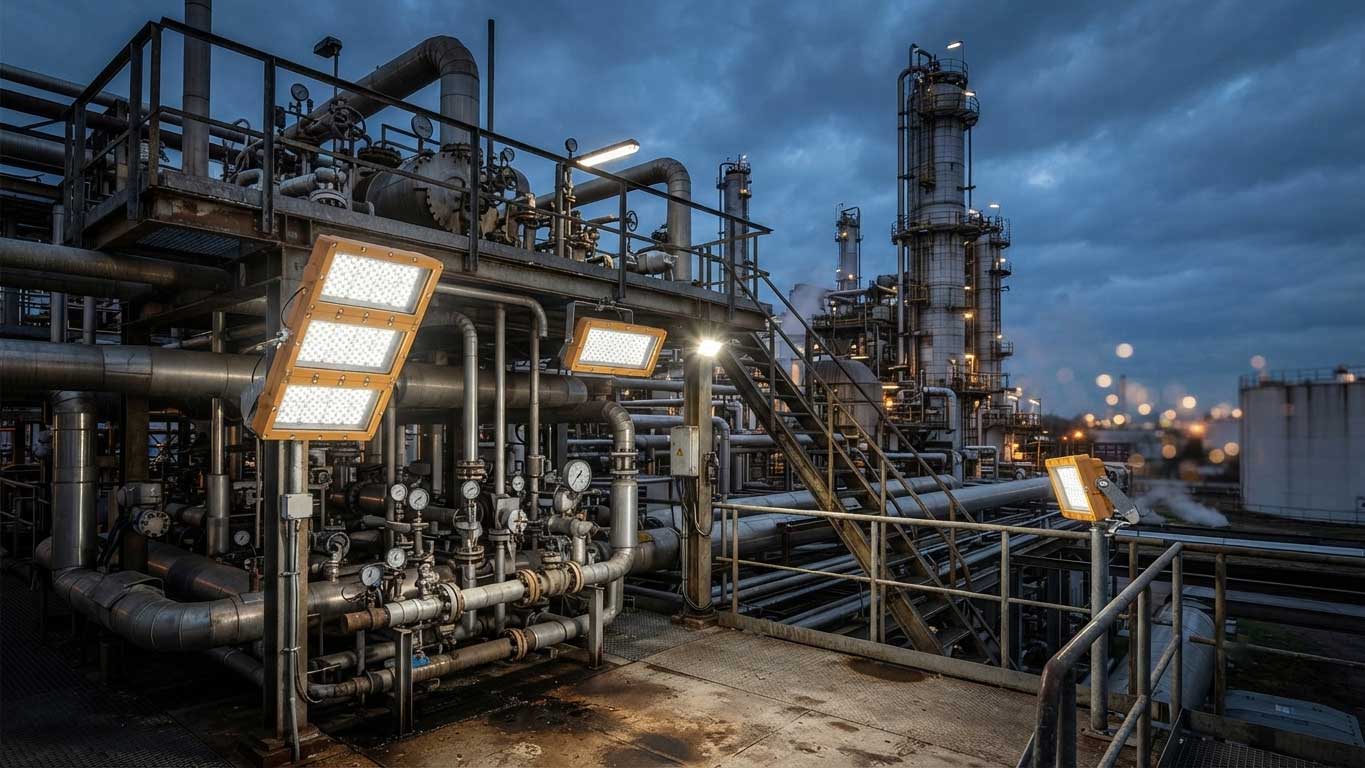
ATEX lighting is commonly installed in:
| Industry | Application |
|---|---|
| Oil & Gas | Refineries, drilling sites, fuel terminals |
| Chemical | Processing plants and storage areas |
| Marine | Offshore platforms |
| Energy | Gas power facilities |
| Manufacturing | Paint and solvent production |
Each site requires the correct ATEX category according to the hazardous environment.
| Feature | ATEX Lighting | Standard LED Lighting |
|---|---|---|
| Hazardous area certification | Required | Usually unavailable |
| Explosion protection | Designed | Not included |
| Temperature control | Controlled | General design |
| Industrial application | Hazardous zones | Normal locations |
| Compliance documents | Available | Limited |
The difference is not visible from appearance alone.
The important difference is how the fixture performs when exposed to hazardous conditions.
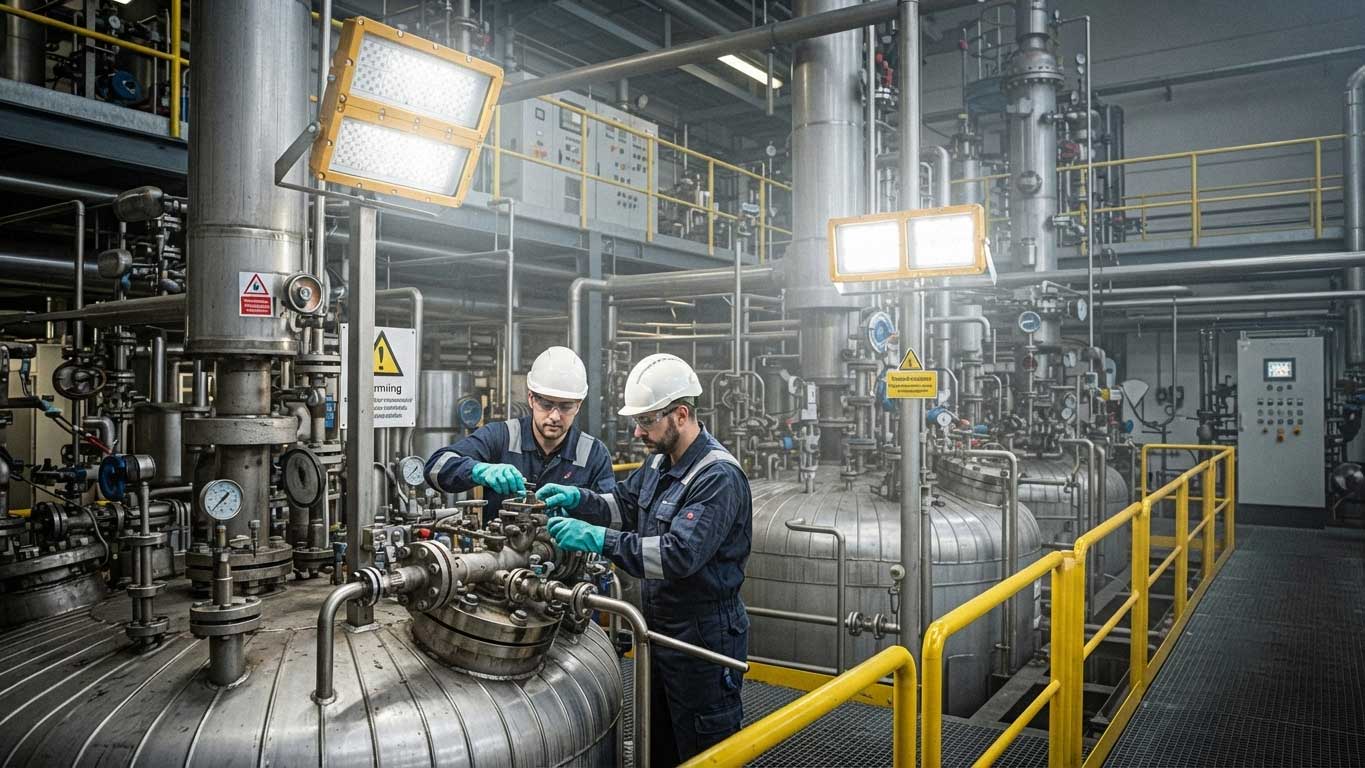
ATEX lighting is used in hazardous areas where explosive gases, vapors, or dust may exist.
ATEX-certified lighting includes explosion protection features suitable for approved hazardous zones.
Oil, gas, chemical, marine, pharmaceutical, and manufacturing industries commonly use it.
Zones classify how frequently explosive atmospheres may occur and determine suitable equipment requirements.
No. Standard LED lights are not designed or certified for explosive environments.
what is atex lighting? It is certified industrial lighting designed to provide safe illumination in areas where explosive atmospheres may exist.
For hazardous industries, lighting performance is not only measured by brightness. Certification, temperature control, durability, and long-term reliability determine whether a fixture is suitable.
SEEKINGLED focuses on industrial lighting solutions where safety standards and real working conditions guide product development.
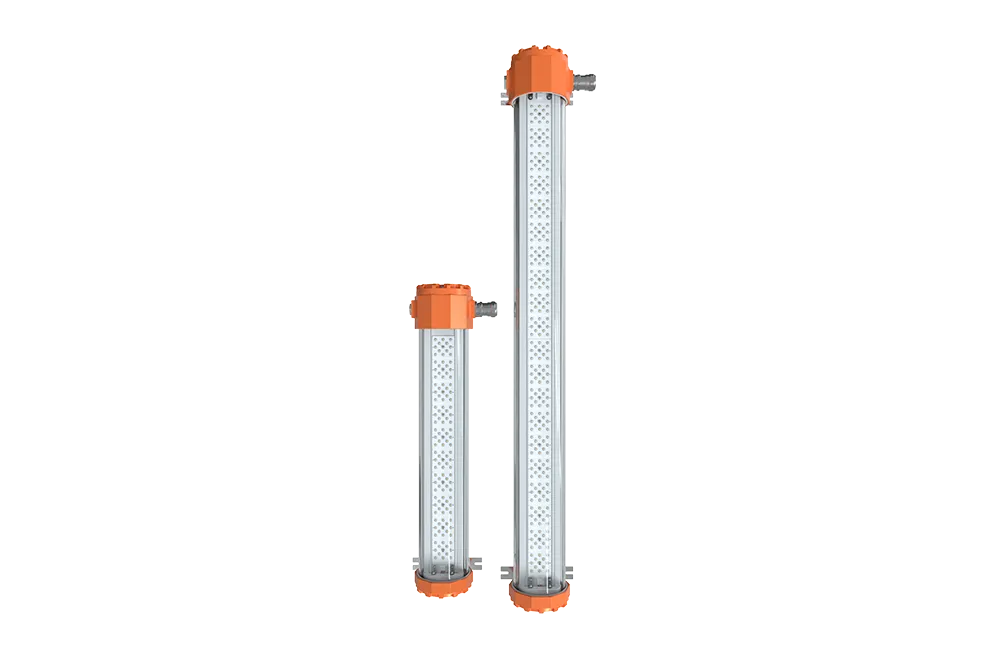
SEEKINGLED LED Linear Explosion Proof Light and Explosion Proof lighting is ATEX and IECEx certified for Zone 1, Zone 2, Zone 21 and Zone 22 hazardous locations, built for long-term industrial use.
View details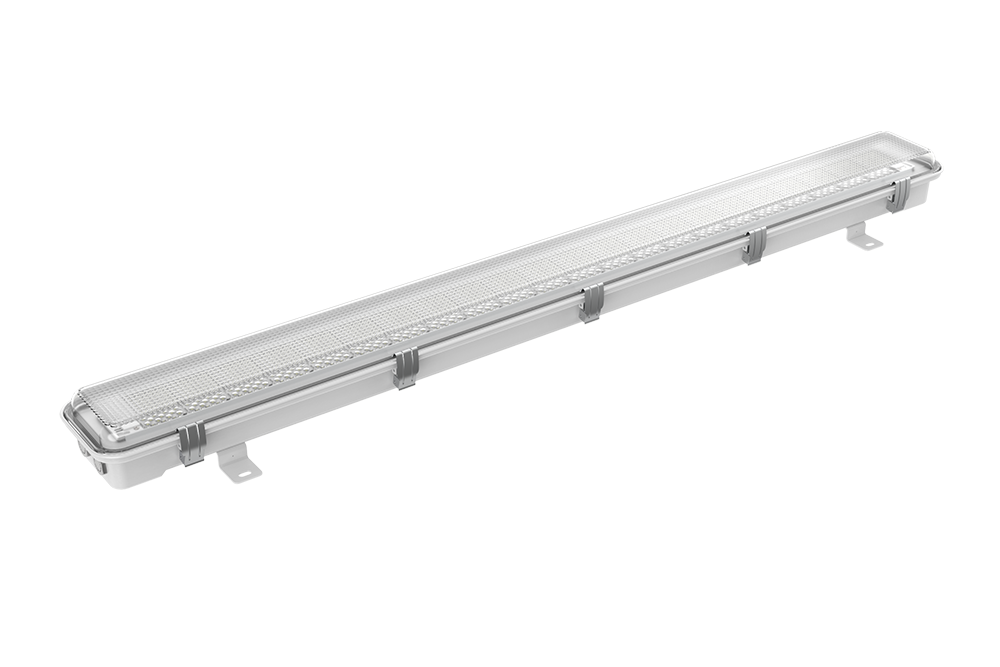
LED Linear Explosion Proof Lights and EX Proof lights for Zone 1, Zone 2, Zone 21 and Zone 22 hazardous areas. ATEX & IECEx certified explosion proof LED linear lighting with emergency function, adjustable power and IP67 protection by SEEKINGLED.
View details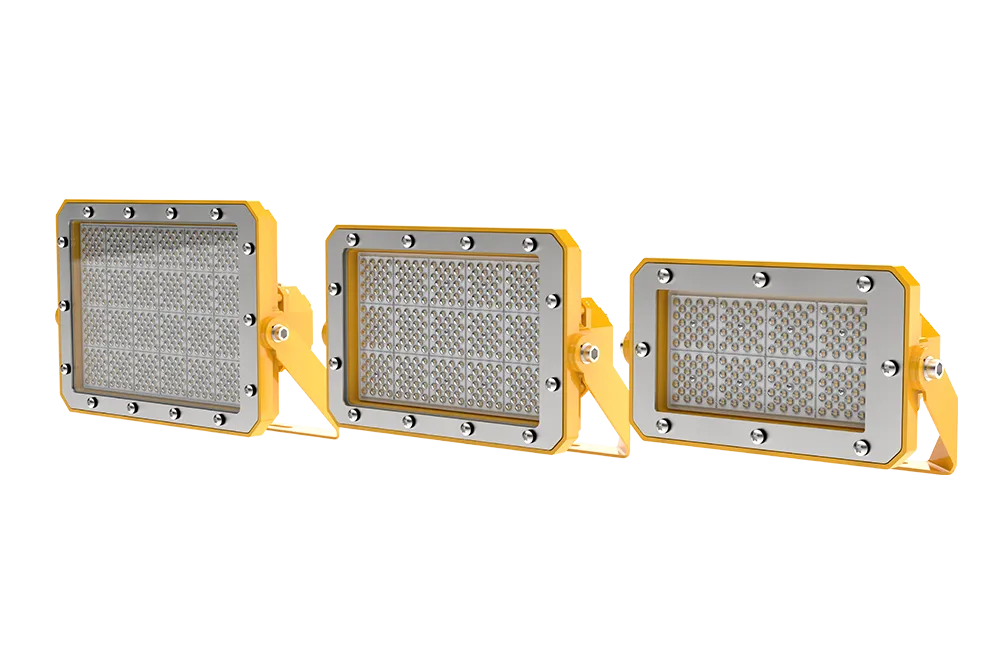
SEEKINGLED LED Explosion Proof Flood Lights are ATEX certified for Zone 2 and Zone 22 hazardous areas, offering high efficiency, adjustable power and integrated junction box.
View details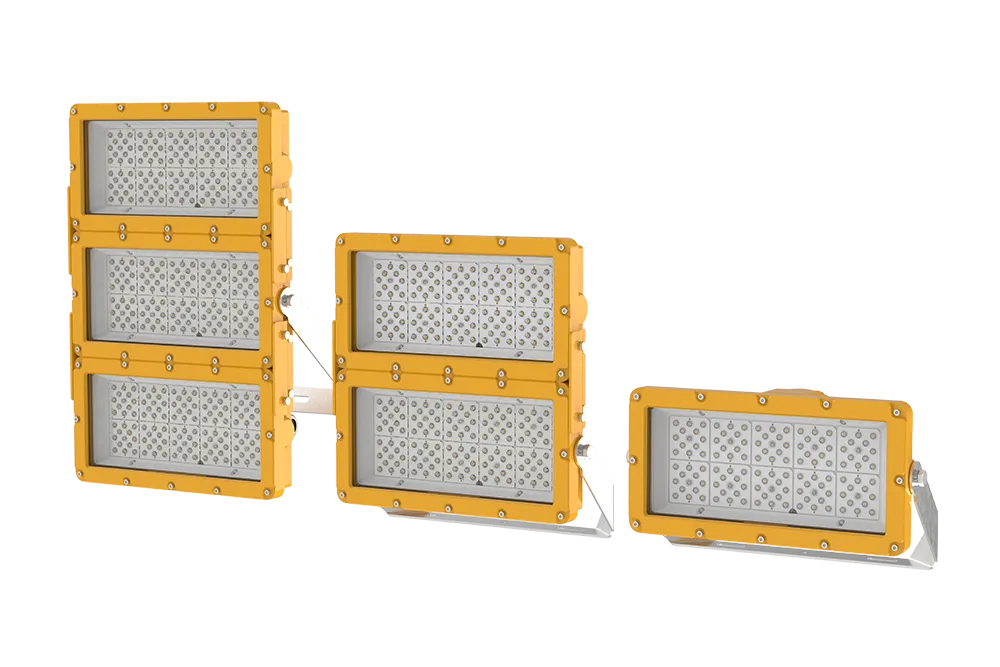
SEEKINGLED LED Explosion Proof Flood Lights are flameproof ATEX and IECEx certified for Zone 1 and Zone 2 hazardous areas, offering high power, adjustable output and long service life.
View details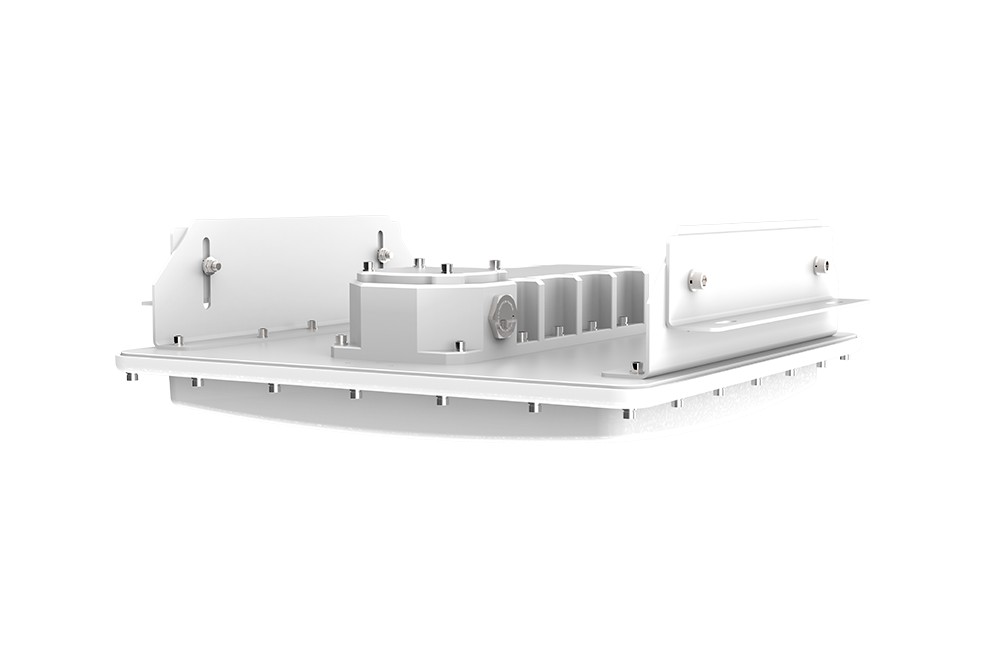
SEEKINGLED LED Gas Station Canopy Lights are ATEX certified for Zone 2 and Zone 22 hazardous areas, featuring adjustable power and built-in explosion-proof junction box.
View details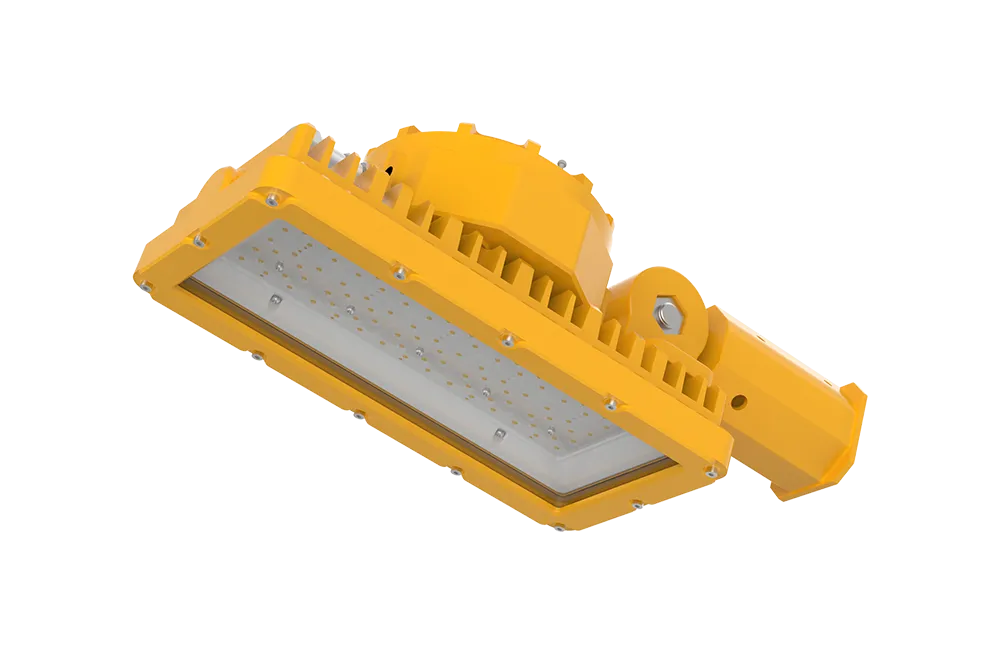
ATEX: Ex II 2G Ex db IIB T6/T5 GbEx II 2D Ex tb IIIC T80°C/ T95°C Db IECEx Ex db IIB T6 Gb;Ex tb IIIC T80°C Db Feature: ● For Zone 1,2 and Zone 21,22● Flameproof type, the strongest● 100W can replace 250W HID,energy saving● Power:60W,80W,100W Application: Oil and gas, marine, Chemical, pharmaceutical, semiconductor,mining,military industr…
View details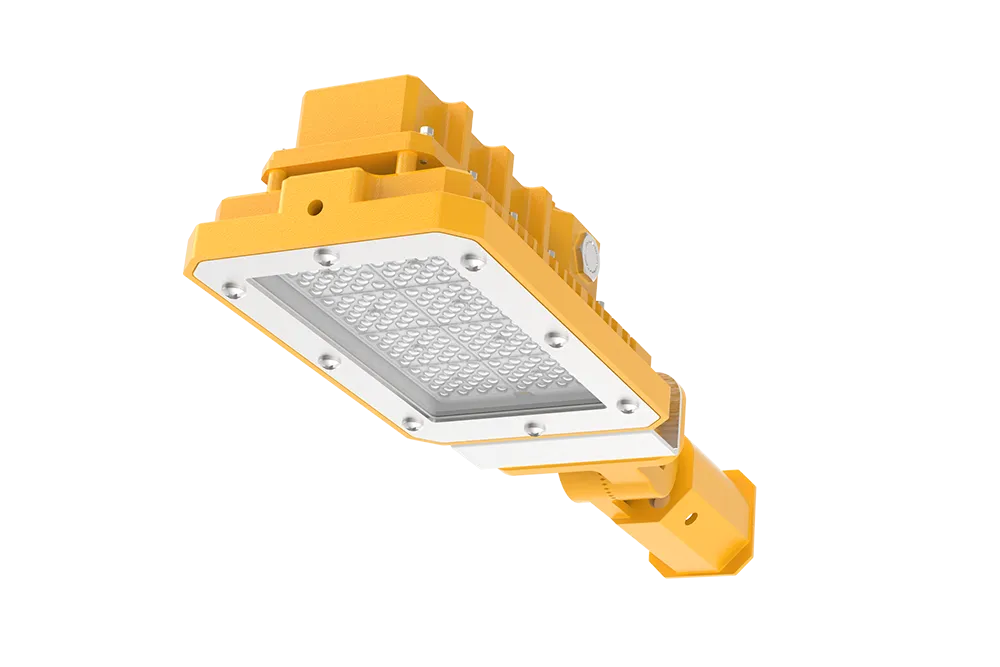
ATEX: II 3G Ex nR ⅡC T5/T6 GcII 3D Ex tc ⅢC T80℃/T95℃Dc ATEX Certificate NO: TÜV CY 26 ATEX 0207611 X Feature: ● For Zone 2 and Zone 22● 150W can replace 250W HID lamps,Energy saving● Power:50W,75W,100W,150W,200W Application: Oil and gas, marine, Chemical, pharmaceutical, semiconductor,mining,military industry, paint booth,power plant ETC…
View details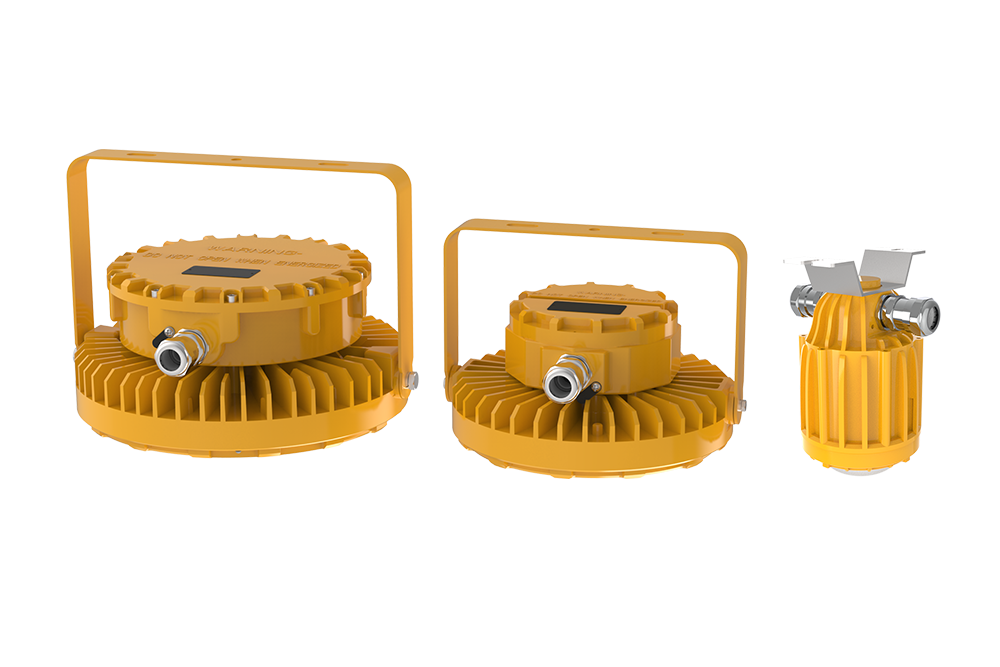
LED explosion proof high bay lights are designed for Zone 1, Zone 2, Zone 21 and Zone 22 hazardous areas. This page introduces the HB21 Series from SEEKING, including certifications, power options and real application considerations.
View details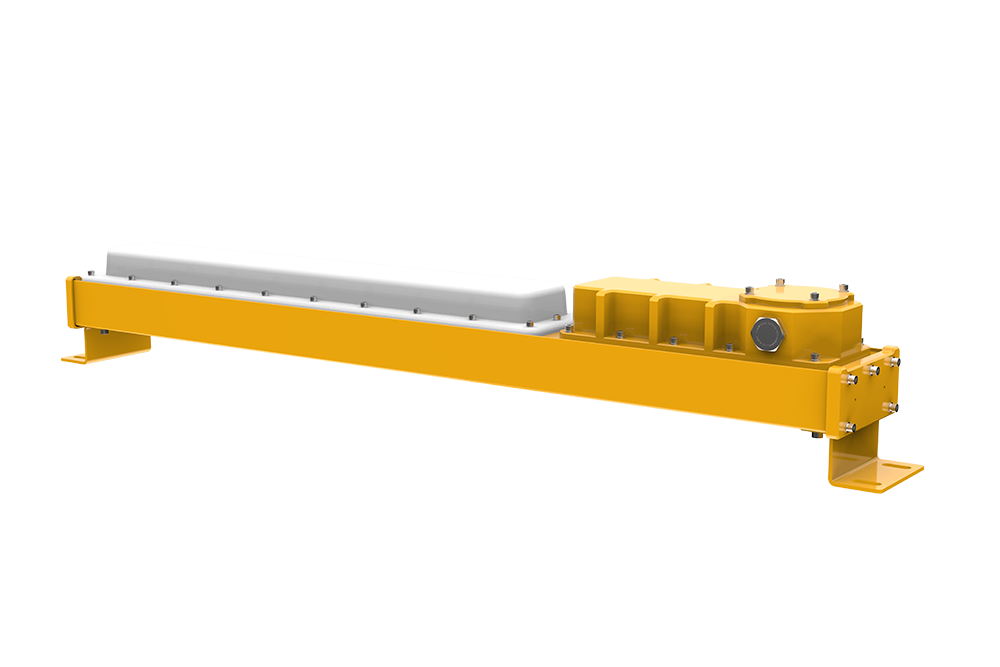
LED Linear Explosion Proof Lights from SEEKINGLED. LU Series Flame Proof lights ATEX-certified explosion proof LED linear lighting for Zone 2 gas and Zone 22 dust areas, IP69K, IK10, long lifetime and flexible power options.
View details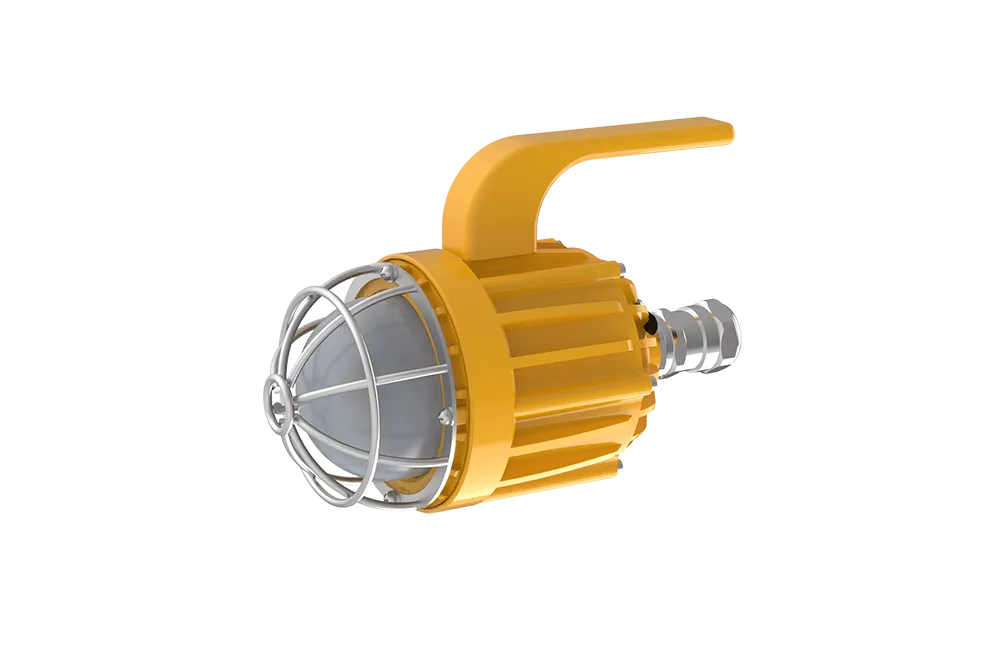
Certified explosion proof work lights for Zone 1 & 21 hazardous areas. Portable, ATEX & IECEx approved, built for oil, gas and chemical plants by SEEKINGLED.
View details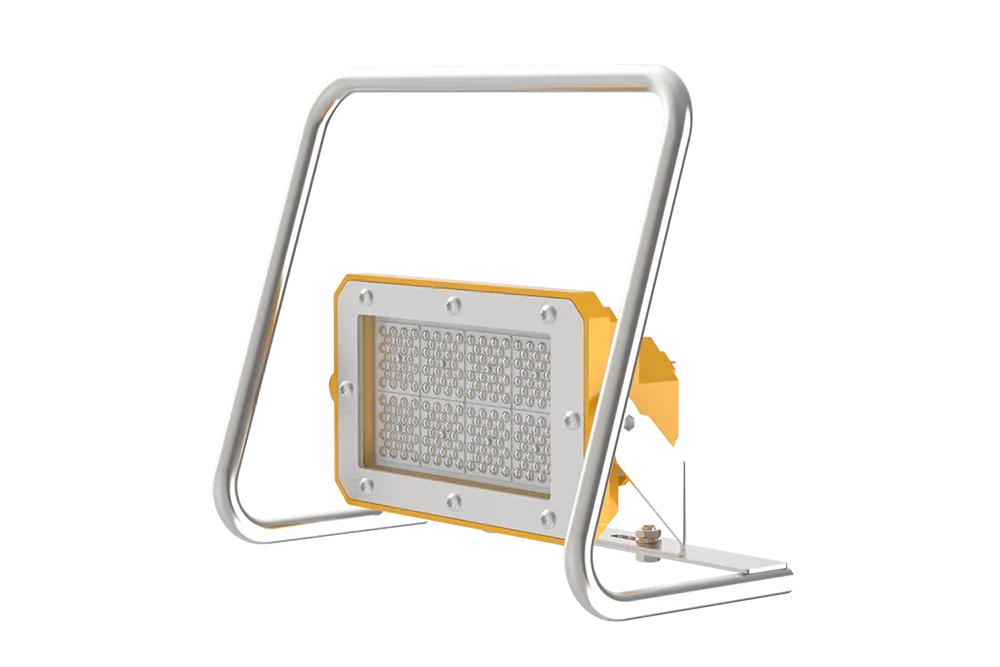
ATEX: II 3G Ex nR ⅡC T6 GcII 3D Ex tc ⅢC T80℃ Dc ATEX Certificate NO: TÜV CY 26 ATEX 0207611 X Feature: ● For Zone 2 and Zone 22● Accepts battery-powered supply● indestructible● Power:AC input:50W,75W,100WDC input:15W,25W,35W Application: Oil and gas, marine, Chemical, pharmaceutical, semiconductor,mining,military industry, paint booth,po…
View details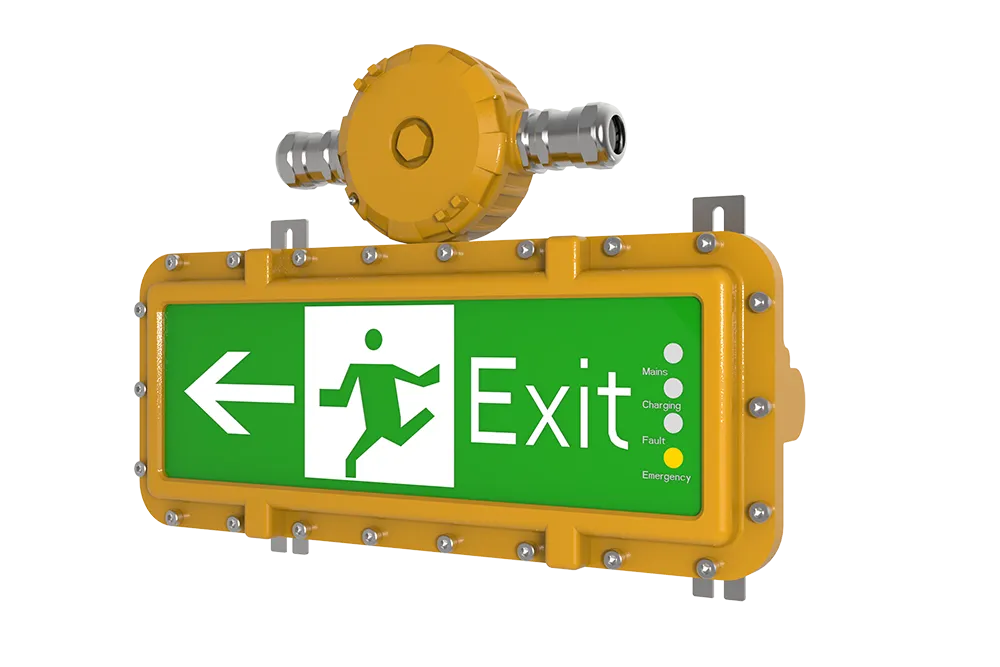
ATEX: Ex II 2G Ex db IIB T6 GbEx II 2D Ex tb IIIC T80°C Db IECEx Ex db IIB T6 Gb;Ex tb IIIC T80°C Db Feature: ● For Zone 1,2 and Zone 21,22● Flameproof type, the strongest Application: Oil and gas, marine, Chemical, pharmaceutical, semiconductor,mining,military industry, paint booth,power plant ETC hazardous area. Technical Specifications:…
View details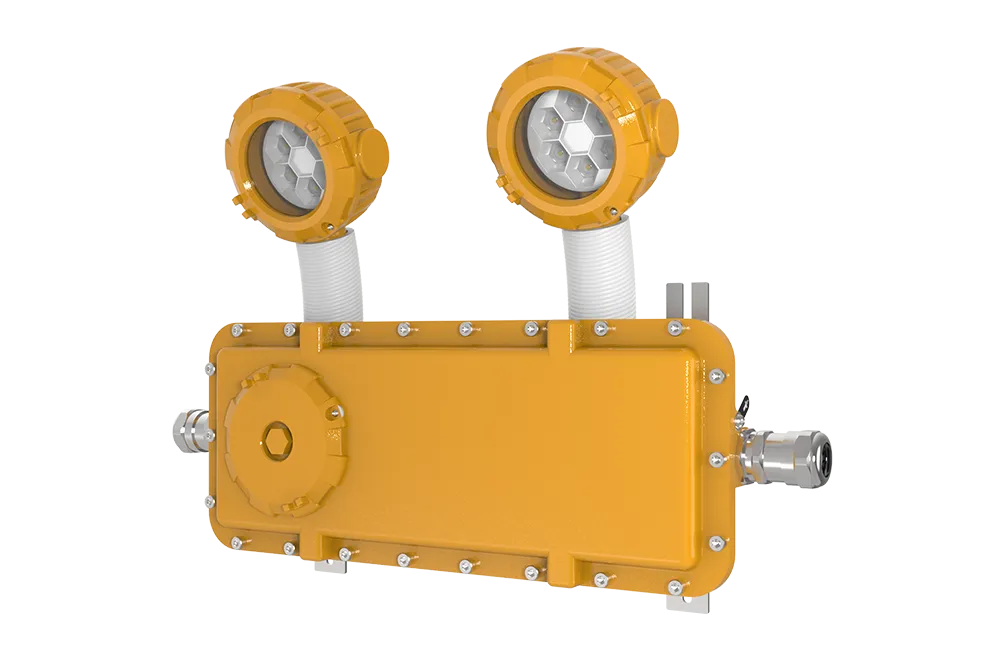
ATEX: Ex II 2G Ex db IIB T6 GbEx II 2D Ex tb IIIC T80°C Db IECEx Ex db IIB T6 Gb;Ex tb IIIC T80°C Db Feature: ● For Zone 1,2 and Zone 21,22● Flameproof type, the strongest Application: Oil and gas, marine, Chemical, pharmaceutical, semiconductor,mining,military industry, paint booth,power plant ETC hazardous area. Technical Specifications:…
View details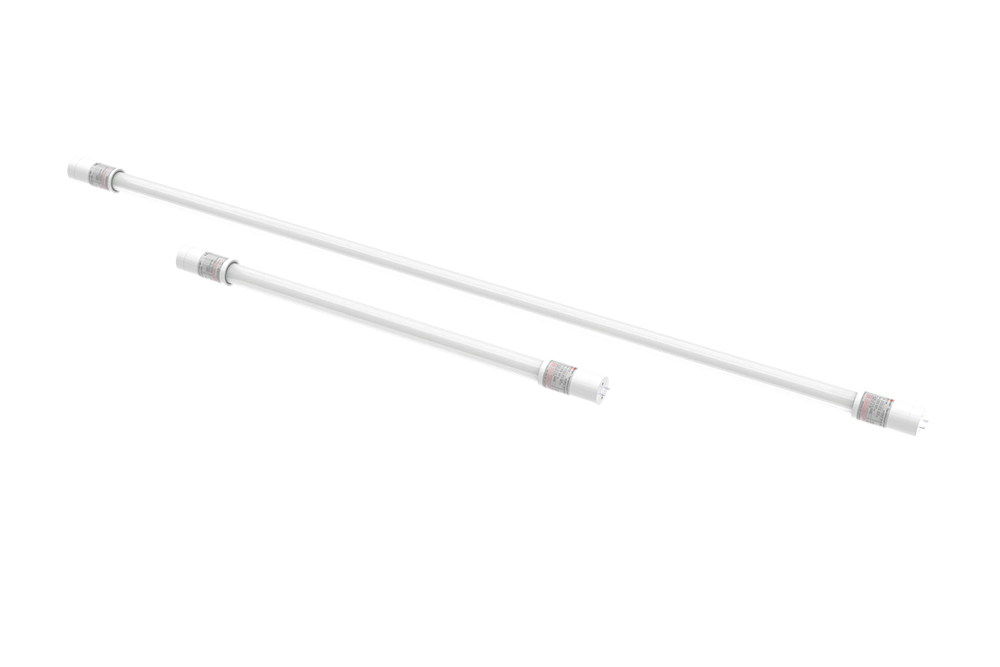
ATEX: Ex II 2G Ex d e IIB T6 Gb ATEX: Ex d e IIB T6 Gb; Feature: ● For Zone 1,2● 9W can replace 18W fluorescent lamps,50% Energy saving Application: Oil and gas, marine, Chemical, pharmaceutical, semiconductor,mining,military industry, paint booth,power plant ETC hazardous area. Technical Specifications: Standards:60079-0, 60079-1, 60079…
View details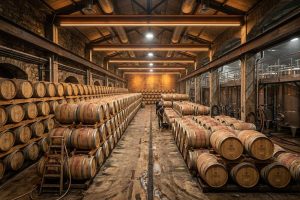
LED wine cellar lighting for winery fermentation spaces. Low heat, moisture-resistant, and stable illumination for barrels and production areas by SEEKINGLED.
View details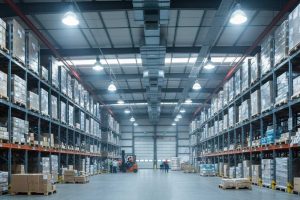
Industrial LED high bay lighting for warehouses, factories and logistics centers. SEEKING HBI Series focuses on stable efficiency, long lifetime and low maintenance for high ceiling industrial spaces.
View details
A football stadium in France upgraded its sports lighting usingSports Stadium LED Lighting to improve illuminance, uniformity, and player comfort.
View details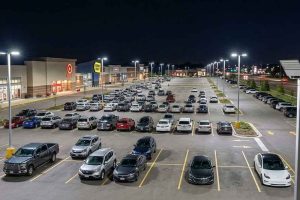
LED parking lot flood lights deliver brighter, safer outdoor lighting with lower energy use. Learn real-world installation insights, performance data, and expert tips from SEEKINGLED.
View details