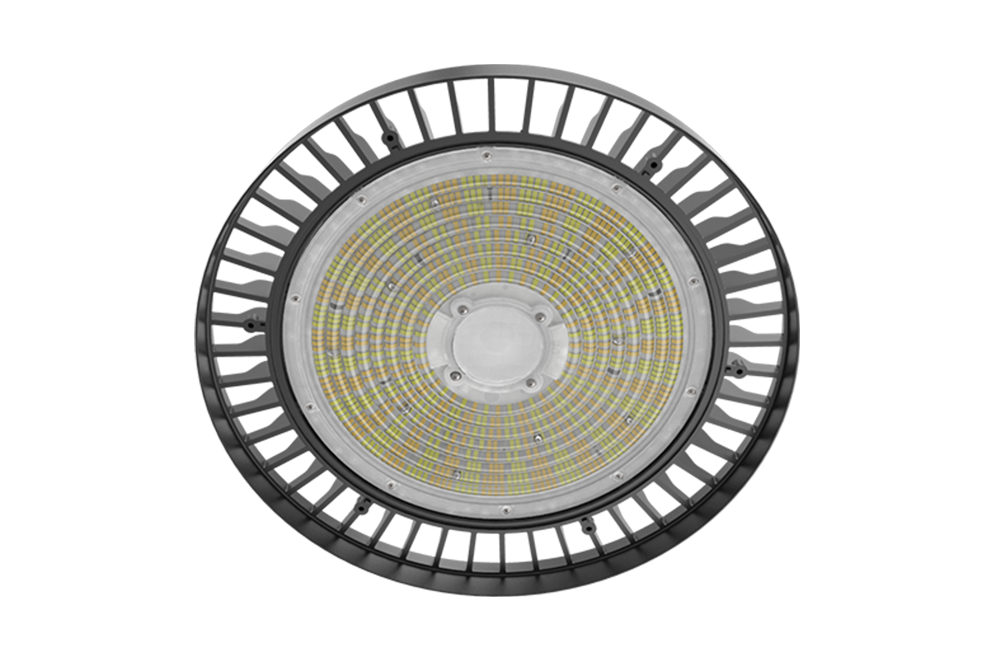
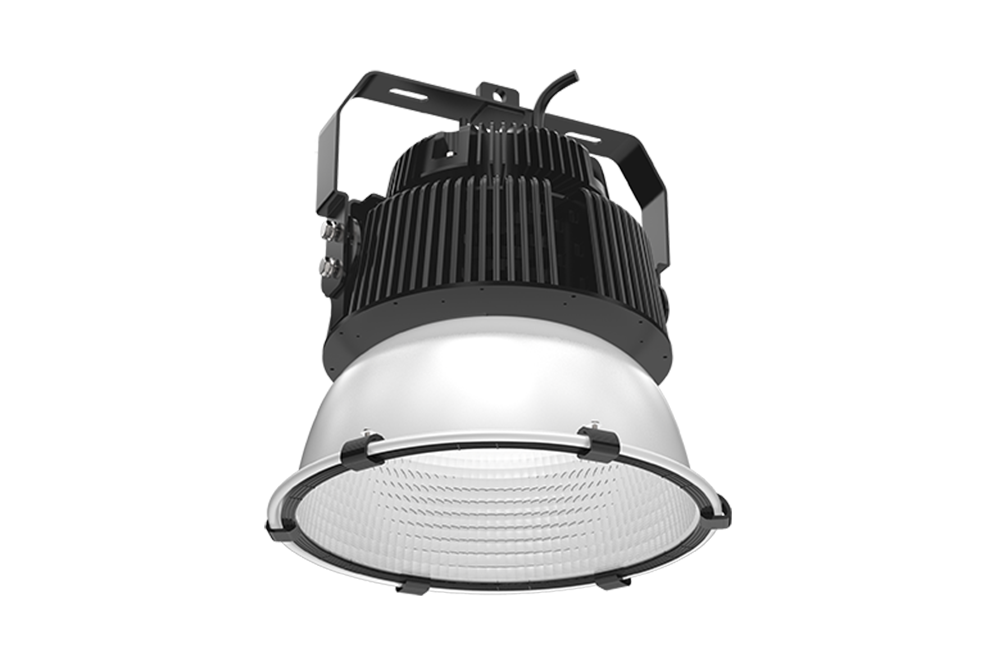
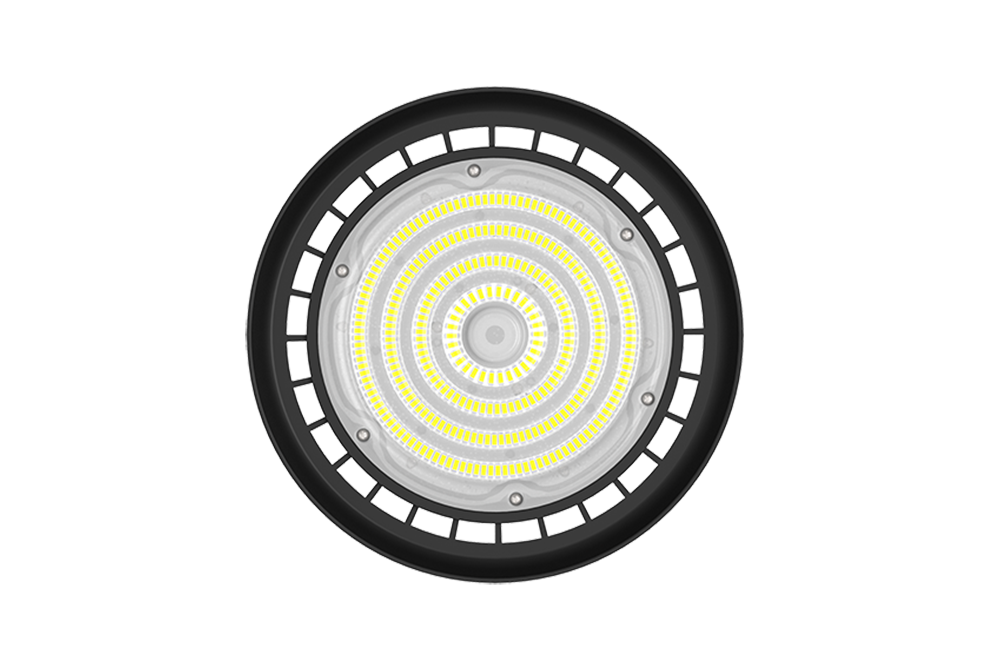
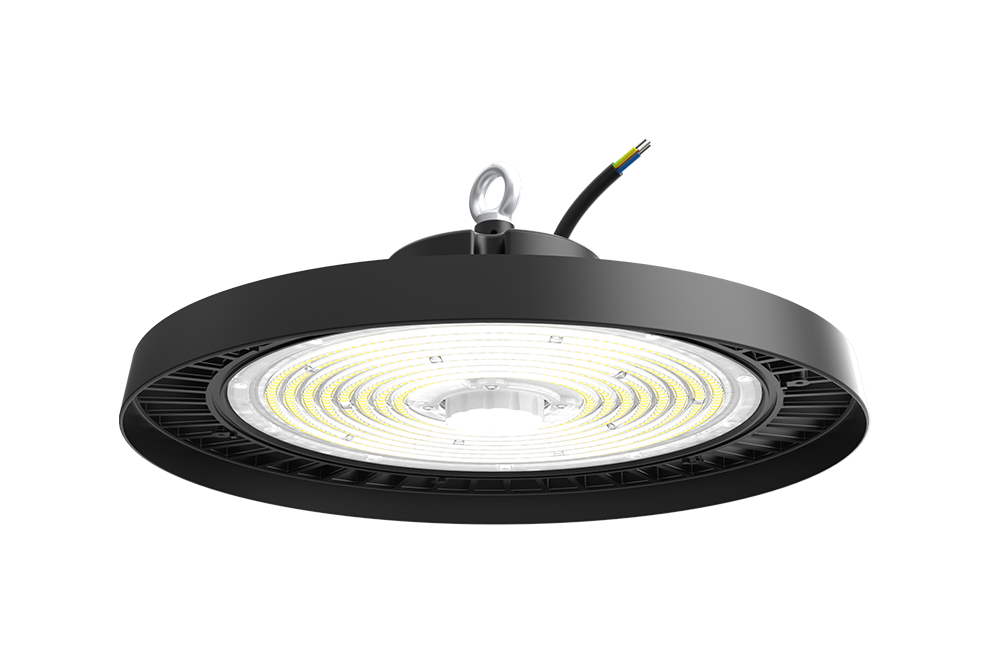
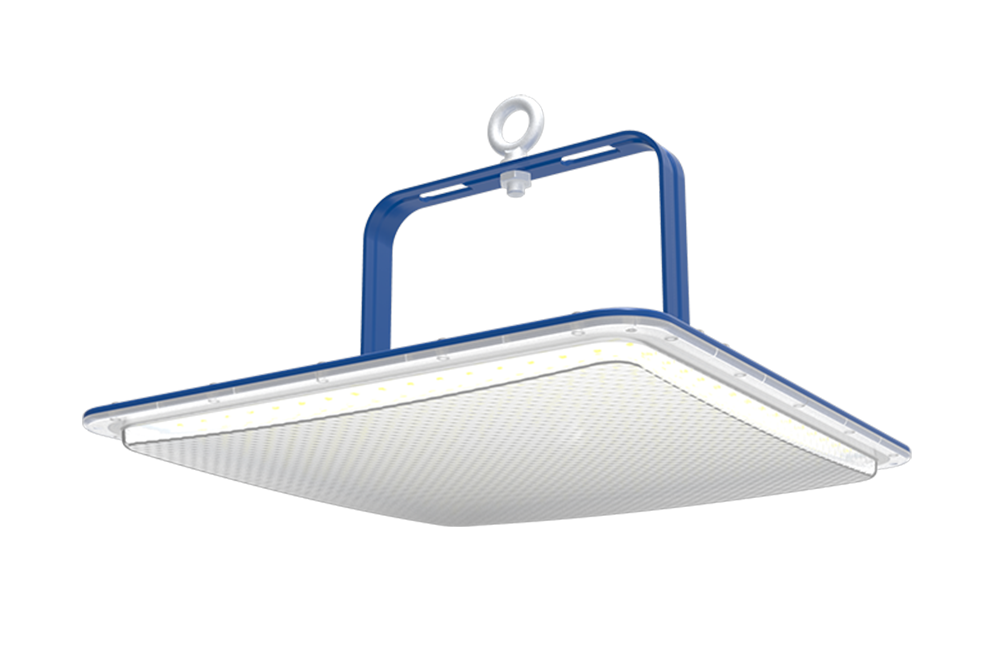
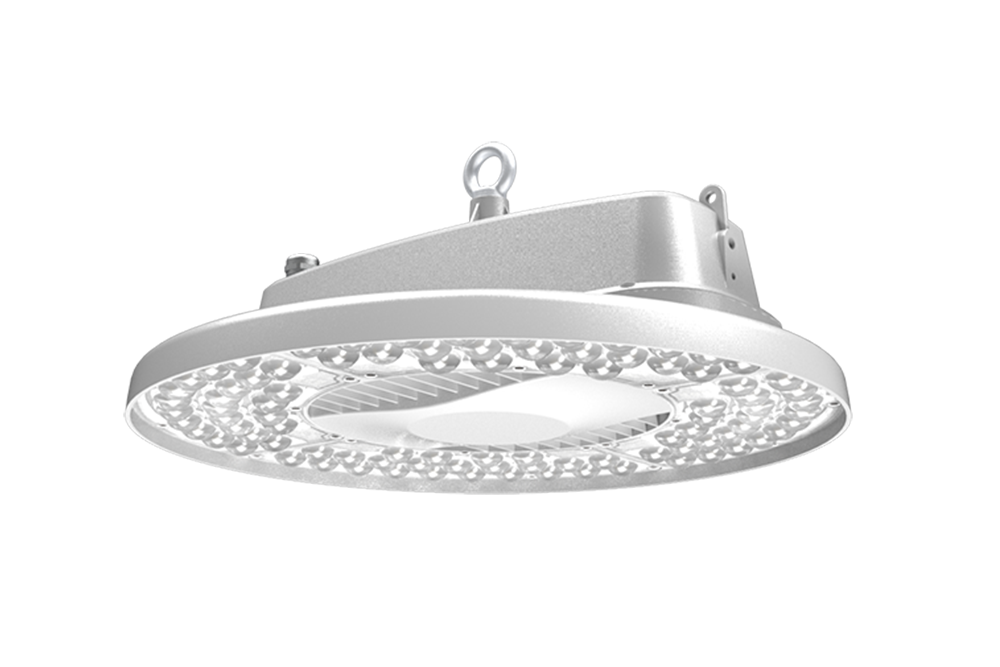
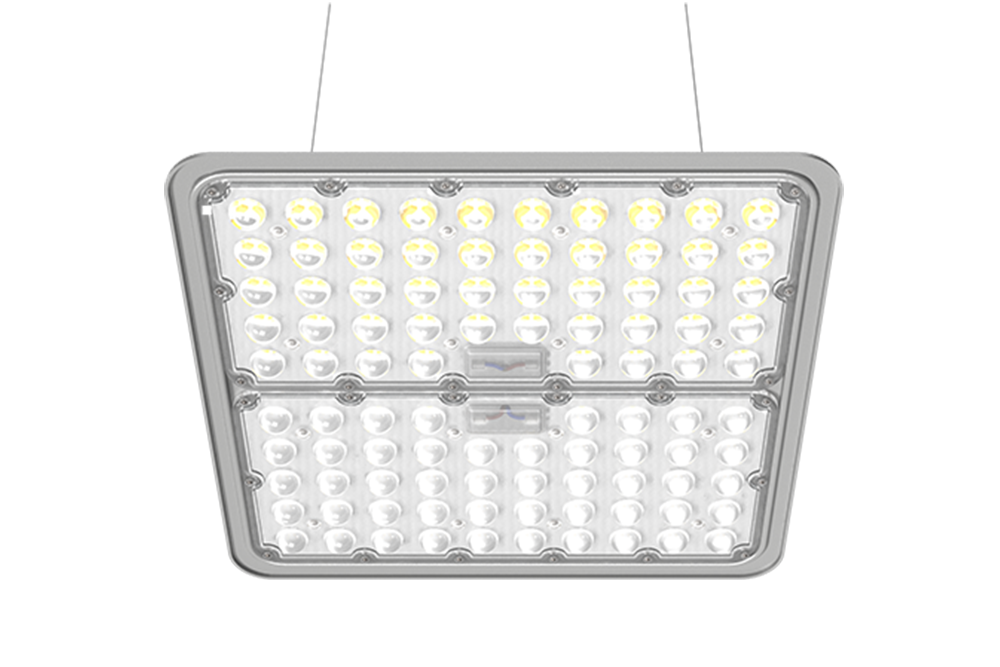
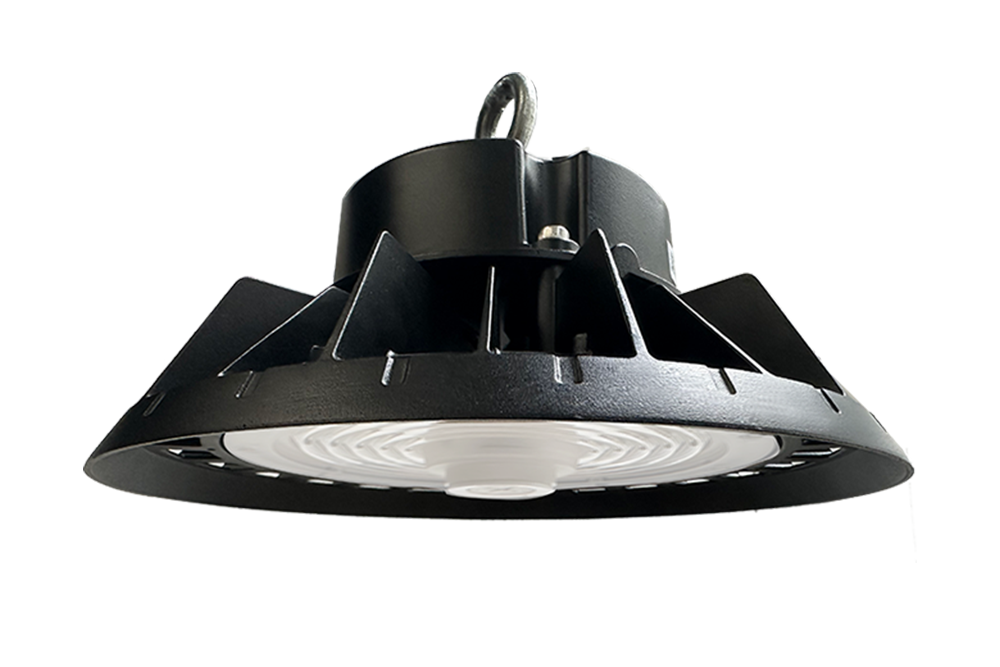
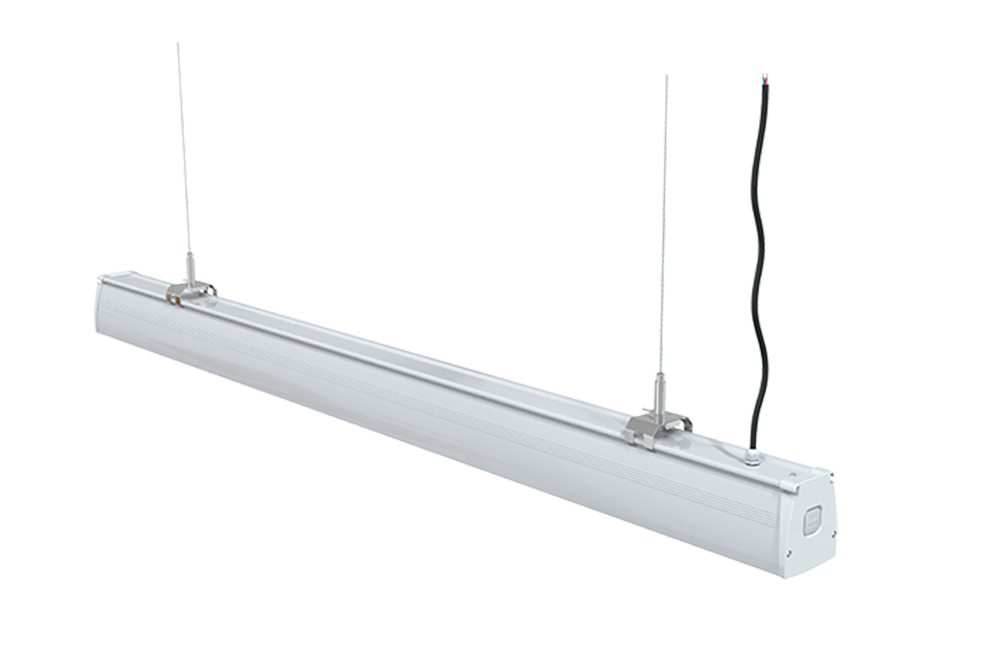
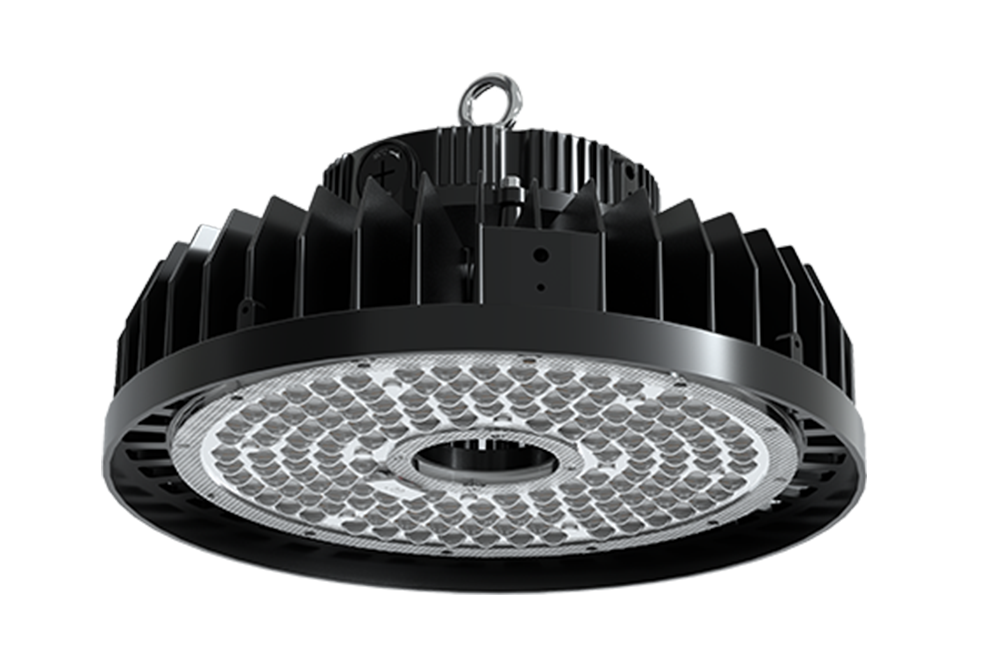
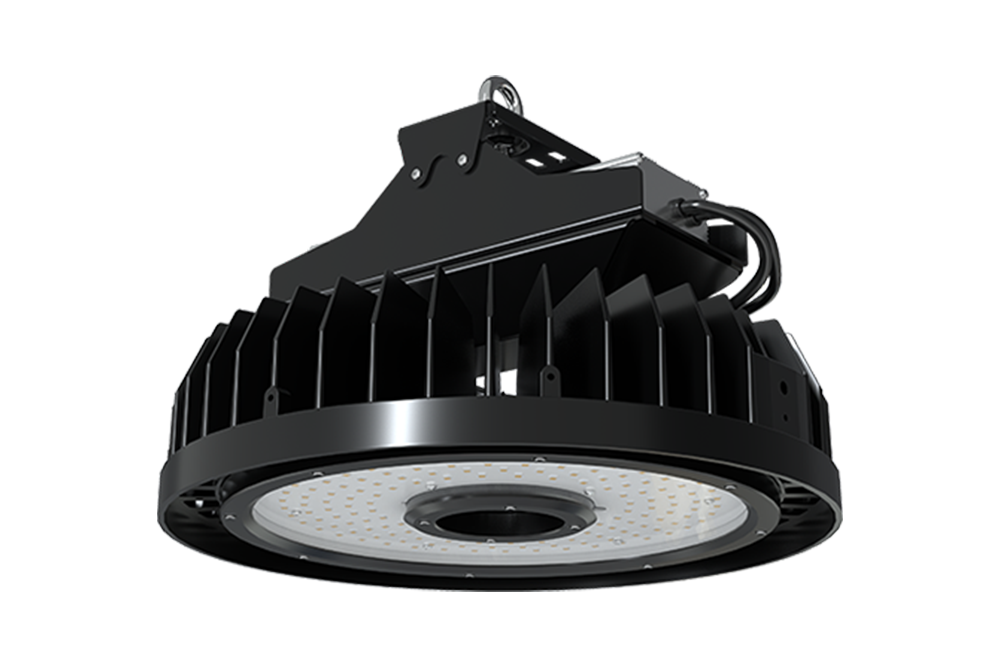
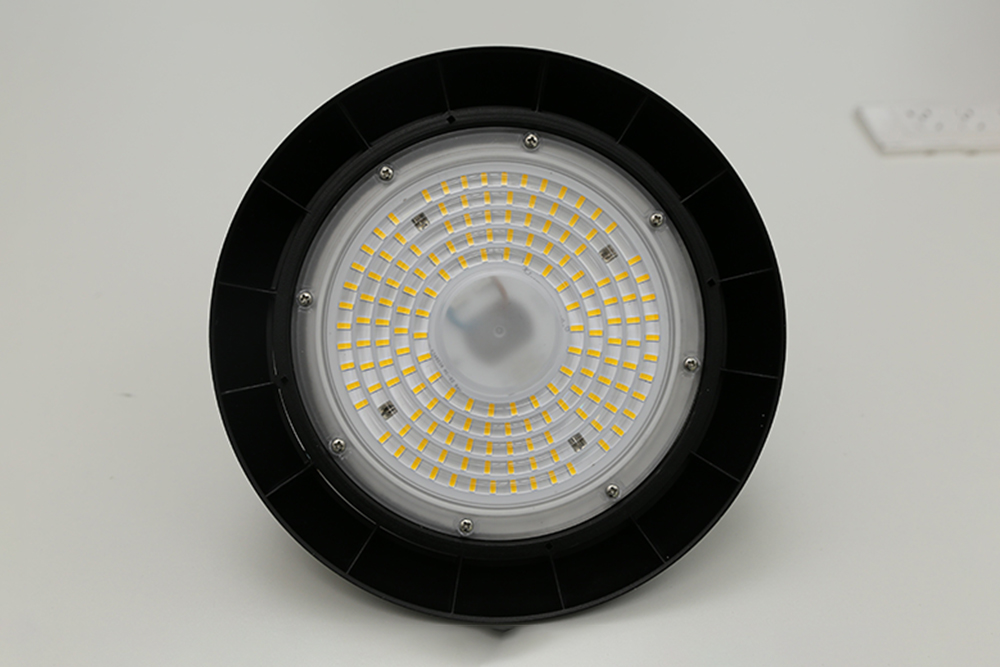
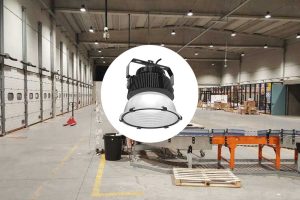
What is high bay led lighting? High bay LED lighting is an efficient lighting solution designed for large indoor spaces with high ceilings, usually above 15 feet. It uses powerful LED technology to provide bright, uniform illumination for warehouses, factories, and commercial facilities.
At SEEKINGLED, we have worked with industrial lighting projects across warehouses, manufacturing plants, logistics centers, and large commercial spaces. From our field experience, high bay LED lighting is not simply about replacing old lamps with brighter LEDs. The real challenge is matching light distribution, installation height, working conditions, and energy goals.Visit the product page:Industrial LED High Bay Lights
A fixture that performs well in a 20-foot warehouse may not deliver the same result in a 40-foot production facility. Industrial lighting decisions require practical experience, not just product specifications.
Understanding High Bay LED Lighting Technology
High bay LED lighting refers to LED-based fixtures designed to illuminate spaces where ceiling heights make traditional lighting solutions ineffective.
These systems are commonly installed in:
Warehouses
Manufacturing facilities
Distribution centers
Aircraft hangars
Indoor sports arenas
Large retail spaces
Unlike residential LED lights, high bay LED fixtures are engineered for larger areas requiring stronger output, better thermal management, and longer operating cycles.
A typical high bay LED lighting system includes:
Component
Purpose
LED Chips
Produce high-efficiency light output
LED Driver
Regulates electrical power
Heat Sink
Controls operating temperature
Optical Lens
Directs light distribution
Housing
Protects internal components
The combination of these components determines the final performance of the fixture.
How Does High Bay LED Lighting Work?
High bay LED lighting works by converting electrical energy into controlled visible light through semiconductor technology.
When electricity reaches the LED driver, the driver adjusts current flow to protect the LED chips and maintain stable performance. The heat generated during operation is transferred through the fixture’s thermal structure.
This process allows LED high bay fixtures to provide:
For industrial facilities operating lighting systems for 10–16 hours every day, these efficiency improvements can create significant long-term savings.
Why Choose LED High Bay Lighting Instead of Traditional Lighting?
Many older industrial facilities still use:
Metal halide lamps
High-pressure sodium lights
Fluorescent fixtures
While these technologies were widely used in the past, they have several limitations:
Lighting Type
Common Problems
Metal Halide
Long warm-up time, higher energy usage
Fluorescent
Frequent replacement, reduced efficiency over time
High Pressure Sodium
Poor color rendering, limited control options
LED High Bay
Efficient, instant startup, controllable
During retrofit projects, SEEKINGLED often finds that customers focus only on replacing wattage. However, the biggest improvement usually comes from better optical design.
For example, replacing a 400W metal halide fixture with a lower wattage LED high bay does not simply reduce power consumption. A properly designed LED system can also improve floor-level brightness and reduce dark zones.
Main Applications of High Bay LED Lighting
Warehouse High Bay LED Lighting
Warehouses are one of the most common applications.
High bay LED lighting helps improve:
Product visibility
Worker safety
Storage area illumination
Energy management
Large warehouses often operate for extended hours, making efficiency and reliability important factors.
Factory High Bay LED Lighting
Manufacturing facilities require stable lighting because workers may perform detailed tasks around machinery.
Important considerations include:
Glare control
Color accuracy
Temperature resistance
Fixture durability
A suitable lighting system helps create a safer and more productive working environment.
Commercial and Sports Facilities
High bay LED lighting is also widely used in:
Gyms
Exhibition halls
Indoor courts
Convention centers
These spaces usually require wide coverage and consistent brightness across large open areas.
Key Factors When Selecting High Bay LED Lighting
Choosing the right fixture requires evaluating several technical factors.
Factor
Why It Matters
Lumen Output
Determines brightness level
Efficiency (lm/W)
Affects energy consumption
Beam Angle
Controls light coverage
Color Temperature
Influences visual comfort
IP Rating
Determines environmental protection
Driver Quality
Affects lifespan and reliability
A common mistake is selecting fixtures only by wattage. Wattage shows power consumption, but it does not directly indicate lighting performance.
A professional evaluation considers the entire lighting system.
Energy Efficiency and Long-Term Benefits of High Bay LED Lighting
Industrial lighting represents a significant portion of electricity usage in many commercial buildings.
The advantages of LED high bay lighting include:
Lower Energy Consumption
LED fixtures convert electricity into light more efficiently than traditional technologies.
Reduced Maintenance Costs
Longer operating life means fewer replacements and less equipment downtime.
Better Lighting Control
Modern systems can integrate:
Motion sensors
Dimming controls
Smart lighting management
Improved Working Environment
Better illumination can improve visibility and reduce uncomfortable dark areas.
At SEEKINGLED, we believe lighting performance should be measured by real working results: better visibility, stable operation, and reduced long-term costs.
How to Select the Best High Bay LED Lighting System
Choosing the right high bay LED lighting system requires understanding the actual application instead of simply selecting the highest lumen output.
In our experience at SEEKINGLED, every industrial project starts with several practical questions:
What is the ceiling height?
How long will the lights operate each day?
Is the environment dusty, humid, or temperature-sensitive?
Are workers performing detailed tasks?
Does the customer need dimming or smart controls?
A logistics warehouse running 18 hours daily has different requirements from a small workshop operating eight hours per day.
The best lighting solution balances:
Illumination performance
Energy efficiency
Maintenance requirements
Installation cost
Long-term reliability
High Bay LED Lighting Wattage Guide
The correct wattage depends on the application area, ceiling height, and required brightness.
LED High Bay Wattage
Typical Application
60W–100W
Small workshops and lower ceiling spaces
100W–150W
Medium warehouses and commercial areas
150W–240W
Large warehouses and manufacturing facilities
240W+
Large industrial buildings and special applications
However, higher wattage does not always mean better lighting.
A common mistake during lighting upgrades is replacing every old fixture with a high-powered LED model without reviewing the original layout.
For example, a 250W fixture installed with the wrong beam angle may create excessive brightness directly below the light while leaving surrounding areas under-lit.
Professional lighting design focuses on achieving balanced illumination across the entire working area.
High Bay LED Lighting Installation Considerations
Correct installation affects the final performance of any LED lighting system.
Mounting Height
High bay LED fixtures are designed for elevated installation points.
Typical applications include:
15–25 feet ceilings
25–40 feet ceilings
Extra-high ceiling facilities above 40 feet
The higher the mounting position, the more important optical design becomes.
Beam Angle Selection
Beam angle determines how light spreads.
Common options:
Beam Angle
Application
Narrow Beam
Very high ceilings and focused areas
Medium Beam
Warehouses and factories
Wide Beam
Open spaces requiring broad coverage
Selecting the wrong beam angle may increase glare or create uneven lighting.
Environmental Protection
Industrial environments may expose fixtures to:
Dust
Moisture
Heat
Chemical particles
The correct protection rating helps maintain reliable operation.
Even high-quality LED systems require proper maintenance planning.
Clean Fixtures Regularly
Dust accumulation can reduce light output, especially in factories and warehouses.
Recommended actions:
Inspect fixture surfaces
Remove dust buildup
Check ventilation areas
Inspect Electrical Components
Regular checks can help identify:
Loose wiring
Driver issues
Abnormal temperature
Flickering problems
Monitor Light Performance
Unexpected changes in brightness may indicate:
Driver aging
Thermal issues
Electrical problems
Early inspection helps prevent unexpected production interruptions.
High Bay LED Lighting vs Low Bay Lighting
Many customers ask about the difference between high bay and low bay systems.
Feature
High Bay LED Lighting
Low Bay Lighting
Installation Height
Usually above 15 feet
Lower ceiling applications
Light Output
Higher output
Moderate output
Coverage Area
Large industrial spaces
Smaller commercial spaces
Main Applications
Warehouses, factories
Retail stores, workshops
Using the wrong lighting type can reduce efficiency.
For example, installing low bay fixtures in a 35-foot warehouse may result in poor floor-level visibility and uneven illumination.
FAQ About What Is High Bay LED Lighting?
What is high bay LED lighting used for?
High bay LED lighting is designed for large indoor spaces with high ceilings, including warehouses, factories, distribution centers, and commercial facilities.
How high should ceilings be for high bay LED lighting?
High bay LED lighting is commonly used in spaces with ceilings around 15 feet or higher. Larger industrial buildings may require specialized fixtures for ceilings above 40 feet.
Are LED high bay lights energy efficient?
Yes. LED high bay lights generally consume less electricity and require less maintenance compared with traditional industrial lighting technologies.
How long does high bay LED lighting last?
Quality LED high bay fixtures are often designed for 50,000 hours or more depending on operating conditions, driver quality, and thermal management.
What color temperature is best for high bay LED lighting?
Many industrial applications choose 4000K–5000K because these color temperatures provide clear visibility for workplaces.
Can high bay LED lighting be controlled by sensors?
Yes. Many LED high bay systems support motion sensors, daylight controls, and smart lighting management systems.
What certifications should high bay LED lighting have?
Depending on the market, common certifications may include CE, ETL, UL, CB, ENEC, and other regional safety approvals.
Final Checklist for Choosing High Bay LED Lighting
Before selecting an industrial LED lighting system, review:
The answer to what is high bay led lighting is more than a simple product definition. It is a professional lighting solution designed for demanding environments where brightness, efficiency, and reliability are equally important.
At SEEKINGLED, we have seen that successful industrial lighting projects come from combining product technology with practical installation experience. The right high bay LED lighting system helps businesses reduce energy costs, improve workplace visibility, and maintain stable operation for years.
The SEEKING HBC-T Series high bay lights LED offer long-lasting performance for warehouses, production plants and logistics centers. Durable IP65 & IK08 housing, 60°/90° beam angles, up to 150 lm/W, and a lifespan beyond 100,000 hours. Ideal for airport halls, commercial storage, construction sites and large indoor spaces.
The SEEKING HBS Series LED UFO high bay light delivers 140 lm/W efficiency, IP65 protection and MEAN WELL drivers. A durable high-rise lighting solution for factories, warehouses and commercial halls.
SEEKING HBD Series LED high bay lighting delivers 160 lm/W efficiency, IP66 protection, and long 100,000-hour lifespan. A durable UFO high bay solution for warehouses, workshops, logistics centers and commercial facilities.
The SEEKING HBC Series high bay LED light fixtures combine strong efficiency, practical design and reliable SOSEN drivers. A durable UFO high bay lighting option for warehouses, workshops and wholesale projects.
The SEEKING GSL Series high bay LED light delivers powerful, efficient lighting for industrial and commercial spaces. With IP65 protection, flexible mounting, and up to 140 lm/W performance, it’s ideal for warehouses, workshops, and retail areas.
The SEEKING HB15(GLE) Series delivers advanced high bay led lighting with UGR 100,000 h) and reliable illumination for demanding commercial environments.
Discover the SEEKING HB13(GLK) Series ufo led high bay light, engineered for sports halls, airport lounges, showrooms, and large commercial spaces. UGR 100,000 h). Ideal for industrial ufo high bay lighting fixtures and commercial retrofits.
SEEKING HBF Series offers industrial LED high bay lighting with up to 200lm/W efficiency, SOSEN flicker-free driver, IP65 protection and optional microwave motion sensor. Ideal for warehouses, factories and commercial distribution projects.
The HLD Series linear high bay LED lights from SEEKING deliver up to 200 lm/W with multiple beam angles and adjustable CCT options for warehouse, workshop, corridor and general industrial lighting.
The HBK Series LED high bay light by SEEKING combines 500W power, 160–175 lm/W efficiency and IP65 durability for heavy-duty industrial lighting. Designed for warehouse, factory and production facilities with demanding ceiling heights.
LED high bay lights engineered for extreme heat and low-temperature industrial sites. SEEKING HBK Ultua Series operates from -40°C to +70°C with Nichia LEDs and Inventronics driver.
High bay LED lights built for warehouses, production plants and wholesale distribution. SEEKING HBI Series offers up to 200lm/W, IP65, IK08 and optional microwave motion sensor for energy saving operation.
LED High Bay Lighting for Logistics Warehouse upgrades often focus on reducing maintenance and energy load. This case records how 150W LED high bay lights replaced 400W HPS lamps in a Manchester warehouse using SEEKINGLED fixtures.
Recently, due to the continuous rise in prices of major raw materials such as aluminum, copper, gold, polycarbonate (PC), and plastics, the material costs for lighting fixture production have increased significantly. Over the past three months, SE...
explosion proof light fixtures engineered for Zone 1 & 2 hazardous areas. ATEX & IECEx certified, energy-efficient, durable and built for oil, gas and chemical safety by SEEKINGLED.
 Seeking LED