 Seeking LED
How to Disable LED Street Light ?
341How to disable LED street light safely during maintenance or testing? This guide explains authorized methods, control options, and smart systems used in modern LED street lighting by SEEKINGLED.
View detailsSearch the whole station
what are flood lights? Flood lights are high-output lighting fixtures designed to provide wide-area illumination with powerful, evenly distributed beams. They are widely used for outdoor security, sports facilities, industrial sites, warehouses, and architectural lighting applications.
After more than a decade working with commercial LED lighting solutions at SEEKINGLED, I have seen many lighting projects succeed or fail because of one decision: choosing the correct flood light for the actual environment. A fixture that looks powerful on a specification sheet may perform poorly when installed too high, exposed to extreme weather, or used with the wrong beam angle.Visit the product page:LED Flood Lights
Flood lights are different from ordinary lamps because their purpose is coverage. Instead of creating a narrow concentrated beam like a spotlight, they spread light across a large area to improve visibility and safety.
According to the U.S. Department of Energy (DOE), LED lighting uses at least 75% less energy and lasts up to 25 times longer than traditional incandescent lighting. This performance advantage is one reason commercial facilities are replacing older metal halide and halogen flood lights with LED technology.
Source: U.S. Department of Energy
https://www.energy.gov/energysaver/led-lighting
Modern LED flood lights combine high-efficiency LED chips, precision optics, and thermal management systems to deliver reliable illumination in demanding environments.
During industrial lighting inspections, I often check three things before recommending a flood light:
A parking lot, factory yard, and football stadium may all require flood lighting, but the technical requirements are completely different.
| Application | Common Flood Light Requirement |
|---|---|
| Warehouse Exterior | Wide beam angle, high efficiency, long operating hours |
| Sports Field | High lumen output, glare control, precise beam distribution |
| Parking Area | Uniform lighting, weather resistance, security visibility |
| Building Facade | Adjustable beam direction, architectural appearance |
| Industrial Facility | Durable housing, high protection rating |
A common mistake I have noticed in real projects is selecting flood lights only by wattage. A 200W fixture from one manufacturer does not always produce the same result as another 200W fixture. Lumen output, optical efficiency, LED quality, and heat dissipation determine the actual lighting performance.
Outdoor flood lights work by converting electrical energy into visible light through LED semiconductor technology. The LED module produces light, while the optical lens controls how that light spreads across the target area.
A professional LED flood light normally includes:
LED chips provide high brightness with lower power consumption compared with traditional lighting technologies. They also maintain stable performance over long operating periods.
The lens determines beam distribution. Common beam angles include:
Heat control is critical for LED lifetime. Aluminum heat sinks and optimized housing designs help maintain operating temperature and protect internal components.
Outdoor flood lights usually require strong protection against dust and moisture. The IEC 60529 standard defines IP ratings used internationally to classify protection levels.
Source: International Electrotechnical Commission (IEC)
https://www.iec.ch
Flood lights are commonly installed where large spaces require consistent brightness. In commercial environments, lighting quality affects safety, productivity, and operating costs.
SEEKINGLED has worked with industrial and commercial lighting applications where replacing traditional fixtures resulted in lower maintenance frequency and improved nighttime visibility.
Typical commercial uses include:
Factories, warehouses, and logistics centers often operate for long hours. LED flood lights reduce energy consumption while providing stable illumination.
Sports venues require controlled brightness, reduced glare, and accurate beam positioning. High-power flood lights are commonly used for football fields, tennis courts, and outdoor arenas.
Outdoor security areas depend on clear visibility. Flood lights help improve surveillance camera performance and reduce dark zones around buildings.
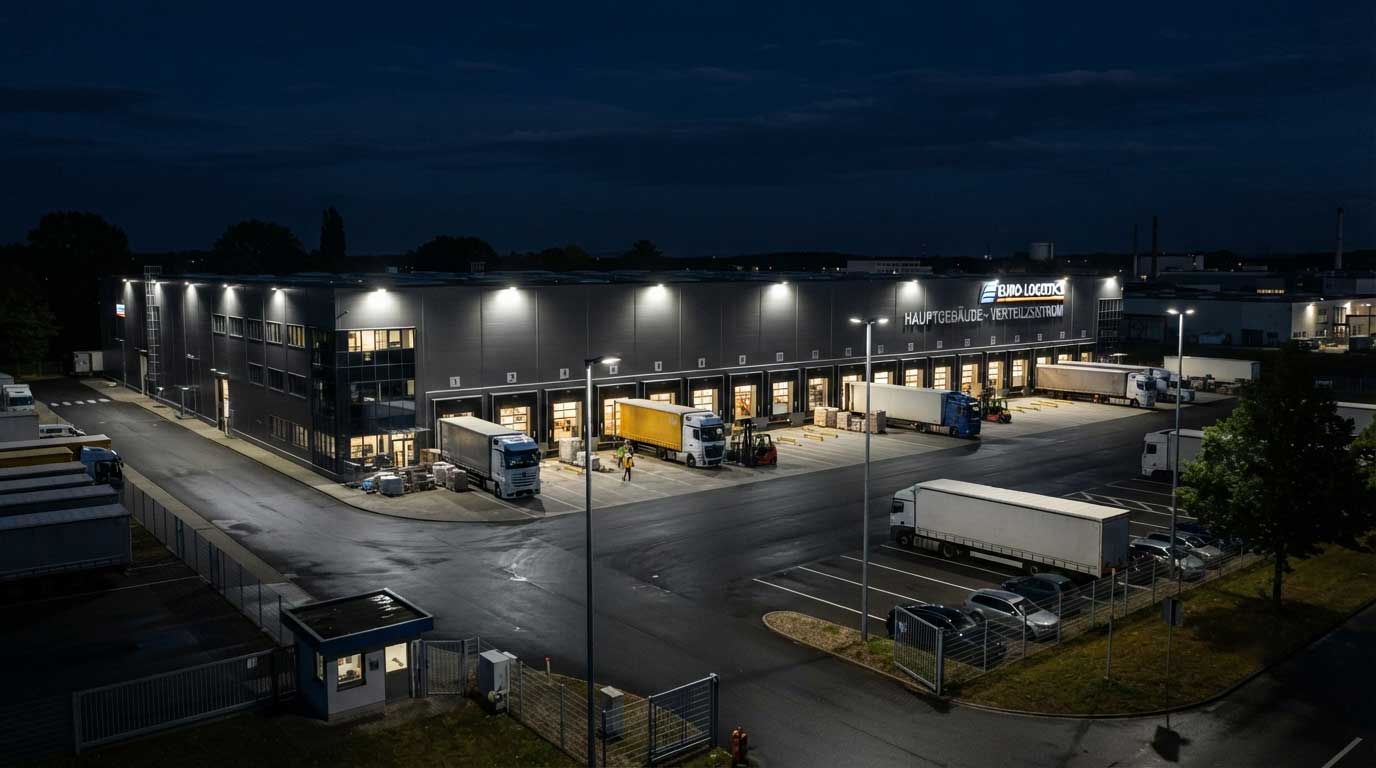
Traditional flood lights often used metal halide or halogen technology. These systems required more electricity, generated more heat, and needed frequent lamp replacement.
LED flood lights offer several advantages:
| Feature | LED Flood Lights | Traditional Flood Lights |
|---|---|---|
| Energy Efficiency | High | Lower |
| Lifespan | Long operational life | Frequent replacement |
| Maintenance | Reduced | Higher |
| Start-up Time | Instant | Delay in some technologies |
| Control Options | Smart dimming available | Limited |
The transition is especially noticeable in factories and outdoor facilities where lighting operates 8–16 hours daily. Small efficiency improvements become significant when multiplied across hundreds of fixtures.
Selecting the correct flood light requires more than checking wattage. In professional lighting projects, the final choice depends on several technical factors, including installation height, lighting area, required brightness, environmental conditions, and operating hours.
Before selecting a flood light, consider:
Lumens measure the total amount of visible light produced by a fixture. A higher lumen output does not always mean better performance. Excessive brightness can create glare, while insufficient output creates unsafe dark areas.
For example:
| Installation Area | Important Consideration |
|---|---|
| Small Garden | Moderate lumen output with wide coverage |
| Parking Lot | Uniform brightness and glare control |
| Warehouse Yard | High lumen output with long operating hours |
| Stadium | Precise optical distribution and high-power output |
Professional lighting designers usually evaluate the entire space rather than selecting fixtures based only on power ratings.
Beam angle directly affects how light spreads.
A narrow beam can project light farther, making it suitable for tall poles and large distances. A wider beam creates more uniform coverage for open areas.
During flood lighting installation reviews, I often find that poor beam selection creates unnecessary bright spots and shadows. The fixture itself may be high quality, but the wrong optical design reduces the actual lighting effect.
Outdoor flood lights must handle changing weather conditions, including rain, dust, humidity, and temperature fluctuations.
Common protection levels include:
For industrial environments, choosing the correct protection level can significantly extend fixture reliability.
Although LED flood lights require less maintenance than traditional lighting, regular inspection still improves long-term performance.
Recommended maintenance practices:
In outdoor industrial applications, environmental conditions can affect performance. Dust accumulation, salt air, and extreme temperatures may reduce heat dissipation if the fixture design is not suitable.
At SEEKINGLED, product development focuses on practical installation conditions rather than only laboratory testing. Real projects involve rain, vibration, temperature changes, and long working hours.
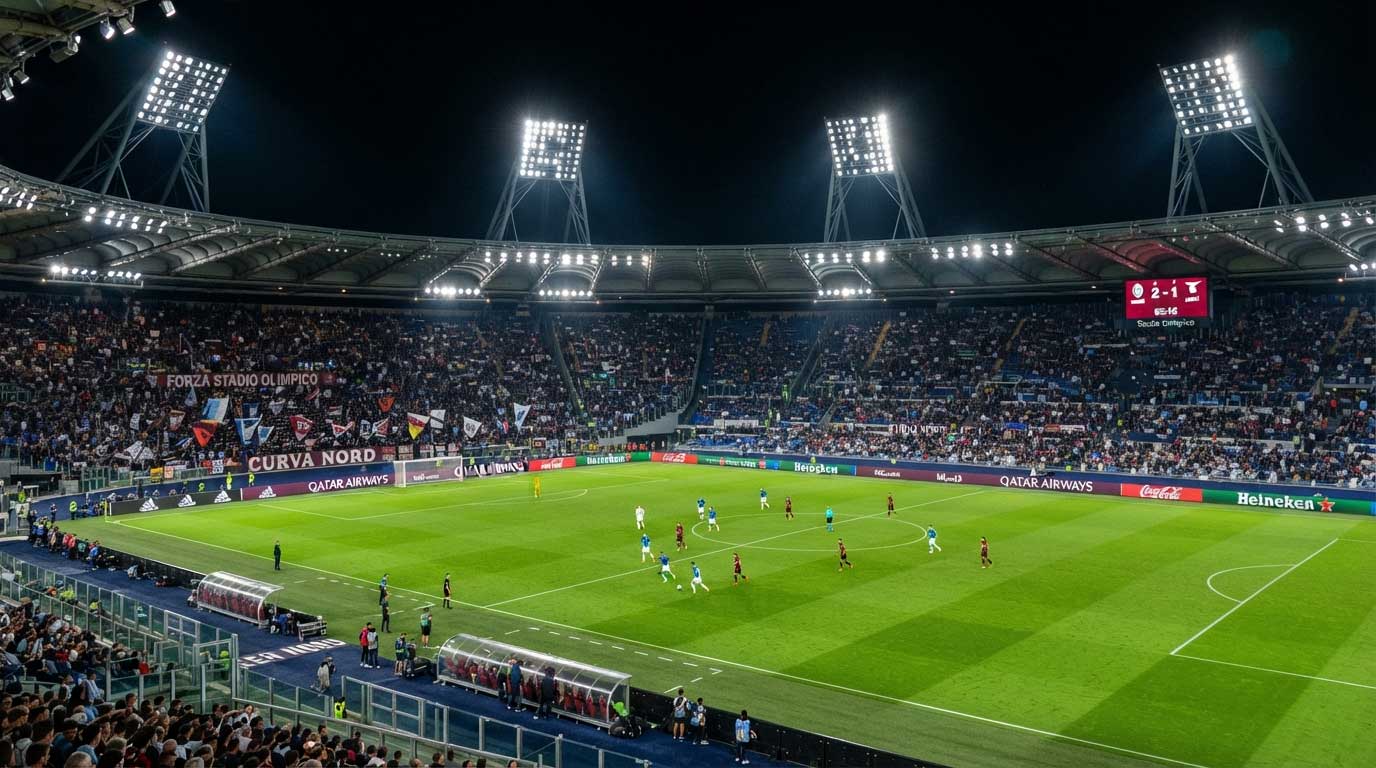
Flood lights are mainly used for illuminating large areas such as parking lots, warehouses, sports fields, industrial facilities, and building exteriors. Their wide beam design provides broad and consistent lighting coverage.
Yes. LED flood lights generally provide higher energy efficiency, longer lifespan, and lower maintenance costs compared with traditional halogen or metal halide flood lights.
The required lumen output depends on the area size, mounting height, and lighting purpose. Small residential areas require fewer lumens, while industrial yards and stadiums need much higher output.
Yes. Outdoor flood lights with suitable IP ratings are designed for wet environments. IP65 and IP66-rated fixtures are commonly used for outdoor commercial applications.
Flood lights provide wide-area illumination, while spotlights create a narrow concentrated beam. Flood lights are better for covering large spaces, whereas spotlights are used for highlighting specific objects.
High-quality LED flood lights can often operate for tens of thousands of hours depending on product design, operating temperature, and installation conditions.
what are flood lights? They are professional lighting solutions designed to deliver powerful, wide-area illumination for environments where visibility, safety, and efficiency matter.
From industrial facilities to sports venues, the right flood light selection depends on real installation conditions rather than specifications alone. After years working with LED lighting applications, I have learned that successful projects come from balancing brightness, optical performance, durability, and energy efficiency.
SEEKINGLED continues developing commercial LED lighting solutions focused on reliable performance, efficient operation, and long-term value for global customers.
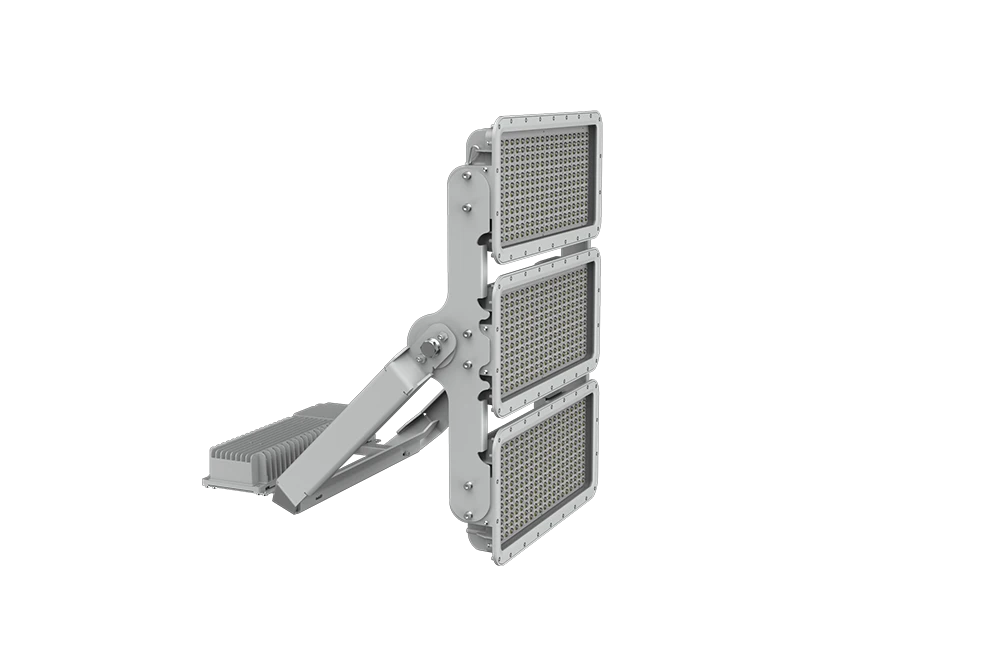
Sports Stadium LED Lighting by SEEKINGLED delivers high mast illumination, precise beam control, and EN 12193 compliant performance for professional venues.
View details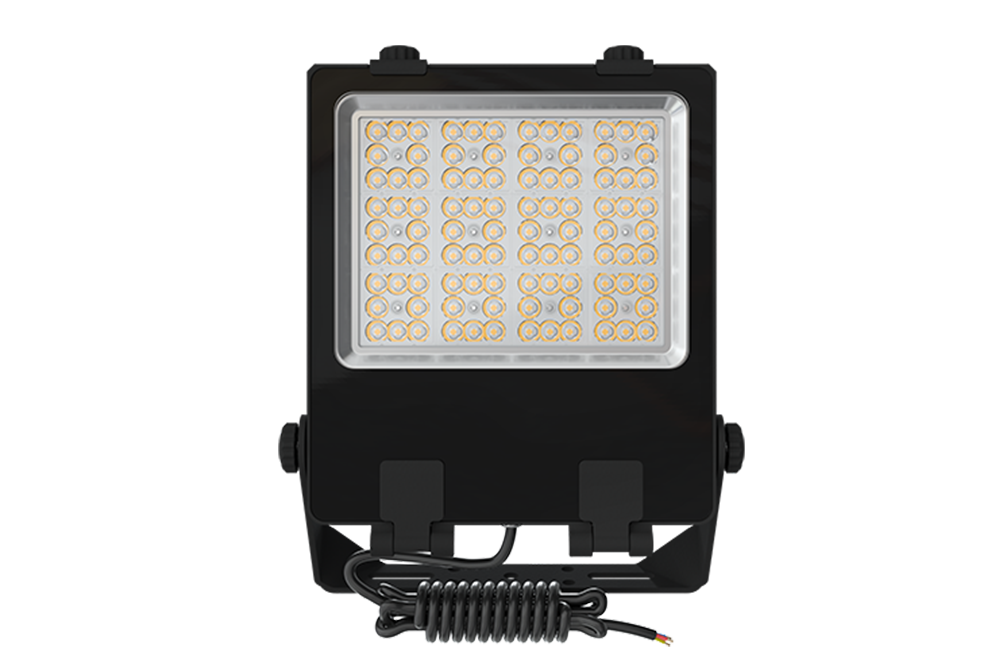
SEEKING FLX Series LED flood light outdoor for sports courts and open-area projects with 170lm/W efficiency, IP66 protection and multiple beam distributions. Designed for long-life commercial and public outdoor use.
View details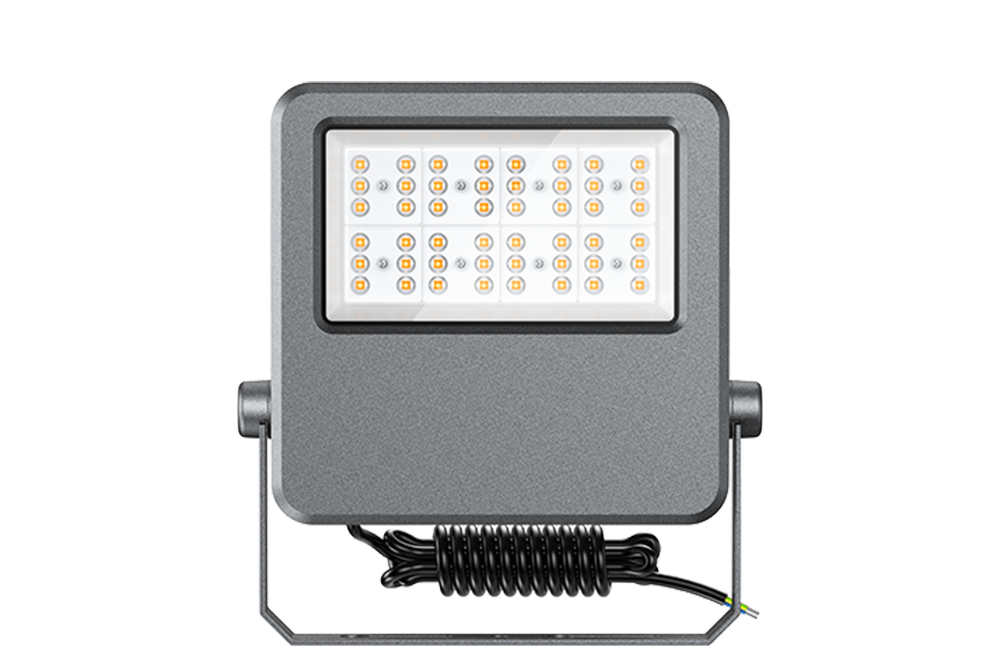
SEEKING FLE Series LED outdoor flood lights for sports grounds and open areas with multiple beam angles, IP66 protection and up to 170lm/W. Designed for long-life outdoor installations with professional driver options.
View details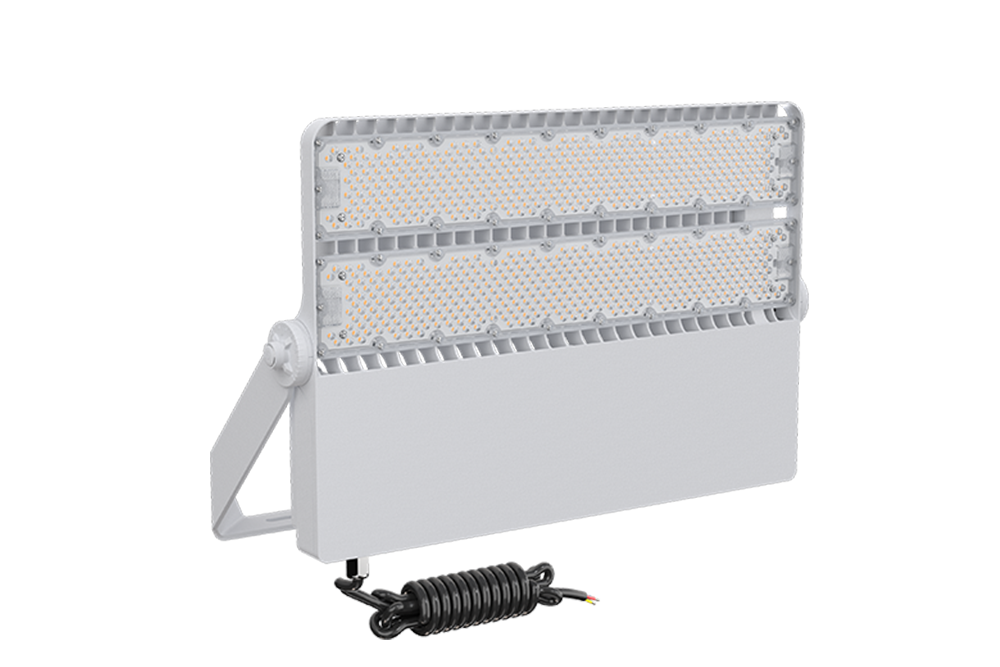
SEEKING FLD Series outdoor LED flood lights and high power led flood light deliver up to 960W with precision beam angles for sports fields, stadiums and large outdoor areas. IK08 & IP66 protection, 170lm/W efficiency and 100,000h lifetime.
View details
How to disable LED street light safely during maintenance or testing? This guide explains authorized methods, control options, and smart systems used in modern LED street lighting by SEEKINGLED.
View details
How long do LED light bulbs last in real use? Discover true lifespan, factors affecting durability, and why SEEKINGLED LED lighting performs longer in industrial conditions.
View details
Explosion proof LED work lights provide safe, portable illumination in hazardous areas. Discover certified solutions, real use cases, and selection tips.
View details
Explosion proof light purchasing guide 2026 for Zone 1 & Zone 2 areas. Learn how to select ATEX & IECEx certified LED solutions with SEEKINGLED.
View details