 Seeking LED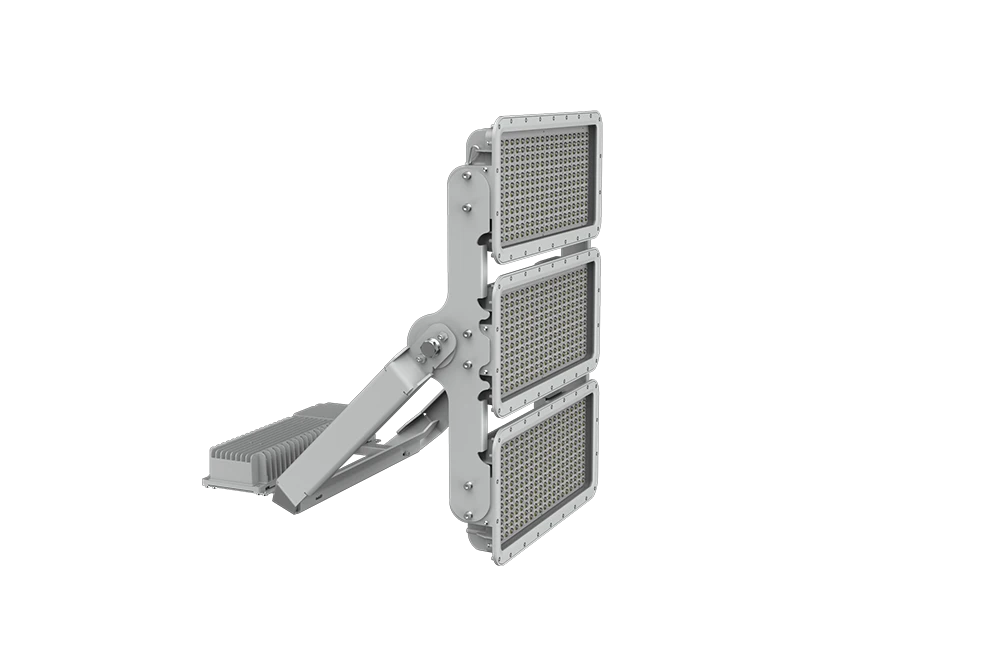
Why Hazardous Area Lighting Fixtures Exist?
0Why Hazardous Area Lighting Fixtures Exist is a critical question in industrial safety. Learn how certified fixtures prevent ignition risks and protect hazardous workplaces.
View detailsSearch the whole station
People searching online often ask the same question: what is the best outdoor led flood light?
It sounds simple. Just pick the brightest one, right?
Actually… not really.
Brightness matters, yes. But when you look at real installations — driveways, parking lots, warehouses, even backyard patios — the best flood light depends on several factors working together. Wattage, beam angle, weather resistance, and build quality all play a role.
In other words, the “best” option isn’t a single product on a shelf. It’s the one that fits the environment.
Let’s break that down the way lighting professionals usually do.
When evaluating what is the best outdoor led flood light, brightness is the first specification most people notice.
LED brightness is measured in lumens.
Here’s a quick real-world reference:
For residential areas, something around 30W–50W often works perfectly. It lights a driveway or yard without turning the entire neighborhood into daylight.
But commercial spaces — loading docks, parking areas — need more output.
Companies like SEEKINGLED design outdoor flood lights with higher efficiency LED chips, often reaching around 140–160 lumens per watt. That efficiency means brighter light without increasing electricity consumption.
And yes, you can see the difference the moment it switches on.
This is something many buyers overlook.
A flood light’s beam angle determines how the light spreads.
Typical options include:
Imagine lighting a backyard patio.
A narrow beam wouldn’t make much sense there. It would create a bright hotspot and leave everything else in shadow.
But for a long driveway or alley, that same narrow beam suddenly becomes useful.
Professional installers often adjust beam angles depending on mounting height and distance. Even a small difference in optics can change how the light performs.
Now we get into durability — a major factor when deciding what is the best outdoor led flood light.
Outdoor fixtures face rain, dust, humidity, and temperature changes almost every day. Without proper sealing, the electronics inside can fail surprisingly fast.
That’s why waterproof ratings matter.
The most common standards include:
Reliable manufacturers typically design flood lights with sealed drivers and corrosion-resistant housings.
For example, many SEEKINGLED outdoor led flood lights use die-cast aluminum bodies combined with tempered glass lenses. These materials hold up well even after years of outdoor exposure.
It’s not glamorous engineering, but it’s absolutely necessary.
Here’s something that doesn’t show up clearly in product photos: heat management.
LED chips generate heat during operation. Not as much as traditional halogen lamps, but enough that cooling design matters.
Poor heat dissipation can lead to:
Good led flood lights usually include deep aluminum heat sinks or structured cooling fins. They allow heat to escape instead of building up inside the fixture.
If you’ve ever seen an LED light dim after several months of use, there’s a good chance heat management was the culprit.
Another detail people sometimes forget is color temperature.
Outdoor flood lights usually come in a few common tones:
For security or large outdoor areas, cooler daylight tones are often preferred. They improve contrast and make movement easier to notice at night.
For patios or garden landscaping, warmer tones feel more comfortable.
Again — there isn’t a single “best” choice. The environment decides.
Let’s imagine a simple residential setup.
A homeowner installs two 50W LED flood lights above the garage, roughly three meters high. Each fixture produces around 6,000 lumens with a wide beam angle.
The result?
The driveway becomes fully visible. The front yard is partially illuminated. Shadows disappear near the house entrance.
That’s typically more than enough lighting for everyday use.
This kind of setup is exactly what many outdoor fixtures from SEEKINGLED are designed for: reliable brightness without unnecessary power consumption.
If we simplify everything, the best outdoor flood light usually has a few clear characteristics:
When these features come together, the light performs reliably for years.
And honestly, that reliability matters more than flashy specifications.
So when someone asks what is the best outdoor led flood light, the answer isn’t about chasing the highest wattage.
It’s about choosing a well-built fixture that matches the space where it will be installed.
Manufacturers like SEEKINGLED focus on exactly that balance — combining brightness, durability, and efficient LED technology to create flood lights that work in real outdoor environments.
Because at the end of the day, good outdoor lighting isn’t complicated.
It simply needs to turn on every night… and do its job.
Sports Stadium LED Lighting by SEEKINGLED delivers high mast illumination, precise beam control, and EN 12193 compliant performance for professional venues.
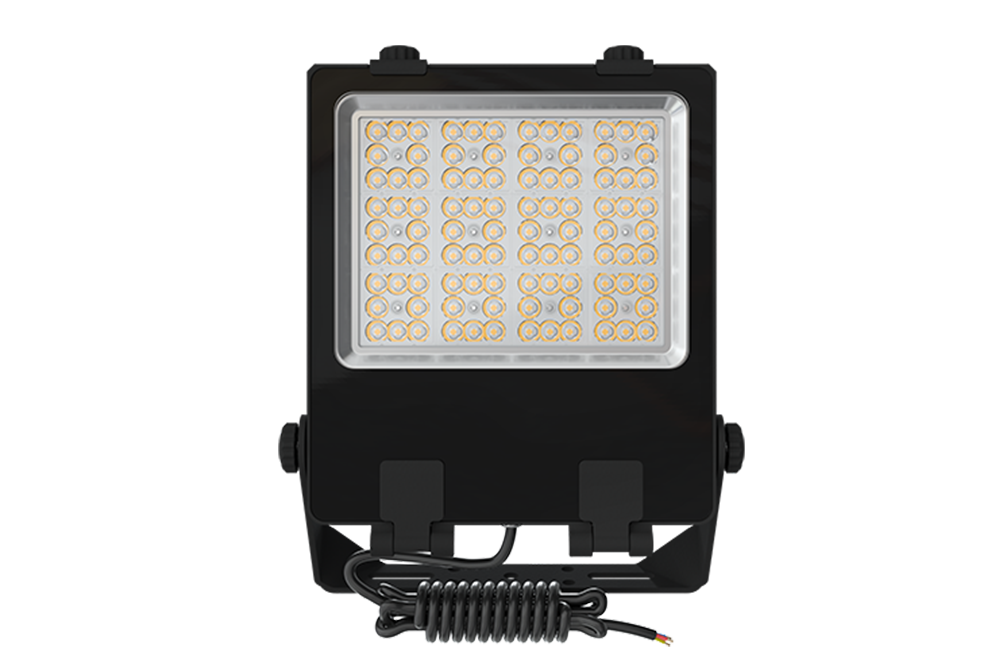
SEEKING FLX Series LED flood light outdoor for sports courts and open-area projects with 170lm/W efficiency, IP66 protection and multiple beam distributions. Designed for long-life commercial and public outdoor use.
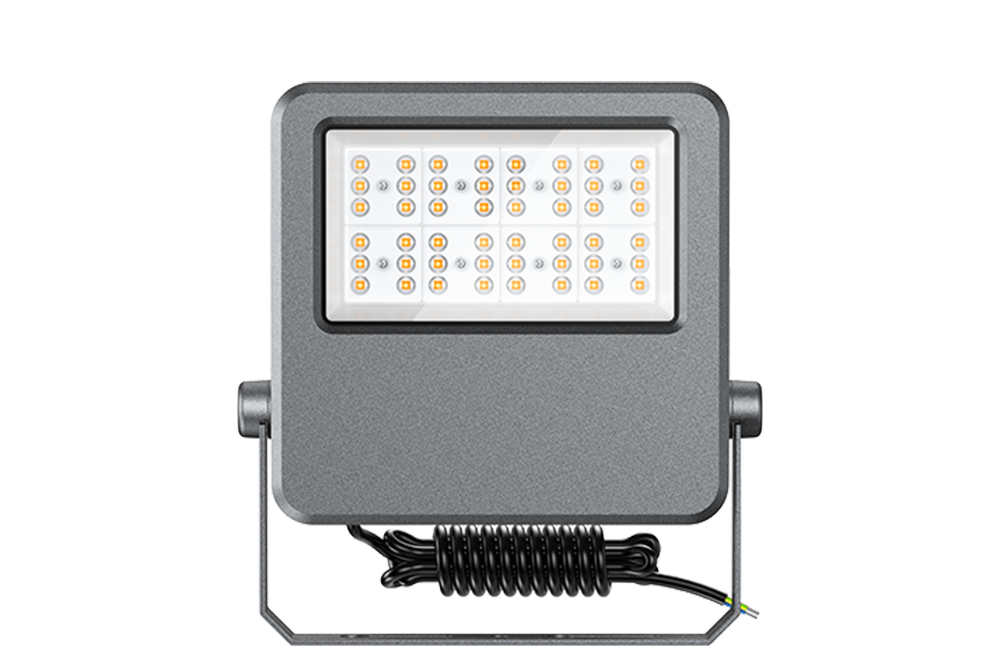
SEEKING FLE Series LED outdoor flood lights for sports grounds and open areas with multiple beam angles, IP66 protection and up to 170lm/W. Designed for long-life outdoor installations with professional driver options.
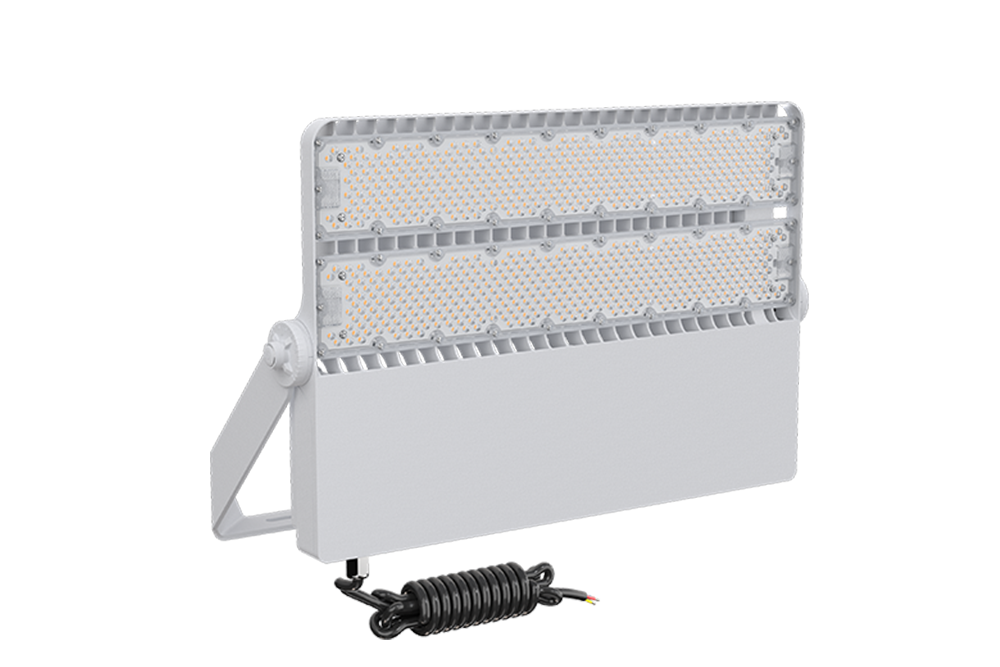
SEEKING FLD Series outdoor LED flood lights and high power led flood light deliver up to 960W with precision beam angles for sports fields, stadiums and large outdoor areas. IK08 & IP66 protection, 170lm/W efficiency and 100,000h lifetime.
loading…
This is the last post!
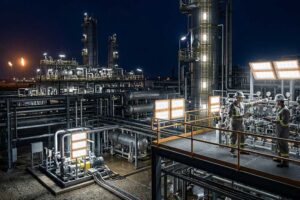
Why Hazardous Area Lighting Fixtures Exist is a critical question in industrial safety. Learn how certified fixtures prevent ignition risks and protect hazardous workplaces.
View details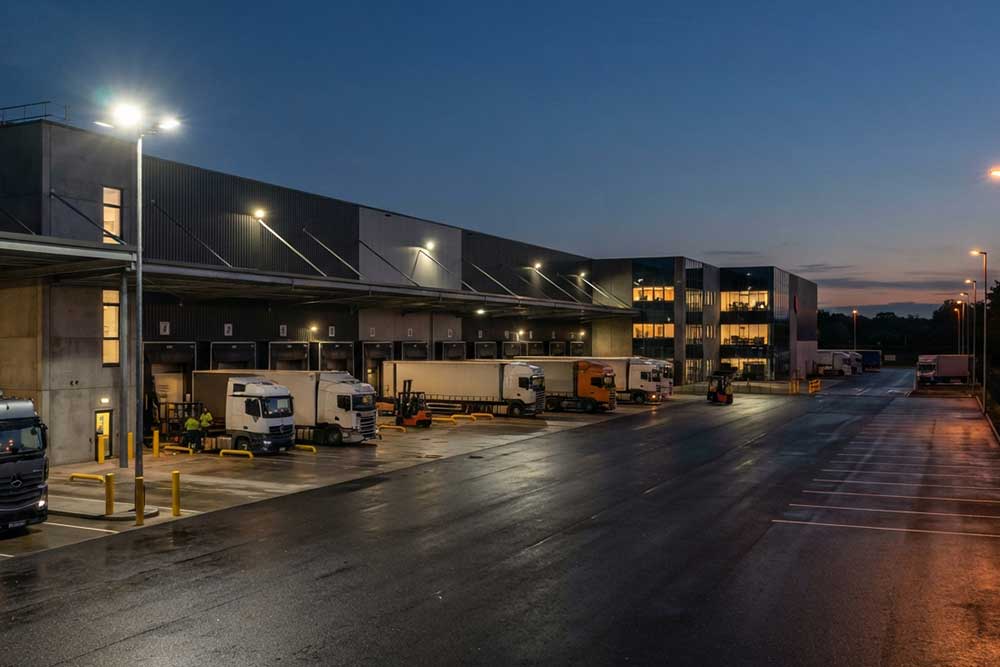
Some flood lights are dimmable, but not all. Dimming depends mainly on the LED driver, control interface, and compatible dimming method.
View details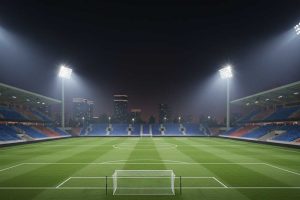
Can LED flood lights be used outdoors safely and reliably? This guide explains outdoor LED flood light requirements, weather protection, and real use cases with SEEKINGLED FLD Series high-power fixtures.
View details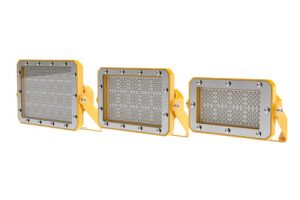
Explosion-Proof Lights with IP67 protection resist dust, rain, and harsh environments. Ideal for offshore platforms, chemical plants, and outdoor hazardous areas.
View details